Most Affordable Associate Degree Programs - Leading Certification Courses in Ann Arbor for 2026

Co-Founder and Chief Data Scientist
Planning to pursue an associate degree in Ann Arbor? Choosing the right program can feel overwhelming, but you’re not alone. This article introduces a carefully crafted associate degree programs ranking developed by the Research.com team of data scientists to guide you in making an informed decision.
Exploring affordable options helps you invest wisely in your future without unnecessary stress. An associate degree opens doors to new skills and career opportunities, offering a practical step toward your goals.
Read on to discover programs that combine quality and value, and take confidence in your educational journey ahead.
Key benefits of associate degrees in Ann Arbor
- Strong earning potential: In Ann Arbor, associate degree holders can earn competitive salaries, such as $50,942 annually in accounting or about $75,000 for healthcare roles like dental hygienists and radiologic technologists, offering great financial confidence.
- Popular career paths: Many graduates pursue fields like business, health professions, and liberal arts, which provide a variety of rewarding opportunities matched to local job demands and personal interests.
- Flexible learning options: Online associate degrees from respected local schools allow students to balance work and study, gaining the same valuable skills and credentials without the need to attend campus daily, supporting a convenient and positive learning experience.
- Most Affordable Associate Degree Programs - Leading Certification Courses in Ann Arbor for 2026
- What can I expect from associate degree programs in Ann Arbor?
- Where can I work after finishing associate degree programs in Ann Arbor?
What can I expect from associate degree programs in Ann Arbor?
Students pursuing an associate degree in Ann Arbor typically invest between $4,000 and $7,000 per year, depending on the institution and program format. Many find this an empowering step, as it opens doors quickly without the heavy financial burden of a four-year degree. Graduates from local programs often share how the affordable tuition allowed them to balance work and study, especially with flexible online options like those offered by Baker College, where semesters run in convenient 8-week blocks.
Expect a rich mix of courses that spark curiosity and build real-world skills-whether through hands-on labs in healthcare or dynamic internships in business. The cost feels like a worthwhile investment as students gain credentials recognized by employers and seamless transfer agreements with four-year universities in Ann Arbor.
By blending affordability with quality education and practical experiences, Ann Arbor's associate degree programs inspire confidence and set students on exciting career paths with achievable financial commitments.
Where can I work after finishing associate degree programs in Ann Arbor?
Graduates from associate degree programs in Ann Arbor step into a vibrant job market filled with diverse opportunities. Many find rewarding careers in healthcare, working as dental hygienists or certified occupational therapy assistants at renowned institutions like the University of Michigan Health System. These positions not only offer competitive salaries but also a chance to make a real impact on patients' lives.
Others pursue business roles such as accounts payable specialists or billing associates, thriving in local companies like Avfuel Corporation. These jobs provide stability and growth, supporting graduates as they build their professional futures. Technical and administrative roles within Ann Arbor Public Schools or the university itself also welcome associate degree holders, delivering meaningful work with excellent benefits.
For those passionate about technology and quality management, organizations like Gift of Life Michigan offer positions where graduates apply their skills daily, earning solid wages. Ann Arbor's associate degree programs create a bright pathway, turning education into career success stories grounded in real community connections.
Graduates from associate degree programs in Ann Arbor often find encouraging financial opportunities awaiting them. Many of these students, having trained at well-regarded local institutions, step confidently into roles that pay around $19 to $24 per hour. Imagine finishing your studies and joining a dynamic workforce where an Accounting Associate earns nearly $25 per hour, surpassing regional averages and opening doors to financial stability.
Others who pursue fields like business or data management often report starting salaries above $50,000 annually, which reflects the strong demand for skilled associate degree holders in the Ann Arbor area. Graduates regularly share stories of moving into meaningful careers with steady paychecks above $40,000 a year, allowing them to support themselves comfortably while continuing personal growth.
Even entry-level positions, such as office or service roles, offer a solid foundation with wages near $13 per hour, providing an accessible start on your professional journey. In a community fueled by education, these figures show how an associate degree from Ann Arbor schools truly transforms potential into real, rewarding income.
- Jasmine: Earning my Associate Degree in Nursing from Ann Arbor's trade school opened doors quickly. The hands-on training made me confident in patient care, and within months, I secured a position at a local clinic. The supportive instructors made all the difference-truly empowering and practical education.
- Marcus: Studying Automotive Technology in Ann Arbor was a game-changer. The program balanced theory with real engine work, prepping me directly for the workforce. Getting employed at a nearby repair shop felt seamless. This trade school education was practical, engaging, and truly built my professional confidence.
- Elena: My experience earning an Associate Degree in Graphic Design here was inspiring. The small classes and expert teachers helped me hone my creativity and build a strong portfolio. I landed a job with a design firm in Ann Arbor quickly. Trade schools offer community and career readiness unlike anywhere else.
- Admission typically requires a high school diploma or GED, with minimum GPA requirements ranging from 2.0 to 2.25 depending on the program.
- Associate degrees in Ann Arbor include A.A., A.S., A.A.S., and A.G.S., usually requiring 60 to 72 credit hours, or about two years full-time study.
- The average cost for a two-year program at public community colleges is between $9,000 and $12,000 for tuition and fees, excluding books and living expenses.
- Transfer opportunities exist, especially for A.A. and A.S. degrees, which are designed for continuation to four-year universities.
- Starting salaries for associate degree holders in Ann Arbor range from $38,000 to $52,000, with experienced professionals earning $55,000 or more in high-demand fields.
Completing an associate degree program in Ann Arbor typically takes two years of full-time study, a timeframe familiar to many graduates from Concordia University Ann Arbor and local community colleges. Imagine dedicating yourself to four semesters of focused learning, with about 15 to 16 credits each term-this steady pace often leads to success and fulfillment as you reach your academic goals.
Many students find motivation in knowing they can tailor their journey. Some take advantage of summer courses to accelerate their progress, finishing earlier than expected and feeling proud of their commitment. Others balance part-time study around jobs or family, extending their timeline but gaining invaluable flexibility without losing sight of their dreams.
Graduates recall how transferring previously earned credits or enrolling in accelerated programs helped them push through obstacles. This individualized path shows that no matter your starting point, Ann Arbor's associate degree programs provide opportunities to grow, adapt, and triumph. With determination, your two-year goal becomes an attainable-and inspiring-reality.
Choosing between online and on-campus associate degree programs in Ann Arbor means embracing the learning style that fits your life best. Imagine a busy parent or working professional at Washtenaw Community College who treasures the freedom to study late at night or during lunch breaks, thanks to WCC's flexible online courses. These programs often let you learn at your own pace, using interactive virtual platforms and occasional live sessions, making it possible to balance education with real-world commitments.
On the other hand, picture a student thriving in vibrant campus life, attending in-person classes, collaborating face-to-face with instructors, and joining clubs that enhance professional skills. Ann Arbor's community colleges offer these rich experiences, where hands-on labs for healthcare or skilled trades bring lessons to life in ways an online screen can't replicate.
Both paths lead to the same recognized credential, empowering graduates to confidently pursue their futures. Whether connecting online or on campus, students in Ann Arbor find support, inspiration, and growth tailored just for them.
The average cost of associate degree programs at Ann Arbor community colleges, such as Washtenaw Community College (WCC), offers a realistic and affordable path for many local students. For the 2025-2026 academic year, in-district tuition and fees total about $4,104 for a full-time student, making it truly accessible for residents seeking practical education without overwhelming debt.
Graduates often share how budgeting for books, supplies, and transportation alongside tuition shapes their journey. Typical expenses include $969 for books and supplies and transportation ranging from $3,000 to $3,600 per year. Those fortunate enough to live at home find housing and food costs around $6,000, which helps keep the total average cost of attendance near $15,069 annually when combined with tuition and other necessities.
Out-of-district and out-of-state students experience higher tuition rates, reaching up to $10,044 for full-time study, but many still find the investment worthwhile in the long run. Students who live independently should prepare for notably increased expenses due to housing and food, with totals rising above $22,000. Yet, despite these variations, the affordability of these programs compared to private four-year institutions fills students with hope and motivation.
Future learners eager to join programs here can also explore support through financial aid and scholarships that dramatically reduce actual costs. For those balancing careers with school, considering the fastest online undergraduate degrees for working adults might offer the perfect blend of flexibility and affordability, showing that investing in an associate degree is fully achievable.
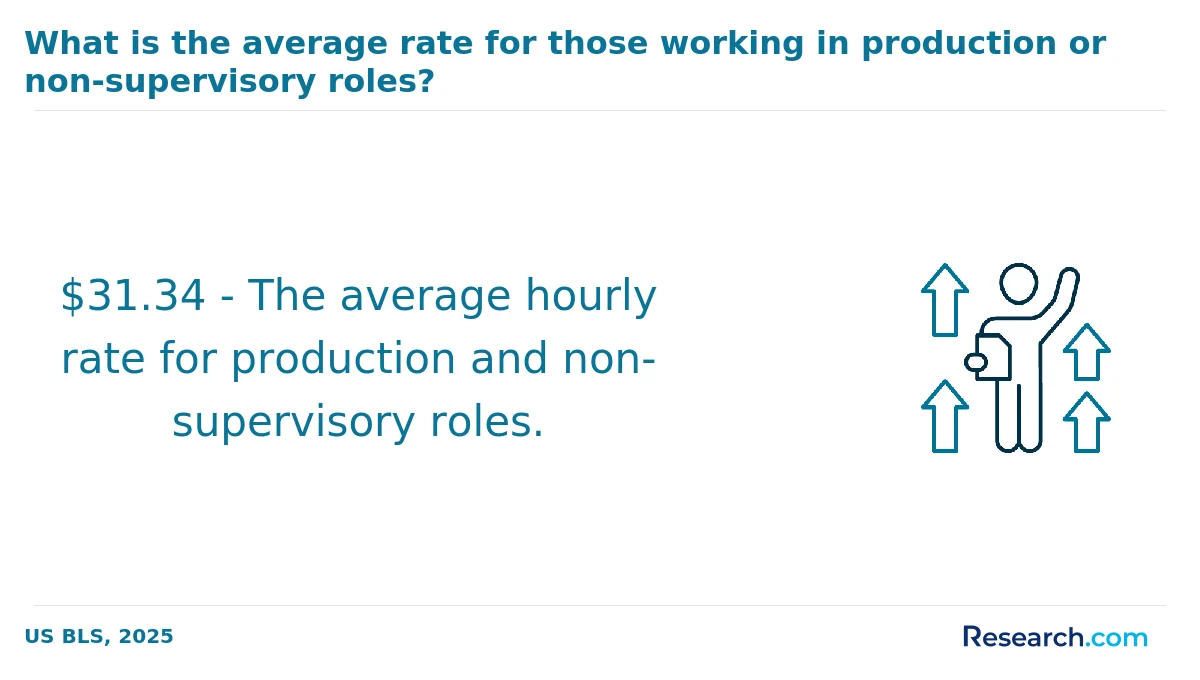
Students pursuing associate degrees in Ann Arbor discover a world of financial support designed to lift their educational dreams. Many graduates share how filling out the FAFSA opened doors to federal grants like the Pell Grant, which helped them cover college costs without the burden of repayment. Imagine gaining part-time campus jobs through the Federal Work-Study program, balancing work and study while easing financial stress.
Local opportunities shine at Washtenaw Community College (WCC), where scholarships and the WCC Foundation Scholarship have transformed students' hopes into reality. Graduates often recall how the Student Resource Center's aid for books, supplies, and even transportation made a tangible difference, helping them stay focused and succeed.
Applying before deadlines such as May 1 for the University of Michigan-Ann Arbor ensures the best chances for these invaluable aids. Many Ann Arbor students feel empowered knowing there's a network of institutional and federal resources ready to support their journey every step of the way.
Enrolling in an associate degree program in Ann Arbor begins with a key milestone: having a high school diploma or an equivalent credential like a GED. This essential foundation unlocks the door to exciting educational opportunities at local institutions such as Washtenaw Community College (WCC), where countless graduates have launched their academic journeys.
Beyond this, many students share their stories of taking placement tests in English and math, which help tailor their course paths. These assessments ensure that whether you're refreshing skills or diving straight into college-level classes, you are fully supported to succeed.
Students describe how meeting general education requirements across six core areas-mathematics, English composition, natural sciences, social sciences, humanities, and computer literacy-has enriched their learning experience, helping them grow both personally and academically.
For those eager to transfer to a four-year university, maintaining a solid GPA (usually 2.0 or higher) and completing specific transfer-aligned courses, like those in the Michigan Transfer Agreement at WCC, opens doors to new horizons.
- A high school diploma or equivalent
- Placement assessments in English and math
- Completion of general education courses in six core areas
- Satisfactory GPA for transfer pathways
These prerequisites set a clear, achievable path for students in Ann Arbor, ensuring every learner is prepared and confident as they embrace their academic future.

In Ann Arbor, associate degree course requirements in Ann Arbor balance a blend of general education and major-specific classes, ensuring students gain versatile skills and focused expertise. Graduates from Washtenaw Community College often reflect on how their studies in core areas like English Composition and Mathematics enhanced their communication and problem-solving abilities, making them confident in diverse settings.
Typical general education courses include:
- English Composition for refining writing and critical thinking
- Mathematics courses such as Quantitative Reasoning or Statistics
- Humanities and Social Sciences exploring cultures and societies
- Natural Sciences like biology and chemistry providing scientific foundations
- Communication classes for public speaking and interpersonal skills
Alongside these, Ann Arbor community college associate degree classes offer specialized courses that align with career goals. Programs at local colleges like Baker College include training in fields from Accounting to Advanced Manufacturing, giving students hands-on experiences relevant to their ambitions. Many students appreciate flexible 8-week semesters and online options, which empower them to manage learning alongside life's responsibilities.
For those curious about academic pathways, exploring what is the easiest phd to get online offers intriguing insights into ongoing education possibilities beyond associate degrees.
Choosing the best associate degree programs in Ann Arbor starts with exploring what truly excites you. Many graduates from Washtenaw Community College and Concordia University Ann Arbor share how their passion for fields like sports management or medical billing grew as they engaged with tailored coursework and supportive faculty. Imagine yourself thriving in a program that aligns with your goals and offers clear paths to transfer credits if you decide to pursue a bachelor's degree later.
When it comes to how to compare Ann Arbor associate degree costs, consider both tuition rates and the value of student services. Local students often praise Washtenaw Community College's affordable in-district tuition alongside flexible financial aid options, easing their worries about finances while staying close to home. Exploring scholarships and payment plans can make a big difference in your journey.
Many students also find it helpful to check out resources on cheap online masters degrees for ideas on continuing education after their associate degree, keeping future growth within reach.
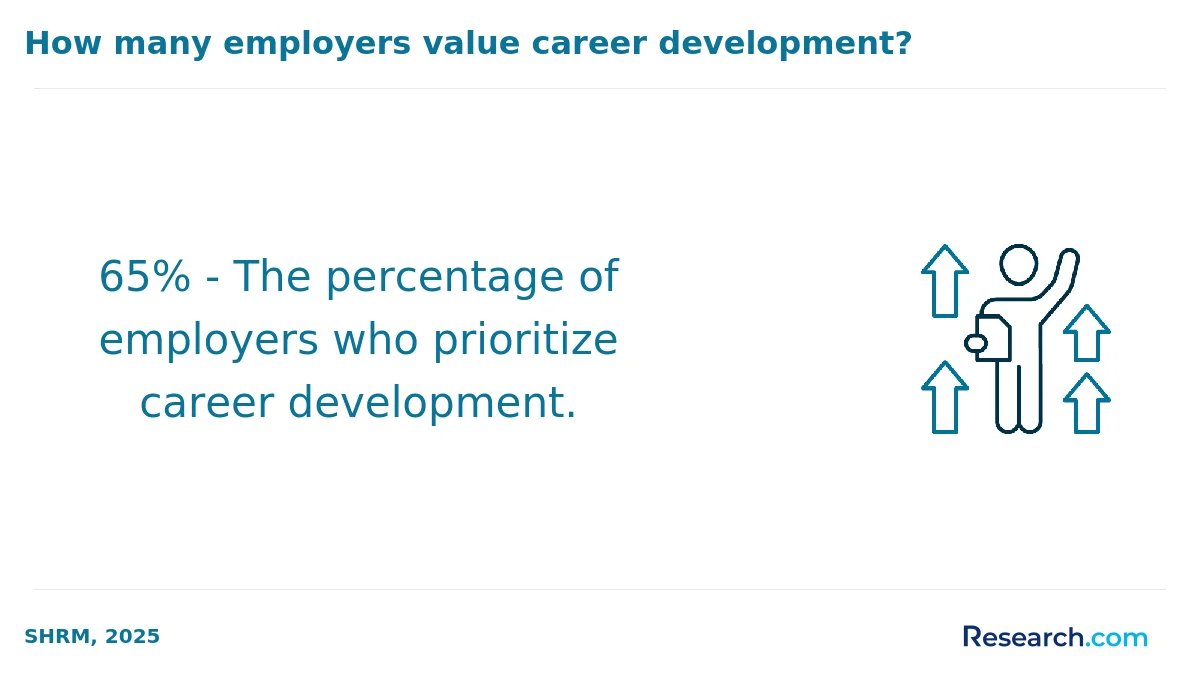
Associate degree graduates in Ann Arbor find themselves at the heart of a thriving job market full of inspiring career opportunities with an associate degree in Ann Arbor. From healthcare to business, many graduates share stories of quickly stepping into roles as dental hygienists, certified occupational therapy assistants, or medical office managers, thanks to the strong programs at local schools like Washtenaw Community College. These roles offer not only stable income but also rewarding day-to-day work that makes a real difference in the community.
Many graduates pursue vibrant paths in business and administration, thriving as research administration associates, billing specialists, or customer service professionals. Technical and IT support roles are increasingly opening doors, with local schools producing skilled technical assistants and system administrators earning competitive hourly wages. Graduates often highlight how their associate degrees prepare them for hands-on challenges and exciting advancement opportunities.
Creative fields also flourish for those exploring animation, audio production, or arts management, all nurtured by specialized associate programs. For anyone considering flexible learning options, it's worth exploring online college courses that accept fafsa to keep moving forward.
The Ann Arbor job market for associate degree holders is vibrant and full of promise. Graduates from popular associate degree schools in Ann Arbor often find rewarding opportunities in industries like healthcare, business administration, IT, and customer service. Many report landing roles such as Patient Services Associate or Business System Support Specialist, where their skills make an immediate impact. Working in a city where over 65% of the population holds an associate degree or higher creates a supportive environment that encourages career growth and competitive wages.
Associate degree jobs in Ann Arbor offer strong pay, with average salaries around $48,144 annually, translating to about $23.15 per hour. This is a step above many Michigan cities, ensuring graduates feel valued for their expertise. The presence of employers like the University of Michigan and Ford Motor Company means plenty of full-time positions with benefits are available to well-prepared candidates.
Many graduates find success by combining their studies with networking and internships, strategies supported by the best online school for trade skills offerings. Key advantages include:
- Diverse job opportunities across multiple industries
- Competitive wages with potential for growth
- Access to companies known for hiring associate degree graduates
- Supportive community of skilled professionals
In a dynamic Ann Arbor job market for associate degree holders, persistence and the right skills open doors to fulfilling careers at some of Michigan's most respected organizations.
Most Affordable Associate Degree Programs - Leading Certification Courses in Ann Arbor for 2026
# 1 position
Washtenaw Community College - Business Administration and Management, General.
associateWashtenaw Community College offers a fully online Business Administration and Management, General program designed to prepare students to plan, organize, direct, and control organizational functions. The curriculum covers management theory, human resources, accounting, purchasing, logistics, marketing, and decision-making. The annual in-state tuition is $2,736. Graduates have a median earning of $41,152 one year after completion. The program is accredited by the Higher Learning Commission.
# 2 position
Washtenaw Community College - Office Management and Supervision.
associateWashtenaw Community College offers a fully online Office Management and Supervision program designed to prepare students for managing business office operations and personnel. The curriculum covers employee supervision, labor relations, budgeting, scheduling, office systems, records management, and public relations. The program is accredited by the Higher Learning Commission. Annual in-state tuition is $2,736, and median earnings one year after completion are $41,152.
# 3 position
Washtenaw Community College - Physical Therapy Assistant.
associateWashtenaw Community College offers a Physical Therapy Assistant program in a hybrid format with some distance-education options. The program prepares students to implement treatment care plans, conduct interventions, and use equipment under a physical therapist's supervision. Coursework includes anatomy, physiology, biomechanics, neuroscience, and professional ethics. The annual in-state tuition is $2,736. Graduates have median earnings of $39,704 one year after completion. The program is accredited by the Higher Learning Commission.
# 4 position
Washtenaw Community College - Automobile/Automotive Mechanics Technology/Technician.
associateWashtenaw Community College offers a hybrid Automobile/Automotive Mechanics Technology/Technician program designed to prepare students to repair, service, and maintain various automobile systems. The curriculum covers brake systems, electrical systems, engine performance and repair, suspension and steering, transmissions, and heating and air conditioning. The program is accredited by the Higher Learning Commission. Annual in-state tuition is $2,736, with median earnings one year after completion of $37,457.
# 5 position
Washtenaw Community College - Computer and Information Sciences, General.
associateWashtenaw Community College offers a hybrid program in Computer and Information Sciences, General, focusing on computing, computer science, and information science systems. The annual in-state tuition is $2,736. Graduates earn a median salary of $33,457.70 one year after completing the program. The program is accredited by the Higher Learning Commission and is distinct from specific computer science or information science degrees.
# 6 position
Washtenaw Community College - Information Technology.
associateWashtenaw Community College offers a Hybrid Information Technology program focusing on designing technological information systems to support business and research data needs. The curriculum covers computer hardware and software, algorithms, databases, telecommunications, application testing, and human interface design. The annual in-state tuition is $2,736. Graduates have a median earning of $33,457 one year after completion. The program is accredited by the Higher Learning Commission.
# 7 position
Washtenaw Community College - Computer Systems Networking and Telecommunications.
associateWashtenaw Community College offers a Computer Systems Networking and Telecommunications program with a hybrid format, allowing some distance education. The program trains students in designing, implementing, and managing linked computer systems and networks, covering operating systems, networking theory, security, and troubleshooting. Annual in-state tuition is $2,736. Graduates earn a median of $33,457.70 one year after completion. The program is accredited by the Higher Learning Commission.
# 8 position
Washtenaw Community College - Computer and Information Systems Security/Auditing/Information Assurance.
associateWashtenaw Community College offers a hybrid Computer and Information Systems Security/Auditing/Information Assurance program preparing students to assess security needs, recommend safeguards, and manage security system implementation and auditing. The curriculum covers computer architecture, programming, networking, cryptography, risk assessment, and investigation techniques. The program's annual in-state tuition is $2,736 and it is accredited by the Higher Learning Commission.
# 9 position
Washtenaw Community College - Legal Assistant/Paralegal.
associateWashtenaw Community College offers a Legal Assistant/Paralegal program designed to prepare students for roles involving research, drafting, investigatory, and administrative tasks under attorney supervision. The hybrid program includes instruction in legal research, document drafting, pleading, courthouse procedures, and legal specializations. Accredited by the Higher Learning Commission, the annual in-state tuition is $2,736, providing an accessible pathway to legal support careers.
# 10 position
Washtenaw Community College - Heating, Air Conditioning, Ventilation and Refrigeration Maintenance Technology/Technician.
associateWashtenaw Community College offers a hybrid program in Heating, Air Conditioning, Ventilation, and Refrigeration Maintenance Technology/Technician. This program prepares students to repair, install, service, and maintain HVAC and refrigeration systems, focusing on diagnostic techniques and the use of testing equipment. Instruction covers mechanics, electricity, and electronics principles related to these systems. The annual in-state tuition is $2,736. The program is accredited by the Higher Learning Commission.
Frequently Asked Questions about associate degree programs
Preparing for the job market after earning an associate degree in Ann Arbor involves several key steps. Graduates should begin by researching local industries that actively hire associate degree holders, such as healthcare, information technology, and skilled trades. According to the U.S. Bureau of Labor Statistics, Ann Arbor's healthcare sector expects a 10% growth over the next decade, providing strong opportunities for associate degree graduates.
Networking is essential; students can attend job fairs and utilize resources at the University of Michigan's Career Center. Developing soft skills and obtaining relevant certifications further enhance employability. Internships or part-time work during studies also improve practical experience, making job seekers more competitive in Ann Arbor's evolving job market.
Employers in Ann Arbor highly value associate degree graduates who demonstrate strong technical and interpersonal skills. According to recent surveys from the National Association of Colleges and Employers (NACE), 87% of employers prioritize problem-solving abilities and critical thinking. In Ann Arbor's competitive job market, proficiency in computer literacy, especially Microsoft Office and basic programming, is frequently requested for roles across healthcare, manufacturing, and IT sectors.
Soft skills such as communication and teamwork are equally important. A 2023 LinkedIn report highlights that 75% of employers in the region seek candidates with effective verbal and written communication. Time management and adaptability also rank high due to rapidly changing work environments.
Finding internships relevant to your associate degree program in Ann Arbor involves a few strategic steps. Start by utilizing career services at local colleges such as Washtenaw Community College, which often maintain partnerships with businesses offering internships. According to the U.S. Bureau of Labor Statistics, internships boost employment prospects by up to 20%, making them crucial for career entry.
Next, explore online platforms like Handshake and LinkedIn, which list internships specifically in Ann Arbor across fields like healthcare, technology, and business. Networking with local industry groups and attending job fairs can also open doors.
The City of Ann Arbor's economic development office often posts internship opportunities tied to its growing sectors, including automotive technology and healthcare.
In Ann Arbor, earning an associate degree can significantly influence career mobility and advancement, especially in growing industries like healthcare, technology, and skilled trades. Many local employers prefer candidates with an associate degree for mid-level positions, often offering higher starting salaries and opportunities for promotion compared to those with only a high school diploma. According to the U.S. Bureau of Labor Statistics, workers with an associate degree earn about 20% more on average nationwide, a trend reflected in Ann Arbor's competitive job market.
The city's strong education infrastructure, including community colleges such as Schoolcraft College nearby, supports students in gaining practical skills that align with employer needs. Additionally, local data from the Michigan Center for Educational Performance and Information shows that Ann Arbor residents with associate degrees have higher employment rates and better job retention than those without postsecondary credentials.
Ann Arbor offers diverse part-time job opportunities that align well with associate degree education. Positions such as medical assistants, dental hygienists, and IT support technicians are common for students in health sciences or information technology programs. According to the U.S. Bureau of Labor Statistics, Ann Arbor's health care support sector is growing faster than the national average, creating more openings for part-time roles.
Retail and customer service jobs, often found at local businesses and the University of Michigan campus, also provide practical experience in communication and management. Additionally, part-time internships in engineering firms or local tech startups support hands-on learning for technical degrees.
Ann Arbor, MI is home to reputable institutions such as the University of Michigan, which offers a variety of degree programs that can be affordable due to in-state tuition rates and financial aid options. Additionally, there are several community colleges near Ann Arbor, MI, such as Washtenaw Community College, which provide affordable degree programs with potential credit transfer opportunities to larger universities. Research.com can be useful to explore and compare different programs and institutions that are near me and cater to diverse academic and financial needs.
- Associates Degree College | MIAEYC https://miaeyc.org/t-e-a-c-h-scholarships/participating-colleges/associates-degree-college/
- College Tuition Costs | Current Tuition Rates and Fees | WCC https://www.wccnet.edu/afford/cost/tuition/index.php
- Online vs Traditional School: A Look at the Pros and Cons https://www.uopeople.edu/blog/online-colleges-vs-traditional-colleges/
- Associate Degree Programs | Academics | Miami Dade College https://www.mdc.edu/academics/programs/associate.aspx
- What is an associate’s degree? | Top Universities https://www.topuniversities.com/blog/what-associates-degree
- Unlocking Career Opportunities with an Associate Degree ‐ CareerExplorer https://www.careerexplorer.com/unlocking-career-opportunities-with-associate-degree/
- Explore the Different types of Credentials. | GEAR UP https://gearup.wa.gov/student-credentials
- Ann Arbor SPARK Job Board https://jobs.annarborusa.org/
- How to Properly List Your Academic Degrees and Credentials - ASET - The Neurodiagnostic Society https://www.aset.org/docs/individuals/how-to-properly-list-your-academic-degrees-and-credentials/
- Is an Online Degree the Same as a Traditional College Degree? | Bryan University Online© https://bryanuniversity.edu/faq/is-an-online-degree-the-same-as-a-traditional-college-degree/