
Best Trade School & Training Programs - Leading Certification Courses in Wisconsin for 2026

Co-Founder and Chief Data Scientist
Choosing the right trade school can set the foundation for a rewarding career in Wisconsin. This article introduces the best trade schools in the state for 2026, helping you navigate your options with confidence.
The trade school programs ranking was developed by the Research.com team of data scientists to provide a clear, data-driven guide. It highlights programs worth considering based on quality and outcomes.
Whether you seek a diploma or certification, advancing your skills opens doors to practical, well-paying jobs. Exploring these schools is a positive step toward your future success.
Key benefits of finishing trade school programs trade school in Wisconsin
- Expected salary: Trade school graduates in Wisconsin earn strong salaries, with median pay ranging from $50,727 for one-year diplomas to $60,003 for associate degrees, and skilled trades averaging about $55,115 per year.
- Popular career paths: Graduates often pursue rewarding jobs in healthcare, advanced manufacturing, plumbing, electrical work, and automotive technology, fields known for steady demand and good income potential.
- Benefits of online education: Earning a diploma online offers flexibility, allowing students to balance work and study while gaining the same valuable skills, making it easier to start or advance in a trade career.
- Best Trade School & Training Programs - Leading Certification Courses in Wisconsin for 2026
- What can I expect from trade school programs trade schools in Wisconsin?
- Where can I work after finishing trade school programs trade schools in Wisconsin?
What can I expect from trade school programs trade schools in Wisconsin?
The average cost of a trade school program in Wisconsin varies but is generally affordable, especially when considering schools like Northcentral Technical College and Western Technical College. Many graduates share that tuition expenses are manageable, with financial aid and scholarships often bridging gaps. For example, Northcentral Technical College awards over $581,000 in scholarships annually, helping students ease the financial burden while pursuing certificates, technical diplomas, or associate degrees.
Students frequently appreciate how programs blend classroom learning with hands-on experiences, which not only builds skills but also enhances their confidence in real work environments. Graduates from these schools often recall participating in internships or apprenticeships with at least 450 hours of paid, on-the-job training, which directly contributed to their readiness for employment.
Several graduates highlight that their investment in tuition was offset by quick employment, as 85-96% find jobs within six months. This return on investment makes the cost feel justified, especially since many remain employed in Wisconsin, positively impacting their local communities.
Where can I work after finishing trade school programs trade schools in Wisconsin?
Graduates from Wisconsin trade schools often find themselves stepping into a variety of rewarding careers. Many land jobs in construction, working as residential or commercial construction workers, remodeling specialists, or general contractors. Imagine a recent graduate from Milwaukee Area Technical College confidently managing a housing development project, benefiting from the state's strong investment in infrastructure.
Others pursue welding careers, becoming structural or pipe welders in manufacturing plants or fabrication shops. A graduate might share how their training at Madison College opened doors to steady work at a local industrial facility facing a national shortage of skilled welders.
HVAC technicians, electricians, and diesel mechanics are similarly sought after, frequently employed by utility companies or local contractors. Commercial truck driving is also a common path, with graduates driving logistics routes across Wisconsin.
Apprenticeship programs in fields like mechatronics or bricklaying blend classroom learning with paid on-the-job training, helping students transition smoothly into family-sustaining roles. Graduates often praise initiatives like WRTP | BIG STEP for connecting them directly to solid job opportunities in key industries.
Graduates from Wisconsin trade schools often see impressive earning potential soon after completing their programs. Many report starting salaries that exceed those for entry-level jobs requiring a four-year degree, with an average annual salary around $67,777, or approximately $32.59 per hour as of August 2025. For example, graduates of well-known technical colleges across Wisconsin find themselves entering fields like electrical work or advanced manufacturing where wages can quickly rise above $33 an hour.
Those who engage in apprenticeship programs benefit even more, with median salaries reaching upward of $96,733 according to recent surveys. This combination of classroom learning and paid on-the-job training reflects strong long-term growth, especially in high-demand trades such as construction and manufacturing.
Even shorter diploma programs deliver promising outcomes. Many diploma graduates from popular Wisconsin technical campuses report median earnings between $50,000 and $55,000 within six months, demonstrating that investing in these programs can lead to well-paying jobs without lengthy schooling.
Tradespeople from Wisconsin's trade schools describe the satisfaction of gaining practical skills that employers value immediately, helping lift their financial stability early in their careers.
- Most trade schools in Wisconsin require applicants to be at least 16 years old and submit a high school transcript, GED, or placement test scores like ACT or ACCUPLACER.
- Nursing and medical programs often require minimum GPAs ranging from 2.1 to 2.8, and placement tests may be waived if certain score benchmarks are met.
- The application process is usually online and quick, with deadlines set several months before classes start.
- Trade school costs range from $4,000 to $15,000, with many students receiving financial aid through grants, scholarships, or work-study programs.
- Graduates commonly find jobs paying $40,000 to $60,000 annually within a year, and experienced workers in skilled trades can earn more than $70,000 per year.
Trade school programs in Wisconsin generally vary from a few months up to two years, depending on the program and learning pace. For instance, graduates from Mid-State Technical College recall completing the Construction Trades certificate in just one semester-about 16 weeks-balancing their studies with work, which made achieving quick, tangible results motivating.
Others pursuing more specialized skills, like HVAC technicians, often invest around two years, especially if attending part-time. Lakeshore Technical College offers programs where students attend about 9 hours weekly over 90 weeks, allowing flexibility for those managing family or jobs. This extended timeline lets students feel confident mastering their craft without overwhelming pressure.
The credential type deeply impacts duration: short-term certificates provide fast entry to the workforce, while diplomas and associate degrees require longer commitments but offer comprehensive expertise. Many students appreciate these options because they align with individual schedules and goals, whether seeking rapid credentialing or thorough preparation for licensure.
The key difference between online and on-campus trade school programs in Wisconsin is how students engage with their coursework and campus life. Graduates from Milwaukee Area Technical College appreciate the flexibility of online classes, where they could attend live sessions or complete assignments on their own schedule. This allowed them to balance work and family responsibilities without sacrificing progress.
On the other hand, those who chose on-campus programs at Madison College enjoyed direct interaction with instructors and hands-on training in specialized labs. The vibrant campus environment helped them build networks and gain practical skills that felt immediately relevant.
Online students at Northeast Wisconsin Technical College often mention the convenience of studying from home but also highlight the need for reliable internet and basic tech skills. Some Waukesha County Technical College graduates found that having access to loaner laptops made digital learning less stressful.
Both paths offer strong support systems-virtual advising for online learners and face-to-face assistance on campus-allowing students to thrive based on their personal learning style and lifestyle demands.
The average trade school tuition in Wisconsin for the 2024-2025 year is about $14,133, which provides a helpful benchmark for students budgeting their education expenses. Graduates from popular Wisconsin trade schools often reflect on the manageable costs compared to national averages, noting that public schools in the state typically charge between $5,000 and $11,000 annually, making technical education accessible. In contrast, private trade schools may charge from $10,000 up to $22,000 per year, which some students find worthwhile due to smaller class sizes and specialized program offerings.
Understanding how tuition is calculated can clarify the total cost involved. For instance, many Wisconsin technical colleges set tuition at $152.85 per credit for degree and diploma programs. This credit-based structure allows students to estimate expenses based on program length and workload, helping them plan more confidently. Wisconsin graduates frequently mention feeling empowered by this transparent pricing because it lets them anticipate costs early on without hidden surprises, making the overall Wisconsin trade school program total cost easier to navigate.
It's also important for prospective students to account for additional expenses like books, supplies, and fees, which tuition does not always cover. Thankfully, many in-state students take advantage of financial aid options such as the Wisconsin Grant, which can provide up to $3,150 toward qualifying programs. Students have shared positive experiences using resources connected to affordable online cosmetology programs and other fields to offset costs and ease financial stress.

Trade school students in Wisconsin often find that financial aid significantly eases the burden of tuition and living costs. For example, graduates from popular schools like Madison College mention how the Wisconsin Grant Program helped cover a large portion of their expenses without the stress of repayment. These grants are based on financial need and adjust depending on whether students attend full- or part-time, determined through FAFSA.
Additionally, the Talent Incentive Program (TIP) Grant supports students facing both financial and educational challenges, providing up to ten semesters of aid at Wisconsin technical and private colleges. This program's first-come, first-served approach motivates early application to secure funds, as noted by recent technical college alumni who successfully balanced work and study.
Federal options like the Pell Grant also assist, especially for those enrolled part-time-students taking ten credits can receive about 83% of the full award. Looking ahead, the upcoming Workforce Pell Grant will broaden access for short-term training courses, a boon for those upgrading skills rapidly at institutions such as Milwaukee Area Technical College.
These aid programs collectively make trade education financially accessible, enabling many Wisconsinites to pursue practical careers without overwhelming debt.
Enrolling in a trade school program in Wisconsin requires meeting a set of well-defined prerequisites that vary by institution and program. Graduates from Northwood Technical College often recall the straightforward application process, which typically includes submitting a high school diploma, GED, or HSED transcript. Current high school students benefit from submitting a temporary transcript but must provide a final one before classes start.
Many programs, especially healthcare-related ones, expect prospective students to complete certain steps before acceptance, such as:
- Undergoing background checks, including Wisconsin Caregiver and National Criminal Background Checks.
- Completing a physical exam and showing proof of immunizations.
- Obtaining Basic Life Support (BLS) certification.
For those entering more technical fields like nursing or radiography at institutions such as Northcentral Technical College, academic requirements also include passing entrance exams like the HESI A2 with a minimum 75% score and completing prerequisite courses.
Additionally, students seeking financial aid must file the FAFSA after acceptance into eligible programs. Many trade schools provide mandatory orientations that ease the transition into demanding course work, and accommodations ensure students with disabilities can confidently pursue their goals. These steps, though demanding, help students feel prepared and supported throughout their educational journey in Wisconsin.

Trade schools in Wisconsin offer courses that balance foundational knowledge with technical skills, directly preparing graduates for the workforce. For example, students at popular campuses appreciate how health sciences programs include Medical Terminology, Human Anatomy, and Clinical Procedures-essential for careers like dental assistants or EMTs.
Manufacturing and engineering courses often focus on practical skills such as:
- Blueprint Reading
- CNC Machining
- Welding Technology
- Robotics
Graduates from these programs share how hands-on training feels empowering, reflecting Wisconsin's robust manufacturing scene.
Information technology courses emphasize Network Administration, Cybersecurity, and programming languages like Python and Java, helping students quickly adapt to real-world tech roles.
Construction trades programs include Building Codes, Construction Management, and Architectural Drafting, enabling students to confidently step into roles like electricians or HVAC technicians.
Transportation and logistics learners engage with Automotive Technology, Diesel Mechanics, and Supply Chain Management-fields boasting employment rates above 90% shortly after graduation, according to Wisconsin reports.
Business and marketing courses such as Marketing Principles and Digital Communication also prepare students to thrive in diverse work environments.
Trade school programs in Wisconsin offer diverse specializations that align closely with regional workforce demands, providing students with practical, career-ready skills. Graduates from programs at popular institutions like Milwaukee Area Technical College often describe a rewarding blend of classroom learning and hands-on experience. Typical specializations include health sciences-such as Nursing, Medical Assistant, and Radiography-which many find fulfilling given the high employment rates post-graduation.
Manufacturing and engineering options like Welding, CNC Technician, and Robotics prepare students for well-paying roles, with graduates citing strong job placement due to industry partnerships. In digital technology fields, programs in Cybersecurity, IT Support, and Data Analytics also reflect the evolving job market, helping students become competitive candidates equipped with certifications.
Other practical pathways encompass business management, marketing, construction, and transportation. For students weighing options, understanding these specializations can clarify choices and spark enthusiasm about future careers. Exploring careers in the trades can provide additional insight into which path resonates most for Wisconsin students.
Choosing the best trade school programs in Wisconsin starts with verifying program accreditation, ensuring the institution meets national standards which affect credit transfers and professional certifications. Graduates from schools like Lakeshore Technical College praise their programs for this reason, noting smoother transitions into careers and further education. Equally important is the variety of programs offered; students have shared how exploring options at Southwest Wisconsin Technical College, which includes 15 diverse career clusters, helped them align education with their personal interests and job market demand.
When comparing how to compare Wisconsin trade schools, look closely at graduate outcomes and support services. Many graduates highlight the confidence gained from high job placement rates, sometimes reaching 94% within six months, as evidence of their school's effectiveness. Practical support such as tutoring and apprenticeship opportunities is also commonly mentioned as a game-changer, especially for those returning to education. For hands-on learners considering skilled trades, researching cheapest online classes for welding trade school can open doors to affordable, flexible training paths.
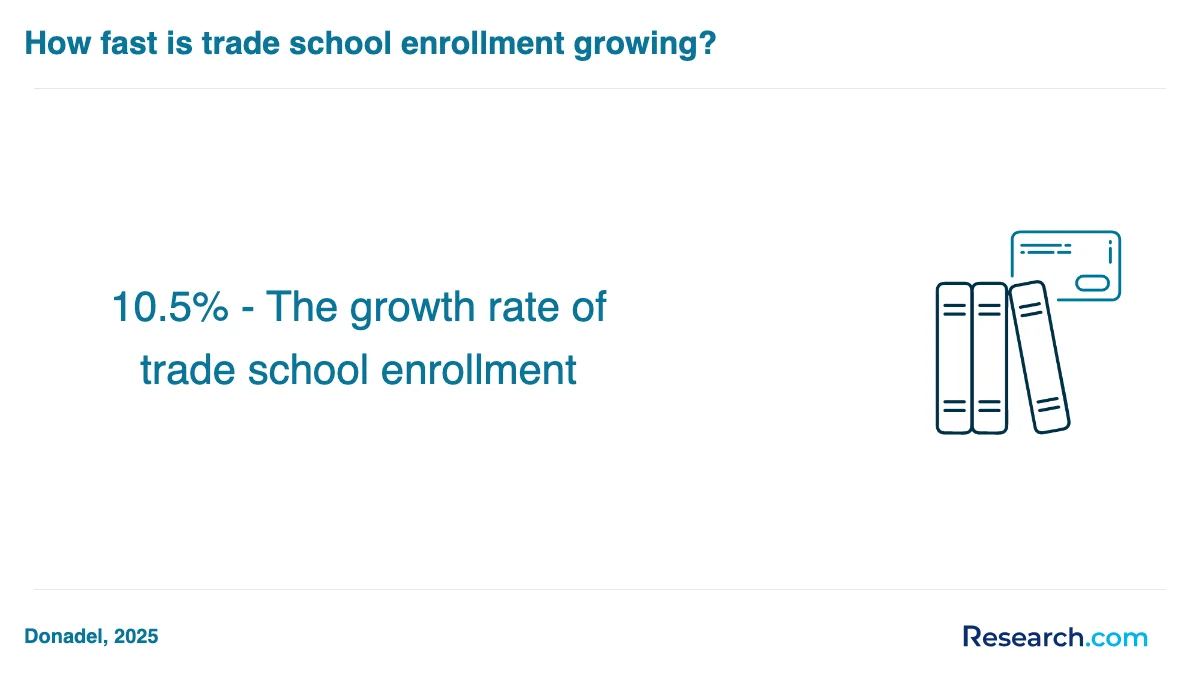
Trade school graduates in Wisconsin can explore a variety of career pathways rooted in high-demand skilled trades Wisconsin industries. In well-known technical colleges, graduates often share success stories about starting as apprentices in trades like electrical work, plumbing, and HVAC. These programs combine classroom learning with hands-on experience, equipping students to become journey-level technicians within three to five years. Graduates describe the pride and confidence gained as they take on roles such as crew leaders or project managers, or launch their own businesses in construction.
Other popular career pathways include manufacturing and industrial trades, where welding remains a critical skill. Students from Wisconsin's trade schools frequently mention how the state's manufacturing sector offers steady demand for pipe welders and heavy equipment operators, ensuring job security and growth. Moreover, accelerated healthcare programs allow those interested in service careers to quickly enter the workforce, often within a single semester, benefiting from rapid wage increases and clear advancement trajectories.
Students appreciate the flexible career pathways for trade school graduates in Wisconsin, often beginning with short certificates and progressing to advanced credentials over time. For those seeking specialized niches, options like low cost online landscaping classes provide further opportunities to expand skills and employment potential.
The job market for trade school graduates in Wisconsin shows robust strength, especially for those completing programs at popular local institutions. Graduates often find themselves in a market with a low unemployment rate of 3.3%, which is significantly below the national average. Many report entering industries like construction and manufacturing where skilled technical abilities are highly rewarded.
Specific examples from graduates reveal that:
- Apprenticeship programs affiliated with Wisconsin trade schools have nearly doubled in participation, bolstering confidence in job stability.
- Graduates benefit from joint labor-management programs that deliver employment quality comparable to four-year university degrees.
- Construction remains a strong sector despite slight declines, with ongoing infrastructure projects demanding skilled workers.
For those considering trade school education in Wisconsin, the employment rate for technical college graduates in Wisconsin remains a compelling factor. Many students describe feeling optimistic about their future careers immediately after completing hands-on training. Additionally, the availability of online vocational trade programs provides flexible pathways for Wisconsin residents aiming to enter this rewarding job market without disrupting their current lifestyles.
Best Trade School & Training Programs - Leading Certification Courses in Wisconsin for 2026
# 1 position
Northwood Technical College - Dental Assisting/Assistant.
certificate or diplomaNorthwood Technical College offers a fully online Dental Assisting/Assistant program designed to prepare students for patient care, dental radiographs, and office administrative tasks under supervision. The curriculum includes medical record-keeping, reception, scheduling, equipment maintenance, sterilization, radiography, chairside assisting, and supervised practice. The program is accredited by the Higher Learning Commission, with an annual in-state tuition of $4,524.
# 2 position
Northwood Technical College - Industrial Mechanics and Maintenance Technology/Technician.
certificate or diplomaNorthwood Technical College offers a fully online Industrial Mechanics and Maintenance Technology/Technician program designed to prepare students for repairing and maintaining industrial machinery and equipment. Graduates can expect median earnings of $55,793 one year after completion. The program is accredited by the Higher Learning Commission and features an annual in-state tuition of $4,524.
# 3 position
Fox Valley Technical College - Dental Assisting/Assistant.
certificate or diplomaFox Valley Technical College offers a hybrid Dental Assisting/Assistant program designed to prepare students for patient care, dental radiographs, and office administrative duties under dentist supervision. The curriculum covers medical record-keeping, scheduling, equipment maintenance, sterilization, chairside assisting, and supervised practice. Annual in-state tuition is $4,916. Graduates have median earnings of $31,038 one year after completion. The program is accredited by the Higher Learning Commission.
# 4 position
Chippewa Valley Technical College - Diagnostic Medical Sonography/Sonographer and Ultrasound Technician.
associateChippewa Valley Technical College offers a hybrid Diagnostic Medical Sonography/Sonographer and Ultrasound Technician program preparing students to use ultrasound techniques for diagnostic purposes. The curriculum covers patient care, sonographic data processing, and professional ethics. Annual in-state tuition is $4,724. Graduates earn a median salary of $69,672 one year after completion. The program is accredited by the Higher Learning Commission.
# 5 position
Moraine Park Technical College - Diagnostic Medical Sonography/Sonographer and Ultrasound Technician.
associateThe Diagnostic Medical Sonography/Sonographer and Ultrasound Technician program at Moraine Park Technical College is a hybrid course preparing students to use medical ultrasound techniques under physician supervision. The program covers patient data integration, sonographic data processing, equipment operation, and professional ethics. Annual in-state tuition is $4,713. Graduates have a median earning of $54,569 one year after completion. The program is accredited by the Higher Learning Commission.
# 6 position
Southwest Wisconsin Technical College - Dental Assisting/Assistant.
certificate or diplomaSouthwest Wisconsin Technical College offers a Dental Assisting/Assistant program with a hybrid format that includes some distance education options. The program prepares students to provide patient care, take dental radiographs, and assist dentists and hygienists with office and clinical duties. Instruction covers medical record-keeping, scheduling, equipment maintenance, radiography, and chairside assisting. Annual in-state tuition is $4,796, and median earnings one year after completion are $25,791. The program is accredited by the Higher Learning Commission.
# 7 position
Fox Valley Technical College - Plumbing Technology/Plumber.
certificate or diplomaFox Valley Technical College offers a hybrid Plumbing Technology/Plumber program that equips students to become licensed plumbers. The curriculum covers installation and maintenance of piping systems for various utilities, including steam, natural gas, and hot water. Instruction includes technical mathematics, blueprint reading, welding, plumbing codes, and inspection. The program is accredited by the Higher Learning Commission, with annual in-state tuition of $4,916 and median earnings of $79,589 one year after completion.
# 8 position
Northeast Wisconsin Technical College - Diagnostic Medical Sonography/Sonographer and Ultrasound Technician.
associateThe Diagnostic Medical Sonography/Sonographer and Ultrasound Technician program at Northeast Wisconsin Technical College offers a hybrid format with some distance education. It prepares students to use ultrasound techniques for diagnosing conditions under physician supervision. Instruction covers patient care, data recording, sonography equipment, and professional ethics. The program is accredited by the Higher Learning Commission. Annual in-state tuition is $4,904, and median earnings one year after completion are $61,044.
# 9 position
Southwest Wisconsin Technical College - Criminal Justice/Safety Studies.
associateSouthwest Wisconsin Technical College offers a Hybrid Criminal Justice/Safety Studies program that examines the criminal justice system, including its legal, organizational, and policy aspects. The curriculum covers criminal law, police and correctional systems, administration of justice, and public attitudes toward criminal justice. The program's annual in-state tuition is $4,796. Graduates earn a median salary of $51,806 one year after completion. The program is accredited by the Higher Learning Commission.
# 10 position
Southwest Wisconsin Technical College - Criminal Justice/Police Science.
associateSouthwest Wisconsin Technical College offers a hybrid Criminal Justice/Police Science program that prepares students for roles in law enforcement, including patrol, investigation, traffic and crowd control, and evidence management. The program covers crime prevention, weapon handling, and report preparation. Annual in-state tuition is $4,796. Graduates have median earnings of $51,806 one year after completion. The program is accredited by the Higher Learning Commission.
Frequently Asked Questions about trade school programs
After completing trade school in Wisconsin, preparing for the job market involves targeted steps to maximize employment prospects. First, it is essential to obtain relevant certifications or licenses recognized by Wisconsin's regulatory agencies, as these credentials greatly improve job eligibility and earning potential.
Networking plays a crucial role; students should connect with local employers, trade unions, and apprenticeship programs, many of which actively recruit from trade schools. According to the Wisconsin Department of Workforce Development, sectors like manufacturing and healthcare show steady hiring trends for skilled trade graduates.
Additionally, developing a professional resume that highlights practical skills and completed projects can set candidates apart. Career services offered by Wisconsin trade schools often provide valuable job placement assistance and interview preparation.
Employers in Wisconsin prioritize several key skills when hiring trade school graduates. Technical proficiency in skilled trades such as welding, electrical work, and HVAC is essential, with 78% of employers emphasizing hands-on experience, according to a 2023 report from the Wisconsin Department of Workforce Development.
In addition to technical skills, communication and problem-solving abilities rank highly. Over 65% of surveyed employers identified strong oral and written communication as critical for workplace success. This aligns with the statewide focus on team collaboration found in industries like manufacturing and construction.
Work ethic and reliability are also top considerations. Employers consistently seek graduates who demonstrate punctuality, adaptability, and a commitment to safety standards. The National Association of Manufacturers notes these qualities directly impact productivity and job retention within Wisconsin's trade sectors.
Finding internships in Wisconsin that align with your trade school program begins with leveraging the connections your school offers. Many trade schools in the state have partnerships with local businesses and industries, creating direct pipelines for internships.
The Wisconsin Department of Workforce Development reports that many employers in sectors like manufacturing, healthcare, and construction actively seek trade students for internships, with over 1,500 opportunities listed statewide in 2023. Checking online job boards and specific state resources such as Wisconsin JobCenter can provide current listings.
Networking through trade associations and attending local career fairs are effective strategies. Also, inquire about on-campus career services; these often assist students in matching with relevant internships based on their program focus and skillset.
In Wisconsin, earning a trade school diploma significantly enhances career mobility and advancement opportunities. According to the Wisconsin Department of Workforce Development, industries such as manufacturing, healthcare, and construction frequently report strong demand for skilled workers holding trade credentials.
Trade diplomas provide practical skills tailored to employer needs, reducing the time and cost typically associated with a four-year degree. Graduates often find faster job placement, with entry-level wages above the state median for workers without postsecondary education, as reported by the Wisconsin Technical College System.
Additionally, certain certifications earned alongside diplomas can lead to promotions and salary increases. The Bureau of Labor Statistics notes that Wisconsin's trade school graduates have higher employment retention and upward mobility within their fields compared to those with only a high school diploma.
Part-time job opportunities in Wisconsin that complement trade school education are diverse and often tied to local industry demands. Fields such as automotive repair, electrical work, and HVAC offer many roles where students can apply newly learned skills while earning an income. According to the Wisconsin Department of Workforce Development, part-time jobs in skilled trades have grown by 5% over recent years.
Positions such as apprentice electrician or junior HVAC technician allow students hands-on experience with flexible hours. Similarly, roles in machine operation or welding shops provide practical exposure to industry-standard equipment. These jobs increase employability post-graduation by enhancing practical knowledge alongside formal training.
Retail or customer service jobs in hardware stores also offer relevant experience, especially for students in construction or electrical trade programs. These positions develop communication skills critical for client interactions in future careers. Overall, Wisconsin's trade job market supports a variety of part-time work avenues that align well with trade school curricula.
If you're looking for top degree programs near Wisconsin, the state is home to several reputable universities offering a variety of fields of study. Programs that are well-regarded can also be found "near me" by checking local community colleges and institutions for available courses. For those seeking more personalized guidance, consulting resources like Research.com can provide information on the best educational institutions and programs available.
- Best Trade School & Training Programs - Leading Certification Courses in Minnesota for 2026
- Best Trade School & Training Programs - Leading Certification Courses in Illinois for 2026
- Best Trade School & Training Programs - Leading Certification Courses in Indiana for 2026
- Best Trade School & Training Programs - Leading Certification Courses in Missouri for 2026
- Best Trade School & Training Programs - Leading Certification Courses in Kentucky for 2026
- Best Trade School & Training Programs - Leading Certification Courses in West Virginia for 2026
- Best Trade School & Training Programs - Leading Certification Courses in Arkansas for 2026
- Best Trade School & Training Programs - Leading Certification Courses in Pennsylvania for 2026
- Best Trade School & Training Programs - Leading Certification Courses in Colorado for 2026
- Best Trade School & Training Programs - Leading Certification Courses in Mississippi for 2026
- Career and Technical Education (CTE) | Wisconsin Department of Public Instruction https://dpi.wi.gov/families-students/student-success/cte
- Find The Best Trade Schools In Wisconsin https://www.accreditedschoolsonline.org/vocational-trade-school/wisconsin/
- Skilled Trades in Wisconsin | Building Advantage https://buildingadvantage.org/trades/
- Job Center of Wisconsin Workforce Services https://www.wisconsinjobcenter.org/training/programs.htm
- Apprenticeship Programs | Madison College https://madisoncollege.edu/academics/apprenticeships
- Fox Valley Technical College® https://www.fvtc.edu/
- Career Explorations & Skilled Trades | WRTP | BIG STEP https://wrtp.org/career-explorations-skilled-trades/
- Professional – Center for Student Experience and Talent https://uwm.edu/set/experiential-learning/professional/
- Apprenticeship Benefits | Learn, Earn, Succeed https://www.yawisconsin.org/students


