Best Trade School & Training Programs - Leading Certification Courses in Willow Street for 2026

Co-Founder and Chief Data Scientist
Choosing the right trade school in Willow Street can open doors to a rewarding career and a brighter future. This article introduces the best trade schools in the area for 2026, helping you find the program that fits your goals.
The trade school programs ranking featured here was developed by the Research.com team of data scientists to ensure you make an informed decision.
Discover opportunities to gain valuable skills, earn certifications, and build confidence on your path to success. Your journey starts here.
Key benefits of finishing trade school programs trade school in Willow Street
- Attractive salaries: Trade school graduates in Willow Street can earn solid wages, with average salaries around $39,000 six years after graduation. Skilled roles like millwrights earn between $75,000 and $90,000, while warehouse associates make about $42,000 per year.
- Popular career paths: Many graduates pursue careers in HVAC, electrical work, medical assisting, and industrial machinery, all offering good growth potential and stable employment.
- Flexible learning: Completing a trade school diploma or certification online allows you to balance education with life commitments, just like many successful online graduates from well-known Willow Street trade programs.
- Best Trade School & Training Programs - Leading Certification Courses in Willow Street for 2026
- What can I expect from trade school programs trade schools in Willow Street?
- Where can I work after finishing trade school programs trade schools in Willow Street?
What can I expect from trade school programs trade schools in Willow Street?
Students attending trade school programs in Willow Street, particularly at the Lancaster County Career & Technology Center, can expect an average annual cost of about $14,561. While this might seem like a significant investment, many graduates find that the practical, hands-on training they receive offers real value by preparing them for immediate employment in skilled trades.
Most students benefit from substantial financial aid, with 76% receiving support that helps reduce out-of-pocket expenses. Additionally, about 59% take out student loans averaging $7,737 per year, which many graduates report managing well thanks to the focused, career-oriented nature of their programs.
Beyond cost, learners appreciate the flexible scheduling options-such as evening courses-that enable them to balance education with work or family life. The low student-to-faculty ratio fosters a supportive atmosphere where instructors are approachable and responsive, making enrollment and course completion less stressful for both younger students and adult learners.
These factors combine to create a practical, affordable pathway into skilled professions, which past students praise for its direct connection to local job markets and personalized learning experiences.
Where can I work after finishing trade school programs trade schools in Willow Street?
Graduates of trade school programs in Willow Street, especially those from Lancaster County Career & Technology Center (LCCTC), often step directly into well-paying jobs that match their skills. Those finishing medical professions or practical nursing training can find rewarding work in hospitals, nursing homes, dental offices, and outpatient clinics. Many graduates share how quickly they landed positions as licensed practical nurses or dental assistants, often with excellent benefits and job stability that make them proud of their career choice.
Welding and transportation graduates regularly secure roles in manufacturing plants, construction companies, automotive shops, and logistics firms throughout the area. One graduate described feeling confident on their first day at a trucking company after CDL training through LCCTC, knowing they had hands-on skills employers value.
Agriscience students frequently find opportunities on local farms, landscaping businesses, and agricultural supply companies, where their knowledge supports Lancaster County's thriving agricultural economy. These career paths offer clear advancement and the satisfaction of working close to home in industries that matter.
After finishing a trade school program in Willow Street, graduates can expect an encouraging salary range that reflects the strong local job market. For instance, those entering nursing and healthcare support roles often start with hourly wages between $34.14 and $37.14, which translates into an annual income of around $71,000 to $77,000. This pay scale provides a significant boost compared to minimum wage jobs and offers rewarding financial stability right out of school.
Graduates from payroll and accounting programs in Willow Street report starting salaries between $21.24 and $29.43 per hour, equating to about $44,000 to $61,000 yearly. These figures demonstrate solid earning potential in fields that combine technical skill with professional training.
Skilled trades such as welding, HVAC, and automotive technology also present promising pay, often starting at or above $34 per hour for day shifts, especially when certifications are earned. Many graduates from the Lancaster County Career and Technology Center feel motivated by these opportunities, finding their education directly connected to well-paying jobs and career growth.
- The Lancaster County Career & Technology Center (LCCTC) offers over 60 programs including agriscience, welding, medical and dental professions, transportation, and practical nursing.
- LCCTC has a 100% acceptance rate with no application fee, welcoming both recent high school graduates and adult learners.
- The average net price per year is $14,561, and 76% of students receive financial aid averaging $7,127 annually.
- Trade school graduates typically start with salaries between $35,000 and $50,000, with some fields like medical professions and welding exceeding $60,000 after experience.
- LCCTC provides on-the-job training opportunities and maintains a low student-faculty ratio of 3:1 for individualized instruction.
Completion times for trade school programs in Willow Street vary by field and enrollment status but generally offer efficient pathways to employment. Graduates from Lancaster County Career and Technology Center (LCCTC) often share how full-time certificate programs, like Medical/Clinical Assistant or Welding Technology, take about 9 to 12 months-quick enough to start working within a year.
Those pursuing an associate degree at nearby Thaddeus Stevens College of Technology typically study full-time for two years. This provides a deeper industry experience with hands-on training, preparing students for strong career prospects.
Part-time or evening students at these schools might take longer, sometimes nearly double the standard time, allowing flexibility for working adults balancing education and life. For example, an LPN program at LCCTC spans about 13 months over 1,605 hours, blending intensive learning with real-world practice.
The variety of program lengths and formats helps Willow Street students find options that suit their schedules and career goals, making trade school a practical, positive step toward a rewarding job.
The key difference between online and on-campus trade school programs in Willow Street lies in how instruction is delivered and experienced. At Lancaster County Career and Technology Center (LCCTC), on-campus students benefit from hands-on workshops and real-time interaction with instructors, which is especially valuable for trades like welding or automotive repair. Graduates often highlight the confidence gained from working directly with tools and receiving immediate feedback during class.
Online students at Willow Street enjoy the freedom to study from home or on their own schedule, making it easier to balance work and family duties. Some programs blend online theory with in-person labs, giving students practical experience without sacrificing flexibility. Graduates appreciate how this mix allows them to learn at their own pace while still mastering essential hands-on skills.
Support also differs: on-campus learners access mentors face-to-face, while online students connect through video calls and discussion boards. Many find these digital interactions helpful, but some miss the immediacy of in-person collaboration. Choosing between formats depends on whether you value flexible timing or direct involvement with instructors and classmates at LCCTC.
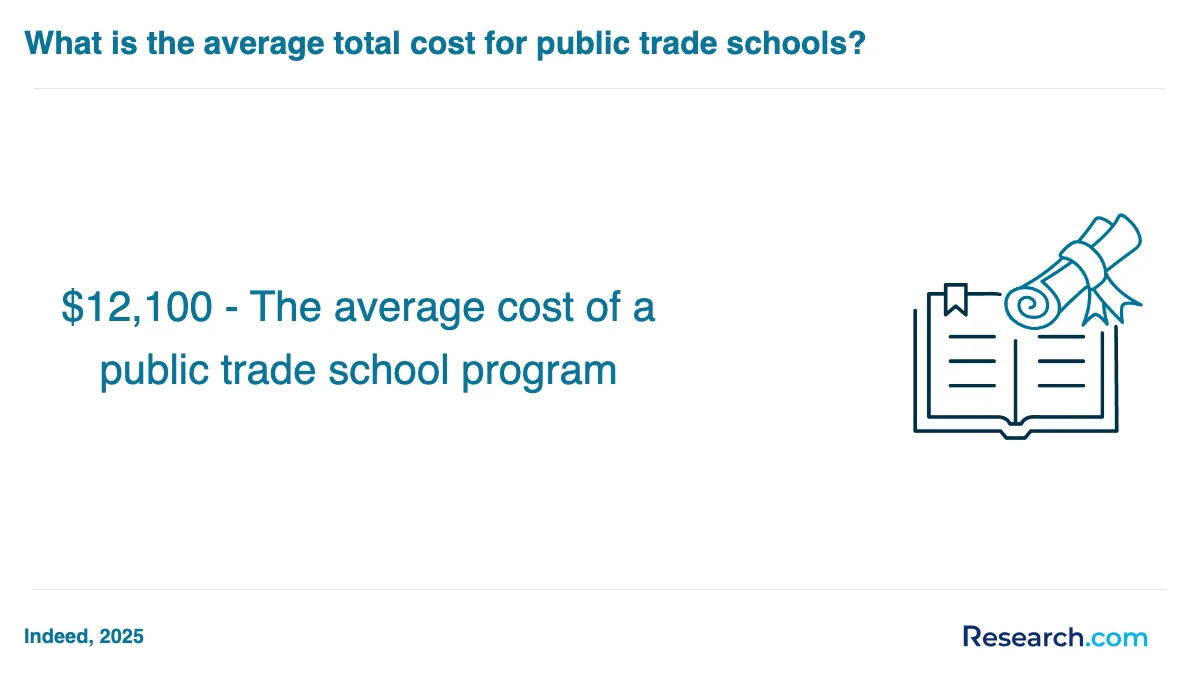
The average trade school cost in Willow Street PA usually ranges between $15,000 and $36,000 for a full program, covering tuition, fees, and supplies. Graduates from Lancaster County Career and Technology Center often share how budgeting for tuition and additional expenses like books or materials-typically an extra $1,000 to $2,000-helped them manage their education effectively. This trade school tuition and fees estimate of around $22,692 covers most programs there, making it a solid middle ground for local students aiming for careers in skilled trades.
Some students choosing shorter or specialized programs, like basic welding, find options as affordable as $2,400 to $5,000. However, longer or more comprehensive courses in fields such as automotive technology can cost up to $26,000, reflecting the depth and hands-on nature of training provided. Those pursuing a well-rounded experience at Williamson College of the Trades face higher costs near $39,000, including room and board, but many report substantial scholarship aid significantly lowering their out-of-pocket charges.
Students looking for more budget-friendly paths may explore cheapest online trade schools programs for electricians, which are aligned with nationwide averages typically falling between $5,000 and $20,000. Understanding the total price, including living costs, helps Willow Street attendees plan realistically and feel confident in their investment toward a skilled career.

Students pursuing trade school programs in Willow Street can access various financial aid options to ease tuition costs. A key starting point is the Free Application for Federal Student Aid (FAFSA), which unlocks federal and state grants, loans, and work-study opportunities. Graduates from popular schools like the Lancaster County Career and Technology Center often highlight how FAFSA enabled them to secure essential funds early on.
Many benefit from federal grants such as the Federal Pell Grant, which provides non-repayable aid based on financial need, helping students focus on their training rather than stress about expenses. Pennsylvania residents may qualify for the PHEAA State Grant, with deadlines that encourage timely action-August 31 for newcomers and May 1 for continuing students.
Trade students in high-demand fields like energy or manufacturing can apply for the PA Targeted Industry Program, which offers awards based on need. In addition, approximately 59% of students at local trade schools use federal student loans averaging around $7,737 per year, making it easier to manage costs while studying.
Scholarships from schools and community groups also play a vital role, offering merit-based aid that graduates often describe as a welcome boost in their financial journey. Special assistance programs for veterans, foster youth, and adult learners further support diverse Willow Street students returning to education.
Engaging with the financial aid office at your trade school remains a critical step to explore all personalized opportunities and ensure you don't miss out on available support.
To enroll in a trade school program in Willow Street, applicants must meet clear prerequisites that prepare them to succeed. Most graduates from institutions like the Lancaster County Career & Technology Center recall first providing proof of educational attainment-this means a high school diploma, official transcript, or an approved equivalency like a GED. This foundation ensures readiness for career-focused technical training.
Applicants also complete an official application form, sharing their educational history and personal details. Local programs often charge a non-refundable fee, ranging from $50 for general courses up to $130 for specialized ones like Practical Nursing. Graduates emphasize the importance of submitting a government-issued photo ID and Social Security card, which supports identity verification and access to financial aid.
- Some specialized programs require extra steps-for example, Commercial Driver's License (CDL) training asks for being at least 18, passing a drug test, and a clean driving record.
- Health sciences courses often request immunization records and background checks to ensure safety in clinical settings.
- High school students in dual enrollment programs must coordinate through their school with parental consent and teacher recommendations.
These prerequisites reflect what Willow Street students experience firsthand, making entry straightforward yet effective in setting learners up for hands-on success and confidence in their chosen trades.

Trade school programs in Willow Street typically include hands-on courses tailored to current job markets, ensuring students gain practical skills employers demand. At the Lancaster County Career and Technology Center (LCCTC), popular courses include:
- Welding and engineering technology, where graduates praise real-world projects that boost their confidence in technical problem-solving
- Automotive and construction technology, offering immersive training that prepares students for immediate entry into skilled trades
- Medical and dental assisting, supported by classroom and clinical experiences that develop professional readiness
- Culinary arts, which fosters creativity and teamwork through kitchen-based learning
- Information technology and advanced manufacturing, emphasizing modern tools and techniques
- Consumer services, cosmetology, transportation technology, visual communications, agriscience, and protective services, blending theory with workplace practice
Many graduates highlight how LCCTC's programs combine expert instruction with collaborative industry input, helping them transition confidently from school to rewarding careers in their chosen fields.
Trade school programs in Willow Street offer a wide range of specializations tailored to meet local job market demands. Graduates from the Lancaster County Career and Technology Center often highlight programs such as welding technology, engineering technology, and automotive technology for their hands-on training and clear career paths. These programs help students move directly into skilled jobs, making their educational experience both practical and rewarding.
Students also find opportunities in health professions like medical assisting, dental hygiene, and licensed practical nursing-fields known for steady demand. Other sought-after options include advanced manufacturing, agriscience, construction technology, consumer services, and culinary arts, which prepare students for diverse industries. For example, those completing the culinary arts track often enjoy success in local restaurants and hospitality businesses.
- Information technology programs build essential computer and digital skills.
- Protective services and transportation technology focus on safety and logistics roles.
- Veterinary/animal health technology reflects the area's agricultural heritage.
Many students appreciate how these programs stay current with industry trends through advisory committees and experienced instructors. For those exploring affordable options, Willow Street's trade schools connect smoothly with cheap online appliance repair technician programs as a practical pathway to skilled work in the region.
Choosing the best trade school programs in Willow Street starts with evaluating institutions like the Lancaster County Career & Technology Center, which offers a wide range of hands-on courses aligned with local job markets. Graduates often praise how the real-world training and modern facilities helped them gain confidence and skills that employers immediately recognized.
Pay attention to accreditation and how well the school connects students with employers. Those partnerships often lead to higher job placement rates, making the transition from school to work smoother. Understanding admission timelines and available support services can also influence your experience positively, as many students feel more prepared and supported throughout their studies.
Cost is another critical factor. To compare trade school tuition Willow Street options effectively, review detailed tuition fees and financial assistance offerings. For specialized fields, such as automotive mechanics, researching an online auto mechanic school can provide additional flexibility and cost savings.
Trade school graduates in Willow Street have access to a variety of rewarding career paths tailored to meet workforce demands. Programs at local institutions like the Lancaster County Career & Technology Center prepare students for in-demand roles in fields such as advanced manufacturing, healthcare, construction technology, and information technology. Graduates often find employment as machinists, practical nurses, dental assistants, repair technicians, and automotive detailers, among others.
Many graduates share positive experiences of quickly securing jobs thanks to LCCTC's close ties with regional employers, emphasizing practical training that matches real-world needs. The availability of programs in culinary arts and protective services also appeals to students looking for diverse opportunities beyond traditional trades. Job outlooks for trade school graduates in Willow Street remain strong, with high placement rates reported across multiple sectors.
Popular career paths include:
- Healthcare roles such as medical or dental assistant
- Advanced manufacturing and welding positions
- Construction labor and technology specialist roles
- Information technology and visual communications jobs
For those seeking specialized credentials, some pursue the most affordable maintenance technician certification online, which supports career growth in technical fields. These varied paths ensure Willow Street graduates can find opportunities that match both their skills and career goals.
Trade school graduates in Willow Street benefit from a robust job market with strong demand in healthcare, skilled trades, and transportation. Graduates from Lancaster County Career & Technology Center (LCCTC) report positive experiences, finding jobs quickly in areas like medical professions, welding, and dental assisting. Local employers, such as hospitals and manufacturing companies, actively recruit these graduates because the programs align closely with industry needs.
Examples of job opportunities for trade school graduates in Willow Street include:
- Entry-level healthcare roles from medical and nursing training
- Positions in advanced manufacturing and CNC operation
- Commercial driving jobs after CDL certification
Many graduates share how hands-on experience at LCCTC gave them confidence and practical skills valued by employers, leading to above-average job placement rates. If you're curious about what are the highest paying trades, this region offers competitive earning potential grounded in steady employer demand.
Considering your Willow Street trade school graduate earning potential? Training programs focused on current local industry needs offer a direct path to stable, well-paying careers in this thriving community.
Best Trade School & Training Programs - Leading Certification Courses in Willow Street for 2026
# 1 position
Lancaster County Career and Technology Center - Veterinary/Animal Health Technology/Technician and Veterinary Assistant.
associateThe Veterinary/Animal Health Technology/Technician and Veterinary Assistant program at Lancaster County Career and Technology Center trains students to assist veterinarians and animal health professionals in patient care, clinical procedures, and owner communication. The curriculum covers animal nursing, health, nutrition, clinical pathology, radiology, anesthesiology, surgical assisting, and office administration. This program is accredited by the Council on Occupational Education.
# 2 position
Lancaster County Career and Technology Center - Automobile/Automotive Mechanics Technology/Technician.
associateA program at Lancaster County Career and Technology Center prepares students to repair, service, and maintain all types of automobiles. Instruction covers brake systems, electrical systems, engine performance and repair, suspension and steering, transmissions, drive trains, and heating and air conditioning systems. The program is offered in a hybrid format with some distance-education options. It is accredited by the Council on Occupational Education.
# 3 position
Lancaster County Career and Technology Center - Welding Technology/Welder.
certificate or diplomaThe Welding Technology/Welder program at Lancaster County Career and Technology Center offers a hybrid format with some distance-education options. It prepares students in various welding techniques, including arc welding, resistance welding, brazing, soldering, and cutting. Instruction covers welding metallurgy, safety, structural design, and applicable codes. Graduates have a median earning of $46,331 one year after completion. The program is accredited by the Council on Occupational Education.
# 4 position
Lancaster County Career and Technology Center - Baking and Pastry Arts/Baker/Pastry Chef.
certificate or diplomaLancaster County Career and Technology Center offers a hybrid Baking and Pastry Arts/Baker/Pastry Chef program designed to prepare individuals for professional roles in commercial baking establishments. The curriculum covers bread and pastry making, handling and storage, decorating, baking industry operations, product packaging and marketing, and counter display and service. The program is accredited by the Council on Occupational Education.
# 5 position
Lancaster County Career and Technology Center - Plumbing Technology/Plumber.
certificate or diplomaThe Plumbing Technology/Plumber program at Lancaster County Career and Technology Center is a hybrid course designed to prepare students for licensed plumbing careers. It covers the installation, maintenance, and repair of piping systems for various applications including steam, natural gas, and water distribution. Instruction includes technical mathematics, blueprint reading, welding, plumbing inspection, and applicable codes. The program is accredited by the Council on Occupational Education.
# 6 position
Lancaster County Career and Technology Center - Heating, Air Conditioning, Ventilation and Refrigeration Maintenance Technology/Technician.
certificate or diplomaThe Heating, Air Conditioning, Ventilation and Refrigeration Maintenance Technology/Technician program at Lancaster County Career and Technology Center offers hybrid instruction with some distance-education options. It prepares students to repair, install, service, and maintain heating, air conditioning, and refrigeration systems. The curriculum includes diagnostic techniques, use of testing equipment, and principles of mechanics, electricity, and electronics related to system repair. The program is accredited by the Council on Occupational Education.
# 7 position
Lancaster County Career and Technology Center - Allied Health and Medical Assisting Services, Other.
certificate or diplomaThe Allied Health and Medical Assisting Services, Other program at Lancaster County Career and Technology Center offers hybrid instruction with some distance-education options. This program is accredited by the Council on Occupational Education. It covers various allied health and medical assisting instructional areas not listed in other specific programs.
# 8 position
Lancaster County Career and Technology Center - Dental Assisting/Assistant.
certificate or diplomaThe Dental Assisting/Assistant program at Lancaster County Career and Technology Center offers a hybrid format with some distance education. It prepares students to assist dentists and hygienists by providing patient care, taking dental radiographs, and managing office tasks. Instruction includes medical record-keeping, equipment maintenance, chairside assisting, and supervised practice. Graduates have median earnings of $21,566 one year after completing the program. The program is accredited by the Council on Occupational Education.
Frequently Asked Questions about trade school programs
Preparing for the job market after completing a trade school program in Willow Street involves a combination of practical experience and professional networking. Graduates should actively pursue internships and apprenticeships, as these opportunities often lead to employment. According to the Bureau of Labor Statistics, trade fields such as electrical work and plumbing can see job growth of 8% to 10% through 2030, emphasizing demand for skilled workers.
Building a strong resume that highlights hands-on skills and certifications earned during training is crucial. Additionally, connecting with local employers through job fairs or the Willow Street Chamber of Commerce can increase hiring chances. Research from the National Center for Education Statistics shows that nearly 70% of trade school graduates find jobs within six months, largely due to such efforts.
Employers in Willow Street highly value trade school graduates who possess strong technical skills relevant to their specific field. According to the U.S. Bureau of Labor Statistics, proficiency in hands-on abilities such as electrical work, HVAC maintenance, or welding often ranks as critical for hiring.
Beyond technical expertise, employers emphasize soft skills like problem-solving, communication, and reliability. The National Skills Coalition reports that over 60% of employers seek workers with both strong technical and interpersonal skills, as these contribute to teamwork and productivity on job sites.
Furthermore, safety training and the ability to adapt to new tools and technologies are increasingly important due to evolving industry standards in Willow Street.
Finding internships in Willow Street relevant to your trade school program involves several key steps. Start by contacting your school's career services office, as many trade programs have established partnerships with local businesses offering internships.
Willow Street's economy includes manufacturing, construction, and healthcare sectors, which often seek interns from trade schools. According to the Pennsylvania Department of Labor, trade-related internships in Lancaster County, where Willow Street is located, have grown by 8% annually in recent years.
Additionally, explore local job boards such as LancasterWorks and attend community job fairs. Networking with local chambers of commerce can also connect you with employers offering hands-on experience.
Finally, use online platforms specifically for trade internships, ensuring that opportunities directly match your program focus.
Obtaining a trade school diploma in Willow Street significantly enhances career mobility for many individuals. According to the Pennsylvania Department of Labor & Industry, graduates from local trade programs often experience faster job placement compared to those with only a high school diploma.
These diplomas demonstrate specialized skills in fields like plumbing, electrical work, and HVAC, which are in high demand locally. This expertise allows graduates to negotiate better starting salaries and earn promotions more quickly.
Furthermore, data from the National Center for Education Statistics shows that trade school completers in the U.S. have a 10% higher median income within five years of graduation compared to non-completers in similar industries.
In Willow Street, employers value these credentials for their practical focus, contributing directly to career advancement opportunities and long-term job security.
Students attending trade schools in Willow Street can benefit from various part-time job opportunities that complement their technical training. Common roles include apprenticeships in construction, automotive repair, and electrical work, providing practical experience alongside classroom instruction. According to recent local employment data, entry-level technicians in Willow Street can earn between $12 and $18 per hour, depending on their skill level.
Retail positions at home improvement stores and warehouses also offer flexible schedules and relevant exposure to trade materials and tools. Healthcare students often find part-time work as medical assistants or pharmacy aides in nearby clinics. These jobs enhance skills and improve employability after graduation. Local job boards and the Pennsylvania Department of Labor provide up-to-date listings tailored to trade careers.
Yes, there are degree programs available near Willow Street, PA, as various universities and colleges in the region offer a range of undergraduate and graduate programs. Institutions near me that might provide such degree programs include Millersville University and Franklin & Marshall College, both offering diverse academic disciplines. For more detailed insights into the leading degree programs available, Research.com could serve as a helpful resource.
- Lancaster County Career & Technology Center - Technical & Trade School https://lancasterctc.edu/
- Home - Eastern Center for Arts and Technology https://www.eastech.org/
- Client Challenge https://www.cpatech.org/
- Apprenticeships and Trades https://www.sait.ca/apprenticeships-and-trades
- Trade School: What Is It & What to Expect https://erieit.edu/what-to-expect-when-attending-trade-school/
- NVC : Career and Technical Education | Alamo Colleges https://www.alamo.edu/nvc/academics/career-and-technical-education/