Best Trade School & Training Programs - Leading Certification Courses in Suffern for 2026

Co-Founder and Chief Data Scientist
The main trade school decision in Suffern is not simply which program sounds interesting. It is whether the credential, cost, schedule, hands-on training, and local employer connections line up with the job you want. A strong trade school program should help you build marketable skills quickly, prepare for any required certification or licensure, and make the total cost of training understandable before you enroll.
This 2026 guide explains what students can expect from trade school programs in and around Suffern, including typical costs, timelines, admissions requirements, financial aid, training formats, career paths, and earnings outcomes. It is designed for high school graduates, adult learners, career changers, and working students comparing diploma, certificate, apprenticeship, online, hybrid, and on-campus options.
The Research.com team of data scientists created this trade school programs ranking to help readers evaluate programs with a practical lens: affordability, career readiness, training quality, flexibility, and return on investment. Use the sections below to compare your options, identify common trade-offs, and choose a program that fits both your career goals and your budget.
Key benefits of finishing trade school programs trade school in Suffern
- Strong earning potential: Trade school graduates in Suffern can expect salaries around $73,463 per year on average, with top careers in electrical work, plumbing, and HVAC reaching up to $109,403 annually. Actual earnings depend on the trade, experience, employer, union or apprenticeship pathway, licenses, overtime, and whether the role is entry-level or supervisory.
- Career-focused training: Programs usually concentrate on practical skills rather than broad general education requirements. Students often prepare for jobs in electrical work, plumbing, HVAC, automotive technology, allied health, construction, welding, and related technical fields.
- Faster path into the workforce: Many trade school credentials take less time than a traditional degree, which can reduce time away from paid work. This matters for students who want to enter an apprenticeship, technician role, healthcare support position, or skilled trade quickly.
- Local employment relevance: Graduates often pursue work with contractors, healthcare facilities, school districts, municipalities, maintenance departments, manufacturing employers, and service companies in the region.
- Measured salary growth: Schools like Berk Trade & Business School reported median salaries growing from $28,098 one year after graduation to $40,400 after six years, showing how earnings can improve with experience and continued skill development.
- Flexible learning options: Some diploma and certification coursework may be available online or in hybrid formats, especially for theory-based classes. Hands-on trades still usually require labs, clinical practice, shop time, or supervised field training.
- Best Trade School & Training Programs - Leading Certification Courses in Suffern for 2026
- What can I expect from trade school programs trade schools in Suffern?
- Where can I work after finishing trade school programs trade schools in Suffern?
What can I expect from trade school programs trade schools in Suffern?
Trade school programs in Suffern are typically designed to move students from basic technical instruction to job-ready practice. Instead of spending most of the program on theory, students usually learn through labs, equipment practice, clinical placements, simulations, workshops, portfolio projects, or supervised field experiences.
The average cost of a trade school program in Suffern typically ranges from $5,000 to $15,000, depending on the length, provider, equipment needs, certification requirements, and specialization. Shorter certificate programs may cost less, while programs with extensive lab, clinical, or tool requirements can cost more.
What the training experience is usually like
- Hands-on instruction: Students in construction, HVAC, welding, electrical, automotive, and similar trades should expect frequent work with tools, materials, diagnostics, safety procedures, and jobsite-style tasks.
- Classroom and technical theory: Programs often include blueprint reading, codes, measurements, medical terminology, safety standards, design principles, or system troubleshooting, depending on the field.
- Career preparation: Strong programs help students prepare resumes, interview for apprenticeships or entry-level jobs, understand credential requirements, and connect with local employers.
- Schedule flexibility: Some schools offer evening, part-time, hybrid, or online coursework, which can help students who work or manage family responsibilities.
Students enrolling in certified nurse aide programs, for example, can expect classroom learning paired with clinical practice. Media design students may focus on portfolio development and real-world projects. Construction and technical trades often combine shop-based instruction with jobsite expectations, safety training, and applied projects.
The best way to judge value is to compare total cost against completion time, credential outcome, job placement support, licensing preparation, and the type of work you can realistically pursue after graduation.
Where can I work after finishing trade school programs trade schools in Suffern?
After finishing a trade school program in Suffern, graduates may work for local contractors, construction firms, healthcare facilities, school systems, municipal departments, service companies, maintenance teams, manufacturers, and small businesses. The right workplace depends heavily on the trade and whether the graduate needs an apprenticeship, certification, or license before working independently.
Common employment settings
- Construction and building trades: Graduates trained in carpentry, electrical trades, plumbing/HVAC, and welding may begin as apprentices, helpers, installers, junior technicians, or entry-level maintenance workers.
- Skilled repair and maintenance: Automotive technicians, HVAC helpers, facilities maintenance workers, and equipment repair technicians may work for dealerships, service companies, schools, hospitals, or property management firms.
- Healthcare support: Students completing allied health training may pursue roles in hospitals, clinics, long-term care settings, laboratories, and administrative healthcare offices, depending on the credential.
- Public and institutional employers: Healthcare facilities such as Good Samaritan Hospital, schools, local government offices, and municipal facilities may need skilled workers to maintain buildings, systems, equipment, and infrastructure.
- Green technology and energy projects: Training in solar panel installation, geothermal heating, or related building systems can support work on energy-efficient construction and retrofit projects.
Graduates from the Rockland BOCES Construction Trades Academy regularly secure positions as apprentice plumbers, journeyperson electricians, sheet metal workers, and automotive technicians. These pathways often require continued on-the-job learning, documented work hours, and sometimes exams before a worker can move into higher-level or licensed roles.
When comparing programs, ask where recent graduates were hired, whether employers visit campus, and whether the school has apprenticeship, union, clinical, or internship relationships tied to your target occupation.
Earnings after trade school in Suffern vary by trade, employer, credential, work hours, licensing status, and experience. Some graduates move into modest entry-level wages first, then increase their income as they complete apprenticeships, earn certifications, build specialized skills, or qualify for supervisory roles.
Graduates from trade school programs in Suffern often pursue jobs that can exceed many entry-level positions nationwide. Carpentry graduates from popular local schools report starting hourly rates around $52.62. Some skilled trades graduates have reported moving into steady positions earning between $60,000 and $75,000 annually in fields such as HVAC and building maintenance.
How wages usually grow
- Entry-level stage: Graduates may start as helpers, apprentices, assistants, junior technicians, or trainees while they build speed, judgment, and field experience.
- Credential-building stage: Workers who earn required certifications, complete apprenticeship hours, or meet licensing requirements can qualify for more responsibility.
- Experienced stage: Technicians, licensed tradespeople, lead installers, foremen, supervisors, and specialized maintenance workers may see stronger earnings, especially in high-demand trades.
Living in Suffern, where the median household income is approximately $100,737, graduates should compare expected wages with local housing, transportation, tool, insurance, and commuting costs. Higher earnings can be realistic, but they are not automatic. They usually come from experience, reliability, additional credentials, and choosing a trade with steady local demand.
Those who continue building experience and certifications, such as alumni from the Construction Trades Academy, have seen salary growth toward leadership roles, with positions like Trade Relations Manager reaching an average of $175,126 per year.
- Most trade school programs in Suffern have an open admissions policy requiring a high school diploma or GED, with no SAT or ACT scores needed.
- Application fees are modest, such as $30 at Rockland Community College, and enrollment can be full-time or part-time based on credited hours.
- Programs cover in-demand trades like carpentry, plumbing, HVAC, welding, and green technologies, often including hands-on training and local work experience.
- Tuition and fees generally range from $5,000 to $15,000, with financial aid, scholarships, and grants available for eligible students.
- Entry-level salaries for graduates typically start between $35,000 and $50,000 annually, while experienced professionals can earn $60,000 to over $80,000 depending on specialization.
- Online and hybrid options can improve flexibility, but students in hands-on trades should confirm how labs, clinical hours, shop practice, and assessments are completed.
- The best program is not always the cheapest or fastest. Students should compare accreditation, employer connections, completion time, placement support, licensure preparation, and total out-of-pocket cost.
Completing a trade school program in Suffern typically takes anywhere from six months to two years. The timeline depends on the trade, school calendar, credit load, clinical or lab requirements, apprenticeship components, and whether the student enrolls full-time or part-time.
Typical completion timelines
- Short certificate programs: Some adult education and workforce programs may be completed in six to eight months, especially when training is modular or focused on a specific skill.
- Full-time certificate programs: Students at places like Rockland Community College may complete some certificate programs in less than a year full-time.
- Longer technical programs: Rockland BOCES programs commonly run one-to-two-year programs, especially in fields such as carpentry, welding, and other construction-related trades.
- Part-time or evening study: Students who work while enrolled may take longer, but evening classes can make training more manageable.
At Rockland BOCES, students may combine classroom lessons with hands-on projects such as work on the Student-Built House. This kind of applied training can make a program longer than a basic classroom course, but it can also improve job readiness because students practice with real materials, systems, and worksite expectations.
Before enrolling, ask whether the listed program length includes prerequisites, externships, clinical hours, exam preparation, make-up labs, and any apprenticeship steps required after graduation.
The main difference is how students complete theory, practice, and assessment. Online trade school programs can work well for lectures, reading, assignments, test preparation, business topics, basic technology coursework, and some healthcare administration training. On-campus programs are usually stronger for trades that require tools, labs, shops, clinical practice, equipment diagnostics, supervised safety training, or instructor observation.
Online trade school programs
- Best for flexibility: Online learners at Rockland Community College may use asynchronous classes through the D2L Brightspace system, making it easier to study around work or family obligations.
- Good fit for theory-heavy coursework: Online formats can support medical billing, coding, business, design, computer fundamentals, and some general education or technical theory courses.
- Requires self-discipline: Students need reliable internet access, time management, and comfort learning without daily in-person reminders.
On-campus trade school programs
- Best for hands-on skills: Automotive repair, welding, HVAC, electrical, plumbing, carpentry, healthcare procedures, and similar fields usually require in-person labs or clinical practice.
- Immediate feedback: Students can ask questions, receive corrections, and practice under instructor supervision.
- Structured environment: Fixed class times can help students stay accountable and build relationships with instructors and classmates.
Many students benefit from hybrid programs that place lectures online and skills training on campus. Before choosing an online program, confirm whether the credential is recognized by employers and whether any required hands-on hours, exams, clinical placements, or licensing steps are included.
In Suffern, the average trade school cost generally reflects broader New York State patterns, where tuition fees generally range from $8,000 to $15,000 per year. Program cost depends on the institution type, credential level, trade, supplies, tools, exam fees, transportation, and whether the student chooses public, private, online, hybrid, or on-campus training.
The average cost of a trade school program in Suffern typically ranges from $5,000 to $15,000, but students should calculate the full cost of attendance rather than tuition alone. Public trade schools and community colleges may be closer to the $8,700 mark annually, while private institutions tend to charge more, often exceeding $15,000 annually.
Costs to compare before enrolling
- Tuition and required fees: Ask for the complete program price, not just the per-credit or base tuition figure.
- Tools, uniforms, books, and materials: Trades such as welding, automotive, HVAC, healthcare, and construction may require specialized supplies.
- Certification and exam fees: Some occupations require testing or credentials after coursework is complete.
- Transportation and commuting: On-campus and clinical programs may require regular travel to labs, shops, healthcare sites, or employer locations.
- Lost work time: Full-time study may shorten completion time but can reduce income while enrolled.
Medical assisting programs in Suffern vary considerably; some basic online courses cost as little as $2,000, while some on-campus private programs near $20,000 may include more clinical training and in-person support. Students comparing options should look closely at what the price includes and whether the program prepares them for the job they actually want.
Students looking for lower-cost and flexible paths sometimes compare related options such as affordable electrical lineman programs online. Online affordability can be useful, but hands-on trades still require careful review of practical training, employer recognition, and safety preparation.
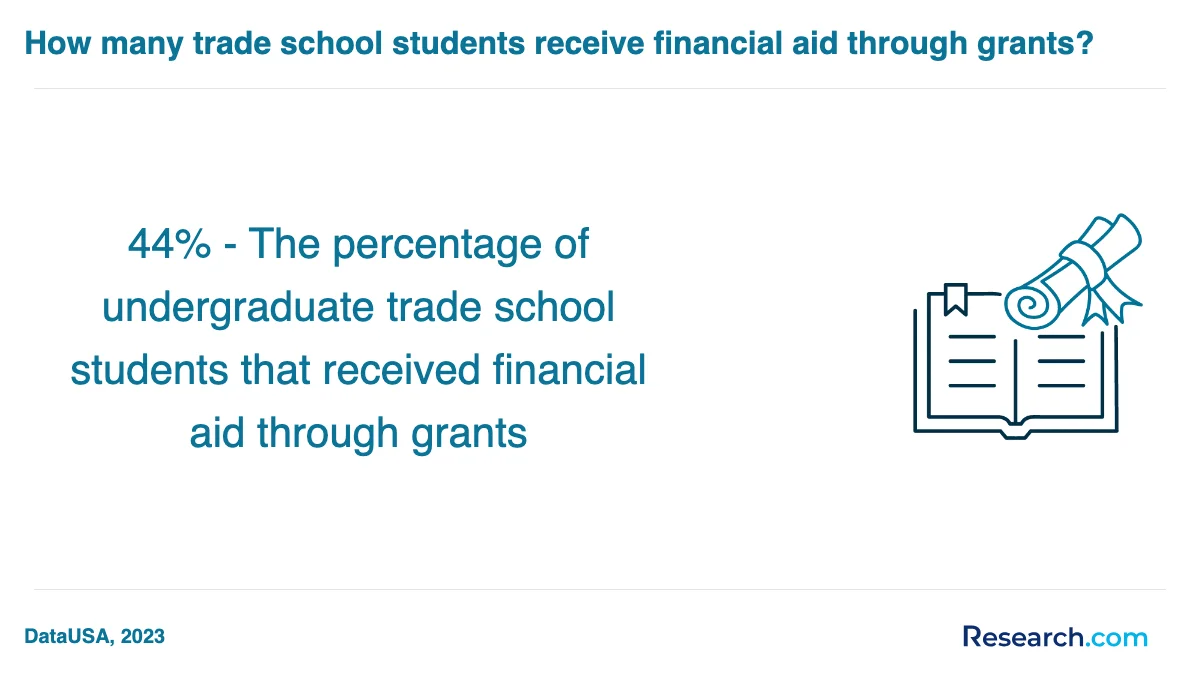
Financial aid for trade school programs in Suffern may include federal grants, federal student loans, work-study, state or local aid, scholarships, institutional grants, employer support, workforce funding, and payment plans. Availability depends on the school, the program’s eligibility, the student’s financial situation, and enrollment status.
Common financial aid options
- Federal Pell Grant: The Federal Pell Grant provides need-based funding that does not have to be repaid if students remain eligible and meet program requirements.
- Federal student loans: Loans can help cover tuition and related costs, but students should borrow carefully because repayment is required after leaving school or dropping below eligible enrollment levels.
- Federal Work-Study Program: Eligible students may earn money through part-time work while enrolled. When available, work-study can help reduce out-of-pocket costs and build job experience.
- Scholarships and grants: Local scholarships, institutional awards, and workforce grants may reduce tuition without adding debt.
- Payment plans: Some schools allow students to spread tuition payments across the term instead of paying the full amount upfront.
Students at institutions such as Rockland Community College and Rockland BOCES may find that combining grants, scholarships, part-time work, and payment plans makes training more manageable. The most important step is to ask the financial aid office whether the specific trade program is aid-eligible, because not every short-term certificate qualifies for the same funding.
Before accepting aid, compare the net cost after grants and scholarships, monthly payment expectations, loan repayment obligations, and the realistic starting wage for your trade.
Enrolling in a trade school program in Suffern typically requires a high school diploma, GED, or a state-authorized equivalency. Many programs are accessible, but requirements vary by school, age, safety rules, clinical placement policies, and the technical level of the program.
Common admissions requirements
- Education credential: Applicants usually need a high school diploma, GED, state-authorized equivalency, recognized homeschooling documentation, or proof of prior accredited schooling.
- Placement testing: Some programs require placement tests in math, English, or reading to confirm readiness for technical coursework.
- Minimum age: Age limits usually start at 16, though some programs may require older students because of safety standards, equipment use, clinical policies, or employer placement rules.
- Orientation or interview: Schools may use orientations or interviews to explain expectations, confirm motivation, and review program fit.
- Documentation: Standard application documentation may include proof of residency and immunization records.
Students at Rockland Community College in Suffern may encounter placement testing and could use preparatory classes or retake assessments like the ACCUPLACER if they need additional readiness support. SAT or ACT scores generally aren't needed unless they are connected to scholarships or competitive programs.
- Transfer credits from prior schooling may be accepted with transcript review and possible testing.
- SAT or ACT scores generally aren't needed unless for scholarships or competitive programs.
- Standard application documentation includes proof of residency and immunization records.
Prospective students should ask whether the program has physical requirements, background checks, drug screening, immunization rules, tool requirements, or prerequisite courses before they commit to an enrollment date.
Typical trade school courses in Suffern are built around occupational skills, safety, equipment use, technical problem-solving, and preparation for entry-level employment. The exact course sequence depends on the specialization, but most programs combine technical theory with supervised practice.
Common course areas
- Construction and building trades: Students may study carpentry, electrical trades, plumbing, HVAC, welding, blueprint reading, jobsite safety, tool use, measurement, building systems, and basic codes.
- Green construction technologies: Projects such as the Student-Built House may expose students to sustainable building practices including solar panel installation and geothermal heating.
- Healthcare support: Programs may include medical assisting, billing and coding, phlebotomy, EKG procedures, clinical skills, patient communication, medical terminology, and administrative procedures.
- Technology and computer support: Students may train in computer repair, network maintenance, troubleshooting, web development, and technical support.
- Business and professional skills: Some programs include business administration, finance, customer service, workplace communication, documentation, and driver's education.
Strong courses do more than introduce concepts. They require students to practice procedures, complete projects, document work, follow safety protocols, and receive instructor feedback. In hands-on fields, this applied practice is often what separates job-ready training from a basic introductory course.
Students should review the course list before enrolling and ask which classes are required for certification, which are electives, and how much time is spent in labs, shops, clinical settings, or field-based training.
Trade school programs in Suffern and nearby areas offer specializations across construction, mechanical systems, healthcare, technology, business, and emerging green trades. The best specialization is the one that matches your preferred work environment, physical demands, licensing pathway, schedule, and local employer demand.
Construction and skilled trades
Graduates from the Construction Trades Academy often train in carpentry, electricity, plumbing/HVAC, and welding. These pathways can lead to apprenticeships, technician work, maintenance roles, installation jobs, and long-term advancement into licensed or supervisory positions.
Green technologies
Some programs include solar panel installation, geothermal heating, radiant floor heating, and sustainable building practices. These skills may be valuable for students interested in energy-efficient construction, building retrofits, and future-focused facilities work.
Healthcare, technology, and business
Area institutions such as Rockland Community College expand options to include computer information systems, healthcare science, business administration, and public health. These fields may fit students who want technical or administrative careers without necessarily working on construction sites or in mechanical trades.
Nearby commuting options
For students open to commuting, Lincoln Tech in nearby Mahwah, NJ offers specializations in automotive technology, electrical systems, HVAC, welding, and advanced manufacturing with robotics. Commuting can expand program choice, but students should factor in transportation time, schedule reliability, state-specific credential rules, and total cost.
Students comparing hands-on and online options may also review related training such as the cheapest flooring installation training online, especially if affordability and flexible scheduling are major priorities.
To choose the best trade school program in Suffern, start with the job you want, then work backward. A program is only a good fit if it prepares you for the credential, skills, work setting, and hiring process connected to that career.
Decision checklist
- Define your target occupation: Compare daily tasks, physical demands, work schedule, safety risks, licensing requirements, and advancement opportunities.
- Verify accreditation and recognition: Make sure the institution and program are properly recognized by employers, licensing bodies, transfer institutions, or certification organizations relevant to your field.
- Compare hands-on training: Look for labs, shops, clinical practice, internships, apprenticeships, fieldwork, simulations, or employer-supervised experience.
- Review total cost: Include tuition, fees, tools, books, uniforms, exam fees, commuting, and lost work time. Then subtract grants and scholarships to estimate net cost.
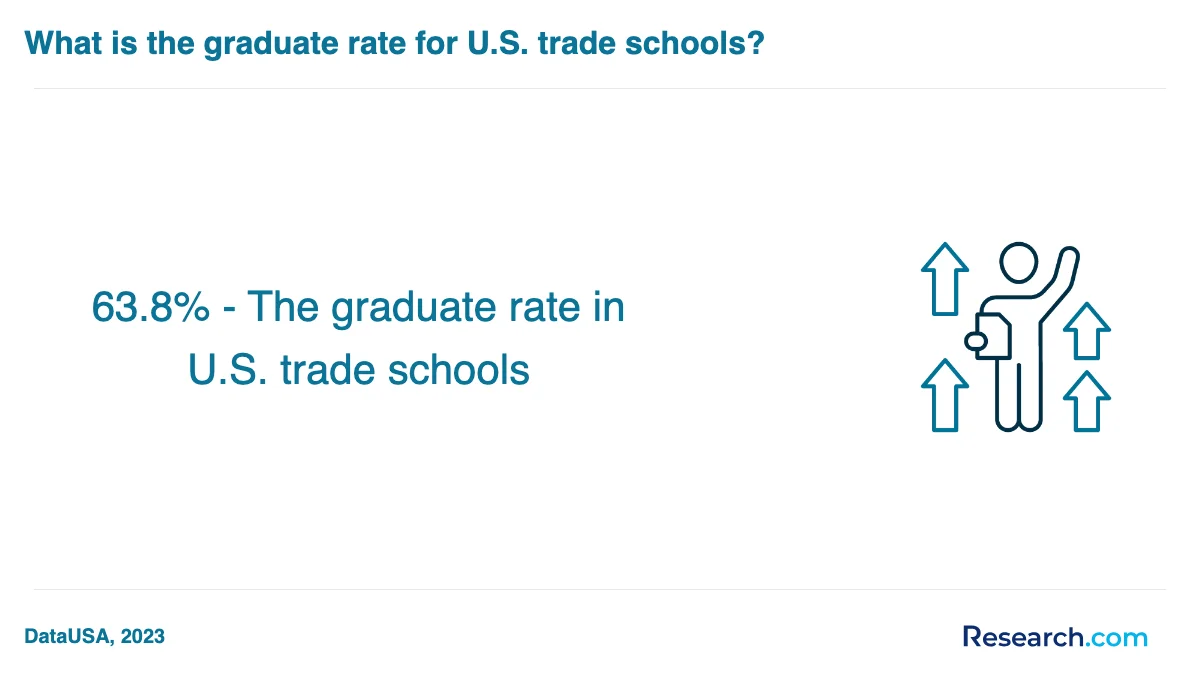
- Ask about outcomes: Request graduation rates, job placement rates, licensure or certification pass rates, and recent employer partners when available.
- Check schedule fit: Evening, part-time, hybrid, and online options can be valuable, but confirm how hands-on requirements are completed.
- Evaluate support services: Career advising, resume help, tutoring, financial aid guidance, and employer networking can affect your success as much as the curriculum.
Graduates from Rockland Community College often point to hands-on internships and evening classes as practical advantages because these options can help students build skills while maintaining income. When comparing how to compare trade schools in Suffern effectively, do not rely only on marketing claims. Ask for concrete information about cost, credentials, instructor experience, equipment, and employer connections.
Students weighing return on investment can also explore high paying trade school jobs to understand which fields may offer stronger long-term earning potential.
Trade school graduates in Suffern can pursue career paths in construction, building systems, manufacturing, healthcare support, information technology, transportation, maintenance, and business operations. The strongest path depends on training quality, local demand, certification requirements, and willingness to continue learning after graduation.
Construction and building trades
Programs at Rockland BOCES and similar providers can prepare students for carpentry, electrical work, plumbing/HVAC, welding, sheet metal work, automotive service, and related building trades. Graduates may begin as apprentices, helpers, installers, or junior technicians before moving into licensed or advanced roles.
Advanced manufacturing and technical maintenance
Through apprenticeships supported by SUNY and the New York State Department of Labor, graduates may pursue fields such as CNC machining or electro-mechanical technology. These pathways often combine paid on-the-job training with classroom theory.
Healthcare and administrative support
Students interested in healthcare may prepare for medical billing, coding, clinical support, phlebotomy, EKG procedures, or medical assisting, depending on the program. These roles can lead to employment in hospitals, clinics, laboratories, and healthcare offices.
Information technology
Trade and certificate programs in computer systems, network support, and web development can prepare students for entry-level technical support roles with local businesses, schools, service providers, or healthcare organizations.
Students comparing Suffern trade school jobs and salary potential should review both immediate job openings and long-term advancement. For broader context, the average salary after trade school can help readers compare occupations and set realistic income expectations.
The job market for trade school graduates in Suffern is shaped by regional demand for skilled workers in construction, HVAC, plumbing, maintenance, healthcare support, manufacturing, transportation, and green technologies. Students who complete hands-on training and connect with employers early are often better positioned than those who finish coursework without a clear job-search plan.
Where demand is especially visible
- Hands-on training in solar panel and geothermal system installation is especially popular, opening doors to future-focused green jobs.
- Apprenticeships provide a clear pathway to well-paying, stable employment, often requiring only a high school diploma.
- Graduates benefit from employer networks in Suffern that can help connect training with current hiring needs.
- Construction, maintenance, HVAC, plumbing, and welding roles may offer strong pathways for students willing to continue skill-building after graduation.
Graduates from local programs such as Rockland BOCES' Construction Trades Academy may access apprenticeships that combine paid hands-on learning with wage growth over time. Events such as job fairs and the Construction Career Expo can also connect students with union representatives, contractors, and local employers.
Understanding Suffern trade school graduate employment trends means looking beyond a single job title. Students should ask schools about recent placements, employer partners, apprenticeship outcomes, and whether the program teaches the specific tools, codes, software, or procedures currently used in the field.
Students who want flexible or adjacent career pathways may also consider options such as cheap online freight broker classes, which can provide a different route into transportation and logistics-related work.
Best Trade School & Training Programs - Leading Certification Courses in Suffern for 2026
# 1 position
Rockland Community College - Automobile/Automotive Mechanics Technology/Technician.
associateRockland Community College offers a hybrid program in Automobile/Automotive Mechanics Technology/Technician, preparing students to repair, service, and maintain various automobile systems including brakes, electrical, engine performance, and transmissions. The program is accredited by the Middle States Commission on Higher Education. Annual in-state tuition is $6,398. Median earnings for graduates one year after completion are $37,262. This program includes instruction on suspension, steering, and heating and air conditioning systems.
# 2 position
Rockland Community College - Computer Systems Networking and Telecommunications.
associateRockland Community College offers a hybrid program in Computer Systems Networking and Telecommunications that prepares students to become network specialists and managers. The curriculum covers operating systems, systems design, networking theory, security, and troubleshooting. The program is accredited by the Middle States Commission on Higher Education. Annual in-state tuition is $6,398, providing a cost-effective option for students seeking expertise in linked computer systems and network management.
# 3 position
Rockland Community College - Computer and Information Systems Security/Auditing/Information Assurance.
associateRockland Community College offers a hybrid program in Computer and Information Systems Security/Auditing/Information Assurance. The curriculum covers security assessment, safeguard solutions, and management of security systems, including auditing and maintenance. Students receive instruction in computer architecture, programming, networking, cryptography, risk assessment, and investigation techniques. The program is accredited by the Middle States Commission on Higher Education. Annual in-state tuition is $6,398.
# 4 position
Rockland Community College - Legal Assistant/Paralegal.
associateRockland Community College offers a Legal Assistant/Paralegal program in a hybrid format, combining distance education with on-campus instruction. The program prepares students to support attorneys with research, drafting, investigations, record-keeping, and administrative tasks. Coursework includes legal research, document drafting, courthouse procedures, and legal specializations. Annual in-state tuition is $6,398. The program is accredited by the Middle States Commission on Higher Education.
# 5 position
Rockland Community College - Criminal Justice/Law Enforcement Administration.
associateRockland Community College offers a hybrid Criminal Justice/Law Enforcement Administration program that prepares students to manage public law enforcement agencies. The curriculum covers law enforcement history, operational leadership, labor relations, incident response, and budgeting. The program is accredited by the Middle States Commission on Higher Education. Annual in-state tuition is $6,398, and median earnings for graduates one year after completion are $29,633.
# 6 position
Rockland Community College - Criminal Justice/Police Science.
associateThe Criminal Justice/Police Science program at Rockland Community College offers a hybrid format with some distance education options. It prepares students for roles in police and public security, covering patrol, investigation, traffic and crowd control, evidence management, and crime prevention. The program is accredited by the Middle States Commission on Higher Education. Annual in-state tuition is $6,398, and median earnings one year after completion are $29,633.
# 7 position
Rockland Community College - Business Administration and Management, General.
associateRockland Community College offers a hybrid Business Administration and Management, General program that prepares students to plan, organize, direct, and control business functions. The curriculum covers management theory, human resources, accounting, purchasing, logistics, marketing, and business decision-making. The program's annual in-state tuition is $6,398. It is accredited by the Middle States Commission on Higher Education.
# 8 position
Rockland Community College - Accounting Technology/Technician and Bookkeeping.
associateRockland Community College offers a fully online program in Accounting Technology/Technician and Bookkeeping designed to prepare students for technical administrative roles supporting professional accountants and financial management personnel. The curriculum covers posting transactions, record-keeping systems, accounting software operation, and general accounting principles. The program’s annual in-state tuition is $6,398. It is accredited by the Middle States Commission on Higher Education.
# 9 position
Rockland Community College - Marketing/Marketing Management, General.
associateRockland Community College offers a Marketing/Marketing Management, General program with a hybrid format that includes some distance education options. The curriculum covers buyer behavior, marketing research principles, demand analysis, pricing theory, advertising methods, sales management, and consumer relations. The program's annual in-state tuition is $6,398. It is accredited by the Middle States Commission on Higher Education.
Frequently Asked Questions about trade school programs
Employers in Suffern highly value trade school graduates who demonstrate strong technical skills relevant to their field. According to the U.S. Bureau of Labor Statistics, proficiency in hands-on tasks such as electrical work, welding, and HVAC repair ranks among the most sought-after abilities. Beyond technical expertise, communication and teamwork are critical soft skills noted by local employers in industry reports from New York State's Department of Labor.
Problem-solving skills and adaptability are essential as trade professionals often face unexpected challenges on the job. Employers also emphasize punctuality and a strong work ethic, with studies showing that 85% of hiring managers prioritize reliable attendance. Graduates who combine these skills are better positioned for success in Suffern's competitive job market.
In 2026, earning industry-specific credentials like OSHA safety certification, Microsoft Certified Professional, or HVAC Excellence can significantly boost job prospects in Suffern. These credentials validate specialized skills, making graduates more competitive in the local job market.
A trade school diploma in Suffern can significantly impact career mobility and advancement. According to the Bureau of Labor Statistics, skilled trade jobs in New York State have grown 5% faster than average sectors over the past five years, suggesting strong local demand. Graduates with trade credentials often enter the workforce more quickly than those with traditional four-year degrees, enhancing early career progress.
In Suffern, industries like construction, electrical work, and plumbing actively seek diploma holders, offering competitive wages and clear paths to promotion. Employers recognize trade diplomas as proof of hands-on expertise, which can lead to supervisory roles or specialty certifications. Data from the New York State Department of Labor emphasizes that trade school graduates typically see faster wage growth during their first decade.
Moreover, the structured curriculum of trade programs in Suffern aligns with local industry standards, boosting graduates' readiness for credentialing exams and apprenticeships. This practical training positions graduates to adapt to evolving technologies and local market needs, further supporting career advancement.
In 2026, trade school students in Suffern can explore options such as federal grants like the Pell Grant, various state-sponsored scholarships, and individual school scholarships. Many trade schools also offer financial aid programs that help students manage tuition costs, while some local businesses may sponsor scholarships for students in specific fields.
To prepare for the job market after completing trade school in Suffern, students should focus on networking, refining their resumes, and leveraging school resources like career counseling and job fairs. Additionally, they should consider obtaining relevant certifications and gaining hands-on experience through internships or part-time jobs related to their field.
- Construction Trades Academy - Rockland BOCES https://www.rocklandboces.org/programs-for-students/career-and-technical-education/construction-trades-academy
- RCC Homepage - Rockland Community College https://sunyrockland.edu/
- Learn A Trade - SUNY https://www.suny.edu/trades/
- Client Challenge https://reese.warrensburgr6.org/o/rec/article/1072020
- Learn Life Lessons and Skills in Trade School | Apex Technical School https://apexschool.com/toolbox/3-important-lessons-trade-school/
- Technical Education at Wilson Tech https://www.wilsontech.org/
- Career Resources https://shs.sufferncentral.org/departments/library-media/career-resources
- Vocational Training at Hunter Business School | Western Suffolk https://hunterbusinessschool.edu/western-suffolk/