Best Trade School & Training Programs - Leading Certification Courses in Petoskey for 2026

Co-Founder and Chief Data Scientist
Choosing the right trade school in Petoskey can shape your future career and open doors to new opportunities. This article introduces the best trade schools in the area for 2026, based on a ranking created by the Research.com team of data scientists. This careful analysis helps you identify which programs offer real value and strong potential for success.
Exploring your options and earning a trade school diploma or certification can lead to rewarding work and personal growth. Whether you’re starting fresh or changing paths, this guide is here to support you every step of the way.
Key benefits of finishing trade school programs trade school in Petoskey
- Expected salary: Trade school graduates in Petoskey can earn between $45,000 and $90,000 annually, depending on their trade, with electricians and HVAC technicians often reaching higher salary ranges.
- Popular career paths: Graduates commonly find success as electricians, welders, plumbers, and industrial maintenance technicians, all careers with strong local demand and good growth potential.
- Online certification benefits: Earning a trade diploma or certification online offers flexibility to study at your own pace, balancing work and life, making it easier to start or advance your career without relocating.
- Best Trade School & Training Programs - Leading Certification Courses in Petoskey for 2026
- What can I expect from trade school programs trade schools in Petoskey?
- Where can I work after finishing trade school programs trade schools in Petoskey?
What can I expect from trade school programs trade schools in Petoskey?
The average cost of attending a trade school program in Petoskey, such as those offered by North Central Michigan College, is around $7,200 per year for in-state students. This affordable price point makes it a practical choice for those focused on entering skilled trades quickly without accumulating heavy debt.
Graduates from these programs often share how the smaller class sizes and hands-on workshops create a learning environment where they felt personally supported. For example, students training in welding or electrical technology find that practical lab sessions build confidence and proficiency, preparing them well for real jobs.
Many students appreciate the direct connections the schools maintain with local employers. This means after completing diplomas or certificates, graduates frequently step directly into full-time roles at places like auto shops or energy firms. These real-world pathways keep motivation high and make the education feel immediately relevant.
Internships and apprenticeships embedded in the curriculum provide valuable experience, helping students understand industry demands firsthand. This approach reassures those planning their futures that the training is designed for effective job placement.
Where can I work after finishing trade school programs trade schools in Petoskey?
After finishing a trade school program in Petoskey, many graduates find solid career opportunities in fields like automotive technology, construction, energy services, culinary arts, and general maintenance. For instance, several graduates begin working as automotive technicians at local dealerships such as Dave Kring Chevrolet or independent shops like Pellston Auto Repair, landing stable full-time jobs with benefits right away.
Others start in construction roles with companies like Wentworth Builders or Bay Water Builders, gaining experience on residential and commercial projects across the region. The energy sector also hires apprentices at places like Great Lakes Energy, offering clear advancement paths and competitive pay.
Culinary arts students often find positions at neighborhood restaurants such as Palette Bistro, starting as line cooks and moving up in a vibrant local food scene fueled by tourism. Maintenance technician roles appear frequently across local industries, including property management and healthcare.
Graduates from agricultural programs work with dealerships like Bader & Sons, specializing in John Deere equipment sales and service, blending mechanical and agricultural skills. These practical, hands-on careers reflect the value Petoskey employers place on skilled, certified trade school grads.
Graduates from trade schools in Petoskey commonly start with salaries around $45,000 to $75,000 annually, depending on the trade and employer. For example, those completing electrician programs often report starting salaries between $60,000 and $90,000, reflecting strong regional demand and growing opportunities. HVAC technician graduates typically find roles paying $50,000 to $75,000, with potential for higher earnings when specializing in the latest technology.
Upstate Michigan's leading trade schools equip students with hands-on skills, so graduates feel confident stepping into positions where they can earn around $28 per hour or more. A recent graduate shared how quickly they moved from an entry-level wage near $44,000 to a skilled maintenance role earning over $60,000 annually, thanks to Petoskey's expanding manufacturing sector. Even entry jobs like material handling start at nearly $14 per hour, giving a strong wage base as experience builds.
This earnings range highlights the real-world value trade school graduates see here-practical training turning into solid paychecks and career growth just a short time after finishing their program.
- Trade school programs in Petoskey offer hands-on training in fields like construction, welding, cosmetology, public safety, and lineworker trades.
- Admission is accessible with straightforward requirements, allowing high school students and adults to enroll without extensive prerequisites.
- Tuition costs range from $4,000 to $15,000, with many programs lasting one to two years and financial aid options available.
- A $22 million investment in new facilities and equipment is underway to keep costs competitive and expand opportunities.
- Employment prospects are strong, with starting salaries between $36,000 and $48,000 and experienced workers earning $55,000 or more.
Trade school programs in Petoskey typically range from just six months to about two years, making them a solid option for those eager to start working sooner rather than later. For instance, graduates from North Central Michigan College's certificate programs-covering skills like welding or HVAC-finish their training in under a year, often balancing hands-on learning with part-time work. This fast pace lets them quickly land jobs and gain income.
Associate degree programs, by contrast, usually take around two years of full-time study and blend technical training with general education. Graduates recall this broader approach gave them more confidence stepping into mid-level roles or managing teams right after school.
Students enrolled through Petoskey's high school-based Career and Technical Education programs often start in their junior year and finish by graduation, giving them a head start to enter the workforce with practical skills. Flexible start dates at most trade schools in Petoskey also help students tailor their schedules, whether they study full- or part-time, making career planning less stressful and more achievable.
The main difference between online and on-campus trade school programs in Petoskey comes down to how you engage with your coursework and hands-on training. Online programs, like those at North Central Michigan College, let graduates study from anywhere-perfect for balancing work or family. Many appreciate finishing certificates or associate degrees in under a year without commuting. For example, a graduate who works full-time shared how the flexibility of online classes helped them stay on track without sacrificing income.
On the other hand, on-campus programs emphasize face-to-face learning and practical experience. Trades requiring access to specialized equipment or labs-common at North Central Michigan College-benefit from in-person instruction. Graduates often highlight how direct interaction with instructors and peers made challenging skills feel achievable, along with valuable connections to local employers. This hands-on approach builds confidence alongside knowledge.
Both paths lead to the same credentials, but online programs offer scheduling freedom, while on-campus ones provide immersive, supervised training essential for certain fields in Petoskey.
The average trade school cost in Petoskey Michigan is largely influenced by the institution and whether you're an in-state or out-of-state student. For instance, graduates from North Central Michigan College report paying about $7,200 annually for in-state tuition, while out-of-state students might pay closer to $9,300. Additional mandatory fees and required books usually add a few thousand dollars more each year. Those living on or near campus often find that room and board plus other living expenses can raise the total yearly cost substantially-sometimes by an extra $13,000 or more.
When budgeting, it helps to think like a graduate who carefully tracked their expenses: tuition and fees form the base, but the true cost includes textbooks, tools, and equipment necessary for hands-on programs. For some trades, this can mean paying between $500 and $5,000 yearly for specialized gear. Exploring Petoskey trade school tuition and fees in total gives a clearer picture since many students find that tuition ranges from $14,000 to $22,000 over their entire program, not just per year.
Many Michigan technical programs offer tuition at roughly $2,000 per semester, making some options quite affordable. Practical students often find encouragement in knowing financial aid and scholarships are accessible to help offset these costs. Plus, those aiming for the easiest trades that lead to high paying careers can enjoy a return on investment that feels rewarding throughout their careers.

Trade school students in Petoskey can access several financial aid options to ease the cost of their education. At North Central Michigan College (NCMC), many students rely on federal aid like Pell Grants and subsidized loans, though borrowing is notably low-only about 11% take loans, averaging $2,200 annually, much less than the national average. Graduates often mention how this relief helped them focus on hands-on training without the heavy burden of debt.
State programs also provide valuable support. The Michigan Tuition Incentive Program covers in-district tuition and fees for eligible students enrolled in six credits or more, a real benefit for those balancing school with work or family life in Petoskey. Adults returning to school find the Michigan Reconnect program especially helpful, covering remaining tuition and mandatory fees after other aid, which encourages skill upgrades without financial strain.
Local scholarships, like the Angeldee Trade Scholarship awarding $2,500 to Petoskey High graduates entering trades, and community groups such as the Women's Resource Center of Northern Michigan, offer essential help for books and supplies. Many trade students share relief and pride knowing these supports keep their education affordable while meeting GPA and course completion requirements.
To enroll in a trade school program in Petoskey, the first box to check is a high school diploma, GED, or an approved equivalency. Graduates often mention that meeting this requirement felt like a solid step toward their career goals at familiar places like North Central Michigan College.
Placement tests are essential and commonly include the ACT, SAT, COMPASS, or ACCUPLACER. For instance, students remember feeling reassured after passing these assessments, as they directly influence course placement in subjects like math and English-a critical factor in smoothing the path ahead.
Age plays a role, too-most trade programs expect applicants to be at least 16 years old. This was clearly stated by several successful enrollees who appreciated this straightforward rule, which aligns well with state standards and reduces uncertainty.
Additional prerequisites can apply depending on the program. For example:
- Participation in Tech Prep programs may grant 3 to 17 college credit hours, offering an early advantage.
- Competitive programs sometimes require a minimum GPA or an interview, which motivated many to prepare thoroughly and stand out.
- International students must demonstrate English proficiency and financial readiness, ensuring they thrive in their studies.
Graduates often highlight how gathering transcripts, test scores, and sometimes passing background checks or physical exams made the enrollment process feel manageable and brought them closer to their career ambitions.
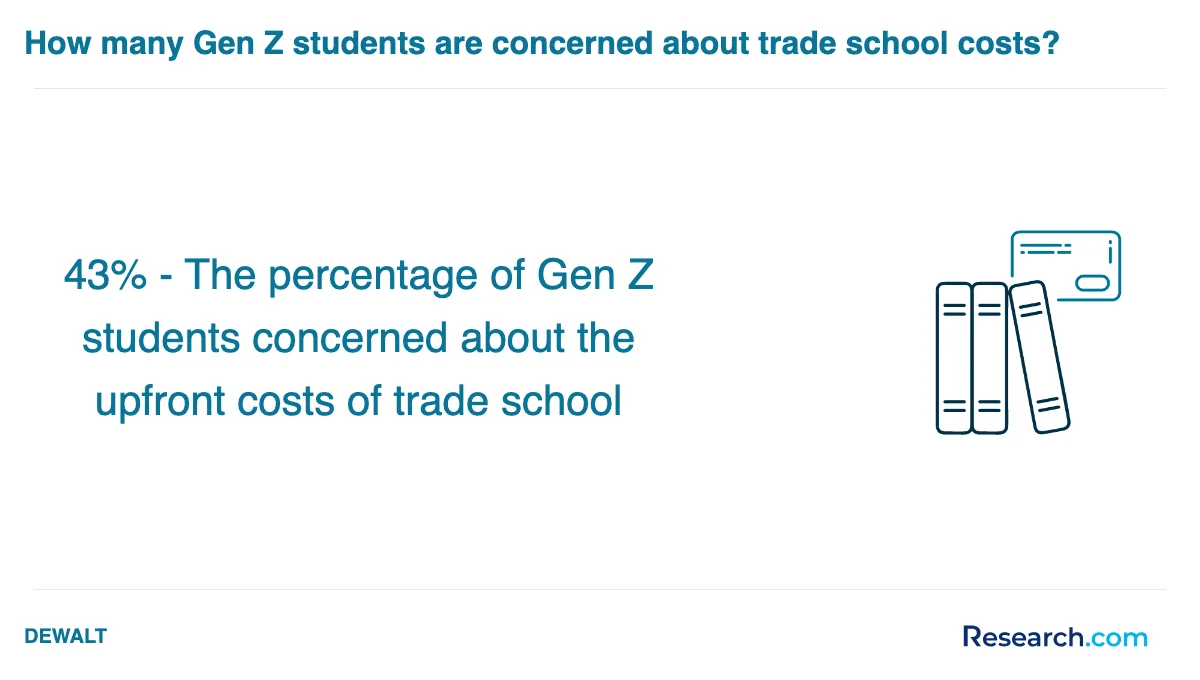
Trade school programs in Petoskey typically include hands-on courses tailored to local job markets, ensuring graduates are job-ready from day one. Popular programs focus on trades like construction technology, HVAC, electrical technology, welding, and drafting & design engineering technology.
Students at places like North Central Michigan College gain practical experience by working on real projects-graduates often recall building entire sections of housing to master carpentry, plumbing, and electrical skills. This immersive approach builds confidence and directly ties classroom learning to the demands of local employers.
- Construction trades cover everything from masonry to interior finishing, making graduates versatile on job sites.
- Welding programs teach safety, blueprint reading, and steel fabrication, preparing students for certifications valued in manufacturing and repair industries.
- Electrical and HVAC courses offer in-depth training on system installation, troubleshooting, and maintenance relevant to Michigan's climate.
- Drafting & design technology helps students grasp precision work that supports engineering projects locally.
Graduates appreciate the practical skills they acquire, which lead directly to steady employment and satisfying work in Petoskey's strong trade sectors.
Trade school programs in Petoskey focus heavily on construction trades, offering specializations in carpentry, masonry, plumbing, electrical work, and painting. Graduates often share how hands-on projects, like building full-scale homes, make learning practical and directly applicable to local job markets. This real-world approach builds confidence and job-ready skills.
Other vital specializations include healthcare and manufacturing. For example, North Central Michigan College's upcoming CATEE facility will provide advanced training in welding, metalworking, and motion control technologies such as pneumatic and hydraulic systems. This expansion excites many students eager for modern, state-of-the-art learning environments that bridge skill gaps in Petoskey's workforce.
Students interested in healthcare will find certified nursing assistant (CNA) training readily available, aligning with regional demand. Culinary arts are another popular choice, preparing graduates for hospitality jobs. For those exploring affordable options online, the cheapest flooring installers certification online programs can be a great step forward.
Petoskey High School's collaboration with trade schools also creates seamless paths from secondary to post-secondary education, helping students transition smoothly into in-demand trades with confidence.
To choose the best trade school programs in Petoskey, start by examining the specific offerings and credentials each school provides. Graduates often share how North Central Michigan College's fast-track HVAC certificates helped them secure jobs quickly, while its associate degrees offered a solid foundation for career growth. Comparing program quality alongside costs is crucial-compare trade school tuition in Petoskey to find a balance that fits your budget without compromising on training quality. Many students appreciate schools with modern labs and hands-on learning, which enhance their confidence and skill retention.
Look for schools with strong ties to local businesses, like partnerships offering apprenticeships or internships, which past students cite as key to their smooth job transitions. Accreditation also matters; programs recognized by industry bodies add value to your resume. For a wider perspective on options, explore community college online programs to compare flexible learning paths that complement Petoskey's offerings.

Trade school career opportunities in Petoskey cover a broad range of high-demand, hands-on fields that align with the region's economic strengths. Graduates from popular programs like those at North Central Michigan College often step into roles as construction technicians, welders, or automation specialists, directly supporting Northern Michigan's infrastructure and manufacturing needs.
Local students pursue career paths including:
- Skilled trades such as welding, machining, and construction
- Healthcare support roles linked to regional growth
- Technical fields like motion control involving pneumatic and hydraulic systems
- Public safety positions including firefighting and law enforcement
- Creative and technical media roles in TV/film production and audio engineering
Many graduates find themselves employed within months, thanks to nationally recognized credentials and strong local demand. These Petoskey trade school graduate jobs provide more than employment - they open doors to stable, rewarding careers that fit real student experiences. For those exploring flexible options, there are also low cost online hvac courses with certificates accessible alongside in-person learning to broaden skills.
The trade school job opportunities in Petoskey show strong local demand, driven by industries like healthcare, manufacturing, construction, and culinary arts. Graduates from popular trade schools here often find hands-on programs in welding, automotive technology, and metalworking tailored to local employer needs. For example, graduates frequently secure positions as automotive technicians, welders, and chefs immediately after training, reflecting a seamless transition into the workforce.
Petoskey's North Central Michigan College, a centerpiece for technical education, leads with practical courses supported by a recent $22 million investment to expand skilled trades training. This focus fits well with the skilled trades employment outlook Petoskey 2026, as the region has at least 67 live trade job openings, ranging from maintenance technicians to craftspeople.
These benefits include:
- Entry-level roles with clear advancement paths
- Training closely aligned to regional employer demands
- Successful career starts for recent graduates
For flexible learning options, students in Petoskey can also explore an automotive mechanic course online, broadening job prospects with convenience and accreditation.
Best Trade School & Training Programs - Leading Certification Courses in Petoskey for 2026
# 1 position
North Central Michigan College - Computer Systems Networking and Telecommunications.
associateNorth Central Michigan College offers a hybrid program in Computer Systems Networking and Telecommunications, focusing on the design, implementation, and management of computer networks and associated software. The curriculum covers operating systems, networking theory, network management, security, and troubleshooting. The program prepares students to work as network specialists and managers. Annual in-state tuition is $5,267. The program is accredited by the Higher Learning Commission.
# 2 position
North Central Michigan College - Legal Assistant/Paralegal.
associateNorth Central Michigan College offers a Legal Assistant/Paralegal program designed to prepare students for roles involving research, drafting, investigatory, record-keeping, and administrative tasks under attorney supervision. The hybrid program includes instruction in legal research, document drafting, pleading, courthouse procedures, and legal specializations. The annual in-state tuition is $5,267. The program is accredited by the Higher Learning Commission.
# 3 position
North Central Michigan College - Criminal Justice/Law Enforcement Administration.
associateNorth Central Michigan College offers a hybrid Criminal Justice/Law Enforcement Administration program designed to prepare students for managing public law enforcement agencies. The curriculum covers law enforcement history, operational command leadership, labor relations, budgeting, incident response, legal responsibilities, and public relations. The program is accredited by the Higher Learning Commission. Annual in-state tuition is $5,267, providing a flexible option with some distance education available.
# 4 position
North Central Michigan College - Criminal Justice/Police Science.
associateNorth Central Michigan College offers a hybrid Criminal Justice/Police Science program designed to prepare students for law enforcement roles. The curriculum covers patrol and investigative duties, traffic and crowd control, evidence management, and crime prevention methods. Tuition for in-state students is $5,267 annually. The program is accredited by the Higher Learning Commission, providing recognized standards for quality education in public security and police science training.
# 5 position
North Central Michigan College - Welding Technology/Welder.
associateNorth Central Michigan College offers a Welding Technology/Welder program that prepares students to apply technical skills in welding and cutting metal surfaces. The curriculum covers arc welding, resistance welding, brazing, soldering, cutting, high-energy beam welding, welding metallurgy, structural design, safety, and industry codes. The program is accredited by the Higher Learning Commission. Annual in-state tuition is $5,267.
# 6 position
North Central Michigan College - Business Administration and Management, General.
associateNorth Central Michigan College offers a Business Administration and Management, General program with a hybrid format, including some distance-education options. The program prepares students to plan, organize, direct, and control business functions and processes. Coursework covers management theory, human resources, accounting, purchasing, logistics, marketing, and business decision-making. The annual in-state tuition is $5,267. The program is accredited by the Higher Learning Commission.
# 7 position
North Central Michigan College - Accounting Technology/Technician and Bookkeeping.
associateNorth Central Michigan College offers a hybrid program in Accounting Technology/Technician and Bookkeeping that prepares students to provide technical administrative support to professional accountants and financial personnel. The curriculum covers posting transactions, record-keeping systems, accounting software operation, and general accounting principles and practices. The program is accredited by the Higher Learning Commission. Annual in-state tuition is $5,267.
# 8 position
North Central Michigan College - Computer Numerically Controlled (CNC) Machinist Technology/CNC Machinist.
certificate or diplomaNorth Central Michigan College offers a hybrid Computer Numerically Controlled (CNC) Machinist Technology program that prepares students to operate CNC machine tools, including lathes and mills. The curriculum covers CNC terminology, programming, blueprint reading, technical math, CAD/CAM, and shop safety practices. Annual in-state tuition is $5,267. The program is accredited by the Higher Learning Commission and includes both technical instruction and hands-on training.
# 9 position
North Central Michigan College - Medical Insurance Coding Specialist/Coder.
certificate or diplomaNorth Central Michigan College offers a Medical Insurance Coding Specialist/Coder program designed to prepare students for specialized data entry, classification, and record-keeping in medical diagnostic, treatment, billing, and insurance documentation. The hybrid program includes instruction in medical records and insurance software, anatomy, medical terminology, coding, and Medicare regulations. The annual in-state tuition is $5,267, and the program is accredited by the Higher Learning Commission.
# 10 position
North Central Michigan College - Phlebotomy Technician/Phlebotomist.
certificate or diplomaNorth Central Michigan College offers a hybrid Phlebotomy Technician/Phlebotomist program designed to prepare students to draw blood samples under professional supervision. The curriculum covers vascular anatomy, blood physiology, skin puncture, venipuncture, specimen handling, and safety procedures. The program’s annual in-state tuition is $5,267. It is accredited by the Higher Learning Commission, providing quality assurance to prospective students seeking certification in this field.
Frequently Asked Questions about trade school programs
After completing a trade school program in Petoskey, preparing for the job market involves several important steps. First, graduates should obtain any necessary certifications or licenses related to their trade, as these credentials improve employability. According to the U.S. Bureau of Labor Statistics, certified trade workers often see faster job placement and higher wages.
Networking locally is also critical; Petoskey's regional business associations and Chamber of Commerce can connect graduates with employers. Additionally, developing a strong resume highlighting practical skills and any completed apprenticeships helps attract attention from hiring managers.
Many trade schools in Petoskey offer career services, including job fairs and interview workshops, which provide valuable preparation. Staying informed about industry trends in sectors prevalent in the area, such as construction and manufacturing, further enhances job readiness.
Employers in Petoskey prioritize certain skills when hiring trade school graduates. Technical competence ranks highest, with a strong demand for expertise in fields like HVAC, electrical work, and automotive repair, reflecting regional industry needs.
In addition to technical abilities, employers value problem-solving skills. According to the Michigan Talent Investment Agency, 68% of local employers seek graduates who can diagnose and resolve issues independently.
Strong communication skills are also important, enabling graduates to work effectively with teams and customers. Time management and reliability are cited frequently in job postings throughout Petoskey.
Overall, a combination of hands-on experience, critical thinking, and interpersonal skills distinguishes successful trade school graduates in this region.
Finding internships in Petoskey that align with your trade school program requires a strategic approach. Start by contacting your trade school's career services office, as many schools maintain partnerships with local businesses and employers. These connections often lead to exclusive internship opportunities tailored to your field.
Local resources such as the Petoskey Regional Chamber of Commerce provide listings and networking events where students can meet potential employers. Additionally, platforms like Michigan Works! offer internship placements and job search assistance specific to northern Michigan.
Industries such as hospitality, automotive repair, and healthcare are prominent in Petoskey, with numerous internship openings reported annually according to the Michigan Department of Labor and Economic Opportunity. Actively networking and applying early can increase your chances of securing a relevant position.
In Petoskey, a trade school diploma can significantly impact career mobility and advancement. According to the National Center for Education Statistics, vocational training improves employment rates by equipping students with practical, industry-specific skills. Local employers in sectors like construction, healthcare, and automotive prioritize candidates with certified training, often leading to higher starting salaries.
Trade school graduates in Petoskey report quicker entry into the workforce compared to their counterparts with traditional degrees. Data from the Michigan Department of Labor shows that trade-certificated workers experience a 15% higher likelihood of promotion within three years.
The hands-on experience gained at Petoskey trade schools also builds strong networks with regional employers, facilitating upward career mobility.
In Petoskey, part-time job opportunities that align well with trade school education include roles in hospitality, healthcare, and skilled trades. According to the U.S. Bureau of Labor Statistics, local demand for construction and maintenance workers is steady, creating openings suitable for students studying trades like HVAC, electrical work, or plumbing.
Healthcare support positions, such as medical assistants or home health aides, offer flexible hours and practical experience for students enrolled in related programs. The tourism sector in Petoskey also provides part-time work in retail and customer service, complementing skills learned in trade courses focused on business or hospitality management.
Local job boards like Indeed and Michigan Works! report an increasing number of employers seeking part-time workers familiar with specialized equipment and technical skills, making these roles ideal for trade school students gaining credentials while working.
To choose the best degree program near Petoskey, MI, consider visiting local universities and colleges to explore the variety of programs they offer and match them with your career goals and interests. Utilize resources like Research.com to compare programs by factors such as faculty expertise, program reputation, and job placement rates. Exploring options both near me and specifically near Petoskey, MI can help ensure you find a program that meets your educational and professional needs.
- Career Tech to Careers - Char-Em ISD Career and Technical Education https://charemisdcareertech.org/career-tech-to-careers/
- Fast Track Career Programs | North Central Michigan College https://www.ncmich.edu/community-events/corporate-community-education/workforce-training/fast-track-career-programs.html
- The Importance of Apprenticeships in Trade School Education | NCC https://www.northwestcareercollege.edu/blog/the-importance-of-apprenticeships-in-trade-school-education/
- Trade School vs. College: Weighing cost, timelines & More https://www.midwesttech.edu/resources/careers/trade-school-vs-college-a-guide-to-weighing-your-options/