
Best Trade School & Training Programs - Leading Certification Courses in Pensacola for 2026

Co-Founder and Chief Data Scientist
Choosing the right trade school in Pensacola can shape your future career and open doors to rewarding opportunities. This article introduces a carefully crafted trade school programs ranking developed by the Research.com team of data scientists to guide you in making an informed decision.
By exploring top options, you’ll discover programs aligned with your goals, helping you gain valuable skills and certifications.
Whether starting fresh or advancing your expertise, this guide encourages you to take confident steps toward a promising career path.
Key benefits of finishing trade school programs trade school in Pensacola
- Trade school graduates in Pensacola can expect competitive salaries, with roles like traffic technicians earning around $51,380 and mobile heavy equipment mechanics making about $56,980 annually, providing strong financial opportunities early in their careers.
- Popular career paths include positions such as sales representatives, maintenance/security technicians, and culinary or cosmetic arts technicians, offering diverse options that match many interests and skills within the local job market.
- Obtaining a trade school diploma or certification online offers flexibility and convenience, allowing students to balance work and study easily while accessing quality training similar to traditional on-campus programs, often leading to successful employment outcomes.
- Best Trade School & Training Programs - Leading Certification Courses in Pensacola for 2026
- What can I expect from trade school programs trade schools in Pensacola?
- Where can I work after finishing trade school programs trade schools in Pensacola?
What can I expect from trade school programs trade schools in Pensacola?
Students attending trade schools in Pensacola often find that the cost is quite manageable compared to four-year colleges. For example, at Pensacola State College, in-state tuition runs about $104.58 per credit hour as of 2025. Graduates frequently share how this affordability allowed them to focus on their studies without overwhelming debt. Since most programs last from a few months to two years, total tuition usually stays within a reasonable range, making hands-on career training accessible.
Many students appreciate the flexible scheduling options, which let them work part-time or manage family commitments while attending classes. Popular schools like George Stone Technical College and Fortis Institute offer day, evening, and even hybrid online courses, helping learners balance life and education. Graduates often describe the mix of classroom lessons and real-world training as energizing and confidence-boosting, especially when externships or simulations give a taste of working in their chosen fields.
Financial aid and scholarships are commonly available, easing the cost burden further. This support, combined with practical training and job placement assistance, makes Pensacola's trade schools a solid investment for those focused on quick entry into the workforce.
Where can I work after finishing trade school programs trade schools in Pensacola?
After finishing a trade school program in Pensacola, you can step confidently into a variety of rewarding careers that really put your hands-on skills to work. Many graduates from local schools like Pensacola State College or Locklin Technical College find jobs quickly by attending job fairs where businesses such as Vulcan Inc., Waffle House, and Whataburger actively recruit skilled workers.
Depending on your program, you might work as an HVAC technician, welder, electrician, or residential construction worker, with entry-level wages ranging from $18 to $38 per hour. Imagine starting your day fixing a heating system or crafting custom metal parts, knowing you're essential to local industry.
Healthcare roles are another popular path. Graduates trained as practical nurses or pharmacy technicians often land positions at local clinics and hospitals, feeling proud to support community health directly. Others find opportunities in exciting fields like solar energy or CNC machining, especially through programs at the University of West Florida's Continuing Education department, where new technologies open fresh doors.
Trade school grads in Pensacola enjoy meeting employers face-to-face at regular events, creating real connections that lead to steady, well-paid jobs across construction, manufacturing, hospitality, and technical services.
After finishing a trade school program in Pensacola, many graduates report feeling confident about their earning potential. Typically, skilled trades workers here start at around $21.92 per hour, which means roughly $45,600 a year if you work full-time. For example, graduates from Pensacola State College often share how this starting wage helped them gain financial independence quickly, especially in fields like maintenance or technical support.
As you gain experience, your pay can grow considerably. It's common for skilled workers in Pensacola to earn up to $31.36 per hour-over $65,000 annually in some trades. Those who completed apprenticeships, often lasting a few years with on-the-job training, start around $40,878, and many find that this steady growth fuels both career satisfaction and economic stability.
Graduates from local schools find that salaries from $27,300 to $67,350 per year are achievable in various entry-level and mid-level roles, which matches well with the statewide average near $50,180. This range shows real opportunity for upward mobility when you stick with your craft and keep sharpening your skills.
- Most trade schools in Pensacola require a high school diploma or equivalent, but some accept students aged 16+ who have legally withdrawn from high school if the program allows.
- No minimum GPA is usually required, and some programs may require additional testing like the Test of Adult Basic Education (TABE).
- Program costs range from a few thousand dollars up to $15,000, with many certificates completing in one to two years of full-time study.
- Financial aid options include federal aid (FAFSA), state grants, and scholarships to help with tuition and fees.
- Entry-level salaries for graduates typically range from $35,000 to $50,000 per year, with experienced professionals earning over $60,000 annually.
Completing a trade school program in Pensacola usually takes between 9 and 24 months, making it a great choice if you want to jumpstart your career quickly. Many students at George Stone Technical College, for example, finish certificate programs in about 12 months by attending full time. They often get hands-on training in fields like welding, law enforcement, or cosmetology, which means they're ready to work sooner rather than later with real skills employers need.
Some programs, like the Master Automotive Service Technology track at George Stone, take longer-between 18 and 24 months-because of the 1,800 required clock hours. This allows students to deeply master the craft and feel confident stepping into their roles.
At Pensacola State College, vocational certificates can be wrapped up in about nine months, but some associate degrees take closer to two and a half years. Many former students appreciate the option to study part-time, balancing work or family while gradually moving toward their goals without overwhelming pressure.
These flexible timelines and practical experiences make trade schools in Pensacola a smart, approachable path to new careers.
The main difference between online and on-campus trade school programs in Pensacola centers on how you access your education. Online programs, like those offered through the University of West Florida, provide incredible flexibility. Imagine balancing your studies with a busy job or family life without the stress of daily commutes. Graduates often share how being able to complete courses at their own pace lent a real sense of control and reduced overwhelm. Fields like HVAC/R and electrical technology are especially well-suited for this format because they include handy simulations that mimic hands-on work.
On the other hand, being on campus means you're right there with instructors and classmates, working directly with equipment-something many students find invaluable for trades like welding or automotive repair. Several graduates recall how in-person labs gave them confidence and practical skill that remote learning alone couldn't match. Pensacola trade schools also offer hybrid options, making it easier to blend flexibility with essential hands-on training.
Both routes cover the same core material, but online students need strong self-discipline. If you thrive in a structured classroom environment, on-campus may feel more natural. So, think about how you learn best and the practical requirements of your chosen trade before deciding.
Understanding the average trade school cost in Pensacola can help you set realistic expectations as you plan your education. Typically, local public technical centers charge between $3,750 and $13,056 for full programs, such as welding. Graduates often share how affordable tuition combined with hands-on training made them feel confident about their career paths without overwhelming financial pressure. Pensacola trade school tuition and fees are especially reasonable for Florida residents, who pay around $3,750 to $4,950 for comprehensive programs that include tuition and books. Non-residents, by contrast, face higher fees, sometimes nearly triple, reaching up to $13,056.
Many students have appreciated the accelerated structure of these programs, typically lasting less than two years, which means less time paying and quicker entry into the workforce. This timeline is a huge relief for those eager to start earning. In comparison, statewide averages can be higher, often near $10,909 annually, but Pensacola schools still offer a more affordable route, especially at public institutions.
Keep in mind that fields like automotive technology or HVAC may have similar costs, and some programs require extra materials or certifications. Financial aid options, including federal grants and scholarships, are frequently available to eligible students, reducing out-of-pocket costs and making these career-focused programs even more accessible.
For those exploring specific trades, it might be worth looking at options like a cheap baking and pastry arts course online that can complement or substitute hands-on local training.
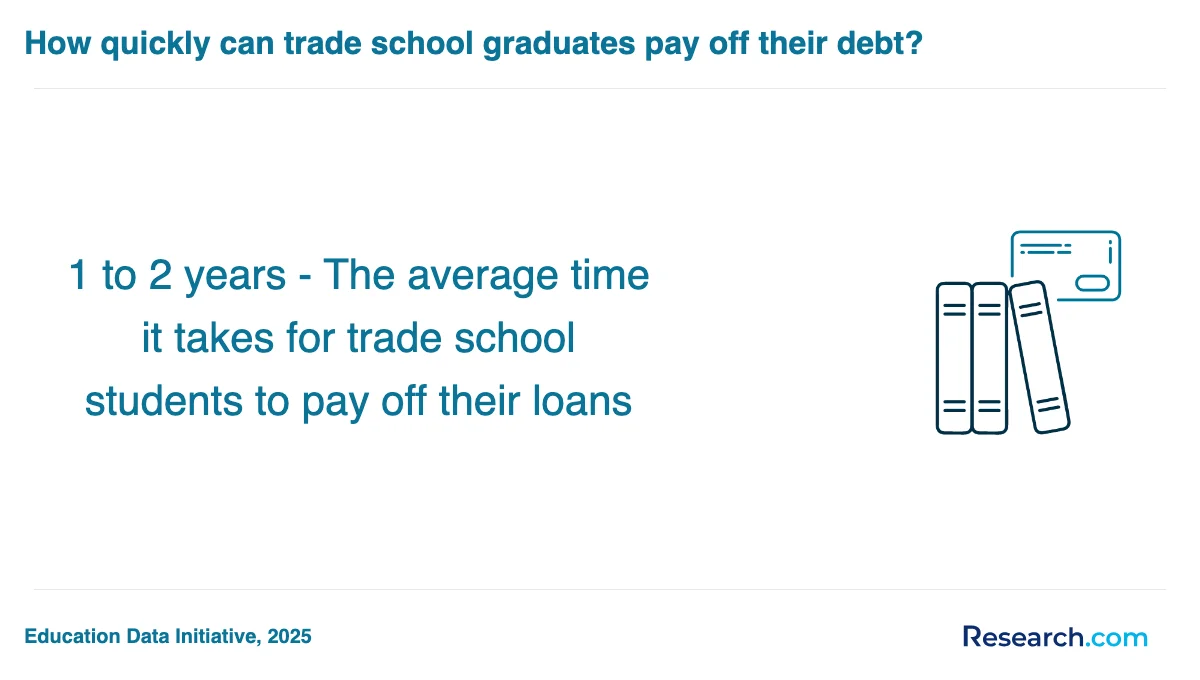
Trade school students in Pensacola have access to several financial aid options that can make education more affordable and less stressful. Many graduates from Pensacola State College share how Federal Pell Grants relieved their tuition burden because these grants don't have to be repaid. Others mention how Direct Subsidized and Unsubsidized Loans helped them pay for classes and supplies while they focused on learning their trade.
State-specific aid also makes a big difference. For example, those attending George Stone Technical College often benefit from the Florida Bright Futures Scholarship or state grants like the Florida Student Assistance Grant for Career Education. Applying early through FAFSA and, if eligible, the Florida Financial Aid Application by August 31, can unlock these opportunities, taking away financial worry for families.
You'll also hear about local scholarships like the John E. Frenkel, Sr. Educational Grant awarded by the Pensacola Interstate Fair, which supports students from Escambia and Santa Rosa counties with substantial funding. Plus, events like Financial Aid Day at Pensacola State College offer personalized help to make the application process smoother and less overwhelming.
Enrolling in a trade school program in Pensacola is surprisingly accessible. Most schools, like George Stone Technical College, follow an open admissions policy, so don't stress about your test scores or GPA-they usually aren't required. The key is having a high school diploma or GED, which opens the door for most programs.
Here are the main prerequisites to keep in mind:
- High school diploma or GED-required for federal financial aid eligibility and most programs.
- Minimum age of 16 for some vocational certificates, such as those at Northwest Florida State College.
- For specialized fields like Emergency Medical Technician or Firefighting, additional steps like background checks and drug screenings come into play.
Many graduates share how this flexibility allowed them to balance work and study. Scheduling options-full-time or part-time, day or evening classes-make it easier to fit education into your busy life. If you're still in high school and eager, some career academies accept students as young as 16, provided you're on track academically.
The focus here is on practicality and skill-building, so you're set up for real-world success once you finish your program.
Trade school programs in Pensacola typically include hands-on courses that prepare you to enter the workforce quickly and confidently. If you're drawn to skilled trades, you'll find programs in welding technology, automotive service, electrical technician work, and HVAC/R. Graduates from George Stone Technical College and Pensacola State College often share how the mix of classroom lessons and shop-based work built their real-world skills and boosted their job readiness.
Healthcare courses are another solid option, covering medical assisting, dental assisting, and emergency medical services. These are designed to give you both the clinical and administrative knowledge needed to thrive in entry-level healthcare roles. Many students appreciate learning anatomy and patient care in ways that feel practical and directly connected to daily tasks.
For those interested in personal services, cosmetology programs teach everything from hair design to skin care and massage therapy-with hands-on training that prepares you for state licensing. Fortis College offers excellent programs where students enjoy practicing cutting and styling, seeing their progress firsthand.
Information technology and cybersecurity courses here respond to local job demands. You can gain valuable skills in network support and security certifications like CompTIA or CISSP, making you attractive to Pensacola's growing tech employers.
Hospitality and culinary arts are no less exciting. Programs teaching professional cooking, baking, and pastry arts blend kitchen practice with theory, helping graduates confidently step into restaurant and hotel roles.
- Skilled trades: welding, automotive, electrical, HVAC/R
- Healthcare: medical assisting, dental assisting, emergency services
- Cosmetology: hair, skin care, massage therapy
- Information technology: networking, cybersecurity certifications
- Hospitality: culinary arts, baking, pastry
In Pensacola, trade school programs cover a variety of specializations tailored to today's job market and local industry needs. Healthcare is a popular choice; graduates from Fortis College and George Stone Technical College often share how training in medical assisting, dental assisting, or nursing opened doors for them in clinics and hospitals. This practical experience makes stepping into healthcare roles smoother.
Skilled trades attract many students looking for hands-on careers with quick certification. Welding, electricity, HVAC/R, and CNC machining are just a few paths you can explore, many of which can be completed in about a year. For instance, some graduates found their passion for solar energy or plumbing and took advantage of emerging courses in these fields, reflecting Pensacola's evolving construction standards.
Public safety programs, such as Florida Law Enforcement Academy and aviation airframe mechanics, offer robust training leading to certification and jobs in local law enforcement or aviation sectors. Meanwhile, personal services like cosmetology and facial specialties emphasize creativity and interpersonal skills, helping students build fulfilling careers in salons or as independent professionals.
Many students appreciate Pensacola trade schools for their flexible schedules and access to financial aid, which makes pursuing a career change or advancement achievable. If you're considering a specialized path, researching options like the cheapest online floor installer trade school programs can offer additional affordable routes tailored to your needs.
Choosing the best trade school programs in Pensacola starts with knowing what truly excites you. Graduates from George Stone Technical College often share how picking a program aligned with their passion for healthcare or welding made their learning experience more rewarding and kept them motivated. When you're clear about your interests, it's easier to sift through options and focus on schools that offer specialized training in those fields.
Accreditation is essential. Many successful graduates highlight how attending accredited institutions like Pensacola State College reassured them that their education met high standards appreciated by local employers. It's smart to verify accreditation through Florida's Department of Education to avoid surprises later in your career.
Cost and flexibility play major roles too. Pensacola State's in-state tuition of $104.58 per credit hour helped a lot of students manage expenses while balancing work. Plus, programs that offer online or hybrid formats give you the freedom to learn without sacrificing your current obligations. If you want a quick route to a good job, check out options like a 6 month online course with high salary.
Trade school graduates in Pensacola enjoy a wide range of career opportunities tailored to the local job market. Schools like George Stone Technical College and Fortis Institute connect students to real-world jobs in industries where their skills are in high demand. Many graduates find rewarding work in healthcare roles such as medical assisting or dental assisting, where they make a direct impact on patient care in clinics and hospitals. Others explore high-demand skilled trades in Pensacola Florida, including HVAC/R, welding, plumbing, and electrical work, which offer stable employment fueled by ongoing residential and commercial building projects.
Graduates often share how hands-on training prepared them to step confidently into roles such as aviation airframe mechanics supporting regional airports or massage therapists building loyal client bases. Popular trade programs empower students to enter the workforce swiftly, often within a year, with credentials recognized by local employers. Additionally, creative and tech fields like cybersecurity and commercial arts are opening new pathways for those seeking diverse opportunities. For an insightful look into study options, explore what is the best community college in the united states.
The Pensacola skilled trade job outlook is promising for graduates of local trade schools, with competitive wages and expanding opportunities. Many graduates from programs in electrical work, HVAC, and automotive technology have reported finding steady work paying close to the area's skilled trades average of $25.09 per hour. Those who studied at popular Pensacola trade schools often share stories of quickly securing jobs thanks to hands-on training that employers value.
Students entering fields like construction, welding, and commercial truck driving can expect growth aligned with national trends, where infrastructure projects and private sector development boost demand. Here are some key points to consider:
- Trade school graduate salaries in Pensacola hover around $27.13 per hour on average across occupations.
- Healthcare and technical roles constitute nearly 8% of the local workforce, with wages averaging above $42 per hour.
- The manufacturing sector is actively hiring, reflecting a robust 1.0% annual labor growth forecast through 2028.
For students interested in specialized areas, exploring low cost online freight broker trade school programs can also open doors to well-paying careers, making Pensacola a smart place for focused technical education and career advancement.
Best Trade School & Training Programs - Leading Certification Courses in Pensacola for 2026
# 1 position
Pensacola State College - Diagnostic Medical Sonography/Sonographer and Ultrasound Technician.
associatePensacola State College offers a Diagnostic Medical Sonography/Sonographer and Ultrasound Technician program with a hybrid format, including some distance education. The program trains students to use medical ultrasound techniques for diagnosing various conditions, covering patient care, data processing, and professional ethics. Annual in-state tuition is $2,348. Graduates have median earnings of $52,274 one year after completion. The program is accredited by the Southern Association of Colleges and Schools Commission on Colleges.
# 2 position
Pensacola State College - Diagnostic Medical Sonography/Sonographer and Ultrasound Technician.
certificate or diplomaThe Diagnostic Medical Sonography/Sonographer and Ultrasound Technician program at Pensacola State College is a hybrid program preparing students to use medical ultrasound techniques for diagnosing conditions. It includes training in patient care, data recording, and sonography equipment operation under physician supervision. The program is accredited by the Southern Association of Colleges and Schools Commission on Colleges. Annual in-state tuition is $2,348, with median earnings of $52,274 one year after completion.
# 3 position
Pensacola State College - Electrocardiograph Technology/Technician.
certificate or diplomaPensacola State College offers a hybrid Electrocardiograph Technology/Technician program that trains students to administer EKG and ECG diagnostic tests under medical supervision. The curriculum covers anatomy, physiology, cardiovascular medications, patient care, equipment operation, and cardiac rhythm interpretation. Annual in-state tuition is $2,348. Graduates have median earnings of $39,962 one year after completion. The program is accredited by the Southern Association of Colleges and Schools Commission on Colleges.
# 4 position
Pensacola State College - Veterinary/Animal Health Technology/Technician and Veterinary Assistant.
associatePensacola State College offers a program in Veterinary/Animal Health Technology/Technician and Veterinary Assistant designed to train individuals in patient management and clinical assistance under veterinary supervision. The curriculum covers animal nursing, health, nutrition, clinical pathology, radiology, anesthesiology, dental care, surgical assistance, laboratory procedures, and office administration. The program is accredited by the Southern Association of Colleges and Schools Commission on Colleges. Annual in-state tuition is $2,348.
# 5 position
Pensacola State College - Information Technology.
associatePensacola State College offers a hybrid Information Technology program focusing on the design of technological information systems. The curriculum covers computer hardware and software, algorithms, databases, telecommunications, application testing, and human interface design. The program is accredited by the Southern Association of Colleges and Schools Commission on Colleges. Annual in-state tuition is $2,348.
# 6 position
Pensacola State College - Computer and Information Systems Security/Auditing/Information Assurance.
associatePensacola State College offers a hybrid program in Computer and Information Systems Security/Auditing/Information Assurance. The curriculum prepares students to evaluate security needs, recommend safeguards, and manage security systems and procedures. Coursework includes computer architecture, programming, networking, cryptography, security auditing, law, risk assessment, contingency planning, investigation techniques, and troubleshooting. Annual in-state tuition is $2,348. The program is accredited by the Southern Association of Colleges and Schools Commission on Colleges.
# 7 position
Pensacola State College - Legal Assistant/Paralegal.
associateThe Legal Assistant/Paralegal program at Pensacola State College is a hybrid program offering some distance education options. It prepares students to assist attorneys by performing research, drafting legal documents, and handling investigatory and administrative tasks. Instruction covers legal research, drafting, pleading, courthouse procedures, and legal specializations. The annual in-state tuition is $2,348. The program is accredited by the Southern Association of Colleges and Schools Commission on Colleges.
# 8 position
Pensacola State College - Physical Fitness Technician.
associatePensacola State College offers a Physical Fitness Technician program with a hybrid format that includes some distance education. The curriculum covers human anatomy and physiology, fitness techniques, exercise science, personal training, nutrition, and customer service. Graduates are prepared for roles in health clubs, wellness centers, recreation facilities, hospitals, and corporate fitness programs. Annual in-state tuition is $2,348. The program is accredited by the Southern Association of Colleges and Schools Commission on Colleges.
# 9 position
Pensacola State College - Criminal Justice/Law Enforcement Administration.
associatePensacola State College offers a Criminal Justice/Law Enforcement Administration program designed to prepare students for managing public law enforcement agencies. The curriculum covers law enforcement history, operational command leadership, labor relations, incident response, legal responsibilities, budgeting, and public relations. Annual in-state tuition is $2,348. The program is accredited by the Southern Association of Colleges and Schools Commission on Colleges.
# 10 position
Pensacola State College - Business Administration and Management, General.
associatePensacola State College offers a hybrid Business Administration and Management, General program designed to prepare students to plan, organize, and manage organizational functions. The curriculum covers management theory, human resources, accounting, purchasing, logistics, marketing, and business decision-making. Annual in-state tuition is $2,348. The program is accredited by the Southern Association of Colleges and Schools Commission on Colleges.
Frequently Asked Questions about trade school programs
After completing trade school in Pensacola, preparing for the job market involves several key steps. Graduates should first obtain any required state certifications or licenses, which are often necessary for skilled trades like HVAC or electrical work. Networking is crucial; joining local professional organizations or attending job fairs can connect students with employers. According to the Florida Department of Economic Opportunity, Pensacola has seen a steady growth in skilled trade jobs, especially in construction and healthcare support. Updating a clear, trade-specific resume and practicing interview skills will also improve job prospects. Many trade schools in the area offer career services to assist with this transition.
Employers in Pensacola highly value practical skills when hiring trade school graduates. According to the Florida Department of Economic Opportunity, in-demand technical abilities include welding, electrical work, HVAC maintenance, and automotive repair. These hard skills reflect Pensacola's strong manufacturing and service sectors.
Beyond technical expertise, soft skills are crucial. Communication, problem-solving, and teamwork are frequently cited by local employers as essential for job success. The National Center for Construction Education and Research also highlights safety awareness as a top priority in trades.
Overall, graduates who combine specialized training with strong interpersonal skills improve their employment prospects in Pensacola's competitive job market.
Finding internships in Pensacola that align with your trade school program involves several practical steps. Start by contacting your school's career services office, as many Pensacola trade schools maintain local employer partnerships. These collaborations often lead to exclusive internship opportunities tailored to specific trades.
Next, explore local business directories and industry groups in Pensacola. The Pensacola Chamber of Commerce provides resources and listings relevant to sectors such as construction, healthcare, and manufacturing, which are common trade school focuses.
Online platforms like Handshake and Indeed also list internships. While not Pensacola-specific, filtering by location and trade field can yield relevant listings.
Lastly, networking events and job fairs in the Pensacola area are valuable. Engaging directly with employers can increase your chances of securing an internship matching your program. According to the Florida Department of Education, practical experience through internships significantly improves employment outcomes for trade school students.
In Pensacola, earning a trade school diploma significantly enhances career mobility and advancement opportunities. Graduates gain hands-on skills frequently sought by local employers, especially in industries like construction, healthcare, and manufacturing. According to the Florida Department of Education, trade school completers in the region often experience higher employment rates within six months of graduation compared to those with only a high school diploma.
Trade credentials also position individuals for quicker wage growth. Data from the U.S. Bureau of Labor Statistics highlights that skilled trades in Pensacola offer median salaries up to 25% above entry-level pay for comparable roles without certification. This advantage supports upward mobility in competitive job markets.
Employers in Pensacola commonly value trade diplomas as proof of practical expertise, which can fast-track promotions or lead to specialized positions. For many professionals, these credentials serve as a reliable pathway to stable, well-paying careers without the time and expense of a traditional four-year degree.
Part-time job opportunities in Pensacola that complement trade school education often align with the skills students are developing in their programs. Fields such as automotive repair, HVAC, electrical work, and healthcare offer flexible roles that provide practical experience alongside study.
Local businesses frequently seek part-time help in retail hardware stores, medical offices, or construction sites, allowing students to apply their technical knowledge. According to the U.S. Bureau of Labor Statistics, Pensacola's growing trade sectors support numerous part-time openings, especially in plumbing and electrical assistance.
Engaging in these jobs not only builds relevant skills but also enhances résumés, making it easier to transition into full-time roles post-graduation.
To find the best degree program near me in Pensacola, FL, you should start by considering your academic and career goals and researching universities and colleges in the area that offer programs aligned with those interests. Institutions such as the University of West Florida, located near Pensacola, FL, provide a variety of degree programs that might suit your preferences. Utilizing resources like Research.com can help you compare programs based on faculty expertise, research opportunities, and graduate outcomes.
- Best Trade School & Training Programs - Leading Certification Courses in Little Rock for 2026
- Best Trade School & Training Programs - Leading Certification Courses in Springfield for 2026
- Best Trade School & Training Programs - Leading Certification Courses in Florence for 2026
- Best Trade School & Training Programs - Leading Certification Courses in Emporia for 2026
- Trade School in Pensacola, Florida | Fortis https://www.fortis.edu/campuses/florida/pensacola.html
- Vocational Training | University of West Florida https://uwf.edu/continuinged/programs/career-training/vocational-training/
- Career & Technical Education (CTE) – Pensacola State College https://www.pensacolastate.edu/current-students/student-services/cte/
- George Stone Technical College / Homepage https://www.escambiaschools.org/gstc
- Workforce and Talent | Pensacola Forward https://www.pensacolaforward.com/page/workforce-talent/


