
Best Trade School & Training Programs - Leading Certification Courses in Panama City for 2026

Co-Founder and Chief Data Scientist
Choosing the right trade school in Panama City can shape your future career and open doors to valuable opportunities. This article introduces a detailed trade school programs ranking developed by the Research.com team of data scientists, designed to help you make an informed decision.
Whether you’re looking for hands-on training or a certification that employers respect, understanding which programs stand out is key. Exploring these options can boost your confidence and guide you toward a rewarding path with real-world skills.
Get ready to discover programs that match your goals and set you up for success in 2026 and beyond.
Key benefits of finishing trade school programs trade school in Panama City
- Expected salaries for trade school graduates in Panama City range broadly, with many positions paying from about $37,700 up to $83,200 annually, and certified tradespeople often earning between $30 and $40 per hour, showing strong earning potential right after graduation.
- Popular career paths include HVAC, plumbing, electrical work, automotive technology, and specialized roles like mechanics, offering diverse opportunities for skilled workers in high-demand local industries.
- Online trade school programs provide flexible learning options, allowing students to balance work and study, which many graduates find helpful to quickly enter the workforce while gaining valuable certifications without the commute and rigid schedules of on-campus classes.
- Best Trade School & Training Programs - Leading Certification Courses in Panama City for 2026
- What can I expect from trade school programs trade schools in Panama City?
- Where can I work after finishing trade school programs trade schools in Panama City?
What can I expect from trade school programs trade schools in Panama City?
The average annual cost of attending a trade school program in Panama City, such as those offered at Tom P. Haney Technical College, is approximately $7,008. Graduates often describe their investment as worthwhile given the hands-on training and career support they receive. Many find financial aid, scholarships, and grants that substantially reduce out-of-pocket expenses, making education financially accessible.
Students enrolling in these programs can expect a practical curriculum tailored to local industry needs, with many completing their studies in six months to just over two years. For example, graduates from welding or HVAC programs appreciate the blend of in-person labs and real-world equipment that prepares them for immediate employment.
With a 100% acceptance rate at popular schools and no minimum GPA required, prospective students feel encouraged and supported from admission through job placement. Career specialists actively assist graduates, contributing to a job placement rate exceeding 87%, which boosts confidence and motivates students to pursue their professional goals.
Where can I work after finishing trade school programs trade schools in Panama City?
After completing a trade school program in Panama City, graduates find a wealth of employment opportunities across diverse industries. For instance, many HVAC and electrical program graduates quickly secure positions with local building service companies or launch small businesses, benefiting from hands-on training that employers highly value. Welding graduates often join fabrication shops, shipyards, or construction sites where their skills are in constant demand.
Commercial driving programs lead to roles in logistics firms eager to hire licensed drivers, reflecting sustained regional demand. Healthcare graduates, such as medical assistants and pharmacy technicians, report positive experiences working in area hospitals and clinics, appreciating both job stability and community impact.
Construction and maintenance specialists, including carpenters and plumbers, commonly find steady employment with contractors or public agencies, with many advancing to senior technician roles after gaining experience.
Technical colleges like Tom P. Haney facilitate this smooth career transition with dedicated placement assistance, helping graduates tap into Panama City's robust job market where over 87% find employment shortly after completing their programs.
After finishing a trade school program in Panama City, graduates typically see annual earnings around $50,180, with hourly wages averaging $24.12. Many trade school graduates from local programs share success stories of landing jobs that pay between $37,700 and $60,900 within their first few years. For example, those who trained as electricians report starting salaries near $36,000 and advancing to $51,000 annually as they gain experience and certifications.
Graduates from trade schools specializing in construction and remodeling often find opportunities offering salaries between $90,000 and $120,000, reflecting the high demand for skilled tradespeople in the region. Entry-level roles like Construction Sprinkler Technicians typically start at $16.50 to $22.00 per hour, translating to about $34,000 to $45,000 yearly. Trade school alumni working in warehousing or government roles such as Customs and Border Protection Officers also highlight earnings ranging from $40,000 up to $110,000, depending on experience.
Trade schools in Panama City prepare students well for these diverse roles, allowing graduates to build rewarding careers with competitive pay that grows as they advance. The blend of hands-on training and local industry connections offers many graduates confidence and financial stability soon after completion.
- Tom P. Haney Technical College in Panama City offers over 19 programs in fields like healthcare, IT, construction, and cosmetology.
- Programs typically take six months to two years to complete and include hands-on training and industry certifications.
- The college has an 87% job placement rate, helping graduates find work in the local job market.
- Tuition ranges from $3,000 to $8,000 depending on the program length and specialization.
- Starting salaries for practical nursing range from $40,000 to $45,000 per year, while HVAC technicians and electricians begin around $35,000 to $45,000 annually.
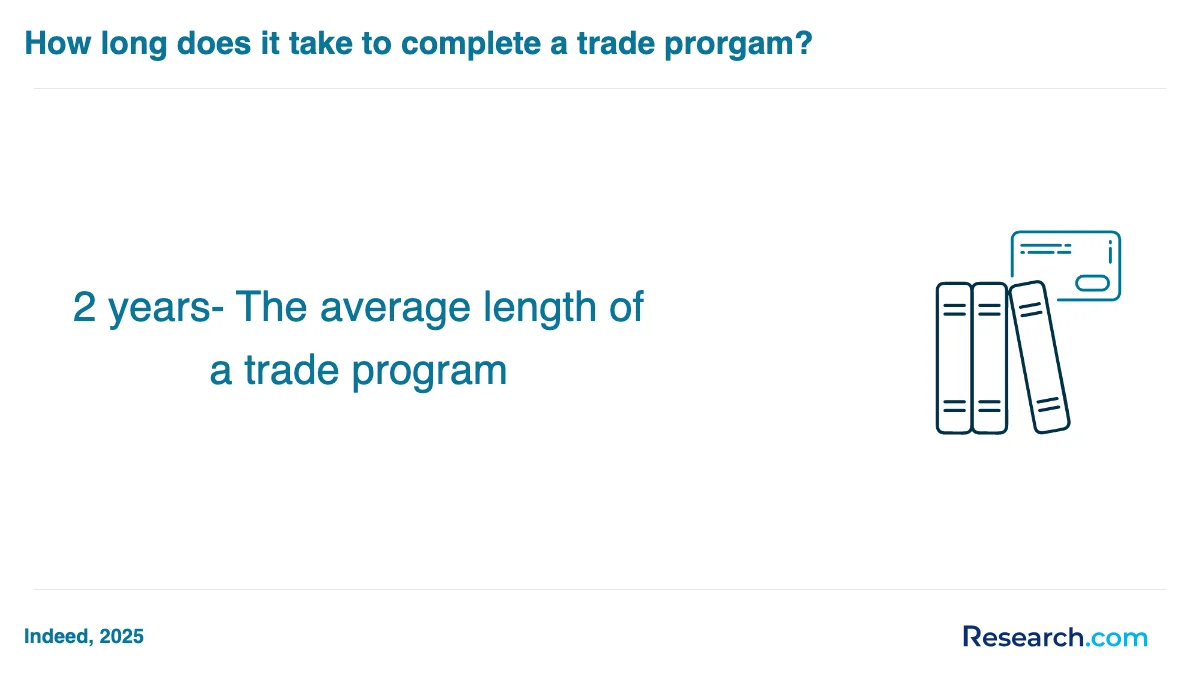
Trade school programs in Panama City typically take between six months and just over two years to complete, depending on the field and credential sought. Graduates from popular institutions like Tom P. Haney Technical College report program lengths ranging from six months for entry-level certifications, such as medical assisting or cosmetology, to nearly two years for more advanced fields like HVAC or automotive service.
Many students appreciate the flexible enrollment schedules available at these schools, which allow them to start multiple times per year and avoid lengthy wait times. This flexibility accelerates their pathway to employment, helping them quickly transition from student life to a fulfilling career.
Examples from local trade schools show that condensed programs, such as welding, can be completed in about nine months, while others like diesel mechanics typically require just under a year. Graduates often express satisfaction with hands-on training and industry-recognized certifications that make their rapid workforce entry both rewarding and attainable.
The primary difference between online and on-campus trade school programs in Panama City centers on instruction style and practical experience. Graduates from Tom P. Haney Technical College frequently praise the hands-on learning at the physical campus, where they use real equipment and receive instant feedback from instructors. This direct interaction often leads to confidence and strong job readiness, with Haney reporting an 87% job placement rate for its on-campus students.
Online programs offer greater flexibility, allowing students to study from home or work while managing family commitments. Many students pursuing fields like medical administration or IT find online modules and virtual simulations convenient. However, some admit they miss the hands-on practice, which online courses often lack unless supplemented by local internships.
Students in Panama City seeking trades requiring physical skills tend to prefer on-campus programs for personalized guidance and industry-driven training. In contrast, online students value accessibility and self-paced learning but may feel less prepared for equipment-based roles.
The average trade school cost in Panama City varies notably between public and private institutions. Public trade schools generally charge between $9,500 and $23,000 annually, encompassing tuition and mandatory fees, while private trade schools can cost from $18,500 up to $37,500 per year. Graduates often recall managing expenses carefully, appreciating how these costs cover access to well-equipped labs and up-to-date materials essential for hands-on learning.
At Gulf Coast State College, a popular choice for local students, the Panama City trade school tuition and fees translate to about $98.75 per credit hour for in-state learners. Programs typically span 30 to 45 credit hours, resulting in total tuition ranging from approximately $2,962 to $4,444 for residents. Out-of-state students face higher costs, with tuition between $10,791 and $16,187. Many former students highlight how the manageable in-state rates allowed them to gain trade certifications without overwhelming debt.
Throughout Florida, the average tuition and fees for leading trade programs are around $9,682 per year. This figure aligns with national trends but sits at the higher end due to specialized equipment and comprehensive facilities found in Panama City. Prospective students interested in specific training areas, such as HVAC, might explore options like the cheapest online hvac courses with certificates to supplement on-campus education affordably.

Trade school students in Panama City benefit from several targeted financial aid options that significantly ease the cost of education. Graduates from popular local trade schools often highlight how completing the Free Application for Federal Student Aid (FAFSA) unlocked essential funding through federal grants like the Pell Grant, which covers substantial tuition portions without the burden of repayment.
Many students pursuing technical certificates report relying on the Florida Student Assistance Grant-Career Education (FSAG-CE), a need-based program designed specifically for Florida residents enrolled in vocational programs. Early FAFSA submission is crucial, as funding is limited and distributed on a first-come, first-served basis.
Others recall supplementing their aid with federal loans, such as Direct Subsidized and Unsubsidized Loans, offering flexible repayment options and capped loan limits, which help manage costs during and after training. Parents often use Federal Parent PLUS Loans to bridge remaining expenses, subject to credit approval.
The Florida Open Door Grant Program further supports students pursuing short-term, in-demand credentials by covering tuition, books, and materials, making career training in Panama City more accessible and less financially stressful.
To enroll in a trade school program in Panama City, the fundamental prerequisite is typically a high school diploma or GED. For example, graduates from Haney Technical Center often recall how this requirement was essential for starting their chosen career paths. Some specialized programs, like Emergency Medical Technician or Firefighting, demand strict proof of high school completion due to state licensing rules.
Applicants must provide several key documents:
- Official transcripts from high school, GED programs, or any prior colleges attended, which can sometimes exempt students from basic skills assessments.
- A valid government-issued photo ID.
- Two forms of proof confirming Florida residency to qualify for in-state tuition.
Most trade schools in Panama City administer a basic skills assessment measuring competence in math, reading, and language. Graduates often share that passing this assessment gave them confidence moving forward in their programs.
Applicants under 21 have to provide proof of immunizations. Additionally, clearing all fees-such as tuition and lab fees-is mandatory before enrollment.
Those still in high school can benefit from dual enrollment options offered by some schools, enabling them to earn trade credits while completing their diploma, a feature praised by many local students.
Trade school programs in Panama City typically cover a blend of practical, hands-on courses aimed at immediate workforce readiness. Popular offerings include construction trades, healthcare, business administration, and technical maintenance. For instance, graduates from Tom P. Haney Technical College frequently highlight their deep knowledge in plumbing, mastering residential and industrial systems along with the necessary math and physical principles.
Key programs that resonate with students also include:
- Welding technician training, focusing on metal cutting, rigging, and workplace safety, preparing students for diverse industrial roles
- HVAC/R courses that simulate real service calls and prepare students for industry certifications such as HVAC Excellence or NATE
- Maintenance technician programs emphasizing troubleshooting and equipment repair skills vital in many local industries
Healthcare courses are equally sought after, featuring Medical Administrative Specialist training and patient care technician credentials with strong employer connections and placement rates above 87%. Many students appreciate supplementary offerings like GED preparation and ESOL, which support career progression for diverse learners. These programs at Gulf Coast State College and others provide flexible durations and multiple enrollment periods, making practical education highly accessible in Panama City.
Trade schools in Panama City offer diverse specializations catering to both local and U.S. job markets, enabling graduates to confidently enter well-paying industries. Popular areas include HVAC/R, plumbing, and welding, where students at Gulf Coast State College acquire practical skills and prepare for certification exams. Graduates often describe hands-on training in safety and technical problem-solving as highly rewarding, boosting their employability immediately after program completion.
Digital media and IT are also prominent, with Gulf Coast State College's Associate of Science in Digital Media Technology allowing students to specialize in Digital Production or Web Development. Learning to create multimedia projects or develop websites opens doors to creative and technical careers that resonate well with tech-savvy students.
Healthcare fields such as medical assisting and diagnostic sonography attract those passionate about patient care, while programs in firefighting or law enforcement offer quick entry to essential public service careers. Additionally, many students from Florida Panhandle Technical College find success in architecture, manufacturing, and logistics, supported by strong job placement rates.
For those seeking flexibility, Panama City students may explore the most affordable online carpentry trade school programs, combining affordability with practical skill development.
Choosing the best trade school programs in Panama City begins with verifying accreditation, ensuring your diploma is recognized by employers and educational institutions. Graduates from Tom P. Haney Technical College often cite the school's hands-on training and strong job placement support as critical to launching their careers successfully in high-demand fields.
Comparing Panama City trade schools effectively involves examining program variety and costs. For example, Tom P. Haney Technical College offers industry-driven courses at approximately $4,685 per year for Florida residents, making it a competitively priced option. Many students appreciate the availability of financial aid and scholarships, which can ease the burden of tuition fees.
Evaluate each school's flexibility with class schedules to suit your work and life commitments. Graduates report that evening and hybrid courses helped them balance study and employment effectively. Also, consider student outcomes like graduation rates and certification success, which reveal the quality and satisfaction levels of the programs.
For those interested in specific fields, reviewing data on the most affordable online solar technician trade school programs can provide additional economical training options.
Trade school programs in Panama City open diverse career pathways for graduates, aligning closely with local industry demands. Technical colleges like Tom P. Haney Technical College offer training in over 17 career clusters, enabling students to quickly step into roles with strong employment prospects. Graduates often feel encouraged by securing positions in thriving sectors such as health sciences, where roles like medical administrative specialists and pharmacy technicians are in particularly high demand.
Other in-demand skilled trades jobs Panama City include opportunities in architecture and construction, where graduates become electricians, HVAC technicians, or carpenters supporting the area's ongoing development and hurricane recovery. The information technology and business services sectors also see growth, with openings in network support, cybersecurity, office administration, and bookkeeping.
Students find practical value in programs at Panama City's trade schools, often sharing satisfaction from gaining skills that lead to jobs quickly. Success stories emphasize how graduates transition smoothly into stable careers in manufacturing, transportation, arts, and human services.
- Health sciences roles in medical offices and hospitals
- Construction trades including electric and HVAC work
- IT support and cybersecurity positions
- Business services like bookkeeping and office administration
- Creative and human services pathways
Flexible enrollment and financial aid options at local trade schools make these career pathways even more accessible. For those searching for high paying trades that are quick to learn, Panama City's technical programs offer a promising route to rewarding careers.
The job market for trade school graduates in Panama City is currently thriving, with over 100 job openings for skilled labor such as HVAC technicians, commercial drivers, and linepersons. Graduates from local institutions like Tom P. Haney Technical College, which boasts an average job placement rate above 87%, find themselves in a favorable position to secure employment quickly. These graduates benefit from programs tailored to meet the needs of Panama City's employers, gaining practical skills and industry certifications relevant to high-demand roles.
Key factors driving the Panama City skilled trades employment outlook include:
- Active hiring in construction, electrical work, and truck driving.
- Local efforts in rebuilding infrastructure post-Hurricane Michael.
- Strong partnerships between colleges and businesses providing career support.
This landscape offers genuine job opportunities for trade school graduates in Panama City, where training often leads directly to employment. Students are encouraged to explore why a trade school better than college may be the right path due to quick program completion, financial aid availability, and direct industry connections.
Best Trade School & Training Programs - Leading Certification Courses in Panama City for 2026
# 1 position
Gulf Coast State College - Diagnostic Medical Sonography/Sonographer and Ultrasound Technician.
associateThe Diagnostic Medical Sonography/Sonographer and Ultrasound Technician program at Gulf Coast State College is a hybrid course preparing students to use ultrasound techniques for diagnosing medical conditions. It covers patient care, sonographic data processing, equipment operation, and professional ethics. The program is accredited by the Southern Association of Colleges and Schools Commission on Colleges. Annual in-state tuition is $2,370, and median earnings one year after completion are $58,019.
# 2 position
Gulf Coast State College - Dental Assisting/Assistant.
certificate or diplomaGulf Coast State College offers a hybrid Dental Assisting/Assistant program designed to prepare students for patient care, dental radiography, and office administrative duties under dentist supervision. The curriculum includes medical record-keeping, equipment maintenance, chairside assisting, and supervised practice. The program is accredited by the Southern Association of Colleges and Schools Commission on Colleges. Annual in-state tuition is $2,370.
# 3 position
Gulf Coast State College - Computer and Information Systems Security/Auditing/Information Assurance.
associateGulf Coast State College offers a hybrid program in Computer and Information Systems Security/Auditing/Information Assurance. The program trains students to assess security needs, recommend safeguards, and manage security systems, including auditing and maintenance. Coursework covers computer architecture, programming, networking, cryptography, law, risk assessment, and investigation techniques. The annual in-state tuition is $2,370. The program is accredited by the Southern Association of Colleges and Schools Commission on Colleges.
# 4 position
Gulf Coast State College - Legal Assistant/Paralegal.
associateThe Legal Assistant/Paralegal program at Gulf Coast State College is an on-campus program designed to prepare students for legal research, drafting, investigatory, and administrative tasks under attorney supervision. The curriculum covers legal research, document drafting, courthouse procedures, and various legal specializations. Annual in-state tuition is $2,370. The program is accredited by the Southern Association of Colleges and Schools Commission on Colleges.
# 5 position
Gulf Coast State College - Criminal Justice/Law Enforcement Administration.
associateGulf Coast State College offers a Criminal Justice/Law Enforcement Administration program with a hybrid format that includes some distance education. The curriculum covers organizational management, law enforcement history and theory, operational command leadership, labor relations, incident response, legal responsibilities, budgeting, and public relations. Annual in-state tuition is $2,370. The program is accredited by the Southern Association of Colleges and Schools Commission on Colleges.
# 6 position
Gulf Coast State College - Physical Therapy Assistant.
associateThe Physical Therapy Assistant program at Gulf Coast State College offers a hybrid format, preparing students to implement treatment plans, conduct interventions, and assist physical therapists. The curriculum covers applied anatomy, physiology, biomechanics, neuroscience, and professional ethics. The program’s annual in-state tuition is $2,370. Graduates have a median earning of $40,027 one year after completion. It is accredited by the Southern Association of Colleges and Schools Commission on Colleges.
# 7 position
Gulf Coast State College - Business Administration and Management, General.
associateGulf Coast State College offers a program in Business Administration and Management, General, designed to prepare individuals to plan, organize, direct, and control functions within organizations. The curriculum includes management theory, human resources, accounting, purchasing, logistics, marketing, and business decision-making. The program’s annual in-state tuition is $2,370. It is accredited by the Southern Association of Colleges and Schools Commission on Colleges.
# 8 position
Gulf Coast State College - Accounting Technology/Technician and Bookkeeping.
associateThe Accounting Technology/Technician and Bookkeeping program at Gulf Coast State College prepares students to provide technical administrative support to professional accountants and financial management personnel. The curriculum includes instruction in posting transactions, record-keeping systems, accounting software operation, and general accounting principles and practices. The annual in-state tuition is $2,370. The program is accredited by the Southern Association of Colleges and Schools Commission on Colleges.
# 9 position
Gulf Coast State College - Computer Numerically Controlled (CNC) Machinist Technology/CNC Machinist.
certificate or diplomaThe Computer Numerically Controlled (CNC) Machinist Technology program at Gulf Coast State College offers a hybrid format with some distance education options. It trains students to operate CNC machine tools, including lathes and mills, and covers setup, programming, troubleshooting, and blueprint reading. The curriculum includes technical mathematics, CAD/CAM systems, and safety practices. Annual in-state tuition is $2,370. The program is accredited by the Southern Association of Colleges and Schools Commission on Colleges.
# 10 position
Tom P. Haney Technical College - Welding Technology/Welder.
certificate or diplomaTom P. Haney Technical College offers a Welding Technology/Welder program that prepares students to apply technical skills in welding and metal cutting. Instruction covers arc welding, resistance welding, brazing, soldering, high-energy beam techniques, welding metallurgy, and safety standards. The program is hybrid, including some distance education. Graduates earn a median salary of $31,480 one year after completion and the program is accredited by the Council on Occupational Education.
Frequently Asked Questions about trade school programs
After completing trade school in Panama City, preparing for the job market requires a strategic approach to increase employability. Begin by building a strong resume that highlights your technical skills and practical experience gained during your program. Engage in internships or apprenticeships to gain hands-on experience, as employers value demonstrated competence.
Networking is essential; attend local industry events or job fairs organized by Panama City trade schools to connect with potential employers. According to the Panama Employment Agency, graduates with relevant work experience have a 30% higher chance of securing jobs within six months.
Additionally, consider obtaining industry certifications recognized in Panama's labor market to validate your skills further. Soft skills like communication and teamwork are equally important to complement technical abilities and improve job retention.
Employers in Panama City value trade school graduates who possess strong technical skills specific to their industry, such as electrical work, welding, or HVAC maintenance. According to the U.S. Bureau of Labor Statistics, proficiency in hands-on tasks along with certifications relevant to the trade-like OSHA safety training-is essential.
Beyond technical abilities, soft skills such as communication, teamwork, and problem-solving rank highly. The National Skills Coalition highlights that 75% of employers prioritize these interpersonal skills when hiring trade school graduates.
Adaptability and a willingness to learn new technologies also contribute to job success in Panama City's evolving labor market.
Finding internships in Panama City that align with your trade school program requires focused research and networking. Start by consulting your trade school's career services, as many maintain partnerships with local businesses for hands-on training opportunities. According to the U.S. Department of Labor, internships improve job prospects, especially in skilled trades like electrician work, HVAC, or automotive repair.
Additionally, explore local employment websites and chambers of commerce in Panama City. Industry-specific groups and LinkedIn can connect you with employers offering internships. Statistics from the National Association of Colleges and Employers indicate 65% of students who completed internships received job offers from the same employers, underscoring their value.
In Panama City, a trade school diploma can significantly impact career mobility and advancement. According to a 2023 report by the Panama Ministry of Labor, individuals with technical diplomas experience a 25% higher employment rate compared to those without specialized training. These diplomas often lead to roles in construction, electrical work, and healthcare, sectors actively seeking skilled workers.
Trade school graduates tend to earn 15-20% more than peers with only a high school diploma, enhancing economic stability and upward mobility. Employers value hands-on skills, making these diplomas essential for promotions and increased responsibilities.
Furthermore, trade schools frequently partner with local businesses, creating internship and apprenticeship opportunities that strengthen job placement rates.
Part-time job opportunities in Panama City that complement trade school education tend to align closely with the skills students develop in their programs. For example, those studying electrical or HVAC trades often find part-time roles as apprentice technicians or helper electricians, gaining hands-on experience while earning around $12 to $18 per hour according to Panama City labor statistics. Similarly, students in culinary or hospitality programs can work part-time in hotels or restaurants, providing practical exposure with typical wages ranging from $10 to $15 per hour. Retail and warehouse positions are also common for trade school students, helping develop organizational and customer service skills.
According to recent data from the U.S. Bureau of Labor Statistics, part-time work in Panama City's service and construction sectors is expected to grow by 5% through 2026, offering increasing opportunities for trade school students to enhance their training. These roles not only provide income but also foster networking connections crucial for future employment. Choosing part-time jobs that align with the specific trade can significantly improve practical skills and increase employability post-graduation.
To choose the best degree program near you in Panama City, FL, consider your career interests, the industry's demand for your desired field, and the specific programs and universities available that align with your aspirations. Research.com can be a helpful resource to explore academic opportunities both near Panama City, FL, and in other locations to comprehensively evaluate your options. Additionally, visiting local campuses and talking to current students and faculty can give you insight into the quality of education and campus life near you.
- cte-bay-district https://bay.k12.fl.us/cte-haney-technical-center
- Career Training | Tom P. Haney Technical College https://haney.edu/
- Study abroad experience in Panama gets well-connected boost | Virginia Tech News | Virginia Tech https://news.vt.edu/articles/2024/04/oia-pamplin-panama-study-abroad.html
- Gulf Coast State College | Gulf Coast State College https://www.gulfcoast.edu/index.html


