
Best Trade School & Training Programs - Leading Certification Courses in Oberlin for 2026

Co-Founder and Chief Data Scientist
Choosing the right trade school in Oberlin can shape your future career and open doors to rewarding opportunities. This article introduces a carefully compiled trade school programs ranking created by the Research.com team of data scientists. It’s designed to help you make an informed decision about which programs truly stand out.
Whether you’re seeking a diploma or certification, trade schools offer practical skills that employers value. Reading this guide will give you confidence and clarity as you explore your educational options for 2026.
Key benefits of finishing trade school programs trade school in Oberlin
- Expected salary: Trade school graduates in Oberlin typically earn between $48,000 and $77,500 annually, with some experienced professionals making up to $95,069, offering a strong financial start.
- Popular careers: Many graduates pursue rewarding jobs in electrical work, plumbing, HVAC, automotive technology, and health-related technical fields where demand is steady and pay is competitive.
- Online benefits: Earning your trade certification online provides flexibility and convenience, allowing you to balance learning with life, often accelerating your path to a skilled career without commuting.
- Best Trade School & Training Programs - Leading Certification Courses in Oberlin for 2026
- What can I expect from trade school programs trade schools in Oberlin?
- Where can I work after finishing trade school programs trade schools in Oberlin?
What can I expect from trade school programs trade schools in Oberlin?
The average cost of a trade school program in Oberlin typically ranges from approximately $5,000 to $15,000 for the entire course, depending on the length and field of study. Graduates from popular local programs, such as those at Lorain County JVS, often share how this investment felt manageable, especially compared to traditional four-year degrees. Many found that the cost included hands-on materials, lab fees, and access to certification exams, which added real value to their training.
Students also appreciate how quickly they can enter the workforce, usually completing programs in one to two years, which reduces overall expenses. The financial outlay is balanced by opportunities like paid internships and early job placement programs, common at Oberlin area schools, providing both income and relevant experience.
Graduates report feeling confident their tuition was well-spent on practical skills that employers actively seek locally, making the cost an investment into a clear career path rather than just education.
Where can I work after finishing trade school programs trade schools in Oberlin?
After finishing a trade school program in Oberlin, graduates quickly find roles in industries that need skilled, dependable workers. Those trained in welding or automotive technology often join private companies or public utilities, filling operator-in-training positions that rely on hands-on skills learned through local schools like Lorain County JVS. These graduates feel confident stepping into roles where their expertise in water treatment or equipment maintenance is highly valued.
Health care program completers, including STNAs and EMTs, find steady work at nearby hospitals, clinics, and long-term care centers. Many appreciate the rewarding pace of their jobs, helping patients while benefiting from local adult career centers' job connections.
Cosmetology and esthetician graduates regularly secure positions in Oberlin's salons and spas, enjoying creative work and the chance to teach others as instructors. Apprenticeship completers report opportunities across construction and transportation fields, with nearly 100 openings supporting a range of practical career starts.
Graduates from Oberlin's trade schools often find themselves earning competitive salaries that reflect their acquired skills and local demand. On average, trade school graduates in Ohio make about $63,838 annually, or roughly $30.69 per hour. For many who started with popular programs in Oberlin, such as electrical or HVAC training, initial salaries typically range from $48,000 to $77,500 per year, which is encouraging when considering entry-level positions.
Several graduates share that landing a job with the City of Oberlin, where the average salary is around $72,500, has been a big financial boost and helped them settle quickly. Specific roles like Behavioral Health Technician pay about $49,962, illustrating how internships and local networking pay off. Graduates from plumbing or electrician programs often report steady pay around $51,912 annually but have seen their incomes rise toward $83,185 as they gain experience and certifications.
These figures highlight real opportunities to build a reliable and growing income right after finishing trade school in Oberlin, making it a practical path for those who want to start working and earning without delay.
- Lorain County JVS in Oberlin serves about 1,000 students annually and offers programs in fields like building trades, business, and health sciences.
- Admissions are open to high school students from 13 districts and adult learners, with online applications recommended early due to high demand and waitlists.
- High school students generally pay little to no tuition, while adult learners can expect program costs between $3,000 and $15,000 depending on the field and program length.
- Job placement rates exceed 80% within six months of graduation, with starting salaries for common trades ranging from $35,000 to $50,000 annually.
- Experienced professionals in high-demand fields such as HVAC and welding can earn $55,000 to $80,000 or more per year in the Oberlin area.
The length of time to complete a trade school program in Oberlin varies widely based on your chosen field and schedule. At the Lorain County JVS Adult Career Center, full-time programs often take between several months and about 18 months. For instance, graduates from a 1,500-hour program going 20 hours weekly typically finish in roughly 75 weeks, which is about a year and a half.
Many students appreciate the flexibility, as federal financial aid permits taking up to 111% of the program length. This means you can stretch your studies to just over 19 months without losing aid eligibility, a crucial benefit for those balancing work or family.
Part-time learners, who make up about half of Lorain County JVS enrollees, often take longer, adjusting their pace around busy lives. Some complete shorter certifications in a few months, while others working toward diplomas take over a year. Graduates find this flexibility rewarding, allowing steady progress without overwhelming their personal commitments.
On-campus trade school programs in Oberlin, like those at Ohio Business College's Lorain County campus, immerse students in hands-on learning. Graduates often share how using real equipment and working alongside instructors in HVAC or electrical labs gave them confidence for certification and local job opportunities. This direct engagement fosters networking and immediate feedback, creating a supportive community for practical skill building.
In contrast, online trade programs offer flexibility, appealing especially to busy adults or professionals juggling work and family. For example, a graduate who chose Franklin University's fully online programs enjoyed managing coursework from home, fitting studies around their schedule without missing deadlines. However, some trades with intense hands-on requirements, such as automotive repair or cosmetology, provide only limited online coursework, reserving essential labs for in-person sessions.
Choosing between these formats in Oberlin depends on your learning style and career goals: in-person programs provide active, supervised practice, while online options deliver convenience and remote access, albeit with fewer chances for direct interaction.
The average trade school cost in Oberlin is notably more affordable compared to most traditional four-year colleges. Graduates from local trade programs often share how their investment hovered between $8,000 and $17,000 per year after financial aid, a stark contrast to Oberlin College's tuition and fees exceeding $67,000 for 2025. These figures, reflecting Oberlin trade school tuition and fees, include instruction, access to specialized equipment, and sometimes certification exam costs. For example, students attending nearby institutions like the Collins Career Technical Center or The Ohio State University Agricultural Technical Institute benefit from such net prices, which make hands-on training accessible and realistic within their budgets.
Many of these graduates appreciate that, beyond tuition, expenses such as books, supplies, and transportation tend to be manageable, especially as trade school programs in the Oberlin region often last between one to two years. Those planning to balance work and study find this shorter program length both efficient and affordable. Additionally, scholarships and financial aid are widely available, allowing many to reduce their overall expenses significantly. For those exploring alternative options, certain most affordable online landscaping technology trade school programs offer even more flexibility and cost savings.
Trade school students in Oberlin can tap into several financial aid options that make education more affordable. Most start by completing the Free Application for Federal Student Aid (FAFSA), which opens doors to need-based grants, federal loans, and work-study possibilities. For example, students enrolled at well-known trade schools around Oberlin often benefit from federal loans paired with grants tailored to practical training.
Ohio residents might qualify for the Ohio College Opportunity Grant, a significant aid source for those demonstrating financial need. Graduates from local technical programs often share how this grant helped lighten the cost burden, especially when combined with scholarships from initiatives like Choose Ohio First, which supports careers in growing fields like manufacturing and IT trades.
Local scholarships, ranging from $500 to $5,000, also play a big role. Many students in Lorain County use awards from community organizations to cover supplies or certification costs, making their time at trade schools such as Lorain County Community College more manageable.
Institutional scholarships and work-study positions further ease financial pressure, enabling students to focus fully on hands-on learning. Oberlin-area graduates frequently recall how these layered sources of aid made their career training feel truly within reach without overwhelming debt.
Enrolling in a trade school program in Oberlin requires meeting clear, practical prerequisites designed to help you succeed. Most programs start accepting students from grade 7 onward, reflecting the local career-technical education (CTE) system's structure. For instance, a graduate from an Oberlin trade school recalled beginning her carpentry training in 11th grade after fulfilling the minimum grade requirements.
High school students usually must be enrolled in Oberlin City Schools or qualify through Ohio's open enrollment policy, which lets students from other districts join if there's space. Graduates often highlight how this flexibility opened doors for them, especially those seeking specialized programs not available in their home districts.
For adult learners or recent high school grads, typical prerequisites include:
- Possession of a high school diploma or GED
- Submission of academic transcripts
- Sometimes a minimum GPA of 2.0 or 3.0 depending on the program
- Proficiency in relevant subjects such as math or English, especially for technical or communication-heavy tracks
Applicants might also need to provide a personal statement or attend an interview, with standardized tests usually optional. One graduate shared that demonstrating motivation and clear goals during the interview made a big impact, even without top test scores.

Trade school programs in Oberlin typically include hands-on courses that prepare students for skilled jobs in local industries. At Lorain County Joint Vocational School (JVS), graduates often recall learning Precision Machine Technology, where they operated lathes, drill presses, and CNC machines to create precise parts, mastering quality control and safety procedures essential in manufacturing settings.
Many students choose welding courses, gaining practical skills in Stick, MIG, TIG, and flux core welding, as well as oxyfuel and plasma arc cutting. These programs frequently culminate in American Welding Society (AWS) certifications, boosting confidence and job readiness.
Public Safety courses remain popular, where students practice first aid, CPR, and ambulance operations, often preparing for the Ohio Firefighters II certification. This training builds calm, decisive professionals ready for emergency roles.
Other hands-on programs include Web and Graphic Design, where students enhance digital imaging and photo editing skills, essential in today's creative industries.
Adult learners at Ohio Business College's Lorain County campus often enroll in technical diplomas such as Practical Nursing, Electrical Applications, and HVAC/R, combining classroom theory with practical training tailored to real-world demands.
- Small classes with an 8:1 student-to-faculty ratio at Lorain County JVS provide personalized guidance.
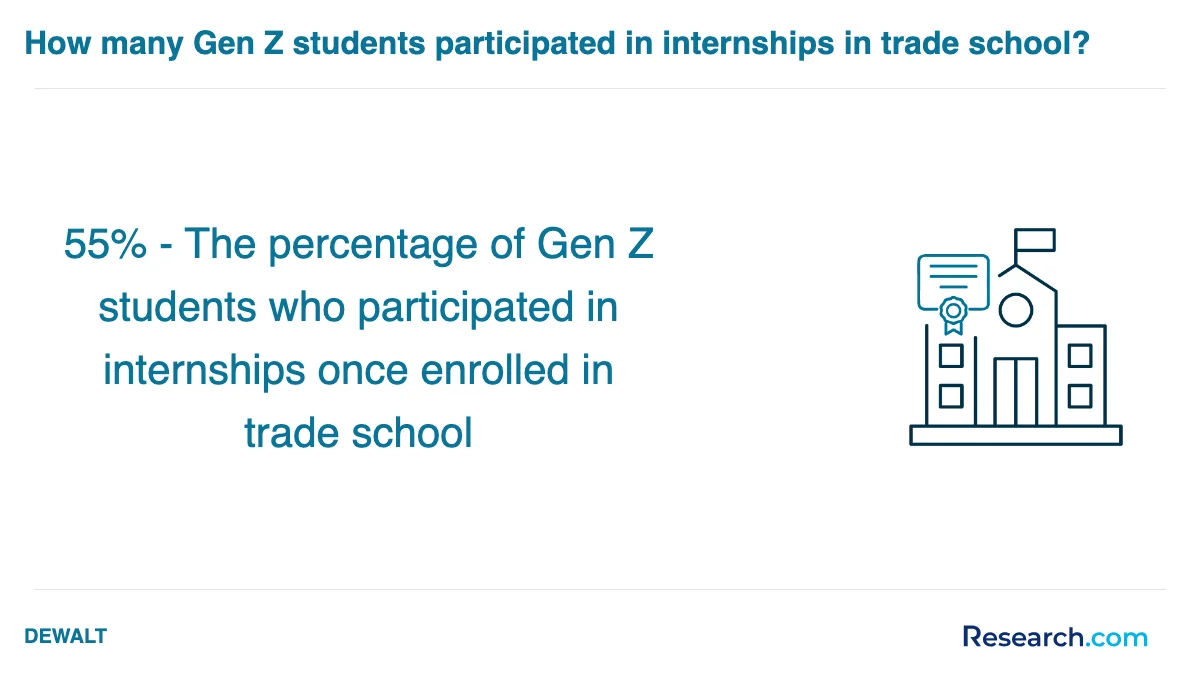
- Work-based learning and internships connect students directly with local employers.
- Graduates appreciate the practical focus that leads swiftly to employment opportunities.
Trade school programs in Oberlin offer focused specializations that prepare students for practical careers with strong local demand. Graduates from Lorain County Joint Vocational School often highlight welding and fabrication as a key path, mastering techniques like stick, MIG, and TIG welding. These students feel confident stepping into skilled roles, having earned certifications and up to 14 transferable college credits, making their transition into the workforce seamless and rewarding.
Other local programs concentrate on automotive technology, HVAC, and power generator technology, with hands-on training available at nearby Ohio Technical College. Graduates regularly express satisfaction in quickly applying their technical skills in real job settings supported by solid industry connections.
Students pursuing emerging fields find value in business, environmental science, data science, and communication studies at Oberlin College's applied majors, combining academic insight with practical career training. For those weighing options, understanding the benefits of high demand trades in Oberlin can clarify possible pathways to stable employment.
Start by pinpointing programs that align with your career goals and interests in Oberlin, such as healthcare, automotive technology, or skilled trades. Graduates from local trade schools often emphasize how hands-on training and accessible instructors helped them feel confident stepping into the workforce. To choose the best trade school programs in Oberlin, focus on the school's accreditation and reputation-trade schools meeting national standards typically offer stronger job prospects.
Compare Oberlin trade school costs carefully, balancing tuition and financial aid possibilities. Graduates frequently mention how affordable programs allowed them to complete training without overwhelming debt. Look into student reviews and graduation rates; for example, Oberlin College graduates highlight its 92% graduation rate and strong career services, showing the value of institutional support. Strong alumni networks also provide helpful mentorship and job-search assistance.
Those searching for affordable options might explore the cheapest electrician trade school programs online, which can complement local offerings for budget-conscious students.

Trade school graduates in Oberlin find a variety of career opportunities for trade school graduates in Oberlin across traditional and technical fields. For instance, those completing welding and fabrication programs at Lorain County JVS step into in-demand jobs for Oberlin technical school alumni with median wages near $48,000 and local employers eager to hire certified welders. Automotive technology, power generator servicing, and industrial maintenance training through Ohio Technical College open doors to jobs at manufacturing plants and service firms, often with job offers even before graduation.
Healthcare-related paths like medical assisting, dental hygiene, and practical nursing have strong growth in the region, with medical assistants earning $38,270 annually and growing job prospects. For students aiming higher, Oberlin's 3-2 engineering program blends liberal arts and engineering education, preparing graduates for professional roles in mechanical, civil, and electrical engineering.
Many trade schools also provide college credit transfers and workforce development, expanding future career paths to management or technical instruction. Students find success leveraging online resources and career counseling, and some enhance their skill set through hvac certificate programs online.
The job outlook for trade school graduates in Oberlin reflects a vibrant local economy driven by manufacturing, healthcare, logistics, and business support sectors. Graduates from popular programs at Lorain County JVS, a key provider in Oberlin, often find roles in welding, electrical work, HVAC, nursing assistance, and CDL-licensed transportation. Many graduates share how hands-on training and industry-aligned skills helped them secure well-paying jobs quickly, with the majority employed within six months after finishing their courses.
Key factors aiding Oberlin trade school graduate employment rates include:
- Strong local employer partnerships ensuring relevant skills training
- Job placement support offering direct connections to open positions
- Competitive wages ranging $18 to $28 per hour in entry-level skilled trades
For students considering options beyond Oberlin, exploring the top trade schools online can broaden opportunities while staying informed on industry trends. Overall, trade graduates in Oberlin enjoy practical career pathways with stable employment prospects supported by regional demands.
Best Trade School & Training Programs - Leading Certification Courses in Oberlin for 2026
# 1 position
Lorain County Joint Vocational School District - Automobile/Automotive Mechanics Technology/Technician.
certificate or diplomaThe Lorain County Joint Vocational School District offers a hybrid program in Automobile/Automotive Mechanics Technology/Technician. This program prepares students to repair, service, and maintain various automobile systems, including brakes, electrical, engine, suspension, transmissions, and heating and air conditioning. Graduates earn median annual earnings of $17,474 one year after completion. The program is accredited by the Council on Occupational Education.
# 2 position
Lorain County Joint Vocational School District - Phlebotomy Technician/Phlebotomist.
certificate or diplomaThe Phlebotomy Technician/Phlebotomist program at Lorain County Joint Vocational School District offers a hybrid learning format with some distance-education options. It prepares students to draw blood samples under supervision, covering vascular anatomy, blood physiology, puncture techniques, specimen handling, safety, and regulations. The program is accredited by the Council on Occupational Education.
Frequently Asked Questions about trade school programs
After completing a trade school program in Oberlin, preparing for the job market requires a blend of practical skills and strategic planning. Many trade school graduates enter fields with strong local demand, such as healthcare, construction, and automotive services. According to the U.S. Bureau of Labor Statistics, employment in these areas is projected to grow faster than average nationwide, benefiting Oberlin's graduates.
Building a professional network is vital. Students should attend local job fairs and engage with Oberlin-area employers during and after their studies. Additionally, obtaining industry-recognized certifications can enhance employability and increase starting salaries.
Internships and apprenticeships offered through trade schools provide hands-on experience, which is highly valued by employers in the region.
Employers in Oberlin consistently seek trade school graduates with a strong foundation in technical skills relevant to their fields. According to data from the National Center for Education Statistics, skills in electrical systems, HVAC maintenance, and welding rank highly among in-demand competencies locally. Beyond technical abilities, employers emphasize problem-solving skills and adaptability as crucial for success in fast-paced work environments. Communication skills also matter; graduates who can clearly explain issues and collaborate effectively tend to perform better on the job.
The Oberlin workforce development reports highlight that 68% of employers prefer candidates with hands-on experience, often gained through internships or apprenticeships. Additionally, punctuality and a strong work ethic remain top soft skills that influence hiring decisions in the region's trade industries.
Finding internships in Oberlin relevant to your trade school program involves several strategic steps. Start by visiting local business directories and the Oberlin Chamber of Commerce website, which often lists companies open to hiring interns. Additionally, many trade schools maintain partnerships with nearby employers, providing students with direct internship opportunities. Networking through school career centers and local job fairs can also be valuable.
According to the Ohio Department of Higher Education, internships in vocational fields like automotive technology and healthcare in Oberlin have grown by 12% over the past three years, reflecting increased local business engagement. Using online platforms focused on Ohio internships, such as the OhioMeansJobs portal, can further enhance your search efforts.
In Oberlin, earning a trade school diploma significantly enhances career mobility and advancement opportunities. Trade diplomas provide specialized skills that meet local labor market demands, particularly in fields like construction, automotive technology, and healthcare. According to data from the U.S. Bureau of Labor Statistics, individuals with trade certifications often experience faster employment rates and higher starting wages compared to those with only a high school diploma.
These credentials position graduates for promotions and salary increases more quickly, as employers value practical expertise. Oberlin's regional economy, with its mix of manufacturing and service industries, supports steady job growth in trade-related sectors. Thus, a trade diploma serves as a practical investment to improve professional prospects within the area.
In Oberlin, students enrolled in trade schools can find part-time jobs that directly enhance their skills and resume. Positions such as automotive technicians, electrical assistants, and HVAC helpers often align well with programs in mechanics, electrical work, or heating and cooling technologies. According to the U.S. Bureau of Labor Statistics, part-time roles in skilled trades can offer hourly wages ranging from $12 to $20, depending on skill level and industry demand.
Local businesses, including small repair shops and construction companies, regularly hire part-time workers for hands-on experience. These opportunities not only supplement income but also build valuable professional networks.
Moreover, Oberlin's community support for apprenticeships and internships further connects students to practical work environments, which can significantly boost their career prospects after graduation.
To choose the best degree program near me in Oberlin, OH, start by identifying your field of interest and career goals. Research the various programs and universities near Oberlin, OH that specialize in your desired academic area; resources like Research.com can provide valuable information about program rankings and faculty expertise. Consider factors such as campus facilities, internship opportunities, and faculty credentials to make an informed decision.
- Best Trade School & Training Programs - Leading Certification Courses in Akron for 2026
- Best Trade School & Training Programs - Leading Certification Courses in Adrian for 2026
- Best Trade School & Training Programs - Leading Certification Courses in Angola for 2026
- Best Trade School & Training Programs - Leading Certification Courses in Hamburg for 2026
- Best Trade School & Training Programs - Leading Certification Courses in Florence for 2026
- Oberlin Social Equity and Skill Development Promise - Lorain County Community College https://www.lorainccc.edu/programs-and-careers/oberlin-skills/
- Career Exploration and Development | Oberlin College and Conservatory https://www.oberlin.edu/career
- get trained – Ohio Technical Centers https://ohiotechnicalcenters.com/get-trained/
- I’m interested in attending trade school. How do I get started? https://www.chatfieldedge.org/im-interested-in-attending-trade-school/
- 3-2 Engineering or Transfer - Transfer Students - College Confidential Forums https://talk.collegeconfidential.com/t/3-2-engineering-or-transfer/2100709
- Should I Go to Trade School? Benefits of Trade Schools - Ohio Business College https://obc.edu/should-i-go-to-trade-school-benefits-of-trade-schools/
- Trade Schools Overview | ACT https://www.act.org/content/act/en/students-and-parents/career-planning/career-planning-resources/trade-schools.html
- Vocational School Resists City Annexation – The Oberlin Review https://oberlinreview.org/8644/news/vocational-school-resists-city-annexation/


