Best Trade School & Training Programs - Leading Certification Courses in New York for 2026

Co-Founder and Chief Data Scientist
Thinking about launching a rewarding career through a trade school in New York? You’re in the right place.
This article features a trade school programs ranking created by the Research.com team of data scientists to help you make an informed choice about which schools and programs stand out for 2026.
By exploring these options, you’ll discover valuable pathways for gaining practical skills, certifications, and diplomas that can boost your future.
Whether you want hands-on training or a fresh start, this guide supports your journey toward a fulfilling career.
Key benefits of finishing trade school programs trade school in New York
- Trade school graduates in New York can earn strong salaries, such as electricians making between $45,000 and $130,000 annually and avionics technicians earning around $81,390 to $99,150, reflecting rewarding financial opportunities.
- Popular career paths include electricians, avionics technicians, and construction managers, offering steady work and room to grow in New York's busy, high-demand markets.
- Online trade school diplomas provide flexibility for busy students and often faster completion times, giving graduates the chance to start their careers sooner without sacrificing quality education.
- Best Trade School & Training Programs - Leading Certification Courses in New York for 2026
- What can I expect from trade school programs trade schools in New York?
- Where can I work after finishing trade school programs trade schools in New York?
What can I expect from trade school programs trade schools in New York?
The average cost of a trade school program in New York typically ranges from $10,000 to $25,000, depending on the field of study and the institution. Graduates from well-known schools often describe their investment as worthwhile due to the focused, career-specific education they receive. For example, a graduate from a reputable New York technical school shared how their hands-on electrical training and safety certification prepared them to start working immediately, making the tuition feel like a smart, practical choice.
Students should expect programs designed to fast-track them into the workforce, with many completing certificates or diplomas in one to two years. This condensed timeline helps keep costs relatively manageable compared to traditional four-year colleges. Popular trade schools in New York, such as Apex Technical School, offer flexible options including online and accelerated courses, allowing students balancing work or family to maintain progress without additional costs.
Furthermore, trade schools often provide opportunities to earn industry-recognized certifications as part of the tuition, enhancing job placement potential without extra fees. Many graduates highlight the affordability combined with high job relevance as key reasons for choosing these programs in New York's competitive job market.
Where can I work after finishing trade school programs trade schools in New York?
After finishing a trade school program in New York, graduates find themselves welcomed across numerous industries driven by the state's dynamic economy. Many secure roles in healthcare, working as medical assistants, dental assistants, or pharmacy technicians in bustling hospitals and clinics throughout the city and beyond. Graduates from popular trade schools in New York often describe the satisfaction of quickly landing medical support jobs that offer stability and meaningful patient interaction.
Construction and skilled trades also present strong prospects. Electricians, plumbers, and HVAC technicians trained at well-regarded New York programs frequently join construction firms or start independent businesses, enjoying both financial rewards and the pride of creating tangible results. Maintenance and repair workers similarly benefit from steady demand and growing wages.
In New York City's vibrant culinary scene, trade school graduates thrive as chefs, bakers, and kitchen managers, often praising how their hands-on training translated directly into creative and fast-paced kitchen roles. Technology graduates find opportunities in IT and digital media firms, encouraged by rising sector growth and job placement support that many New York trade schools provide.
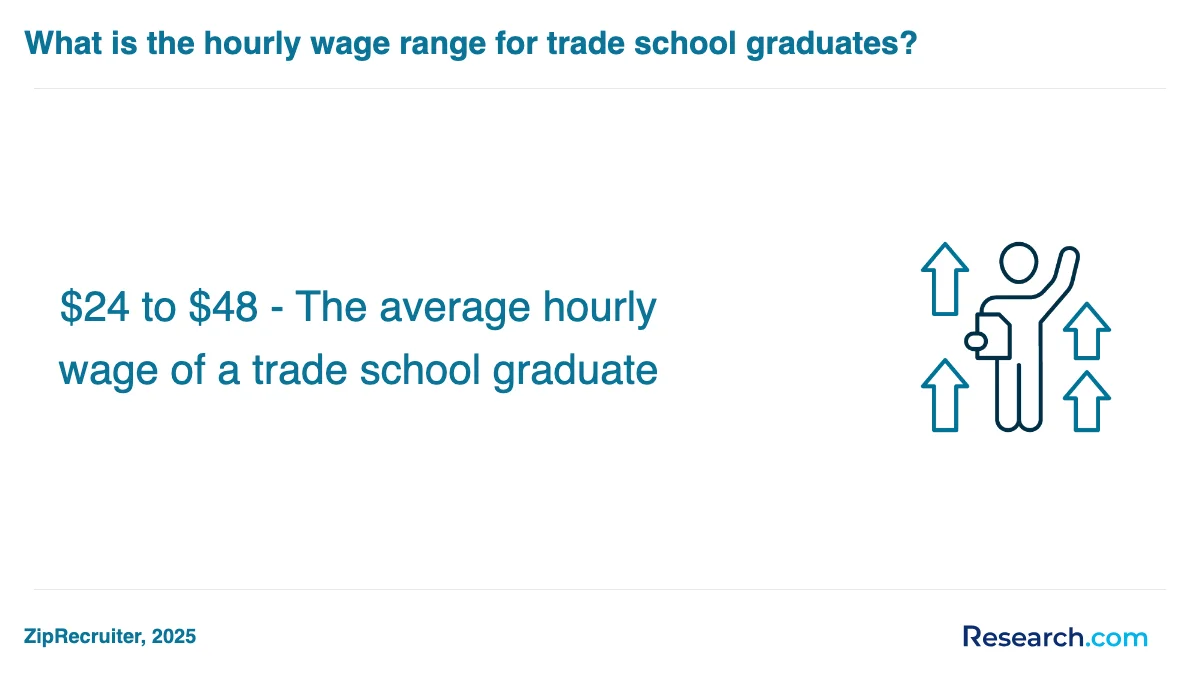
Graduates from trade school programs in New York can expect to earn an impressive average annual salary of $73,463, or about $35.32 per hour. This figure surpasses the national average, reflecting the higher demand and value of skilled trades in New York's robust job market. Many graduates from well-known New York trade schools, such as those focusing on electrical, plumbing, or HVAC training, share stories of rapid salary growth and job stability after completing their education.
Entry-level positions typically start around $55,200, with mid-career workers easily reaching salaries between $65,000 and $90,000, depending on their trade and experience. For example, electricians starting out may earn between $45,000 and $60,000, and with further specialization-such as industrial or high-voltage work-salaries can rise to over $130,000.
This competitive pay and active job market in New York provide graduates from local trade schools with exciting opportunities to build rewarding careers while gaining financial independence.
- Applicants must be at least 17 years old, have a high school diploma or GED, and show proof of U.S. citizenship or eligible residency; some schools accept students as young as 16½ with parental consent.
- Trade school programs in New York cover fields like healthcare, business, technology, building trades, and skilled manufacturing with hands-on technical training.
- Tuition costs range from $5,000 to $15,000 for programs typically lasting one to two years, which is much less than a four-year degree.
- Many programs require an interview, application, enrollment agreement, registration fee, and verified foreign transcripts if applicable.
- Starting salaries for graduates generally range from $40,000 to $55,000 per year, with experienced workers earning $60,000 to $80,000 or more depending on the trade and location.
Trade school programs in New York typically range from a few weeks to two years, depending on the trade and study format. For example, graduates of Monroe University's Industry Trade Academy often finish short-term certificate programs in as little as three weeks, gaining essential carpentry skills through an intensive 80-hour curriculum.
Others at Apex Technical School share how hands-on training lasting seven months to a year effectively prepared them for entry-level jobs without unnecessary academic burden. HVAC students balance between full-time and part-time pacing; full-timers may complete 300 hours of instruction within several months, while part-time learners take longer but appreciate the flexibility.
Carpentry students find that stacking basic and advanced modules - ranging from 60 to 45 hours per module - allows completion over a few consecutive months, making goal-setting more manageable. Those pursuing an associate degree plan for around two years, often balancing studies with personal commitments.
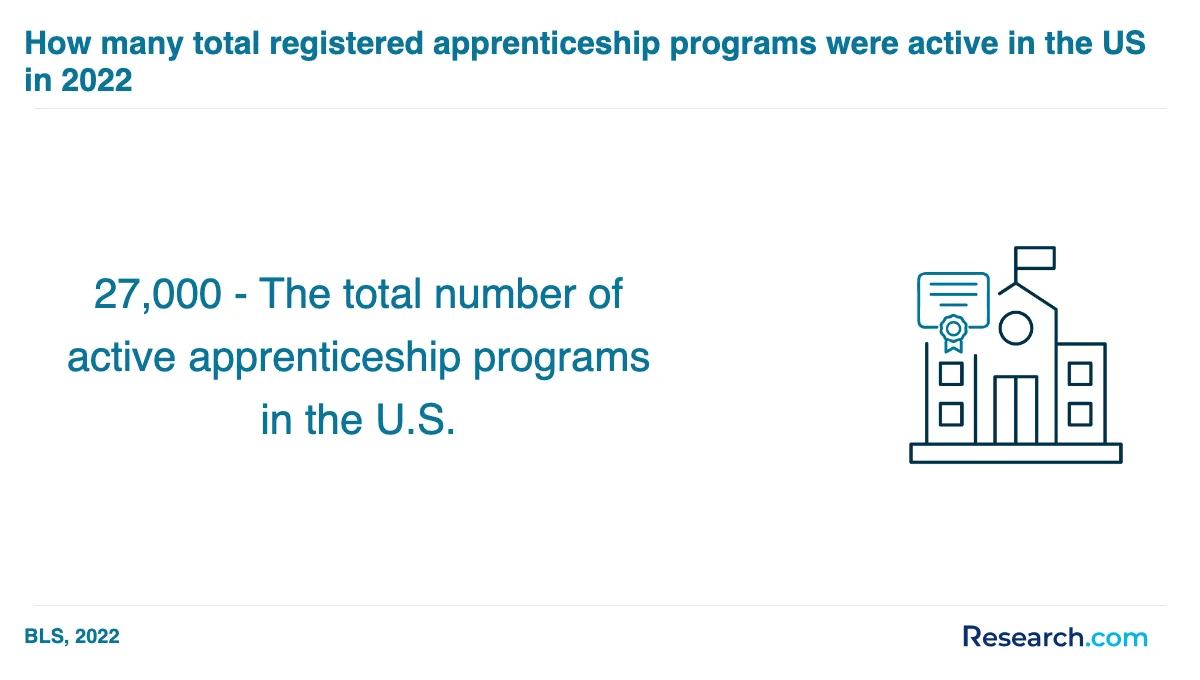
Apprenticeships, regulated by the New York State Department of Labor, vary widely - from a year for social service assistants to up to five years for specialized roles like sprinkler fitters. Many students value how these timelines reflect real-world skill mastery while accommodating their busy lives.
Online trade school programs in New York stand out for their flexibility, allowing students to study remotely and fit coursework around busy schedules. Graduates often mention how this format helped them balance jobs and family commitments while pursuing certifications in fields like medical billing or information technology. These programs reduce costs by eliminating commuting and campus fees, a relief for many facing financial constraints. However, success requires strong self-discipline since students must manage deadlines independently.
On-campus programs, by contrast, offer hands-on training crucial for trades such as HVAC or automotive technology. Graduates value the immediate access to instructors and equipment at popular New York trade schools, where real-time feedback and peer interaction enhance their learning. The structured environment helps those who prefer set class times and direct networking opportunities that often lead to job connections in the local market.
The choice largely depends on individual learning preferences and whether a student's chosen trade demands in-person practice, with both options delivering respected credentials recognized in New York's workforce.
In New York, the average trade school cost ranges from $31,000 to $44,000 for the full program, reflecting a combined figure of tuition and living expenses. Graduates from prominent New York trade schools often share how careful budgeting for both tuition and accommodation was essential. The average tuition and fees for the 2024-2025 academic year generally hover around $12,939 annually, though some specialized programs can demand over $20,000 in tuition alone. Many students find that public and community colleges offer more affordable options, sometimes as low as $8,730 per year, compared to for-profit schools charging upwards of $16,050.
Living expenses in New York add another layer to the average trade school cost in New York. Students relocating for their studies often budget between $12,000 and $18,000 annually for housing and utilities. This range is typical among those attending popular schools known for strong hands-on programs, where students highlight the challenge but also the excitement of balancing living costs while gaining valuable skills. Beyond tuition and living costs, supplies such as books, equipment, and transportation also contribute to overall expenses.
For those seeking a more flexible or cost-effective approach, exploring a cheap electrical lineworker training program online might be a practical alternative. Many students appreciate the affordability and convenience of online options, which can significantly lower the financial burden while still providing quality training in crucial trade fields.
Trade school students in New York commonly access a variety of financial aid options to manage educational expenses. Many graduates from popular institutions like the New York City College of Technology share how the Federal Student Aid program helped them afford tuition through grants such as the Pell Grant and the Federal Supplemental Educational Opportunity Grant (FSEOG), federal loans, and work-study opportunities. Applying annually via the Free Application for Federal Student Aid (FAFSA) is essential to securing this support.
The state's Tuition Assistance Program (TAP) provides up to $5,665 per year for eligible New York residents attending approved trade schools. Graduates from institutes like the Monroe College recall how this grant eased their financial burden, especially for families earning under $125,000. Part-time students may benefit from the Aid for Part-Time Study (APTS), which offers up to $2,000 depending on need and fund availability.
Additional aid includes the Excelsior Scholarship for SUNY or CUNY students and the Enhanced Tuition Award (ETA), supporting up to $6,000 for attendees of participating private colleges.
Private scholarships targeting specific trades or backgrounds also supplement public aid. Many trade school students in New York report that combining these sources enabled them to focus on their studies with confidence, knowing their financial needs were met. Direct contact with financial aid offices and the New York State Higher Education Services Corporation is strongly advised to maximize available opportunities.
Enrolling in a trade school program in New York typically requires a high school diploma or a GED certificate, ensuring students have the basic academic foundation to thrive. Many successful graduates from prominent New York trade schools recall how this requirement motivated them to complete their secondary education with confidence.
Age restrictions usually mandate applicants to be at least 17 years old, with parental consent needed if under 18. Some schools occasionally accept students as young as 16½, provided extra permissions are granted. This helps create a supportive environment tailored to your stage in life.
Applicants often must submit transcripts from previous education. Those transferring from other accredited technical programs frequently benefit from credit transfers, shortening their time to graduation. For example, a graduate who moved from another city's certification program celebrated how advanced standing accelerated their journey.
- Proof of English proficiency through TOEFL or IELTS tests is often required for non-native speakers;
- Placement exams in English or math may be necessary to align coursework with your skill level;
- Some programs set specific prerequisites in math or science for specialized fields.
Even if you lack a diploma, enrolling as a non-matriculated student is possible at many New York schools, where you can earn credits while pursuing equivalency credentials. This flexibility has empowered many to start anew and achieve rewarding careers.
Trade school programs in New York offer a range of courses tailored to hands-on learning and quick job readiness. Graduates from popular institutions like Capital Region BOCES and Monroe University's Industry Trade Academy emphasize the value of practical skills gained in courses such as carpentry, electrical trades, plumbing technology, and HVAC/R. These programs typically feature immersive, three-week blocks covering around 80 instructional hours, teaching real-world skills like drywall installation, code compliance, and tool handling.
Health sciences courses are equally prominent, with programs training medical assistants, sterile processing technicians, and other healthcare roles. These often blend classroom instruction with paid apprenticeships, equipping students with both knowledge and experience ready for immediate employment in hospitals and clinics.
Cosmetology and esthiology courses focus on skills like hair styling, nail care, and makeup application, leading to state licensure and careers in beauty salons. Other valuable courses include welding, heavy equipment repair, entertainment technology, criminal justice, and early childhood education.
- Intensive hands-on training in construction trades
- Health science apprenticeships combining class and paid work
- Cosmetology courses with strong business skill development
- Safety trainings such as OSHA compliance
These programs create positive, career-focused experiences where students quickly gain confidence and job-ready skills that reflect New York's diverse workforce needs.
Trade school programs in New York offer a diverse range of specializations tailored to meet local industry demands and student career goals. Graduates often share experiences of hands-on training in Architecture and Construction fields such as Carpentry Services, HVAC/R, Plumbing Technology, and Electrical Trades, which frequently involve apprenticeship opportunities and quick entry into the workforce. Many find satisfaction in health-related programs, including Sterile Processing Technician tracks and two-year health career sequences that feature clinical placements in renowned hospitals like Bellevue Woman's Center.
Information Technology programs are designed to keep pace with evolving sectors, offering specializations like Network Administration, Network Engineering, and cutting-edge Nanotechnology Engineering Technician roles. Students report that these competency-based courses create clear pathways toward industry certifications and employment in cybersecurity and IT support.
Popular options also include cosmetology schools with online courses, where graduates gain certification in hair styling, nail care, and business skills, reflecting New York's vibrant beauty industry.
Additional specializations available are:
- Criminal Justice
- Early Childhood Education
- Hospitality Management
Choosing the best trade school programs in New York starts with aligning your career interests with specialized fields offered by schools such as auto technology or HVAC. Graduates from Apex Technical School often highlight the value of hands-on training with modern equipment, which made them feel confident entering the workforce. Accreditation is equally important; schools like New York Automotive and Diesel Institute demonstrate strong industry ties, assuring students that their credentials will be recognized by employers across the state.
Understanding how to compare trade schools in New York means looking beyond tuition costs to factors like job placement rates and career services. Many students report that schools with active employer networks and resume support helped them secure jobs swiftly after graduation. Visiting campuses or talking to alumni can provide real insight into faculty expertise and learning environments, which greatly impact student satisfaction.
Financial considerations matter, and exploring options like scholarships or payment plans is vital. For those seeking affordable options, researching affordable online freight broker classes can be a helpful start, especially for flexible or remote learning paths.

Trade school graduates in New York have access to a variety of career opportunities across multiple industries. Many find rewarding roles in construction and building trades, such as carpentry, electrical work, plumbing, and HVAC. These fields continue to grow as infrastructure projects expand statewide. Graduates from popular New York trade schools often share how their hands-on training opened doors to skilled trades jobs in New York State, enabling them to work confidently as electricians, HVAC technicians, or remodeling specialists.
Manufacturing and welding remain in strong demand, with a notable shortage of skilled welders nationwide. New York-based programs offer specialized training that prepares students for careers as welders, heavy equipment operators, and fabrication specialists, directly addressing this workforce gap.
Healthcare support roles also attract many graduates interested in stable, meaningful work. Trade schools supply qualified medical assistants, sterile processing technicians, and billing specialists who fill vital positions in hospitals and clinics throughout New York.
Additional pathways include transportation and logistics, where CDL programs train commercial drivers and diesel technicians, and technology fields featuring IT support and software development. Graduates appreciate how these career opportunities for trade school graduates in New York align with real-world demands and offer immediate employment possibilities.
For those exploring training options, the best online trade school programs in New York provide flexible, practical routes to these in-demand careers.
The job market for trade school graduates in New York remains strong, especially in health care, skilled trades, and education. Graduates from popular trade schools in New York often find rewarding careers thanks to significant private sector growth in these fields. For example, health care and social assistance added 97,000 jobs regionally in 2025, with roles in medical assisting and dental hygiene highly sought after. Many graduates share positive experiences securing employment shortly after completing their programs.
Trade school job opportunities in New York are further supported by the construction and skilled trades sectors, where occupations like electricians, HVAC technicians, and commercial truck drivers face persistent shortages. National infrastructure investments enhance local demand, with graduates frequently securing positions in well-funded projects. The state's 4.0% unemployment rate, combined with targeted sector growth, boosts confidence among students pursuing trade certifications.
Popular trade schools in New York also prepare students for some of the most in-demand roles, with many graduates reporting satisfaction due to competitive salaries and job security. Employers value hands-on skills and credentials, making employment outcomes positive. To understand current career paths clearly, review sectors showing growth and trades in demand.
New York trade school graduate salaries reflect this uptick in demand, as skilled candidates command competitive wages immediately upon entering the workforce. This financial advantage motivates many to select trade programs tailored to regional needs and job market forecasts.
Best Trade School & Training Programs - Leading Certification Courses in New York for 2026
# 1 position
CUNY Borough of Manhattan Community College - Accounting.
associateThe Accounting program at CUNY Borough of Manhattan Community College offers a hybrid format with some distance-education options. It prepares students to practice accounting and perform related business functions through comprehensive instruction in principles, financial and managerial accounting, auditing, tax accounting, and professional ethics. The annual in-state tuition is $5,170, and median earnings one year after completion are $30,942. The program is accredited by the Middle States Commission on Higher Education.
# 2 position
CUNY Borough of Manhattan Community College - Accounting Technology/Technician and Bookkeeping.
associateThe Accounting Technology/Technician and Bookkeeping program at CUNY Borough of Manhattan Community College offers a hybrid format with some distance-education options. It prepares students to support professional accountants through training in posting transactions, record-keeping systems, accounting software, and general accounting principles. The annual in-state tuition is $5,170. Graduates have a median earning of $30,942 one year after completing the program. The program is accredited by the Middle States Commission on Higher Education.
# 3 position
CUNY Borough of Manhattan Community College - Business Administration and Management, General.
associateThe Business Administration and Management, General program at CUNY Borough of Manhattan Community College offers a hybrid format with some distance-education options. It prepares students to plan, organize, direct, and control business functions, covering management theory, human resources, accounting, logistics, marketing, and decision-making. The annual in-state tuition is $5,170. Graduates have a median earning of $28,526 one year after completing the program. The program is accredited by the Middle States Commission on Higher Education.
# 4 position
CUNY Borough of Manhattan Community College - Finance, General.
associateThe Finance, General program at CUNY Borough of Manhattan Community College offers a hybrid format with some distance-education options. It prepares students to plan, manage, and analyze financial aspects of businesses and organizations. The curriculum covers accounting principles, capital planning, asset and debt management, budgeting, and portfolio management. Annual in-state tuition is $5,170. The program is accredited by the Middle States Commission on Higher Education.
# 5 position
CUNY Borough of Manhattan Community College - Marketing/Marketing Management, General.
associateCUNY Borough of Manhattan Community College offers a Marketing/Marketing Management, General program with a hybrid format that includes some distance-education options. The program covers buyer behavior, marketing research principles, demand analysis, pricing theory, strategic planning, advertising, sales management, and consumer relations. Annual in-state tuition is $5,170. The program is accredited by the Middle States Commission on Higher Education.
# 6 position
CUNY Borough of Manhattan Community College - Language Interpretation and Translation.
certificate or diplomaThe Language Interpretation and Translation program at CUNY Borough of Manhattan Community College offers a hybrid format with some distance-education options. It prepares students to become professional interpreters and translators, focusing on English and Canadian French. The curriculum includes instruction in single- and multiple-language interpretation, simultaneous interpretation, and various types of translation such as business and technical. Annual in-state tuition is $5,170. The program is accredited by the Middle States Commission on Higher Education.
# 7 position
CUNY Borough of Manhattan Community College - Computer and Information Sciences, General.
associateCUNY Borough of Manhattan Community College offers a hybrid program in Computer and Information Sciences, General, focusing on computing, computer science, and information science systems. The annual in-state tuition is $5,170. Graduates earn a median income of $26,582 one year after completing the program. The program is accredited by the Middle States Commission on Higher Education and provides some distance-education options.
# 8 position
CUNY Borough of Manhattan Community College - Criminal Justice/Police Science.
associateThe Criminal Justice/Police Science program at CUNY Borough of Manhattan Community College offers a hybrid format with some distance-education options. It prepares students for roles in law enforcement, including patrol, investigations, traffic and crowd control, and evidence management. The program is accredited by the Middle States Commission on Higher Education. Annual in-state tuition is $5,170, and median earnings one year after completion are $25,302.
# 9 position
Mandl School-The College of Allied Health - Diagnostic Medical Sonography/Sonographer and Ultrasound Technician.
associateThe Diagnostic Medical Sonography/Sonographer and Ultrasound Technician program at Mandl School-The College of Allied Health offers a hybrid learning format. The curriculum trains students to operate sonography equipment and analyze sonographic data to diagnose medical conditions. Instruction covers patient care, data integration, and professional ethics. Annual in-state tuition is $21,200. Graduates earn a median salary of $63,403 one year after completing the program. The program is accredited by the Accrediting Bureau of Health Education Schools.
# 10 position
CUNY Stella and Charles Guttman Community College - Information Technology.
associateCUNY Stella and Charles Guttman Community College offers a hybrid Information Technology program focusing on designing technological information systems for business and research needs. The curriculum covers computer hardware and software principles, algorithms, databases, telecommunications, application testing, and human interface design. Annual in-state tuition is $5,194. The program is accredited by the Middle States Commission on Higher Education.
Frequently Asked Questions about trade school programs
After completing trade school in New York, preparing for the job market involves several key steps to enhance employability. Start by building a strong resume emphasizing hands-on skills gained during training. According to the New York State Department of Labor, trades like electrical and plumbing have employment growth rates above the national average.
Networking is essential; engage with local unions, industry groups, and alumni associations to access job leads. Many trade schools in New York provide job placement assistance-utilize these services actively.
Consider obtaining industry-recognized certifications beyond your diploma to stand out in competitive markets. Finally, continue updating your skills through workshops or additional courses to stay relevant as technology advances in your field.
Employers in New York increasingly value practical skills when hiring trade school graduates. According to the National Skills Coalition, technical proficiency-such as electrical work, welding, or HVAC expertise-is crucial, with 75% of local job postings requiring specific certifications. Beyond hard skills, soft skills like communication, problem-solving, and reliability rank highly. The New York State Department of Labor highlights that 68% of employers seek candidates who demonstrate teamwork and adaptability on the job. Time management and a strong work ethic are also essential, especially in fast-paced industries like construction or manufacturing prevalent in New York's economy.
Finding internships in New York related to trade school programs involves leveraging several resources. Start by consulting your school's career services, as many trade schools in New York have partnerships with local businesses offering internships. According to New York State Department of Labor data, sectors like construction, healthcare, and information technology frequently list paid internships annually.
Online platforms such as the New York State Internship Program (NYSIP) and local job boards provide listings specifically targeting students in vocational training. Networking through industry meetups and trade associations can also reveal hidden internship opportunities. Staying proactive and applying early increases your chances of securing relevant placements.
In New York, a trade school diploma can significantly boost career mobility and advancement. According to the New York State Department of Labor, occupations requiring specialized training often see faster job placement and higher wage growth compared to those with only a high school diploma. For example, skilled trades like electricians or HVAC technicians report median annual wages well above the state average.
Trade schools provide practical skills that meet local employer demands, which increases graduates' chances of promotion and career growth. Data from the National Center for Education Statistics also show that over 70% of trade school graduates in New York gain employment within six months of completion.
Overall, holding a trade diploma signals to employers a candidate's readiness and technical competence, making it easier to access career advancement opportunities in competitive job markets across New York City and beyond.
Part-time job opportunities in New York that complement trade school education often align closely with the skills students learn in their programs. For example, those studying electrical or plumbing trades may find part-time work assisting licensed professionals, providing hands-on experience and potential networking advantages. According to the U.S. Bureau of Labor Statistics (2023), part-time jobs in construction and installation fields in New York have grown by 5% over the past two years.
Students enrolled in healthcare trade programs can seek positions as medical assistants or pharmacy aides, roles which offer practical exposure while earning an hourly wage. The New York State Department of Labor notes that healthcare support jobs are among the fastest-growing part-time employment options in the region.
Additionally, trade students in fields like culinary arts or automotive technology often take part-time roles in kitchens or repair shops to refine their technical abilities. These opportunities not only boost resumes but also help students sustain themselves financially during study.
New York, NY is home to a variety of top-ranking universities and colleges offering excellent degree programs in diverse fields such as business, engineering, and the arts. For those searching for the best degree programs near New York, NY, Research.com can serve as a helpful resource in identifying renowned universities with high-quality academic offerings. Whether you're seeking undergraduate or graduate education options, numerous programs near me provide opportunities for students to excel and advance their careers in their chosen fields.
- Best Trade School & Training Programs - Leading Certification Courses in Hamburg for 2026
- Best Trade School & Training Programs - Leading Certification Courses in Akron for 2026
- Best Trade School & Training Programs - Leading Certification Courses in Adrian for 2026
- Best Trade School & Training Programs - Leading Certification Courses in Angola for 2026
- Learn A Trade - SUNY https://www.suny.edu/trades/
- Career Areas | New York State Education Department https://www.nysed.gov/career-technical-education/student-career-areas-trade-and-technical-education
- Job Training Programs | Career Services | Jobs NYC https://jobs.nyc.gov/jobseekers/programs/
- Vocational programs and alternative pathways - Institute for Collaborative Education http://www.iceschoolnyc.org/vocational-programs-and-alternative-pathways
- The Industry Trade Academy https://www.monroeu.edu/academics/continuing-and-professional-programs/industry-trade-academy
- Industrial Training - SBS https://www.nyc.gov/site/sbs/careers/industrial-training.page
- Trade School: What Is It & What to Expect https://erieit.edu/what-to-expect-when-attending-trade-school/
- NYC Trade School Programs | Apex Technical School https://apexschool.com/programs/
- The Many Benefits of Mastering a Trade | Eastwick College NJ https://eastwick.edu/news/benefits-of-mastering-a-trade/
- Trade Schools, What Are The Benefits - InterCoast Colleges https://intercoast.edu/articles/benefits-of-trade-schools/