Best Trade School & Training Programs - Leading Certification Courses in Kansas City for 2026

Co-Founder and Chief Data Scientist
Choosing the right trade school in Kansas City can shape your future in meaningful ways. This article introduces a carefully compiled trade school programs ranking created by the Research.com team of data scientists to guide you toward the best options available.
Whether you're aiming for a diploma or certification, exploring these programs can open doors to rewarding careers with practical skills. Reading on will help you make a confident, informed decision that fits your goals and lifestyle.
Take the first step toward a fulfilling career path today.
Key benefits of finishing trade school programs trade school in Kansas City
- Expected salary: Trade school graduates in Kansas City can earn from around $40,000 for medical or dental assistants up to $70,000+ for experienced electricians, HVAC technicians, and specialized trades, offering strong financial rewards.
- Popular career paths: Graduates often find success as electricians, plumbers, HVAC technicians, auto mechanics, and medical assistants, with many jobs providing hands-on, stable work that's in high demand locally.
- Online diploma benefits: Completing a trade school certification online allows flexible schedules, faster entry into the workforce, and saves on commuting costs, making it a convenient option for busy Kansas City students.
- Best Trade School & Training Programs - Leading Certification Courses in Kansas City for 2026
- What can I expect from trade school programs trade schools in Kansas City?
- Where can I work after finishing trade school programs trade schools in Kansas City?
What can I expect from trade school programs trade schools in Kansas City?
Students attending trade school programs in Kansas City generally find that the average cost ranges from around $5,000 to $15,000, depending on the program's length and specialization. Graduates often reflect on the affordability compared to four-year universities and appreciate how their tuition investment quickly translates into tangible skills and industry credentials.
For instance, those enrolled at Kansas City Kansas Community College's HVAC or welding programs describe hands-on training as invaluable and believe the reasonable costs were well worth the job-ready experience. Many recall balancing work and study, especially at institutions like Pinnacle Career Institute, where flexible and online options help manage expenses without sacrificing quality.
The costs also often include exam fees for certifications such as HVAC Excellence or NATE, vital for entering the workforce with recognized qualifications. Graduates highlight that this focused investment, coupled with job placement support, fosters confidence and motivation, making the cost feel more like a stepping stone than a barrier to a rewarding career.
Where can I work after finishing trade school programs trade schools in Kansas City?
Graduates from Kansas City trade schools often step directly into careers with solid growth and rewarding challenges. Many find themselves employed in construction roles such as residential or commercial construction workers, where they contribute to building new homes or revitalizing community spaces. Others share how their welding certifications landed them jobs in busy manufacturing plants or fabrication shops, where every day brings a sense of accomplishment crafting vital infrastructure parts.
Electrical and HVAC programs at popular local schools also open doors to careers as electricians or HVAC technicians, working for utility companies or maintaining comfort in businesses and homes across Kansas City. Some graduates recall the excitement of joining energy firms as wind turbine technicians, a field emerging particularly fast in the region.
Healthcare and IT tracks provide hands-on skills that lead into clinics, hospitals, or cybersecurity firms nearby. Students appreciate the career services that many schools offer, helping them polish resumes and connect with employers, making that first job feel well within reach.
Graduates from trade schools in Kansas City typically step into the workforce earning an average annual salary of about $65,000, which breaks down to roughly $31 to $31.50 an hour. Many students from well-known programs around the city find this encouraging, especially given how quickly they can start earning after finishing their courses.
For instance, graduates entering trades like electricians, HVAC technicians, or welders often share stories of landing jobs that pay between $45,000 and $60,000 right away. Those working in construction roles commonly report salaries at or above the city average, reflecting steady demand that benefits recent trade school completers.
Some alumni recall climbing higher, especially those who pursued extra certifications or gained experience quickly. Skilled welders and construction managers sometimes reach salaries exceeding $100,000 within a few years, providing a rewarding return on the focused training from Kansas City's trade schools.
The accelerated programs and manageable costs make this pathway not just financially worthwhile but also emotionally gratifying-graduates feel confident stepping into a career with strong earning potential and stability.
- Most trade schools require a high school diploma or GED, with some programs asking for a minimum GPA of 2.5 and attendance around 90% or higher.
- Entrance exams are common and assess readiness for fast-paced technical training and foundational knowledge in relevant subjects.
- Application deadlines and limited spots apply to some programs, such as the Lineman A.A.S. degree with a deadline of April 1.
- Tuition for certificate or diploma programs ranges from $5,000 to $15,000, with extra costs possible for equipment and materials.
- Financial aid, scholarships, and payment plans are generally available to help with costs.
- Entry-level salaries for graduates typically range from $35,000 to $50,000 annually, rising to $60,000 or more with experience in high-demand fields.
Trade school programs in Kansas City often take between 9 and 24 months to complete, providing a quicker route to rewarding careers compared to traditional four-year degrees. Many graduates appreciate this efficiency, especially those pursuing certificates or diplomas that typically demand just 9 to 12 months of full-time study. This timeline lets students swiftly transition from the classroom to the workplace, fueling a sense of accomplishment and motivation early on.
For those aiming higher, programs like the Advanced Manufacturing Technician offered at Kansas City Kansas Community College usually last about two years, combining hands-on training with paid internships. Graduates from such programs often share how this blend of classroom learning and real-world experience deepened their confidence and job readiness.
Flexibility also plays a big role in Kansas City's trade schools. Students juggling work or family responsibilities find that accelerated or part-time options help them stay on track without sacrificing quality. The positive energy from moving quickly through a program keeps many inspired and focused on their goals.
The key difference between online and on-campus trade school programs in Kansas City lies in how students engage with their training. Graduates from local trade schools often recall the convenience of online learning, which allowed them to balance jobs and family life while progressing through courses at their own pace. For example, those enrolled in HVAC or business programs appreciated accessing lectures anytime, fitting their studies around shifts or childcare. This flexibility can be a game-changer for many.
On the other hand, students valuing hands-on experience frequently choose on-campus programs. In popular Kansas City trade schools, those pursuing automotive technology or healthcare fields benefit from immediate instructor feedback and practical lab sessions. One graduate described how working side-by-side with peers in a bustling workshop boosted their confidence and skill mastery, something less tangible in an online setting.
Some programs here now blend both approaches, offering hybrid models that combine the best of flexibility with essential in-person training elements, making the path to certification feel supportive and well-rounded.
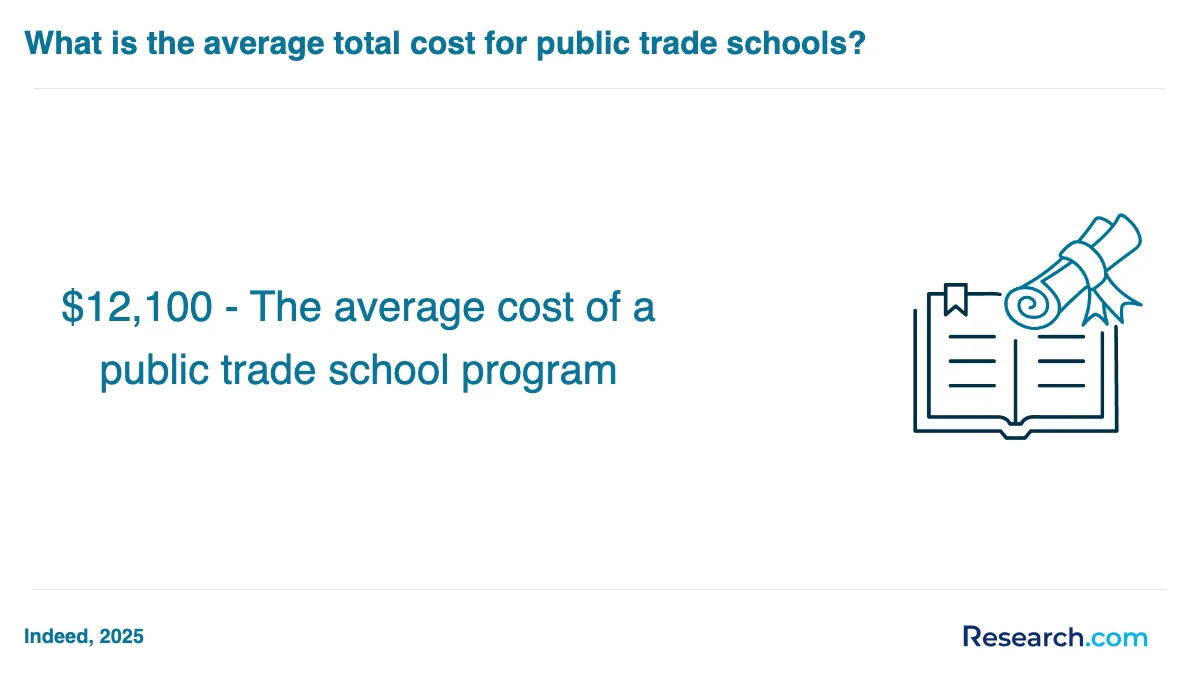
The average trade school cost in Kansas City varies notably depending on whether students choose public or private institutions. Graduates from public trade schools often reflect on their manageable expenses, as the total program cost typically falls between $8,000 and $13,000. This range usually covers tuition and mandatory fees, allowing many to balance education with other life commitments without overwhelming financial pressure. These students often appreciate the clarity in expected costs, although they remember budgeting extra for books and essential equipment, which can add a few hundred to several thousand dollars to their overall expenditures.
On the other hand, those attending private trade schools in Kansas City encounter higher tuition and fees, sometimes reaching from $16,000 up to $32,000. Despite the higher price tag, many graduates feel that the specialized training and smaller class sizes provide significant value that justifies the investment. These students often highlight that beyond tuition, they prepared for additional living costs since trade school tuition and fees are a significant but not all-inclusive part of their budget.
Focusing on Kansas City trade school tuition and fees, students also find useful comparisons from nearby Missouri trade schools, where the average cost of attendance in 2025 is about $17,275, including living expenses, tuition, and supplies. This provides an insightful benchmark for those weighing options in the metropolitan area.
Many future students explore affordable freight broker training online options to supplement their research and find programs that fit their financial situation without compromising quality. Exploring these resources can be a wise step toward making informed decisions about trade school investments in Kansas City.
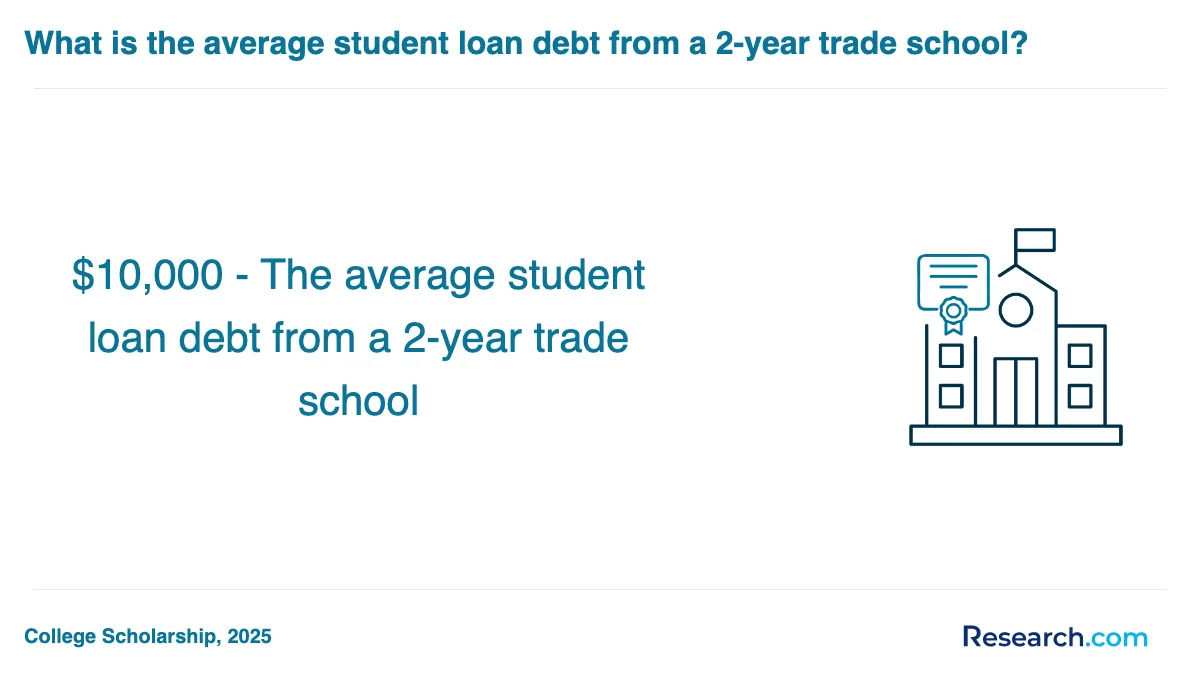
Trade school students in Kansas City often find relief through a variety of financial aid options tailored to ease the burden of tuition. Many start by filling out the Free Application for Federal Student Aid (FAFSA), unlocking access to federal Pell Grants, which can award up to $7,395 annually without the worry of repayment. Graduates from local schools like Pinnacle Career Institute recall how these grants made it possible to focus on training rather than finances.
State programs also play a vital role. The Kansas Career Technical Workforce Grant offers between $1,000 and $1,500 a year to those in demanding technical fields, though only about one-third of applicants receive it, motivating many to apply early. Others count on the Kansas Promise Act Scholarship, which covers up to $20,000 or 68 credit hours, provided recipients commit to living and working in Kansas after graduation. This scholarship has opened doors for students at Kansas community colleges aiming for stable, high-demand careers.
Institutional scholarships from schools themselves further soften costs, with staff often guiding students through complex aid applications, turning dreams of skilled trades into achievable realities within Kansas City.
Enrolling in a trade school program in Kansas City typically begins with proving you have completed high school or earned a GED. Graduates often recall the reassurance they felt when providing their transcripts to schools like Pinnacle Career Institute or Cleveland University-Kansas City, both of which emphasize this foundation.
Beyond that, many programs expect you to meet certain academic standards, such as:
- A minimum GPA, often around 2.5, as seen in the Early College at MCC Advanced Technical Skills Institute (ATSI).
- Attendance records reflecting dedication-usually 90% or higher.
- Recommendations from teachers who can speak to your readiness.
Some students describe facing entrance exams that assess both general skills and trade-specific knowledge at PCI. These tests ensure you are set up to thrive rather than struggle.
Additional steps might include personal essays, interviews, or recommendation letters, which allow the school to understand your motivation and character-elements that graduates found meaningful in securing their place at ATSI.
For those who qualify, financial aid like the Kansas Promise Act Scholarship offers vital support but requires proof of Kansas residency and recent graduation, making it accessible to many eager learners in the community.

Trade school programs in Kansas City typically include a well-rounded mix of courses tailored to meet local industry demands, ensuring graduates feel confident and ready to join the workforce immediately. Many students find hands-on training especially rewarding, as seen in programs like those at Kansas City Kansas Community College, where courses in HVAC/R and welding emphasize practical skills such as safety procedures, blueprint reading, and metalworking techniques.
Graduates often highlight the value of:
- Electrical work and construction fundamentals, available at places like New Reflections Technical Institute, where learning includes real-world blueprint reading and building material use
- Commercial Driver's License (CDL) A/B programs that prepare students for driving careers with specialized transport training
- Bookkeeping, accounting, and administrative courses focusing on real office technology and communication skills
- Innovative online programs in emerging fields like wind turbine maintenance from Pinnacle Career Institute
Students appreciate that whether working side-by-side with instructors at MCC-Penn Valley's Advanced Technical Skills Institute or engaging in collaborative, real-world simulation environments, their education feels directly relevant to actual job responsibilities in Kansas City's diverse economy.
Trade school programs in Kansas City offer a rich variety of specializations that truly prepare students for thriving careers. Graduates often speak of the rewarding experience in building and construction trades at institutions like Metropolitan Community College, where hands-on learning in carpentry and electrical technology brings real job skills to life. Many find pride in completing programs that align perfectly with the city's booming construction sector.
Healthcare programs at Concorde Career College attract those driven by compassion, offering practical skills in phlebotomy and surgical technology, complete with clinical rotations that provide real-world exposure. Students leave feeling confident and ready to support their communities.
Additionally, the technology and energy sectors stand out with programs for wind turbine and HVAC technicians at Pinnacle Career Institute, balancing online flexibility with industry-led training. Other programs include:
- Automotive technology
- Welding
- Equine science near Kansas City
- Physical therapy assisting
These opportunities make Kansas City an ideal place to explore some of the best trade school careers, blending practical skills with bright futures.
Choosing the best trade school programs in Kansas City means paying close attention to accreditation and curriculum quality. Graduates from Concorde Career College often share how their hands-on nursing training made them feel confident stepping into demanding healthcare roles. Similarly, students at Pinnacle Career Institute appreciate how updated programs in HVAC and energy technology matched local industry needs, helping them secure jobs quickly.
When comparing Kansas City trade schools, cost and available financial aid matter greatly. For instance, many find Metropolitan Community College's affordable tuition and flexible payment options helpful in managing education expenses. Others benefit from scholarships and federal aid, which can make even pricier private schools like Pinnacle more accessible.
Employment support also shapes the student experience. Graduates often recall how internships and job placement assistance at local schools smoothed their transition into the workforce. Additionally, programs offering hybrid or online classes let working adults balance life commitments-something many students value deeply. If you want to explore options further, review the most affordable electrical lineman programs online that serve the area effectively.
Trade school career options in Kansas City cover a broad range of industries, providing hands-on training that many graduates find both empowering and practical. From the classrooms and workshops of MCC-Penn Valley and MCTC, students transition into rewarding roles in fields like construction, health sciences, and technology-driven trades. Graduates often share how real-world projects, such as electrical system installations or advanced welding techniques, build their confidence and prepare them for strong job prospects.
Among the most popular paths are:
- Residential and commercial construction roles, including positions as electricians, HVAC technicians, and remodeling specialists
- Automotive and diesel technology careers, which fit well with Kansas City's robust transportation and logistics industries
- Health science fields, offering steady entry-level healthcare opportunities
- Culinary arts, opening doors in the region's vibrant food service market
- Technology and engineering roles focused on IT support and manufacturing project design
These programs demonstrate proven success: 92% of students concentrating on career and technical education in Kansas find employment, continue their education, or join the military within six months of graduation. With local employers working closely with programs like MCC, students benefit from certifications and direct job connections. For those curious about skilled trades in demand, Kansas City offers exceptional vocational job opportunities that blend practical skills with promising futures.
The Kansas City trade school job opportunities are thriving, with a strong and expanding market that welcomes new graduates eagerly. Many students who complete popular trade school programs here find themselves stepping into careers in construction, welding, HVAC, and commercial trucking, where job openings are abundant. Graduates often share stories of hands-on externships turning into job offers, reflecting how local employers value practical experience gained during training.
Skilled trades employment trends in Kansas City show that about 21% of the metro area's jobs are within these vital sectors. This growth is driven by ongoing infrastructure projects and booming housing developments, providing a steady pipeline of work. Graduates from well-known schools appreciate that their certificates or associate degrees, often earned in less than two years, enable faster entry into the workforce compared to traditional four-year options.
In addition to trades, tech-related roles are increasing rapidly, with a focus on AI, cloud computing, and cybersecurity. The demand here is particularly welcoming to trade school grads seeking to blend technical skills with industry needs. For those interested in financial stability, exploring the top paying trades offers insight into lucrative pathways.
Best Trade School & Training Programs - Leading Certification Courses in Kansas City for 2026
# 1 position
Metropolitan Community College-Kansas City - Dental Assisting/Assistant.
associateMetropolitan Community College-Kansas City offers a hybrid Dental Assisting/Assistant program designed to prepare students for patient care, dental radiography, and office administrative duties under dental professionals' supervision. The curriculum includes instruction on medical record-keeping, reception, scheduling, equipment maintenance, sterilization, chairside assisting, and patient care. The program is accredited by the Higher Learning Commission, with an annual in-state tuition of $3,630.
# 2 position
Metropolitan Community College-Kansas City - Dental Assisting/Assistant.
certificate or diplomaThe Dental Assisting/Assistant program at Metropolitan Community College-Kansas City offers a hybrid format with some distance education options. It prepares students to provide patient care, radiography, and office administrative support under dental professionals' supervision. The curriculum includes medical record-keeping, equipment maintenance, sterilization, chairside assisting, and supervised practice. The program is accredited by the Higher Learning Commission, with an annual in-state tuition of $3,630.
# 3 position
Metropolitan Community College-Kansas City - Heating, Air Conditioning, Ventilation and Refrigeration Maintenance Technology/Technician.
associateThe Heating, Air Conditioning, Ventilation and Refrigeration Maintenance Technology/Technician program at Metropolitan Community College-Kansas City offers a hybrid format with some distance education options. It trains students to repair, install, service, and maintain HVAC and refrigeration systems, emphasizing diagnostic techniques and electrical principles. The annual in-state tuition is $3,630. Graduates earn a median salary of $44,715 one year after completing the program. The program is accredited by the Higher Learning Commission.
# 4 position
Metropolitan Community College-Kansas City - Heating, Air Conditioning, Ventilation and Refrigeration Maintenance Technology/Technician.
certificate or diplomaThe Heating, Air Conditioning, Ventilation and Refrigeration Maintenance Technology/Technician program at Metropolitan Community College-Kansas City prepares students to repair, install, service, and maintain HVAC and refrigeration systems. It includes training in diagnostic techniques, testing equipment use, and principles of mechanics, electricity, and electronics. The program is offered in a hybrid format. Annual in-state tuition is $3,630. Median earnings one year after completion are $44,715. It is accredited by the Higher Learning Commission.
# 5 position
Metropolitan Community College-Kansas City - Physical Therapy Assistant.
associateMetropolitan Community College-Kansas City offers a Physical Therapy Assistant program with a hybrid format, allowing some distance education. The program prepares students to assist physical therapists by implementing treatment plans, training patients, and recording progress. It covers applied anatomy, physiology, biomechanics, and professional ethics. Annual in-state tuition is $3,630. Graduates earn a median salary of $39,842 one year after completion. The program is accredited by the Higher Learning Commission.
# 6 position
Metropolitan Community College-Kansas City - Veterinary/Animal Health Technology/Technician and Veterinary Assistant.
associateMetropolitan Community College-Kansas City offers a program in Veterinary/Animal Health Technology/Technician and Veterinary Assistant, preparing students to assist veterinarians and zoological professionals with patient care and clinical procedures. The curriculum covers animal nursing, health, nutrition, clinical pathology, radiology, anesthesiology, surgical assisting, and office administration. The program is accredited by the Higher Learning Commission, and the annual in-state tuition is $3,630.
# 7 position
Metropolitan Community College-Kansas City - Computer and Information Sciences, General.
associateMetropolitan Community College-Kansas City offers a hybrid Computer and Information Sciences, General program that covers computing, computer science, and information science and systems. The program is accredited by the Higher Learning Commission and features an annual in-state tuition of $3,630. It provides some distance-education options, making it accessible for students seeking flexible learning formats.
# 8 position
Metropolitan Community College-Kansas City - Veterinary/Animal Health Technology/Technician and Veterinary Assistant.
certificate or diplomaThe Veterinary/Animal Health Technology/Technician and Veterinary Assistant program at Metropolitan Community College-Kansas City prepares students to assist veterinarians and animal specialists in patient care, clinical procedures, and owner communication. The curriculum includes animal nursing, health, nutrition, clinical pathology, radiology, anesthesiology, surgical assisting, and office administration. The program's in-state tuition is $3,630 annually and is accredited by the Higher Learning Commission.
# 9 position
Metropolitan Community College-Kansas City - Language Interpretation and Translation.
certificate or diplomaThe Language Interpretation and Translation program at Metropolitan Community College-Kansas City offers hybrid learning options. It prepares students to become professional interpreters and translators of documents and data files between English, Canadian French, and other languages. The curriculum includes intensive foreign language instruction and specialized courses such as simultaneous interpretation, literary and business translation, and technical translation. The program is accredited by the Higher Learning Commission, with an annual in-state tuition of $3,630.
# 10 position
Metropolitan Community College-Kansas City - Business Administration and Management, General.
associateMetropolitan Community College-Kansas City offers a fully online program in Business Administration and Management, General. The curriculum prepares students to plan, organize, direct, and control business functions, covering management theory, human resources, accounting, logistics, marketing, and decision-making. The program is accredited by the Higher Learning Commission. Annual in-state tuition is $3,630. Graduates have a median earning of $38,554 one year after completion.
Frequently Asked Questions about trade school programs
After completing trade school in Kansas City, preparing for the job market involves several key steps. First, graduates should obtain any required certifications or licenses specific to their trade, such as HVAC certification or electrician licensing. According to the Missouri Department of Economic Development, trade fields like plumbing and welding expect job growth of 5-8% through 2028, making certification essential for competitive hiring.
Networking is also crucial. Many local employers prefer candidates recommended through industry connections or trade unions. Graduates can attend job fairs hosted by Kansas City Community College or local trade associations to meet potential employers.
Additionally, building a strong resume that highlights hands-on experience is important, as 70% of trade employers in Kansas City prioritize practical skills over formal education (Missouri Economic Research).
Internships and apprenticeships offered during school can significantly boost employability by providing real-world experience and professional references.
Employers in Kansas City value a combination of technical expertise and soft skills in trade school graduates. According to the Kansas City Regional Workforce report from 2023, practical skills such as machinery operation, electrical systems knowledge, and HVAC maintenance rank highly in demand. Local industries emphasize the importance of certifications alongside hands-on experience.
Communication and teamwork are also critical, as 78% of employers surveyed noted these soft skills aid in workplace efficiency. Time management and problem-solving abilities are sought after to ensure projects run smoothly.
Overall, graduates who blend technical proficiency with strong interpersonal skills have the best job prospects in Kansas City's trade sectors.
Finding internships in Kansas City that match your trade school program begins with exploring local industry connections. Many trade schools in the region maintain partnerships with businesses in manufacturing, healthcare, construction, and automotive sectors, which are key employers in the area.
You should also use resources like the Kansas City Chamber of Commerce and local Workforce Innovation boards, which frequently post internship opportunities suited to technical fields. According to data from the Missouri Department of Higher Education, around 45% of trade students in the state secure internships before graduation.
Networking events and job fairs hosted by schools and community centers often showcase local employers interested in hiring trade students for internships. Additionally, online platforms specializing in trade occupations sometimes list Kansas City internships, so regularly checking these can boost your chances.
Obtaining a trade school diploma in Kansas City can significantly enhance career mobility and advancement opportunities. According to the Missouri Economic Research and Information Center, skilled trades such as electricians, plumbers, and HVAC technicians are among the fastest-growing job categories in the region. Graduates with trade diplomas often earn salaries 20-30% higher than those with only a high school diploma.
Employers in Kansas City prioritize hands-on experience and certifications, which trade schools emphasize. This practical training allows graduates to quickly move into specialized roles or supervisory positions. Additionally, vocational credentials enable easier access to apprenticeship programs, further boosting career growth.
Part-time jobs in Kansas City can greatly enhance the learning experience for trade school students. Common opportunities include roles as apprentice electricians, HVAC helpers, or automotive technician assistants, which allow hands-on experience in relevant fields. According to the U.S. Bureau of Labor Statistics, trade-related part-time positions in Kansas City offer average hourly wages ranging from $12 to $18, helping students finance their education.
Local employers often collaborate with trade schools to provide internships and part-time employment, benefiting from a skilled, motivated workforce. Students can also find openings in construction labor, plumbing assistance, or medical technician support, depending on their program focus. These jobs support practical skill development while balancing study commitments.
To find the best degree program near you, researching local universities and colleges is essential, as many offer comprehensive resources and academic counseling to guide your decision. If you're specifically looking for programs near Kansas City, MO, consider checking Research.com for rankings and reviews of institutions in your area, which can provide valuable insights into the available options. By attending open houses and speaking directly with admissions counselors "near me," you can gain firsthand information about the strengths of each program and find one that aligns with your academic and career goals.
- Best Trade School & Training Programs - Leading Certification Courses in Emporia for 2026
- Best Trade School & Training Programs - Leading Certification Courses in Springfield for 2026
- Best Trade School & Training Programs - Leading Certification Courses in Little Rock for 2026
- Best Trade School & Training Programs - Leading Certification Courses in Kyle for 2026
- Best Trade School & Training Programs - Leading Certification Courses in Angola for 2026
- Best Trade School & Training Programs - Leading Certification Courses in Florence for 2026
- Best Trade School & Training Programs - Leading Certification Courses in Adrian for 2026
- Trade Schools, What Are The Benefits - InterCoast Colleges https://intercoast.edu/articles/benefits-of-trade-schools/
- Career & Technical School - Kansas City Public Schools https://www.kcpublicschools.org/schools/cte
- Advanced Technical Skills Institute (ATSI) https://mcckc.edu/campuses/penn-valley/advanced-technical-skills-institute.aspx
- KC area tuition-free job training in high-paying careers. https://greatjobskc.org/job-training/
- Career and Technical Education https://www.kckcc.edu/academics/divisions/career-technical-education/index.html