Most Affordable Certificate Programs - Leading Certification Courses in Warner Robins for 2026

Co-Founder and Chief Data Scientist
Choosing the right trade school certificate program in Warner Robins can feel overwhelming. This article offers a helpful guide designed just for you. The Research.com team of data scientists created a trade school certificate programs ranking to make your decision easier and clearer.
By exploring these well-researched options, you’ll discover affordable programs that lead to rewarding careers. Earning a certificate can open doors to new opportunities and personal growth. Dive in and find the path that fits your goals and lifestyle best.
Key benefits of getting trade school certificate in Warner Robins
- Expected salary: Trade school graduates in Warner Robins can earn between $35,000 and $45,000 annually for skilled jobs like electricians, HVAC technicians, and welders, with potential to make over $80,000 as experience grows.
- Popular career paths: Many students choose careers in electrical work, HVAC, welding, and healthcare fields such as medical assisting or dental hygiene, benefiting from strong local demand and rewarding salaries.
- Online certification benefits: Graduates from online programs enjoy flexible schedules and often balance work and study effectively, making certification accessible without sacrificing income or family time.
- Most Affordable Certificate Programs - Leading Certification Courses in Warner Robins for 2026
- What can I expect from trade school certification programs in Warner Robins?
- Where can I work with trade school certification in Warner Robins?
What can I expect from trade school certification programs in Warner Robins?
The average cost of a trade school certification program in Warner Robins typically ranges from $2,000 to $8,000, depending on the program and institution. Graduates from Central Georgia Technical College and Health Tech of Georgia report that while costs compare favorably to traditional colleges, expenses can vary significantly based on the field of study, such as welding versus healthcare certifications.
Many students appreciate the shorter program durations, often lasting just a few months to a year, which helps reduce overall tuition and living expenses. One graduate described balancing evening HVAC classes with part-time work, noting that flexible schedules made financing the program more manageable.
Trade schools in Warner Robins often offer financial aid and payment plans, providing vital support for those concerned about upfront costs. Another recent graduate in electrical technology highlighted the value of investing in a program that prepares students for industry-recognized certifications, which can lead to higher earning potential shortly after completing the course.
Smaller class sizes enhance personalized instruction, making the tuition feel like an investment in quality education and practical skills, rather than just classroom hours.
Where can I work with trade school certification in Warner Robins?
After completing a trade school certification program in Warner Robins, graduates typically find employment in industries closely tied to local economic strengths. Those finishing welding certifications often secure jobs at manufacturing plants or construction firms near Robins Air Force Base, where skilled welders contribute to important infrastructure projects. HVAC graduates frequently join residential or commercial service companies, helping maintain the area's growing housing and business facilities.
Electrical technology students commonly start with installation roles at utility companies or contractors, building toward journeyman status over time. Graduates from programs in industrial systems maintenance or robotics automation find opportunities in the region's evolving manufacturing and logistics sectors, working hands-on with modern automated equipment.
Healthcare certifications lead to roles in hospitals and clinics, offering steady, community-focused employment. Logistics and commercial truck driving graduates benefit from Warner Robins' strategic location on major transport routes, often landing positions in distribution centers or freight firms.
Many report feeling confident and valued entering these fields, benefiting from strong employer connections maintained by local schools like Central Georgia Technical College and VECTR Center, which effectively bridge training and workforce demands.
After finishing a trade school certification program in Warner Robins, graduates often see starting salaries that vary widely based on their chosen field. For example, those earning a Certified Nursing Assistant (CNA) certificate typically report making around $15.69 per hour, amounting to about $32,640 annually. Many graduates from local trade schools find these figures encouraging, especially when entering healthcare, a sector with steady demand.
In skilled trades like HVAC or property maintenance, starting wages tend to be higher. A Property Maintenance Technician can expect to earn between $18 and $20 per hour, which appeals to those who enjoy hands-on work and prefer quicker entry into the workforce. Apprentices in specialized roles such as jewelry making start closer to $15 per hour but benefit from wage increases as they complete training and certifications offered at well-known Warner Robins trade schools.
More experienced graduates who pursue additional credentials can move into roles like Vocational Training Instructor, earning an average of $64,289 per year. Graduates often reflect positively on the value of their education, not just for income but for the meaningful employment and benefits that come with these careers in Warner Robins.
- "Completing the HVAC certification in Warner Robins gave me the hands-on skills I needed to confidently enter the workforce. The instructors were supportive, and the small class sizes made learning personal. Now, I'm employed at a top local company, enjoying a rewarding career every day." - Jasmine
- "The welding program here is outstanding! Practical sessions combined with expert guidance made mastering the craft exciting. Finding a job in Warner Robins' manufacturing sector was straightforward thanks to the school's job placement support. I feel proud and prepared for a lifelong trade career." - Marcus
- "Studying electrical technology at the Warner Robins trade school was a smart choice. The curriculum was thorough and relevant, and the experience boosted my confidence. Today, I maintain commercial electrical systems around Warner Robins, loving the job security and community respect it brings." - Nicole
- Central Georgia Technical College offers over 130 certificate programs in healthcare, skilled trades, business, and IT with options for on-campus and online learning.
- Most programs require a high school diploma or equivalent, and many schools have non-competitive admissions for certificates.
- Average in-state tuition for certificate programs is about $2,400 per year, while out-of-state tuition is around $4,800, with some shorter healthcare courses available at lower costs.
- Flexible schedules including evening and weekend classes are common, making it easier for working adults to attend.
- Entry-level jobs in healthcare, HVAC, welding, and electrical trades often pay between $30,000 and $45,000 annually, with experienced workers earning $50,000 or more.
Completing a trade school certification program in Warner Robins often depends on the program type and study pace. Graduates from Central Georgia Technical College report finishing technical certificate programs in as little as a few months to under a year when attending full-time, allowing them to quickly transition into skilled jobs. For example, one graduate shared how completing a forklift certification in just a few weeks enabled fast employment at a local warehouse.
Diploma programs typically require about 18 months, giving students broader skills while still focusing on career readiness. Associate degrees take about two years but include general education beyond trade skills, which some students find valuable for long-term growth. Those balancing work or family often choose part-time options, extending completion but making education accessible.
Local providers like Goodwill of North Georgia offer even shorter courses, ranging from 2 to 15 weeks in high-demand areas like construction and environmental services. These accelerated paths suit those eager for rapid certification and immediate income opportunities, reflecting the real-world urgency many Warner Robins students experience.
The core difference between online and on-campus trade school certification programs in Warner Robins lies in how students engage with their education. Graduates from Central Georgia Technical College often highlight how online programs allowed them to juggle family and work commitments while pursuing certificates in business or IT through flexible schedules and remote learning tools like video lectures and digital forums. This flexibility can be a game-changer for those needing education on their terms.
Conversely, on-campus students appreciate the hands-on experiences available at locations like the VECTR Center, where welding or HVAC apprenticeships involve direct interaction with instructors and state-of-the-art equipment. Many report a strong sense of community and immediate access to labs, which help build confidence and practical skills essential for trade careers.
Some Warner Robins students find hybrid programs ideal, blending online convenience with in-person labs to benefit from both flexibility and immersive training. Ultimately, the choice depends on how much hands-on practice versus scheduling freedom suits each learner's lifestyle and career goals.
The average trade school cost in Warner Robins varies widely, largely influenced by whether programs are offered by public or private institutions. Public trade schools in Georgia typically charge between $9,500 and $21,000 annually, while private schools demand higher tuition, ranging from $16,500 to $31,500. However, many Warner Robins students pursuing certificate programs benefit from shorter durations that reduce overall expenses. Graduates often recall valuing technical colleges where annual tuition can be as low as $3,000 to $10,000, balancing affordable education with quality training.
Warner Robins trade school tuition and fees extend beyond tuition alone. Students frequently pay between $500 and $1,000 for books and supplies and up to $5,000 for specialized equipment, depending on the chosen field. For example, certificate programs at local technical colleges like Lanier Technical College have total estimated costs from about $2,169 to $5,657, including all fees and materials. Such figures resonate with graduates who appreciated how manageable fees made skill-building attainable without overwhelming financial commitments.
Prospective students often seek practical pathways and may consider options like the most affordable online electrician training courses for their blend of convenience and cost-effectiveness. Those exploring certificates know that shorter, specialized programs-for instance, CDL training-can run as low as $7,000, enabling quicker entry into the workforce. In Warner Robins, the interplay of program length, specialization, and location consistently shapes individual budgets and educational experiences.
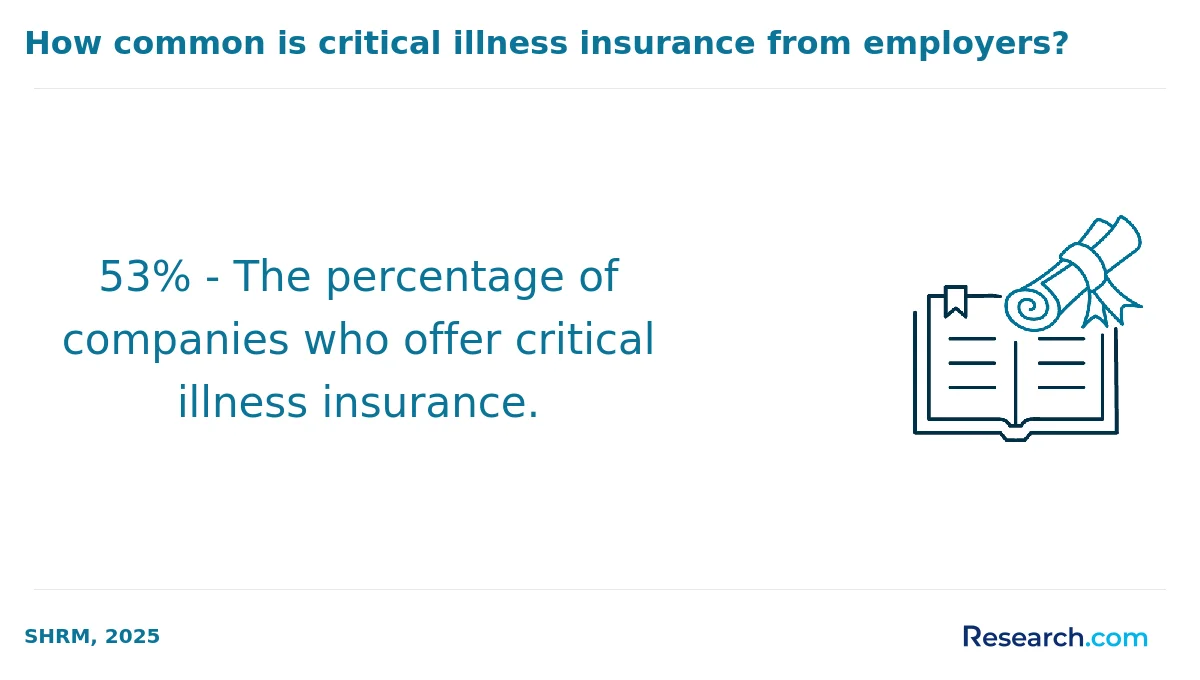
Students enrolled in trade school certification programs in Warner Robins frequently benefit from a variety of financial aid options that make their education more attainable. At Central Georgia Technical College, a leading local institution, about 91% of students receive federal aid, such as Pell Grants averaging $6,043 annually. Graduates often reflect on how completing the FAFSA each year unlocked this crucial support, easing the burden of tuition and living costs.
State grants also significantly aid nearly half the student body, with average awards around $2,625. Many find the Georgia HOPE Scholarship or the HERO Scholarship especially helpful if they have military ties, directly impacting their ability to afford certification programs without excessive debt.
Institutional scholarships add another layer of assistance, with typical grants near $3,678 per student, giving hopeful learners a welcome financial boost. Veterans in Warner Robins appreciate how the college's Veterans' Certifying Official simplifies their access to educational benefits, often combining them with other aid sources.
These funding pathways enable students to focus on mastering skills vital for local industries, turning financial concerns into manageable steps rather than barriers.
Enrolling in a trade school certification program in Warner Robins typically requires a high school diploma or GED, a baseline standard across most programs.
Age restrictions vary by program: some, like the Electrical Systems Technology at Central Georgia Technical College, accept students starting at 16, while others, such as the HVAC Technician Program, require candidates to be at least 18. Graduates often recall these age thresholds as practical, reflecting the safety-sensitive nature of their training.
Additional prerequisites can include a valid driver's license, background checks, and drug testing-common for programs with hands-on responsibilities like HVAC. One graduate mentioned that passing these requirements reinforced their confidence in entering a professional work environment.
For high schoolers eager to get a head start, dual enrollment through Houston County Career Academy is possible, provided students are in 10th grade or above and maintain a GPA of 2.0 or higher. This pathway allows motivated students to blend high school education with career-focused training seamlessly.
Core prerequisites for Warner Robins trade schools include:
- High school diploma or GED
- Age requirements from 16 to 18, depending on the program
- Additional clearances such as background checks and drug tests where applicable
- Minimum GPA and grade standing for dual enrollment
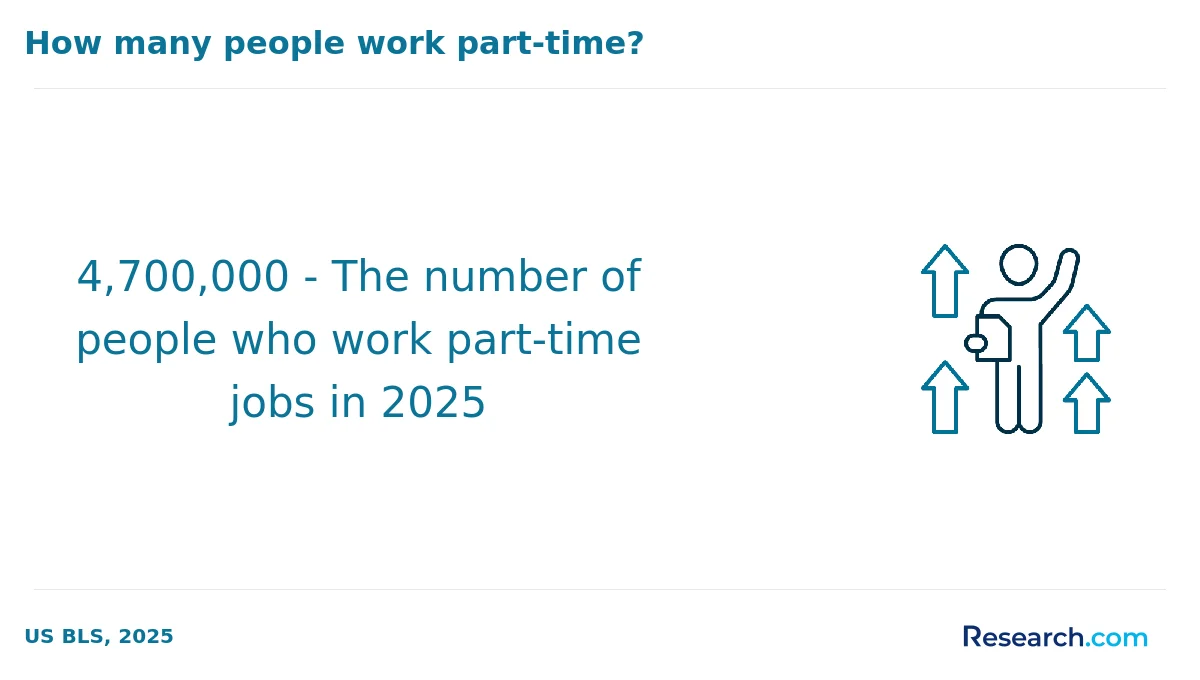
Trade school courses in Warner Robins are designed with a clear focus on career readiness, offering hands-on instruction that graduates describe as directly applicable to their new jobs. Certificate program classes Warner Robins often feature popular areas such as welding, HVAC (air conditioning technology), commercial electrical construction, automation technology, and information technology. For example, students in a welding course gain experience in both theory and practical application, enabling them to confidently pass industry qualification tests. Similarly, HVAC programs blend classroom learning with real-world tasks on residential and industrial air systems, helping students feel prepared for diverse work environments.
Graduates recall how electrical construction classes emphasized safety, blueprint reading, and installation basics, reinforcing skills that employers need immediately. Automation technology courses bring exposure to robotic programming, artificial intelligence in manufacturing, and programmable logic controllers, which many students found exciting and relevant to modern factory settings.
Other specialized options include industrial system maintenance and commercial truck driving, with short-term certifications in forklift operation and environmental services offered to meet specific local hiring demands. These courses focus on practical knowledge and quick skill-building, a great fit for students looking to enter the workforce swiftly.
Those exploring career options can also find valuable insights by checking online trade school programs, which complement local offerings and expand learning flexibility.
Choosing among the best trade school programs in Warner Robins requires careful evaluation of several factors beyond just course offerings. Graduates from locally respected institutions often highlight the value of hands-on training that uses real industry equipment, a feature prevalent at schools like Central Georgia Technical College. This practical approach not only builds confidence but also prepares students to tackle challenges they will face on the job.
Accreditation cannot be overlooked, as it affects both the quality of education and future job prospects. For example, healthcare certifications in Warner Robins are stronger when recognized by state-approved bodies, assuring graduates that their qualifications are valued.
Considering Warner Robins trade school tuition and costs is equally vital. While affordability is a priority, weighing it against available resources and graduate success rates ensures a balanced decision. Many students also benefit from programs offering evening classes, internships, and career counseling, which improve both learning and employment outcomes.
If you are exploring specific fields, especially technical ones, researching a trade school for automotive programs can provide insights into nationally recognized benchmarks and local training quality.
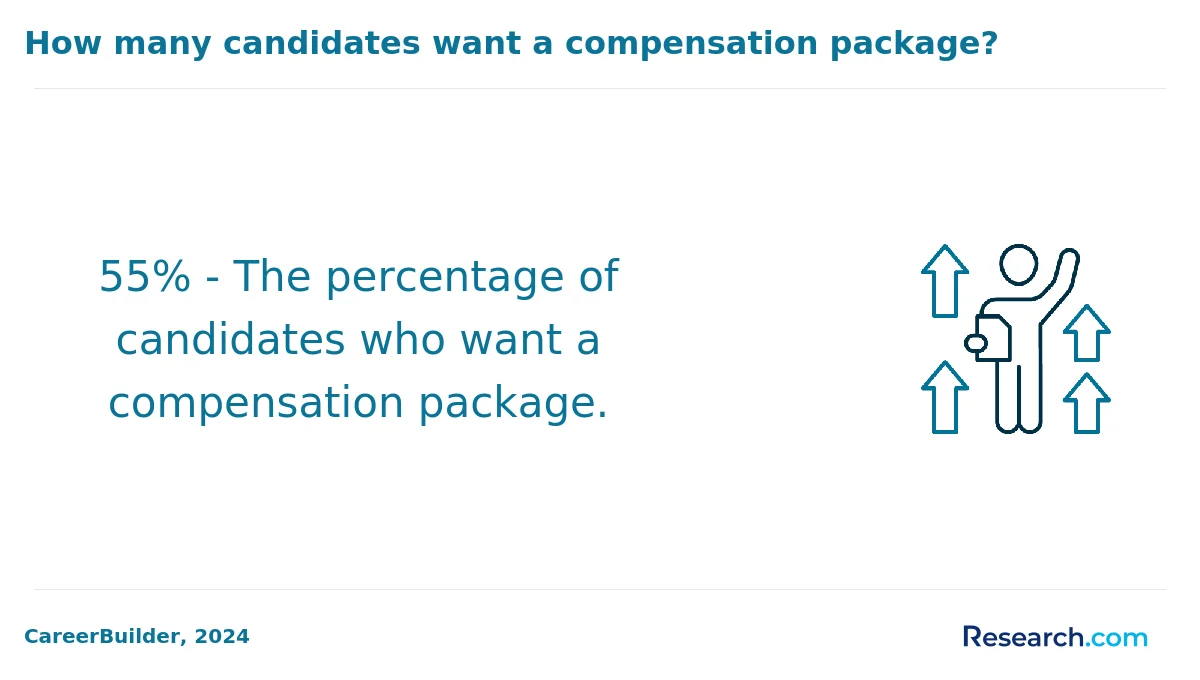
Graduates of trade school certification programs in Warner Robins find diverse pathways in high-demand sectors. Local institutions like Central Georgia Technical College and the VECTR Center tailor their apprenticeship programs Warner Robins GA to meet workforce needs, enabling students to quickly transition into rewarding trade school jobs in Warner Robins GA.
For instance, certificate holders in electrical construction and HVAC often secure roles as apprentice electricians or maintenance technicians, applying skills such as blueprint reading and wiring installation in real workplaces. Welding graduates frequently join manufacturing plants as welders or fabricators, gaining hands-on experience that boosts confidence and employability.
- Industrial system maintenance offers opportunities as technicians handling machinery troubleshooting and repair in factories.
- Automated manufacturing programs prepare students for robotics programming and machine maintenance roles.
- Healthcare certifications like CNA or phlebotomy technician lead to jobs in hospitals and clinics.
- IT and business logistics certificates support positions in network administration and supply chain management, crucial in this transportation hub.
Many graduates appreciate how these programs, designed with employer input, provide immediate skills applicable in the workplace. This practical approach resonates with those seeking the benefits of vocational education to secure stable, well-paid employment quickly in their community.
The job outlook for trade school graduates in Warner Robins is strong, supported by a diverse range of technical certificate employment opportunities through institutions like Central Georgia Technical College and the Georgia VECTR Center. Graduates commonly find roles in fields such as HVAC, electrical construction, and industrial maintenance, often securing competitive wages quickly after certification. For example, many graduates report securing positions as electrical apprentices earning $15 to $23 per hour, with clear pathways for advancement.
Employer engagement in Warner Robins enhances these prospects significantly. Local companies, supported by CGTC's Economic Development Division and programs like Georgia's Quick Start, actively invest in workforce training, benefiting graduates with customized, employer-tailored opportunities. Graduates in logistics and commercial truck driving often see weekly earnings from $1,020 to $1,240, making Warner Robins a promising area for career-focused trade school students.
- Hands-on training at CGTC closely aligns with industry demand in aerospace, manufacturing, and IT.
- Graduates benefit from direct ties to employers, including Robins Air Force Base-related firms.
- Steady hiring across healthcare and technical sectors ensures diverse employment options.
Many graduates describe their experience as encouraging, particularly citing the mix of practical skills and local employer networks that smooth the transition into stable jobs. For those exploring easy trades that lead to high paying jobs, Warner Robins remains a particularly fertile ground for launching a skilled career.
Most Affordable Certificate Programs - Leading Certification Courses in Warner Robins for 2026
# 1 position
Central Georgia Technical College - Automobile/Automotive Mechanics Technology/Technician.
certificate or diplomaCentral Georgia Technical College offers a hybrid program in Automobile/Automotive Mechanics Technology/Technician that prepares students to repair, service, and maintain various automobile systems. The curriculum covers brake systems, electrical systems, engine performance, transmission, suspension, steering, and HVAC systems. The program’s annual in-state tuition is $3,180. Graduates report median earnings of $42,493 one year after completion. The program is accredited by the Southern Association of Colleges and Schools Commission on Colleges.
# 2 position
Central Georgia Technical College - Nursing Assistant/Aide and Patient Care Assistant/Aide.
certificate or diplomaThe Nursing Assistant/Aide and Patient Care Assistant/Aide program at Central Georgia Technical College offers a hybrid format with some distance-education options. It prepares students to perform routine nursing-related tasks under supervision in hospitals or long-term care facilities. The program is accredited by the Southern Association of Colleges and Schools Commission on Colleges. Annual in-state tuition is $3,180, and median earnings one year after completion reach $41,347.
# 3 position
Central Georgia Technical College - Electrocardiograph Technology/Technician.
certificate or diplomaCentral Georgia Technical College offers a hybrid Electrocardiograph Technology/Technician program preparing students to administer EKG and ECG diagnostic exams under medical supervision. The curriculum covers anatomy, physiology, cardiovascular system, medical terminology, medications, patient care, equipment operation, cardiac rhythm interpretation, record management, and ethics. Annual in-state tuition is $3,180. Graduates earn a median of $40,965 one year after completion. The program is accredited by the Southern Association of Colleges and Schools Commission on Colleges.
# 4 position
Central Georgia Technical College - Heating, Air Conditioning, Ventilation and Refrigeration Maintenance Technology/Technician.
certificate or diplomaCentral Georgia Technical College offers a hybrid Heating, Air Conditioning, Ventilation and Refrigeration Maintenance Technology/Technician program. The curriculum prepares students to repair, install, service, and maintain HVAC and refrigeration systems, covering diagnostic techniques, testing equipment, and principles of mechanics, electricity, and electronics. Annual in-state tuition is $3,180. Graduates earn a median salary of $34,320 one year after completion. The program is accredited by the Southern Association of Colleges and Schools Commission on Colleges.
# 5 position
Central Georgia Technical College - Allied Health and Medical Assisting Services, Other.
certificate or diplomaCentral Georgia Technical College offers a hybrid Allied Health and Medical Assisting Services program, providing some distance-education options. The annual in-state tuition is $3,180. Graduates earn a median salary of $29,911 one year after completing the program. This instructional program covers allied health and medical assisting services not listed elsewhere. The program is accredited by the Southern Association of Colleges and Schools Commission on Colleges.
# 6 position
Central Georgia Technical College - Veterinary/Animal Health Technology/Technician and Veterinary Assistant.
certificate or diplomaCentral Georgia Technical College offers a Veterinary/Animal Health Technology/Technician and Veterinary Assistant program designed to prepare students for roles assisting veterinarians and animal health professionals. The curriculum covers animal nursing care, clinical procedures, radiology, anesthesiology, surgical assisting, and office administration. The program is accredited by the Southern Association of Colleges and Schools Commission on Colleges, with annual in-state tuition at $3,180.
# 7 position
Central Georgia Technical College - Language Interpretation and Translation.
certificate or diplomaCentral Georgia Technical College offers a hybrid Language Interpretation and Translation program designed to prepare students for professional roles as interpreters and translators of documents and data files between English, Canadian French, and other languages. The curriculum covers multiple interpretation methods and various translation applications, including business and technical fields. Annual in-state tuition is $3,180. The program is accredited by the Southern Association of Colleges and Schools Commission on Colleges.
# 8 position
Central Georgia Technical College - Court Reporting and Captioning/Court Reporter.
certificate or diplomaCentral Georgia Technical College offers a hybrid Court Reporting and Captioning/Court Reporter program designed to prepare students to record and transcribe legal and formal proceedings using print or electronic methods. The curriculum covers legal terminology, shorthand, verbatim recording, equipment operation, regulations, and professional ethics. The program’s annual in-state tuition is $3,180. It is accredited by the Southern Association of Colleges and Schools Commission on Colleges.
# 9 position
Central Georgia Technical College - Electrician.
certificate or diplomaCentral Georgia Technical College offers a hybrid Electrician program that prepares students to install, operate, maintain, and repair electric systems, including residential, commercial, and industrial wiring. The curriculum covers electronics principles, power transmission, safety, electrical testing, and applicable codes. Annual in-state tuition is $3,180. The program is accredited by the Southern Association of Colleges and Schools Commission on Colleges.
# 10 position
Central Georgia Technical College - Plumbing Technology/Plumber.
certificate or diplomaCentral Georgia Technical College offers a hybrid Plumbing Technology/Plumber program that trains students to install and maintain piping systems for various uses, including steam, natural gas, and hot water. The curriculum covers technical mathematics, blueprint reading, welding, plumbing inspection, and applicable codes. Annual in-state tuition costs $3,180. The program is accredited by the Southern Association of Colleges and Schools Commission on Colleges.
Frequently Asked Questions about trade school certificates
After completing a trade school certification program in Warner Robins, preparing for the job market involves several key steps. First, graduates should update their resumes to highlight specific skills gained during their program, emphasizing hands-on experience valued by local employers. Networking is essential; attending job fairs and connecting with the Warner Robins Chamber of Commerce can open opportunities. According to the Georgia Department of Labor, skilled trades in the region show a steady job growth rate of 5% annually, especially in fields like HVAC, automotive repair, and construction technology. Additionally, obtaining relevant industry certifications can boost employability. Finally, considering internships or apprenticeships helps build practical experience and employer contacts.
Employers in Warner Robins consistently seek trade school graduates with strong technical skills relevant to their industry. According to recent regional labor market analyses, skills in welding, HVAC repair, and electrical systems stand out in demand for local manufacturing and maintenance jobs.
Beyond technical abilities, employers value problem-solving and adaptability, especially as industries adopt new technologies. The U.S. Bureau of Labor Statistics highlights that 75% of job success depends on soft skills like teamwork and communication alongside technical expertise.
Additionally, certification program graduates who demonstrate punctuality and a strong work ethic often gain preference in Warner Robins' competitive trade sectors. Many employers report these qualities reduce training time and improve workplace efficiency.
Finding internships in Warner Robins related to your trade school certification program involves leveraging local resources and industry connections. Start by contacting the career services offices at trade schools in the area, as they often maintain partnerships with local businesses.
The Warner Robins Chamber of Commerce is another valuable resource that frequently lists internship opportunities available in sectors like manufacturing, automotive, and healthcare, which are common trade fields in the region.
Additionally, websites like Georgia Department of Labor provide job and internship listings specific to Houston County, helping students identify openings relevant to their certifications.
Networking through local job fairs or industry events can also increase your chances, as Warner Robins hosts several annually that connect students with employers.
Trade school certification programs in Warner Robins play a significant role in enhancing career mobility and advancement. These certifications provide practical skills aligned with local industry demands, especially in sectors like aviation maintenance, manufacturing, and healthcare.
According to data from the Bureau of Labor Statistics and local workforce reports, individuals with trade certifications often experience faster job placements and higher wages compared to those without formal credentials. For example, certified aviation technicians in Warner Robins can expect median salaries 15% above non-certified counterparts.
Certifications also open pathways for promotions and job transfers, as employers value verified expertise. In Warner Robins, trade-school-trained workers report greater job stability and opportunities for career growth within nine months of completing their programs, according to recent studies by the Georgia Department of Labor.
Overall, earning a trade certification in Warner Robins equips students with recognized credentials that improve employability and support upward economic mobility in the local job market.
In Warner Robins, several part-time job opportunities align well with trade school certification programs, helping students gain practical experience while earning income. For example, students pursuing certification in automotive technology often find part-time positions at local auto repair shops or dealerships, where hands-on skills are essential.
Healthcare certification students can benefit from part-time roles such as medical assistants or pharmacy technicians, which are in demand locally according to the Georgia Department of Labor. These jobs provide valuable exposure to clinical settings while accommodating school schedules.
Additionally, positions in construction labor or skilled trades like electrical work offer relevant apprenticeships or helper roles. Such jobs not only pay between $12-$20 per hour in Warner Robins but also complement classroom learning by reinforcing technical skills.
Data from the U.S. Bureau of Labor Statistics confirms continued growth in these fields regionally, highlighting strong employment prospects for certified students balancing part-time work and study.
To find the most affordable degree program near me in Warner Robins, GA, you can start by searching for local colleges and universities to compare tuition rates and program fees. Be sure to consider both public community colleges and state universities as they often provide more budget-friendly options. Additionally, utilizing resources like Research.com can help identify affordable programs offered near Warner Robins, GA that align with your academic goals.
- Trade School Careers https://auto.edu/blog/trade-school-careers
- Houston College & Career Academy https://www.hcbe.net/hcca
- Vocational vs. Trade School: Choosing the Right Path https://www.genesiscareer.edu/vocational-vs-trade-school-guide/
- Certificate Training Programs | Goodwill of North Georgia https://goodwillng.org/putting-people-to-work/get-job-training/training-programs/
- About the School https://hcca.hcbe.net/abouttheschool
- Why Choose Trade Schools? Discover the Pros of Vocational Education in 2025 | OshaEducationCenter.com https://www.oshaeducationcenter.com/pros-and-cons-of-trade-schools/
- Nces https://nces.ed.gov/
- Online Trade School https://www.ashworthcollege.edu/area-of-study/trades/
- Trade School vs. Traditional University | North American Trade Schools https://nats.ca/Home/NewsArticle/trade-school-vs-traditional-university/
- GA VECTR: Georgia Veterans Education Career Transition Resource Center | Programs https://www.gavectr.org/programs/