Best Trade School & Training Programs - Leading Certification Courses in Garden City for 2026

Co-Founder and Chief Data Scientist
If you're considering a trade school in Garden City for 2026, this article is designed to guide you toward the best options available. Choosing the right program can feel overwhelming, but our trade school programs ranking, developed by the Research.com team of data scientists, makes it easier to identify quality programs worth your time.
Reading this article will help you understand the benefits of earning a trade school diploma or certification, including increased job opportunities and practical skills. Taking this step can truly open doors to a rewarding career path.
Key benefits of finishing trade school programs trade school in Garden City
- Trade school graduates in Garden City can earn competitive salaries, with healthcare technicians starting around $40,000-$50,000, automotive service technicians and welders making $45,000-$60,000, and HVAC technicians or electricians earning up to $70,000 annually.
- Popular career paths for trade school students include healthcare, automotive technology, welding, HVAC, and electrical work, offering a variety of exciting and reliable job opportunities that fit different skills and interests.
- Getting a trade school diploma or certification online provides flexibility, allowing busy students or working adults to balance education with life, often leading to faster entry into rewarding careers without the commute.
- Best Trade School & Training Programs - Leading Certification Courses in Garden City for 2026
- What can I expect from trade school programs trade schools in Garden City?
- Where can I work after finishing trade school programs trade schools in Garden City?
What can I expect from trade school programs trade schools in Garden City?
The average cost of a trade school program in Garden City typically ranges between $5,000 and $15,000, depending on the field of study and program length. Graduates from Garden City Community College's Technical Education Division report that this investment covers extensive hands-on training, use of specialized equipment, and access to career support services. For example, students in automotive technology or welding programs often complete their certificates within one year, balancing cost with accelerated entry into the workforce.
Many trade schools in Garden City provide financial aid options that reduce the net cost, making education financially accessible for students juggling work or family commitments. Flexible scheduling, including evening and weekend classes, helps students maintain steady income during their studies, adding value beyond tuition fees.
Graduates express satisfaction with how these programs combine affordable tuition with practical experience, enabling them to acquire industry-recognized credentials in less than two years. This balance of cost and outcome supports a positive return on investment for those pursuing skilled trade careers locally.
Where can I work after finishing trade school programs trade schools in Garden City?
Graduates from trade school programs in Garden City find solid employment opportunities across many sectors actively hiring local skilled workers. For example, individuals completing technician and repair services programs often secure roles as maintenance or HVAC technicians at nearby manufacturing plants or agricultural facilities. These positions offer hands-on work and steady demand, giving graduates confidence in stable, rewarding careers.
Healthcare trade program graduates commonly join hospitals, clinics, or long-term care centers, stepping into roles like medical assistant or nursing aide. Their training opens pathways for career growth, reflecting real success stories from local trade schools where students start in entry-level jobs and quickly advance.
Business and administrative program graduates frequently work in retail management or office support, thriving in customer service positions. Their strong organizational skills are sought after by Garden City employers requiring dependable staff.
Apprenticeships in electrical, carpentry, and plumbing trades provide hands-on, paid training, with local construction firms actively recruiting new talent, making these pathways especially appealing to students focused on earning while learning.
Agriculture-focused graduates find specialized roles in organizations like WKREC, contributing to innovation and agricultural science locally.
Education sector jobs at Garden City Community College and public schools also offer career options for those wanting to support vocational training programs and help others succeed.
Graduates of trade school programs in Garden City can anticipate strong earning potential right after completing their training. On average, trade school alumni in Kansas earn about $59,887 annually, or $28.79 per hour, with salaries often higher in nearby cities such as Kansas City, where the average reaches $64,651 per year.
Those studying at local institutions like Garden City Community College often see tangible financial benefits shortly after graduation. For example, entry-level roles associated with the college, such as Proctors or Adult Education Teachers, start between $15.00 and $21.00 per hour. Graduates moving into more specialized positions, like Technical Training Coordinators, earn an impressive $68,057 per year, reflecting the value of technical expertise combined with supervisory skills.
Salary ranges for trade school careers in Garden City typically span from $45,000 to $72,700 per year, with top performers earning upwards of $89,184. Many graduates describe feeling confident and motivated as their earning power grows through certifications and experience, especially in sectors like welding, healthcare, and construction.
- Trade school programs in Garden City focus on hands-on training in fields like automotive technology, welding, agriculture, and emergency medical services.
- Admission usually requires a high school diploma or GED, with some programs needing prerequisite courses or placement tests.
- Program lengths range from about one year for certificates to up to two years for associate degrees, with flexible scheduling available.
- Annual tuition typically falls between $4,000 and $8,500, not including books and supplies, with financial aid options offered.
- Graduates can expect starting salaries from $35,000 to $45,000, with potential to earn $55,000 to $60,000 or more as they gain experience and certifications.
Trade school programs in Garden City vary in length depending on the credential and field of study, but many students find they can fast-track their careers effectively. Certificate and diploma programs, like those offered at Garden City Community College (GCCC), often take between a few months to one year. Graduates from welding or carpentry programs frequently share how completing their courses in under a year enabled them to enter the workforce quickly and start earning sooner than expected.
Associate degrees typically require about two years of full-time study, equating to around 60 credit hours. Students in these programs often appreciate the balance between in-depth skill development and a relatively short time commitment compared to traditional four-year degrees.
Apprenticeships, such as the four-year Tatro program combining on-the-job training and classroom learning, demand a longer investment but allow apprentices to earn wages while they build experience. Healthcare trade students note that shorter programs like EMT or CNA can be completed in a semester, while LPN programs generally take about one year.
This range of options, coupled with flexible full-time or part-time scheduling, means most Garden City trade school attendees can expect to complete their education within one to two years, positioning them for fast, practical career success.
The core difference between online and on-campus trade school programs in Garden City is the mode and location of learning. Graduates from Garden City Community College's online programs appreciate the flexibility to manage coursework remotely, which enables them to balance jobs and family responsibilities effectively. These programs typically offer associate degrees like A.A., A.S., and A.G.S., requiring about 60 credit hours, allowing students to pursue professional certificates without geographic constraints.
Conversely, on-campus students value direct access to instructors and hands-on training essential for technical skills. Many vocational certificates here can be completed in under 12 weeks, with real-time sessions involving machinery or lab work, which online formats cannot replicate. Graduates often recall the immediate feedback and collaborative environment as particularly motivating and confidence-building.
This distinction means prospective students in Garden City must weigh schedule flexibility against immersive, practical experience. Online suits self-paced learners prioritizing accessibility, while on-campus fits those seeking active engagement and specialized equipment access in their trade education.
The average trade school cost in Garden City is largely shaped by tuition and mandatory fees at institutions like Garden City Community College, the primary trade education provider locally. Full-time students enrolling in vocational programs can expect tuition and fees around $4,320 for the 2024-2025 academic year. This aligns with historical data showing in-state tuition typically ranges from $3,540 to $4,320, while out-of-state students pay slightly more, averaging between $4,110 and $4,928.
Graduates from popular Garden City trade schools often recall budgeting for more than just tuition. Books and supplies add approximately $420 annually, with on-campus room and board costing about $6,600 each year. Additional personal and transportation expenses can increase total costs by nearly $7,964 for students living on campus. These figures provide a realistic glimpse into the total financial commitment required to complete a trade program locally.
For those concerned about funds, only about 12% of Garden City Community College students take out loans, averaging around $4,644 yearly. The entire program cost in the wider Kansas region generally falls between $8,000 and $13,000 at public trade schools, inclusive of tuition, materials, and fees. Private trade schools typically demand significantly higher expenses, between $16,000 and $32,000.
This investment in skill development can be rewarding, as many graduates speak positively about the career opportunities unlocked through their practical education. For students weighing options, understanding the Garden City trade school tuition and fees alongside additional expenses is crucial. Exploring financial aid and scholarships through each school encourages affordability while maximizing the vocational training value with strong return on investment.
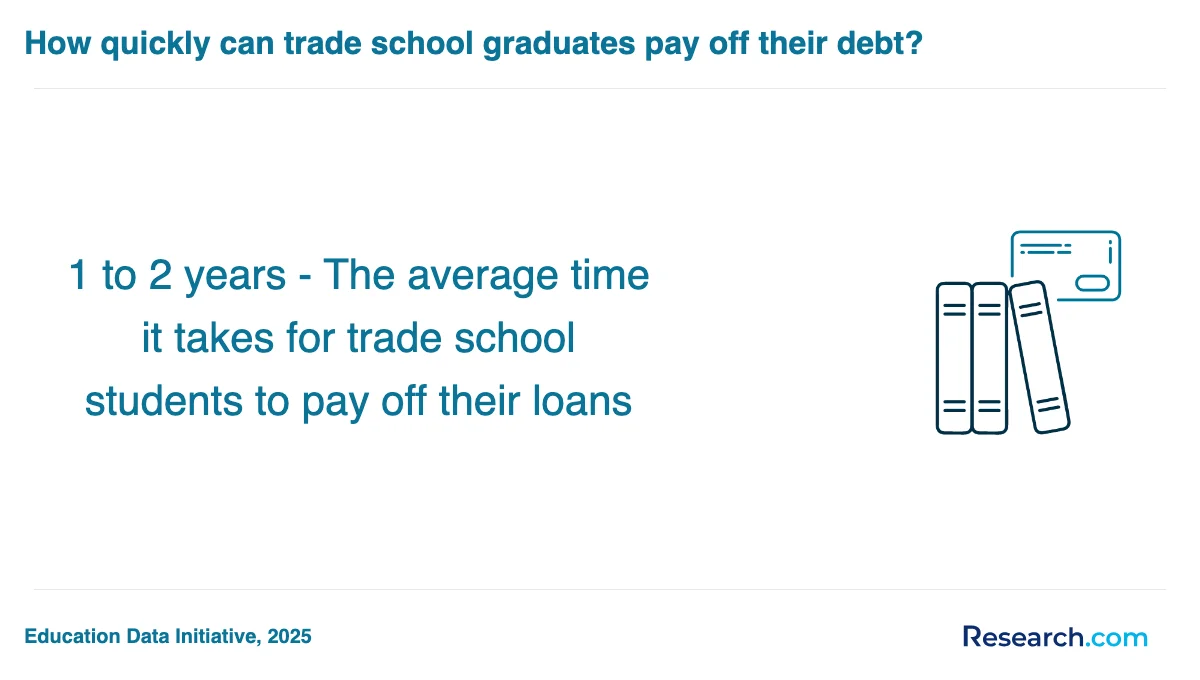
Trade school students in Garden City primarily rely on federal aid through the FAFSA, which unlocks access to Pell Grants and Direct Student Loans. At Garden City Community College (GCCC), graduates often share how Pell Grants eased their financial stress by covering tuition without the burden of repayment, while loans averaging $4,644 per year helped bridge remaining costs. This combination allows many to pursue certificates without immediate income loss.
State grants such as the Kansas Board of Regents Career Technical Workforce Grant provide up to $1,000 annually, benefiting recent high school grads entering technical fields locally. Students express relief when awarded these funds, noting the direct impact on reducing out-of-pocket expenses.
Local scholarships also play a key role. For instance, the Otis and Mary Lee Molz Cooperative Scholarship supports those studying agriculture-related trades at GCCC, helping graduates stay employed in Garden City's workforce. Such targeted aid programs often create a supportive environment, enhancing retention and career readiness.
Applicants aiming to enroll in trade school programs in Garden City, particularly at Garden City Community College (GCCC), must fulfill several clear prerequisites that set the stage for academic success.
Graduates often recall the importance of providing official documentation, such as a high school diploma or GED test scores, to verify their academic foundation. Without these, enrollment cannot proceed.
- Proof of graduation from an accredited high school or an approved home-school program, or successful completion of the GED exam
- Submission of official transcripts detailing GPA and graduation date or GED scores
First-time students share that placement assessments play a vital role in mapping their educational path. These evaluations, based on high school GPA, ACT or SAT scores, and standardized tests, help tailor their coursework, ensuring they start at the right level and increase chances of academic achievement.
- Participation in placement testing for math and English readiness
- ACT or SAT scores are recommended especially for scholarship consideration
For popular selective programs like Nursing and Automotive Technology, enrollees experience additional steps such as interviews and health screenings. These specialized requirements ensure students are fully prepared for program demands and clinical or hands-on components.
Moreover, completing a tuberculosis (TB) questionnaire before on-campus participation is mandatory, reflecting the community's commitment to health and safety. Health-related program candidates may require further medical documentation.

Trade school programs in Garden City typically include a variety of courses tailored to meet local workforce demands and industry trends. Graduates from schools like Garden City Community College often highlight the practical skills gained in hands-on settings, which are crucial for immediate employment success.
Core offerings often feature:
- Automotive Technology: Learning diagnostic and repair skills that prepare students for real-world vehicle maintenance challenges.
- Welding Technology: Training in MIG, TIG, and arc welding, essential for careers in manufacturing and construction fields.
- Construction Technology: Covering carpentry, building codes, and project management to equip students for residential or commercial projects.
Health and public safety programs strongly appeal to students seeking dynamic careers, with courses like Emergency Medical Services, Fire Science, and Police Science providing hands-on emergency response practice.
Agriculture-related classes such as John Deere Ag Tech and Production Agriculture respond directly to the region's farming economy, blending classroom theory with field work that students find highly rewarding.
Additionally, programs in Computer Support Specialist and Cosmetology offer paths into technology and personal care, while maintenance-focused courses prepare students for industrial roles. Graduates emphasize the confidence gained through practical training, which makes job transition smoother and career prospects brighter.
Trade school programs in Garden City cover diverse specializations tailored to local demands, enabling graduates to quickly enter the workforce with in-demand skills. Key areas include agriculture and agri-business, crucial to southwestern Kansas' economy, where students train in fields like John Deere Ag Tech, Animal Science, and Food Science at institutions such as Garden City Community College. Graduates often share how hands-on experiences in these programs build confidence and job readiness.
Skilled trades remain a strong focus, with popular programs in Automotive Technology, Construction Technology, Welding, and Industrial Maintenance Mechanic. Many students appreciate the growth of Construction Technology courses, designed to meet the expanding regional labor needs, and report satisfaction in directly applying their skills on site.
Public safety and health-related fields including Police Science, Emergency Medical Services, and Fire Science prepare students for essential community roles, often leading to immediate employment. Other specialized options feature IT-focused Computer Support Specialist training and Cosmetology programs.
Additionally, nearby schools offer trainings in HVAC, electrical technology, allied health sciences, and paralegal studies, broadening career paths. For those considering HVAC, there are low cost hvac trade school programs online that provide flexible scheduling and affordability.
Start by assessing your career interests clearly, focusing on fields thriving in Garden City such as healthcare, automotive technology, or welding. Graduates from Garden City Community College often highlight the value of programs accredited by recognized bodies; this accreditation guarantees that the curriculum meets industry benchmarks, enhancing job market acceptance. Programs like those at Universal Technical Institute near Garden City offer hands-on training that builds confidence and practical skills needed in real workplaces.
It's essential to compare trade school costs in Garden City carefully. Many find that community colleges provide affordable tuition combined with access to scholarships and financial aid, reducing debt and stress post-graduation. Graduates frequently mention that flexible scheduling and practical, manufacturer-specific training accelerated their transition into rewarding careers.
Evaluate job placement rates and partnerships with local employers, as strong connections improve employment prospects. Exploring independent rankings and resources such as best trade school programs supports an informed choice tailored to career goals and financial circumstances.
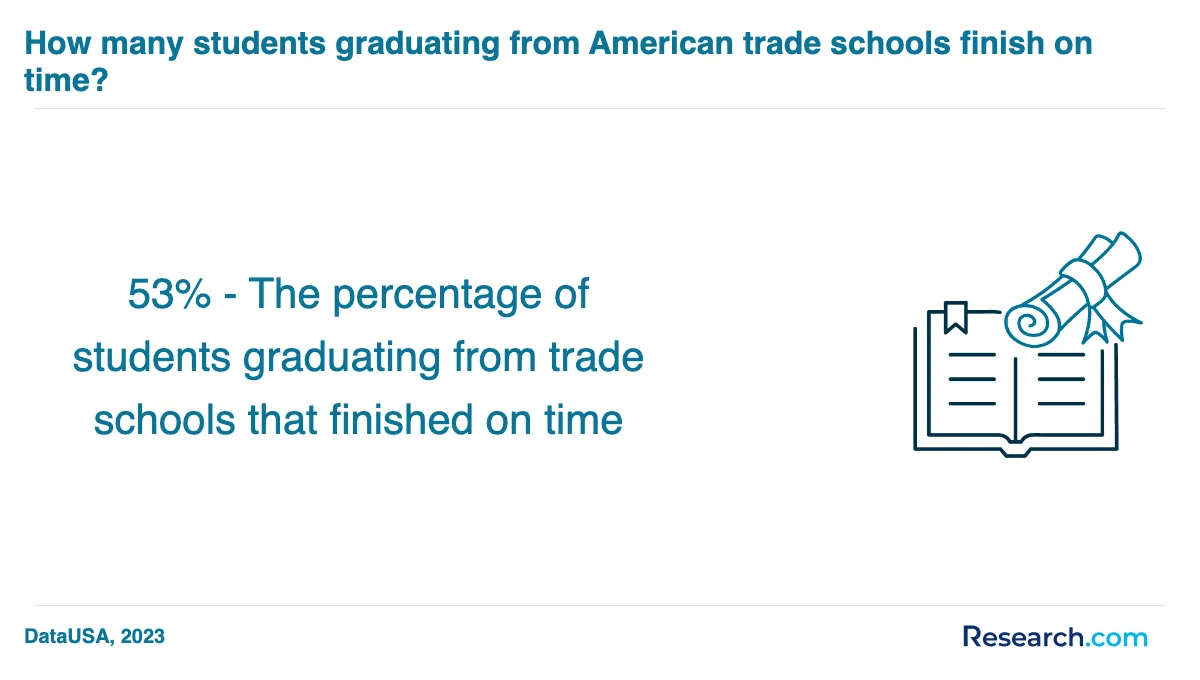
Trade school graduates in Garden City find strong career opportunities for trade school graduates in Garden City across multiple high-demand sectors. Healthcare programs at Garden City Community College (GCCC) prepare students for roles such as Medical Assistant, EMT, and Licensed Practical Nurse. Graduates report quick job placement in local clinics and care facilities, highlighting the vibrant healthcare market in the region.
Technical jobs in Garden City KS attract many students to programs including Welding Technology, Carpentry, Automotive Technology, and Construction Technology. These sectors offer hands-on work with potential for rapid advancement into supervisory roles, an appealing pathway for individuals looking for both stability and growth. Graduates share experiences of entering the workforce with practical skills that employers urgently seek due to ongoing labor shortages.
Information technology pathways such as Computer Support Specialist and Cybersecurity enable students to secure roles in network administration and security for local businesses and government agencies. Public safety careers also draw interest, with programs in Police Science and Fire Science leading to employment in local emergency response units.
Additionally, agriculture-related programs including Animal Science and John Deere Ag Technology align with Garden City's strong farming economy, offering graduates diverse options from production to equipment maintenance. For those exploring alternatives, Garden City students can explore affordable appliance repair courses online as a competitive technical skill.
The job market for trade school graduates in Garden City remains strong, reflecting both local employer demand and statewide workforce trends. Graduates from popular programs like the Construction Technology course at Garden City Community College often report securing positions quickly due to the area's increased need for skilled workers. Employers actively seek candidates for roles such as diesel mechanic, technician, and assistant manager, with over 100 openings recently reported.
Many graduates share positive experiences, highlighting how postsecondary credentials have opened doors to competitive wages and career advancement. Key factors driving this include:
- Expansion of targeted programs that align with labor market needs, like technical and skilled trades training.
- Initiatives such as Accelerating Opportunity that offer accelerated certificates for rapid employment.
- Strong employer recruitment focused on candidates with industry-recognized certifications.
Those interested in specific sectors may explore fields like construction or automotive technology, where Garden City's trade schools provide practical skills with real-world applications. For example, some graduates have improved their prospects by completing an affordable electrical lineworker training program online, which fits well with local demand and offers flexibility.
This data-driven insight into Garden City trade school job market trends demonstrates clear, promising employment opportunities for trade school graduates in Garden City.
Best Trade School & Training Programs - Leading Certification Courses in Garden City for 2026
# 1 position
Nassau Community College - Physical Therapy Assistant.
associateNassau Community College offers a Physical Therapy Assistant program with a hybrid format that includes some distance education. The program prepares students to assist physical therapists by implementing treatment plans, training patients, and conducting interventions. Instruction covers anatomy, physiology, biomechanics, neuroscience, and professional ethics. Annual in-state tuition is $6,330. Graduates earn a median salary of $40,754 one year after completion. The program is accredited by the Middle States Commission on Higher Education.
# 2 position
Nassau Community College - Information Technology.
associateNassau Community College offers a hybrid Information Technology program focusing on designing technological information systems to support business and research needs. The curriculum covers computer hardware, software, algorithms, databases, telecommunications, application testing, and human interface design. Annual in-state tuition is $6,330. Graduates have a median earning of $39,199 one year after completion. The program is accredited by the Middle States Commission on Higher Education.
# 3 position
Nassau Community College - Computer Science.
associateThe Computer Science program at Nassau Community College offers a hybrid format with some distance-education options. It covers computer theory, computing problems, system design, and user interfaces from a scientific perspective. Students receive instruction in computational science principles, computer development, programming, and practical applications. The program’s annual in-state tuition is $6,330. It is accredited by the Middle States Commission on Higher Education.
# 4 position
Nassau Community College - Computer and Information Systems Security/Auditing/Information Assurance.
associateNassau Community College offers a program in Computer and Information Systems Security/Auditing/Information Assurance designed to prepare students to assess and secure computer and network systems. The curriculum covers computer architecture, programming, networking, cryptography, security auditing, law, risk assessment, and contingency planning. The program’s annual in-state tuition is $6,330. It is accredited by the Middle States Commission on Higher Education.
# 5 position
Nassau Community College - Accounting Technology/Technician and Bookkeeping.
associateNassau Community College offers a hybrid Accounting Technology/Technician and Bookkeeping program designed to prepare students for technical administrative roles in accounting and financial management. The curriculum covers posting transactions, record-keeping systems, accounting software, and general accounting principles. Annual in-state tuition is $6,330. Graduates have median earnings of $35,513 one year after completion. The program is accredited by the Middle States Commission on Higher Education.
# 6 position
Nassau Community College - Medical Administrative/Executive Assistant and Medical Secretary.
associateNassau Community College offers a hybrid Medical Administrative/Executive Assistant and Medical Secretary program designed to train students in medical and business communications, medical terminology, health care operations, and professional ethics. The program includes instruction in software applications, scheduling, and record-keeping. Annual in-state tuition is $6,330. Graduates earn a median salary of $44,655 one year after completion. The program is accredited by the Middle States Commission on Higher Education.
# 7 position
Nassau Community College - Medical Insurance Coding Specialist/Coder.
certificate or diplomaNassau Community College offers a Medical Insurance Coding Specialist/Coder program with a hybrid format, including some distance-education options. Students learn medical records and insurance software, basic anatomy, medical terminology, data classification, and compliance with Medicare regulations. The annual in-state tuition is $6,330. Graduates earn a median salary of $44,655 one year after completion. The program is accredited by the Middle States Commission on Higher Education.
# 8 position
Nassau Community College - Medical Administrative/Executive Assistant and Medical Secretary.
certificate or diplomaNassau Community College offers a hybrid Medical Administrative/Executive Assistant and Medical Secretary program preparing students to support physicians, nurses, and healthcare administrators. The curriculum covers business and medical communications, medical terminology, healthcare operations, software applications, scheduling, and professional ethics. The program is accredited by the Middle States Commission on Higher Education. Annual in-state tuition is $6,330, and median earnings one year after completion are $44,655.
# 9 position
Nassau Community College - Legal Assistant/Paralegal.
associateThe Legal Assistant/Paralegal program at Nassau Community College offers hybrid learning with some distance-education options. It prepares students for roles involving research, drafting, investigatory, and administrative tasks under attorney supervision. Instruction covers legal research, drafting documents, courthouse procedures, and legal specializations. The program is accredited by the Middle States Commission on Higher Education. Annual in-state tuition is $6,330, and median earnings one year after completion are $32,464.
# 10 position
Nassau Community College - Criminal Justice/Law Enforcement Administration.
associateNassau Community College offers a Criminal Justice/Law Enforcement Administration program with a hybrid format that includes some distance education. The program prepares students to manage public law enforcement agencies, covering topics such as law enforcement history, operational leadership, labor relations, incident response, budgeting, and legal responsibilities. Annual in-state tuition is $6,330. Graduates have median earnings of $29,837 one year after completion. The program is accredited by the Middle States Commission on Higher Education.
Frequently Asked Questions about trade school programs
After completing trade school in Garden City, preparing for the job market requires strategic steps to increase employability. First, developing a professional resume that highlights technical skills and hands-on experience gained during training is essential. Many trade schools offer career services, including resume workshops and interview preparation, which can be valuable resources.
Networking is another critical factor. Connecting with local employers through job fairs or community events in Garden City helps graduates learn about available positions and industry expectations. According to the U.S. Bureau of Labor Statistics, skilled trade jobs in this region show steady growth, particularly in construction and healthcare fields.
Finally, obtaining relevant certifications and licenses - often required in trades like HVAC or electrical work - significantly boosts job prospects and potential earnings.
Employers in Garden City prioritize practical skills and reliability when hiring trade school graduates. According to recent data from the U.S. Bureau of Labor Statistics and local workforce surveys, technical proficiency in fields like electrical work, plumbing, and HVAC is essential. Strong problem-solving abilities and attention to detail rank highly across industries.
Soft skills also play a crucial role. Communication, teamwork, and time management are frequently mentioned by Garden City employers, as these traits help graduates adapt quickly in hands-on roles. The National Association of Manufacturers reports that nearly 85% of employers prefer candidates who demonstrate both technical knowledge and effective interpersonal skills.
Certifications and safety training further enhance employability, reflecting local industry standards. Familiarity with relevant tools and compliance with workplace safety add to candidate appeal in this region's competitive job market.
To find internships in Garden City related to your trade school program, start by leveraging the resources provided by your school's career services. Many trade schools in Garden City have partnerships with local employers offering hands-on internship opportunities in fields such as HVAC, automotive repair, or health technology.
Local government websites and job boards like Indeed or Handshake often list available internships specifically tailored to trade skills. According to the New York State Department of Labor, Garden City's skilled trades sector has grown by 5% annually, increasing internship availability.
Networking through trade associations and attending local job fairs also enhances your chances of securing a position.
A trade school diploma in Garden City significantly enhances career mobility by equipping graduates with practical, job-ready skills tailored to local industry demands. According to the National Center for Education Statistics, trade graduates nationally see employment rates above 80% within a year of completion, and Garden City reflects this trend with robust opportunities in manufacturing, healthcare, and construction.
An Ohio State University study highlights that trade school diplomas often lead to higher starting salaries compared to some associate degree holders. In Garden City, local employers prioritize hands-on experience and certifications, making diploma holders competitive for promotions and job shifts within technical fields.
Moreover, many trade schools in Garden City offer partnerships with local businesses, facilitating apprenticeships and networking essential for career advancement. This integration supports smoother transitions into higher-paying and supervisory roles, positively impacting long-term earning potential and job security.
Part-time job opportunities in Garden City that complement trade school education are diverse and practical. Many students find roles in automotive repair shops, where hands-on experience with vehicles enhances skills learned in mechanic programs. Local healthcare facilities often hire assistants and support staff, providing real-world exposure for students in medical technician or dental programs.
Additionally, construction and landscaping companies in Garden City offer part-time work suitable for those studying trades like carpentry or HVAC. According to the U.S. Bureau of Labor Statistics, part-time employment in these sectors is expected to grow by 5% through 2028, reflecting strong regional demand.
When choosing the best degree program near me, it is important to consider factors such as accreditation, faculty expertise, and program curriculum. Near Garden City, NY, there are several universities and colleges offering a variety of degree programs tailored to different fields of study. Research.com can be a helpful resource to evaluate the academic strengths and rankings of programs in this area to aid in making an informed decision.
- Garden Grove Named a Top Trade School | Concorde Career Colleges https://www.concorde.edu/blog/garden-grove-named-top-trade-school