
Best Trade School & Training Programs - Leading Certification Courses in District of Columbia for 2026

Co-Founder and Chief Data Scientist
Choosing the right trade school in the District of Columbia can open doors to a rewarding career quickly and affordably. This article presents a detailed trade school programs ranking developed by the Research.com team of data scientists to guide you toward the best options available.
By exploring these programs, you'll gain valuable insights that make your decision easier and more confident. Earning a trade school diploma or certification offers practical skills and job-ready training, helping you build a brighter future with real opportunities.
Key benefits of finishing trade school programs trade school in District of Columbia
- Trade school graduates in District of Columbia can earn strong salaries, with electricians making up to $100,000, welders and HVAC technicians earning between $50,000 and $75,000, and construction managers reaching $90,000 or more.
- Popular career paths include electricians, construction workers and managers, welders, and HVAC technicians, all in-demand roles that offer good growth and stability in DC's busy job market.
- Online trade school diplomas offer flexibility for busy students, allowing learning from home while balancing work or family, making it easier to complete certifications without sacrificing income or time.
- Best Trade School & Training Programs - Leading Certification Courses in District of Columbia for 2026
- What can I expect from trade school programs trade schools in District of Columbia?
- Where can I work after finishing trade school programs trade schools in District of Columbia?
What can I expect from trade school programs trade schools in District of Columbia?
The average cost of a trade school program in the District of Columbia varies but generally ranges from $5,000 to $15,000, depending on the program length and credential type. Graduates from programs at institutions like the University of the District of Columbia Community College often share how the investment felt manageable given the strong career focus and hands-on training they received. Many students appreciate that tuition covers comprehensive technical education, internships, and certification opportunities that lead directly to employment.
Students enrolling in the District's trade schools should expect flexible scheduling options, which help balance study with work or family commitments. Programs typically combine classroom theory with real-world experiences such as job shadowing or internships, providing learners with confidence and a network of local employers. Graduates often describe feeling well-prepared to enter competitive fields like healthcare or construction trades, where demand remains high.
Additionally, cost-conscious students benefit from career counseling and job placement support included in many programs, making the overall financial and emotional investment worthwhile and reassuring.
Where can I work after finishing trade school programs trade schools in District of Columbia?
After finishing a trade school program in the District of Columbia, graduates discover diverse employment opportunities across thriving sectors. Many find rewarding careers as electricians, HVAC technicians, carpenters, plumbers, and welders, supported by strong demand from local contractors and government projects. For instance, graduates from popular DC trade schools often secure positions with city agencies or property management firms, enjoying stable work amid ongoing infrastructure developments.
Healthcare roles also attract trade school alumni, with positions like medical assistant and pharmacy technician available at hospitals and clinics throughout the region. This hands-on training helps graduates quickly integrate into vital healthcare teams. Additionally, apprenticeship programs provide valuable on-the-job experience, especially in electrical and plumbing trades, bolstering skills and career advancement.
Students from District of Columbia's Career and Technical Education (CTE) programs report feeling confident stepping into high-demand jobs immediately after graduation, often supported by credentials earned during their studies. These opportunities reflect a real pathway to fulfilling and financially stable careers in DC's dynamic labor market.
After completing a trade school program in the District of Columbia, graduates typically earn an average annual salary of $76,053, which translates to about $36.56 per hour. This competitive pay reflects the region's higher cost of living and strong demand for skilled labor. Many graduates from well-known DC trade schools find themselves securing jobs quickly, with earnings that often exceed national averages for similar trades.
For example, a recent graduate in the electrical trade shared how starting salaries in DC ranged from $42,000 to $53,000 annually, higher than many other states. With experience, electricians in the district can surpass $90,000, especially in specialized urban sectors. Other popular fields like plumbing, HVAC, and construction management also offer attractive wages, with hourly pay for skilled trades workers generally between $20.67 and $29.66, sometimes reaching as high as $37.56.
Graduates commonly express excitement about the fast entry into well-paying jobs and the opportunity for salary growth through certifications and experience, making trade school a practical and rewarding path in Washington, DC.
- Most adult trade programs in DC require you to be at least 18 years old and have a government-issued photo ID and Social Security card, with a high school diploma or GED not always required.
- Some programs may require a recent negative tuberculosis (TB) or PPD test and a drug screening for admission.
- Program length is often flexible, with many students finishing within six months, and schedules may include daytime and evening classes.
- Financial aid and scholarships are available for students with household incomes below 200% of the federal poverty line, and some high school programs are offered at little to no cost.
- Graduates often find entry-level jobs in healthcare, IT, and office administration with competitive wages and opportunities for higher earnings as experience grows.
Trade school programs in the District of Columbia typically take between 6 and 12 months to complete, offering a swift path to skilled employment. Graduates from organizations like SOME often finish their healthcare or building trades training in just 6 to 9 months, quickly gaining certifications that open immediate job opportunities.
Others choose one-year programs such as the 12-month electrical pre-apprenticeship offered by Green Trades DC Technical Training. Students in this program combine classroom learning with valuable on-the-job experience, preparing them thoroughly for full apprenticeships. Similarly, apprentices in the DC Housing Authority program benefit from tailored 12-month training designed to advance their careers in specific trades.
Many skilled trades programs at schools like North American Trade Schools also fall within the 9 to 12-month range, balancing practical hands-on skills with academic instruction. For those aiming higher, apprenticeships can extend up to four years, blending paid work with advanced training to achieve journey-level certification, which graduates often describe as transformative for their careers.
The primary difference between online and on-campus trade school programs in District of Columbia centers on the mode of instruction and learning environment. Graduates from popular DC trade schools often share that online programs provide remarkable flexibility, allowing them to study healthcare, business, or IT courses from home. This flexibility enables many working adults and parents to balance education with their daily responsibilities, advancing at their own pace without the need for commuting. One graduate expressed relief at being able to fit classes around a busy work schedule, citing how this access made earning certifications feasible.
On the other hand, graduates from on-campus programs frequently highlight the value of hands-on experience gained through in-person labs, workshops, and direct engagement with equipment. In fields like healthcare or skilled trades, this practical training is vital and often more comprehensive on campus. Attending classes in a traditional academic setting also offers immediate access to support services, career counseling, and local networking events, which many find motivating and confidence-boosting. Both options in DC prepare students for industry credentials, but the choice depends on preferred learning styles and lifestyle demands.
The average trade school tuition in District of Columbia typically hovers around $20,028 per year for both in-state and out-of-state students, reflecting the cost for many popular programs during the 2024-2025 academic year. Graduates from various D.C. trade schools often recall balancing financial aid with tuition, especially when attending institutions known for healthcare or specialized technical certifications where prices can escalate to nearly $39,342 annually. These figures highlight the spectrum of District of Columbia trade school cost breakdown, which ranges widely based on program type and institutional reputation.
Some students find relief attending short-term certification programs or public trade schools where costs can be as low as $200, often due to subsidies helping reduce fees for rapid entry into the workforce. Community college-based trade programs help make education accessible in urban D.C., encouraging hopefuls pursuing fields like automotive mechanics to check affordable options. Many have had positive experiences navigating financial aid, which reduces the net price from the initial tuition quote and makes quality education more attainable.
For those interested in technical training, exploring options such as an auto mechanic trade school in District of Columbia reveals the affordability and practical benefits of specific vocational programs. These schools equip students with hands-on skills while maintaining moderately priced tuition relative to private, for-profit institutions across the region.

Trade school students in the District of Columbia benefit from multiple financial aid options tailored to support their education. By completing the FAFSA, students attending accredited DC trade schools gain access to federal aid programs such as Pell Grants, Stafford Loans, and Federal Work-Study. Many graduates from prominent DC trade schools recall how Pell Grants eased their tuition burden, allowing them to focus on hands-on skills training without overwhelming debt.
The District of Columbia Tuition Assistance Grant (DCTAG) is another critical resource for residents. Some trade and technical schools in DC qualify for DCTAG, granting up to $10,000 annually toward tuition differences or $2,500 for private colleges, which helps many students reduce financial stress while advancing their careers locally.
Private scholarships from community organizations and foundations also provide vital funding. Students often share how receiving such scholarships made professional certification programs truly attainable. Additionally, the DC College Savings Plan offers families a smart way to prepare for vocational expenses with tax benefits.
Veteran students benefit from GI Bill® support for approved trade programs, ensuring a smoother transition to civilian careers. Engaging early with financial aid offices in DC trade schools has helped many students navigate aid options efficiently, turning ambitions into successful vocational careers.
Enrolling in a trade school program in the District of Columbia typically requires candidates to meet practical prerequisites aimed at ensuring readiness and accessibility. Most adult learners, such as those attending SOME's Center for Employment Training, must be at least 18 years old and present basic documentation, including a government-issued photo ID and a Social Security card or equivalent.
Graduates often recall the initial step of providing a negative TB/PPD test from the last 12 months and successfully passing a drug screening, which helps maintain a safe, healthy learning environment. While a high school diploma or GED isn't always mandatory, having one can simplify admission, especially in programs like the Career Technical Institute that emphasize career readiness assessments.
Financial eligibility plays a role for many applicants; proving household income below 200% of the federal poverty line can open doors to scholarships and aid. High school students enjoy unique access through the Advanced Technical Center, gaining dual credits and industry credentials without complex applications.
- Minimum age of 18 years
- Government-issued photo ID and Social Security documentation
- Negative TB/PPD test within 12 months
- Drug screening clearance
- Optional but encouraged high school diploma or GED
- Income verification for financial aid eligibility
These clear, attainable criteria help many local learners embark on career pathways with confidence and support, reflecting the inclusive ethos of DC's trade education landscape.
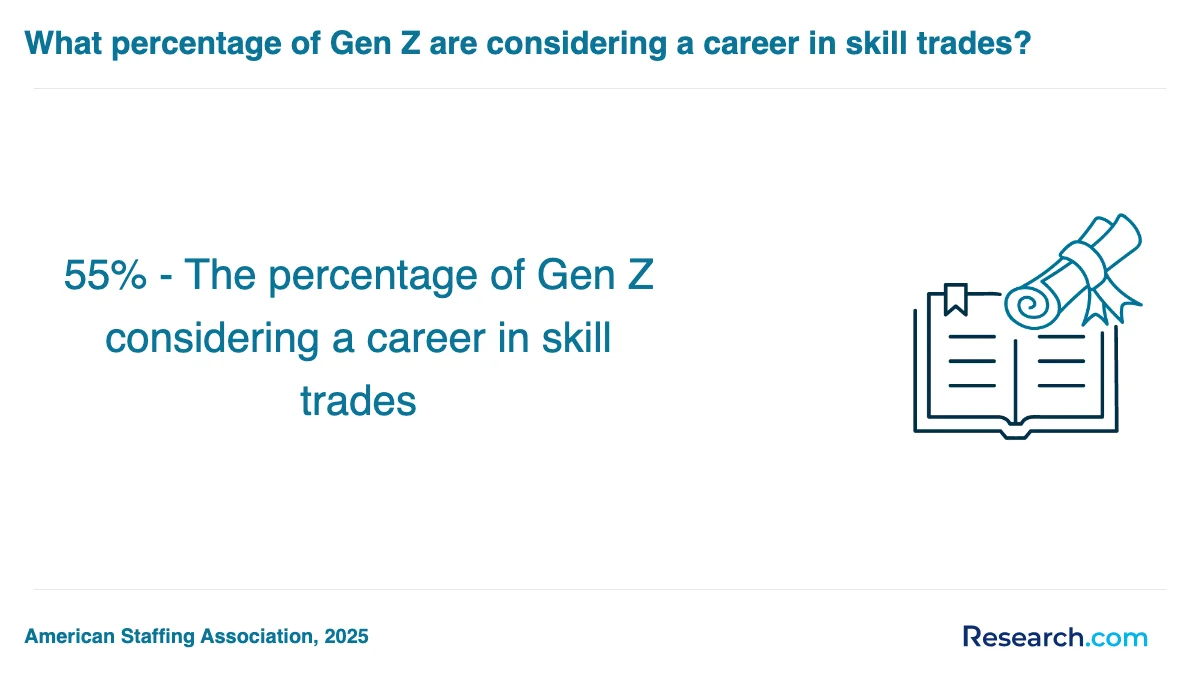
Trade school programs in the District of Columbia typically focus on practical skills that lead directly to employment in high-demand industries. Graduates from popular DC trade schools often share how hands-on experience prepared them for immediate work in fields such as healthcare, information technology, and building trades.
Common courses include:
- Healthcare programs: Medical Assistant and Medical Administrative Assistant training teaches scheduling, billing, patient care, and basic clinical skills.
- Building trades: Students gain expertise in HVAC, plumbing, electrical work, carpentry, and building maintenance through real-world apprenticeships.
- Information technology: Cybersecurity and computer systems courses cover network security, IT troubleshooting, and support roles.
- Other options: Automotive technology, aviation maintenance, and hospitality management also feature prominently in DC trade schools.
Many students appreciate the flexible scheduling that supports working adults and the practical certifications achievable within six to nine months, making education accessible and motivating for busy life circumstances.
Trade school programs in the District of Columbia offer a variety of specializations tailored to meet the needs of today's workforce. Graduates from popular institutions in DC often share how hands-on training in healthcare roles such as clinical medical assistant, nursing assistant, and pharmacy technician directly prepared them for fast-paced medical environments. Others highlight the value of dual credit courses in general nursing or emergency medical technician (EMT) programs, which helped them earn college credits while still in high school, accelerating their career paths.
Construction trades remain a strong focus, with programs specializing in carpentry, electrical work, HVAC, and apartment maintenance. Graduates describe real-world internships where their skills improved city properties and earned them local employer recognition.
Information technology is increasingly popular, with classes in cybersecurity and computer support well-suited to the demand from government agencies and businesses. Many students take advantage of the most affordable online maintenance technician trade programs to enhance their practical skills and job readiness.
- Clinical medical assistant and nursing assistant
- Pharmacy technician and EKG technician
- Carpentry, electrical, HVAC, apartment maintenance
- Cybersecurity and general IT skills
- Early childhood education and micro-entrepreneurship
To select the best trade school programs in District of Columbia, start by confirming the institution's accreditation to guarantee quality education and federal financial aid options. Graduates often emphasize how attending accredited schools like the University of the District of Columbia Community College, known for its construction and hospitality management programs, gave them confidence in their training and career readiness.
Next, examine program offerings to ensure they match your ambitions. Flexible schedules at Career Technical Institute, offering day and evening classes in high-demand fields such as medical assisting, enable working adults to balance life and study effectively. Comparing schools based on these factors helps you understand how to compare trade schools in Washington DC efficiently.
Consider tuition costs and financial aid; some programs, including workplace training at WDLL, come at little to no cost, which motivates many graduates in challenging financial situations. Also, review how student outcomes like job placement affirm program value.
For practical career insights, explore resources highlighting the easiest trades that lead to high paying jobs, guiding your choice toward rewarding fields.
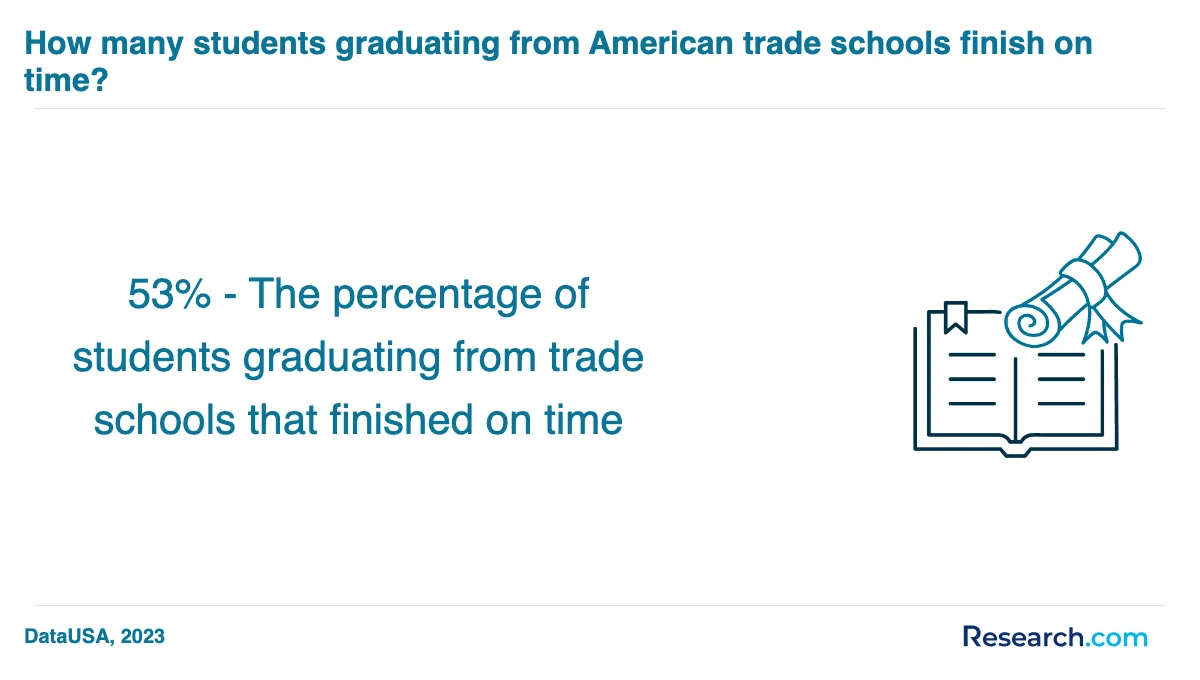
Trade school graduates in the District of Columbia gain access to diverse career pathways that align with the region's economic needs. Popular programs at institutions like the University of the District of Columbia (UDC) Workforce Development equip students with skills for high-demand jobs for DC trade school graduates, such as healthcare roles including clinical medical assistant and pharmacy technician. Graduates often celebrate securing positions in these stable, rewarding fields that contribute directly to the local community's wellbeing.
Many also pursue careers in construction and skilled trades, training in electrical, carpentry, or HVAC fields. Alumni frequently recount hands-on experiences during apprenticeship programs that prepared them for contracts with property management firms or government projects.
Information technology stands out as another lucrative pathway. Programs teaching network administration and cybersecurity allow students to enter roles supporting DC's nonprofit and government sectors.
Students interested in business find robust training in management and marketing, enabling them to thrive in private-sector roles or start their own ventures. Early childhood education and hospitality offer additional career options with strong local demand.
These successful outcomes demonstrate the value of tailored trade training programs, which often include internships and certification opportunities that boost confidence and employability. For a comprehensive understanding of vocation vs trade school, exploring these options helps clarify the best fit for your career goals in DC.
The job outlook for trade school graduates in District of Columbia is exceptionally promising, with a robust demand for skilled workers in areas such as construction, electrical work, HVAC, and welding. Graduates from popular local trade schools often share experiences of quickly landing apprenticeship roles or full-time positions thanks to direct connections these programs maintain with employers. For example, entry-level apprentice electricians in the Green Trades DC program benefit from starting wages above $24 per hour plus full benefits, highlighting the competitive compensation available.
Key factors shaping this strong market include:
- A low ratio of unemployed persons to job openings (just 0.6), meaning more jobs than job seekers
- Thousands of new construction and green energy jobs projected annually due to increased government infrastructure funding
- Trade schools aligning curricula with employer needs for seamless job placement
Students pursuing careers through the best construction trade schools in DC enjoy the advantages of this high demand trade jobs in Washington DC, gaining stability and immediate workforce entry.
These conditions make trade programs in DC a smart investment for those seeking a rewarding, hands-on career with strong future prospects.
Best Trade School & Training Programs - Leading Certification Courses in District of Columbia for 2026
# 1 position
American University - Language Interpretation and Translation.
certificate or diplomaThe Language Interpretation and Translation program at American University offers a hybrid format with some distance education options. It prepares students for careers as professional interpreters and translators, covering multiple languages and specialized topics like simultaneous interpretation and business translation. The annual in-state tuition is $56,543. Graduates earn a median salary of $52,493 one year after completion. The program is accredited by the Middle States Commission on Higher Education.
# 2 position
University of the Potomac-Washington DC Campus - Accounting Technology/Technician and Bookkeeping.
associateThe Accounting Technology/Technician and Bookkeeping program at University of the Potomac-Washington DC Campus prepares individuals to provide technical administrative support to accountants and financial management personnel. The curriculum includes instruction in posting transactions, record-keeping systems, accounting software operation, and general accounting principles. Annual in-state tuition is $6,660. The program is accredited by the Middle States Commission on Higher Education.
# 3 position
University of the District of Columbia - Legal Assistant/Paralegal.
associateThe Legal Assistant/Paralegal program at the University of the District of Columbia is a hybrid program offering some distance-education options. It prepares students to perform research, drafting, investigatory, record-keeping, and related administrative functions under attorney supervision. The curriculum includes legal research, document drafting, pleading, courthouse procedures, and legal specializations. The program is accredited by the Middle States Commission on Higher Education. Annual in-state tuition is $6,152.
# 4 position
University of the District of Columbia - Accounting Technology/Technician and Bookkeeping.
associateThe University of the District of Columbia offers a hybrid program in Accounting Technology/Technician and Bookkeeping that prepares students to provide technical administrative support to accountants and financial personnel. The curriculum includes instruction in posting transactions, record-keeping systems, accounting software, and general accounting principles. Annual in-state tuition is $6,152. The program is accredited by the Middle States Commission on Higher Education.
# 5 position
George Washington University - Criminal Justice/Police Science.
associateGeorge Washington University offers a Hybrid Criminal Justice/Police Science program that trains students in law enforcement duties such as patrol, investigation, traffic and crowd control, evidence management, and crime prevention. The program emphasizes skills including weapon operation and report preparation. Annual in-state tuition is $64,990. The program is accredited by the Middle States Commission on Higher Education, ensuring recognized academic standards.
# 6 position
Strayer University-Global Region - Criminal Justice/Police Science.
associateThe Criminal Justice/Police Science program at Strayer University-Global Region prepares students for roles in law enforcement, focusing on patrol, investigation, traffic and crowd control, witness interviewing, evidence handling, and crime prevention. The curriculum covers weapon operation, equipment maintenance, and report writing. Annual in-state tuition is $13,920. The program is accredited by the Middle States Commission on Higher Education.
# 7 position
Strayer University-Global Region - Accounting Technology/Technician and Bookkeeping.
associateStrayer University-Global Region offers a program in Accounting Technology/Technician and Bookkeeping designed to prepare individuals for technical administrative roles supporting professional accountants and financial managers. The curriculum covers posting transactions, record-keeping systems, accounting software operation, and fundamental accounting principles. The program is accredited by the Middle States Commission on Higher Education. Annual in-state tuition amounts to $13,920.
# 8 position
Strayer University-District of Columbia - Computer and Information Sciences, General.
associateStrayer University-District of Columbia offers a program in Computer and Information Sciences, General, emphasizing computing, computer science, and information science and systems. The program is accredited by the Middle States Commission on Higher Education. Annual in-state tuition is $13,920. This general program is designed without focusing on specific computer science or information science specializations, providing a broad foundation in the field.
# 9 position
Strayer University-District of Columbia - Criminal Justice/Police Science.
associateStrayer University-District of Columbia offers a Criminal Justice/Police Science program designed to prepare students for roles in law enforcement and public security. The curriculum covers patrol duties, investigative activities, traffic and crowd control, witness interviewing, evidence management, crime prevention, and report preparation. The program's annual in-state tuition is $13,920. It is accredited by the Middle States Commission on Higher Education.
# 10 position
Strayer University-District of Columbia - Accounting Technology/Technician and Bookkeeping.
associateStrayer University-District of Columbia offers a program in Accounting Technology/Technician and Bookkeeping designed to prepare students for technical administrative roles supporting professional accountants and financial managers. The curriculum covers posting transactions, record-keeping systems, accounting software, and fundamental accounting principles. Annual in-state tuition is $13,920. The program is accredited by the Middle States Commission on Higher Education.
Frequently Asked Questions about trade school programs
After completing a trade school program in the District of Columbia, preparing for the job market involves several strategic steps. First, graduates should take advantage of career services often provided by trade schools, including resume building, interview preparation, and job placement assistance. The D.C. Department of Employment Services notes that trade-related fields such as construction and healthcare are growing locally, with employment expected to rise by 5% over the next decade.
Networking plays a crucial role; joining local trade unions or professional associations can connect graduates to job openings and apprenticeships. Additionally, obtaining relevant certifications beyond the initial diploma can enhance employability in competitive fields. Building a portfolio of work and gaining internships or part-time experience during schooling also significantly improves job prospects in D.C.'s specialized job market.
Employers in the District of Columbia highly value trade school graduates who demonstrate strong technical skills relevant to their industry. According to the U.S. Bureau of Labor Statistics and local workforce reports, proficiency in areas such as electrical work, HVAC maintenance, and automotive repair ranks among the most sought-after skills.
In addition to technical abilities, employers emphasize problem-solving and teamwork. A 2023 survey by the Greater Washington Partnership highlighted that 68% of local employers prioritize candidates who can adapt to dynamic work environments and communicate effectively.
Certifications like OSHA safety training are also critical, ensuring graduates meet industry safety standards.
Finding internships related to your trade school program in the District of Columbia involves several proactive steps. Start by contacting your trade school's career services office, as many schools maintain partnerships with local employers and can connect you to opportunities. Additionally, use platforms like the DC Department of Employment Services, which offers resources specifically targeted to local job seekers, including internship listings.
Networking is vital in DC's competitive market. Attend local job fairs, industry meetups, and trade-specific events where employers actively recruit interns. According to the National Association of Colleges and Employers, about 60% of internships in metropolitan areas like DC lead to job offers, highlighting the importance of these connections.
Lastly, consider federal government internships, as many agency programs offer positions for trade students in fields like construction, IT, and healthcare, reflecting the area's strong public-sector employment base.
In District of Columbia, obtaining a trade school diploma can significantly enhance career mobility and advancement opportunities. According to data from the U.S. Bureau of Labor Statistics, many skilled trades in the DC metro area offer competitive salaries with lower educational costs compared to traditional four-year degrees.
Trade school graduates in fields such as electrical work, plumbing, and healthcare commonly experience faster entry into the workforce. This practical education aligns with local industry demands, improving job placement rates. For instance, the DC Workforce Investment Council reports that over 70% of trade school completers find employment within six months, often in higher-paying roles than those without credentials.
Moreover, trade credentials are increasingly recognized by employers seeking specialized skills, which fosters upward mobility through promotions and wage increases. This makes trade diplomas a valuable investment for adult learners and career changers in the District seeking economic stability and growth.
Part-time job opportunities in the District of Columbia that complement trade school education often align with in-demand local industries such as healthcare, construction, and information technology. For example, students studying in healthcare programs can find roles as medical assistants, phlebotomists, or pharmacy technicians, which provide valuable hands-on experience and typically offer flexible hours. According to the U.S. Bureau of Labor Statistics, the Washington metropolitan area, which includes D.C., expects growth in these sectors over the next decade.
Construction-related trade students may work part-time as laborers or apprentice electricians, gaining practical skills while earning.
IT students in D.C. have opportunities like help desk technicians or junior network administrators, which complement certifications earned in trade schools.
The availability of such jobs reflects the city's diverse economy and strong emphasis on skilled labor.
To choose the best degree program near me, particularly near District of Columbia, begin by identifying programs that align with your career goals and academic interests. Utilize resources like Research.com to compare program offerings, faculty expertise, facilities, and student support services in the area. Consider visiting universities near District of Columbia to explore their campuses and connect with current students and faculty to gather firsthand insights into potential degree programs.
- Best Trade School & Training Programs - Leading Certification Courses in Montana for 2026
- Best Trade School & Training Programs - Leading Certification Courses in Utah for 2026
- Best Trade School & Training Programs - Leading Certification Courses in Colorado for 2026
- Best Trade School & Training Programs - Leading Certification Courses in Oklahoma for 2026
- Best Trade School & Training Programs - Leading Certification Courses in Texas for 2026
- Best Trade School & Training Programs - Leading Certification Courses in Minnesota for 2026
- Best Trade School & Training Programs - Leading Certification Courses in Missouri for 2026
- Best Trade School & Training Programs - Leading Certification Courses in Arkansas for 2026
- Best Trade School & Training Programs - Leading Certification Courses in Louisiana for 2026
- Best Trade School & Training Programs - Leading Certification Courses in Illinois for 2026
- How to Be an Apprentice | does https://does.dc.gov/service/how-be-apprentice
- Career and Technical Education (CTE) | osse https://osse.dc.gov/service/career-and-technical-education-cte
- Career Training - SOME (So Others Might Eat) https://some.org/services/education-workforce-development/career-training/
- Four Walls Career and Technical Education Center – Serving adults and family educational needs https://fourwallsctec.org/
- Career Technical Institute - Career Training - Washington D.C. https://careertechnical.edu/
- Workforce Development and Lifelong Learning | UDC | University of the District of Columbia https://www.udc.edu/workforce-development/
- Skilled Trades and Job Training: 10 Top Trade Schools and Training Programs in the Washington D.C. Metropolitan Area – Parents Supporting Educational Excellence https://parentssupportingeducationalexcellence.com/uncategorized/skilled-trades-and-job-training-10-top-trade-schools-and-training-programs-in-the-washington-d-c-metropolitan-area/
- Programs - DC CTE - Career & Technical Education https://careertechdc.org/programs
- Learn a Trade | DC Builds DC https://www.dcbuildsdc.com/the-skilled-trades
- Trade Schools, What Are The Benefits - InterCoast Colleges https://intercoast.edu/articles/benefits-of-trade-schools/


