
Best Trade School & Training Programs - Leading Certification Courses in Huntsville for 2026

Co-Founder and Chief Data Scientist
If you’re exploring career paths that offer hands-on skills and quick entry into the workforce, trade schools in Huntsville might be the perfect fit. This article introduces a trade school programs ranking created by the Research.com team of data scientists to guide you through the top local options.
Discover programs that align with your goals and unlock opportunities for certification or diplomas that employers value. Reading this will help you make an informed choice and feel confident about investing in your future with a practical education.
Key benefits of finishing trade school programs trade school in Huntsville
- Expected salary: Trade school graduates in Huntsville can earn between $45,800 and $73,900 annually, with roles like plumbing, electrical, and HVAC often starting at $40,000 to $50,000 and skilled contract jobs paying $50 to $75 per hour.
- Popular career paths: Many graduates pursue hands-on trades such as welding, general repair, or specialized fields linked to Huntsville's aerospace and technology sectors, offering strong job security and growth.
- Online education benefits: Earning a trade diploma online offers flexible scheduling and faster completion, which helps students balance work and life while quickly entering rewarding careers.
- Best Trade School & Training Programs - Leading Certification Courses in Huntsville for 2026
- What can I expect from trade school programs trade schools in Huntsville?
- Where can I work after finishing trade school programs trade schools in Huntsville?
What can I expect from trade school programs trade schools in Huntsville?
The average cost of a trade school program in Huntsville typically ranges from $5,000 to $15,000, depending on the length and specialization of the course. Graduates from popular schools recall that affordability was a major factor in their decision, especially compared to traditional four-year colleges. Many took advantage of financial aid options offered locally, which helped reduce out-of-pocket expenses significantly.
Students often find value in hands-on learning environments that focus on practical skills and industry credentials. For example, programs in construction, healthcare, or automotive repair provide immersive experiences similar to what the North Alabama Homebuilding Academy offers, where graduates appreciate gaining real-world skills that prepare them for immediate employment.
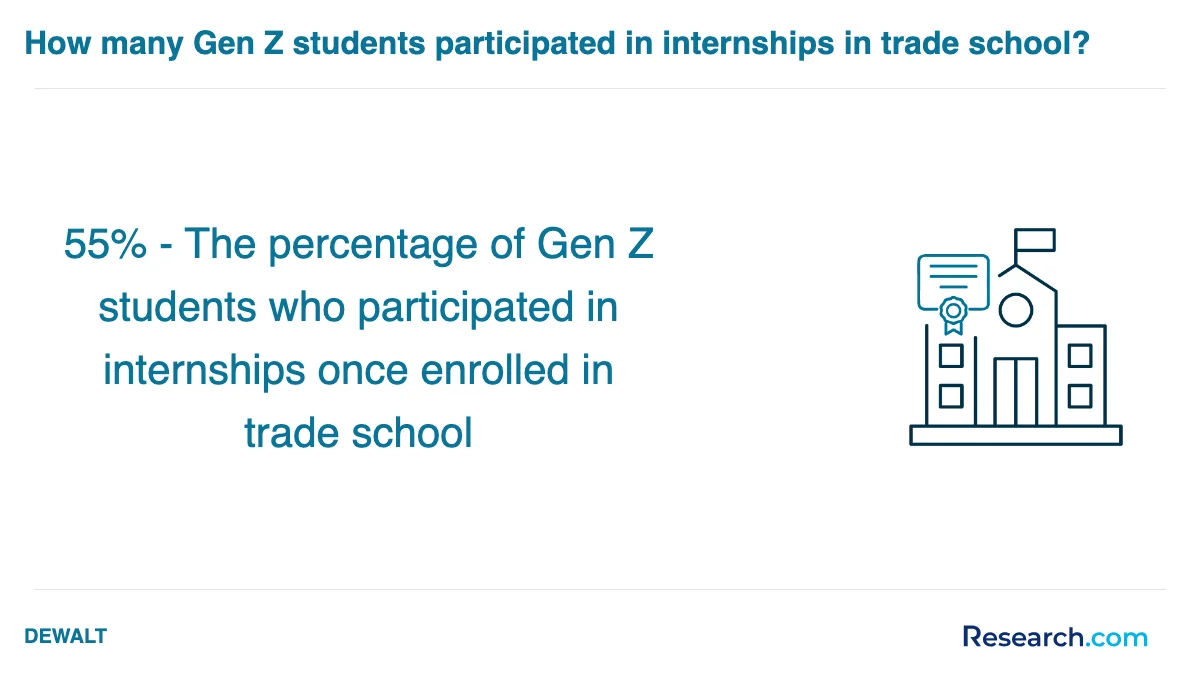
Internships and co-op opportunities with Huntsville employers also enhance the learning process, making the cost feel like an investment in a promising career. Flexible scheduling and online options make it easier for working adults or parents to balance education and life commitments without incurring extra costs for lost time.
Overall, the balance of cost, hands-on training, and quick entry into high-demand jobs makes Huntsville trade schools a practical and rewarding choice.
Where can I work after finishing trade school programs trade schools in Huntsville?
After completing a trade school program in Huntsville, many graduates quickly find rewarding employment in thriving local sectors like construction, manufacturing, and public services. For example, graduates from popular trade schools often land roles as electricians, HVAC technicians, welders, or pipefitters at well-established companies eager for skilled tradespeople. These jobs offer starting wages around $31.81 per hour, reflecting the city's strong demand for hands-on expertise.
Many graduates share how apprenticeship programs, such as those supported by the North Alabama Craft Training Foundation, helped them gain real on-the-job experience while earning. This approach fast-tracks their careers, leading to supervisory positions or launching their own contracting businesses. Others find exciting opportunities in Huntsville's growing tech scene, taking on roles like cybersecurity specialists or software technicians after short, targeted training.
With ongoing local hiring events and workforce programs, trade school grads in Huntsville regularly connect directly with employers who value their practical skills and ready-to-work mindset, making job searches feel optimistic and achievable.
After finishing a trade school program in Huntsville, graduates typically earn around $66,164 per year, or about $31.81 per hour as of June 2025. This is notably higher than Alabama's statewide average of $60,863 annually. Many graduates from popular trade schools in Huntsville share how quickly they transitioned into steady jobs with strong pay. For example, those trained in skilled trades like plumbing, electrical work, or HVAC often start with competitive wages and see steady increases as they gain experience.
Hands-on training and certifications offered locally enable these graduates to tap into Huntsville's booming industries, such as advanced manufacturing and aerospace, where demand for skilled workers is high. Some workers in handyman services, for instance, report earning between $50 and $75 per hour once they establish themselves independently.
This means completing a trade program in less than two years can lead you to a career path offering both financial stability and growth, often exceeding what many entry-level four-year degree holders make.
- Applicants generally need a high school diploma or GED, official transcripts, and must complete an online application; some programs require interviews or additional criteria.
- Tuition varies widely, from about $1,800 to $10,500 at public centers, and $14,200 to $15,990 at private trade schools like Ross Medical Education Center.
- Program lengths typically range from nine months to two years, with examples like a five-semester program lasting about two years including paid work experience.
- Career options include allied health, welding, automotive technology, manufacturing, and IT, with certifications like ASE, NCCER, or healthcare credentials improving job prospects.
- Entry-level salaries are usually between $35,000 and $50,000 per year, rising to $60,000 or more with experience and certifications in high-demand fields.
Completing a trade school program in Huntsville can take anywhere from a few weeks to several years, depending on the field and training depth. Graduates of the North Alabama Homebuilding Academy often describe their 16-class construction bootcamp as an intensive, fast-paced experience that equips them with practical skills in just weeks. This rapid entry into trades like carpentry and HVAC appeals to those eager to start earning quickly.
Others pursuing certificates at Drake State Technical & Community College appreciate the flexibility and efficiency of programs lasting about four weeks, such as heavy equipment operation. Meanwhile, some who enrolled in the college's longer business development tracks felt motivated by the five-month duration, finding it just right for mastering essential skills without overwhelming their schedules.
For those aiming higher, cosmetology students at Virginia College-Huntsville often share pride in completing their comprehensive 12-month diplomas, which open doors to stable careers. On the other hand, apprentices at Huntsville Hospital invest four years in hands-on electrical training, valuing the blend of paid work and instruction that leads to advanced certification and job security.
Huntsville's variety of online and flexible trade programs also helps students balance education with life, allowing personalized pacing while keeping career goals in sight.
The key difference between online and on-campus trade school programs in Huntsville lies in how students engage with their learning. Online programs, like those from the University of Alabama in Huntsville or J. F. Drake State Community and Technical College, offer flexibility for students balancing work or family life. Graduates often share how being able to study anytime and anywhere helped them stay motivated and manage their busy schedules without stress. For example, about 44% of J. F. Drake State students take some courses online, benefiting from asynchronous classes where assignments fit around their daily routines.
On the other hand, on-campus programs, such as those at Madison County Career Tech Center, provide direct hands-on experience critical in fields like welding, automotive tech, and health sciences. Students appreciate the immediate feedback from instructors and real-time practice in labs, which can boost confidence and skill mastery. These in-person programs are essential for trades requiring physical certification tests and access to specialized equipment.
Both formats have similar tuition at public schools, but online options reduce costs like commuting, making education more accessible in Huntsville.
The average trade school tuition in Huntsville generally falls between $5,000 and $15,000. For instance, J. F. Drake State Community and Technical College, a well-regarded local choice, charges in-state undergraduates about $3,930 annually, while out-of-state tuition is roughly double that at $7,860. Graduates often highlight how manageable these costs feel especially when paired with local living accommodations, which can significantly affect total expenses.
Huntsville Alabama trade school costs also take into account additional fees, supplies, and living expenses. Students living with family report total costs around $5,610 per year, which helps ease financial pressure. Independent students, who budget for rent and food, can expect to pay closer to $14,310 annually. These variations make clear how factors like residency and living arrangements play a major role in shaping the overall investment in education.
Those pursuing more specialized programs, such as health sciences or advanced manufacturing, may encounter higher fees due to necessary equipment and materials. Financial aid options, including state scholarships and federal grants, are often available, making trade education in Huntsville more accessible. Exploring the difference between trade school and vocational programs can also provide helpful context here.

Trade school students in Huntsville can access several practical financial aid options to ease tuition and living costs. The most common aid is federal financial assistance, which starts by completing the FAFSA. This step unlocks benefits like Pell Grants, with awards up to $7,395 for the 2025-26 year, depending on your financial situation and how many classes you take.
Many students at institutions like J.F. Drake State Community and Technical College find scholarships invaluable. These awards can cover up to $7,000 over two semesters, going beyond tuition to include books and supplies. Students who maintain a 3.0 GPA or participate actively in school programs often qualify, making it rewarding to stay involved and focused.
Work-study programs are another great avenue, allowing students to earn money while gaining useful job experience. Several Huntsville trade schools offer these positions, often on campus, which help balance education costs without overwhelming schedules.
Local grants through the Alabama Community College System and school-specific aid provide further support, so checking with your school's financial aid office early can maximize your opportunities.
To enroll in a trade school program in Huntsville, students must first have a high school diploma or a GED equivalent recognized by the state. Graduates from Drake State Community & Technical College often recall this as the straightforward first step that opened doors to technical skills and career growth.
Applicants need to submit official transcripts from all previous schools. Those with foreign transcripts should use approved evaluation services like NACES to ensure their records meet U.S. standards-this has helped many international students feel confident and welcomed.
Specific programs may require more:
- The Radiologic Technology program at Huntsville Hospital requires applicants to be at least 18 years old and have an ACT score of 18 or higher.
- A $30 application fee and a 12-hour clinical observation are mandatory for clinical experience.
- Additional steps can include interviews, drug screens, physical exams, and background checks to guarantee readiness for hands-on training.
Many trade schools also offer dual enrollment options for high school students, providing a seamless transition and extra motivation to kick-start their careers early.
Trade school programs in Huntsville focus on practical skills that lead directly to employment, with courses tailored to local industry needs. Graduates from programs like those at the Madison County Career Tech Center report hands-on learning in fields such as:
- Health science specialties, including medical assisting and pharmacy technology
- Automotive technology with ASE certification preparation
- Welding and manufacturing techniques
- Building trades like carpentry, electrical, and plumbing
- STEM disciplines and engineering technology
At the North Alabama Homebuilding Academy, students appreciate core courses covering construction safety and power tool operation before choosing a trade focus. Many emphasize the benefit of blending classroom theory with real-world projects, which builds confidence and work readiness.
Programs at Ross Medical Education Center highlight the value of lab time for medical billing and coding, helping graduates step into jobs quickly. Online options meanwhile offer flexible schedules in welding and electrician training, making it possible to balance school with family or work.
Many find that achieving industry-recognized certifications like NCCER or ASE in Huntsville ensures their skills are trusted by employers local and beyond, providing a clear path to rewarding careers.
Trade school programs in Huntsville offer a wide array of specializations tailored to meet local job market demands. Graduates from schools like Ross Medical Education Center often highlight personal success in healthcare fields such as medical assisting, pharmacy technology, and veterinary assisting, where hands-on training leads directly to employment. Others find rewarding careers through Madison County Career Tech Center or J.F. Drake State Community & Technical College, which provide certifications in practical nursing and phlebotomy recognized by industry professionals.
Technical trades are another strong focus. Students at Huntsville trade schools gain practical skills in welding, automotive technology, building construction, and precision machining, often earning certifications like NCCER or ASE that open doors to well-paying jobs. Business and IT are also popular; programs cover accounting, cybersecurity, and web development, reflecting the city's growing tech sector.
Personal service options such as cosmetology and child care prepare students for licensure and local careers. Many who graduate describe the practical, career-focused approach as empowering and relevant. For more on quality training options, explore the top online vocational trade schools.
Choosing the best trade school program in Huntsville starts with identifying your field of interest, whether it's automotive technology, welding, or health sciences. Graduates from J.F. Drake State Community and Technical College often share how the school's accredited programs and flexible schedules made balancing work and study more manageable, boosting their confidence throughout the training. Emphasizing accreditation is crucial, as recognized credentials open doors to better job opportunities.
When comparing programs, including how to compare Huntsville trade school costs, consider tuition and financial aid. Some technical centers offer tuition as low as $1,800, while private institutions may reach beyond $15,000. Scholarships and payment plans have helped many students ease financial burdens, letting them focus on learning and career growth.
Look for trade schools that prepare you for industry certifications like ASE or NCCER. Hands-on experiences and job placement rates should also guide your decision, as these outcomes reflect strong employer partnerships that graduates appreciate. For insights into affordable carpentry options, check out most affordable online carpentry trade school programs.

Trade school career opportunities in Huntsville offer a wide range of high-demand paths tailored to the city's economic growth. Graduates from popular local trade schools often pursue in-demand skilled trades in Huntsville Alabama such as electrician, HVAC technician, plumber, and brick mason. Many find rewarding entry-level apprenticeships with excellent potential for career growth into project supervision or business ownership, reflecting real success stories of former students who now lead their own firms.
Beyond skilled trades, the booming tech and advanced manufacturing sectors in Huntsville provide promising roles in cybersecurity, software development, and data analytics. Graduates with skills in Java, Python, and cybersecurity report starting salaries well above local averages, making these technical paths attractive options.
Healthcare certifications in areas like medical assisting and allied health support also prepare graduates for stable careers with hands-on education directly linked to local employer needs.
- Career advancement through CTSOs such as SkillsUSA and HOSA enhances leadership and networking opportunities.
- Flexible options for additional certifications, including low cost flooring installers certification online, complement career growth.
The trade school job opportunities in Huntsville are robust, with employers constantly seeking skilled graduates in areas like electrical work, welding, and construction management. Graduates from well-known local trade schools often find themselves quickly employed due to strong connections between schools and local businesses. Many benefit from hands-on apprenticeships that emphasize practical experience, making the transition to full-time roles seamless and rewarding.
For those exploring skilled trade employment outlook Huntsville offers, there are more than 100 active listings for trades such as pipefitting and millwrighting at any given time. Graduates report feeling confident entering the job market because of the competitive starting salaries and benefits packages available, including health insurance and retirement plans.
Networking events like Huntsville's Trades Career Expo make it easy to connect directly with employers, and the city's investment in workforce programs ensures ongoing demand. Many students choose trade programs because they want to quickly train for high-demand roles that provide stability. To explore options for easy-to-learn trade jobs that lead to high paying careers, check out easy to learn trade jobs that lead to high paying careers.
Best Trade School & Training Programs - Leading Certification Courses in Huntsville for 2026
# 1 position
Ross Medical Education Center-Huntsville - Dental Assisting/Assistant.
certificate or diplomaThe Dental Assisting/Assistant program at Ross Medical Education Center-Huntsville prepares students to provide patient care and perform dental radiographs under supervision. The hybrid program includes training in medical record-keeping, office duties, patient intake, scheduling, equipment maintenance, sterilization, chairside assisting, and taking tooth impressions. Graduates earn a median income of $23,566 one year after completion. The program is accredited by the Accrediting Bureau of Health Education Schools.
# 2 position
Ross Medical Education Center-Huntsville - Veterinary/Animal Health Technology/Technician and Veterinary Assistant.
certificate or diplomaA program at Ross Medical Education Center-Huntsville prepares individuals to assist veterinarians and zoological professionals in patient care and clinical procedures. Instruction covers animal nursing, health, nutrition, handling, clinical pathology, radiology, anesthesiology, dental prophylaxis, surgical assisting, laboratory procedures, office administration, and owner communication. The program is accredited by the Accrediting Bureau of Health Education Schools.
# 3 position
Huntsville Bible College - Information Technology.
associateHuntsville Bible College offers a hybrid Information Technology program designed to teach the design of technological information systems as solutions for business and research needs. The curriculum covers computer hardware and software, algorithms, databases, telecommunications, application testing, and human interface design. Annual in-state tuition is $4,730. The program is accredited by the Association for Biblical Higher Education, providing a flexible option with some distance-education components.
# 4 position
Huntsville Bible College - Business Administration and Management, General.
associateHuntsville Bible College offers a fully online program in Business Administration and Management, General. The curriculum prepares students to plan, organize, direct, and control business functions, covering management theory, human resources, accounting, logistics, marketing, and decision-making. The annual in-state tuition is $4,730. The program is accredited by the Association for Biblical Higher Education.
# 5 position
J. F. Drake State Community and Technical College - Computer and Information Sciences, General.
associateJ. F. Drake State Community and Technical College offers a hybrid program in Computer and Information Sciences, General, focusing on computing, computer science, and information systems. The program is accredited by the Southern Association of Colleges and Schools Commission on Colleges. Annual in-state tuition is $5,130. This general program is undifferentiated by specific titles or content within computing and related support services.
# 6 position
J. F. Drake State Community and Technical College - Business Administration and Management, General.
associateJ. F. Drake State Community and Technical College offers a Business Administration and Management, General program with a hybrid format that includes some distance education options. The program prepares students to manage and direct various business functions, covering management theory, human resources, accounting, purchasing, logistics, marketing, and decision-making. Annual in-state tuition is $5,130. The program is accredited by the Southern Association of Colleges and Schools Commission on Colleges.
# 7 position
J. F. Drake State Community and Technical College - Nursing Assistant/Aide and Patient Care Assistant/Aide.
certificate or diplomaThe Nursing Assistant/Aide and Patient Care Assistant/Aide program at J. F. Drake State Community and Technical College offers a hybrid format with some distance-education options. It prepares students to provide routine nursing-related care to patients in hospitals or long-term care facilities under supervision. The program’s annual in-state tuition is $5,130. It is accredited by the Southern Association of Colleges and Schools Commission on Colleges.
# 8 position
J. F. Drake State Community and Technical College - Electrician.
certificate or diplomaJ. F. Drake State Community and Technical College offers a Hybrid Electrician program designed to equip students with technical skills to install, operate, maintain, and repair electrical systems in residential, commercial, and industrial settings. The curriculum covers wiring, motors, controls, safety, electrical testing, and applicable codes. Annual in-state tuition is $5,130. The program is accredited by the Southern Association of Colleges and Schools Commission on Colleges.
# 9 position
J. F. Drake State Community and Technical College - Welding Technology/Welder.
certificate or diplomaJ. F. Drake State Community and Technical College offers a Welding Technology/Welder program with a hybrid format that includes some distance education. The curriculum covers key welding techniques such as arc welding, resistance welding, brazing, soldering, and high-energy beam welding. Students learn about materials, welding metallurgy, safety, and applicable codes. The program is accredited by the Southern Association of Colleges and Schools Commission on Colleges. Annual in-state tuition is $5,130.
Frequently Asked Questions about trade school programs
Preparing for the job market after completing trade school in Huntsville involves a combination of practical skills and strategic planning. Graduates should begin by obtaining relevant industry certifications, which can increase employability in fields like HVAC, automotive technology, or electrical work. According to the U.S. Bureau of Labor Statistics, trade careers in Alabama are projected to grow by 8% through 2030, indicating strong job prospects.
Networking locally is vital. Huntsville's growing manufacturing and aerospace sectors often seek skilled technicians. Joining local trade unions or professional associations can provide valuable connections and job leads. Additionally, many trade schools in Huntsville offer job placement services and internships, which link students directly with employers.
Building a professional resume that highlights hands-on experience and certifications is essential. Continuous learning, including staying current with evolving technologies and tools, further enhances career readiness. This approach equips graduates to successfully enter Huntsville's competitive job market.
Employers in Huntsville highly value trade school graduates who demonstrate strong technical skills specific to their industry. For instance, expertise in areas like HVAC, welding, automotive repair, and electrical systems ranks among the top skills sought by local employers, according to the Alabama Department of Labor.
In addition to technical ability, soft skills such as problem-solving, communication, and teamwork are crucial. A 2023 survey by the National Skills Coalition highlights that 78% of Alabama employers prioritize these interpersonal skills alongside formal training.
Attention to detail and adaptability are also frequently mentioned by Huntsville employers, especially in rapidly evolving fields like manufacturing and aerospace. These competencies improve job performance and safety on the worksite.
Finding internships in Huntsville relevant to your trade school program involves several strategic steps. Start by contacting the career services office at your trade school, as many local businesses collaborate directly with schools to offer internship opportunities. Huntsville's economy, with strong aerospace, defense, and manufacturing sectors, provides numerous openings for trades such as electronics, welding, and HVAC.
Utilize local job boards like the Huntsville-Madison County Chamber of Commerce website, which often lists internships suitable for trade students. Networking events, held regularly by organizations such as the Tech Huntsville Alliance, can also connect you with employers actively seeking interns.
Additionally, platforms like AlabamaWorks! support apprenticeships and internships aimed at career readiness. According to recent reports from the Alabama Department of Labor, Huntsville shows a 5% year-over-year growth in technical internship listings, reflecting expanding opportunities for trade students.
In Huntsville, earning a trade school diploma significantly enhances career mobility by equipping students with specialized skills in high-demand industries such as aerospace, manufacturing, and information technology. According to the Alabama Department of Labor, local employers increasingly seek candidates with practical, job-ready expertise, leading trade school graduates to faster employment compared to those with general education credentials.
Furthermore, the U.S. Bureau of Labor Statistics reports a 10% growth in skilled trades jobs in the Huntsville area over the past five years, which supports ongoing advancement opportunities. Trade diplomas allow workers to qualify for promotions or higher-paying roles more quickly, often bypassing the need for lengthy college degrees. This makes trade education a practical path for social and economic mobility within the region.
In Huntsville, part-time job opportunities that complement trade school education often align with the city's strong aerospace, manufacturing, and construction sectors. Students enrolled in electrical, mechanical, or HVAC programs can find roles such as apprentice electricians, maintenance technicians, or assistant HVAC installers. These positions provide practical experience alongside academic training, improving job readiness after graduation.
According to the Alabama Department of Labor, Huntsville's part-time jobs in skilled trades have seen a modest growth of 4% annually, reflecting steady local demand. Retail and customer service roles in hardware stores also offer flexible hours and relevant industry exposure. Students benefit from these opportunities by gaining hands-on skills while managing their coursework effectively.
Yes, there are many reputable degree programs available near Huntsville, AL, offered by universities such as the University of Alabama in Huntsville and Alabama A&M University. These institutions provide a range of programs in engineering, business, and the sciences, making them accessible for students searching for options near me or who reside near Huntsville, AL. Research.com can be a helpful resource in identifying programs that align with specific educational and career goals.
- Best Trade School & Training Programs - Leading Certification Courses in Florence for 2026
- Best Trade School & Training Programs - Leading Certification Courses in Little Rock for 2026
- Best Trade School & Training Programs - Leading Certification Courses in Springfield for 2026
- Best Trade School & Training Programs - Leading Certification Courses in Angola for 2026
- Best Trade School & Training Programs - Leading Certification Courses in Adrian for 2026
- Best Trade School & Training Programs - Leading Certification Courses in Akron for 2026
- Client Challenge https://www.huntsvillecityschools.org/page/career-technical-education
- Career Pathways & Programs - Drake State Community & Technical College https://drakestate.edu/career-pathways-programs/
- Career Training | Calhoun Community College https://calhoun.edu/programs-training/career-training/
- Trades Career Expo - City of Huntsville https://www.huntsvilleal.gov/city-calendar-event/trades-career-expo/
- Find The Best Trade Schools In Alabama https://www.accreditedschoolsonline.org/vocational-trade-school/alabama/
- UAH | Academics | The University of Alabama in Huntsville https://www.uah.edu/academics
- Project Search | The Arc https://hsvarc.org/program-services/project-search/


