
Best Certificate Programs - Leading Certification Courses in New York for 2026

Co-Founder and Chief Data Scientist
Choosing the right trade school program can shape your future career and open doors to new opportunities in New York. This article introduces the best certificate programs for 2026, designed specifically to guide you toward practical and rewarding paths.
The ranking featured here was developed by the Research.com team of data scientists to help you make an informed decision. With clear insights on valuable programs, you can confidently select a certificate that matches your goals and passions.
Getting certified at a trade school offers hands-on skills, faster entry into the workforce, and a strong foundation for lifelong success. Your journey starts here.
Key benefits of getting trade school certificate in New York
- Trade school graduates in New York often earn between $55,200 and $109,403 annually, with electricians making $45,000-$130,000 depending on experience, showcasing strong salary potential.
- Popular careers for certified graduates include electricians and wind turbine service technicians, offering exciting opportunities in skilled trades with growth and high demand.
- Completing a trade school certification online allows flexibility and faster entry into the workforce, as many graduates from well-known New York online programs report quicker job placement and balanced learning schedules.
- Best Certificate Programs - Leading Certification Courses in New York for 2026
- What can I expect from trade school certification programs in New York?
- Where can I work with trade school certification in New York?
What can I expect from trade school certification programs in New York?
Expecting an average cost for trade school certification programs in New York, graduates often mention tuition ranging from $5,000 to $15,000 depending on the program length and specialization. For example, those who completed the Applied Skilled Trades Program (ASTP) found that the tuition was balanced by extensive on-the-job training, making the investment feel practical and rewarding. Many students remark on how the combination of classroom instruction and hands-on learning-like wiring circuits in electrical courses or framing in carpentry-offers an immersive experience worth every penny.
The vibrant trade schools popular in New York provide more than just education; they offer connections with local employers and internships that amplify the value beyond tuition costs. Graduates often share how their OSHA safety certifications and work ethics modules opened doors quickly after completing programs typically lasting a few months to two years. This structured approach, aligned with real-world job demands, helps students clearly see their return on investment and feel genuinely excited about launching their new careers.
Where can I work with trade school certification in New York?
After finishing a trade school certification program in New York, the world of work opens up with exciting and practical opportunities. Graduates from popular trade schools across the state often find themselves stepping into roles as electricians, plumbers, or HVAC technicians, all highly sought after in bustling cities like New York City. Imagine joining a team upgrading skyscraper systems or helping keep vibrant neighborhoods powered and comfortable.
Others dive into healthcare support, becoming medical or dental assistants in hospitals and clinics, where every day offers meaningful connections with patients. These roles offer the rewarding feeling of making a real difference while enjoying strong job growth statewide.
Manufacturing trades also beckon, with jobs in aerospace or electronics firms that prize precision skills learned at local trade schools. Maintenance technicians and building engineers transform commercial and residential spaces, keeping the city running smoothly behind the scenes.
From hands-on craftsmanship to technical expertise, trade school graduates in New York embark on careers filled with stability, pride, and a genuine sense of accomplishment.
After finishing a trade school certification program in New York, many graduates are surprised by the earning power they unlock so quickly. Imagine walking out with your electrician certification and starting at $45,000 to $60,000 a year-enough to cover rent, bills, and even save a little. With a few years under your belt, you could be earning between $90,000 and $130,000, especially if you specialize in high-voltage or industrial systems. Graduates from popular New York trade schools often share stories of landing HVAC technician roles making around $51,390 annually or stepping into solar photovoltaic installer positions at about $48,800.
Trade school alumni proudly tell how their medical sonographer certifications translate to nearly $81,350 a year, working in bustling city hospitals. Even skilled tradesmen just starting can expect wages above $56,000, rising steadily with experience. These bright futures are not just numbers-they are real lives changing, with trade schools across New York sparking careers that feel both secure and adventurous.
- Marcus: The HVAC certification program in New York gave me hands-on training that truly prepared me for the workforce. The instructors were supportive, and I secured a job at a top firm within weeks. The practical skills I gained boosted my confidence and opened doors I never expected.
- Jasmine: Enrolling in the culinary arts certification was life-changing! Studying in New York's vibrant food scene inspired me daily. The blend of theory and real kitchen experience helped me land a role as a pastry chef. It felt amazing turning my passion into a rewarding career.
- Ethan: Getting my electrician certification in New York was intense but incredibly rewarding. The program balanced classroom learning with fieldwork, making me job-ready fast. Today, I work on major city projects and feel proud contributing to New York's growth. This trade school truly transformed my future.
- Trade school certification in New York requires education plus work experience, with an associate's degree needing two years of experience and a high school diploma requiring four years plus passing a skills test.
- Certifications may include industry-specific credentials or licensure, especially in health sciences like dental assisting.
- Registered apprenticeships combine on-the-job training with classroom instruction and may lead to a Certificate of Completion and sometimes an associate degree.
- Tuition for certification programs generally ranges from $5,000 to $15,000, with financial aid and government grants available for eligible students.
- Entry-level salaries range from $40,000 to $55,000 annually, with experienced professionals earning between $70,000 and $90,000 in high-demand trades.
Curious about how long it takes to complete a trade school certification program in New York? Most graduates share a similar story: their journey ranges from just a few weeks to about two years, depending on their chosen trade and schedule. Imagine diving into a welding course that finishes in mere months, opening doors to a new career with hands-on skills sharpened rapidly. Others, like aspiring electricians or HVAC technicians, embraced more comprehensive two-year programs that blend classroom learning with intensive on-the-job training, building confidence and expertise step by step.
Graduates from New York's Applied Skilled Trades Program often recount balancing classroom hours with thousands of real-world work hours, feeling empowered as they advanced toward journey-level positions. Many also opt for flexible part-time studies, working around family or jobs, extending their timeline but maintaining steady progress. Whether you choose the accelerated path or a paced approach, the appealing truth is that New York trade schools make career shifts accessible and exciting, all within a timeframe far shorter than a traditional college degree.
Diving into trade school certification in New York reveals a vibrant contrast between online and on-campus experiences. Imagine a busy parent enrolled in NYU School of Professional Studies, juggling work and family while accessing lectures from their living room at midnight. This flexibility lets students progress at their own pace, earning digital certificates they proudly display on LinkedIn. The freedom to study anywhere turns learning into an adventure tailored to individual rhythms.
On the flip side, picture a hands-on trainee at the NYC Carpenters Training Center, feeling the grain of wood under their fingertips, guided in real time by skilled instructors. Here, direct interaction and access to professional tools offer a tactile, immersive feel that digital classes can't fully replicate. The energy of in-person camaraderie and instant feedback creates a dynamic learning environment charged with momentum and real-world relevance.
Moreover, on-campus programs often connect students directly with local apprenticeships and unions-critical stepping stones for trades requiring physical skill and licensure. Meanwhile, online paths offer affordability and schedule freedom, making them ideal for those balancing life's many demands in New York's bustling pace.
The average cost of trade school in New York typically falls between $16,000 and $22,000 for a full certification program, though this can vary widely based on the school and field. Many graduates recall juggling budgeting for tuition while learning hands-on skills, whether in bustling New York City or quieter upstate areas. Public trade programs, like those connected to BOCES or the CUNY system, offer more wallet-friendly options, with annual costs around $5,600, making technical certificates more accessible to adventurous learners eager to launch new careers without a mountain of debt.
For students drawn to beauty or skilled trades, specialized schools such as Aveda Institute or Apex Technical School become exciting playgrounds of creativity and craftsmanship, where tuition might range from just under $10,000 to about $18,000. Graduates often share how these programs blend passion and practical skill without the overwhelming cost of private universities, yet still deliver high quality training and certification.
Some seek premium or advanced programs, especially in healthcare or creative media, where annual fees may stretch from $23,500 up to $42,500. But hopeful students can also explore tuition-free pathways like the School for Cooperative Technical Education in NYC or apply for wide-ranging financial aid options that lighten the financial load.
Curious explorers eager to find budget-savvy paths can check out affordable online freight broker trade school programs to see how creative cost solutions are shaping access. Navigating New York trade school tuition and fees may seem like a challenge, but many find it an exciting investment toward a bright future.
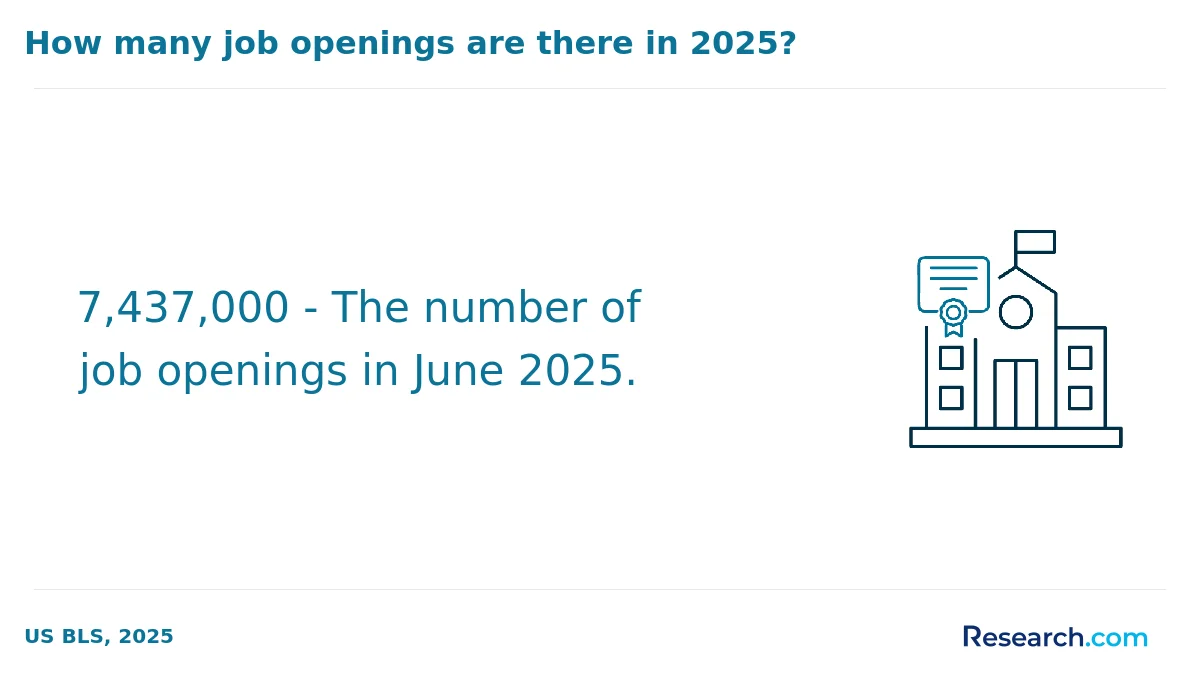
Imagine stepping into a buzzing trade school classroom in New York, knowing the financial puzzle is already partly solved. Many students start by filing the Free Application for Federal Student Aid (FAFSA), unlocking federal gems like the Pell Grant-offering up to $7,395 a year without the stress of repayment. Graduates from popular programs in NYC often share how the Pell Grant made the difference between taking out heavy loans or focusing fully on their hands-on learning.
New York State sweetens the deal with the Tuition Assistance Program (TAP), awarding up to $5,665 annually for eligible full-time students. Those enrolled in well-known trade schools appreciate how TAP eases tuition pressures, letting them dive into careers like HVAC, cosmetology, or electrical work without constant financial worry.
Veterans tapping into their GI Bill® benefits find extra support, with several New York trade institutions welcoming them warmly. Plus, targeted scholarships for high-demand trades and STEM incentives add bright spots to the financial landscape, making certification programs both accessible and exciting.
Graduates often recall the empowering feeling of accessing these aids-transforming ambitious dreams into achievable careers right here in New York.
Ready to jump into a trade school certification program in New York? The prerequisites are a mix of education, real-world experience, and sometimes specific licenses that prepare you for hands-on success. For many programs, like those at popular New York trade schools, you'll need either a high school diploma or higher education like an associate's or bachelor's degree in your technical field.
Imagine a graduate who entered a cosmetology program-she had her high school diploma plus several years working in a salon, demonstrating her practical skills. Another graduate aiming for an education certificate had a valid teaching license and years of classroom experience, providing a solid foundation.
Here's what you'll typically need:
- A high school diploma or equivalent, or an associate's/bachelor's degree in the trade area
- Relevant work experience-ranging from one to four years in the specific trade, such as plumbing, culinary arts, or vehicle maintenance
- Industry-specific credentials or licenses when required, like a dental assistant license from New York State
- Passing any necessary exams, such as the Communication and Quantitative Skills Test for certain certificates
These prerequisites ensure you arrive ready to thrive in your chosen program, turning your passion into a rewarding career.
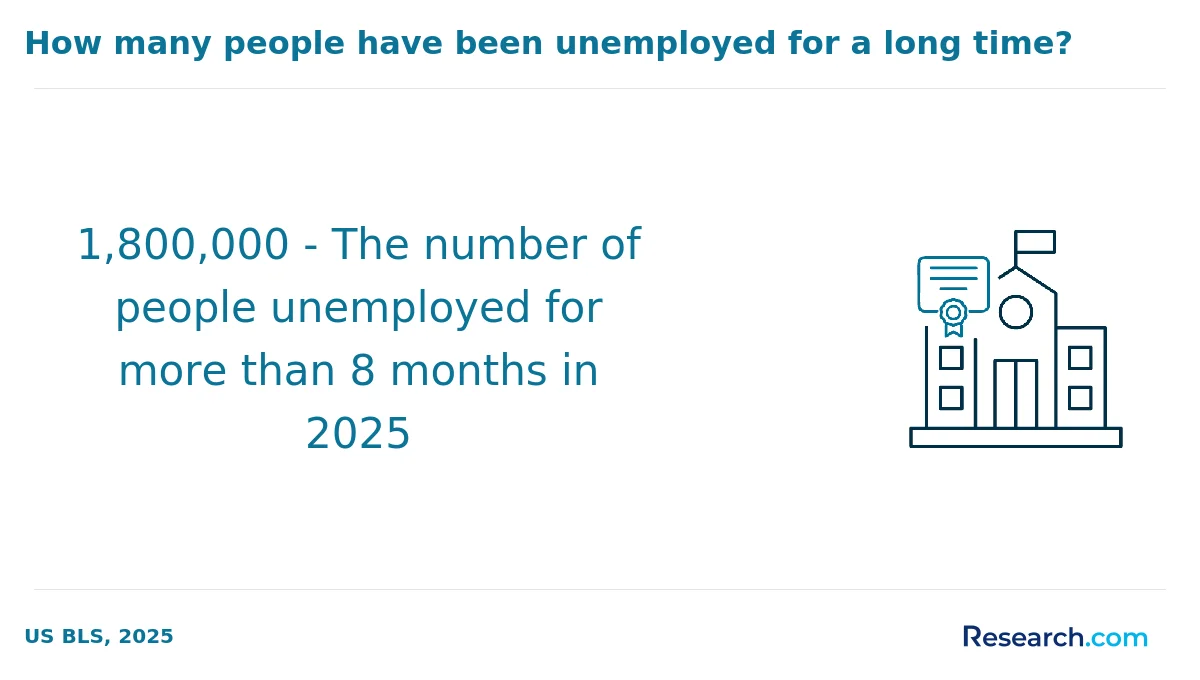
Trade school courses in New York are hands-on adventures into skilled trades, crafted to get you job-ready faster than traditional degrees. Imagine diving into classes like carpentry, electricity, masonry, and plumbing where every lesson builds real-world expertise. Graduates often rave about the step-by-step curriculum from popular institutions such as the New York State & CSEA Partnership's Applied Skilled Trades Program, where you tackle everything from basic tool safety to advanced cabinet installation.
In certificate program curriculum New York students encounter, expect courses like:
- Blueprint Reading Fundamentals, sharpening your ability to interpret construction plans
- Energy Conservation and Sustainability, linking eco-friendly tech with hands-on skills
- Multi-module construction classes covering framing, drywall, and roofing techniques
- Specialized certifications such as the EPA Section 608 for HVAC refrigerant handling
Healthcare programs also shine in New York trade schools, offering focused training for roles like EMTs and Certified Clinical Medical Assistants, blending classroom hours with clinical experience. Many find pursuing these routes rewarding, especially knowing this practical training leads to industry certifications and a competitive edge in the workforce.
Curious about what comes after? Many graduates celebrate their average salary after trade school surpassing expectations, which adds extra motivation to these immersive programs.
Choosing the best trade school programs in New York often starts with accreditation-graduates from SUNY community colleges like Monroe and Hudson Valley often highlight how these credentials opened doors with local employers. Imagine balancing work and study; many students rave about flexible evening classes that fit their busy schedules without sacrificing hands-on experience crucial in fields like construction or healthcare.
Another key is to compare trade school costs in New York carefully. Public institutions tend to be more affordable, but some specialized programs, including NPower or BuildingWorks, offer tuition-free options for eligible candidates. Graduates frequently mention that exploring financial aid, scholarships, and partnerships helped ease their financial burden while gaining valuable certifications such as OSHA or CMAA.
Finally, consider programs with strong job placement support-schools like Per Scholas connect students directly to employers, turning training into exciting career launches. For those seeking less traditional routes, finding affordable online floor installer trade school programs through affordable online floor installer trade school programs can also be a smart step toward gaining specialized skills without geographic limits.
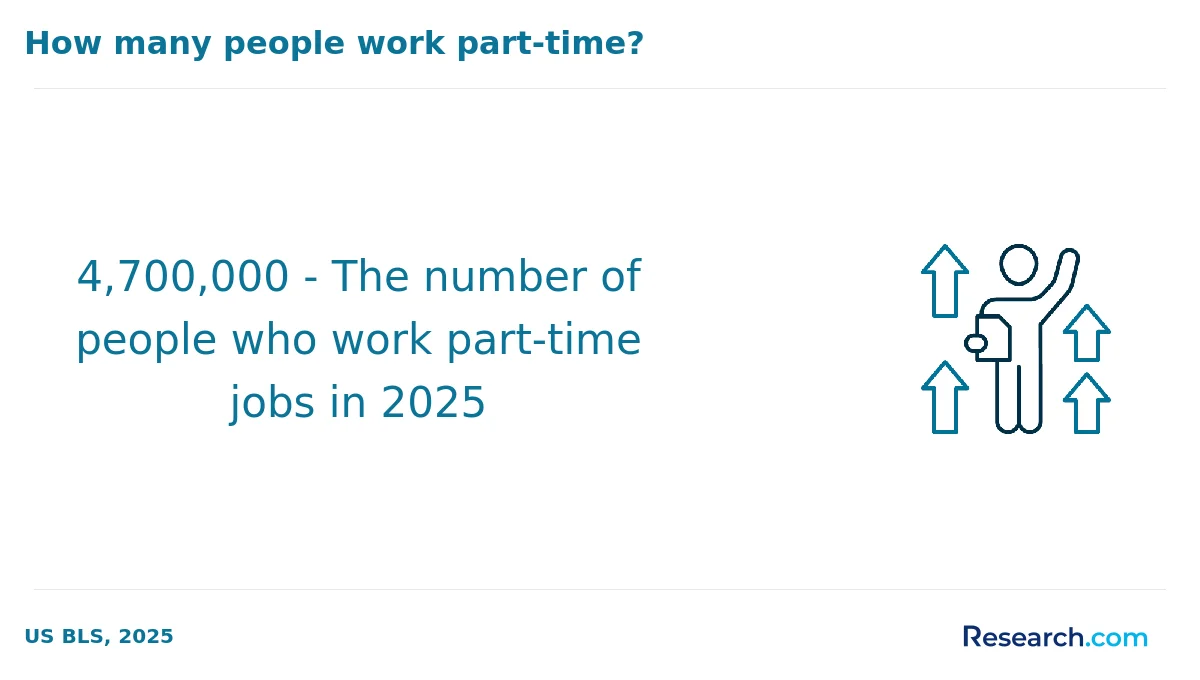
Graduates of trade school certification programs in New York unlock a wide array of exciting career opportunities that tap into the city's bustling industries. Picture yourself stepping into hands-on roles as electricians, plumbers, or HVAC technicians-fields fueled by New York's constant construction and infrastructure growth. Many grads thrive in union apprenticeship tracks or municipal certifications, sharpening their skills while earning. For example, those trained at NYC's Carpenters Training Center have found long-term success in unionized skilled trades, a real advantage in the competitive job market.
Healthcare is equally vibrant for jobs for trade school graduates New York, with paths like medical assistant, dental assistant, or phlebotomist offering fast entry and rewarding work in hospitals and clinics statewide. Top-rated programs accredited by entities like ABHES provide hands-on externships that place students right into professional settings after certification.
Creative souls often flourish in media and beauty industries. Graduates from popular New York trade schools dive into careers in post-production editing or as salon stylists and estheticians, turning passion into paycheck. You can also explore commercial driving with CDL certification or IT and financial sectors; organizations like NPower open doors to tech careers with tuition-free programs and employer connections.
For those interested in electrical fields, consider the amazing range of affordable online electrical lineworker training programs that prepare students for in-demand jobs while fitting busy New York lifestyles.
For graduates of trade school certification programs in New York, the job market is buzzing with opportunity, fueled by high demand for skilled labor in trades such as HVAC, electrical, and plumbing. Many students leaving well-known trade schools like Apex Technical School and Hunter Business School find themselves quickly stepping into rewarding roles, thanks to programs designed to meet local industry needs and employer expectations.
These graduates often share stories of fast job placement and growing confidence as they apply skills learned through hands-on training tailored to the New York labor market. The job outlook for trade school graduates in New York is particularly bright in fields requiring state certification, where employers eagerly seek trained professionals ready to fill urgent vacancies.
- HVAC technicians see robust growth and competitive wages.
- Automotive service techs benefit from steady demand and solid starting salaries.
- Graduates from specialized medical assisting programs often secure positions in healthcare settings swiftly.
This dynamic environment shapes New York trade certification employment opportunities into a promising pathway, especially for those attending schools offering job placement support. For anyone exploring the best trade school options, resources like best trade school guides provide valuable insights to navigate these exciting career avenues.
Best Certificate Programs - Leading Certification Courses in New York for 2026
# 1 position
Mandl School-The College of Allied Health - Dental Assisting/Assistant.
certificate or diplomaMandl School-The College of Allied Health offers a hybrid Dental Assisting/Assistant program designed to prepare students for patient care, dental radiographs, and office administrative duties under professional supervision. The curriculum includes medical record-keeping, equipment maintenance, chairside assisting, and supervised practice. The program’s annual in-state tuition is $21,200, with median earnings of $28,585 one year after completion. It is accredited by the Accrediting Bureau of Health Education Schools.
# 2 position
Focus Personal Training Institute - Physical Fitness Technician.
certificate or diplomaThe Physical Fitness Technician program at Focus Personal Training Institute prepares students for careers in health and fitness clubs, wellness centers, and corporate fitness programs. The hybrid program includes instruction in anatomy, physiology, exercise science, personal training, nutrition, and customer service. Graduates earn a median income of $17,562 one year after completion. The program is accredited by the Council on Occupational Education.
# 3 position
Institute of Culinary Education - Baking and Pastry Arts/Baker/Pastry Chef.
certificate or diplomaThe Baking and Pastry Arts/Baker/Pastry Chef program is fully online and prepares students to work as professional bakers and pastry specialists in commercial settings. It covers bread and pastry making, handling, storage, decorating, industry operations, packaging, marketing, and service. The program is accredited by the Accrediting Commission of Career Schools and Colleges. Median earnings for graduates one year after completion are $22,759.
# 4 position
Swedish Institute a College of Health Sciences - Sterile Processing Technology/Technician.
certificate or diplomaThe Sterile Processing Technology/Technician program at Swedish Institute a College of Health Sciences trains students to clean, sterilize, and assemble surgical instruments and supplies for operating rooms and medical facilities. The curriculum includes sterilization, infection control, decontamination, surgical instrumentation processing, distribution, and record-keeping. The program’s annual in-state tuition is $26,041. It is accredited by the Accrediting Commission of Career Schools and Colleges.
# 5 position
New Age Training - Nursing Assistant/Aide and Patient Care Assistant/Aide.
certificate or diplomaThe Nursing Assistant/Aide and Patient Care Assistant/Aide program at New Age Training offers a hybrid format with some distance-education options. It prepares students to perform routine nursing-related services under supervision in hospitals or long-term care facilities. Graduates have median earnings of $22,308 one year after completion. The program is accredited by the Accrediting Council for Continuing Education & Training.
# 6 position
New York School of Interior Design - Interior Design.
certificate or diplomaThe Interior Design program at New York School of Interior Design prepares students to professionally plan, design, equip, and furnish residential and commercial spaces. The curriculum includes computer applications, drafting, graphic techniques, interior lighting, acoustics, color coordination, furniture, textiles, and structural design. Instruction also covers building codes, inspection regulations, and design applications for offices, hotels, factories, restaurants, and housing. Annual in-state tuition is $30,330. The program is accredited by the National Association of Schools of Arts and Design.
# 7 position
CUNY John Jay College of Criminal Justice - Language Interpretation and Translation.
certificate or diplomaThe Language Interpretation and Translation program at CUNY John Jay College of Criminal Justice offers a hybrid format with some distance-education options. It prepares students for professional roles as interpreters or translators between English, Canadian French, and other languages. The curriculum includes foreign language instruction and specialized topics such as simultaneous interpretation, literary and business translation, and technical translation. Annual in-state tuition is $7,470. The program is accredited by the Middle States Commission on Higher Education.
# 8 position
CUNY Borough of Manhattan Community College - Language Interpretation and Translation.
certificate or diplomaThe Language Interpretation and Translation program at CUNY Borough of Manhattan Community College offers a hybrid format with some distance-education options. It prepares students to become professional interpreters and translators, focusing on English and Canadian French. The curriculum includes instruction in single- and multiple-language interpretation, simultaneous interpretation, and various types of translation such as business and technical. Annual in-state tuition is $5,170. The program is accredited by the Middle States Commission on Higher Education.
# 9 position
CUNY Graduate School and University Center - Medical Insurance Coding Specialist/Coder.
certificate or diplomaThe Medical Insurance Coding Specialist/Coder program at CUNY Graduate School and University Center offers a hybrid format with some distance-education options. It prepares students for specialized data entry and coding related to medical diagnostics, billing, and insurance documentation. The curriculum covers medical terminology, anatomy, physiology, medical science, data classification, and regulations on Medicare and insurance. Annual in-state tuition is $7,410. The program is accredited by the Middle States Commission on Higher Education.
# 10 position
Swedish Institute a College of Health Sciences - Medical Insurance Coding Specialist/Coder.
certificate or diplomaThe Medical Insurance Coding Specialist/Coder program at Swedish Institute a College of Health Sciences offers a hybrid learning format with some distance education. The program prepares students for specialized data entry, classification, and record-keeping related to medical diagnostics, billing, and insurance documentation. Tuition is $26,041 annually for in-state students. Graduates have median earnings of $22,780 one year after completion. The program is accredited by the Accrediting Commission of Career Schools and Colleges.
Frequently Asked Questions about trade school certificates
After completing trade school certification programs in New York, preparing effectively for the job market is crucial. Start by developing a strong resume that highlights your specific skills and certifications. Employers in New York value practical experience, so seek internships or apprenticeships that match your trade. Networking plays an essential role; attending industry events or joining local trade associations can improve your job prospects.
According to the New York State Department of Labor, many trade sectors such as construction and healthcare report employment growth above the national average. Additionally, obtaining licenses required for trades like electrical work or cosmetology can significantly enhance employability. Utilize career counseling services offered by your school to align your skills with market demands.
Employers in New York increasingly prioritize both technical and soft skills when hiring graduates from trade school certification programs. According to the New York State Department of Labor, proficiency in hands-on abilities such as electrical systems, welding, and HVAC repair is crucial for trade positions. Additionally, communication skills and the ability to work in teams are highly valued, as nearly 70% of employers report these as essential for job success.
Problem-solving skills and adaptability also rank highly, reflecting the fast-paced changes in technology and workplace demands. In construction and manufacturing sectors, knowledge of safety protocols and adherence to regulations is mandatory. Job market research by the Workforce Development Institute highlights that certified graduates with practical experience and strong work ethics tend to secure jobs more quickly in New York's competitive environment.
Finding internships in New York relevant to your trade school certification program begins with leveraging local resources. The New York State Department of Labor offers the Workforce Development Initiative, which connects students with vocational internships, especially in construction, healthcare, and technology fields. Additionally, trade schools often partner with industry employers to provide internship opportunities tailored to students' programs.
Industry-specific job boards like NYC Labor Market Information report that sectors such as manufacturing and skilled trades have seen a 5% growth in internship postings annually. Networking through local unions and professional associations can also lead to quality placements. Utilizing school career centers and attending New York's trade job fairs increases your chances of securing a relevant internship.
Trade school certification programs in New York significantly enhance career mobility and advancement by equipping individuals with practical skills tailored to local industry needs. According to the New York State Department of Labor, occupations requiring trade certifications often see faster employment growth compared to professions requiring traditional four-year degrees.
Certified workers in sectors like healthcare, construction, and information technology tend to earn higher wages. A 2023 report from the Center for New York City Affairs found that trade school graduates can experience a salary increase of 15-25% within the first two years post-certification, improving economic stability and upward mobility.
Moreover, New York's economy has a strong demand for certified tradespeople, reducing barriers to entry and enabling quicker advancement. These credentials validate expertise, making candidates more competitive for promotions and specialized roles.
Part-time job opportunities in New York can effectively complement education from trade school certification programs. Roles such as apprenticeships, entry-level technician positions, and assistant roles in construction, automotive repair, and healthcare sectors often align closely with trade skills.
According to the New York State Department of Labor, part-time employment in skilled trades can offer hourly wages ranging from $15 to $25, depending on the field and experience. These positions allow students to gain practical experience while earning, enhancing their resumes.
Additionally, gaining experience in retail or customer service positions related to the trade-like hardware stores for construction students or medical supply sales for healthcare students-can build relevant soft skills and industry knowledge.
Finding the best degree program near me involves researching programs offered by universities near New York, NY, which are known for their diverse academic options and high-ranking institutions. To make an informed decision, you can explore data and rankings available on platforms like Research.com, which offer insights into the strengths of various programs. Additionally, visiting campuses and connecting with alumni in the area can help evaluate the opportunities and resources each university provides.
- Best Trade School & Training Programs - Leading Certification Courses in Hamburg for 2026
- Best Trade School & Training Programs - Leading Certification Courses in Akron for 2026
- Best Trade School & Training Programs - Leading Certification Courses in Adrian for 2026
- Best Trade School & Training Programs - Leading Certification Courses in Angola for 2026
- Trade School Financial Aid | Apex Technical School https://apexschool.com/financial-aid/
- Petersonsdata https://petersonsdata.com/
- What Degrees Can You Earn at Trade School? https://www.genesiscareer.edu/degrees-offered-at-trade-schools/
- 1 in 3 Americans recommend trade school for high school graduates https://www.hrdive.com/news/americans-recommend-trade-school-for-high-school-graduates/750546/
- Research - Our Methodology https://research.com/our-methodology
- The Stigma of Choosing Trade School Over College | Department of Human Resources https://sfdhr.org/stigma-choosing-trade-school-over-college
- Instructions for Completing a Program Application | Adult Career and Continuing Education Services | NYS Education Department https://www.acces.nysed.gov/bpss/instructions-completing-program-application
- How To Apply to Trade Schools - Best Trade Schools https://www.best-trade-schools.net/next-student-guide/what-is-a-trade-school/applying/
- Professional certification - Wikipedia https://en.wikipedia.org/wiki/Professional_certification
- 5 Tips for Getting Ready for a Job After Trade School - Techneeds https://www.techneeds.com/2022/05/12/5-tips-for-getting-ready-for-a-job-after-trade-school/


