Best Trade School & Training Programs - Leading Certification Courses in Brooklyn for 2026

Co-Founder and Chief Data Scientist
Choosing the right trade school in Brooklyn can feel overwhelming, but it’s an important step toward a rewarding career. This article introduces a trade school programs ranking created by the Research.com team of data scientists to help you make an informed decision.
By exploring this ranking, you’ll discover which programs stand out for quality and value. Earning a trade school diploma or certification opens doors to practical skills and stable job opportunities that match your goals.
Take this chance to find a path that fits you and sets you up for success in 2026 and beyond.
Key benefits of finishing trade school programs trade school in Brooklyn
- Expected salary: Trade school graduates in Brooklyn can expect competitive pay, with entry-level roles earning $20 to $30 per hour and specialized jobs like licensed masons making $45.35 to $56.10 per hour, while average annual salaries range from $55,200 to over $100,000 for experienced workers.
- Popular career paths: Graduates often pursue successful careers as electricians, HVAC technicians, masons, and plumbers-fields known for strong demand and solid starting salaries that can compete with college graduate earnings.
- Online certification benefits: Obtaining a trade school diploma online offers flexible learning, allowing students to balance work and study, and quicker entry into the workforce compared to traditional on-campus programs.
- Best Trade School & Training Programs - Leading Certification Courses in Brooklyn for 2026
- What can I expect from trade school programs trade schools in Brooklyn?
- Where can I work after finishing trade school programs trade schools in Brooklyn?
What can I expect from trade school programs trade schools in Brooklyn?
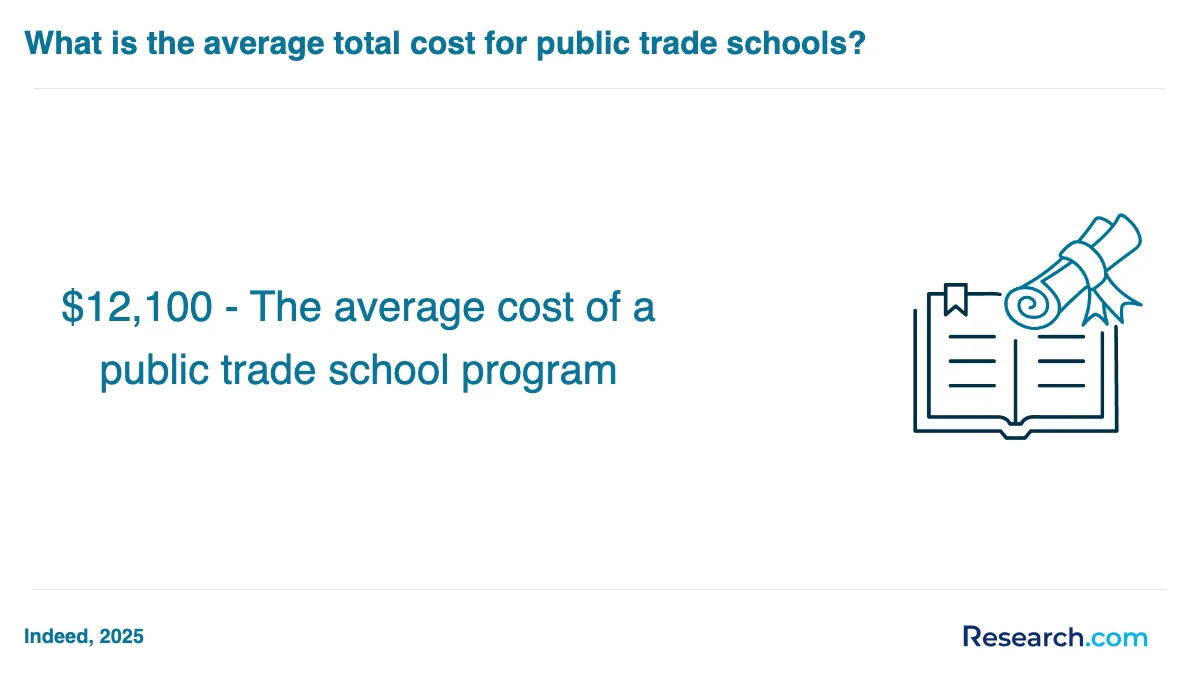
Wondering about the cost of trade school programs in Brooklyn? Most students find that tuition typically ranges from around $5,000 to $20,000, depending on the program length and specialty. For example, a graduate from an HVAC course mentions how spending under two years and tens of thousands less than a traditional college degree felt like a smart investment, especially when hands-on workshops equipped them with real skills to land a job fast.
Another graduate from Brooklyn's welding program shares how the fees covered not just classes but also access to industry-grade tools and safety certifications like OSHA-making every dollar feel well spent. Career services and internships included in many programs provide priceless connections, easing the leap from classroom to paycheck.
Students in culinary or electrical systems tracks appreciate the shorter, intensely practical schedules that fit around busy lives, while still offering the credentials and confidence to start working immediately after. So, the cost isn't just tuition; it's an all-in passport to hands-on skills and local employer networks that Brooklyn trade schools specialize in.
Where can I work after finishing trade school programs trade schools in Brooklyn?
After finishing a trade school program in Brooklyn, your job prospects hit the streets fast-literally. Graduates from popular local schools find themselves stepping onto bustling construction sites as carpenters or electricians, with the NYC Housing Authority regularly calling out for skilled hands. Imagine clocking in as an HVAC technician, feeling the pride of fixing a building's heating system while earning competitive wages right here in your borough.
Others discover careers in unexpected corners like tattoo apprenticeship studios or behind the scenes as project architect assistants. Graduates often share stories of connecting with Brooklyn Workforce Innovations, a hub that aligns their skillsets with jobs in tech, cable installation, and even building restoration-fields that aren't the typical blue-collar mold but still thrive on practical know-how.
Picture the satisfaction of a plumber's helper earning $36.95 an hour, learning on the job, and knowing their skills are in high demand. From local auto shops and diesel mechanic garages to city agencies and private contractors, Brooklyn's trade school alumni build real, hands-on careers that put them front and center in the city's evolving infrastructure.
Ready to cash in on your trade school grind in Brooklyn? Graduates from popular local programs see an average annual salary of about $70,608-think of it as $33.95 an hour for turning hands-on skills into solid paychecks. Picture a recent graduate from a Brooklyn plumbing school landing a job paying $57,416 yearly, starting just above $27.60 an hour, and climbing fast with experience.
Another grad, fresh from carpentry classes, starts as an apprentice near Manhattan making roughly $46,875 per year, then moves into skilled roles earning up to $30.98 per hour, like a Maintenance Mechanic. Visualize these career steps as stepping stones from entry-level jitters to confident craftsman status, all while Brooklyn's demand for these trades fuels your wallet growth.
The secret sauce? Experience, certifications, and specialization can push top performers to nearly $92,000 annually. Your trade school adventure in Brooklyn doesn't just teach skills-it opens doors to real, rewarding income that feels earned, not handed out.
- Trade school programs in Brooklyn offer training in fields like construction technology, culinary arts, cybersecurity, electrical work, and plumbing.
- Admission usually requires a high school diploma or GED, with some programs demanding additional coursework, experience, or physical abilities.
- Tuition ranges from $5,000 to $15,000 for certificate programs, while associate degrees at public schools cost about $7,000 to $10,000 per year for in-state students.
- Entry-level salaries for trade school graduates generally start between $40,000 and $55,000 annually, with experienced workers earning $70,000 to $90,000 or more.
- Many programs provide job placement support, internships, apprenticeships, and options to combine paid training with classroom instruction.
In Brooklyn, the clock to your new career can tick as fast as six weeks or stretch out to six years, depending on your trade school journey. Imagine a graduate from the Cable Installation program powered by Brooklyn Workforce Innovations - they wrapped up full-time training in just six intense weeks, ready to plug into a job instantly. Meanwhile, hands-on learners at Apex Technical School often find themselves mastering their trade in about seven months, fueled by a mix of hustle and focused practice.
For those drawn to industrial or construction fields, city-backed programs push you through roughly 12 weeks of full-time training, weaving skills essential for manufacturing or warehousing jobs. Then there are apprenticeship paths, the steady route where Brooklyn apprentices balance paid work and classes over one to six years, graduating with confidence and real-world savvy in trades like plumbing and HVAC.
Even healthcare or accounting hopefuls can feel the rush, finishing under a year with flexible, sometimes online courses. Brooklyn's variety means whatever your pace, there's a path tailor-made for your dreams.
Imagine juggling a full-time job while aiming to master electrical work through Manhattan School of Computer Technology's online program. Graduates describe this flexibility as a game-changer-logging into interactive lessons whenever life pauses, whether on a lunch break or late at night. The virtual setup means no commute in Brooklyn's hustle, turning any quiet corner into a classroom.
Contrast this with a student at Apex Technical School, elbows deep in welding sparks, hands-on with tools that no screen can replicate. Here, classmates become collaborators, and instructors offer immediate feedback amid the clang of metal and focused intensity. The pulse of campus life adds structure and connection, fueling motivation with real-world grit.
The key difference? Online trade students thrive on freedom and self-paced progress, seamlessly blending education with a Brooklyn lifestyle. Meanwhile, on-campus students dive into tactile skills and face-to-face mentorship, thriving in the hands-on buzz of local workshops and labs.
If you're crunching numbers on the average trade school tuition Brooklyn offers, expect a range that stretches roughly from $5,600 to $15,800 a year. This spectrum reflects a dynamic trade school program cost breakdown shaped by your choice of institution-public, private, nonprofit, or for-profit. For instance, graduates who have walked the halls of CUNY's New York City College of Technology (City Tech) often share how their tuition hovered around $5,601 annually, a relief compared to pricier private school fees.
Picture a student balancing pizza slices and textbooks in Brooklyn, deciding if a two-year associate degree or a shorter certificate program makes more financial sense. The tuition's per-year tag means budget-savvy students calculate total investment based on program length-some wrap up certifications in under a year, others take longer.
Many Brooklyn trade schools offer financial aid and scholarships that light the path for hopeful hands-on learners. However, it's not just tuition: fees, materials, and tests add layers to the overall cost. Those with an eye for value sometimes explore options like cheap home remodeling and repair diploma programs online, easing their educational expenses while gaining essential skills.
Understanding Brooklyn trade school program cost breakdown means appreciating how public community colleges nearby tend to charge between $4,800 and $7,680 annually for locals, making them crowd favorites among students aiming for practical value and manageable debt.

Picture yourself walking the halls of New York City College of Technology, clutching your FAFSA confirmation email, knowing the Federal Pell Grant might cover up to $7,395 of your tuition. This no-strings-attached boost has been a game changer for many Brooklyn trade school students chasing careers in fields like electrical work or culinary arts.
Alongside this, the New York State Tuition Assistance Program (TAP) acts like a steady friend. Residents tapping into TAP can receive between $1,000 and $5,665 annually, easing the financial weight often felt by families juggling rent and tuition simultaneously.
Then there are local scholarships lighting the way. Foundations like Kazickas and the Cathay Bank Foundation have handed out thousands to Brooklynites focused on turning their trade school dreams into reality, rewarding not just need but determination and grit.
Finally, federal work-study programs double as both a paycheck and resume-builder, letting students earn while learning in real Brooklyn workplaces. Graduates often recall how balancing class with hands-on jobs gave them both confidence and a financial cushion.
If you're dreaming of starting a trade program in Brooklyn, the first step is pretty straightforward: have a high school diploma, GED, or something equivalent tucked in your portfolio. Graduates from popular Brooklyn trade schools like City Tech often share how proving that basic credential gave them the confidence to jump right into hands-on learning without endless hurdles.
Here's the usual checklist for a smooth application:
- Proof of high school completion or GED-original documents only.
- For transfer students, college transcripts and GPA reviews to see what credits can count.
- Demonstrated skills in English and math, often required to ensure readiness for technical coursework.
- Some specialized programs might ask for placement tests, prerequisite classes, or relevant work experience, especially in tech or healthcare fields.
One graduate from a healthcare trade program recalled how showing their GED and taking a short math refresher test opened doors to a thriving career path. Knowing these details helps you step in prepared, ready to embrace Brooklyn's vibrant, skill-focused education scene.

Trade schools in Brooklyn pack practical skills into vibrant, hands-on programs that get you job-ready fast. Imagine learning electrical wiring right alongside pros at Coop Tech, where graduates rave about mastering real-world diagnostic tools and installation techniques that instantly boost their confidence on the job.
Typical courses dive into:
- Automotive services - such as engine repair and diagnostics.
- Construction trades - hammering through framing, plumbing, and electrical work, complete with mandatory 40-hour NYC safety certification.
- Allied health - from medical assistant essentials to pharmacy technician skills, prepping you for busy clinics or hospital floors.
- Information technology - covering network cabling, cybersecurity basics, and computer repair, with some programs partnering with Brooklyn Workforce Innovations to certify you as a network cable installer earning upward of $21/hour.
- Culinary arts and unisex styling - hands-on training in kitchens or salons that transform passion into profession.
- Business and professional development - sharpening critical workplace skills in realistic, simulated environments.
Students consistently celebrate the fast-paced curriculum that trims college fluff, focusing purely on skills that land you work in months, not years, making Brooklyn trade schools a magnet for those hungry to start their careers right away.
In Brooklyn, trade school programs burst with vibrant specializations crafted to match the city's pulse and grit. Graduates often share how hands-on electrical work, plumbing, or welding at Apex Technical School transformed their mornings from classrooms to buzzing job sites, ready in just months. Others dive into automotive services or culinary arts at Coop Tech, where the thrill of perfecting a wrench turn or a souffle sparks pride and immediate career jumps.
Healthcare pathways at BMCC, like allied health training, turn compassionate learners into indispensable medical assistants or coding specialists, their days rooted in neighborhood clinics and bustling hospitals. Meanwhile, City Tech's IT courses in networking and Python programming equip students with ever-demanded skills that open tech doors across Brooklyn's startups and firms.
Special cases like the Aveda Institute lure beauty enthusiasts into the world of cosmetology and esthiology, where nail care and hair styling nurture creativity and financial independence.
- Skilled trades: construction, electrical, plumbing, welding
- Healthcare: allied health, medical assistants, patient care
- Information Technology: networking, programming languages
- Beauty: cosmetology and esthiology
- Culinary, business development, construction safety training
For Brooklyn residents wondering which trade school is best for you, these programs offer a sweet spot-skills that meet local demands with nationally recognized certifications. Many graduates highlight how apprenticeship programs linked to local unions fast-track courses into real careers, embedding them deeply in the city's workforce fabric.
If you're weighing how to compare Brooklyn trade schools, start by checking if the program is accredited. Graduates from Lincoln Tech rave about how this boosted their confidence in landing jobs, knowing their skills met industry standards. Picture yourself hopping off at Jay Street Metro Tech, strolling into a campus that blends convenience with hands-on learning-no long commutes stealing your energy. That's the Brooklyn trade school experience in action.
Look for programs that vibe with your dream career. A recent graduate from Metropolitan Learning Institute shared how diving into medical administrative training there opened doors she hadn't imagined. These schools don't just teach; they connect you to local firms hungry for fresh talent through internships and direct hiring-pretty inspiring when you're hustling for your first big break.
Finding the best trade school programs in Brooklyn means exploring student outcomes too. Platforms that compile honest reviews and placement stats help you see beyond glossy ads. For a budget-friendly option, don't miss exploring cheap maintenance technician training online to complement your choices.
Trade school grads in Brooklyn tap into an electric mix of career opportunities that spark excitement and steady paychecks alike. Imagine stepping out from a Brooklyn Workforce Innovations program, ready to climb ladders as a certified carpenter or building supervisor, shaping the city's skyline one brick at a time. For those drawn to skilled trades like electrician or diesel mechanic-the demand in Brooklyn hums loudly with thousands of job openings, many through city agencies.
Concrete paths like these offer more than a job; they offer pride and progress. Meanwhile, tech-savvy grads from NPower or Year Up programs dive into a buzzing Brooklyn tech scene, landing roles in IT, software, and customer support that promise growth in today's digital economy. Transportation programs such as Red Hook on the Road produce graduates maneuvering trucks and buses across NYC's veins, vital for keeping the city alive and moving.
- Construction and building trades
- Skilled electric, plumbing, HVAC, diesel mechanic roles
- Tech and business operations
- Transportation careers
- Healthcare support and automotive technology via programs offering hands-on experience
Graduates often share how the hands-on training aligns perfectly with Brooklyn's pulse, turning passions into paychecks. Curious about automotive fields? Some turn to auto mechanic certification online for flexible learning that complements local job placement.
All these pathways reflect the broader landscape of career opportunities for trade school graduates in Brooklyn, backed by local programs designed to launch real careers and real lives.
Imagine stepping out of a Brooklyn trade school with hands-on skills primed for the bustling city job market-that's where the promise lies. The job opportunities for trade school graduates in Brooklyn are vibrant and varied, with sectors like construction, healthcare, and technical trades actively recruiting. Graduates from local programs often share stories of landing roles within months, tapping into Brooklyn's steady addition of nearly 6,000 private sector jobs since mid-2024.
Salary trends for Brooklyn trade school graduates reveal a promising landscape: averaging $70,608 annually or around $33.95 per hour, with many seeing figures climb above $85,000 as experience grows. One graduate from a popular Brooklyn electrical trade school described how job offers flooded in while completing her apprenticeship, underlining the strong demand.
For those exploring practical, affordable options, the cheapest baking and pastry arts course online represents another exciting avenue where Brooklyn students can turn passion into income.
- Healthcare and social assistance employ 28% of Brooklyn's workforce and offer stable openings
- Technical trades and transportation sectors demonstrate ongoing growth
- Enrollment in trade programs is projected to grow 6.6% annually through 2030, highlighting student confidence
Best Trade School & Training Programs - Leading Certification Courses in Brooklyn for 2026
# 1 position
CUNY Kingsborough Community College - Physical Therapy Assistant.
associateThe Physical Therapy Assistant program at CUNY Kingsborough Community College is a hybrid program designed to prepare students to assist physical therapists in implementing treatment care plans and training patients. The curriculum covers applied anatomy, physiology, biomechanics, clinical documentation, and professional ethics. Annual in-state tuition is $5,252. Graduates have median earnings of $45,361 one year after completing the program. The program is accredited by the Middle States Commission on Higher Education.
# 2 position
CUNY Kingsborough Community College - Computer Science.
associateThe Computer Science program at CUNY Kingsborough Community College offers a hybrid format with some distance-education options. It emphasizes computer theory, problem-solving, and the design of computer systems and user interfaces from a scientific perspective. Instruction covers principles of computational science, programming, and applications for various end-use situations. The program’s annual in-state tuition is $5,252 and it is accredited by the Middle States Commission on Higher Education.
# 3 position
CUNY Kingsborough Community College - Criminal Justice/Law Enforcement Administration.
associateCUNY Kingsborough Community College offers a Criminal Justice/Law Enforcement Administration program with a hybrid format, including some distance education. The program prepares students for leadership roles in public law enforcement through courses in operational command, administration, labor relations, and legal responsibilities. Annual in-state tuition is $5,252. Graduates have a median earning of $29,606 one year after completion. The program is accredited by the Middle States Commission on Higher Education.
# 4 position
CUNY Kingsborough Community College - Banking and Financial Support Services.
associateCUNY Kingsborough Community College offers a Banking and Financial Support Services program designed to prepare students for customer service roles in banks, insurance agencies, and related businesses. The hybrid program includes training in communications, public relations, business equipment operation, and financial service techniques. Annual in-state tuition is $5,252. The program is accredited by the Middle States Commission on Higher Education.
# 5 position
CUNY Kingsborough Community College - Tourism and Travel Services Management.
associateThe Tourism and Travel Services Management program at CUNY Kingsborough Community College prepares students to manage travel-related enterprises and convention or tour services. The curriculum covers travel agency management, event planning, tourism marketing, travel law, and industry operations. The program is accredited by the Middle States Commission on Higher Education. Annual in-state tuition is $5,252, providing an accessible option for students pursuing careers in the travel and tourism sector.
# 6 position
CUNY Kingsborough Community College - Marketing/Marketing Management, General.
associateCUNY Kingsborough Community College offers a hybrid Marketing/Marketing Management, General program designed to prepare students to manage consumer audience development and product distribution. The curriculum covers buyer behavior, marketing research principles, pricing theory, advertising, sales operations, and consumer relations. Annual in-state tuition is $5,252. The program is accredited by the Middle States Commission on Higher Education.
# 7 position
CUNY Kingsborough Community College - Tourism and Travel Services Management.
certificate or diplomaCUNY Kingsborough Community College offers a Tourism and Travel Services Management program designed to prepare students for managing travel-related enterprises and convention or tour services. This hybrid program covers travel agency management, event planning, tourism marketing, travel industry law, and both international and domestic operations. The annual in-state tuition is $5,252. The program is accredited by the Middle States Commission on Higher Education.
# 8 position
CUNY Kingsborough Community College - Accounting Technology/Technician and Bookkeeping.
associateCUNY Kingsborough Community College offers a fully online Accounting Technology/Technician and Bookkeeping program designed to prepare students for technical support roles in accounting. The curriculum includes instruction in transaction posting, record-keeping systems, accounting software, and general accounting principles. The program is accredited by the Middle States Commission on Higher Education. Annual in-state tuition is $5,252, and median earnings one year after completion reach $26,953.
# 9 position
CUNY New York City College of Technology - Opticianry/Ophthalmic Dispensing Optician.
associateThe Opticianry/Ophthalmic Dispensing Optician program at CUNY New York City College of Technology offers a hybrid format with some distance education options. It prepares students to fit and adapt corrective eyewear, assist in frame selection, and manage ophthalmic work orders. The curriculum includes optics, eye anatomy, prescription interpretation, and patient care. Annual in-state tuition is $7,332, and the program is accredited by the Middle States Commission on Higher Education.
# 10 position
CUNY New York City College of Technology - Accounting Technology/Technician and Bookkeeping.
associateThe Accounting Technology/Technician and Bookkeeping program at CUNY New York City College of Technology prepares students to provide technical administrative support to accountants and financial personnel. The curriculum covers posting transactions, record-keeping systems, accounting software, and general accounting principles. Annual in-state tuition is $7,332. Median earnings for graduates one year after completion are $27,467. The program is accredited by the Middle States Commission on Higher Education.
Frequently Asked Questions about trade school programs
Preparing for the job market after completing a trade school program in Brooklyn involves strategic steps that enhance employment prospects. Graduates should begin by building a strong resume that highlights hands-on skills and any industry certifications earned during training. According to the New York State Department of Labor, trade school graduates in Brooklyn have an employment rate of approximately 85% within six months of completion, indicating solid demand for skilled workers.
Networking is also crucial. Engaging with local trade unions, employers, and job fairs in Brooklyn can open doors to apprenticeships and job opportunities. Additionally, many trade schools provide career services that include interview preparation and job placement assistance, which students should utilize fully to gain a competitive edge.
Finally, continuing education and obtaining licenses relevant to the trade often lead to better wages and job security. For example, electricians and plumbers in Brooklyn typically increase their earning potential by securing state licenses.
Employers in Brooklyn highly value technical expertise combined with practical experience when hiring trade school graduates. According to data from the National Center for Education Statistics, hands-on skills in fields like electrical work, HVAC, and welding rank among the most sought-after competencies.
Alongside technical abilities, employers emphasize strong communication and problem-solving skills. The New York State Department of Labor highlights that 85% of trade employers prefer candidates who can collaborate effectively on job sites and adapt to changing project demands.
Time management and reliability also rank prominently, as many Brooklyn trade jobs require punctuality and consistent attendance to meet tight deadlines.
Finding internships in Brooklyn that align with your trade school program requires a proactive approach. Start by consulting your trade school's career services office, which often maintains connections with local businesses keen on hiring interns. According to the New York State Department of Labor, Brooklyn hosts thousands of small and medium-sized enterprises that regularly seek vocational interns.
Online platforms like Handshake and Indeed frequently list Brooklyn-based internships specific to trade fields such as construction, culinary arts, and automotive technology. Networking within local professional organizations and attending job fairs can also enhance internship opportunities. Additionally, reaching out directly to companies known for trade work may yield results, as many internships aren't widely advertised.
In Brooklyn, earning a trade school diploma significantly enhances career mobility and advancement opportunities. According to the New York State Department of Labor, occupations requiring specialized vocational training are projected to grow faster than many traditional roles through 2028. Trade school graduates often enter fields such as electrical work, plumbing, and HVAC, which pay a median wage above the city's overall median income.
Data from the Brooklyn Workforce Innovation program shows that individuals with trade credentials experience a 20% higher employment rate within a year after graduation compared to those without. Moreover, trade diplomas provide practical skills that frequently lead to employer promotions and increased job stability.
This credential can serve as a foundation for licensing exams and apprenticeships, further facilitating upward mobility in Brooklyn's competitive job market.
Part-time job opportunities in Brooklyn can effectively complement trade school education by providing practical experience alongside theoretical learning. Many students find roles such as apprentice electricians, junior HVAC technicians, or automotive service assistants, which directly align with common trade programs. According to the U.S. Bureau of Labor Statistics, apprenticeships and on-the-job training are essential pathways for skilled trades careers.
Brooklyn's diverse economy supports a variety of part-time roles in construction, manufacturing, and healthcare support. Local businesses often seek trade students for flexible work hours, helping them build technical skills and professional networks.
Students interested in culinary or cosmetology programs can also find part-time work in restaurants or salons, gaining customer service expertise. The New York State Department of Labor highlights these sectors as growing employment areas suitable for trade students balancing work and study.
When selecting the best degree program near me in Brooklyn, NY, consider factors such as program rankings, accreditation, faculty expertise, and available resources, which can often be found by consulting platforms like Research.com. Visiting local universities and colleges near Brooklyn, NY enables prospective students to assess the campus environment, talk to current students, and learn more about degree offerings firsthand. Additionally, attending college fairs and informational sessions can provide insights into various programs and help identify the right academic fit.
- Lincoln Tech NY - Brooklyn Campus | Vocational School https://www.lincolntech.edu/campus/brooklyn-ny
- Brooklyn Workforce Innovations | Free Job Training https://bwiny.org/
- Career Training in Brooklyn, NY | MSCT https://manhattanschool.edu/
- Brooklyn | NYC CTE https://cte.nyc/web/cte-school-borough/brooklyn
- Trade Schools – College & Career Information – Franklin Delano Roosevelt High School https://www.fdrhs.org/apps/pages/index.jsp
- Learn A Trade - SUNY https://www.suny.edu/trades/
- Industrial Training - SBS https://www.nyc.gov/site/sbs/careers/industrial-training.page
- Vocational programs and alternative pathways - Institute for Collaborative Education http://www.iceschoolnyc.org/vocational-programs-and-alternative-pathways
- NYC Trade School Programs | Apex Technical School https://apexschool.com/programs/
- Best Trade School in Brooklyn - Best of Brooklyn https://www.bestofbk.com/best-trade-school-in-brooklyn-2/