
Most Affordable Certificate Programs - Leading Certification Courses in Rochester for 2026

Co-Founder and Chief Data Scientist
Choosing the right trade school certificate program in Rochester can feel overwhelming. To help, the Research.com team of data scientists created a ranking of the most affordable and valuable certificate programs for 2026.
This article will guide you through top options that balance cost and quality, making it easier to find programs worth your time and investment.
Gaining a trade school diploma or certification opens doors to stable careers and personal growth. Exploring these affordable programs can be the first step toward a brighter future.
Key benefits of getting trade school certificate in Rochester
- Expected salary: Trade school graduates in Rochester can earn good wages, such as electricians making $45,000 to over $100,000 annually and welders earning between $46,000 and $62,000 per year, showing strong financial potential.
- Popular career paths: Many graduates choose skilled trades like electrical work, welding, machining, and carpentry, which are in demand locally and offer opportunities to grow and specialize.
- Online certification benefits: Completing trade school online offers flexibility and convenience, allowing busy students to learn at their own pace while still gaining the skills needed to succeed in Rochester's job market.
- Most Affordable Certificate Programs - Leading Certification Courses in Rochester for 2026
- What can I expect from trade school certification programs in Rochester?
- Where can I work with trade school certification in Rochester?
What can I expect from trade school certification programs in Rochester?
The average cost of a trade school certification program in Rochester typically ranges from affordable to free for qualifying students, especially at state-sponsored centers like Monroe 2-Orleans BOCES or the Rochester Educational Opportunity Center. Graduates often report that tuition is noticeably lower than traditional colleges, making certification accessible without excessive financial burden.
Students enrolling in HVAC, electrical, or healthcare certification courses frequently benefit from flexible scheduling, such as evening or short-term classes, which supports those balancing work or family. Practical training at facilities like the ITEC Training & Education Center offers hands-on experience with professional equipment, ensuring graduates feel confident and job-ready upon completion.
Moreover, collaborations between local employers and unions help shape programs that lead to credentials valued across Rochester's industries. Graduates find that beyond technical skills, training includes vital job readiness support-resume building, interview prep, and communication-which boosts confidence for entering the workforce.
Where can I work with trade school certification in Rochester?
After completing a trade school certification program in Rochester, graduates find employment opportunities across multiple industries, with roles in both union and non-union settings. Common career paths include positions as auto body technicians, electricians, plumbers, and carpenters. Graduates from well-known local trade schools often share how hands-on training helped them secure jobs quickly in trusted sectors like HVAC, electrical maintenance, and automotive repair.
The strong manufacturing and construction markets in Rochester provide steady work, from entry-level laborer roles to skilled trades such as ironwork and elevator contracting. For example, many alumni have leveraged connections through the Rochester Building & Construction Trades Council to enter union apprenticeships offering long-term career growth and benefits.
Facilities management and industrial companies also seek certified workers for roles like maintenance technicians and building engineers. Graduates frequently mention satisfaction with the diversity of job options, including positions in healthcare facilities and educational institutions, which value certified expertise for building and equipment maintenance.
Graduates from trade school certification programs in Rochester can expect varied earnings based on their chosen trade and experience level. Many start as apprentices or helpers in fields like plumbing, HVAC, or electrical work, earning between $17 and $26 per hour. For instance, HVAC certification graduates from popular Rochester programs often report starting wages around $20 per hour, quickly gaining hands-on skills that boost their pay.
More experienced graduates have reported annual salaries ranging from $61,700 to $90,000, especially in specialized roles such as Manufacturing Training Specialist or R&D Fabrication Technician. Those certified through well-known technical schools often find opportunities at companies like Kodak, where hourly pay can reach $34 to $36. The tangible benefits, including health insurance and retirement plans, add to the overall compensation.
In Rochester, trade school certification leads to careers that start well above minimum wage, with many graduates enjoying rapid wage growth as they gain expertise and additional certifications. The financial outlook is encouraging and reflects real success stories from local trade schools.
- Jasmine: Earning my HVAC certification at Rochester Technical Institute was a game-changer. The hands-on training gave me confidence, and the instructors were incredibly supportive. I landed a great job with a local HVAC company quickly. This school truly prepared me for real-world success in Rochester's growing market.
- Marcus: The Electrical Trade Program in Rochester's Skilled Trades Academy was intense but rewarding. The blend of theory and practice helped me master electrical systems. I now work on commercial projects downtown and feel proud knowing my skills keep the city powered. Studying here was the best career decision I made.
- Olivia: Studying Welding at Rochester Career Center exceeded my expectations. The small class sizes allowed personal attention, and I gained certifications that employers respect. Getting hired as a welder at a manufacturing firm felt incredible. The supportive environment made learning enjoyable and opened doors to steady work locally.
- Most trade school certification programs in Rochester can be completed in a few months, offering quick entry into skilled trades or healthcare fields.
- Programs include HVAC, welding, dental assisting, and electrical work, with hands-on training and flexible evening class options.
- Tuition is generally affordable, with some programs at Rochester Educational Opportunity Center (REOC) offering tuition-free training for eligible residents.
- Trade school graduates typically earn $40,000 to $50,000 annually in entry-level skilled trade jobs, with healthcare support roles starting slightly lower.
- Institutions provide job placement support, including resume help and interview training, to connect students with local employers.
Completing a trade school certification program in Rochester can vary widely depending on the path you choose. Many graduates from local schools like ITEC finish short-term programs, such as the six-week Golisano Construction Technology Training course, feeling confident as they quickly gain practical skills in framing, roofing, and HVAC basics. These accelerated programs suit those eager to enter the workforce rapidly, often completing certification in less than six months.
On the other hand, apprenticeships registered through the New York State Department of Labor offer a more immersive experience but take longer-typically one to six years. Apprentices in Rochester balance full-time paid work with at least 144 hours of classroom instruction annually, often attending evening or weekend classes. Many report a strong sense of accomplishment as they earn a nationally recognized Certificate of Completion while building expertise on the job.
Some programs also offer credit for prior skills or coursework, helping motivated students reduce their overall training time. These flexible options allow Rochester students to tailor their learning journey effectively to their goals.
The core difference between online and on-campus trade school certification programs in Rochester lies in delivery method and scheduling flexibility. Graduates from well-known Rochester trade schools recall how online programs allowed them to study plumbing or HVAC courses from home, fitting lessons around family or work commitments. These online courses typically offer self-paced progress, enabling students to manage their time efficiently using digital platforms.
On-campus programs in Rochester, by contrast, require students to attend classes at fixed times, which some graduates found helpful for maintaining discipline and receiving instant feedback. Popular Rochester campuses provide hands-on training in well-equipped labs, an advantage especially valued in trades like electrical work where supervised practice is critical. Many on-campus students share feeling confident after working directly with tools and instructors.
Online learners appreciate virtual interaction via discussion boards and video calls, though some note missing face-to-face networking. Reliable internet and a capable computer are essential for online success. Ultimately, Rochester students weigh flexibility against practical experience demands when choosing their path.
The average cost of trade school certification in Rochester typically ranges from $4,000 to $16,000 for tuition. Public institutions like Monroe Community College offer in-state students an affordable rate of around $4,380 per year, making entry into skilled trades accessible. Graduates from these programs often share positive experiences about completing their certifications more quickly and at a lower cost than four-year degrees. This affordability allows many to start their careers sooner and with less debt.
In contrast, private technical schools in Rochester may charge tuition closer to $15,000 to $16,000, reflecting more specialized or intensive programs. These variations in Rochester NY trade school tuition and fees are significant for students planning their budgets. Additional expenses, such as books, supplies, and transportation, can also add to the overall cost, but many students find workforce development grants and scholarships helpful to offset these fees. For those needing housing, room and board could add $12,000 to $18,000 annually.
Rochester trade school graduates often appreciate the practical, hands-on training that fits both their financial and career goals. Many learners pursuing certificates in fields like HVAC, welding, or healthcare report satisfaction in quickly gaining employable skills. Prospective students can explore promising career paths by learning about trade school professions that align with local demand. Overall, the balance of cost and outcome makes Rochester's trade schools a compelling choice for skill-building and upward mobility.
Students pursuing trade school certification programs in Rochester commonly access a range of financial aid options that make education more affordable and achievable. For example, graduates from Monroe Community College's technical programs often utilize One-Stop Career Centers like RochesterWorks! to secure tuition assistance. These centers require enrollment in a training grant workshop and offer funding based on eligibility and available program funds, which substantially eases financial burdens.
Community organizations also play a key role. Students report valuable support from groups like Catholic Charities Family and Community Services or IBERO American Action League, which focus on workforce training and development for diverse populations. Older students and caregivers benefit from Lifespan's aid, while some graduates with challenging backgrounds find opportunities through Pathstone Training and Employment Services or the Urban League of Rochester.
Local scholarships managed by the Rochester Area Community Foundation, such as the Rodney B. Janes Award, provide up to $2,000 for eligible Monroe County residents under 30. Recipients describe this support as a crucial factor in covering tuition and materials.
Additionally, many Rochester students qualify for New York State's Tuition Assistance Program (TAP), available to part-time and full-time students, alongside federal Pell Grants and FSEOG awards that do not require repayment. These combined resources help reduce out-of-pocket costs, empowering students to focus on gaining certification and advancing their careers.
Enrolling in a trade school certification program in Rochester typically requires a high school diploma or GED, as seen with popular institutions like Rochester Community and Technical College (RCTC). Graduates often recall this as a straightforward starting point that helped them confidently transition into specialized training.
Additional prerequisites depend on the field and school:
- Completion of an introductory safety course, such as the "Introduction and Safety Program" required for the Auto Technician Program at Rochester Educational Opportunity Center (REOC), ensures students are well-prepared before hands-on learning.
- Some programs, particularly in electrical and construction trades at Monroe Community College's Corporate College, expect prior experience or completion of introductory courses, which graduates say strengthened their technical foundation.
- Non-native English speakers usually provide English proficiency proof through exams like TOEFL or IELTS in healthcare or advanced technical certificate tracks.
- Advanced programs may request official transcripts, recommendation letters, and resumes, helping admissions assess readiness.
Students appreciate that these requirements balance accessibility with safety and skill readiness, easing their engagement in rewarding career paths.
Trade school certificate courses in Rochester offer targeted, hands-on training that quickly equips students with job-ready skills. Graduates from local programs like ITEC Training & Education Center often emphasize comprehensive HVAC courses, including EPA 608 Type II certification preparation, which is essential for careers in heating and refrigeration systems. Meanwhile, electrical and plumbing courses focus on practical skills such as wiring, circuit installation, pipefitting, and leak detection, reflecting the region's demand for skilled tradespeople.
Rochester vocational program course list also includes health care certifications like nurse assisting, dental office assisting, and phlebotomy. These programs blend technical instruction with soft skills like patient care and infection control, preparing students to work confidently in medical settings.
Manufacturing and technology courses cover welding, machining fundamentals, and robotics, providing hands-on experience in advanced manufacturing processes. Furthermore, some programs offer transportation and logistics training, including CDL preparation and heavy equipment maintenance. Many local graduates praise how coursework incorporates resume building and interview prep for strong workforce readiness. For those seeking flexible options, explore the most affordable electrical lineworker programs online.
To identify the best trade school programs in Rochester, prioritize accreditation from recognized bodies like ITEC and Monroe 2-Orleans BOCES, ensuring your certification holds value in the local job market. Graduates from these institutions often praise the hands-on experience gained through well-equipped labs and apprenticeships, a practical approach that builds confidence and job readiness. For instance, students completing apprenticeships via the Rochester Building and Construction Trades Council highlight the benefit of earning income while learning, a financial relief that also expands essential skills.
Affordability and curriculum relevance are critical when evaluating how to compare trade certification costs in Rochester. Programs like those at Monroe 2-Orleans BOCES and REOC offer flexible, short-term, and tuition-free options tailored for adult learners balancing multiple commitments. These tailored programs help students access quality education without excessive debt. Many graduates express satisfaction with career support services offered, such as resume and interview coaching, which enhance job placement rates.
Exploring the easiest trade jobs to study that pay the most can guide your choice further; local programs align training with employer demand to maximize employment opportunities. Rochester's certified trade schools blend rigorous academics with practical skills to produce workforce-ready graduates.
Graduates of trade school certification programs in Rochester find diverse career opportunities across multiple sectors, reflecting the city's robust demand for skilled labor. In the construction and skilled trades, roles such as electrician, HVAC technician, welder, and bricklayer are common, with graduates from popular local programs securing paid apprenticeships and starting wages between $17 and $25 per hour. Many graduates appreciate the clear pathway to supervisory or independent contractor positions as their expertise grows.
In addition to construction, manufacturing jobs remain a key outlet for trade school alumni. Positions for machinists, industrial electricians, and fabrication technicians offer solid earnings, with R&D fabrication technicians making between $61,700 and $86,420 annually. Local training centers frequently collaborate with employers to offer hands-on experience, accelerating employment prospects.
Healthcare certifications, including nurse assisting and phlebotomy, enable quick entry into clinics and hospitals, meeting local demand. Transportation fields also present opportunities for commercial driver's licenses and maintenance roles, providing stable incomes.
Beyond these, business operations and education support roles benefit from certifications aligned with Rochester's workforce needs. Trade school graduates emphasize that these career opportunities for trade school graduates in Rochester translate into reliable employment and fulfilling work.
Many report that programs at institutions connected to Monroe 2-Orleans BOCES or RIT Certified effectively prepare students for real-world challenges, boosting confidence and career readiness. For those exploring options, exploring trades that pay well can illuminate additional possibilities.
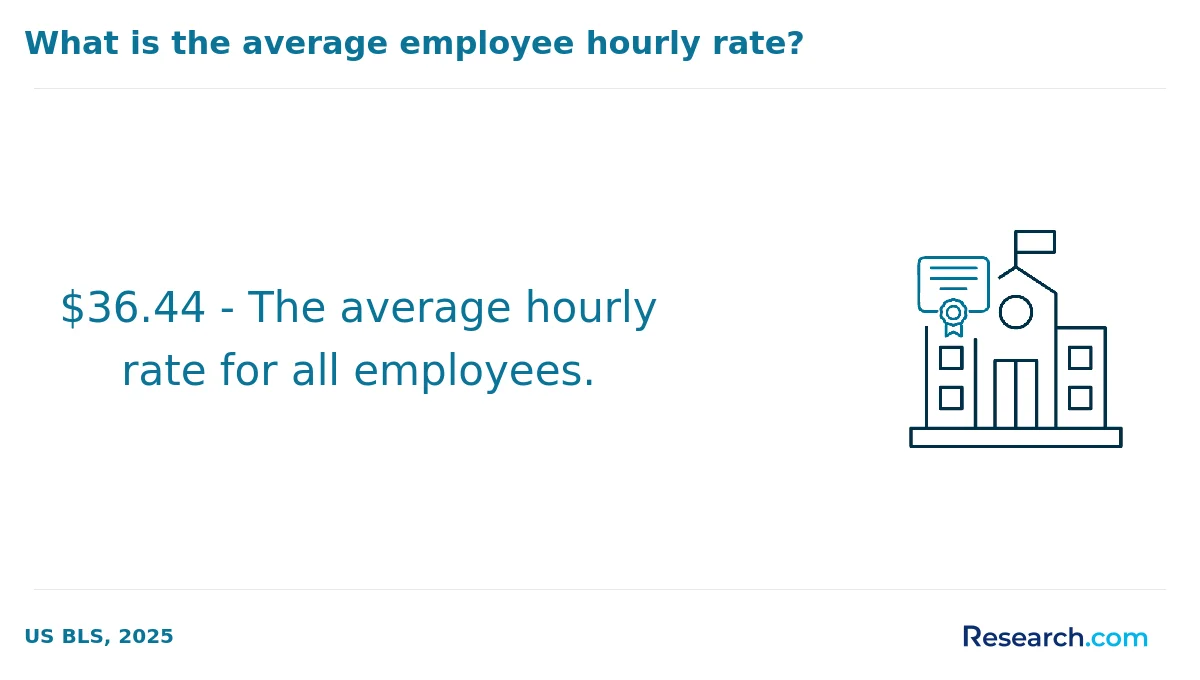
The Rochester NY trade school job market is robust, driven by consistent demand across trades such as construction, HVAC, advanced manufacturing, and mechanics. Graduates of well-known local trade schools frequently secure positions like maintenance technician, welder, or HVAC apprentice, with starting wages around $17-$19 per hour, progressing to over $34 per hour for skilled roles such as automated equipment mechanic. These figures reflect the strong market value of trade school certification programs in Rochester.
Many Rochester graduates report benefiting from workforce development programs that offer financial incentives and comprehensive support, including case management and stipends. For example, graduates from Monroe Community College's Applied Technology Center often receive bonuses when employers participate in initiatives like the Monroe Manufactures Jobs program.
Employment opportunities for trade school graduates in Rochester include:
- Entry-level apprenticeships with competitive hourly wages
- Bonuses for staying with employers for one year
- Access to reimbursed training costs via local employer incentive programs
These conditions create a welcoming environment for new students considering certification, fostering stable career paths and financial growth. For those researching options, the best trade schools in the us list provides further insight into top programs suitable for career advancement within Rochester and beyond.
Most Affordable Certificate Programs - Leading Certification Courses in Rochester for 2026
# 1 position
Monroe Community College - Heating, Air Conditioning, Ventilation and Refrigeration Maintenance Technology/Technician.
certificate or diplomaMonroe Community College offers a hybrid program in Heating, Air Conditioning, Ventilation and Refrigeration Maintenance Technology/Technician. The program prepares students to repair, install, service, and maintain HVAC and refrigeration systems, covering diagnostic techniques, testing equipment, mechanics, electricity, and electronics principles. Annual in-state tuition is $5,856. Graduates have median earnings of $54,241 one year after completion. The program is accredited by the Middle States Commission on Higher Education.
# 2 position
Monroe Community College - Automobile/Automotive Mechanics Technology/Technician.
certificate or diplomaMonroe Community College offers a hybrid program in Automobile/Automotive Mechanics Technology/Technician designed to prepare students for repairing, servicing, and maintaining automobiles. The curriculum covers brake systems, electrical systems, engine performance and repair, suspension and steering, transmissions, and heating and air conditioning. The annual in-state tuition is $5,856. Graduates have a median earning of $43,272 one year after completion. The program is accredited by the Middle States Commission on Higher Education.
# 3 position
Monroe Community College - Court Reporting and Captioning/Court Reporter.
certificate or diplomaMonroe Community College offers a hybrid Court Reporting and Captioning/Court Reporter program that prepares students to accurately record and transcribe legal proceedings using print or electronic methods. The curriculum covers legal terminology, transcription, shorthand, equipment operation, and professional ethics. Annual in-state tuition is $5,856. Graduates have a median earning of $34,799 one year after completion. The program is accredited by the Middle States Commission on Higher Education.
# 4 position
Monroe Community College - Physical Fitness Technician.
certificate or diplomaMonroe Community College offers a Physical Fitness Technician program with a hybrid format, combining in-person and distance education. The program prepares students for roles in health and fitness clubs, wellness centers, hospitals, and corporate fitness programs, focusing on anatomy, physiology, exercise science, nutrition, and customer service. Annual in-state tuition is $5,856. The program is accredited by the Middle States Commission on Higher Education.
# 5 position
Monroe Community College - Dental Assisting/Assistant.
certificate or diplomaMonroe Community College offers a hybrid Dental Assisting/Assistant program preparing students to provide patient care, take dental radiographs, and assist dentists and hygienists. The curriculum includes medical record-keeping, office duties, equipment maintenance, and chairside assisting. Annual in-state tuition is $5,856. Graduates earn a median salary of $30,812 one year after completion. The program is accredited by the Middle States Commission on Higher Education.
# 6 position
Monroe Community College - Interior Design.
certificate or diplomaMonroe Community College offers a hybrid Interior Design program focusing on artistic principles and techniques for residential and commercial spaces. The curriculum includes computer applications, drafting, lighting, acoustics, color coordination, furnishings, textiles, structural design, and building codes. In-state tuition is $5,856 annually. Graduates have a median earning of $27,718 one year after completion. The program is accredited by the Middle States Commission on Higher Education.
# 7 position
Monroe Community College - Medical Administrative/Executive Assistant and Medical Secretary.
certificate or diplomaMonroe Community College offers a hybrid Medical Administrative/Executive Assistant and Medical Secretary program designed to prepare students for roles supporting physicians, nurses, and healthcare administrators. The curriculum covers medical terminology, business communications, health care operations, software applications, scheduling, and professional ethics. The program is accredited by the Middle States Commission on Higher Education. Annual in-state tuition is $5,856, and median earnings one year after completion are $22,007.
# 8 position
Rochester Institute of Technology - Electrocardiograph Technology/Technician.
certificate or diplomaThe Electrocardiograph Technology/Technician program at Rochester Institute of Technology offers a hybrid learning option. It prepares students to perform EKG and ECG diagnostic tests under medical supervision and report findings. The curriculum covers anatomy, cardiovascular systems, medical terminology, medications, patient care, equipment operation, cardiac rhythm interpretation, and professional ethics. Accredited by the Middle States Commission on Higher Education, the annual in-state tuition is $57,016, with median earnings of $65,028 one year after completion.
# 9 position
Rochester Institute of Technology - Diagnostic Medical Sonography/Sonographer and Ultrasound Technician.
certificate or diplomaRochester Institute of Technology offers a hybrid Diagnostic Medical Sonography/Sonographer and Ultrasound Technician program that trains students to use medical ultrasound techniques for diagnosing various conditions. The curriculum covers patient care, sonographic data processing, equipment operation, and professional ethics. Annual in-state tuition is $57,016, and median earnings one year after completion are $65,028. The program is accredited by the Middle States Commission on Higher Education.
Frequently Asked Questions about trade school certificates
After completing a trade school certification program in Rochester, preparing for the job market involves several key steps. First, graduates should update their resumes to highlight specific skills learned in their programs, emphasizing hands-on experience. Networking is crucial; Rochester's local trade unions and job fairs offer connections with employers actively hiring certified workers.
It is also beneficial to utilize Rochester's career services, often available through trade schools or community centers, which provide job placement assistance and interview preparation. According to the U.S. Bureau of Labor Statistics, fields like construction and healthcare in Rochester show steady demand, improving job prospects for certified individuals.
Finally, maintaining certifications and seeking additional credentials can increase employability in competitive markets.
Employers in Rochester highly value practical and technical skills in trade school certification graduates. According to data from the Rochester-Finger Lakes Workforce Development Board, the top skills sought include proficiency in specific tools and machinery relevant to fields like HVAC, electrical work, and automotive repair.
Additionally, safety knowledge is crucial; many employers require certifications in OSHA standards to ensure workplace compliance. Soft skills such as problem-solving, communication, and teamwork also rank high, with over 70% of employers emphasizing these as essential for job success.
Industry reports highlight that hands-on experience combined with up-to-date certification significantly improves employability, especially in construction and manufacturing sectors dominant in Rochester's economy.
Finding internships in Rochester related to your trade school certification starts with exploring local job boards and employer networks. Rochester's strong manufacturing and healthcare sectors offer various internship opportunities for students in technical trades.
The Finger Lakes Workforce Investment Board reports that internships are increasingly integrated into trade programs, helping students gain practical experience. You can connect with organizations like RochesterWorks!, which specialize in linking job seekers to internships and apprenticeships in the region.
Additionally, visiting your trade school's career center can provide tailored internship listings and contacts. Networking at local industry events and career fairs hosted by institutions such as Monroe Community College can also be valuable.
Trade school certification programs in Rochester play a significant role in improving career mobility and advancement. These programs provide specialized skills that local employers highly value, especially in fields like healthcare, manufacturing, and information technology. According to the Rochester Economic Development Statistics (2023), certified trade professionals experience a 15% higher employment rate compared to those without certification.
Certification often leads to wage increases; graduates report average starting salaries between $35,000 and $50,000, depending on the industry. Additionally, employers in Rochester tend to prioritize candidates with recognized certifications for promotions and leadership roles.
Such credentials also support career changes within growing sectors, making it easier for workers to transition roles without returning to four-year programs. These benefits collectively demonstrate how trade certifications enhance long-term career prospects in the Rochester labor market.
In Rochester, part-time job opportunities that complement trade school certification programs often align with the skills developed in fields like healthcare, skilled trades, and information technology. For example, certified nursing assistants (CNAs) can find part-time roles in local hospitals and eldercare facilities, supporting hands-on experience alongside coursework. According to the Bureau of Labor Statistics (BLS), Rochester's healthcare support roles are expected to grow by 11% through 2030, indicating ongoing demand.
Part-time positions in construction and manufacturing are also prevalent. Jobs such as apprenticeships, laborer roles, or entry-level technician positions can provide practical experience while studying. The Rochester Area Builders Association highlights that many firms offer flexible work hours for part-time employees pursuing certifications.
IT certification students in Rochester can explore part-time roles like help desk support or junior technician jobs, which are common in the city's thriving technology sector. Indeed.com lists numerous openings for part-time IT support positions, essential for building applied skills and networking.
To choose the most affordable degree program near me in Rochester, NY, start by researching local community colleges and universities that offer lower tuition rates or financial aid options. Utilize resources like Research.com to compare the costs and programs of these institutions, which can help identify the best educational value available. Additionally, consider reaching out directly to schools around Rochester, NY, to inquire about scholarships, grants, and other financial assistance to make your education more affordable.
- Employment Opportunities - Rochester Community and Technical College https://www.rctc.edu/hr/jobs/
- Trade School Programs & Courses https://www.best-trade-schools.net/programs/
- Dismantling barriers to educational learning and success - Rochester BeaconRochester Beacon https://rochesterbeacon.com/2022/11/07/dismantling-barriers-to-educational-learning-and-success/
- Industry Practicum Co-op Program : Undergraduate : Hajim School of Engineering & Applied Sciences : University of Rochester https://www.hajim.rochester.edu/undergraduate/special-programs/industry-practicum.html
- What Employers Want From Trade School Graduates Today | UTI https://www.uti.edu/blog/education/employers-trade-school-graduates
- RIT Certified | Professional & Workforce Training https://certified.rit.edu/
- Occupational Trades | Rochester Educational Opportunity Center | https://reoc.brockport.edu/course-category/occupational-trades/
- Tuition Assistance https://www.monroe2boces.org/TuitionAssistance.aspx
- Monroe Community College https://campusce.monroecc.edu/monroecc/category/category.aspx
- Trade School Careers https://auto.edu/blog/trade-school-careers


