
Best Trade School & Training Programs - Leading Certification Courses in Utica for 2026

Co-Founder and Chief Data Scientist
If you’re considering a trade school in Utica, this article is here to help. We’ve gathered a trade school programs ranking created by the Research.com team of data scientists to guide you in making an informed choice.
Getting a diploma or certification from a quality trade school can open doors to a rewarding career and provide valuable skills. Reading this article will give you a clearer picture of the top programs available locally and why they stand out.
Explore your options confidently and take a positive step toward your future success.
Key benefits of finishing trade school programs trade school in Utica
- Trade school graduates in Utica can expect starting salaries around $28.74 per hour, or about $59,779 per year, with roles like electricians, HVAC specialists, and maintenance technicians offering solid income right after graduation.
- Popular career paths include automotive technology, welding, plumbing, and other hands-on trades that provide steady work and growth opportunities in the local job market.
- Completing a trade school diploma or certification online offers flexibility and convenience, allowing students to balance work or family while still gaining valuable skills and credentials just like on-campus graduates.
- Best Trade School & Training Programs - Leading Certification Courses in Utica for 2026
- What can I expect from trade school programs trade schools in Utica?
- Where can I work after finishing trade school programs trade schools in Utica?
What can I expect from trade school programs trade schools in Utica?
Students often anticipate the average cost of trade school programs in Utica to be a significant upfront investment, yet many find the financial burden surprisingly manageable. For example, programs at MV Tech Corps offer full tuition coverage and provide required materials, alleviating common monetary concerns while fostering confidence during study and job placement.
Graduates frequently describe how this financial support enabled them to focus fully on hands-on training in fields like construction, electrical work, or culinary arts without the stress of accumulating debt. Others in programs aligned with Oneida-Herkimer-Madison BOCES report modest costs accompanied by substantial value, especially when factoring in internships that build real skills and workplace readiness.
Prospective students should expect varying costs depending on program length and specialization but appreciate many local programs' alignment with state standards, scholarships, and accelerated paths. This approach ensures both affordability and timely completion, which helps graduates transition quickly into rewarding careers. Knowing this, students feel empowered to pursue their passions with clear financial expectations and tangible outcomes.
Where can I work after finishing trade school programs trade schools in Utica?
After finishing a trade school program in Utica, graduates often find themselves stepping directly into rewarding careers thanks to strong local industry connections. For instance, those trained in advanced manufacturing or industrial technology frequently land jobs as industrial electricians, earning starting wages around $28 per hour by applying hands-on skills like wiring and troubleshooting equipment at Utica's manufacturing plants.
Graduates from health professions programs often work as community health workers, supporting local senior centers and clinics, which creates a tangible sense of making a difference in the Mohawk Valley region. Similarly, students from construction and electrical programs report securing positions as construction technicians or fiber optics installers, responding to steady regional demand for skilled tradespeople.
Trade schools in Utica emphasize internships and apprenticeships with nearby employers, a crucial step that many graduates credit with launching their careers. Whether pursuing business analytics, cybersecurity, or media production, students appreciate how their real-world experiences translate into immediate job opportunities within Utica's diverse economy.
After finishing a trade school program in Utica, graduates typically earn salaries close to New York's statewide average of $73,463 per year, or about $35.32 per hour. Many graduates report starting salaries between $55,200 and $89,200, with some skilled workers in high-demand roles making over $109,403. These figures come from local job market trends largely mirrored in the Utica-Rome metro area, where sectors like trade, transportation, utilities, and construction are expanding, creating steady demand for trade school graduates.
Graduates from popular local programs, such as those affiliated with Mohawk Valley Community College, often share how technical certifications helped them quickly secure well-paying electrician or HVAC technician roles. These jobs not only offer competitive base pay but also open doors for overtime and bonuses, significantly boosting take-home income.
While entry-level salaries might feel modest at first, many report gaining confidence and faster wage growth through additional licenses and on-the-job experience. Knowing this, choosing a program that aligns with Utica's growth sectors can make the difference in hitting the higher end of the pay scale.
- Applicants usually need a high school diploma, GED, or recognized equivalent to enroll in trade school programs in Utica.
- Most programs require students to be at least 18 years old, with some allowing younger students with parental consent or special arrangements.
- Competitive programs, like nursing at St. Elizabeth College of Nursing, require a minimum GPA of 2.75 or an 80% high school average and may include a Test of Essential Academic Skills (TEAS).
- Some certificate programs at Mohawk Valley Community College can be completed in 8 months at no tuition cost through initiatives like MV Tech Corps, while private programs may cost between $5,000 and $20,000.
- Entry-level salaries for graduates typically range from $35,000 to $45,000 annually, with experienced professionals earning $55,000 to $70,000 or more depending on the field and certifications.
- Trade schools in Utica often offer career counseling and job placement services, and students should verify if programs are state-approved or SUNY-recognized for better employment prospects.
Completing a trade school program in Utica typically takes between four and eight months, offering a fast track to workforce entry. Graduates from Mohawk Valley Community College's MV Tech Corps often share how they finished hands-on certificate programs in about eight months, appreciating the focused, practical skills training that made job readiness feel immediate and attainable. Others who enrolled in MVCC's FastTrack Career Programs found success completing targeted skill courses within a single semester, roughly four to five months, allowing them to upskill rapidly or pivot careers without the lengthy commitment of traditional college.
Online trade courses partnered with local colleges add flexibility, letting students control their pace to finish within several months, which particularly suits those balancing work or family obligations. For example, foundational electrician training follows this short-term model, helping learners gain entry-level qualifications promptly.
These accelerated options reflect Utica's commitment to supporting students eager to start careers quickly while gaining industry-relevant expertise without unnecessary delays.
The primary difference between online and on-campus trade school programs in Utica is how education is delivered and experienced. Online programs, such as those offered through partnerships with Mohawk Valley Community College, provide students with remarkable flexibility. Graduates often share how they balanced family commitments or full-time jobs while accessing courses anytime and anywhere. This flexibility helps students stay on track without relocating or pausing their careers.
On the other hand, on-campus programs demand physical attendance, which fosters more hands-on learning and direct interaction with instructors and peers. Graduates who chose the in-person route frequently highlight the value of working with specialized tools and learning in real-time workshops at Utica's trade schools. This format suits fields requiring practical skills, like construction or healthcare, where face-to-face mentorship deepens understanding.
Cost and networking differ as well. Online courses often lower financial and geographic barriers, while on-campus students benefit from immediate access to campus resources and community connections in Utica's trade education scene.
The average trade school cost in Utica varies widely depending on the institution and program chosen, but it generally falls into two clear categories. At Mohawk Valley Community College, a public option popular among local students, the total cost including tuition, fees, books, and room and board comes to about $20,120 per year for those living on campus. Many students who commute enjoy reduced expenses and find this to be a manageable pathway. Graduates often appreciate how this affordable pricing lets them gain valuable skills without incurring overwhelming debt.
By contrast, Utica College (now Utica University), a private institution, has substantially higher tuition and fees. Annual tuition alone exceeds $23,000, and when combined with other costs, a full year can top $39,000. Students at Utica trade school programs often borrow much more, with average loans around $11,391 annually, reflecting a significant financial commitment that can weigh on graduates even as they embark on rewarding careers.
Understanding the Utica trade school tuition and fees landscape means recognizing these clear differences. Public community colleges in the area typically offer lower financial burdens, making them attractive for students prioritizing cost efficiency, while private schools present a different set of tradeoffs with potentially higher resources but steeper price tags. It is wise for prospective students to research and consider all costs carefully, including supplies and living expenses, before deciding.
For those exploring career options, it's helpful to also look at the best paying trade jobs that are easy to learn available, which can help justify the investment in trade education based on future earning potential.

Trade school students in Utica have access to a variety of financial aid sources that make education more affordable. Most begin by completing the Free Application for Federal Student Aid (FAFSA), which opens doors to federal Pell Grants, student loans, and Federal Work-Study programs. For example, graduates from Madison-Oneida BOCES often share how their Pell Grants eased the pressure of tuition costs while gaining hands-on skills aligned with local industry needs.
Beyond federal aid, the New York State Tuition Assistance Program (TAP) offers additional grant support for qualifying students attending approved trade schools in the area. Institutional aid also plays a vital role-Utica University's model, while geared toward four-year programs, reflects the region's broader commitment; many students benefit from scholarships and campus-based grants that reduce expenses significantly.
Local scholarships, like those from Utica Dollars for Scholars, provide targeted awards to graduates from Oneida and Herkimer counties pursuing technical training, often changing students' financial outlook completely. Employer tuition reimbursement is another practical option, frequently highlighted by workers upgrading their skills through trade programs. Gathering documents early and applying promptly remains key to maximizing these opportunities.
To enroll in a trade school program in Utica, the foundational step is holding a high school diploma or an equivalent, such as a GED. Graduates from Mohawk Valley Community College often recall how proving this credential was essential before admission. For those home-schooled, providing official certification from a local superintendent that their education matches New York State's standards is required, which ensures fairness and academic readiness.
Applicants must also submit official transcripts detailing their previous education. These documents matter because they confirm preparedness and fulfill program prerequisites. For example, some students aiming for healthcare programs at St. Elizabeth College of Nursing needed to demonstrate a minimum GPA, typically around 2.75 or an 80% in high school, reinforcing quality standards.
Others found that completing recent coursework in basic algebra was crucial. If not recent, passing a Math TEAS exam offered an alternative, keeping pathways open.
- Application fees, often about $65, must be paid.
- Placement tests can be required to assess skill levels.
- Health-related programs may require background checks, vaccinations, and health screenings for clinical training.
MV Tech Corps students highlight the excitement of free tuition but emphasize the need to meet residency and application requirements, demonstrating how these prerequisites work hand in hand with support opportunities. Overall, these steps pave the way for a confident and successful experience in Utica's trade education.

Trade schools in Utica offer courses grounded in the region's workforce demands and national standards, ensuring students gain practical, employable skills quickly. Graduates often share how electrical technology classes blend theory with hands-on wiring exercises, complete with blueprint reading and customer service skills-crucial for local electrician roles. For example, students at Mohawk Valley Community College find the in-shop electrical labs invaluable for real-world confidence.
Welding and metal fabrication courses stand out by teaching multiple techniques like SMAW, GTAW, and plasma cutting, always emphasizing safety and precision. A graduate recalled the satisfaction of mastering these skills through extensive shop practice, which prepared them well for entry-level jobs.
Automotive technology programs address engine repair on a variety of equipment-from motorcycles to construction tools-giving students broad mechanical exposure. Other popular courses include:
- Carpentry, focusing on construction methods and tool safety
- Culinary arts, honing food preparation and kitchen efficiency
- Horticulture, covering plant science and landscaping skills
Fast-track programs for trades like solar energy or OSHA 10 safety certification are praised for their swift pathways to employment, often supported by strong job placement services. These course offerings in Utica's trade schools clearly respond to students' aspirations and the city's evolving job market.
Trade school programs in Utica cover an impressive range of specializations tailored to meet both student interests and local industry needs. Graduates from popular institutions like Oneida-Herkimer-Madison BOCES speak highly of hands-on training in construction trades such as framing, roofing, and plumbing that directly prepare them for skilled employment. Others praise programs in engineering technologies offering practical skills in auto repair, welding, and small engine maintenance, often complemented by internship opportunities that boost confidence and real-world readiness.
Health services programs at Mohawk Valley Community College attract students who value earning credentials in fields like Emergency Medical Services or Health Information Technology, opening doors to both immediate work and further studies. For those passionate about creativity and hospitality, culinary arts and fashion design courses add variety, fostering a strong sense of accomplishment with tangible career outcomes.
Students seeking flexibility benefit from available online and hybrid formats, particularly for electrician training that follows industry standards closely. Those wishing to save money without sacrificing quality should consider cheap online electrician training courses. This blend of affordability and rigor is a common highlight voiced by current enrollees.
Typical specialization options include:
- Construction trades (carpentry, masonry, solar panel installation)
- Automotive technology and small engine repair
- Health sciences, EMS, radiologic technology
- Culinary arts and baking & pastry
- Electrical engineering and service technician pathways
- Digital media, marketing, and fire protection technology
Choosing the best trade school programs in Utica means prioritizing accredited institutions like Mohawk Valley Community College, whose graduates often share how accreditation assured them of respected credentials. Many students value programs that balance theory and hands-on training, especially in fields such as HVAC/R technology and residential electrician work.
Graduates from local schools praise the robust career support and high job placement rates available at Utica University and Oneida-Herkimer-Madison BOCES. These programs often include internships that help students build valuable real-world experience and professional networks.
Flexibility is key for many learners managing work or family, so look for options offering evening or online classes. Comparing Utica trade school tuition and costs-and available financial aid-can prevent surprises after enrollment. To deepen your understanding, consider resources like trade schools vs college, which explain how such programs fit into broader educational paths.
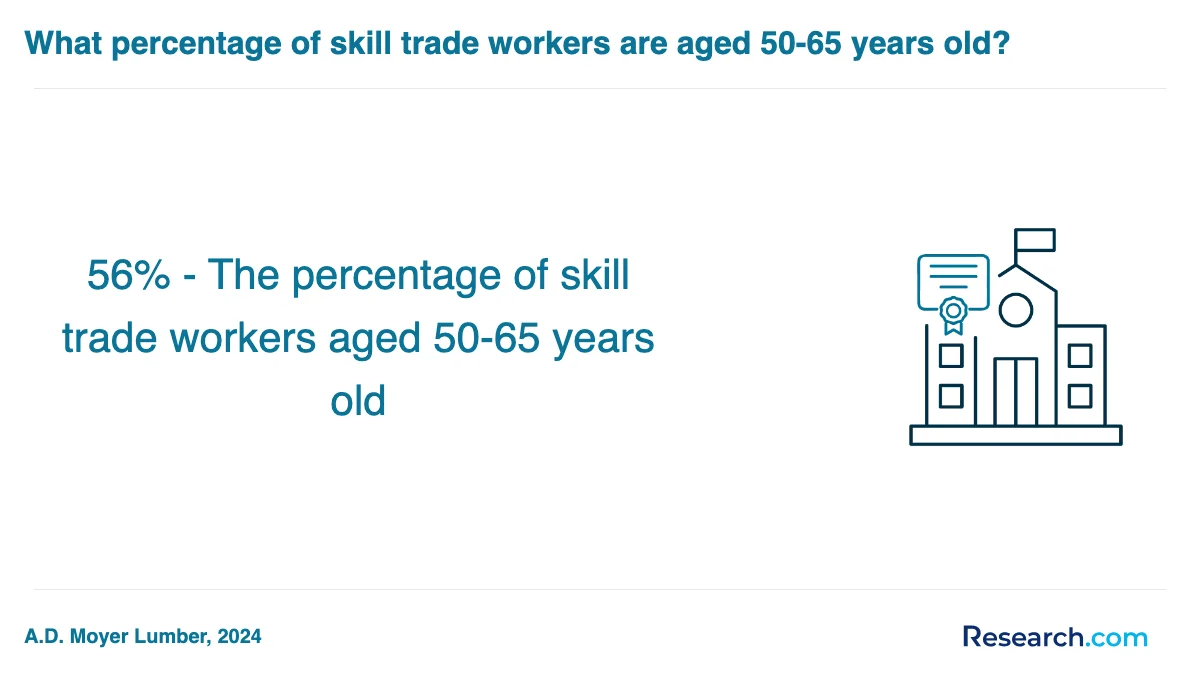
Trade school graduates in Utica encounter a variety of career opportunities tailored to the city's economic landscape and local industry needs. Graduates from popular institutions like Oneida-Herkimer-Madison BOCES often transition promptly into high-demand trades jobs in Utica NY, such as construction roles-including framing, roofing, plumbing, and masonry. These fields offer clear advancement paths, with several graduates sharing stories of rising from entry-level installer positions to supervisory and managerial roles through apprenticeships or further certifications.
Beyond construction, programs in healthcare support prepare students for stable employment in clinics and hospitals, while technical trades such as HVAC, electrical, welding, and plumbing remain consistent avenues for rewarding work. Some graduates reflect on how training in digital film, photography, or cosmetology fostered creative careers that blend local business opportunities with self-employment.
Examples of career opportunities for trade school graduates in Utica include:
- Carpenter, drywall installer, or roofing specialist
- Medical assistant or laboratory technician
- HVAC technician or electrician
- Videographer or esthetician
- Culinary arts, law enforcement, or early childhood education roles
Moreover, for students interested in more specialized trades, exploring an automotive trade school program represents another promising pathway within the local market. Many graduates highlight the fulfilling nature of working in these skilled trades, emphasizing job stability and the pride of mastering hands-on expertise valued both locally and statewide.
The job market for trade school graduates in Utica displays strong potential driven by local industry demand. Graduates often find themselves well-positioned for immediate employment, thanks to hands-on training and partnerships with employers. Popular trade schools in Utica offer programs tied to fields such as advanced manufacturing, electrical work, and health professions, which reflect real labor market needs. Graduates share positive experiences about landing roles like industrial electricians or community health workers, typically starting around $28 per hour.
Relevant factors boosting the Utica NY skilled trades employment outlook include:
- Robust employer connections facilitating internships and apprenticeships.
- Access to modern facilities, such as the new Career and Technical Education Center opening in Fall 2025.
- Workforce initiatives like MV Tech Corps providing SUNY-recognized certificates and employment counseling.
For students exploring diverse fields, a low cost online solar technician training program also expands career opportunities. Overall, job opportunities for trade school graduates in Utica NY continue to grow, with promising pathways for skill development and stable earnings.
Best Trade School & Training Programs - Leading Certification Courses in Utica for 2026
# 1 position
Mohawk Valley Community College - Criminal Justice/Law Enforcement Administration.
associateMohawk Valley Community College offers a Criminal Justice/Law Enforcement Administration program with a hybrid format, including some distance education. The program prepares students for managing public law enforcement agencies, covering topics such as law enforcement history, operational leadership, labor relations, legal responsibilities, budgeting, and public relations. Annual in-state tuition is $6,114. Graduates have a median earnings of $36,754 one year after completing the program. The college is accredited by the Middle States Commission on Higher Education.
# 2 position
Mohawk Valley Community College - Business Administration and Management, General.
associateMohawk Valley Community College offers a Business Administration and Management, General program with a hybrid format that includes some distance-education options. The program prepares students to plan, organize, direct, and control organizational functions, covering management theory, human resources, accounting, logistics, marketing, and business decision-making. Annual in-state tuition is $6,114. Graduates earn a median income of $35,774 one year after completion. The program is accredited by the Middle States Commission on Higher Education.
# 3 position
Mohawk Valley Community College - Computer and Information Sciences, General.
associateMohawk Valley Community College offers a hybrid program in Computer and Information Sciences, General, providing some distance-education options. The program focuses on computing, computer science, and information science and systems without specializing in specific subfields. Annual in-state tuition is $6,114. The program is accredited by the Middle States Commission on Higher Education.
# 4 position
Mohawk Valley Community College - Computer Science.
associateMohawk Valley Community College offers a Computer Science program with a hybrid format, allowing some distance-education options. The curriculum covers computer theory, problem-solving, system design, and user interfaces from a scientific perspective. Students receive instruction in computational science principles, programming, and practical applications. The program’s annual in-state tuition is $6,114. It is accredited by the Middle States Commission on Higher Education.
# 5 position
Mohawk Valley Community College - Computer and Information Systems Security/Auditing/Information Assurance.
associateMohawk Valley Community College offers a hybrid program in Computer and Information Systems Security/Auditing/Information Assurance. The program trains students to evaluate security needs, recommend safeguards, and manage implementation and auditing of security systems. Coursework covers computer architecture, programming, networking, cryptography, risk assessment, and investigation techniques. The annual in-state tuition is $6,114. The program is accredited by the Middle States Commission on Higher Education.
# 6 position
Mohawk Valley Community College - Heating, Air Conditioning, Ventilation and Refrigeration Maintenance Technology/Technician.
associateMohawk Valley Community College offers a Hybrid Heating, Air Conditioning, Ventilation and Refrigeration Maintenance Technology/Technician program. The curriculum prepares students to repair, install, service, and maintain HVAC and refrigeration systems, including diagnostic techniques and use of testing equipment. Instruction covers mechanics, electricity, and electronics principles related to these systems. Annual in-state tuition is $6,114. The program is accredited by the Middle States Commission on Higher Education.
# 7 position
Mohawk Valley Community College - Heating, Air Conditioning, Ventilation and Refrigeration Maintenance Technology/Technician.
certificate or diplomaMohawk Valley Community College offers a hybrid program in Heating, Air Conditioning, Ventilation and Refrigeration Maintenance Technology/Technician. The curriculum prepares students to repair, install, service, and maintain HVAC and refrigeration systems, emphasizing diagnostic techniques and use of testing equipment. Instruction covers mechanics, electricity, and electronics principles relevant to these systems. The annual in-state tuition is $6,114. The program is accredited by the Middle States Commission on Higher Education.
# 8 position
Mohawk Valley Community College - Computer Numerically Controlled (CNC) Machinist Technology/CNC Machinist.
certificate or diplomaMohawk Valley Community College offers a hybrid Computer Numerically Controlled (CNC) Machinist Technology program. It trains students to operate CNC machine tools, including lathes and mills, covering setup, programming, operations, and troubleshooting. Coursework includes blueprint reading, machining, technical math, CAD/CAM systems, and safety practices. The program’s annual in-state tuition is $6,114. It is accredited by the Middle States Commission on Higher Education, with median earnings of $29,615 one year after completion.
# 9 position
Mohawk Valley Community College - Accounting Technology/Technician and Bookkeeping.
associateMohawk Valley Community College offers a hybrid Accounting Technology/Technician and Bookkeeping program designed to prepare students for technical support roles in accounting and financial management. The curriculum covers posting transactions, record-keeping systems, accounting software, and accounting principles. In-state tuition is $6,114 annually. Graduates earn a median salary of $26,181 one year after completion. The program is accredited by the Middle States Commission on Higher Education.
# 10 position
Mohawk Valley Community College - Welding Technology/Welder.
associateThe Welding Technology/Welder program at Mohawk Valley Community College offers a hybrid format with some distance education options. It prepares students to perform welding and cutting on metal surfaces using various techniques, including arc welding, resistance welding, and brazing. The curriculum covers welding metallurgy, safety, structural design, and applicable codes. Annual in-state tuition is $6,114, and median earnings one year after completion reach $29,615.70. The program is accredited by the Middle States Commission on Higher Education.
Frequently Asked Questions about trade school programs
After completing a trade school program in Utica, preparing for the job market involves several key steps. First, students should take advantage of career services offered by their schools, such as resume writing workshops and job placement assistance. Many trade schools in Utica report placement rates above 70% within six months of graduation, according to the New York State Department of Labor.
Networking is also essential. Connecting with local employers, attending job fairs, and using platforms like LinkedIn can increase opportunities. Certifications obtained during training often meet local industry demands, making graduates competitive candidates in fields such as HVAC, electrical work, and healthcare support.
Continuing education and apprenticeships can boost skills and earnings potential. Staying informed about labor market trends in Utica ensures graduates align with in-demand occupations and benefit from the area's growing manufacturing and skilled trades sectors.
Employers in Utica value trade school graduates who possess strong technical skills relevant to their fields, such as HVAC repair, electrical work, and welding. According to the New York State Department of Labor, proficiency in hands-on problem solving is critical, with 72% of local employers emphasizing practical abilities over theoretical knowledge. Additionally, soft skills like communication, punctuality, and teamwork are highly prized, reflecting nationwide trends reported by the National Center for Construction Education and Research. Familiarity with safety regulations and the ability to adapt to evolving technologies are also frequently noted as essential for success in Utica's skilled trades job market.
Finding internships in Utica that align with your trade school program involves several practical steps. Start by contacting your school's career services office, as many trade schools in Utica have partnerships with local businesses offering hands-on internship opportunities. Networking locally through chambers of commerce or trade associations can also uncover hidden placements.
Online resources like the New York State Department of Labor website provide internship listings and labor market information specific to Utica.
Additionally, companies in manufacturing, healthcare, and construction sectors prevalent in the Utica area often seek trade school interns. Check directly with these employers.
According to recent data, about 40% of trade students in upstate New York secure internships through direct school connections or local employer outreach.
In Utica, earning a trade school diploma can significantly impact career mobility and advancement. Trade diplomas provide practical skills valued by local employers in industries like manufacturing, healthcare, and construction. According to the New York State Department of Labor, occupations requiring vocational training in the Utica-Rome area are expected to grow by 5% through 2028, indicating steady demand for skilled workers.
A trade diploma often leads to higher starting wages compared to only holding a high school diploma. For instance, the Bureau of Labor Statistics reports that skilled trades in the region offer median salaries 20-30% above entry-level positions without certification. This credential also makes workers eligible for licensed roles, which typically come with better job security and promotion opportunities.
Moreover, many employers in Utica prefer hiring trade school graduates for advancement, recognizing their specialized training and readiness. This advantage facilitates quicker career progress, from entry-level to supervisory roles within a few years. Thus, a trade diploma is a proven tool for upward mobility in Utica's competitive job market.
Students attending trade schools in Utica can benefit from various part-time job opportunities that complement their education and build practical skills. Local industries such as manufacturing, healthcare, and construction frequently offer positions suitable for trade students. For example, roles in basic machine operation or warehouse assistance connect well with technical training.
According to the U.S. Bureau of Labor Statistics, part-time jobs in Utica's healthcare sector have grown by 5% over the past two years, providing roles like medical assistants or pharmacy aides that complement allied health programs. Similarly, apprenticeships and internships in electrical or plumbing trades offer hands-on experience, enhancing classroom learning while earning wages.
Retail and customer service positions in Utica's growing commercial areas also provide flexible hours, allowing students to support themselves financially without conflicting with trade school schedules.
To find the best degree program "near me," you can research local universities and colleges, as well as consult ranking lists and reviews by using resources like Research.com to gauge program quality. Specifically, "near Utica, NY," there are institutions such as Utica University, Mohawk Valley Community College, and nearby colleges offering various programs, which you can explore based on your academic and career goals. In addition to program rankings, consider campus visits and speaking with current students or alumni to get a firsthand understanding of the educational environment and resources available.
- Best Trade School & Training Programs - Leading Certification Courses in Hamburg for 2026
- Best Trade School & Training Programs - Leading Certification Courses in Akron for 2026
- Best Trade School & Training Programs - Leading Certification Courses in Adrian for 2026
- Best Trade School & Training Programs - Leading Certification Courses in Angola for 2026
- Best Trade School & Training Programs - Leading Certification Courses in Florence for 2026
- CTE PROGRAMS | Career and Technical Education https://www.uticaschools.org/departments/cte/cte-programs
- Career Pathways https://mvcc.edu/academics/career-pathways.php
- Career Pathways Program | Working Solutions | An American Job Center https://www.working-solutions.org/training-grant-programs/career-pathways-program
- RCIL's Pre-Vocational Training for Workplace Success | RCIL https://www.rcil.com/services/employment-services/pre-vocational-training/
- Learn A Trade - SUNY https://www.suny.edu/trades/


