
Best Medical Billing & Coding Training Programs & Trade Schools - Top Medical Billing & Coding Schools in Northeast for 2026

Co-Founder and Chief Data Scientist
Choosing the right medical billing and coding trade school in the Northeast can feel overwhelming. This article is here to help you navigate that decision with confidence.
We present a carefully crafted ranking of medical biller and coder trade school programs, developed by the Research.com team of data scientists. Their expertise ensures you get reliable information to find programs that truly stand out.
Whether you want to start a rewarding career or enhance your skills, earning a diploma or certification opens doors to growing job opportunities. Reading this guide puts you one step closer to a fulfilling future in healthcare administration.
Key benefits of finishing medical biller & coder trade school in Northeast
- Graduates of medical biller & coder trade schools in the Northeast can expect starting salaries between $33,000 and $39,000 annually, with experienced professionals earning over $47,000, reflecting strong earning potential early in their careers.
- Career paths include working in hospitals, outpatient clinics, or specialized medical offices, offering graduates a variety of roles and opportunities to grow within the healthcare industry.
- Completing an online trade school program provides flexibility and convenience, allowing graduates to balance studies with personal commitments while gaining skills that employers in the Northeast highly value.
- Best Medical Billing & Coding Training Programs & Trade Schools - Top Medical Billing & Coding Schools in Northeast for 2026
- What can I expect from medical biller & coder trade schools in Northeast?
- Where can I work after finishing medical biller & coder trade schools in Northeast?
What can I expect from medical biller & coder trade schools in Northeast?
Enrolling in a medical biller & coder trade school program in the Northeast means diving into a curriculum that balances healthcare fundamentals with hands-on coding practice. Graduates often recall how quickly they moved from learning medical terminology and anatomy to mastering coding systems like ICD-10 and CPT, simulating real-world medical records. Many appreciated the flexible schedules-some opted for fully online classes, while others chose hybrid options to fit work or family commitments.
Students frequently describe the sense of accomplishment when navigating electronic health records software, a skill essential for modern healthcare roles. The relatively short duration of 7 to 9 months lets them quickly transition into entry-level jobs at hospitals or clinics around the region. Graduates value the job placement assistance offered by popular Northeast trade schools, which often opens doors to insurance companies or government agencies.
Those who took advantage of externships found they gained confidence working alongside healthcare professionals, helping them envision their future careers. The combination of practical experience and certification prep creates a motivating and hopeful learning environment that prepares students for the realities of the healthcare billing and coding field.
Where can I work after finishing medical biller & coder trade schools in Northeast?
Graduates of medical biller and coder trade schools in the Northeast often find themselves stepping confidently into a variety of rewarding roles. Many secure positions in hospitals, outpatient clinics, and physicians' offices, where their skills directly impact accurate billing and timely reimbursements. For example, alumni from popular Northeast trade schools have shared how landing jobs at major health systems like UMass Memorial or Albany Medical Center has empowered them to grow professionally while enjoying stable incomes.
Others discover fulfilling careers in specialized billing companies or insurance firms, sometimes working remotely or in hybrid setups that offer flexibility and work-life balance. The ability to navigate complex healthcare regulations makes these graduates valuable assets in long-term care facilities and rehabilitation centers as well. With certifications like the CPC, graduates report feeling more confident competing for roles that offer benefits such as health insurance and retirement plans, often with salaries ranging from $22 to $25 per hour in cities like New York.
The Northeast's vibrant healthcare industry and high demand for skilled billers and coders create a promising outlook for those completing trade programs here, turning their classroom knowledge into real-world success stories.
After finishing a medical biller & coder trade school program in the Northeast, graduates often find themselves stepping into roles with competitive salaries that reflect the region's higher cost of living and healthcare demand. Many graduates from well-known trade schools in cities like Boston and New York report starting salaries around $41,000 to $52,000 annually, thanks to hourly wages averaging $24 or more in key urban centers.
One graduate shared how quickly their earnings rose after certification, moving from entry-level pay near $40,000 to over $55,000 within two years, fueled by the region's strong healthcare industry. Another described the excitement of landing a position at a large hospital where experienced billers earn upwards of $60,000, a promising incentive to stay committed to advancing their skills.
Even smaller employers in the Northeast offer solid entry wages close to national averages, ensuring graduates feel confident about their career prospects. This steady income growth paired with opportunities for specialization makes the Northeast an appealing place to launch a medical billing and coding career.
- Programs typically last 6 to 12 months and prepare students for national certification exams like CPC or CBCS.
- Average total cost ranges from $3,000 to $7,000, with additional expenses for exams and textbooks.
- Completion requires earning a minimum grade of about 70% in courses to receive a certificate.
- Entry-level salaries in the Northeast range from $38,000 to $48,000, with experienced professionals earning over $60,000.
- No prior healthcare experience is needed, but attention to detail and computer skills are important.
Completing a medical biller & coder trade school program in the Northeast typically takes anywhere from six months to one year, depending on whether students choose full-time or part-time schedules. Graduates from well-known trade schools in the region often share how accelerated programs allowed them to quickly transition into the workforce, fueling excitement about starting their careers without prolonged delays.
Many students find that immersive, hands-on training combined with well-structured coursework helps them absorb complex coding systems efficiently. For example, a graduate from a popular Northeast trade school recalls balancing evening classes with a part-time job, completing the program in just under a year while feeling motivated by steady progress toward certification.
Trade schools in the Northeast often design their curricula to align with industry demands, enabling students to gain relevant skills swiftly. This approach keeps learners engaged and confident, knowing they are investing their time wisely to enter a growing healthcare field that values accuracy and speed.
Online medical biller & coder programs in the Northeast offer unmatched flexibility, allowing students to study at their own pace from anywhere with internet access. Graduates often recall how programs like those at Eastern West Virginia Community and Technical College enabled them to juggle family and work commitments while completing coursework within six months. The ability to start multiple times a year without application fees made entry smooth and stress-free.
On the other hand, on-campus programs create a more immersive learning experience. Students appreciate face-to-face mentorship, hands-on labs, and the camaraderie of peer collaboration. Those who thrive in structured settings find that in-person classes help them stay motivated and connected with faculty and classmates. Practical internships tied to campus programs often boost confidence and readiness for real-world coding roles.
Both paths prepare students well for certification exams, but the choice often depends on learning style and lifestyle. Many graduates feel empowered knowing they can tailor their education to fit their unique circumstances while entering a growing healthcare field.
The average cost of medical billing and coding programs in the Northeast varies significantly depending on program type and institution. Certificate and diploma programs often fall between $1,000 and $5,000, making them an accessible option for many aspiring students. Graduates from trade schools in this region frequently share how these programs provided practical skills quickly, preparing them for entry-level roles without a hefty financial burden. For example, some graduates from well-known trade schools in Pennsylvania report manageable tuition fees around $4,000, excluding books. These costs reflect the typical tuition fees for medical coding schools in the Northeastern United States and help students budget realistically.
Associate degree programs tend to be more comprehensive and consequently costlier, with tuition fees generally ranging from $8,000 to $20,000. Students completing an associate degree often feel confident entering the job market, having benefited from broader coursework and deeper expertise. Institutions in Rhode Island and neighboring states have been noted by graduates for balancing quality education with reasonable expenses. For many considering advancement, choosing an associate degree program in medical billing and coding offers long-term value despite the higher cost.
Online medical billing and coding programs introduce additional flexibility, often charging around $234 per credit. With typical programs requiring 20 to 30 credits, the total investment ranges from approximately $4,680 to $7,020, excluding extra fees. This option appeals to those balancing work or family commitments and seeking affordable tuition fees for medical coding schools in the Northeastern United States. Many students express satisfaction with the convenience and cost-effectiveness while still feeling well-prepared for certification and employment in the healthcare sector.
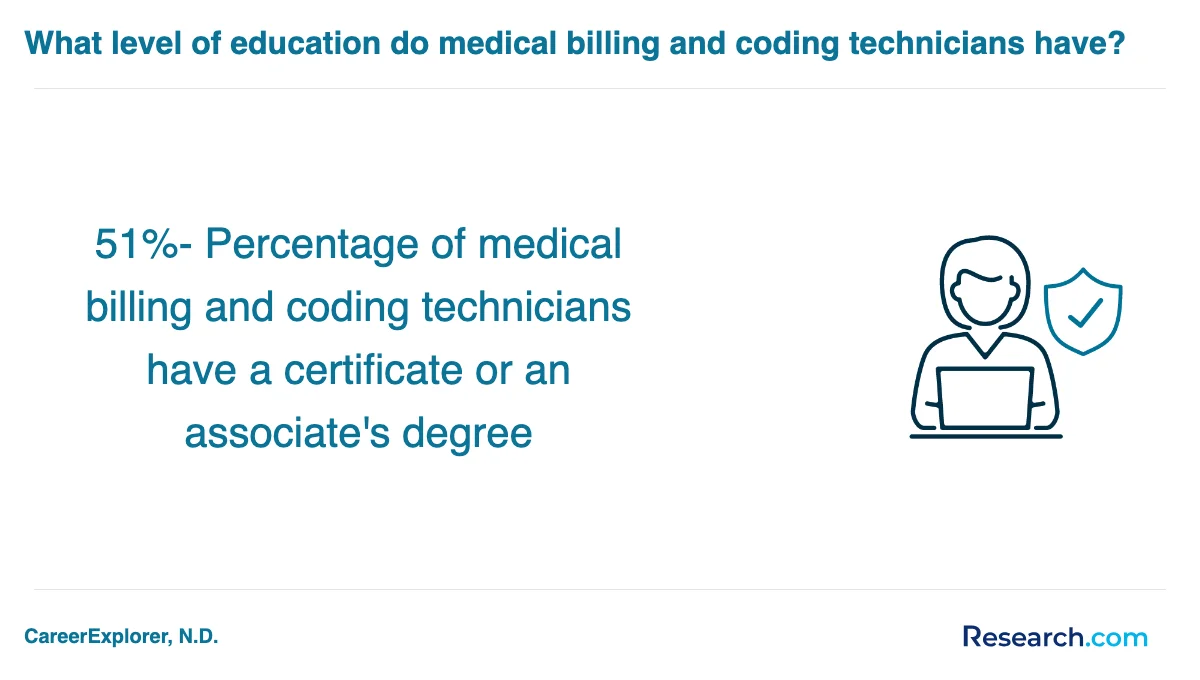
Students pursuing medical biller and coder trade school programs in the Northeast often find financial aid options that can significantly ease the burden of tuition. Graduates from popular schools in the region frequently share how tuition assistance helped them manage costs, especially when programs, like those at Eastern West Virginia Community and Technical College, charge around $1,785 for the year. Many students appreciate that although federal aid such as Pell Grants is usually unavailable for non-credit or short-term programs, alternative funding like workforce development grants or institutional scholarships often fill the gap.
For example, some graduates recall successfully applying for state-based aid programs or employer tuition reimbursement, which made their education feel more attainable and less stressful. Others mention how flexible payment plans provided by schools helped them balance work and study. In Connecticut, students enrolled in non-credit programs have found workforce development funding particularly helpful, highlighting the evolving support systems tailored to adult learners pursuing medical billing and coding careers in Northeast trade schools.
To enroll in a medical biller & coder trade school program in the Northeast, students typically need a high school diploma or GED. Many trade schools in this region emphasize basic computer literacy and strong communication skills as foundational prerequisites, reflecting the real-world demands graduates face when managing medical records and insurance claims.
Graduates from popular Northeast trade schools often share that having a background in anatomy or health sciences, even at a beginner level, really helped them feel confident during coursework. Some schools might also require or recommend completion of a basic math placement test or an introductory healthcare course.
Practical prerequisites can include:
- High school diploma or GED
- Basic computer skills, including familiarity with word processing and spreadsheets
- Strong attention to detail and organizational skills
- Good communication skills for interacting with healthcare providers and insurance companies
- Sometimes, a background or interest in healthcare or anatomy is preferred
One graduate recalls feeling reassured by their trade school's preparatory workshops, which helped them brush up on necessary skills before diving into coding software. These prerequisites not only ensure students are ready but also create a supportive environment where newcomers can thrive and stay motivated.
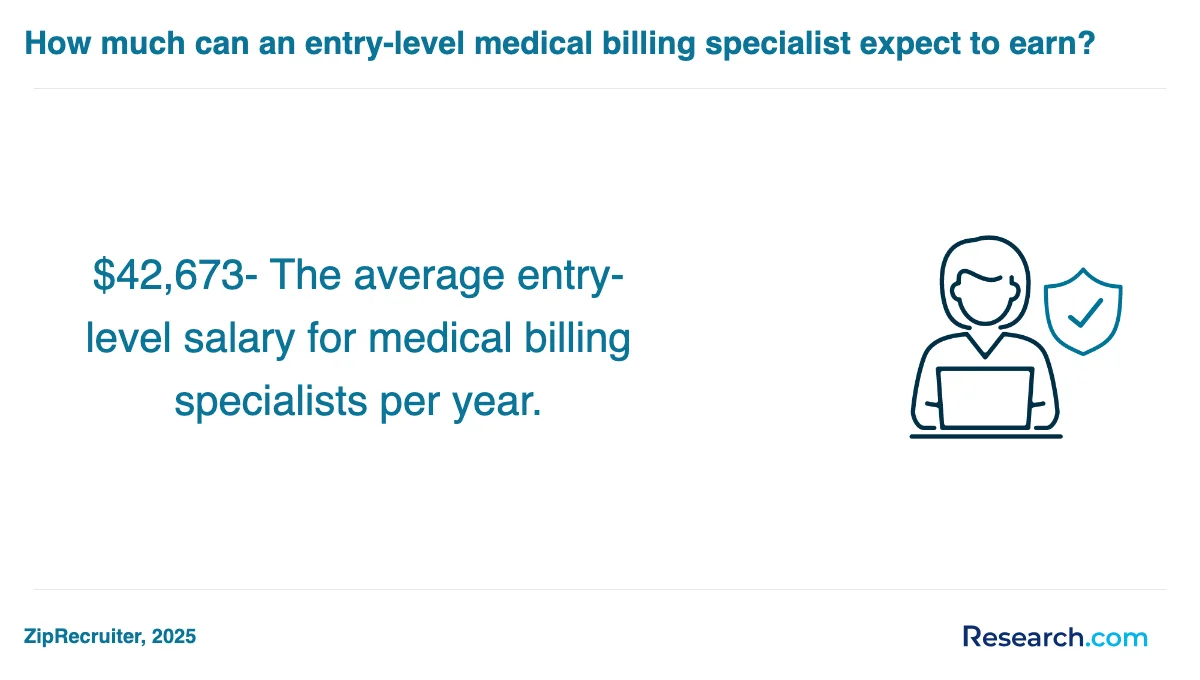
Medical biller and coder trade school programs in the Northeast typically immerse students in a series of targeted courses designed to build essential skills quickly and effectively. Graduates often describe their first encounter with medical terminology as a crucial foundation, where understanding terms used daily in healthcare settings makes complex coding feel approachable.
Following this, students dive into medical coding courses that cover key systems like ICD-10, CPT, and HCPCS. For instance, popular programs in Connecticut guide learners through "Medical Coding I" and "Medical Coding II," teaching them how to accurately translate patient encounters into billing codes-a skill that feels empowering when applied during externships.
Other essential courses include:
- Medical health insurance instruction, where students explore claims processing and reimbursement, helping them grasp both private and government plans like Medicare.
- Electronic health records (EHR) training, reflecting real-world demands for digital documentation and data security.
- Exam preparation for certifications such as the Certified Professional Coder (CPC), boosting confidence for national credentialing.
Many students value optional practical labs or externships, like the 55-hour "Billing & Coding Externship" offered by Connecticut State, which offers hands-on experience and a direct path to employment. Such experiences transform classroom theory into real-world expertise, leaving students excited and ready to launch their careers.
Medical biller & coder trade school programs in the Northeast often specialize in areas that prepare students for real-world healthcare settings, fostering strong career readiness. Graduates from these programs highlight training in essential topics such as medical terminology, clinical pathophysiology, and legal aspects of healthcare, which build a solid foundation.
Students in healthcare coding programs in Northeast typically focus on mastering medical coding systems like ICD-10, CPT, and HCPCS, as well as billing procedures and insurance reimbursement processes. For example, graduates from Northern Essex Community College praise the hands-on experience with simulated medical records, helping them confidently tackle daily coding challenges.
Other common specializations include compliance and fraud prevention, health information management, and healthcare data standards, essential for navigating evolving healthcare regulations. Trade schools like Springfield Technical Community College provide combined medical billing and coding courses with strong job placement support, which graduates say significantly boosts their confidence entering the workforce.
For those aiming to advance, understanding medical billing and coding certification exams is often integrated into the curriculum, preparing students thoroughly for credentials that enhance job prospects.
To choose the best medical biller & coder trade school program in Northeast, focus on programs with strong accreditation and proven job placement rates, like those offered at Springfield Technical Community College or the Westchester School for Medical and Dental Assistants. Graduates often share how the comprehensive curriculum, covering ICD-10 and CPT coding, prepares them well for certification exams and real-world work.
Many students appreciate programs that balance online flexibility with hands-on learning, especially in busy metropolitan areas such as New York and Massachusetts. For instance, with schools like Pace University providing noncredit courses tailored to certification prep, students feel confident entering the workforce. It's important to consider faculty expertise and career support services, which contribute to smoother transitions from study to employment.
Exploring top medical coding programs in Northeast United States also means weighing program length and financial aid options. Several graduates mention how completing associate degrees within two years at Lincoln Technical Institute allowed them to advance quickly. For students seeking flexible options, researching online medical coding schools accredited offers additional pathways without compromising quality.
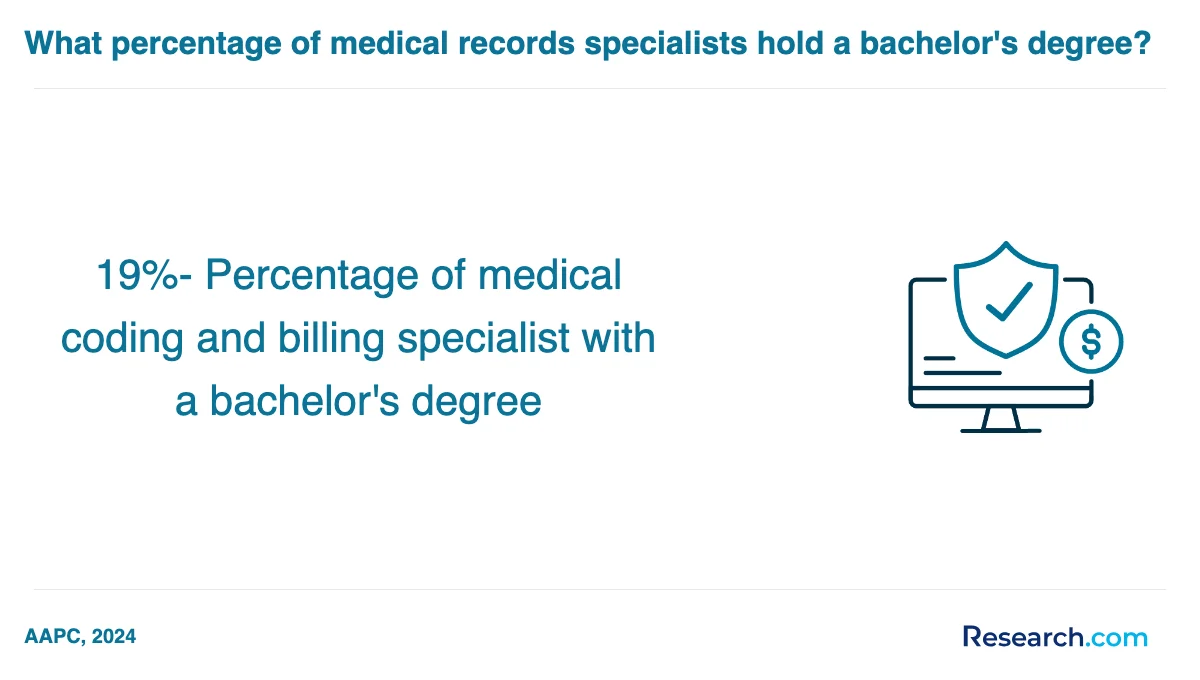
Graduates from medical biller & coder trade school programs in the Northeast find a broad spectrum of medical billing and coding jobs in Northeast that extend beyond hospitals and clinics. Many secure roles as medical billers or coders in major healthcare systems, while others thrive in private physician offices or bustling outpatient centers. Popular trade schools in the region prepare students with hands-on training, enabling them to confidently manage real-world billing cycles and coding practices, which employers highly value.
Career opportunities for medical billing and coding graduates Northeast also include positions with health insurance companies, medical software developers, and specialty pharmacies. Some graduates embrace emerging trends by working remotely, enjoying the flexibility to balance work and life, which increases job satisfaction and retention.
Typical career progressions can lead to roles such as compliance specialists, insurance claims analysts, or supervisors who train new staff. Graduates often report positive experiences moving into auditing or consulting, leveraging national certifications to boost their prospects.
To understand what is a medical coder and biller and how to excel, students rely on the practical curricula of Northeast trade schools that emphasize both theory and application.
The medical billing and coding job outlook in Northeast shows promising strength as graduates from popular trade schools in this region often find themselves quickly employed. For instance, graduates who completed programs in cities like New York and Philadelphia describe landing roles in bustling hospitals and insurance firms within weeks. The demand remains high because employers seek skilled professionals to manage increasing healthcare data, especially in urban centers such as Jersey City where job openings regularly appear.
Many graduates highlight how trade schools prepare them through hands-on training and certification, which local employers highly value. This practical approach boosts confidence when applying to physician offices, nursing homes, and government health agencies. The benefits include:
- Access to a wide network of healthcare facilities in the Northeast
- Competitive advantage due to formal certification from well-known trade schools
- Opportunities for remote or hybrid roles as healthcare administration modernizes
In terms of compensation, the average medical billing and coding salary Northeast graduates expect is notably attractive. Those working in New Jersey report average salaries around $60,000 annually, with similar figures in New York and Maryland, surpassing national averages. This financial stability motivates many students to pursue medical biller studies in the region, knowing the investment in education aligns well with future earnings and job security.
Best Medical Billing & Coding Training Programs & Trade Schools - Top Medical Billing & Coding Schools in Northeast for 2026
# 1 position
Fortis College-Landover - Medical Insurance Specialist/Medical Biller.
certificate or diplomaFortis College-Landover offers a Medical Insurance Specialist/Medical Biller program with a hybrid format, combining distance education and in-person learning. The program prepares students to manage medical and health insurance operations, covering insurance processes, law, regulations, and office administration. Tuition for in-state students is $15,537 annually. Graduates earn a median income of $30,540 one year after completion. The program is accredited by the Accrediting Bureau of Health Education Schools.
# 2 position
Nassau Community College - Medical Administrative/Executive Assistant and Medical Secretary.
associateNassau Community College offers a hybrid Medical Administrative/Executive Assistant and Medical Secretary program designed to train students in medical and business communications, medical terminology, health care operations, and professional ethics. The program includes instruction in software applications, scheduling, and record-keeping. Annual in-state tuition is $6,330. Graduates earn a median salary of $44,655 one year after completion. The program is accredited by the Middle States Commission on Higher Education.
# 3 position
Nassau Community College - Medical Insurance Coding Specialist/Coder.
certificate or diplomaNassau Community College offers a Medical Insurance Coding Specialist/Coder program with a hybrid format, including some distance-education options. Students learn medical records and insurance software, basic anatomy, medical terminology, data classification, and compliance with Medicare regulations. The annual in-state tuition is $6,330. Graduates earn a median salary of $44,655 one year after completion. The program is accredited by the Middle States Commission on Higher Education.
# 4 position
Nassau Community College - Medical Administrative/Executive Assistant and Medical Secretary.
certificate or diplomaNassau Community College offers a hybrid Medical Administrative/Executive Assistant and Medical Secretary program preparing students to support physicians, nurses, and healthcare administrators. The curriculum covers business and medical communications, medical terminology, healthcare operations, software applications, scheduling, and professional ethics. The program is accredited by the Middle States Commission on Higher Education. Annual in-state tuition is $6,330, and median earnings one year after completion are $44,655.
# 5 position
Hagerstown Community College - Medical Administrative/Executive Assistant and Medical Secretary.
associateThe Medical Administrative/Executive Assistant and Medical Secretary program at Hagerstown Community College is a hybrid program preparing students for roles supporting healthcare professionals. It covers medical communications, terminology, healthcare operations, software, scheduling, and professional ethics. The annual in-state tuition is $4,320. Graduates have median earnings of $33,686 one year after completion. The program is accredited by the Middle States Commission on Higher Education.
# 6 position
Hagerstown Community College - Medical Insurance Coding Specialist/Coder.
certificate or diplomaHagerstown Community College offers a Medical Insurance Coding Specialist/Coder program in a hybrid format, combining distance education with on-campus learning. The program trains students in medical coding, data entry, and classification related to diagnostic, treatment, billing, and insurance documentation. Tuition for in-state students is $4,320 annually. Graduates earn a median salary of $33,686 one year after completion. The program is accredited by the Middle States Commission on Higher Education.
# 7 position
Delaware County Community College - Medical Insurance Coding Specialist/Coder.
associateDelaware County Community College offers a Medical Insurance Coding Specialist/Coder program with a hybrid format, combining distance education and in-person classes. The program prepares students for specialized data entry, classification, and record-keeping related to medical diagnostics, billing, and insurance documentation. Tuition for in-state students is $6,660 annually. Graduates earn a median salary of $43,435 one year after completion. The program is accredited by the Middle States Commission on Higher Education.
# 8 position
Delaware County Community College - Medical Insurance Coding Specialist/Coder.
certificate or diplomaDelaware County Community College offers a Medical Insurance Coding Specialist/Coder program with a hybrid format, including some distance-education options. The program prepares students for specialized data entry, classification, and record-keeping related to medical diagnostics, treatment, billing, and insurance documentation. Tuition for in-state students is $6,660 annually. The curriculum covers medical records software, anatomy, medical terminology, coding, and Medicare regulations. The program is accredited by the Middle States Commission on Higher Education.
# 9 position
Northern Essex Community College - Medical Insurance Coding Specialist/Coder.
certificate or diplomaNorthern Essex Community College offers a Medical Insurance Coding Specialist/Coder program with a hybrid format that includes some distance education. The program trains students in medical records, insurance software, medical terminology, anatomy, physiology, and coding regulations. Annual in-state tuition is $5,688. Graduates have median earnings of $37,514 one year after completion. The program is accredited by the New England Commission on Higher Education.
# 10 position
Northern Essex Community College - Medical Insurance Specialist/Medical Biller.
certificate or diplomaNorthern Essex Community College offers a Medical Insurance Specialist/Medical Biller program in a hybrid format, combining in-person and distance education. The program prepares students to manage medical and health insurance operations across various healthcare settings. Coursework covers insurance processes, law, office administration, billing procedures, medical terminology, and communication skills. The annual in-state tuition is $5,688. Graduates earn a median income of $37,514 one year after completion. The program is accredited by the New England Commission on Higher Education.
Frequently Asked Questions about medical biller & coder
After completing a medical biller and coder trade school in the Northeast, preparing for the job market involves several key steps. First, obtaining certification, such as the Certified Professional Coder (CPC) credential from AAPC, is highly recommended to improve employment prospects. According to the Bureau of Labor Statistics, the demand for medical coders in the Northeast is growing steadily, with a projected 8% increase by 2030.
Networking with local healthcare providers and attending job fairs can help graduates connect with employers. Additionally, gaining familiarity with electronic health record (EHR) software used regionally enhances job readiness. Continuing education and staying updated on coding standards like ICD-10 are essential for career advancement.
Employers in the Northeast prioritize several key skills when hiring medical biller and coder trade school graduates. Proficiency in healthcare coding systems, such as ICD-10, CPT, and HCPCS, is essential for accurate medical record management. Attention to detail and strong organizational skills are critical, as errors in billing can lead to claim denials or delays.
Familiarity with electronic health record (EHR) software and billing platforms is increasingly important due to widespread digitalization in healthcare. Communication skills also matter, enabling graduates to interact effectively with insurance companies and healthcare providers.
According to the U.S. Bureau of Labor Statistics, demand for medical billers and coders in the Northeast is projected to grow by 8% from 2022 to 2032, highlighting the value of these skills in the region's healthcare industry.
Finding internships relevant to a medical biller and coder trade school program in the Northeast starts with connecting to local healthcare facilities. Hospitals, clinics, and insurance companies in this region often offer internship opportunities specifically designed for students in health information management. According to the American Health Information Management Association (AHIMA), internships provide critical hands-on experience and can significantly improve employment prospects.
Students should also consult their trade school's career services, as many schools maintain partnerships with regional healthcare providers. Networking through professional organizations such as AHIMA's Northeast chapters can lead to valuable internship leads. Additionally, online job portals like Indeed and Handshake often list internships tailored to medical billing and coding roles in the Northeast.
It is important to apply early and prepare a strong resume emphasizing coursework and any relevant certifications, like the Certified Professional Coder (CPC) credential, which is often preferred by employers in this field.
Obtaining a medical biller & coder trade school diploma in the Northeast significantly enhances career mobility and advancement opportunities. Employers in this region often prefer candidates with formal training, as diplomas demonstrate mastery of essential coding systems like ICD-10 and CPT. According to the U.S. Bureau of Labor Statistics, medical billing and coding jobs in the Northeast are projected to grow by 8% through 2032, higher than the national average, increasing demand for credentialed professionals.
Trade school diplomas also facilitate entry into higher-paying roles, such as coding auditor or health information technician. Many local employers require certification eligibility, which diploma programs provide. Additionally, graduates benefit from networking and placement services common in Northeast trade schools, aiding transitions to new roles or employers.
Part-time job opportunities in the Northeast that complement medical biller & coder trade school education often include roles such as medical receptionist, insurance claims processor, and health information assistant. These positions help students gain practical experience in healthcare administration and familiarize themselves with medical terminology and billing software.
According to the U.S. Bureau of Labor Statistics (BLS), the Northeast has a strong demand for medical records and health information technicians, with employment expected to grow by 11% through 2032. Part-time roles in clinics, hospitals, and insurance companies provide valuable exposure to real-world workflows while students complete their training.
Gaining hands-on experience through these jobs can improve a graduate's employability and deepen understanding of healthcare billing processes, making them more competitive in the job market after completing their trade school program.
To find the best degree program near me in Northeast, one should start by exploring local universities and colleges that offer programs relevant to their field of interest. Consider utilizing resources such as Research.com to compare and contrast different institutions' strengths and rankings. There are numerous programs and universities available, so visiting open days or reaching out directly to program coordinators can provide additional insights into which option is best suited to individual needs.
- Medical Billing & Coding School - Start A New Career In 9 Months https://ntinow.edu/career-training-programs/healthcare-career-programs/medical-billing-coding-program/
- Online Medical Billing and Coding (Voucher Included) from Northeast Texas Community College https://careertraining.ntcc.edu/training-programs/medical-billing-coding-voucher-included/
- Northeastern Illinois University Medical Billing & Coding Online Certification Course https://neiu.edu2.com/product/5223/medical-billing-coding
- Online Training for Medical Billing and Coding: Your Path to a Rewarding Career - Northeast Medical Institute https://northeastmedicalinstitute.com/2024/10/28/online-training-for-medical-billing-and-coding/
- Medical Billing & Coding Online Courses and Training Programs, School for Medical Billers and Coders | North-West College - Bakersfield, San Diego, Anaheim, West Covina, Pomona, Van Nuys, Glendale, Riverside, Santa Ana, Long Beach CA https://nw.edu/programs/online-medical-billing-coding/
- Medical Coder - TCC https://www.tccd.edu/academics/courses-and-programs/programs-a-z/non-credit/medical-coder/
- Medical Coding and Billing Certificate | Allegany College of Maryland https://www.allegany.edu/medical-coding-billing-certificate/index.html
- 14 Entry Level Medical Coder Cover Letter Examples: Plus Recruiter Insights (Updated for 2025) https://resumeworded.com/cover-letter-samples/entry-level-medical-coder
- Medical Billing and Coding Career Guide (2022) | UMA https://www.ultimatemedical.edu/blog/how-to-start-career-in-medical-billing-and-coding/
- Online Medical Coding & Billing Program | Self-Paced Course https://www.uscareerinstitute.edu/online-medical-coding-and-billing-school


