Best Certificate Programs - Leading Certification Courses in Quincy for 2026

Co-Founder and Chief Data Scientist
Exploring the best certificate programs in Quincy for 2026 can be overwhelming, but you’re not alone. This article presents a carefully crafted trade school certificate programs ranking developed by the Research.com team of data scientists to help you choose with confidence.
Whether you want to advance your career or gain new skills quickly, a trade school diploma or certification offers practical benefits that open doors to opportunities.
Reading this guide will empower you with trusted information to make an informed decision about your future education path.
Key benefits of getting trade school certificate in Quincy
- Expected salary: Trade school graduates in Quincy can earn competitive wages, with electricians making up to $75,850 per year, plumbers and HVAC technicians around $56,330, and welders earning between $50,000-$60,000.
- Popular career paths: Many Quincy graduates find success as electricians, HVAC techs, plumbers, welders, or automotive technicians, all of which offer strong job demand and growth opportunities.
- Online certification benefits: Completing a trade school certificate online offers flexibility and convenience, allowing students to balance work or family while gaining skills, as seen with successful Quincy online trade school graduates.
- Best Certificate Programs - Leading Certification Courses in Quincy for 2026
- What can I expect from trade school certification programs in Quincy?
- Where can I work with trade school certification in Quincy?
What can I expect from trade school certification programs in Quincy?
The average cost of a trade school certification program in Quincy varies but generally remains affordable, often appealing to those seeking swift career entry. Many graduates from Quincy College recall how the availability of free textbooks and materials significantly eased their financial burden, as they only needed to cover exam fees. This cost structure makes programs like Certified Nursing Assistant or HVAC technician accessible without the heavy tuition fees of traditional colleges.
Students frequently appreciate that financial aid and student loan options are available, helping manage expenses while focusing on their training. For example, a business technology graduate mentioned the relief of tapping into financial support, which allowed full dedication to evening classes after work.
Beyond cost savings, learners find value in support services such as career advising and resume workshops, enhancing their employment prospects. These elements combine to create a compelling, cost-effective pathway into skilled careers that graduates feel proud of and confident about pursuing.
Where can I work with trade school certification in Quincy?
After finishing a trade school certification program in Quincy, graduates find numerous opportunities tailored to the local job market. Those certified in healthcare fields such as Certified Nursing Assistant or Medical Assistant frequently secure positions in Quincy-area hospitals, clinics, and long-term care facilities. Many graduates report feeling confident stepping into these roles due to close partnerships between Quincy trade schools and local healthcare providers.
Skilled trades graduates-those trained in HVAC, welding, or electrical technology-often start careers with construction firms, automotive service centers, or manufacturing plants. Local employers actively seek certified tradespeople especially amidst Quincy's ongoing residential and commercial growth, allowing graduates to quickly connect with job openings through school career fairs.
Information technology certification holders commonly land jobs as support technicians or network administrators in regional businesses and educational institutions. The hands-on training and employer collaborations offered by Quincy's technical schools make the transition from classroom to workplace smooth and encouraging.
Business and administrative certificate holders often find work within local banks, offices, and small businesses. Many appreciate the practical skills gained in programs like QuickBooks or Medical Office Assistance, which directly match employer needs, fostering immediate employment opportunities.
Graduates of trade school certification programs in Quincy often find rewarding earning opportunities right after completing their studies. For example, many alumni who trained as electricians in the Quincy area report starting salaries near $40,000, quickly growing to an average of $75,850 annually as they gain experience and certifications. This steady progression allows graduates to feel a strong sense of achievement and financial improvement within a few years.
Similarly, those who completed plumbing or pipefitting programs enjoy starting pay in the low $40,000s, with average earnings rising above $80,000, reflecting the solid demand for these skills in Massachusetts. Graduates from well-known trade schools around Quincy describe the excitement of entering the workforce promptly and avoiding large student debt, which adds confidence as they build their careers.
Other skilled trades like elevator installation offer even higher average salaries, often exceeding $100,000, while programs in HVAC or welding provide competitive wages that encourage graduates to keep advancing their expertise. Many graduates appreciate how quickly they start earning in these fields compared to traditional four-year degrees, fueling optimism about their financial future.
- Jasmine: The HVAC certification program in Quincy was a game changer for me. The hands-on training prepared me well, and I landed a job right after graduation. Studying here made me confident and skilled, turning my passion for mechanics into a rewarding career.
- Carlos: Earning my electrical certification in Quincy opened doors I never expected. The instructors were supportive, and the program was thorough yet practical. Now, I'm employed with a local company, enjoying steady work and pride in what I do every day.
- Emily: Quincy's plumbing trade school offered the perfect blend of theory and fieldwork, helping me thrive. The supportive community and clear job placement assistance helped me secure a fulfilling plumbing position quickly, making the effort truly worthwhile.
- Trade school certification programs in Quincy cover fields like healthcare, IT, business, construction, electrical technology, and welding.
- Programs often offer flexible schedules with online and in-person options, and some IT certifications can be completed in as little as 20 weeks.
- Entry usually requires a high school diploma or GED, with extra support available for English learners and adult students.
- Tuition costs vary widely, from free workforce programs with only exam fees to private programs charging $2,000 to $10,000, with financial aid options available.
- Starting salaries for graduates range from $35,000 to $50,000, with experienced professionals in skilled trades and healthcare earning between $45,000 and $70,000 annually.
- Many programs partner with local employers to help students find jobs after certification.
In Quincy, trade school certification programs vary significantly in length depending on the field and credential type. Graduates from short-term certificates, like the Pharmacy Technician Certificate at Quincy College, often complete their studies within four to six months. This fast-paced program combines 120 classroom hours with a 120-hour externship, enabling students to enter the workforce quickly and confidently.
For those pursuing apprenticeship-based programs, the timeline extends over multiple years due to the blend of classroom learning and on-the-job training. A typical carpentry apprentice commits to four years, completing 640 classroom hours alongside 5,200 hours of practical experience. Other trades like pipefitting can require up to five years, combining 1,000 classroom hours with 10,000 work hours. Graduates from these programs often highlight a strong sense of accomplishment and readiness after this in-depth training.
Business technology certifications offered through local adult education or community colleges offer flexible options, sometimes achievable in a single course or over several years, allowing students to balance studies with personal commitments.
The main difference between online and on-campus trade school certification programs in Quincy lies in how students engage with their coursework and instructors. Online programs offer flexible scheduling through virtual classrooms and recorded lectures, making them ideal for adults balancing work or family. Graduates from these programs often appreciate the convenience of studying on their own time, though they note that staying motivated without immediate instructor feedback can be challenging.
On-campus programs in Quincy emphasize hands-on training, real-time demonstrations, and direct interaction with instructors and peers. For example, students at a popular Quincy trade school gain practical experience in fields like HVAC and welding, working with specialized equipment in supervised settings. Graduates frequently highlight the confidence and skills they developed through face-to-face learning and the vibrant community atmosphere.
Centers like Compass Technical Training offer both formats, catering to diverse needs while ensuring students in Quincy receive relevant, industry-standard certifications no matter their preferred learning style.
The average trade school cost in Quincy typically centers around $5,664 for certificate programs at Quincy College, a popular choice among local students seeking quick, practical training. This tuition applies for both in-state and out-of-state learners and covers programs designed to be completed in under two years. Graduates often share how this affordable pricing, combined with hands-on instruction, enabled them to enter the workforce confidently and without the burden of excessive debt.
However, Quincy MA trade certificate program tuition can vary significantly depending on the institution and specialization. More specialized or private programs in the region reflect costs closer to $18,699, aligning with broader Massachusetts averages for the academic year 2024-2025. Fields such as automotive technology or healthcare certification can push costs higher due to equipment and material requirements, which students recognize as worthwhile investments because of the high demand for skilled professionals.
It's also important to factor in additional expenses, including books, supplies, and tools, which can add several hundred to a few thousand dollars. Some students pursuing technical trades find that these costs are balanced by the availability of financial aid and grants. Those researching trades that are easy to learn that pay well often highlight that the total investment is manageable compared to traditional four-year degrees while offering faster entry into rewarding careers.
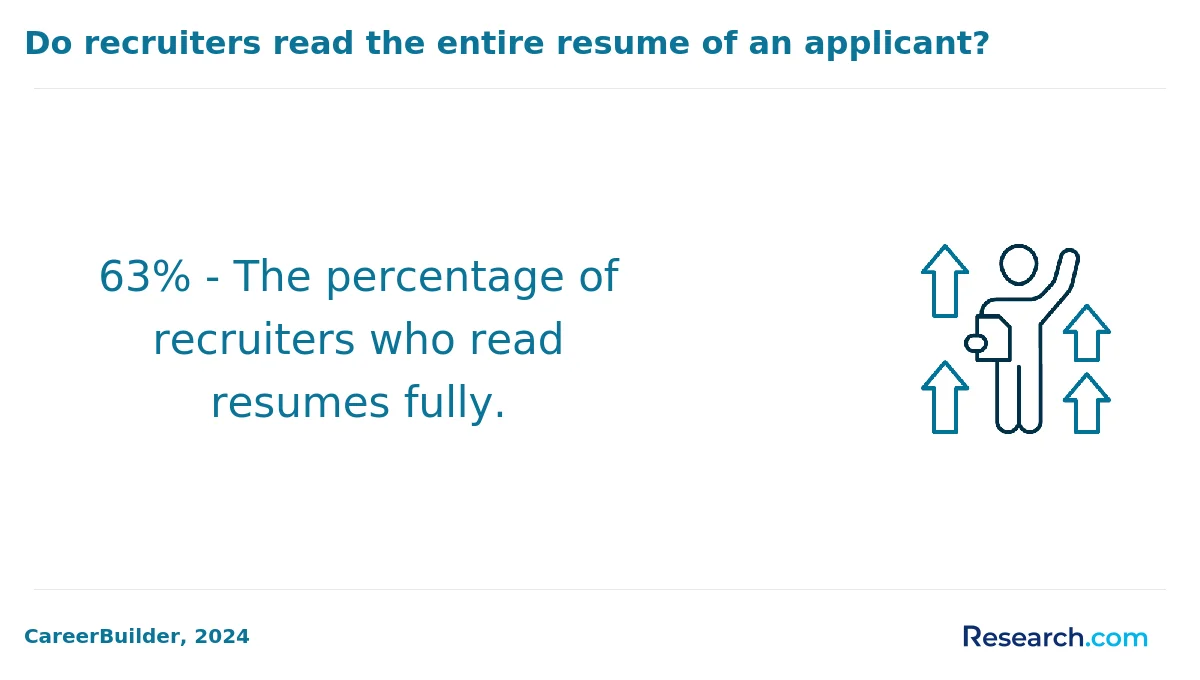
Students pursuing trade school certification programs in Quincy benefit from a variety of financial aid options that significantly ease the burden of tuition and related costs. Many report relief after completing the Free Application for Federal Student Aid (FAFSA), which unlocks access to federal support like the Pell Grant and the Supplemental Educational Opportunity Grant. These grants, awarded based on financial need, do not require repayment and have helped numerous graduates start their careers without overwhelming debt.
State aid enhances this support, with programs like the Massachusetts Career Incentive Grant providing up to $2,500 to students enrolled in in-demand trade fields-common among Quincy's technical colleges. Others have found the Vocational Rehabilitation Grant invaluable, especially those balancing disabilities with their studies. The Chapter 271 Scholarship has also been a lifeline for many facing economic hardship.
Additionally, participation in the Federal Work-Study Program allows students at Quincy College and other local trade schools to work part-time, offering both income and practical experience. Nearly half of the student body at these schools thrives thanks to this mix of grants, scholarships, and work opportunities, underscoring the strong network of aid available.
To enroll in a trade school certification program in Quincy, candidates generally need to be at least 17 or 18 years old, depending on their field of study. For instance, graduates from local electrical apprenticeship programs often share how meeting the age requirement was their first step toward a successful career.
A high school diploma or GED certificate is almost always required. Many Quincy trade schools, including those popular for healthcare or construction certifications, request this as proof that students have the necessary educational foundation. Some programs may also ask for high school transcripts or documentation of preparatory courses to ensure readiness for technical training.
Additional prerequisites often include:
- Physical fitness evaluations for hands-on trades like carpentry or electrical work
- Completion of at least one year of high school algebra, especially for electrical programs
- A valid Massachusetts driver's license in some cases
- Drug and alcohol screening to maintain safety standards
Graduates frequently highlight the value of ESOL classes offered at Quincy College, which support non-native English speakers to confidently meet all language and coursework demands. Also, maintaining 12 college credits per semester can be crucial for financial aid eligibility, helping students focus on their studies without financial stress.
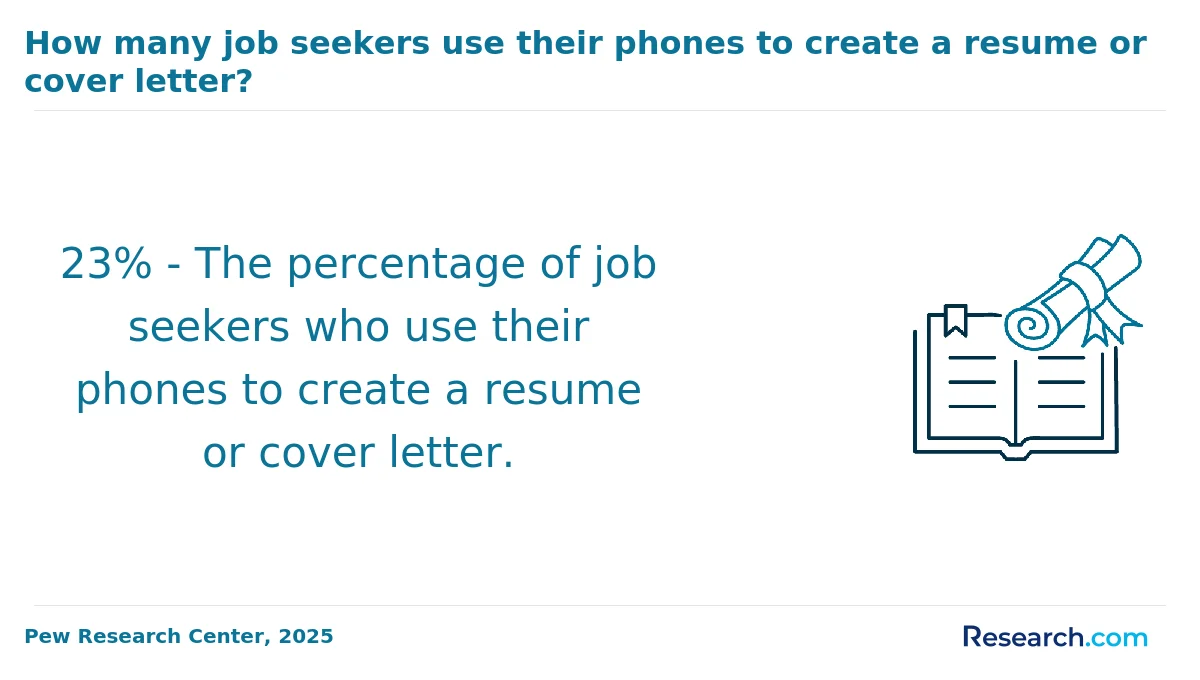
Trade school certification programs in Quincy typically offer a diverse range of courses tailored to immediate employment in fields aligned with local industry demands. Graduates often highlight the hands-on learning in skilled trades such as Automotive Technology, Carpentry, Electrical Technology, Metal Fabrication, and Plumbing, where practical skill-building is combined with safety protocols and modern equipment use.
Healthcare-related certificate programs are also highly valued, with courses like Certified Nursing Assistant, Pharmacy Technician, and Medical Clinical Assistant helping students gain both theoretical knowledge and clinical experience. These programs lead to opportunities in hospitals and senior care facilities, contributing to the positive outcomes many Quincy trade school graduates report.
Students exploring Quincy trade school course list and curriculum can also find offerings in technology fields including Information Technology, Network Installation, Graphic Arts, and Broadcasting Technology, equipping them with certified skills in digital media and networking. Business-oriented courses such as Business Technology and QuickBooks refine administrative and bookkeeping abilities.
Popular certificate programs offered in Quincy trade schools include focused test prep for Medical Billing and Coding or Construction Supervisor License exams. Such courses provide fast-track certification and career advancement, appreciated by graduates aiming for specialized professional roles.
For those new to this educational path, it's important to understand the difference between a trade school program and a vocational program, which ensures informed decisions aligned with career goals.
To choose the best trade school programs in Quincy, start by verifying program accreditation and alignment with local industry standards. Graduates from Quincy College often praise how recognized credentials helped them secure employment quickly. Look closely at the breadth of certifications offered-from healthcare to skilled trades like plumbing and electrical work-which ensures your training fits your career goals.
Balancing family or work? Consider schools that offer flexible scheduling with evening or online classes, a feature appreciated by many Quincy students who juggle multiple responsibilities. Comparing trade school costs Quincy is crucial; some programs provide financial aid or career counseling, easing the financial and professional transition. Programs emphasizing hands-on experience through partnerships with local businesses allow you to build real-world skills alongside classroom learning.
For example, engaging with Quincy's Career and Technical Education initiatives can provide practical training and industry exposure. For those targeting specialized fields, exploring options such as automotive trade school programs can be beneficial. Visit automotive trade school resources to compare quality and career prospects in Quincy.

Graduates of trade school certification programs in Quincy have access to diverse trade school career opportunities in Quincy spanning several high-demand industries. Popular programs equip students with practical skills for careers such as automotive technicians, electricians, plumbers, HVAC specialists, and carpenters. Local graduates often share positive experiences of securing stable employment quickly due to strong employer connections fostered through their Quincy schools.
Healthcare pathways offer additional promising job prospects, with certificates for roles like Certified Nursing Assistants and clinical medical assistants. Quincy College and other regional trade schools support workforce needs by producing graduates who fill essential healthcare support roles in hospitals and clinics, benefiting from consistently high job placement rates.
Information technology fields also present thriving Quincy certificate program job prospects. Students completing certifications in IT support, cybersecurity, and network administration graduate ready for positions integral to modern business environments.
Additional pathways include business technology, hospitality management, culinary arts, graphic arts, and protective services. For further guidance on choosing the best program, students often consult resources like the best community college to go to in the us.
The job demand for trade school graduates in Quincy remains very strong, driven by the city's strategic focus on skills that align with local economic growth. Graduates from Quincy College and other institutions benefit from programs designed in collaboration with nearby industries, ensuring their training meets real workforce needs. For example, certificate holders in healthcare fields such as Certified Nursing Assistant or Phlebotomy often share positive stories of quick employment and meaningful career advancement after finishing their programs.
Several local sectors, including construction, biotechnology, and hospitality management, actively seek qualified workers holding recognized certificates. Employment opportunities include roles like HVAC technician, electrician, and maintenance operator, with over 3,500 trade-related job postings in Quincy as of late 2025.
- Apprenticeship job openings exceed 145, offering hands-on learning and career growth.
- Training funds and support services reduce financial barriers for students pursuing certification.
The Quincy MA trade certification employment outlook is especially promising, with local agencies like MassHire South Shore Career Center highlighting fast pathways to employment. Prospective students can also explore cheapest online maintenance technician trade school programs to supplement local options and enhance flexibility.
Best Certificate Programs - Leading Certification Courses in Quincy for 2026
# 1 position
John Wood Community College - Heating, Air Conditioning, Ventilation and Refrigeration Maintenance Technology/Technician.
certificate or diplomaJohn Wood Community College offers a hybrid Heating, Air Conditioning, Ventilation and Refrigeration Maintenance Technology/Technician program. It prepares students to repair, install, service, and maintain heating, air conditioning, and refrigeration systems. Instruction covers diagnostic techniques, testing equipment, and principles of mechanics, electricity, and electronics. The annual in-state tuition is $5,700. The program is accredited by the Higher Learning Commission.
# 2 position
John Wood Community College - Industrial Mechanics and Maintenance Technology/Technician.
certificate or diplomaJohn Wood Community College offers a hybrid Industrial Mechanics and Maintenance Technology/Technician program that prepares students to repair and maintain various industrial machinery and equipment, including cranes, pumps, engines, and conveyor systems. The program is accredited by the Higher Learning Commission. Annual in-state tuition is $5,700, providing an affordable option for students seeking technical skills in industrial maintenance with some distance-education flexibility.
# 3 position
John Wood Community College - Nursing Assistant/Aide and Patient Care Assistant/Aide.
certificate or diplomaThe Nursing Assistant/Aide and Patient Care Assistant/Aide program at John Wood Community College is a hybrid program designed to prepare students for routine nursing-related duties under nurse supervision. The annual in-state tuition is $5,700. Graduates have a median earning of $20,697.50 one year after completion. The program is accredited by the Higher Learning Commission and offers some distance-education options for student flexibility.
# 4 position
John Wood Community College - Electrician.
certificate or diplomaJohn Wood Community College offers a hybrid Electrician program that trains students to install, operate, maintain, and repair electrical systems including residential, commercial, and industrial wiring. The curriculum covers electronics, wiring, power transmission, safety, and applicable codes. Annual in-state tuition is $5,700. The program is accredited by the Higher Learning Commission, providing technical skills relevant to electrical distribution panels, motors, controls, and inspection procedures.
# 5 position
John Wood Community College - Welding Technology/Welder.
certificate or diplomaJohn Wood Community College offers a Welding Technology/Welder program with a hybrid format that includes some distance education options. The program prepares students in various welding techniques such as arc welding, resistance welding, brazing, soldering, and high-energy beam welding. It covers welding metallurgy, safety, structural design, and relevant codes and standards. Annual in-state tuition is $5,700, and the program is accredited by the Higher Learning Commission.
# 6 position
John Wood Community College - Medical Office Management/Administration.
certificate or diplomaJohn Wood Community College offers a Medical Office Management/Administration program with a hybrid format, combining distance education and on-campus learning. The program prepares students to manage specialized business functions in medical or clinical offices. Coursework includes business operations, financial record-keeping, personnel supervision, healthcare policy administration, scheduling, public relations, and relevant laws. Annual in-state tuition is $5,700, and the program is accredited by the Higher Learning Commission.
Frequently Asked Questions about trade school certificates
After completing trade school certification programs in Quincy, preparing for the job market involves several key steps. First, graduates should update their resumes to highlight their specific skills and certifications. Employers in Quincy often seek candidates with hands-on experience, so including any practical training or internships is crucial.
Networking within local industry groups can increase job opportunities. Quincy has a growing demand for certified technicians, especially in fields like HVAC and electrical work. According to the Massachusetts Department of Labor, trade-related jobs in this region are expected to grow by 8% over the next decade.
Additionally, graduates should consider obtaining additional certifications or licenses required in Massachusetts to boost employability. Utilizing career services offered by trade schools or local job centers helps connect with employers actively hiring certified candidates.
Employers in Quincy highly value practical skills and hands-on experience when hiring graduates from trade school certification programs. According to data from the U.S. Bureau of Labor Statistics and local Quincy workforce reports, technical proficiency in areas like HVAC, electrical work, and welding are among the top skills sought after. Additionally, employers emphasize strong problem-solving abilities and attention to detail, which are critical in avoiding costly errors on the job. Communication and teamwork skills also rank highly, as many trades require collaboration on projects. Overall, graduates with a balance of technical know-how and interpersonal skills tend to have better job prospects in Quincy's trade sectors.
Finding internships in Quincy relevant to your trade school certification program involves a combination of local research and leveraging educational resources. Start by contacting the career services office at your trade school, as many have partnerships with local employers offering hands-on internship opportunities.
Additionally, Quincy's proximity to Boston broadens access to numerous internship programs in industries such as healthcare, construction, and technology. According to the Massachusetts Executive Office of Labor and Workforce Development, the region has seen a 5% growth in apprenticeship and internship programs in the trades over recent years.
Explore online job boards focused on Quincy, and consider reaching out to local trade unions, chambers of commerce, and industry associations, which often list apprenticeships and internships. Networking events and job fairs in the area also provide direct employer contacts.
Finally, keep in mind that registering with state-sponsored workforce development programs can uncover internship opportunities tailored to certificate holders looking to gain practical experience.
Trade school certification programs in Quincy significantly enhance career mobility and advancement by equipping students with practical skills that meet local industry demands. According to the Massachusetts Department of Higher Education, certified trade workers in Quincy see an employment rate over 85% within six months of program completion. These certifications often lead to higher starting salaries compared to non-certified peers, sometimes boosting income by 15% or more.
Employers in Quincy prioritize candidates with recognized certifications, which can open doors to supervisory roles and specialized positions. Additionally, the concise nature of trade programs, often lasting less than a year, allows quicker entry into the workforce and faster career progression compared to traditional degrees.
In Quincy, part-time job opportunities that complement trade school certification programs are often found in sectors like construction, healthcare, and automotive services. These roles provide practical experience that reinforces classroom learning. For example, certified welding students may find part-time positions in local fabrication shops or maintenance crews. According to the Massachusetts Executive Office of Labor and Workforce Development, Quincy's healthcare sector employs numerous part-time aides and technicians, ideal for those studying medical certifications.
Retail and hospitality jobs also offer flexible hours and customer service experience, valuable for students balancing education with work. Local job boards frequently list opportunities in plumbing, electrical, and HVAC fields that match popular certification programs.
Yes, there are various degree programs available near Quincy, IL, for individuals seeking higher education opportunities. Quincy University is a notable institution providing a wide array of undergraduate and graduate programs in fields such as business, education, and the sciences, and it is considered one of the top choices in the region. Research.com can serve as a helpful resource to explore additional programs and universities near me that fit specific academic interests and career goals.
- Best Trade School & Training Programs - Leading Certification Courses in Springfield for 2026
- Best Trade School & Training Programs - Leading Certification Courses in Emporia for 2026
- Best Trade School & Training Programs - Leading Certification Courses in Angola for 2026
- Best Trade School & Training Programs - Leading Certification Courses in Little Rock for 2026
- Best Trade School & Training Programs - Leading Certification Courses in Florence for 2026
- Best Trade School & Training Programs - Leading Certification Courses in Adrian for 2026
- Best Trade School & Training Programs - Leading Certification Courses in Akron for 2026
- Are Online Trade Schools Worth It? - Center for Employment Training https://cetweb.edu/blog/are-online-trade-schools-worth-it
- Traditional vs Online Education - Which One Is Right For You? | Penn Foster https://www.pennfoster.edu/blog/traditional-vs-online-education
- Student Financial Services Homepage | Quincy University https://www.quincy.edu/admissions/student-financial-services-homepage/
- Research - Best Online Community Colleges And Trade Schools https://research.com/universities-colleges/best-online-community-colleges-and-trade-schools
- Career and Technical Education in the Learning Economy: Toward a Promise of Racial Equity - Race and Ethnicity in Higher Education https://www.equityinhighered.org/resources/ideas-and-insights/career-and-technical-education-in-the-learning-economy-toward-a-promise-of-racial-equity/
- Trading, Tech and Research internship https://optiver.com/working-at-optiver/internships/
- Trades, Technical, & Manufacturing - JWCC https://www.jwcc.edu/programs/trades/
- College Graduate Skills for Employers | Entering the Job Market https://global.nmsu.edu/blog/general/skills-employers-look-for-in-college-grads/
- A Guide to Skilled Trades Apprenticeships and Internships | BestColleges https://www.bestcolleges.com/trades/guide-to-skilled-trades-apprenticeships-internships/
- Trade School Careers: Why Trade Schools Result In High Demand Jobs https://intercoast.edu/articles/trade-school-careers-why-trade-schools-result-in-high-demand-job-opportunities-for-its-graduates/