Best Certificate Programs - Leading Certification Courses in Birmingham for 2026

Co-Founder and Chief Data Scientist
Choosing the right trade school certificate program in Birmingham can shape your future career and open doors to new opportunities. This article introduces a carefully crafted ranking of trade school certificate programs, developed by the Research.com team of data scientists. It’s designed to help you explore the best options based on real data.
Whether you’re starting fresh or seeking a new skill, this guide makes it easier to find programs that match your goals. Earning a diploma or certification offers valuable skills and confidence for a rewarding career path.
Key benefits of getting trade school certificate in Birmingham
- Trade school graduates in Birmingham can expect competitive salaries, such as concrete carpenters earning around $50,637 per year and drywallers with averages near $48,275. General tradesmen typically earn between $37,560 and $47,392 annually, offering solid income potential right after certification.
- Popular career paths for trade school graduates include HVAC, electrical, plumbing, and construction trades. These fields provide a variety of hands-on, rewarding jobs with strong demand, making it easier to find fulfilling work locally.
- Getting a trade school certification online offers flexibility for busy students and working adults. For example, graduates from respected Birmingham online trade schools often gain practical skills without commuting, allowing them to balance education and life commitments effectively.
- Best Certificate Programs - Leading Certification Courses in Birmingham for 2026
- What can I expect from trade school certification programs in Birmingham?
- Where can I work with trade school certification in Birmingham?
What can I expect from trade school certification programs in Birmingham?
The average cost of trade school certification programs in Birmingham ranges widely based on the field and institution, typically between $1,500 and $16,716. Many students enrolling in HVAC courses find affordable options around $1,500 to $3,000, allowing them to quickly gain hands-on skills in as little as a few weeks. Graduates from cosmetology programs, often more comprehensive, share that their investments near $16,000 reflect strong job placement rates and thorough training.
Students at community colleges like Lawson State often appreciate the balance of cost and quality, with associate degrees and certificates costing between $10,000 and $17,820 depending on residency. Many report feeling confident entering the workforce prepared for entry-level positions, thanks to focused curriculum and experienced instructors.
Beyond tuition, some students recount strict attendance and dress code policies that instill professionalism, essential for success in Birmingham's skilled trades. The real-world training, paired with practical scheduling, fosters a positive learning environment that graduates describe as both challenging and rewarding.
Where can I work with trade school certification in Birmingham?
After finishing a trade school certification program in Birmingham, graduates quickly find work in industries like maintenance, electrical, plumbing, HVAC, and mechanical fields. Many secure roles such as maintenance technicians, apprentice electricians, or HVAC technicians at local companies like Integrated Power Services or Comfort Systems USA. These jobs typically offer solid starting salaries, such as $55,000 to $75,000 per year for apprentice plumbers, reflecting strong demand for skilled labor.
Popular Birmingham trade schools prepare students with hands-on training, which graduates say boosts their confidence when stepping into roles like fire sprinkler installers or field service technicians. Some move into specialized sectors including industrial manufacturing or transportation, taking positions as millwrights or automotive transport drivers, often with companies valuing their certifications and on-the-job experience.
Others find rewarding opportunities in educational roles, becoming HVAC instructors or trade skills trainers, sharing expertise with new students. Graduates appreciate the variety of workplaces-from manufacturing plants to construction firms-knowing their trade certification opens doors in Birmingham's expanding job market.
After completing a trade school certification program in Birmingham, graduates often find themselves earning between $17 and $22 per hour starting out, which is quite competitive for entry-level roles. Many who trained at popular local schools report quickly advancing to earn $31 per hour or more, especially in high-demand trades like electrical work or HVAC.
For example, graduates specializing as Concrete Carpenters frequently make about $50,637 annually, while those certified as Drywallers earn around $48,275. These figures reflect how gaining hands-on skills and certifications from trusted Birmingham institutions can open doors to rewarding jobs with solid pay.
Many alumni express satisfaction in securing stable employment soon after graduation, seeing their skills translate directly into financial independence. Real-life success stories from Birmingham trade schools illustrate how fast skill mastery can lead to fulfilling careers, with average wages for skilled trades around $21.73 per hour, or roughly $45,206 a year for full-time work.
With experience, the earning potential increases, sometimes reaching over $31 per hour, making trade schools a smart option for those seeking careers that combine practical training with strong income prospects in Birmingham.
- Jasmine: Earning my HVAC certification in Birmingham transformed my life. The hands-on training was practical and thorough, making me confident on the job site. Within months of graduating, I secured a well-paying technician role. This school truly prepares you for real-world success with supportive instructors.
- Marcus: The welding program in Birmingham exceeded all expectations. Learning advanced techniques in a state-of-the-art workshop gave me skills that employers are eager for. I felt encouraged every step of the way, and landing a fabrication job was a proud moment. Trade school opened doors I never thought possible.
- Leah: Studying electrical certification here was both challenging and rewarding. The curriculum balanced theory and practice perfectly, while the career services helped me connect with local employers. Now, working as an electrician in Birmingham, I appreciate how this program set a strong foundation for my career growth.
- Trade school programs in Birmingham cover healthcare, skilled trades like electrical and HVAC, welding, automotive, and beauty services.
- Costs vary widely, from $1,500 to $2,750 for accelerated HVAC courses to $10,080 for in-state associate degrees and up to $17,820 for out-of-state students.
- Program lengths range from 2 to 4 weeks for fast-track training to 18-24 months for associate degrees, with most certificates lasting 3 months to 1 year.
- Entry-level salaries post-graduation typically range from $35,000 to $50,000 annually, with specialized roles exceeding $60,000 after experience.
- Additional credentials like the ACT NCRC or Alabama Certified Employee Certificate can improve job prospects, and up to 80% of externships may lead to job offers.
Trade school certification programs in Birmingham vary in length based on the trade and program structure. Many students appreciate the flexibility offered by short-term programs, which can take as little as three to six months. For instance, graduates of Southland Training Solutions' Fast Track HVAC course often feel energized by completing this 14-week program, gaining skills quickly and securing entry-level roles in heating and refrigeration.
Others pursuing fast-track workforce education through Jefferson State Community College find accelerated courses that allow them to jump back into the labor market within weeks or a few months. These options fit well for adults eager to shift careers or boost income swiftly.
More comprehensive certifications in electrical or plumbing trades at schools like Fortis Institute usually take between 12 and 18 months, blending classroom and hands-on training. Graduates in these programs describe a strong sense of accomplishment, prepared for steady employment with reliable skills.
For those ready to fully immerse in an apprenticeship combining work and study, expect a longer commitment of four to five years, leading to advanced credentials like journeyman status.
Online programs, such as those offered by Ed2Go, offer flexible pacing, allowing motivated students in Birmingham to complete certifications in just a few months while balancing other responsibilities.
The main difference between online and on-campus trade school certification programs in Birmingham lies in how you attend classes and gain skills. Online programs, like those offered by Jefferson State Community College, let you study from home on your own schedule. This flexibility suits working adults or parents who need to balance learning with other responsibilities. Graduates often mention feeling empowered by managing their own time and appreciating the freedom to learn without commuting.
On-campus programs require attending classes and hands-on labs in Birmingham, which is vital for trades requiring physical practice such as welding or HVAC. Many students find the face-to-face support and live feedback from instructors motivating. They also enjoy building connections with peers and local employers, which helps with job placement after graduation.
While both formats cover essential certification material, on-campus students benefit from immediate practice and interaction, whereas online learners thrive with self-discipline and convenience. Tuition costs are similar, but online students save on travel and housing. This helps you decide based on whether you value flexibility or direct hands-on training the most.
In Birmingham, the average cost of trade school certification programs varies widely, typically ranging from $1,500 to over $16,000 depending on the institution and specific field. Many students find affordable options at specialized providers like BTrained HVAC courses, where tuition costs fall between $1,500 and $2,750. These lower-cost programs have helped graduates quickly gain practical skills without incurring heavy debt.
For those considering community colleges, Birmingham's Lawson State Community College offers certificate programs starting around $3,930 for in-state students, with associate degree tuition at approximately $10,080. Out-of-state learners should expect higher fees, sometimes reaching $17,820, which highlights the importance of residency status when budgeting. Jefferson State Community College also provides certificates and associate degrees with tuition ranging from $4,920 to $8,610, appealing to students seeking balanced affordability and quality.
Trade school students often share how practical, shorter certification programs let them enter the workforce faster compared to traditional four-year degrees. However, in private schools like FORTIS College, tuition may be closer to $15,000 annually for healthcare and skilled trades, while beauty programs at Aveda Institutes Esthetics range from $9,966 to $16,716, reflecting program specialization and resources.
When exploring Birmingham trade school tuition and fees, remember to also account for additional expenses such as materials and exam costs. Many students benefit from federal and state grants, helping to ease financial burdens. For those seeking cost-effective options, consulting resources like affordable online home remodeling and repair courses can provide valuable alternatives.
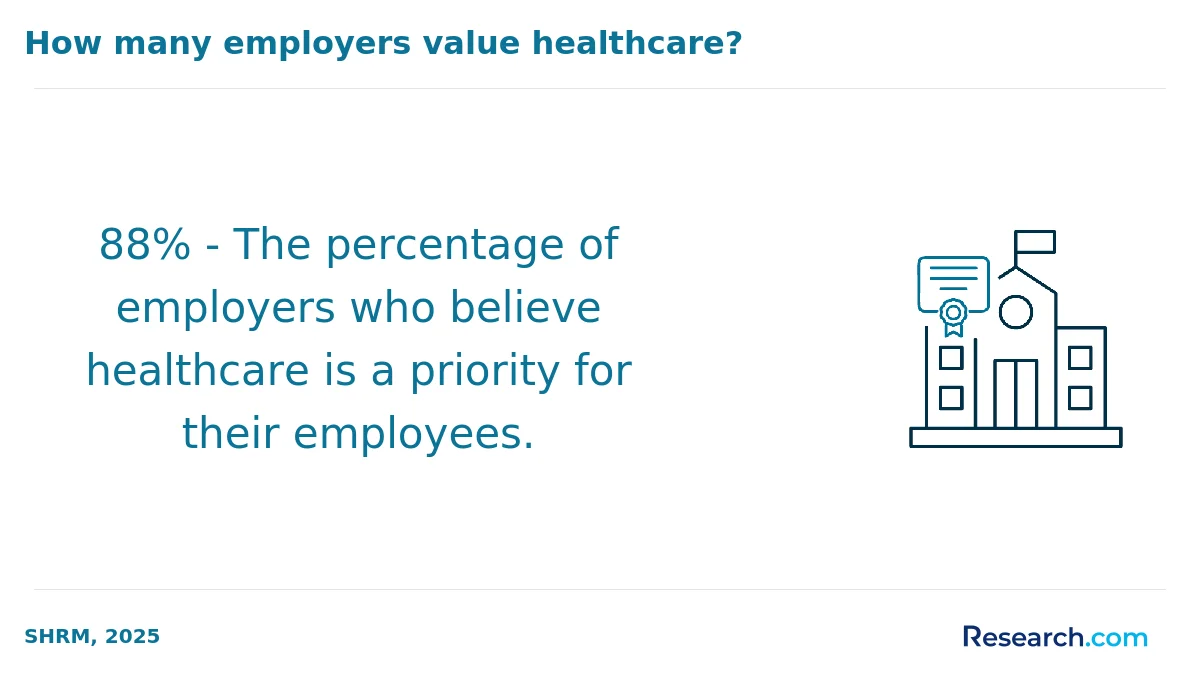
Students pursuing trade school certification programs in Birmingham can access several forms of financial aid to make education more affordable. Many graduates recall completing the FAFSA early on to unlock federal aid like the Pell Grant, which can cover up to $6,000 annually without the burden of repayment. This kind of support is a game-changer for those attending popular local schools such as Lawson State Community College or Virginia College.
Beyond federal options, the Alabama Student Assistance Program offers up to $5,000 per year, helping reduce costs further for students enrolled in recognized trade programs. Graduates often mention local scholarships like the Mercedes-Benz US International Scholarships that provide additional funds specifically to Birmingham-area students, easing worries about tuition and materials.
The Birmingham Promise uniquely supports city school graduates by covering up to four years of tuition at any public two- or four-year college in Alabama, including community colleges. Coupled with paid internships offering $15 per hour, many students share how these opportunities boosted their confidence and financial stability while they trained for skilled careers.
To enroll in a trade school certification program in Birmingham, the most common prerequisite is having a high school diploma or GED. For instance, graduates from Fortis Institute often share how meeting this basic requirement was the key step to starting their electrical trades training.
Lawson State Community College and Jefferson State Community College also require applicants to be at least 18 years old, ensuring students are ready both mentally and physically for the challenges ahead.
Additional requirements depend on the specific trade. For example, those pursuing healthcare or technical certificates, like Biomedical Equipment Technology at Jefferson State, must complete foundational courses in English, math, or science either before or during the program.
Physical ability and safety compliance are essential in trades like HVAC, welding, and electrical work. Many students recall undergoing drug screenings or background checks as part of their admission process, which helps maintain a safe learning environment.
- High school diploma or GED
- Minimum age of 18
- Foundational coursework for healthcare/technical trades
- Physical and safety requirements, including drug screening or background checks
These clear, practical prerequisites help new students transition smoothly into their programs and career paths at Birmingham's trusted trade schools.
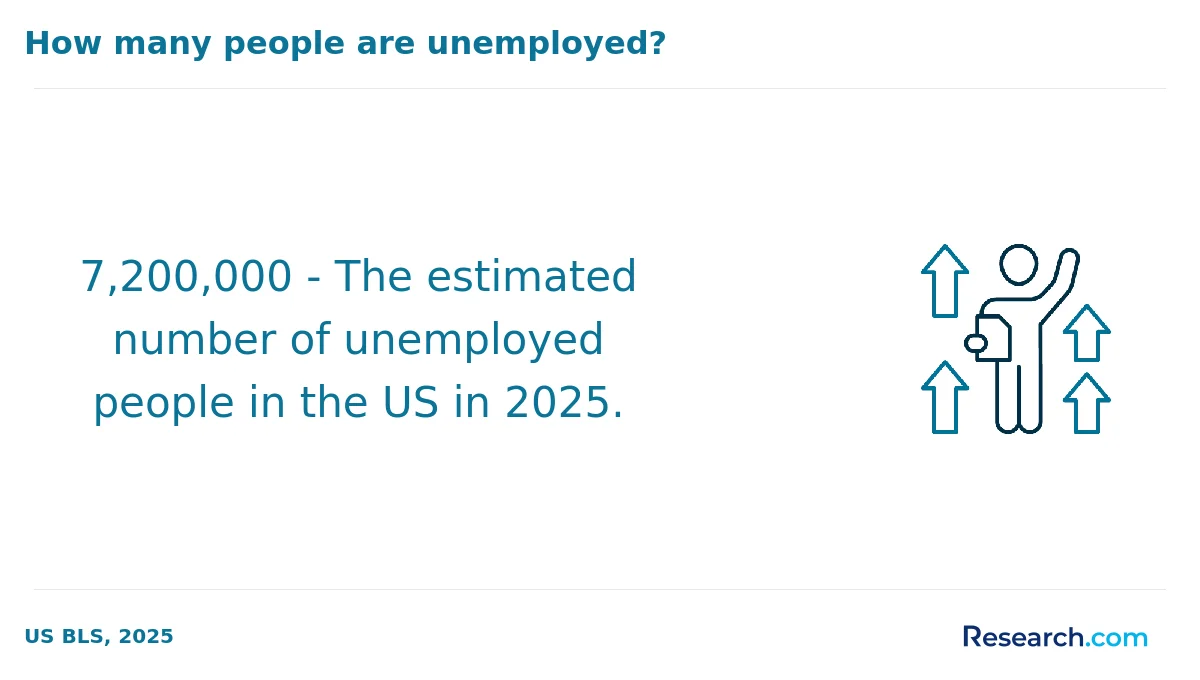
Trade school certification programs in Birmingham typically include specialized courses tailored to local industry demands. For students pursuing healthcare, programs at schools like Fortis College often cover clinical procedures, anatomy, medical law, and medical billing, providing hands-on experience that graduates find essential for state licensure and real-world job readiness. Those interested in skilled trades can expect courses in electrical work, HVAC, welding, plumbing, carpentry, and construction management at places such as Lawson State Community College and the Alabama Workforce Training Center.
Popular trade school course list Birmingham options include:
- Electrical theory, conduit bending, and troubleshooting
- HVAC system design, metal duct fabrication, and intensive workshops
- Welding techniques and safety protocols
- Cosmetology, esthiology, and massage therapy courses combining theory with business skills
Graduates often highlight the balance of classroom teaching with hands-on practice, preparing them confidently for licensure and employment. Many programs focus on certificate program curriculum Birmingham Alabama employers value, ensuring skills align with job market needs. For students seeking fast entry into skilled roles, options include accelerated workshops and commercial driving certification.
Those looking to increase earning potential can explore highest paying trade jobs through targeted certifications, making trade schools a practical path to career growth in Birmingham.
To find the best trade school programs in Birmingham, start by confirming the school's accreditation and licensing to ensure your certificate holds real value. Graduates from Lawson State Community College often praise the practical skills and recognized certifications they gained, which helped them secure jobs quickly. Consider program offerings that match your goals-whether healthcare, HVAC, or cosmetology-since choosing the right specialization makes a big difference in job satisfaction.
Many students share how scheduling flexibility at schools like BTrained and Aveda Institutes allowed them to balance work and study without stress. When assessing costs, how to compare trade school costs in Birmingham is vital: shorter certifications may cost less and get you into the workforce faster, but investing in longer programs like those at FORTIS College can open more advanced career paths. For affordable options in related fields, exploring low cost flooring installers certification online can also offer insight into budget-friendly certifications with good outcomes.
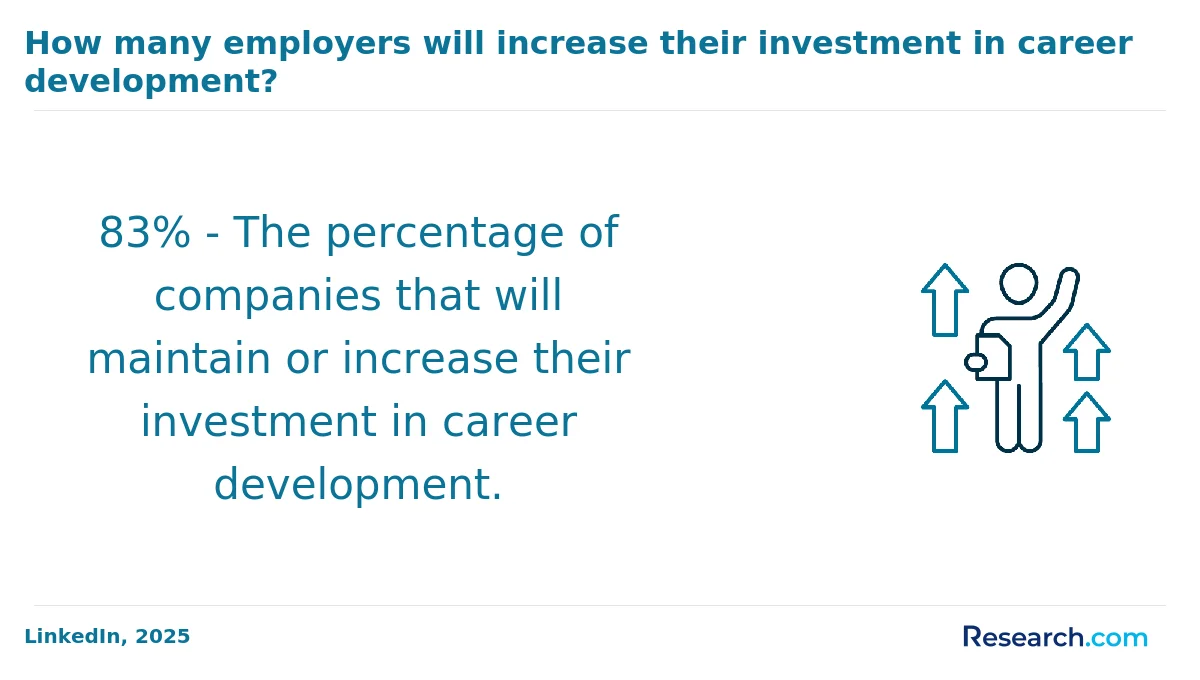
Trade school certification program graduates in Birmingham find diverse career opportunities that match the city's growing industrial and healthcare sectors. Skilled trades represent some of the highest paying skilled trades in Birmingham, with graduates from Fortis Institute and Lawson State Community College quickly securing positions as electricians, welders, plumbers, and HVAC technicians. Many graduates describe the hands-on training as vital to gaining confidence for real job sites in residential and commercial environments.
Healthcare also offers strong career opportunities for trade school graduates in Birmingham. Certificate holders from Lawson State and FORTIS College become nursing assistants, medical lab technicians, and pharmacy technicians, benefiting from programs that combine classroom learning with practical experience. In fact, healthcare certifications attract many students due to their clear job pathways and steady demand.
Other rewarding paths include cosmetology, esthetics, massage therapy, and construction-related trades such as pipefitting and sheet metal fabrication, particularly through NCCER-recognized training. Many graduates appreciate how short programs-often less than a year-lead to immediate employment. Those curious about earnings will find resources on the average salary after trade school helpful in evaluating their options.
The trade school job outlook in Birmingham is very promising, with strong demand across skilled trades like HVAC, welding, electrical work, and plumbing. Graduates from local programs at Lawson State and Jefferson State Community Colleges frequently share how job placement support and hands-on training have helped them secure rewarding roles quickly. Many find themselves working on urban development and industrial projects that keep Birmingham's economy vibrant.
Healthcare also plays a major role, with nursing and medical assisting certificates offering graduates excellent job placement rates. Programs at Lawson State and FORTIS College prepare students well for these positions, allowing many to enter the workforce rapidly and confidently. Short-term certificate programs, such as those at Aveda Institute, have particularly high success, with externship graduates often receiving job offers around 80% of the time.
Key highlights of Birmingham Alabama skilled trades employment include:
- Strong employer connections for graduates through apprenticeship and externship programs
- Competitive starting wages with advancement through further certification or experience
- Stable or growing demand thanks to ongoing infrastructure projects
For students interested in automotive fields, exploring options among reputable automotive mechanic training schools nearby can enhance workforce readiness and job prospects.
Best Certificate Programs - Leading Certification Courses in Birmingham for 2026
# 1 position
Fortis Institute-Birmingham - Dental Assisting/Assistant.
certificate or diplomaThe Dental Assisting/Assistant program at Fortis Institute-Birmingham offers a hybrid format with some distance education. It prepares students to provide patient care, take dental radiographs, assist chairside, and perform office administrative tasks under supervision. The curriculum includes medical record-keeping, scheduling, equipment maintenance, sterilization, and supervised practice. Annual in-state tuition is $14,561, and median earnings one year after completion are $31,554. The program is accredited by the Accrediting Bureau of Health Education Schools.
# 2 position
Fortis Institute-Birmingham - Heating, Air Conditioning, Ventilation and Refrigeration Maintenance Technology/Technician.
certificate or diplomaThe Heating, Air Conditioning, Ventilation and Refrigeration Maintenance Technology/Technician program at Fortis Institute-Birmingham offers a hybrid format with some distance education options. It prepares students to repair, install, service, and maintain HVAC and refrigeration systems using technical knowledge, diagnostic techniques, and testing equipment. The program covers mechanics, electricity, and electronics principles related to these systems. Annual in-state tuition is $14,561. The program is accredited by the Accrediting Bureau of Health Education Schools.
# 3 position
Lawson State Community College - Dental Assisting/Assistant.
certificate or diplomaLawson State Community College offers a Dental Assisting/Assistant program with a hybrid format, combining in-person and distance education. The curriculum prepares students for patient care, dental radiography, administrative duties, and chairside assisting under professional supervision. Instruction includes medical record-keeping, equipment maintenance, and patient intake. The program is accredited by the Southern Association of Colleges and Schools Commission on Colleges. Annual in-state tuition is $4,980.
# 4 position
Lawson State Community College - Industrial Mechanics and Maintenance Technology/Technician.
certificate or diplomaLawson State Community College offers a hybrid Industrial Mechanics and Maintenance Technology/Technician program that trains students to repair and maintain industrial machinery such as cranes, pumps, engines, and conveyor systems. The program is accredited by the Southern Association of Colleges and Schools Commission on Colleges. Annual in-state tuition is $4,980, providing accessible technical education with some distance-learning options for students.
# 5 position
Lawson State Community College - Nursing Assistant/Aide and Patient Care Assistant/Aide.
certificate or diplomaLawson State Community College offers a hybrid Nursing Assistant/Aide and Patient Care Assistant/Aide program designed to prepare students for performing routine nursing-related services under supervision. The program includes some distance-education options and is accredited by the Southern Association of Colleges and Schools Commission on Colleges. Annual in-state tuition is $4,980, providing an affordable pathway for those seeking certification in healthcare support roles.
# 6 position
Lawson State Community College - Automobile/Automotive Mechanics Technology/Technician.
certificate or diplomaLawson State Community College offers a hybrid Automobile/Automotive Mechanics Technology/Technician program that prepares students to repair, service, and maintain various automobiles. The curriculum covers brake systems, electrical systems, engine performance and repair, suspension and steering, transmissions, and heating and air conditioning systems. Annual in-state tuition is $4,980. Median earnings one year after completion are $35,347. The program is accredited by the Southern Association of Colleges and Schools Commission on Colleges.
# 7 position
Fortis Institute-Birmingham - Welding Technology/Welder.
certificate or diplomaThe Welding Technology/Welder program at Fortis Institute-Birmingham prepares students to apply technical skills in welding and metal cutting. Instruction covers arc welding, resistance welding, brazing, soldering, cutting, high-energy beam welding, and solid-state welding. The curriculum also includes welding metallurgy, processes, heat treating, structural design, safety, and industry codes. The annual in-state tuition is $14,561. The program is accredited by the Accrediting Bureau of Health Education Schools.
# 8 position
Fortis Institute-Birmingham - Medical Insurance Specialist/Medical Biller.
certificate or diplomaThe Medical Insurance Specialist/Medical Biller program at Fortis Institute-Birmingham prepares students to manage medical and health insurance operations in various healthcare settings. The hybrid program includes instruction in insurance processes, laws, office administration, software applications, billing procedures, and medical terminology. Annual in-state tuition is $14,561. Graduates earn a median income of $26,833 one year after completion. The program is accredited by the Accrediting Bureau of Health Education Schools.
# 9 position
Lawson State Community College - Welding Technology/Welder.
certificate or diplomaLawson State Community College offers a Hybrid Welding Technology/Welder program that prepares students to join or cut metal surfaces using various welding techniques. The curriculum covers arc welding, resistance welding, brazing, cutting, welding metallurgy, safety, and applicable codes. The annual in-state tuition is $4,980. Graduates earn a median salary of $35,941 one year after completing the program. The program is accredited by the Southern Association of Colleges and Schools Commission on Colleges.
# 10 position
Lawson State Community College - Plumbing Technology/Plumber.
certificate or diplomaLawson State Community College offers a Hybrid Plumbing Technology/Plumber program that prepares students to become licensed plumbers. The curriculum covers installation and maintenance of piping systems for various utilities, including steam, natural gas, and water. Instruction includes technical mathematics, blueprint reading, welding, plumbing codes, and inspection. The annual in-state tuition is $4,980. The program is accredited by the Southern Association of Colleges and Schools Commission on Colleges.
Frequently Asked Questions about trade school certificates
After completing trade school certification programs in Birmingham, preparing for the job market involves several strategic steps. First, graduates should actively utilize career services offered by their schools, such as resume workshops and job placement assistance, which improve employment chances. According to Alabama's Department of Labor, nearly 75% of trade school graduates in Birmingham find jobs related to their training within six months. Networking with local businesses and attending job fairs can provide valuable employer connections, especially in industries like HVAC, automotive, and construction. Additionally, obtaining relevant licenses and continuing education can enhance job prospects and earning potential in Alabama's competitive trade markets.
Employers in Birmingham highly value a combination of technical and soft skills from trade school certification graduates. According to the U.S. Bureau of Labor Statistics and local workforce surveys, practical expertise in areas like HVAC repair, electrical work, and welding stands out as essential. Mastery of industry-specific tools and safety protocols is also critical, ensuring graduates can perform tasks efficiently and securely.
Additionally, strong communication and problem-solving skills rank among top attributes. Employers often emphasize teamwork and adaptability, as many trade roles require collaboration and quick responses to unexpected challenges. These skills improve job performance and workplace integration.
Trade programs focused on these competencies tend to produce graduates who are in demand, with reports from Alabama's Department of Labor highlighting steady growth in trades employment sectors within Birmingham over recent years.
Finding internships in Birmingham relevant to your trade school certification involves several practical steps. Start by contacting the career services office at your trade school, as many institutions maintain partnerships with local businesses. Internships in fields like construction, automotive technology, and healthcare are commonly offered due to Birmingham's strong industrial and medical sectors.
Utilize online job boards such as Indeed and Handshake that feature internships specifically for trade skills. According to the Alabama Department of Labor, internships in technical fields have grown by 15% statewide since 2021. Networking through local trade unions and chambers of commerce can also uncover unadvertised opportunities.
Trade school certification programs in Birmingham play a significant role in enhancing career mobility and advancement. Earning a certification often leads to higher employability, as many local employers prioritize candidates with verified practical skills. According to the Alabama Department of Labor, jobs requiring trade certifications in Birmingham have grown by 8% over the past five years, reflecting increased demand.
Certified workers in fields such as HVAC, electrical work, and welding typically see average wage increases of 15-20% compared to non-certified peers. Additionally, certifications can open doors to supervisory roles, as employers trust certified individuals to handle complex tasks and oversight.
Many Birmingham trade schools have partnerships with local industries, which helps graduates transition quickly into well-paying jobs. The city's economy, with strong construction and manufacturing sectors, supports long-term career growth for those holding trade credentials.
Part-time job opportunities in Birmingham that complement trade school certification programs often align with the skills students develop in these programs. For example, students enrolled in electrical or HVAC certification courses may find part-time work as apprentice electricians or HVAC technicians. According to the Alabama Department of Labor, such roles have grown by 8% over recent years, reflecting steady demand.
Other relevant part-time jobs include automotive service assistant roles for automotive repair students and carpentry helpers for construction trades students. These jobs provide practical experience while accommodating study schedules.
Positions in local manufacturing facilities and maintenance crews also offer flexible hours suitable for students pursuing certifications in welding, machining, or industrial maintenance.
These part-time roles not only build hands-on skills but also enhance employability after program completion.
To choose the best degree program near Birmingham, AL, start by identifying your field of interest and researching universities in the area that offer related programs. Look for programs that have strong faculty, good facilities, and positive student outcomes, as well as considering factors such as location and tuition, to pinpoint what constitutes "best" for you. You can also use resources like Research.com to compare different universities and programs for those available near me in Birmingham, AL.
- Best Trade School & Training Programs - Leading Certification Courses in Little Rock for 2026
- Best Trade School & Training Programs - Leading Certification Courses in Florence for 2026
- Best Trade School & Training Programs - Leading Certification Courses in Springfield for 2026
- Best Trade School & Training Programs - Leading Certification Courses in Angola for 2026
- Best Trade School & Training Programs - Leading Certification Courses in Akron for 2026
- Best Trade School & Training Programs - Leading Certification Courses in Adrian for 2026
- South and City College Birmingham - Part-Time, Full-Time & Apprenticeship Courses https://www.sccb.ac.uk/
- Fortis Colleges & Institutes Campus in Birmingham, AL | Fortis https://www.fortis.edu/campuses/alabama/birmingham.html
- 5 Tips for Getting Ready for a Job After Trade School - Techneeds https://www.techneeds.com/2022/05/12/5-tips-for-getting-ready-for-a-job-after-trade-school/
- Taking Trade School Online. A canter through 8 years of Trade… | by Lorna Prescott | CoLab Dudley | Medium https://medium.com/colab-dudley/taking-trade-school-online-8da3c1f882ac
- Breaking down barriers: working towards Birmingham’s future supporting younger people into employment | Birmingham City Council https://www.birmingham.gov.uk/info/20143/young_people/2389/breaking_down_barriers_working_towards_birminghams_future_supporting_younger_people_into_employment
- How to Recruit Top Talent from Trade Schools | Onrec https://www.onrec.com/news/news-archive/how-to-recruit-top-talent-from-trade-schools
- Work and Internships | study.gov.pl https://study.gov.pl/work-and-internships
- Home | Academy of Craft Training – Build Your Future https://academyofcrafttraining.org/
- Research - Most Affordable Online Home Remodeling And Repair Trade School Programs https://research.com/degrees/most-affordable-online-home-remodeling-and-repair-trade-school-programs
- Birmingham is home to nation’s only skilled trade high school and it’s putting students to work https://www.al.com/news/birmingham/2025/05/birmingham-is-home-to-nations-only-skilled-trade-high-school-and-its-putting-students-to-work.html