Best Trade School & Training Programs - Leading Certification Courses in Islandia for 2026

Co-Founder and Chief Data Scientist
Choosing the right trade school in Islandia can open doors to exciting career opportunities and skillful expertise. Our article introduces a detailed trade school programs ranking created by the Research.com team of data scientists to help you make an informed decision.
By exploring this guide, you’ll discover valuable insights into the best programs available, making it easier to find the perfect fit for your goals. Earning a trade school diploma or certification is a powerful step toward a rewarding future, and we’re here to support your journey.
Key benefits of finishing trade school programs trade school in Islandia
- Competitive salaries for trade school graduates in Islandia range from about $55,200 to over $118,000 annually, with roles like Technical Training Coordinator earning around $94,945 and Trading Analysts reaching up to $118,711, showing strong earning potential.
- Popular career paths include HVAC technician, electrician, automotive service technician, and specialized positions like Technical Training Coordinator, offering many opportunities for growth and job security.
- Online trade school programs provide flexible learning options that fit busy schedules, allowing students to earn certifications from home while balancing work or family, making education more accessible and convenient.
- Best Trade School & Training Programs - Leading Certification Courses in Islandia for 2026
- What can I expect from trade school programs trade schools in Islandia?
- Where can I work after finishing trade school programs trade schools in Islandia?
What can I expect from trade school programs trade schools in Islandia?
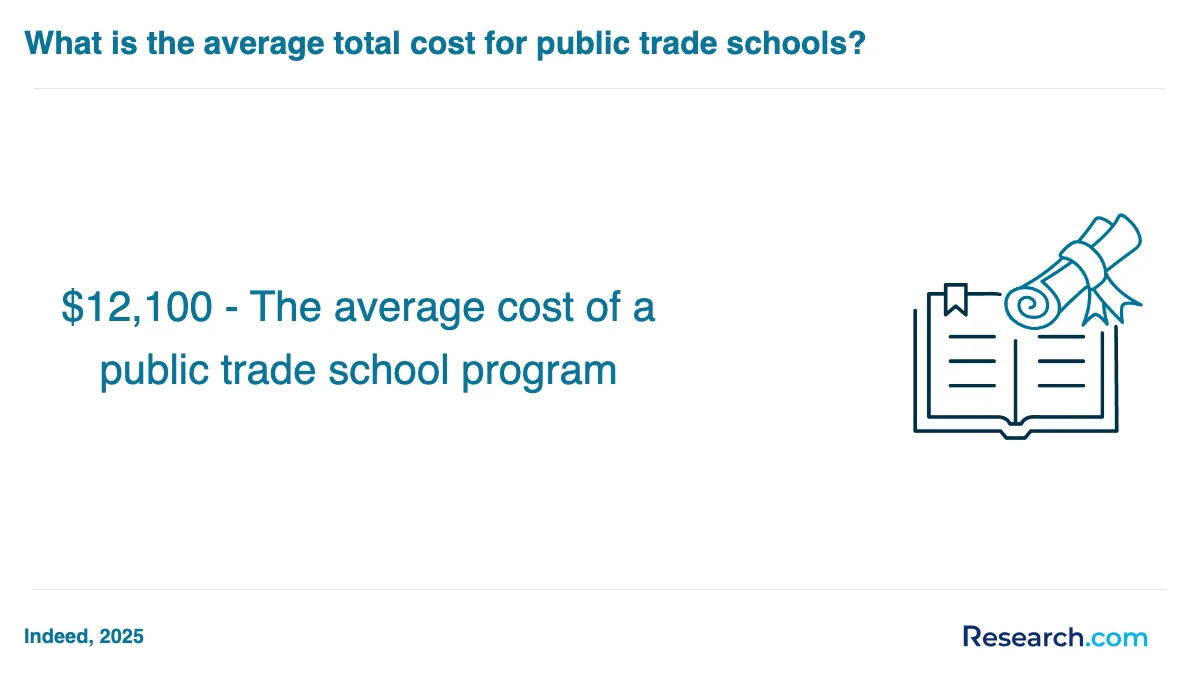
Trade school programs in Islandia typically cost between $5,000 and $15,000, depending on the length and complexity of the course. Graduates from local institutions often highlight that these costs are a practical investment compared to four-year degrees, given the faster time to employment and focused training. For example, a student completing a year-long Medical Assistant program at a well-known trade school found the tuition affordable and appreciated the flexible payment options offered.
The cost covers not only tuition but also access to modern equipment, experienced instructors, and sometimes internship placements, which add tremendous value. Many students from schools like Hunter Business School mention feeling supported throughout their journey, with career services that help transition smoothly into the workforce.
Because Islandia's trade schools often tailor programs to local job markets, graduates feel confident the expense leads directly to tangible opportunities. This practical financial approach eases worries over cost, making the investment feel worthwhile and empowering for those eager to start their careers promptly.
Where can I work after finishing trade school programs trade schools in Islandia?
After finishing a trade school program in Islandia, many graduates find themselves stepping confidently into thriving roles across manufacturing, healthcare, and technology sectors. For example, a recent graduate from a popular Islandia trade school shared how hands-on experience preparing for machine operation led to a fulfilling position at a local factory, where steady work and opportunities for growth quickly followed.
Others trained in healthcare report landing roles as licensed practical nurses or medical assistants at nearby hospitals and clinics, feeling a strong sense of purpose in serving their community. Graduates often mention the encouragement found in knowing major employers around Islandia, like Northwell Health, value their technical certifications.
Meanwhile, graduates specializing in HVAC, electrical work, or automotive repair describe the satisfaction of joining local businesses or starting their own services. These career paths shine with tangible skills that are always in demand, fostering pride in their craftsmanship and independence.
Overall, trade schools in Islandia equip students not just with skills, but with meaningful career options rooted in the community they know and love.
After finishing a trade school program in Islandia, graduates often find themselves stepping into rewarding careers with solid earnings. Many report starting salaries close to the average annual income of $73,463, translating to about $35 per hour. For instance, a recent graduate from a well-known Islandia trade school shared how their hands-on training in electrical work led to an hourly wage of around $26.86, with valuable overtime adding nearly $9,400 yearly.
Others who pursued teaching roles as Career School Instructors in Islandia have found their expertise recognized with salaries around $84,148 per year, or $40 per hour, which gave them a reassuring sense of stability and growth. Graduates aiming for technical careers, like Trading Analysts, have seen even higher pay, sometimes exceeding $118,000 annually, reflecting how specialized skills can open doors to lucrative opportunities.
These experiences from local trade school alumni show that with dedication and the right program, salary possibilities in Islandia span a wide range, offering both financial comfort and personal fulfillment.
- Applicants need a high school diploma, GED, or TASC™, and must be at least 17 or 18 years old; parental permission might be required for younger students.
- SAT or ACT scores are usually not required; admission involves an interview, application, and registration fee.
- Program options include medical assisting, computer technology, practical nursing, radiologic technology, and skilled trades like plumbing and electrical work.
- Tuition typically ranges from $5,000 to $20,000 for the full program, with financial aid and payment plans often available.
- Graduates can expect starting salaries of $35,000 to $55,000 annually, increasing to $60,000 to $80,000 or more with experience.
- Most programs take 12 to 24 months to complete, allowing for quick workforce entry.
Trade school programs in Islandia offer a flexible journey toward career skills, often completed much faster than traditional degrees. Graduates from Apex Technical School, for example, recall finishing certificates like Combination Welding Technology in about 5 weeks per segment, making it possible to start working quickly and confidently. Full-time students at Apex typically complete the full Automotive Service and Repair program within 7 to 8 months, feeling a strong sense of accomplishment as they move rapidly through hands-on learning.
Others attending apprenticeship programs, such as those for Structural Steel & Bridge Painters or Glaziers, embrace a longer path-typically 3 to 4 years-but cherish the blend of paid work and instruction that deepens their expertise without sacrificing income. Enrolling in schools like The LEARN Center allows students to study at their own pace, accommodating personal schedules and enabling some to finish in months while others take more time when balancing work and family.
Islandia's trade schools stand out for their concentrated, career-driven training, free from general education distractions, empowering students to transition efficiently into rewarding trades.
The difference between online and on-campus trade school programs in Islandia is felt most deeply in how students experience their education. Graduates of the Long Island Educational Opportunity Center often share how the online format gave them freedom to study around work schedules and family life, engaging with courses through platforms like Brightspace. This flexibility made learning manageable and less stressful, especially for those juggling multiple responsibilities.
Conversely, many who attended in-person programs recall the vibrancy of classroom discussions and hands-on practice in labs. For example, at the Tulsa Welding School, students valued being able to physically handle tools and get immediate feedback, which built confidence in their abilities. They found camaraderie among peers that virtual classes couldn't quite replicate.
Some trade schools in Islandia now blend these methods with hybrid models. Using VR simulators like OcuWeld brings practical skills digitally, yet students recognize it doesn't fully match the tangible experience of working side-by-side with instructors and classmates.
The average trade school cost in Islandia typically ranges from $15,774 to $18,220 per year, reflecting tuition and fees aligned with other regions in New York. Graduates from popular trade schools in Islandia often share how this investment opened doors to practical skills and career pathways that they found deeply rewarding. For many, the Islandia trade school tuition and fees are part of a broader picture-including books, accommodation, and living expenses-that can bring the total cost of attendance between $31,000 and $44,000 for the full program duration.
One graduate described balancing part-time work with their coursework to manage housing costs, which can range from $12,000 to $18,000 depending on the area. They found financial aid essential, noting that many students benefit from grants and scholarships that reduce the burden significantly. In Islandia, the average net price after financial aid is often around $11,868 yearly, making hands-on training more accessible than it may initially seem.
There are even shorter certificate programs costing between $5,000 and $15,000, attractive to those eager to enter the workforce quickly. Some vocational programs in New York City offer free training to residents, a hopeful reminder that affordable education options exist. If you're curious about career prospects after finishing, exploring what trade school job pays the most could provide valuable motivation.

Trade school students in Islandia often find financial aid to be a crucial support in pursuing their goals. Many rely on the Free Application for Federal Student Aid (FAFSA), which opens doors to grants, loans, and work-study options tailored to their needs. For example, graduates from well-known Islandia trade schools frequently mention how Federal Pell Grants, with awards up to $7,395, helped them afford tuition without overwhelming debt.
Some students with greater financial need have been fortunate to receive Federal Supplemental Educational Opportunity Grants (SEOG), easing their financial burdens further. Work-study programs also allow learners to gain practical job experience while earning money, a balance praised by many who attended the bustling technical colleges around Islandia's cities.
Federal student loans, including Direct Subsidized and Unsubsidized Loans, offer flexible repayment options for those investing in their futures. Islandia residents can also benefit from state programs like the Tuition Assistance Program (TAP), often highlighted by graduates who appreciated these targeted funds that made their education truly affordable. These financial aids collectively empower students to navigate their trade education with confidence and hope.
Enrolling in a trade school program in Islandia demands clear proof that you're prepared and meet specific national and local requirements. Graduates from well-known Islandia schools often recall the importance of meeting the minimum age requirement, which is typically 17 years. For younger applicants, parental consent made a big difference, ensuring families were fully on board with the exciting journey ahead.
Proof of high school completion is non-negotiable. This comes in various forms: a traditional diploma, GED®, or the TASC™ test. International students remember submitting official, verified equivalents of their secondary credentials, a step that reassured schools of their academic readiness.
Language proficiency is another pillar. Many recalls studying hard to achieve TOEFL scores around 100 or IELTS around 7.0, key to thriving in English-taught technical courses at Islandia trade schools.
- Evidence of legal U.S. status: citizenship, residency, or eligible non-citizenship documentation
- Engagement in admissions interviews assessing motivation and readiness
- Submission of applications, signed agreements, and fees as administrative essentials
Some graduates found that demonstrating prior knowledge opened doors for advanced standing or transfer credits-valuable for accelerating their career paths. The process isn't just paperwork; it's about showing commitment to hands-on learning and future success in Islandia's vibrant trade sectors.

Trade school programs in Islandia revolve around practical, hands-on courses that equip students with job-ready skills. Graduates often recall how immersive experiences-from working on real engines to operating heavy machinery-swiftly built their confidence and expertise.
Key courses include:
- Automotive Technology: Here, students learn everything from engine diagnostics to electrical systems, often preparing for ASE Automotive Certification. Many find the tangible progress exciting as they master fixing complex vehicle components at schools like NYADI The College of Transportation Technology.
- Heavy Equipment Operation and Safety: With a blend of classroom lessons and fieldwork in construction yards, this course trains students to operate machinery confidently and safely. The LEARN Center stands out as Islandia's exclusive NYSED-licensed school in this field.
- Culinary Arts, Graphic Design, and Carpentry: These programs foster creativity and skill through cooking, digital media, and woodworking projects that students describe as both challenging and rewarding.
- Business and Education Foundations: Courses in Computer Applications, Accounting/Law, Marketing, and Childhood Education open doors to diverse career paths, giving students solid ground for future advancement.
Such coursework reflects the region's industry demands, while many students appreciate how articulation agreements with local colleges allow them to earn college credits, turning their hands-on training into valuable academic progress.
Trade schools in Islandia offer a rich variety of specializations tailored to hands-on learners eager to enter the workforce swiftly and confidently. Graduates often recall their immersive experiences in programs focused on automotive and diesel technology, where mastering engine performance and advanced diagnostics led to coveted ASE certifications. These programs blend traditional repair knowledge with cutting-edge technology, making students feel equipped for modern challenges.
Many students thrive in heavy equipment operation and safety trainings at schools like The LEARN Center in Ronkonkoma, where lessons in commercial driving and regulatory compliance translate directly to real-world trucking careers. Likewise, construction trades remain popular, with programs in electrical work, plumbing, welding, and HVAC designed to meet New York State licensing requirements and provide job placement help, creating a seamless transition from classroom to job site.
For those passionate about personal care, Islandia's esthetics and cosmetology programs, encompassing 600 to 1,000 hours of study, prepare students thoroughly for state licensing exams. Those exploring affordable options find that cheap cosmetology online school programs provide accessible pathways to success, resonating with many aspiring beauty professionals locally.
Choosing the best trade school programs in Islandia means starting with accreditation-graduates often express relief knowing their credentials hold weight with local employers and licensing boards. Reflect on your career goals and look into schools offering programs aligned with industries flourishing in the area, such as HVAC or automotive technology. Graduates from popular Islandia colleges share how the hands-on curriculum gave them confidence stepping into their first jobs.
When you compare trade schools in Islandia, pay attention to job placement rates and relationships with employers. Many graduates recount how internships secured through school partnerships led directly to satisfying work in the community. Visiting campuses and speaking with current students can reveal the genuine support services that help in tough moments, whether it's tutoring or career advice.
Financial factors are equally important. Using tools like a net price calculator or exploring an affordable electrical lineworker training program online can prevent surprises and keep your budget manageable.
Trade school graduates in Islandia find a spectrum of promising career opportunities, reflecting the region's demand for skilled labor. Graduates from The LEARN Center often step into roles in heavy equipment operation and construction safety, where their training prepares them for the physical and safety challenges on Long Island's job sites. Others graduate from NYADI The College of Transportation Technology ready to tackle automotive and diesel technology careers, becoming trusted technicians and mechanics who keep the local transportation network humming reliably. These career opportunities for trade school graduates in Islandia extend beyond construction and automotive fields.
Health sciences and physical therapy support careers are flourishing through partnerships with local healthcare providers, where graduates serve as medical assistants or physical therapy aides with confidence and compassion. Meanwhile, Wilson Tech's graduates succeed in computer repair, digital design, building trades, and cosmetology, often landing entry-level jobs that ignite fulfilling vocational journeys. Many appreciate the flexibility offered by articulation agreements with nearby colleges, enabling them to advance their certifications or pursue licenses.
Thinking about practical certification? Islandia's range of programs also embraces online options; for example, exploring an affordable floor installer certification online can open new doors. Overall, Islandia vocational program job prospects reflect a vibrant landscape where hands-on skills meet real-world demand.
Trade school graduates in Islandia find themselves stepping into a job market that truly values their specialized skills. Local employers are actively seeking qualified individuals in fields like construction, welding, electrical work, HVAC, and commercial driving. Graduates have shared how hands-on training and certifications gained from Islandia's popular trade schools give them confidence to secure jobs quickly, often with competitive wages and stability.
For those exploring the skilled trades employment trends in Islandia, understanding the diverse opportunities is essential. Many graduates report positive experiences with registered apprenticeship programs, which blend classroom learning with paid on-the-job training, sharpening their expertise in plumbing, electrical, and HVAC services.
Common themes among graduates include:
- A strong demand for certified welders due to a national shortage
- Growing careers in technical services like IT alongside traditional trades
- Access to career advancement through continuous skill development
Students new to trade programs often research the cheapest online certificate programs in home repair as a flexible way to begin, later combining such credentials with local trade schools' practical trainings, enhancing their employment prospects in Islandia's thriving job market for trade school graduates.
Best Trade School & Training Programs - Leading Certification Courses in Islandia for 2026
# 1 position
Access Careers-Islandia - Dental Assisting/Assistant.
certificate or diplomaThe Dental Assisting/Assistant program at Access Careers-Islandia offers a hybrid format with some distance education options. It prepares students to assist dentists by providing patient care, taking dental radiographs, and managing office administrative tasks. Instruction includes medical record-keeping, equipment maintenance, chairside assisting, and supervised practice. The program is accredited by the Council on Occupational Education.
# 2 position
Access Careers-Islandia - Allied Health and Medical Assisting Services, Other.
certificate or diplomaThe Allied Health and Medical Assisting Services, Other program at Access Careers-Islandia offers hybrid instruction with some distance-education options. It covers allied health and medical assisting topics not listed in other programs. Graduates have a median earning of $23,067 one year after completion. The program is accredited by the Council on Occupational Education, ensuring recognized standards in training and education.
Frequently Asked Questions about trade school programs
Preparing for the job market after completing trade school in Islandia involves several key steps. Graduates should focus on obtaining relevant certifications or licenses, as many trade professions require official credentials to practice. According to the U.S. Bureau of Labor Statistics (BLS), certified trade workers in fields like HVAC and electrical work have higher employment rates. Networking with industry professionals through internships or job fairs is essential for gaining connections and job leads.
Additionally, building a strong resume that highlights hands-on skills and completed projects can improve job prospects. Many trade schools in Islandia offer career services that help graduates with interview preparation and job placement. Staying updated on industry trends ensures competitiveness in the evolving job market.
Employers in Islandia highly value trade school graduates who demonstrate strong technical skills relevant to their field. According to the National Center for Education Statistics, 85% of employers prioritize hands-on experience in areas such as electrical work, welding, and HVAC system repair.
In addition to technical abilities, soft skills like communication, problem-solving, and time management rank among the top attributes sought by Islandia employers. A 2023 survey by the Islandia Workforce Commission found that 78% of companies consider effective teamwork and adaptability essential for new hires from trade programs.
Attention to safety protocols is also critical, especially in construction and manufacturing sectors. Familiarity with industry standards improves employability significantly.
Finding internships in Islandia relevant to your trade school program requires a strategic approach. Start by consulting your school's career services office, which often partners with local employers to secure internship opportunities. According to the National Association of Colleges and Employers (NACE), about 60% of trade students obtain internships through their school connections.
Next, explore local business directories and industry-specific job boards focusing on Islandia's fastest-growing sectors like advanced manufacturing and healthcare. Networking events and job fairs are also valuable, as 70% of internships begin through personal contacts.
Additionally, websites such as Internships.com provide listings tailored to Islandia. Early application and a clear demonstration of skills learned in your trade program increase your chances of securing meaningful internships.
In Islandia, a trade school diploma significantly enhances career mobility by providing specialized skills that are in demand across various industries. According to recent data from the Islandia Department of Labor, individuals with trade diplomas experience a 15% higher employment rate compared to those without postsecondary credentials.
These programs emphasize practical training, which employers in construction, healthcare, and manufacturing value highly. As a result, graduates often qualify for higher-paying entry-level positions. The National Center for Education Statistics reports that trade school graduates in Islandia earn approximately 20% more on average than high school graduates within five years of completing their programs.
Additionally, possessing a diploma can open pathways to certifications and promotions, further advancing career prospects. Many trade schools in Islandia maintain partnerships with local businesses, enabling internships that often lead to permanent employment.
In Islandia, part-time job opportunities can effectively complement trade school education by providing practical experience and income. Common roles include apprenticeships in construction, electrical work, and automotive repair, which align closely with trade programs. According to the Islandia Labor Department's 2023 report, about 45% of trade school students hold part-time jobs related to their field of study.
Additionally, positions such as retail technician support and hospitality maintenance offer relevant skill applications for students pursuing HVAC or plumbing certificates. These roles often provide flexible hours, allowing students to balance work and classes efficiently.
Employers in Islandia increasingly value candidates with both formal training and hands-on experience, making part-time work an important supplement to trade education.
When choosing the best degree program near Islandia, NY, consider factors such as accreditation, faculty qualifications, and available resources by researching local universities and colleges. Programs near you in this region often offer a range of disciplines with various degree levels, accommodating diverse career goals and interests. Research.com can be a helpful resource in exploring program rankings and reviews to aid in determining which institution aligns best with your academic and career objectives.
- VET in Europe database | Vocational education and training in Europe | Iceland | CEDEFOP https://www.cedefop.europa.eu/en/tools/vet-in-europe/systems/iceland-u2
- Work Experience Placements in Lower Secondary Education in Nordic Countries | Nordic Journal of Transitions, Careers and Guidance https://njtcg.org/articles/10.16993/njtcg.60
- Learn Life Lessons and Skills in Trade School | Apex Technical School https://apexschool.com/toolbox/3-important-lessons-trade-school/
- The Best Trade Schools of 2025 | CourseCompare.ca https://www.coursecompare.ca/best-trade-schools/
- Best Access Careers Training Institute | Long Island | Hempstead & Islandia | CNA Training Queens https://accesscareers.net/
- Career Pathways - BatesTech - BatesTech https://www.batestech.edu/career-pathways/
- Hunter Business School | Technical Training to Start Your Career https://hunterbusinessschool.edu/