Best Associate Degree Programs - Leading Certification Courses in American Samoa for 2026

Co-Founder and Chief Data Scientist
Considering an associate degree in American Samoa? This article introduces the best programs available for 2026, designed to help you navigate your educational choices with confidence.
The ranking featured here was developed by the Research.com team of data scientists, ensuring reliable, data-driven insights on top trade school programs worth your attention.
By exploring these options, you'll gain a clear understanding of your opportunities, empowering you to make a smart investment in your future career.
Earn a degree that opens doors and builds a foundation for success in a supportive, achievable way.
Key benefits of associate degrees in American Samoa
- Associate degree graduates in American Samoa can expect entry-level salaries around $13,000 to $17,000, with specific roles like News Associate earning about $14,820 and Contracts Associate around $13,540 annually, offering a solid financial start compared to high school diploma holders.
- Popular career paths include communications, technical specialties, and public sector jobs, providing diverse opportunities for graduates to find fulfilling work in fields that match their interests and skills.
- Completing an online associate degree offers flexibility and convenience, allowing students to balance life and work, often enabling faster completion and access to programs from well-known schools without the need to commute.
- Best Associate Degree Programs - Leading Certification Courses in American Samoa for 2026
- What can I expect from associate degree programs in American Samoa?
- Where can I work after finishing associate degree programs in American Samoa?
What can I expect from associate degree programs in American Samoa?
The average cost for an associate degree program in American Samoa, particularly at American Samoa Community College (ASCC), is quite affordable compared to mainland US institutions. Graduates often recall paying a few thousand dollars annually, including tuition and fees, which makes it a practical choice for many local students seeking quality education without heavy debt.
Students at ASCC benefit from small class sizes that foster strong connections with instructors, creating a supportive learning atmosphere. One graduate shared how personalized guidance helped them excel in their Marine Science courses, combining classroom work with hands-on labs and field experiences unique to the island.
Another common expectation is the balance between general education and specialized training, such as technical certificates, giving students useful skills for immediate employment. The island's bilingual environment eases communication for many US-based learners, enhancing comfort and engagement in the classroom.
While some students mention limited advanced course options and extracurricular activities due to the college's remote location, they also cherish the deep cultural ties and community spirit that enrich their educational journey.
Where can I work after finishing associate degree programs in American Samoa?
After finishing an associate degree program in American Samoa, you can step confidently into various entry-level career paths tailored to the island's unique economy. Graduates from local schools often share how their degrees opened doors in law enforcement roles like probation or corrections officers, especially within government agencies such as the American Samoa Department of Homeland Security. These positions not only offer job stability but also starting salaries around $28,000 per year, which many find encouraging as their first step into the workforce.
Healthcare is another promising area. Many graduates from community colleges across the territory become registered nurses or medical assistants, working in local hospitals or clinics where their skills are truly valued. Such roles bring a sense of fulfillment knowing they contribute directly to the health of their communities.
Business administration and public service roles attract graduates eager to impact local organizations, from managing operations to assisting in research. Others find rewarding work in trades or security, such as field supervisors or cinema floor staff, enjoying positions that require practical skills learned through their associate programs.
These real experiences highlight how studying in American Samoa connects you to meaningful, accessible jobs right at home.
After finishing an associate degree program in American Samoa, you can expect starting salaries that genuinely reflect your effort and dedication. Graduates from popular local colleges often find rewarding roles where their pay jumps significantly compared to just having a high school diploma. For instance, many who completed an associate degree and became News Associates earn about $16,880 per year, which is nearly 50% more than those without post-secondary education in this field.
Others who ventured into contract management find opportunities as Contracts Associates, starting around $13,540 annually, with room to grow up to $24,000 as they build experience. Education support graduates, especially those aiming to become Special Education Teacher Aides, share stories of starting salaries between $35,740 and $55,701, a welcome boost that reflects their important role.
Criminal justice trainees completing their programs often step into starting salaries near $28,000. Graduates from American Samoa's trusted institutions share how this income lets them support their families and plan confidently for their futures. Choosing the right associate degree truly helps open doors to these promising career paths.
- "Choosing to pursue my Associate Degree in Culinary Arts at the local trade school was life-changing. The hands-on training prepared me perfectly for my role as a chef at a top Samoan resort. The community feel and skilled instructors made all the difference." - Leilani
- "Obtaining an Associate Degree in Information Technology here was both practical and inspiring. The program's focus on real-world skills helped me land a job as a network technician quickly. Studying at a trade school gave me confidence and a clear career path." - Tasi
- "My experience earning an Associate Degree in Automotive Technology was fantastic. The focused courses and expert guidance gave me the expertise to thrive as a mechanic in American Samoa's growing automotive sector. Being part of a trade school fostered my growth and pride in my work." - Sina
- Associate degree programs in American Samoa are offered exclusively at American Samoa Community College and require applicants to be legal residents with a high school diploma or GED.
- The programs typically take two years of full-time study to complete, requiring a minimum of 60 credits including general education and major-specific courses.
- Common majors include liberal arts, business management, accounting, criminal justice, education, nursing, and health science.
- Tuition costs are generally a few thousand dollars per year, with extra fees for books and materials, and financial aid is available.
- Graduates can expect entry-level salaries ranging from $20,000 to $35,000 annually depending on the field, with options for healthcare licensure and transfer agreements for bachelor's degrees.
Completing an associate degree program in American Samoa typically takes about two years of full-time study at institutions like American Samoa Community College (ASCC). Graduates often share how this timeframe fits well with balancing school and personal life, as the standard pathway requires around 60 semester credit hours, usually taken as 12 to 15 credits per semester.
Many students appreciate the clear structure at ASCC, where maintaining a cumulative GPA of 2.00 or higher keeps them on track for graduation. Some recall opting for summer courses or heavier loads, which helped them graduate a bit earlier, while others took their time attending part-time and still celebrated completion within a reasonable period.
Trade and vocational programs offer flexible options too, sometimes finishing in 18 to 24 months when focused and dedicated. Almost all students benefit from completing general education courses with passing grades, which builds a solid foundation and boosts confidence throughout their journey.
Graduation ceremonies twice a year at ASCC create motivating milestones, giving students exciting moments to celebrate the hard work invested.
The key difference between online and on-campus associate degree programs in American Samoa is how and where you attend classes. On-campus programs, like those at American Samoa Community College (ASCC), mean you're physically present on the Tutuila campus, enjoying face-to-face time with instructors and peers. Graduates often recall feeling a strong sense of community through classroom discussions, hands-on labs, and campus events. This direct interaction helps build networks and provides immediate support, which many find motivating and reassuring during their studies.
Online programs, on the other hand, offer flexibility that suits those juggling work or family. Although ASCC doesn't currently offer online associate degrees, students often look beyond local institutions for these options. They value being able to study on their own schedule, accessing recorded lectures and digital resources from anywhere. However, some online learners mention missing the instant feedback and camaraderie found on campus, so self-discipline becomes essential.
Both paths require commitment, but your choice depends on how you prefer learning and balancing your lifestyle in American Samoa.
The average associate degree cost in American Samoa is anchored largely around tuition and fees at American Samoa Community College, the territory's main public institution. Residents pay around $5,300 for tuition and fees for the full program, while out-of-state students face just a slightly higher cost. This makes American Samoa community college tuition and fees accessible compared to mainland rates. Many graduates recall how the per-credit system-$150 for residents and $160 for non-residents-felt straightforward and fair given the quality education provided.
For a full associate degree, which typically requires about 60 credits, the base tuition amounts to roughly $9,000 for residents before accounting for additional institutional fees. These fees cover essentials like registration and technology services, which are important but often overlooked when budgeting. Beyond tuition, students must consider other expenses. For example, books and supplies can add up to $3,600 annually, contributing to the total cost of attendance, which averages $9,060 per year for residents.
Many students find relief in financial aid opportunities that can sharply reduce their net price. For instance, in recent years, the average net price after grants and scholarships hovered around $4,739 for in-state students. Graduates often mention how financial aid made their goals feel achievable, even for families earning between $30,000 and $48,000 annually.
For those interested in accelerated study options, exploring the top online associate's degree in 6 months may also be a helpful path to consider alongside traditional local programs.
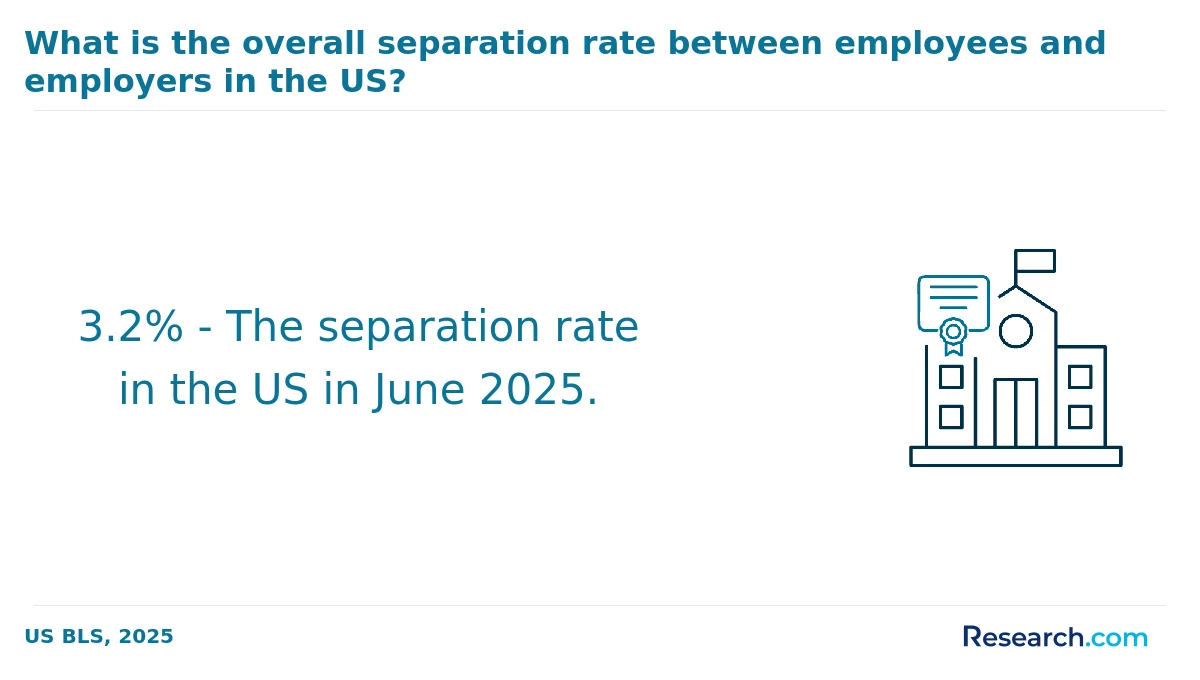
If you're pursuing an associate degree at American Samoa Community College (ASCC), you'll find solid financial support primarily through federal grants and work-study opportunities. Many students, like recent graduates, share how the Federal Pell Grant eased their worries by covering a large part of their tuition, which averages $4,500 a year-much lower than mainland colleges. This grant is need-based, so submitting your FAFSA each year is key to unlocking this aid.
Others have benefited from the Federal Supplemental Educational Opportunity Grant (FSEOG), which targets those with exceptional financial need. Meanwhile, the Federal Work-Study program offers part-time jobs on campus or in community organizations, letting students earn while gaining valuable experience. Graduates often mention how this helped them balance expenses without taking on debt, since ASCC doesn't offer federal loans.
Meeting simple eligibility-completing high school, enrolling in an eligible program, and maintaining good grades-keeps you on track for continuing aid. Many find the combination of grants and work opportunities makes college in American Samoa not just affordable, but truly doable.
When preparing to enroll in an associate degree program in American Samoa, the primary step is meeting the essential prerequisites set by American Samoa Community College (ASCC), the territory's main institution for these programs. Many graduates recall that this college's open-admission policy made their journey approachable, welcoming a broad range of students with various backgrounds.
To start, keep in mind these key requirements:
- Legal residency in American Samoa: You must be a legal resident to apply. This rule ensures that the opportunity to study benefits the local community directly.
- Completion of secondary education: You need a high school diploma or a GED. Graduates often remember how this step marked the exciting transition from everyday schooling to focused college study.
These conditions are straightforward but important. For example, one graduate shared that having a GED opened the door to further education and career growth through ASCC's flexible schedule. This inclusive approach helps many local students, especially those balancing family and work, feel confident about pursuing an Associate of Arts or Science degree.

When pursuing associate degree programs in American Samoa, students quickly notice the focus on core courses in associate degree programs in American Samoa such as English, mathematics, science, social sciences, and humanities. Graduates from the American Samoa Community College often share how these general education courses build a solid foundation, enhancing their critical thinking and communication skills while deepening their understanding of both global and local contexts.
For example, many recall engaging subjects like Arts, Samoan and Pacific studies, and Technology that enrich their cultural awareness and technical abilities simultaneously.
Beyond these, the general education requirements for American Samoa associate degrees include popular practical courses such as Information Communication Technology, Physical Education, and Health, which prepare students both intellectually and physically for their career paths. Specialized courses tailored to sectors like Agriculture, Nursing, and Teacher Education add targeted expertise.
Many students also appreciate how a curriculum embedding Samoan language and culture courses connects them personally to their heritage, making learning feel meaningful and grounded. If you want to advance your career prospects, consider exploring certifications you can get online that pay well alongside your degree for added value.
When choosing the best associate degree program in American Samoa, start by checking if the school is regionally accredited, like American Samoa Community College. Graduates often share how accreditation gave them confidence their credits would transfer smoothly if they pursued further studies. Many find reassurance in knowing their investment in education is recognized across the U.S., especially if they plan to continue towards a bachelor's degree.
Next, consider programs that fit your career ambitions. Popular choices in American Samoa include Nursing, Business, and technical trades. Graduates recall how aligning their studies with local job markets helped them feel prepared and optimistic about employment opportunities after finishing.
Look into the support services offered, such as tutoring and career counseling. Students at these colleges frequently mention how personalized guidance boosted their success and motivation during challenging semesters.
Finally, when figuring out how to compare associate degree costs in American Samoa, remember to factor in financial aid and scholarships, which can relieve financial stress. Some graduates also sought advice on alternative educational paths, exploring doctoral programs without dissertation options as a future goal after completing their associate degrees.
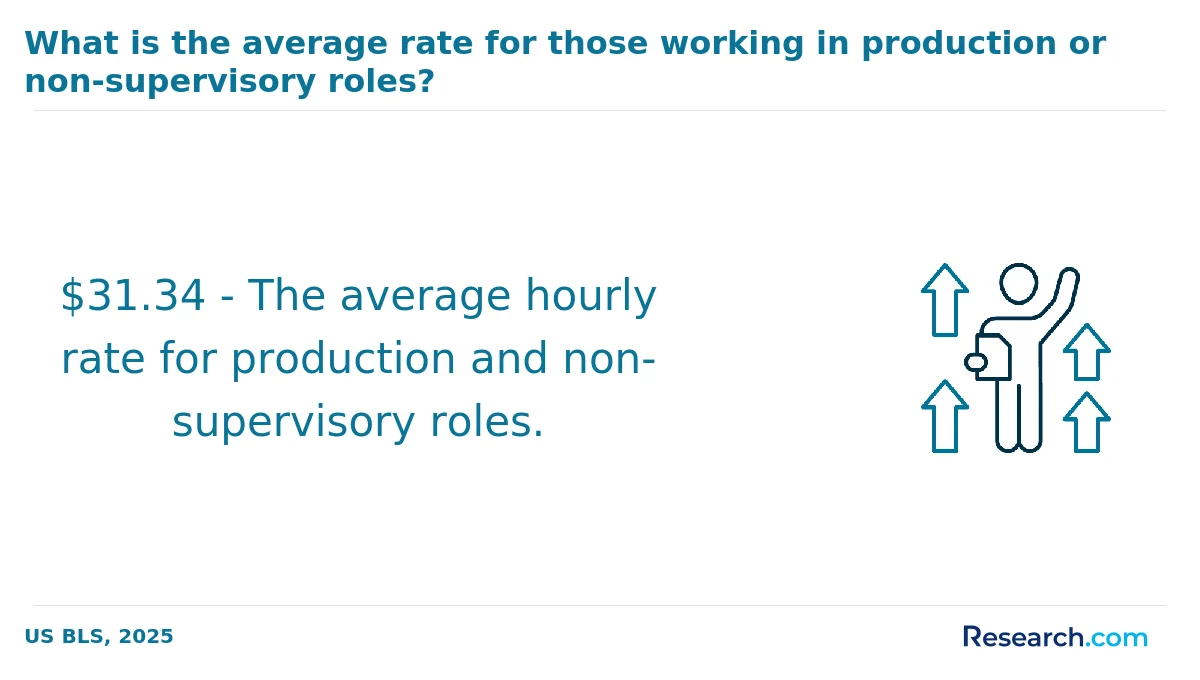
In American Samoa, associate degree jobs in American Samoa open many doors across vital sectors. Graduates from American Samoa Community College often find rewarding roles in education as teaching assistants or administrative assistants, where they support schools and community programs. Many describe the experience as fulfilling, helping to build stronger community ties while gaining valuable skills on the job.
Those with associate degrees in criminal justice discover career opportunities in law enforcement, corrections, and legal services. Some graduates take positions as probation officers or corrections officers in local agencies, feeling proud to contribute directly to public safety and community well-being. Entry-level roles typically start around $28,000 annually, with room to grow by gaining experience or further education.
Business and technology associate degree holders enjoy roles such as office managers or junior IT technicians, especially within American Samoa's private sector. Their skill sets-communication, critical thinking, and technical know-how-prepare them well for advancement. Many graduates successfully transition to bachelor's degrees to expand job options and earning potential.
For those considering further education, many associate programs at local colleges act as stepping stones towards bachelor's degrees in fields like healthcare or public administration. If budget is a concern, exploring online cheap colleges can be a smart way to continue studies while working in the territory.
This range of career opportunities for American Samoa graduates reflects the territory's diverse economy and public service needs, offering a strong foundation for personal and professional growth.
The job market in American Samoa for associate degree graduates offers a meaningful mix of opportunities despite the territory's small size and unique economic landscape. Graduates from popular associate degree schools often secure positions in education, healthcare, and government sectors, where demand remains steady. Many of these jobs provide a solid foundation for a career with competitive salaries that grow over time. For example, education graduates often start with salaries around $8,960, rising to over $20,000 with experience-a pattern that reflects the positive employment trends for associate degree graduates in American Samoa.
Here are three key takeaways based on graduates' experiences:
- Education and healthcare roles frequently require only an associate degree and yield stable employment.
- Government jobs in administrative and technical support are accessible and come with good benefits.
- Annual pay raises in education average 2%, encouraging long-term career growth.
For students looking to balance work and study, programs from local institutions emphasize practical skills tailored to the job market. Access to affordable online options is also expanding, allowing students to progress without pausing their careers. Many graduates have praised these programs for preparing them well and opening doors to steady roles that fit the evolving job opportunities for associate degree holders in American Samoa. Explore affordable online universities for working adults to find options that fit your lifestyle and goals.
Best Associate Degree Programs - Leading Certification Courses in American Samoa for 2026
# 1 position
American Samoa Community College - Criminal Justice/Safety Studies.
associateAmerican Samoa Community College offers a Criminal Justice/Safety Studies program with a hybrid format, including some distance education options. The program covers criminal law, policy, police and correctional systems, administration of justice, and public attitudes toward criminal justice. Annual in-state tuition is $5,460. Graduates have median earnings of $10,388 one year after completion. The program is accredited by the Western Association of Schools and Colleges Accrediting Commission for Community and Junior Colleges.
# 2 position
American Samoa Community College - Automobile/Automotive Mechanics Technology/Technician.
associateAmerican Samoa Community College offers a hybrid Automobile/Automotive Mechanics Technology/Technician program that prepares students to repair, service, and maintain various automobile systems. The curriculum covers brake, electrical, engine performance, transmission, suspension, and heating and air conditioning systems. The program is accredited by the Western Association of Schools and Colleges Accrediting Commission for Community and Junior Colleges. Annual in-state tuition is $5,460.
# 3 position
American Samoa Community College - Welding Technology/Welder.
associateThe Welding Technology/Welder program at American Samoa Community College offers hybrid learning with some distance education options. It prepares students to apply technical skills in various welding methods, including arc welding, brazing, soldering, and cutting. The curriculum covers welding metallurgy, safety, codes, and structural design. Annual in-state tuition is $5,460. The program is accredited by the Western Association of Schools and Colleges Accrediting Commission for Community and Junior Colleges.
# 4 position
American Samoa Community College - Business Administration and Management, General.
associateAmerican Samoa Community College offers a hybrid program in Business Administration and Management, General, designed to prepare students to plan, organize, direct, and control business functions. The curriculum covers management theory, human resources, accounting, quantitative methods, purchasing, logistics, production, marketing, and decision-making. The program is accredited by the Western Association of Schools and Colleges Accrediting Commission for Community and Junior Colleges. Annual in-state tuition is $5,460.
# 5 position
American Samoa Community College - Accounting.
associateThe Accounting program at American Samoa Community College is a hybrid option that prepares students for careers in accounting and related business functions. It covers principles such as financial, managerial, cost, and tax accounting, auditing, and business information systems. The program emphasizes professional standards, ethics, and practical applications across various organizations. Annual in-state tuition is $5,460. The program is accredited by the Western Association of Schools and Colleges Accrediting Commission for Community and Junior Colleges.
Frequently Asked Questions about associate degree programs
Preparing for the job market after earning an associate degree in American Samoa involves a combination of practical skills and local knowledge. Graduates should begin by researching employment trends specific to the territory, where sectors like healthcare, education, and government services offer steady opportunities. According to the U.S. Bureau of Labor Statistics, associate degree holders nationwide earn about 20% more than those with only a high school diploma, and this advantage holds in American Samoa as well.
Networking with local employers through internships or community programs is crucial. Many employers in American Samoa value practical experience gained alongside formal education. Additionally, leveraging vocational training and certification courses related to one's associate degree can increase employability. Resources like the American Samoa Community College's career services provide guidance for resume building and interview preparation to help maximize job prospects within the territory.
Employers in American Samoa increasingly value a combination of technical and soft skills in associate degree graduates. According to the U.S. Bureau of Labor Statistics, practical skills such as proficiency in computer software, basic healthcare knowledge, and trade-related competencies are highly sought after. Additionally, communication skills and teamwork are essential, as many local employers emphasize collaboration in small business and healthcare settings prevalent on the islands. Problem-solving abilities and adaptability are also frequently mentioned in regional workforce surveys. These skills enhance job readiness and contribute to higher employment rates among graduates in fields like nursing, information technology, and business administration.
Finding internships in American Samoa relevant to your associate degree program requires strategic research and connection-building. Start by contacting local educational institutions like the American Samoa Community College, which often partners with local businesses and government agencies to provide internship opportunities. According to the U.S. Department of Labor, internships in American Samoa are commonly available in healthcare, education, and public administration sectors.
Additionally, exploring local government departments and nonprofit organizations is beneficial, as these entities frequently offer internships aligned with various academic fields. Networking with faculty advisors and attending community career fairs can also help you discover opportunities tailored to your degree focus.
Online resources such as the American Samoa Government website and specific job boards for U.S. territories might list available internships. Remember to prepare a strong résumé and cover letter, emphasizing relevant coursework and skills to increase your chances of securing a position.
In American Samoa, earning an associate degree can significantly enhance career mobility and advancement. This two-year degree provides foundational skills and credentials recognized by local employers, often leading to better job opportunities compared to a high school diploma alone.
According to the U.S. Census Bureau, individuals with associate degrees in U.S. territories, including American Samoa, tend to experience higher employment rates and increased earnings relative to those without postsecondary education. Many sectors, such as healthcare, business, and technical trades, value the specialized training that associate degrees offer.
Moreover, associate degrees often serve as stepping stones for further education. Graduates can transfer credits toward bachelor's degrees, opening doors to advanced roles and leadership positions. This flexibility supports long-term career growth and financial stability in the territory's competitive job market.
In American Samoa, part-time job opportunities that complement associate degree education often align with local industries such as healthcare, education, and tourism. Students pursuing degrees in nursing or health sciences can find roles as medical assistants or pharmacy aides, gaining practical experience while studying.
Additionally, those in business or administration programs may work part-time in local government offices or retail management positions, helping build relevant skills. The American Samoa Department of Commerce reports that part-time employment in hospitality and tourism remains steady, offering opportunities for students studying hospitality management.
Such roles not only provide income but also enhance professional networks crucial for career growth in the territory.
To find the best degree program near me in American Samoa, one can consider exploring local educational institutions, including community colleges and universities, that offer accredited programs. Additionally, Research.com is a helpful resource to compare program rankings and offerings to ensure alignment with personal academic and professional goals. Engaging with local educational advisors or attending college fairs in and near American Samoa can also provide personalized guidance.
- Online Associate’s Degree Programs (AS and AAS) - Purdue Global https://www.purdueglobal.edu/degree-programs/associates-degrees/
- Tuition & Fees - American Samoa Community College https://www.amsamoa.edu/tuitionandfees.html
- American Samoa Training: 47-2031.00 - Carpenters https://www.onetonline.org/link/localtraining/47-2031.00
- American Samoa Community College | University Info | PhDportal https://www.phdportal.com/universities/14744/american-samoa-community-college.html
- Entry Salary Set for Employees with AA/Diploma | Talanei https://www.talanei.com/2020/07/29/entry-salary-set-for-employees-with-aa-diploma/
- Options for Students with an Associate Degree | LSU Online https://online.lsu.edu/newsroom/articles/what-can-i-do-after-earning-associate-degree/
- Research - Online Ph D Programs With No Dissertation https://research.com/degrees/online-ph-d-programs-with-no-dissertation
- 16.1001 Classification-Certification. - American Samoa Bar Association https://asbar.org/code-annotated/16-1001-classification-certification/
- Deployment Paused https://www.admitwell.com/university/americansamoacommunitycollege
- Jobs in American Samoa - DevelopmentAid https://www.developmentaid.org/amp/jobs-in-american-samoa