
Best Translator Training Programs & Trade Schools - Top Translation Schools in Pennsylvania for 2026

Co-Founder and Chief Data Scientist
Choosing the right professional translator trade school in Pennsylvania can feel overwhelming. This article is here to guide you through that process with a carefully crafted ranking of translator trade school programs created by the Research.com team of data scientists.
By exploring this ranking, you’ll discover programs that truly stand out, helping you make an informed decision for your future. Earning a diploma or certification in professional translation can open doors to rewarding career opportunities.
Whether you’re starting fresh or looking to advance, this guide supports your journey with valuable insights.
Key benefits of finishing professional translator trade school in Pennsylvania
- Graduates of professional translator trade schools in Pennsylvania can expect an average salary around $63,958 per year, with potential to earn up to $84,507 depending on experience and specialization.
- Career paths include roles as translators, interpreters, or language specialists in diverse industries, offering steady opportunities for growth and rewarding work.
- Completing a translator program online offers flexibility and accessibility, allowing graduates to balance work and study while gaining practical skills valued by employers.
What can I expect from professional translator trade schools in Pennsylvania?
Enrolling in a professional translator trade school program in Pennsylvania means diving into a well-structured curriculum designed to sharpen your bilingual skills, especially if you're working between English and Spanish. Graduates from popular Pennsylvania trade schools often share how their courses helped them master techniques like avoiding linguistic interference and crafting culturally accurate translations. You'll tackle real-world exercises that mirror what you'll face in jobs, such as translating legal documents or medical materials, which many programs offer as specialized tracks.
Expect a blend of academic theory and hands-on practice. Many students appreciate how programs include cross-cultural communication modules that prepare them to adapt messages sensitively for diverse audiences. If you're studying online, like many do at Pennsylvania institutions, you'll need reliable computer skills and access to a Windows or Mac system, with instructional materials provided digitally.
Graduates often mention how internships or practical experiences gave them confidence before stepping into the workforce. Most programs award a certificate of completion, a valuable stepping stone toward taking the ATA certification exam or landing entry-level roles. Many new translators in Pennsylvania start around $20 per hour, which feels rewarding after the focused training you receive.
Where can I work after finishing professional translator trade schools in Pennsylvania?
After completing a professional translator trade school program in Pennsylvania, graduates find a variety of rewarding career paths that bring real impact. Many land jobs in hospitals like Geisinger Medical Center, where they help Spanish-speaking patients communicate clearly with doctors and nurses, making a tangible difference in healthcare.
Others work in local schools or intermediate units, supporting students and families by translating important documents or interpreting during meetings. Graduates often share how fulfilling it feels to help children succeed by breaking down language barriers in classrooms.
Legal settings also offer opportunities, with courts hiring interpreters to ensure fairness in trials for non-English speakers. Many graduates from Pennsylvania trade schools express pride in playing a key role in access to justice.
Remote work options are increasingly popular, allowing translators to work from home on diverse projects like subtitles, contracts, or live meetings. This flexibility is especially valued by those balancing family life or seeking a better work-life balance.
Federal agencies and private companies also seek skilled translators for specialized roles, providing steady employment and career growth for graduates of Pennsylvania's top trade programs.
How much can I make after finishing professional translator trade schools in Pennsylvania?
After finishing a professional translator trade school program in Pennsylvania, you can expect to earn between $55,000 and $74,000 annually, with a median salary around $64,000. Graduates from well-known trade schools often share how this range offers a solid start for building a stable career in translation.
Many new translators begin closer to the 25th percentile, earning about $55,168 per year. For example, graduates who started freelancing or joined local agencies in Philadelphia reported steady growth from entry-level pay. With experience or specialization in areas like medical or legal translation, salaries can rise to the 75th percentile, around $74,714, which feels rewarding after investing time in honing your skills.
Hourly pay typically ranges from $26 to $30, making part-time or contract work a flexible option. Some graduates have even taken temporary roles in Philadelphia earning between $50,000 and over $90,000, especially when working with in-demand languages or industries. While Pennsylvania's translator salaries rank modestly nationwide, many find the consistent demand and steady pay encouraging when starting their careers here.
Best Translator Training Programs & Trade Schools - Top Translation Schools in Pennsylvania for 2026
# 1 position
Lackawanna College - Language Interpretation and Translation.
certificate or diplomaLackawanna College offers a hybrid Language Interpretation and Translation program designed to prepare students for professional roles in interpreting and translating documents and data files between English, Canadian French, and other languages. The curriculum includes intensive foreign language instruction and specialized training in various interpretation and translation techniques. Annual in-state tuition is $17,950. The program is accredited by the Middle States Commission on Higher Education.
# 2 position
Shippensburg University of Pennsylvania - Language Interpretation and Translation.
certificate or diplomaThe Language Interpretation and Translation program at Shippensburg University of Pennsylvania offers a hybrid format with some distance-education options. Annual in-state tuition is $13,544. The program prepares students for professional roles as interpreters and translators of documents and data files between English, Canadian French, and other languages. Coursework includes various interpretation methods, literary and technical translation, and business applications. The program is accredited by the Middle States Commission on Higher Education.
Key Findings
- Most professional translator trade school programs in Pennsylvania require a high school diploma and strong bilingual skills, often in English plus another language like Spanish.
- Programs range from short-term certificates costing between $795 and $2,400 to associate or bachelor's degrees, focusing on practical translation and interpretation skills.
- Many programs do not offer federal financial aid, but some students may access support through workforce development or vocational rehabilitation.
- Graduates typically start earning about $20 per hour, with experienced professionals earning $30 to $40 per hour or more in specialized fields.
- High demand exists for translators in sectors like healthcare, law, education, and community services, especially for Spanish, Chinese, and American Sign Language.
How long does it take to complete professional translator trade schools in Pennsylvania?
Completing a professional translator trade school program in Pennsylvania typically takes about 12 to 18 months, depending on the school's schedule and whether you attend full-time or part-time. Many graduates from well-known Pennsylvania trade schools share how the compact timeline allowed them to quickly transition into the workforce, which is especially encouraging if you're eager to start earning as a translator.
For example, students attending popular programs in Philadelphia or Pittsburgh often find that the hands-on curriculum, combined with flexible evening classes, fits well with their busy lives. One graduate mentioned balancing work and study by taking evening classes, finishing the program in just over a year. This practical pacing keeps motivation high and helps maintain a steady learning rhythm.
Imagine yourself in a classroom where you're practicing real-world translation scenarios from day one, gaining valuable skills without years of delay. Pennsylvania's trade schools focus on this efficient approach, making the journey to becoming a professional translator both achievable and rewarding.
What's the difference between online and on-campus professional translator trade school programs?
The key difference between online and on-campus professional translator trade school programs in Pennsylvania lies in how you experience learning. Online programs, like the one at Harrisburg Area Community College, offer incredible flexibility. Graduates often share how fitting coursework around work or family was a game changer. You can study from anywhere, access video lectures, and use digital resources at your own pace. Pennsylvania Highlands Community College's fully online setup even includes all textbooks online, making it easy to stay organized without extra costs.
On the other hand, on-campus programs, such as those supported by the Chester County Intermediate Unit, bring the energy of face-to-face interaction. Students appreciate the chance to practice interpreting live, building confidence through real-time communication and networking. Being physically present helps many develop sharper skills faster, thanks to immediate feedback and hands-on training.
Both paths lead to a Certificate of Completion and require bilingual skills. Your choice depends on whether you thrive with flexible, self-paced learning or the dynamic environment of in-person classes.
What is the average cost of professional translator trade schools in Pennsylvania?
The average cost of professional translator programs in Pennsylvania can vary quite a bit depending on the trade school you choose. Graduates from well-known institutions in Philadelphia have shared that tuition fees for translator trade schools in Pennsylvania range widely-from as low as $5,300 to upwards of $28,283. This range reflects differences in program length, resources, and campus locations. For many students, understanding the tuition fees for translator trade schools in Pennsylvania means weighing these costs against the quality of education and support they receive.
Beyond tuition, graduates often highlight additional expenses like books and supplies, which can total around $2,030 in the state. Living costs, especially off-campus housing, can add approximately $20,116, making careful budget planning essential. Many students feel more confident in their investment when they take advantage of financial aid opportunities, including scholarships and grants offered by individual schools.
Those looking for flexible and reputable options might explore the best online trade schools, which can sometimes reduce living costs and offer adaptable schedules. Hearing from peers who navigated these expenses successfully can provide reassurance and practical insights as you consider your professional translator trade school program in Pennsylvania.

What financial aid is available for professional translator trade schools in Pennsylvania?
Students pursuing professional translator programs in Pennsylvania often find federal financial aid available for credit-bearing certificates, like the Translation and Interpretation Certificate at Lackawanna College. By submitting the FAFSA before the May 1st deadline, many graduates have accessed Pell Grants and federal student loans that made their studies manageable. One graduate shared relief at qualifying for a Pennsylvania State Grant, which eased tuition costs significantly.
Non-credit programs, such as those at Harrisburg Area Community College, usually don't qualify for federal aid. However, students have successfully tapped into state vocational rehabilitation funds or workforce development boards to cover tuition. Some schools even offer installment plans or internal scholarships, making it easier to stay on track financially.
Specialized, grant-funded programs like those at Temple University's CLA Translation Institute sometimes waive tuition entirely. Graduates from these programs often speak about feeling supported not only financially but also through resources like childcare or transportation assistance, which can be a game-changer when balancing life and studies.
What are the prerequisites for enrolling in professional translator trade schools in Pennsylvania?
When considering enrollment in a professional translator trade school program in Pennsylvania, you'll find that prerequisites are designed to ensure you're well-prepared and ready to thrive. Most schools expect applicants to have a high school diploma or GED, which serves as the foundational step.
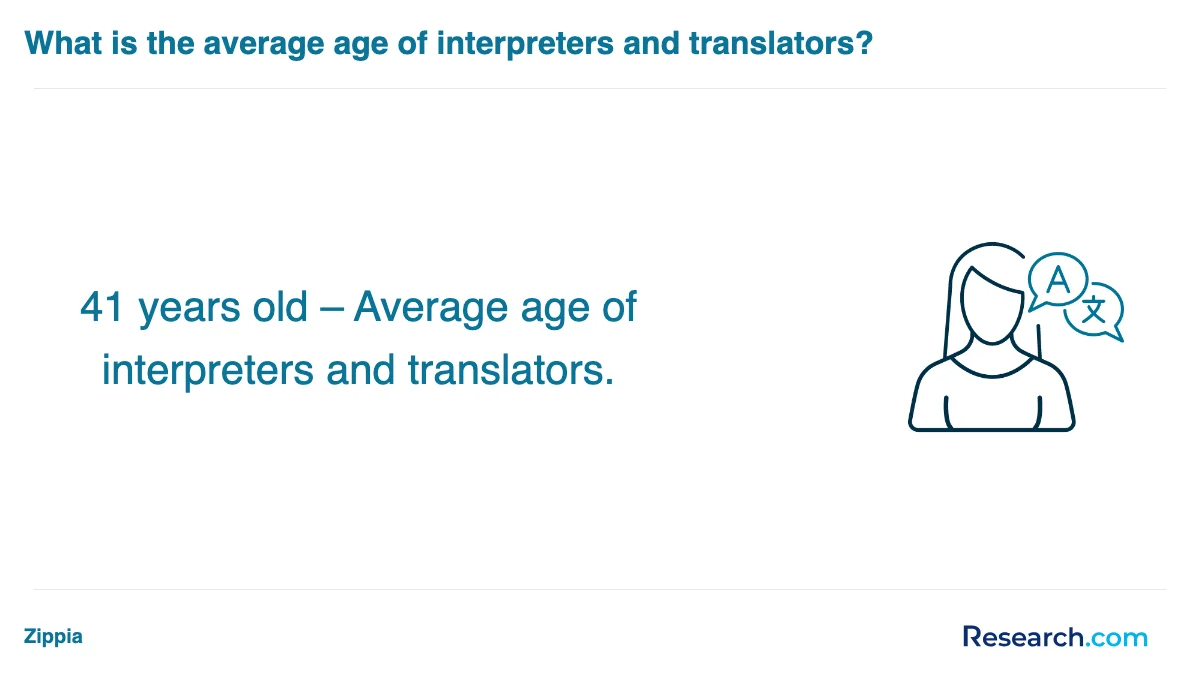
Beyond formal education, many graduates share that having a strong command of at least two languages-typically English and one other-is essential. This isn't just about knowing vocabulary; it's about understanding cultural nuances and context, which trade schools in Pennsylvania emphasize heavily.
Here are common prerequisites you can expect:
- Proof of language proficiency, often through tests or interviews
- Basic computer skills, as translation software is integral to coursework
- Sometimes, prior coursework or experience in language studies
- Motivation and a passion for cross-cultural communication, which instructors often assess informally
Graduates from popular Pennsylvania trade schools often recall how these prerequisites helped them adapt quickly to immersive, hands-on training environments. For example, one graduate mentioned how their prior bilingual experience made learning industry-specific terminology easier, boosting confidence from day one.
Keep in mind that Pennsylvania programs appreciate students who come ready to engage actively, whether through practical translation exercises or collaborative projects that mirror real-world scenarios.
What are the typical courses in professional translator trade schools in Pennsylvania?
Professional translator trade school programs in Pennsylvania typically include a solid mix of courses designed to build real-world skills. Graduates often share how essential the language proficiency assessments were, such as those at Harrisburg Area Community College, where passing a spoken fluency test in both native and second languages is key to progressing.
Core coursework usually covers:
- Translation and interpretation theory and practice-students learn to handle both written and oral translations with accuracy and cultural sensitivity, crucial for roles in courts or hospitals.
- Ethics and professional conduct-understanding confidentiality and impartiality is emphasized, reflecting Pennsylvania's strict certification standards.
- Specialized training-programs like Penn State York's Medical Interpreter Training prepare students for healthcare settings, while others focus on judicial interpreting.
- Technology applications-using CAT tools, voice recognition, and subtitling software, as La Salle University graduates highlight, equips students for modern remote and localization work.
These courses create a confident foundation, letting students feel ready to step into Pennsylvania's diverse interpreting and translation career paths.
What are the available specializations in professional translator trade schools in Pennsylvania?
When pursuing professional translator trade school programs in Pennsylvania, you'll find a range of specializations designed to sharpen your skills for specific real-world needs. Graduates often reflect on how programs in American Sign Language/English Interpreting provide immersive experiences, like interpreting in schools or community centers, building both linguistic expertise and cultural understanding. Popular trade schools, such as the Community College of Philadelphia, make this a strong focus.
Other students highlight the value of Advanced Medical Interpreter programs in Pennsylvania, where they learn essential medical terminology and ethics while preparing for fast-paced hospital environments. These programs, like the one at Pennsylvania College of Technology, prepare interpreters to confidently bridge communication gaps in healthcare.
Many graduates also appreciate courses in professional translation between English and Spanish, covering cross-cultural localization and preparing them for certification exams. Schools like Pennsylvania Highlands Community College foster skills to become skilled translators and interpreters ready for diverse public service roles.
- American Sign Language/English Interpreting programs in Pennsylvania
- Advanced Medical Interpreter programs in Pennsylvania
For you considering this career path, understanding why is trade school better than college can further clarify the benefits of immersive, specialization-driven learning.
How do you choose the best professional translator trade school program in Pennsylvania?
Choosing the best translator trade schools in Pennsylvania starts with verifying accreditation. Graduates from well-known institutions like the Commonwealth Technical Institute often share how accreditation gave them confidence that their skills met industry standards and were respected by employers. When evaluating translator programs in Pennsylvania, look for comprehensive curricula that cover not only language proficiency but also cultural localization and translation techniques. Programs preparing students for the ATA certification exam are particularly beneficial for career advancement.
Admissions criteria often require prior university-level study in relevant languages, ensuring students have a solid language foundation before diving into specialized translation skills. Many successful graduates appreciated programs offering flexible delivery formats, such as online classes with interactive sessions and access to qualified instructors, which balanced well with their busy lifestyles.
Financial factors also matter; comparing tuition and exploring aid options can ease the stress. Career support services, including resume workshops and job placement assistance, proved invaluable for many alumni. For a deeper look at which trade school is the best for your goals, consider exploring resources like which trade school is the best.
What career paths are available for professional translator trade school graduates in Pennsylvania?
Graduates of professional translator trade school programs in Pennsylvania find rewarding translator jobs in Pennsylvania across multiple sectors. Many take on roles as medical interpreters in hospitals such as Geisinger Medical Center, where daily interaction with patients enhances both professional skills and personal fulfillment. Others work as educational interpreters, supporting non-English-speaking students in districts like Centennial School District, making a tangible difference in their academic lives.
Several graduates choose the path of certified court interpreter career Pennsylvania, serving in legal settings to provide essential language access in courts and legal agencies. Freelance opportunities abound, offering flexibility and autonomy, often allowing interpreters to collaborate with businesses or nonprofit organizations. Typical career paths include:
- Medical interpreter or translator
- Legal and court interpreter
- Educational interpreter
- Freelance translator for diverse industries
Many alumni from respected trade schools also expand into cultural consulting or project management roles. Understanding your local job market is crucial, and you can explore more career options through job trades resources tailored to Pennsylvania professionals.
What is the job market for professional translator trade school graduates in Pennsylvania?
The job market for professional translator trade school graduates in Pennsylvania is promising. Graduates from well-known trade schools often find opportunities quickly, especially in areas like King of Prussia where nearly 50 openings exist for translators and interpreters. Many have shared that completing a trade program equipped them with practical skills and certifications that employers in education, healthcare, and business sectors value highly.
Healthcare facilities like Geisinger Medical Center in Danville frequently hire medical interpreters, offering pay rates between $21 and $27.75 per hour. Graduates often tell stories about how their training allowed them to confidently support Spanish-speaking patients and advance professionally in clinical environments. This hands-on experience reflects the positive professional translator job outlook in Pennsylvania.
Those who attend trade schools report the advantage of entering the workforce sooner, since many employers waive bachelor's degree requirements if language proficiency and certifications from programs are demonstrated. School alumni appreciate how their education aligns with real job demands. To understand more about getting trained, consider exploring what is a vocation or trade school.
Salary and employment trends Pennsylvania show entries starting near $39,000 annually, with potential growth up to $120,000 for experienced translators in diverse industries. This range highlights opportunities for both entry-level and seasoned professionals seeking rewarding translation careers in the state.
Frequently Asked Questions about professional translator
After completing a professional translator trade school in Pennsylvania, graduates should focus on building a strong portfolio showcasing their language skills and translation projects. According to the U.S. Bureau of Labor Statistics, demand for translators is expected to grow by 20% from 2022 to 2032, highlighting the importance of practical experience.
Networking is essential; joining organizations like the American Translators Association can connect new professionals with industry contacts and job listings. Additionally, obtaining certification from the ATA or state-recognized bodies can improve employability and credibility.
Internships or freelance work help develop real-world skills and client relationships, which are highly valued by employers in Pennsylvania's diverse linguistic markets.
Employers in Pennsylvania seek professional translator graduates who demonstrate strong language proficiency in both source and target languages. Accuracy and cultural competence are vital, as translators must convey not only words but also context. According to the U.S. Bureau of Labor Statistics, attention to detail is critical, reducing errors in legal, medical, and technical documents.
Technical skills with translation software, such as CAT tools, are increasingly important. The Pennsylvania Department of Labor notes that about 70% of employers expect familiarity with these technologies to improve efficiency. Communication skills and the ability to meet tight deadlines also rank highly.
Finding internships related to professional translator trade school programs in Pennsylvania involves several strategic steps. Start by consulting your trade school's career services office, which often maintains partnerships with local businesses and organizations requiring translation services. According to the Pennsylvania Department of Labor & Industry, internships in language services have grown by 8% annually, reflecting increasing demand.
Networking through professional associations such as the American Translators Association (ATA) Pennsylvania chapter can open doors to internships. Additionally, check local government agencies and healthcare providers in Pennsylvania, as they frequently seek translation interns to assist with multilingual communication.
Online platforms like Handshake and Indeed also list internship opportunities specifically in Pennsylvania's translation and interpretation fields. Regularly monitoring these sites can help you secure relevant placements that complement your trade school training.
Obtaining a professional translator trade school diploma in Pennsylvania can significantly enhance career mobility and advancement opportunities. Such diplomas provide specialized skills that are in demand across various sectors, including healthcare, legal, and government services.
According to the Pennsylvania Department of Labor & Industry, employment for interpreters and translators in the state is projected to grow by 20% between 2020 and 2030, much faster than the average for all occupations. This growth supports increased job openings and upward mobility for diploma holders.
Graduates from accredited trade schools often qualify for certification exams, such as those offered by the American Translators Association, which further improve job prospects and earning potential.
Furthermore, Pennsylvania's diverse population creates consistent demand for translation services, making the diploma a practical asset for career advancement within the state's multilingual communities.
Part-time job opportunities in Pennsylvania that complement professional translator trade school education include freelance translation, interpretation services, and transcription work. These roles allow students to apply language skills in real-world settings while managing flexible schedules.
According to the U.S. Bureau of Labor Statistics, Pennsylvania has a growing demand for interpreters and translators, with jobs concentrated in metropolitan areas such as Philadelphia and Pittsburgh. Working in community centers, hospitals, or legal offices can provide valuable experience relevant to translation careers.
Additionally, remote freelance platforms offer access to diverse projects, helping students build portfolios and professional networks alongside their studies.
To choose the best Professional Translator degree program near you in Pennsylvania, consider factors such as program accreditation, faculty qualifications, and available language specializations. Research.com can help you compare programs and universities near Pennsylvania that offer courses aligned with your career goals. Additionally, visiting campuses or attending virtual open houses can provide insight into which institution's translation program best suits your needs near me.
Related Professional Translator Rankings for Nearby States
- Best Translator Training Programs & Trade Schools - Top Translation Schools in New Jersey for 2026
- Best Translator Training Programs & Trade Schools - Top Translation Schools in New York for 2026
- Best Translator Training Programs & Trade Schools - Top Translation Schools in Ohio for 2026
- Best Translator Training Programs & Trade Schools - Top Translation Schools in Massachusetts for 2026
- Best Translator Training Programs & Trade Schools - Top Translation Schools in North Carolina for 2026
- Best Translator Training Programs & Trade Schools - Top Translation Schools in Michigan for 2026
- Best Translator Training Programs & Trade Schools - Top Translation Schools in Georgia for 2026
- Best Translator Training Programs & Trade Schools - Top Translation Schools in Missouri for 2026
- Best Translator Training Programs & Trade Schools - Top Translation Schools in Wisconsin for 2026
- Best Translator Training Programs & Trade Schools - Top Translation Schools in Minnesota for 2026
Top Trending Rankings
References
- Online Professional Translator from Pennsylvania Highlands Community College https://ed2go.pennhighlands.edu/training-programs/professional-translator/
- Online Professional Interpreter from Harrisburg Area Community College https://careertraining.hacc.edu/training-programs/professional-interpreter-course-online/
- Professional Translator Training Online https://www.best-trade-schools.net/programs/professional-translator/
- Online Court Interpreter (Spanish/English) from Pennsylvania College of Technology https://onlinetraining.pct.edu/training-programs/court-interpreter/
- Guide to Certification - American Translators Association (ATA) https://www.atanet.org/certification/guide-to-ata-certification/
- Interpreter Certification | Interpreter Program | Operations | Judicial Administration | Unified Judicial System of Pennsylvania https://www.pacourts.us/page/1411
- Career and Technical Certification | Department of Education | Commonwealth of Pennsylvania https://www.pa.gov/agencies/education/programs-and-services/educators/certification/other-areas-of-certification/career-and-technical-certification.html
- ASL and English Interpreting (BS) | Undergraduate Programs | Commonwealth University of PA https://www.commonwealthu.edu/academics/programs/american-sign-language-english-interpreting-bs
- Ethical and Other Challenges in Professional Interpreting - Interpreters & Translators, Inc. https://ititranslates.com/ethical-and-other-challenges-in-professional-interpreting/
- inTRAlinea. online translation journal > Special Issues > Special Issue: Challenges in Translation Pedagogy > The Need for CAT Training within Translator Training Programmes: https://www.intralinea.org/specials/article/the_need_for_cat_training_within_translator_training_programmes


