
Best Translator Training Programs & Trade Schools - Top Translation Schools in North Carolina for 2026

Co-Founder and Chief Data Scientist
Choosing the right professional translator trade school in North Carolina can shape your future career. This article introduces a carefully crafted ranking of translator trade school programs, developed by the Research.com team of data scientists, to guide you toward the best options available in 2026.
By exploring this ranking, you’ll discover programs that offer valuable skills and certifications, helping you stand out in a competitive job market. Whether you’re starting fresh or advancing your expertise, earning a diploma in translation opens doors to exciting opportunities.
Take this step confidently and find a program that fits your goals and lifestyle.
Key benefits of finishing professional translator trade school in North Carolina
- Graduates from professional translator trade schools in North Carolina can expect an average salary of around $51,984 per year, with higher potential earnings in cities like Charlotte, where salaries can reach over $62,000.
- Career paths include working as certified translators, freelance language specialists, or in corporate settings, reflecting the diverse opportunities enjoyed by many trade school alumni across the state.
- Completing a translator program online offers flexibility and convenience, allowing students to balance work and study effectively, as shown by successful graduates from popular North Carolina online trade schools.
What can I expect from professional translator trade schools in North Carolina?
Enrolling in a professional translator trade school program in North Carolina means diving into a vibrant learning journey where language skills meet real-world application. Graduates often share how starting with core language courses, like Spanish phonetics or American Sign Language, quickly builds a strong foundation. At popular schools such as community colleges and UNC Charlotte, students move from theory to practice, mastering translation techniques and even using cutting-edge computer-assisted tools.
Expect hands-on experiences like internships in hospitals or legal offices, making your studies come alive while building valuable professional connections. Many students describe the thrill of applying classroom knowledge to real-life interpreting situations, boosting confidence and practical skills.
Beyond language, you'll explore professional ethics, cultural competence, and the business side of translation-learning to navigate freelancing or agency work with ease. Flexible program lengths allow you to tailor your education to fit your lifestyle, whether full-time or part-time, making it an exciting and accessible path to a rewarding career.
Where can I work after finishing professional translator trade schools in North Carolina?
Graduates from professional translator trade schools in North Carolina find themselves stepping into vibrant roles across the state. Imagine working as a Spanish Medical Interpreter in bustling Charlotte hospitals, where your skills directly impact patient care and comfort. Many graduates from popular schools in Raleigh and Durham share how rewarding it feels to support doctors and patients through clear communication, often enjoying benefits like health insurance and paid time off.
Other alumni thrive as Court Interpreters, ensuring fairness in legal proceedings across North Carolina's courts. Schools like those in Greensboro prepare students to confidently handle these high-stakes environments. Meanwhile, some graduates embrace the dynamic world of education, working in schools and universities to help multilingual students and their families feel welcome and understood.
For those with an adventurous spirit, freelance interpreting for international businesses or non-profits offers flexible work and competitive pay. Graduates often highlight the excitement of choosing projects and languages, from Japanese specialists in Charlotte to Portuguese freelancers working remotely. The steady demand and diverse options make North Carolina a promising place for translators to launch their careers.
How much can I make after finishing professional translator trade schools in North Carolina?
After finishing a professional translator trade school program in North Carolina, many graduates are curious about what their paycheck might look like. On average, translators in the state earn around $51,984 annually, which breaks down to about $25 per hour. For those fresh out of popular trade schools, starting offers can be closer to $18 per hour, reflecting entry-level roles that steadily grow with experience and specialization.
Imagine landing your first job and translating documents for local businesses or community events, slowly building your portfolio. While the overall job market in North Carolina isn't the busiest, graduates from well-known trade schools often find rewarding roles, especially if they focus on in-demand language pairs or certifications.
In cities like Raleigh, certified translators with a few years under their belt can earn substantially more, sometimes reaching salaries above $125,000. So, starting in a trade school here feels like stepping into an adventure where your skills and passion can lead to exciting opportunities and rewarding paychecks as you advance.
Best Translator Training Programs & Trade Schools - Top Translation Schools in North Carolina for 2026
# 1 position
Johnston Community College - Language Interpretation and Translation.
associateJohnston Community College offers a hybrid Language Interpretation and Translation program that prepares students to become professional interpreters and translators. The curriculum includes intensive foreign language instruction and covers various interpretation methods, literary and business translation, and technical applications. Annual in-state tuition is $2,657. The program is accredited by the Southern Association of Colleges and Schools Commission on Colleges.
# 2 position
Blue Ridge Community College - Language Interpretation and Translation.
associateThe Language Interpretation and Translation program at Blue Ridge Community College offers hybrid learning with some distance-education options. It prepares students to become professional interpreters and translators between English, Canadian French, and other languages. The curriculum includes intensive foreign language instruction and specialized courses in various interpretation and translation methods. The program is accredited by the Southern Association of Colleges and Schools Commission on Colleges. Annual in-state tuition is $2,660.
# 3 position
Wilson Community College - Language Interpretation and Translation.
associateWilson Community College offers a Language Interpretation and Translation program with a hybrid format, including some distance-education options. The program trains students to become professional interpreters and translators, covering multiple languages and various types of interpretation and translation. Annual in-state tuition is $2,572. The curriculum includes intensive foreign language instruction and specialized translation techniques. The program is accredited by the Southern Association of Colleges and Schools Commission on Colleges.
# 4 position
Cape Fear Community College - Language Interpretation and Translation.
associateCape Fear Community College offers a fully online Language Interpretation and Translation program. It prepares students to work professionally as interpreters and translators, focusing on English, Canadian French, and other languages. The curriculum includes single- and multiple-language interpretation, simultaneous interpretation, and various types of translation such as business, technical, and literary. The program is accredited by the Southern Association of Colleges and Schools Commission on Colleges. Annual in-state tuition is $2,748.
# 5 position
Sampson Community College - Language Interpretation and Translation.
associateSampson Community College offers a hybrid Language Interpretation and Translation program that trains individuals to become professional interpreters and translators. The curriculum includes intensive foreign language instruction and covers various interpretation methods and translation types such as literary, business, and technical translation. The program's annual in-state tuition is $2,830. It is accredited by the Southern Association of Colleges and Schools Commission on Colleges.
# 6 position
Durham Technical Community College - Language Interpretation and Translation.
certificate or diplomaDurham Technical Community College offers a hybrid Language Interpretation and Translation program preparing students as professional interpreters and translators. The curriculum includes intensive foreign language instruction and covers interpretation techniques, literary and business translation, and technical translation. Annual in-state tuition is $1,986. Graduates have median earnings of $26,246 one year after completion. The program is accredited by the Southern Association of Colleges and Schools Commission on Colleges.
# 7 position
Johnston Community College - Language Interpretation and Translation.
certificate or diplomaJohnston Community College offers a hybrid Language Interpretation and Translation program designed to prepare individuals as professional interpreters and translators of English, Canadian French, and other languages. The curriculum includes intensive foreign language instruction and covers various interpretation and translation techniques such as simultaneous and literary translation, business and technical translation. Annual in-state tuition costs $2,657. The program is accredited by the Southern Association of Colleges and Schools Commission on Colleges.
# 8 position
Wilson Community College - Language Interpretation and Translation.
certificate or diplomaWilson Community College offers a hybrid Language Interpretation and Translation program designed to prepare students as professional interpreters and translators between English and Canadian French or other languages. The curriculum includes intensive foreign language study and training in various interpretation and translation techniques, including simultaneous, business, technical, and literary translation. The annual in-state tuition is $2,572. The program is accredited by the Southern Association of Colleges and Schools Commission on Colleges.
# 9 position
Surry Community College - Language Interpretation and Translation.
certificate or diplomaSurry Community College offers a Language Interpretation and Translation program designed to prepare students to work as professional interpreters and translators. This hybrid program includes intensive instruction in foreign languages and specialized areas such as simultaneous interpretation, literary and business translation, and technical translation. The annual in-state tuition is $2,545. The program is accredited by the Southern Association of Colleges and Schools Commission on Colleges.
# 10 position
Sampson Community College - Language Interpretation and Translation.
certificate or diplomaThe Language Interpretation and Translation program at Sampson Community College offers hybrid study options and focuses on training professional interpreters and translators. The curriculum includes intensive foreign language instruction and covers various interpretation and translation methods, including simultaneous, business, and technical translation. The program is accredited by the Southern Association of Colleges and Schools Commission on Colleges. Annual in-state tuition is $2,830.
Key Findings
- North Carolina offers certificate, associate, and graduate-level translator programs at community colleges and universities like UNC Charlotte.
- Admissions typically require a high school diploma for undergraduate certificates and a bachelor's degree for graduate certificates, with some programs needing language proficiency tests or interviews.
- Community college programs usually cost between $2,500 and $5,000 for the entire certificate or associate degree, excluding books and supplies.
- UNC Charlotte offers a 12-credit undergraduate Certificate in Translating and a Graduate Certificate with language pairs including French>English, German>English, and Spanish<>English.
- Starting salaries for new translators in North Carolina range from $35,000 to $45,000, with experienced professionals earning $55,000 to $75,000 or more in fields like healthcare and legal.
How long does it take to complete professional translator trade schools in North Carolina?
Completing a professional translator trade school program in North Carolina typically takes about six months to one year, depending on the school and the intensity of the course. Many students find this timeline ideal for quickly launching their careers without the long wait of traditional degrees. At popular institutions like those in Charlotte or Raleigh, graduates often share how the immersive, hands-on approach made the months fly by while building real-world skills.
Imagine diving into language labs, practicing simultaneous interpretation, or translating documents for local businesses-all within a compact, focused schedule. One graduate mentioned feeling energized by the fast pace, which kept motivation high and boredom far away. The shorter completion time means you can start freelancing or join agencies sooner, turning your passion for languages into a paycheck without delay.
For many in North Carolina, this efficient timeframe fits perfectly with their busy lives, balancing family, work, and study. It's an accessible adventure that transforms enthusiasm for languages into professional expertise in under a year.
What's the difference between online and on-campus professional translator trade school programs?
Choosing between online and on-campus professional translator trade school programs in North Carolina can feel like deciding between two exciting paths. Online programs, like those at East Carolina University or UNC Charlotte, offer the freedom to learn from anywhere, perfect for juggling work or family. Imagine logging in late at night after a busy day and diving into interpreting ethics or translation theory at your own pace-graduates often praise this flexibility that fits life's unpredictability.
On the flip side, attending classes on campus creates a vibrant, hands-on environment. At schools like UNC Charlotte, students experience lively discussions in languages like Spanish or French, practicing translation skills face-to-face and building instant connections with peers and instructors. Many graduates highlight how these in-person moments spark confidence and create lasting professional networks.
Both formats demand core translation skills, but online learners enjoy asynchronous schedules while on-campus students follow fixed timetables. Whichever path you choose, North Carolina's accredited programs ensure your credentials hold strong value in the job market.
What is the average cost of professional translator trade schools in North Carolina?
Curious about the average tuition fees for translator programs in North Carolina? Trade schools here typically ask for around $17,822 in tuition and fees for their largest vocational programs during the 2024-2025 academic year. That's the ballpark where you can expect professional translator certification courses in North Carolina to land. Imagine sitting in classes at Cape Fear Community College, where students tackle their Associate in Applied Science (A.A.S.) Community Spanish Interpreter degree through 74 credit hours, feeling confident their investment aligns with this average.
Graduates often recall the excitement of balancing tuition with additional expenses like books, supplies, and living costs - which altogether bring the average cost of attendance to about $19,964. This total cost picture helps paint a realistic view of what life feels like during the program, from juggling textbooks in study sessions to budgeting for everyday needs. In contrast, for those eyeing a step up, Wake Forest University's Master's in Language Translation program requires a heftier tuition of roughly $39,216, showing the diversity in costs depending on the educational path chosen.
Whether you're browsing options for an entry point or aiming higher, it's smart to explore every angle. For example, discovering the best construction trade school online resources can inspire how flexible trade education options might be. The financial investment becomes part of a thrilling adventure toward earning your professional translator certification in one of North Carolina's respected programs.
What financial aid is available for professional translator trade schools in North Carolina?
Federal financial aid like FAFSA often isn't available for professional translator trade programs in North Carolina, since many are non-credit courses. Yet, that hasn't stopped hopefuls from finding creative ways to fund their journeys. Graduates from Central Piedmont Community College often share how institutional scholarships and flexible payment plans made their studies doable without overwhelming debt.
State-based funding and workforce development initiatives also open doors. Imagine someone unemployed or facing a disability tapping into vocational rehabilitation programs that cover tuition-these opportunities exist and are designed to help learners pivot into new careers like translation.
Local employment agencies and the Division of Workforce Solutions can be treasure troves for grants aimed at in-demand skills. Many translator students have benefited from these, turning financial uncertainty into a manageable stepping stone toward their dream roles.
By proactively connecting with financial aid offices at popular schools and exploring workforce resources, future translators in North Carolina unlock a variety of supportive options that make their ambitions feel within reach.
What are the prerequisites for enrolling in professional translator trade schools in North Carolina?
Jumping into a professional translator trade school program in North Carolina usually means meeting a few straightforward prerequisites that open the door to an exciting career in language mastery. Most schools, like those popular in Charlotte or Raleigh, expect you to have completed a high school diploma or GED-this is your first stepping stone.
Graduates often share how having a solid foundation in at least one foreign language before enrolling made the intense coursework feel like an adventure rather than a struggle. To give you a clearer picture, here are the common prerequisites you'll encounter:
- High school diploma or equivalent;
- Basic proficiency in at least one foreign language, often demonstrated through placement tests or prior coursework;
- Sometimes, an interview or a written assessment to gauge your passion and aptitude for translation;
- Some programs encourage or require computer literacy, especially for translation software;
- Occasionally, letters of recommendation or a personal statement to highlight your motivation.
Imagine a recent graduate from a well-known trade school in Durham who felt thrilled when their prior language skills were recognized, allowing them to dive straight into hands-on translation projects. This blend of academic readiness and enthusiasm helps students thrive in North Carolina's supportive, dynamic programs.

What are the typical courses in professional translator trade schools in North Carolina?
Imagine diving into courses that blend language mastery with real-world translation challenges at North Carolina trade schools. Graduates often recall starting with core classes in translation theory and methodology, like those at UNC Charlotte, where understanding the history and professional practice of translation sparks a deep appreciation for the craft.
Students then eagerly tackle language-specific translation skills, translating business contracts or literary pieces between English and languages like Spanish or French. This hands-on work feels both thrilling and rewarding, as they see their skills sharpen in practical contexts.
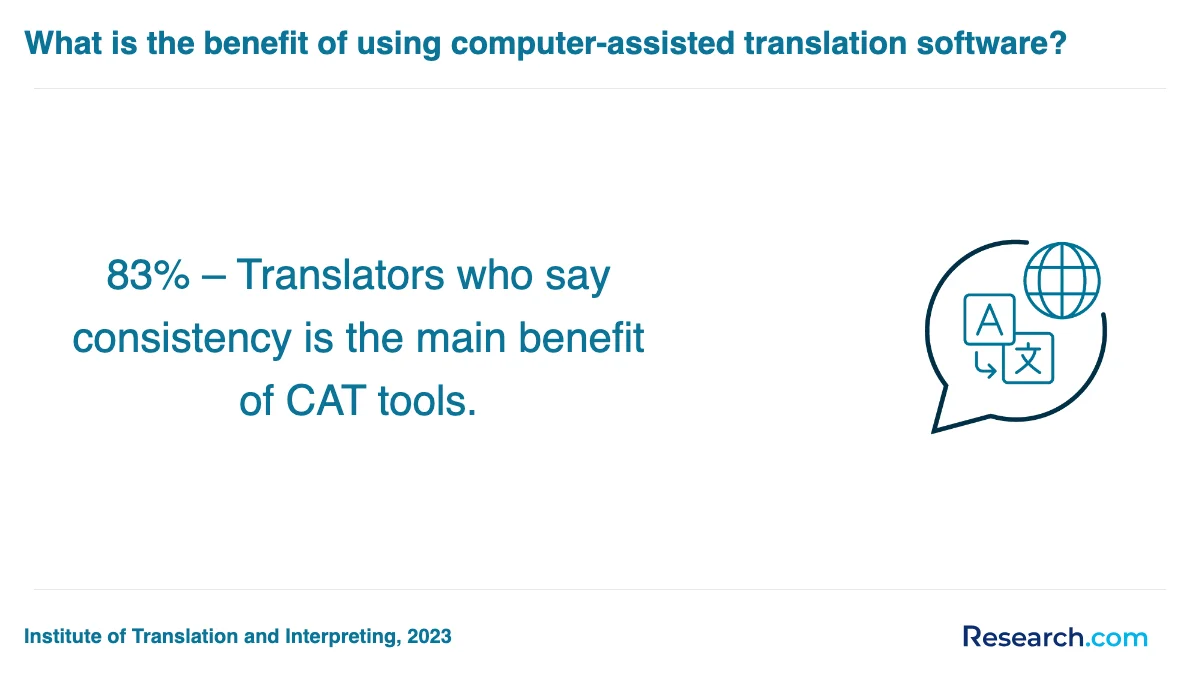
Practical training with computer-assisted translation (CAT) tools is a game-changer too-graduates share how mastering translation memory software makes their workflow smoother and more professional.
- Courses in professional ethics teach the importance of confidentiality and impartiality, essential for trust in the field.
- Interpreting modules develop active listening and note-taking skills, preparing students for fast-paced interpreting gigs.
- Community colleges offer foundational classes like Spanish Phonetics and Introduction to Translation, perfect for building confidence early on.
Many also cherish internship opportunities that place them in real translation environments, transforming classroom knowledge into exciting career-ready expertise.
What are the available specializations in professional translator trade schools in North Carolina?
Specializations in professional translator trade school programs in North Carolina are as diverse as the languages spoken worldwide, designed to ignite your passion for communication across cultures. Graduates from Cape Fear Community College rave about the Community Spanish Interpreter - Public Service Diploma, where they mastered real-life scenarios like helping local hospitals bridge language gaps. Others at Gardner-Webb University dive into Graduate Certificate in Translating and Translation Studies (Spanish-English), bolstering their skills through immersive coursework covering theory and technology.
The University of North Carolina at Charlotte's offerings, including the Graduate Certificate in Translation and Interpreting Studies (Spanish-English), prepare students for exciting careers with a focus on multiple language pairs. Wake Forest University's programs mix classroom learning with internships, giving students hands-on experience in professional translation environments.
Common specializations you might chase include:
- Community Spanish Interpreter - Public Service Diploma
- Community Spanish Interpreter - Medical Diploma
- Graduate Certificate in Business Language (Spanish)
- Professional Translator Certification Course (English-Spanish)
- Interpreter Education Program (American Sign Language-English)
This adventurous journey into translation opens doors to niches like medical interpreting or business language services, empowering translators with coveted skills. If you're wondering about how trade schools compare to traditional colleges, check out this guide on college vs vocational school to make an informed choice that fits your learning style and career dreams.
How do you choose the best professional translator trade school program in North Carolina?
When searching for the best translator trade schools in North Carolina, start by exploring the variety of programs available-from hands-on community college certificates to advanced university graduate certificates. Graduates often share how programs like UNC Charlotte's long-established Certificate in Translating helped them gain real-world skills and confidence, thanks to a curriculum blending theory with practical interpreting. Imagine diving into Spanish-English translation coursework that feels tailored to your career goals.
Next, consider how to choose interpreter program North Carolina options based on delivery modes. Many students appreciate the flexibility of online or hybrid classes offered by Carolina University or East Carolina University, which allow balancing study with work or family life. These programs also prepare you well for national certification, an exciting step toward becoming a professional translator.
Don't forget to check faculty expertise and industry links, as community colleges often connect students with internships that turn learning into lively, real-world experiences. For more insights into top programs, explore the top vocational trade programs online for a broader perspective on quality education beyond North Carolina's borders.
What career paths are available for professional translator trade school graduates in North Carolina?
Graduates from popular professional translator trade schools in North Carolina often find themselves stepping into dynamic roles across the state's bustling sectors. Many plunge into interpreter and translator jobs in North Carolina, filling vital positions as medical interpreters in hospitals or court interpreters navigating fast-paced legal settings. Imagine handling real-life conversations where every word counts-graduates frequently share stories about the rewarding challenge of bridging communication gaps for non-English speakers in clinics or courtrooms.
Others dive into medical and legal translation careers North Carolina offers, specializing in precise document translations that support healthcare providers or law firms. Trade school programs like those at UNC Greensboro equip students with hands-on skills, opening doors to unique opportunities in educational institutions or video relay services for the deaf community.
The adventure doesn't stop there: graduates also venture into roles like terminology management, localization projects, or freelance work, crafting flexible careers that fit their lifestyles. Many find joy working remotely while serving diverse clients statewide, benefiting from steady job growth and competitive pay. For an idea of earning potential beyond passion, check the average salary of trade school graduate.
What is the job market for professional translator trade school graduates in North Carolina?
The translator job market in North Carolina offers a balanced blend of steady opportunities and room for growth, especially for graduates of professional translator trade schools. Many learners from popular trade schools find themselves stepping into roles that range from medical to legal translation, with some securing gigs as freelancers while others enjoy contract work that includes benefits like health insurance and paid time off. Graduates often share how specializing in high-demand languages, such as Spanish or American Sign Language, opens doors to more consistent work across the state.
Salaries paint an encouraging picture but come with variations: the average annual salary for translators sits around $51,984, with entry-level earners starting near $40,000 and top translators pulling in close to $65,000. Those new to the field can be motivated by understanding translator salary trends North Carolina offers, showing promising upward potential tied to certifications and niche expertise.
Exploring roles posted on major platforms reveals between 36 and 120 open translator and interpreter jobs at any time, often in thriving sectors like education and business. Many graduates describe their transition from classroom to career as an adventurous journey influenced by the state's growing need for translation services and the flexibility of freelance work. These insights are invaluable if you're curious about what skilled trades are in demand in the region and want to dive into the world of translation.
Frequently Asked Questions about professional translator
After completing a professional translator trade school in North Carolina, graduates should focus on building practical experience to enter the job market confidently. Many employers value certified skills, so obtaining credentials from organizations like the American Translators Association can enhance employability. Networking through local language and translation associations, such as the Triangle Translators and Interpreters Network, offers valuable job leads and mentorship opportunities.
Internships or freelance work provide hands-on experience and help develop a professional portfolio. According to the U.S. Bureau of Labor Statistics, North Carolina's demand for translators and interpreters is projected to grow by 20% through 2030, signaling strong job prospects. Staying updated with industry technology and specializing in high-demand languages also improves market readiness.
Employers hiring graduates from professional translator trade schools in North Carolina prioritize strong language proficiency in both source and target languages. According to the U.S. Bureau of Labor Statistics, accuracy and cultural competence are essential to avoid miscommunication in legal, medical, and business settings.
Technical skills such as familiarity with translation software and computer-assisted translation (CAT) tools are increasingly valued. Data from the North Carolina Department of Commerce highlights that 70% of translation job postings require proficiency in these technologies.
Additionally, employers expect excellent research abilities to understand specialized terminology. Soft skills like attention to detail, time management, and strong written and verbal communication also rank highly in job descriptions across the state's translation industry.
Finding internships relevant to professional translator trade school programs in North Carolina involves a combination of research and networking. Many community colleges and trade schools in the state have partnerships with local businesses, legal firms, healthcare providers, and government agencies that require translation services. Students should consult their school's career services office, which typically maintains updated internship listings tailored to their programs.
Additionally, organizations like the North Carolina Translators Association often post internship opportunities and offer networking events. According to the U.S. Bureau of Labor Statistics, internships in language services in North Carolina have grown by approximately 8% over the past five years, reflecting rising demand.
Online job boards specific to language and translation fields, such as the American Translators Association's website, also list internships based in North Carolina. Early application and direct contact with employers can improve chances of securing an internship in this competitive field.
Obtaining a professional translator trade school diploma in North Carolina can significantly enhance career mobility and advancement opportunities. The diploma certifies specialized skills in language translation, which are increasingly in demand across sectors like healthcare, legal, and government services.
According to the U.S. Bureau of Labor Statistics, employment for translators and interpreters is projected to grow 24% nationally from 2022 to 2032, much faster than average. North Carolina's diverse population and expanding international business landscape support this trend locally.
Graduates with a recognized diploma often access higher-paying jobs and promotions more quickly than those without formal credentials. Employers value the practical training and linguistic proficiency that trade schools provide, which can lead to roles such as certified translator or project coordinator.
Trade school diplomas also serve as a stepping stone toward certification by bodies like the American Translators Association, further boosting professional credibility and career prospects in North Carolina's competitive market.
Part-time job opportunities in North Carolina that complement professional translator trade school education often include roles such as freelance translation, interpretation services, and bilingual customer support. These positions provide practical experience and help students build portfolios while studying. According to the U.S. Bureau of Labor Statistics, the demand for interpreters and translators in North Carolina is projected to grow 20% from 2022 to 2032, faster than the average for all occupations.
Many translation students find work with local government agencies, healthcare providers, or educational institutions, which require language assistance. Additionally, remote freelance platforms can connect students with clients nationwide, offering flexibility around class schedules.
Yes, there are professional translator degree programs available near North Carolina where you can pursue your academic and career interests. You may find reputable programs offered by universities near me that focus on translation studies and linguistics. Additionally, Research.com can be a useful resource to locate and compare potential programs suited to your needs in the vicinity of North Carolina.
Related Professional Translator Rankings for Nearby States
- Best Translator Training Programs & Trade Schools - Top Translation Schools in Georgia for 2026
- Best Translator Training Programs & Trade Schools - Top Translation Schools in Pennsylvania for 2026
- Best Translator Training Programs & Trade Schools - Top Translation Schools in Ohio for 2026
- Best Translator Training Programs & Trade Schools - Top Translation Schools in New Jersey for 2026
- Best Translator Training Programs & Trade Schools - Top Translation Schools in Missouri for 2026
- Best Translator Training Programs & Trade Schools - Top Translation Schools in New York for 2026
- Best Translator Training Programs & Trade Schools - Top Translation Schools in Massachusetts for 2026
- Best Translator Training Programs & Trade Schools - Top Translation Schools in Michigan for 2026
- Best Translator Training Programs & Trade Schools - Top Translation Schools in Texas for 2026
- Best Translator Training Programs & Trade Schools - Top Translation Schools in Oklahoma for 2026
Top Trending Rankings
References
- What to Do After Getting an Interpreting Qualification: A Simple Guide | International School Of Linguists https://islinguists.com/what-to-do-after-getting-an-interpreting-qualification-a-simple-guide/
- 7 Steps to Prepare for a Translation Career! https://oryxtranslation.com/7-steps-to-prepare-for-a-translation-career/
- Become a translator in 2024 with these tips https://www.smartcat.com/blog/what-it-takes-to-become-a-translator/
- How To Become A Translator | Institute of Translation and Interpreting https://www.iti.org.uk/starting-out/how-to-become-a-translator.html
- How to Become a Translator: Career Path & Guide | Himalayas https://himalayas.app/career-guides/translator
- Embarking on the Journey to Become a Translator - Studying in Switzerland https://studyinginswitzerland.com/how-to-become-a-translator/
- Translation For Beginners (2024 Guide) - BLEND https://www.getblend.com/blog/get-started-translator/
- Online Professional Translator from University of North Carolina Wilmington https://careertraining.uncw.edu/training-programs/professional-translator/
- Interpreter/Translator | Durham Technical Community College https://www.durhamtech.edu/careers/interpretertranslator
- Professional Interpreter | Continuing & Professional Education | ECU https://cpe.ecu.edu/advanced-career-training-courses-3/ed2go-language/professional-interpreter/


