
Most Affordable Translator Schools & Training - Budget-Friendly Translation Trade Programs in Omaha for 2026

Co-Founder and Chief Data Scientist
Choosing the right professional translator trade school in Omaha can feel overwhelming. This article simplifies that process by presenting a carefully crafted ranking of translator programs, developed by the Research.com team of data scientists.
By exploring these affordable options, you’ll discover schools that offer valuable diplomas or certifications to jumpstart your career. Whether you want to enhance your language skills or enter the growing translation field, this guide helps you make an informed decision with confidence.
Investing in the right education opens doors to rewarding opportunities and personal growth.
Key benefits of finishing professional translator trade school in Omaha
- Graduates of professional translator trade schools in Omaha can expect an average salary around $54,719 per year, with opportunities to earn up to $68,398 annually as they gain experience.
- Career paths include working as freelance translators, in-house translators for companies, or subtitlers, offering flexibility and diverse job options for graduates from popular Omaha trade schools.
- Completing an online translator trade school program provides convenience and allows students to balance life and learning, often leading to quicker entry into the workforce compared to traditional degrees.
What can I expect from professional translator trade schools in Omaha?
Enrolling in a professional translator trade school program in Omaha means diving into a hands-on learning experience that balances theory with real-world practice. Graduates often recall how courses in simultaneous and consecutive interpretation pushed them to develop sharp listening and speaking skills, especially when working between English and Spanish-two of the most common languages in the area. In popular Omaha trade schools, students frequently train in specialized environments like interpretation booths, which simulate the fast-paced settings they'll face in courts or hospitals.
Many students appreciate the flexible schedules offered, allowing them to study full-time, part-time, or even completely online while juggling other responsibilities. The chance to complete supervised internships stands out as a highlight, providing confidence and practical insights as they translate actual legal documents or medical reports under expert guidance.
Beyond language skills, graduates emphasize how learning cross-cultural communication and professional ethics prepared them to handle sensitive situations with respect and accuracy. This comprehensive approach not only builds competence but also a strong sense of pride and purpose in serving diverse Omaha communities.
Where can I work after finishing professional translator trade schools in Omaha?
Graduates of professional translator trade schools in Omaha often find rewarding roles in healthcare settings, where they serve as medical interpreters helping patients navigate appointments with doctors and nurses. Many recall the satisfaction of bridging language gaps in hospitals and clinics, ensuring that every conversation is clear, confidential, and culturally respectful. Others have stepped confidently into legal environments, assisting attorneys and clients during hearings or depositions, which requires both precision and trustworthiness.
Public schools in Omaha also employ language specialists to support families and students, offering roles such as Language Interpreter or Language Access Specialist. Graduates appreciate how their skills directly impact children's education and family engagement. Freelance and agency work is common too, with translators providing written and spoken services to nonprofits and government offices, often enjoying the flexibility of remote work.
Corporate and manufacturing sectors in Omaha value bilingual trainers who help communicate with diverse workforces. Federal agencies present unique opportunities, where graduates contribute to public safety by translating sensitive documents. These varied paths reflect the practical, community-focused training provided by Omaha's trade schools, making graduates feel both capable and connected to the city's vibrant language needs.
How much can I make after finishing professional translator trade schools in Omaha?
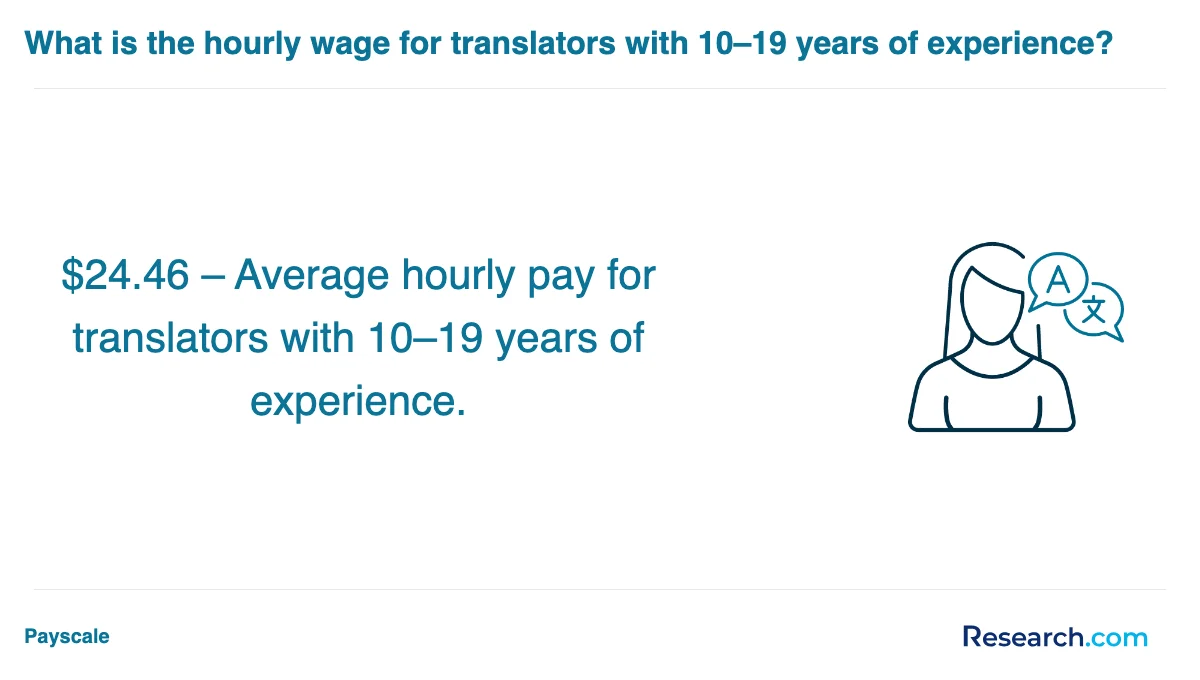
After finishing a professional translator trade school program in Omaha, graduates often find their earnings start at a respectable level, typically around $42,100 annually. Many recent graduates from well-known Omaha trade schools share a sense of relief and pride as they step into roles paying roughly $26 per hour, enough to support a comfortable lifestyle in the city's affordable cost of living. One graduate described feeling encouraged when their first job offered a salary near $54,000, reflecting local averages reported in the area.
As translators gain experience or specialize, salaries can rise to $55,000 or more, with top professionals earning close to $68,000 annually. Those who combine translation and interpretation skills often see hourly wages around $25, adding valuable flexibility and income potential. Graduates appreciate that Omaha's stable pay range supports steady growth without the stress of volatile markets, allowing them to build careers with confidence after completing their training.
Most Affordable Translator Schools & Training - Budget-Friendly Translation Trade Programs in Omaha for 2026
# 1 position
Metropolitan Community College Area - Language Interpretation and Translation.
certificate or diplomaThe Language Interpretation and Translation program at Metropolitan Community College Area offers a hybrid learning format with some distance-education options. The program prepares students to become professional interpreters and translators, focusing on English and Canadian French language skills. It includes intensive language instruction and covers various interpretation and translation techniques for business, technical, and literary contexts. Annual in-state tuition is $3,285. The program is accredited by the Higher Learning Commission.
# 2 position
College of Saint Mary - Language Interpretation and Translation.
certificate or diplomaThe Language Interpretation and Translation program at College of Saint Mary offers a hybrid format with some distance-education options. It prepares students to become professional interpreters and translators, focusing on languages including English and Canadian French. The curriculum covers various interpretation methods and translation types, including business and technical fields. Annual in-state tuition is $23,340. The program is accredited by the Higher Learning Commission.
Key Findings
- Programs in Omaha include online and hybrid options, with certificates like the Medical Interpreting Certificate from College of Saint Mary requiring 12 credits over four courses.
- Admission usually requires proficiency in English and another language, with some programs recommending two years of university-level study in both languages.
- Certificate program costs range from about $2,000 to $4,000, charged per credit hour, and financial aid is generally not available.
- Graduates can expect entry-level salaries around $40,000 to $45,000 per year, with experienced and certified professionals earning over $60,000 annually.
- Programs prepare students for national certifications such as the American Translators Association (ATA) exam and focus on fields like healthcare, legal, and social services.
How long does it take to complete professional translator trade schools in Omaha?
Completing a professional translator trade school program in Omaha typically takes about six months to a year, depending on whether students attend full-time or part-time. Graduates from well-known Omaha trade schools often share how this timeframe allowed them to quickly transition from classroom learning to real-world translation projects, which boosted their confidence and skills.
Many students appreciate the intensive nature of the programs offered locally, where immersive language practice and hands-on assignments are balanced with flexible scheduling options. For example, graduates recall evenings spent mastering technical terminology alongside peers, creating a supportive environment that made the learning journey both challenging and rewarding.
Choosing a trade school in Omaha means benefiting from a community that understands the local and global demand for skilled translators. The manageable program length encourages focus and momentum, helping students maintain enthusiasm as they prepare for certification or employment opportunities shortly after finishing their studies.
What's the difference between online and on-campus professional translator trade school programs?
The primary distinction between online and on-campus professional translator trade school programs in Omaha is how and where you engage with your studies. Graduates from online courses, like those offered through the Medical Interpreting Certificate at College of Saint Mary, often share how the asynchronous format gave them the freedom to balance work, family, and study without the pressure of fixed class times. They describe the convenience of accessing lectures and assignments from home, which made learning feel accessible and manageable.
Conversely, those who attended on-campus programs appreciate the tangible energy of face-to-face interaction. In-person classes at Omaha-area colleges provide moments of immediate feedback and lively group discussions, creating a sense of community and connection that many find motivating. Some recall participating in interpretation labs where hands-on practice sharpened their skills in real time.
Both paths have their unique rewards, shaped by personal learning preferences and lifestyle demands, making Omaha's translator trade schools adaptable to diverse student needs.
What is the average cost of professional translator trade schools in Omaha?
The average cost of translator programs in Omaha can vary widely, depending largely on the type of institution and program structure. For students pursuing professional translator trade school options, one encounters a range of tuition fees reflective of different resources and course offerings. Graduates often recall how affordable tuition at Metropolitan Community College, around $3,285 per year for in-state students, made it a popular choice for those balancing study with work or family commitments. This practical cost, coupled with the school's language courses aimed at translation, presents an accessible pathway into the field.
On the other hand, programs at larger universities such as the University of Nebraska Omaha and Creighton University offer a more comprehensive education but come with tuition fees near $39,630 annually. Graduates report that despite the higher cost, the depth and quality of language training, combined with broader academic exposure, greatly enhanced their translation skills and career readiness. When considering tuition fees for translator trade schools in Omaha, students weigh these immediate costs against the long-term value and opportunities gained.
Many students reflect positively on how navigating these costs felt less daunting after discovering available financial aid and support options. Moreover, understanding the average cost of translator programs in Omaha helps students plan responsibly while pursuing their passion for languages. Exploring the trade schools salary data can also inspire confidence that investing in translation education in Omaha holds promising career potential.
What financial aid is available for professional translator trade schools in Omaha?
Students pursuing professional translator trade school programs in Omaha often find financial aid essential to managing their education costs. Completing the FAFSA is a crucial first step, as many graduates recall how this opened doors to federal grants like the Pell Grant, which for 2025-2026 can provide up to $7,395 without repayment. One graduate from a popular Omaha technical college shared how receiving a Pell Grant made it possible to focus fully on mastering translation skills without the stress of immediate debt.
Beyond federal aid, local scholarships and tuition assistance programs offered by Omaha trade schools play a vital role. Some students have benefited from workforce development scholarships that recognize their commitment and potential in this specialized field. Additionally, community groups and professional organizations sometimes provide stipends or scholarships tied to translation and interpretation careers, easing the financial burden further.
Support from school counselors and financial aid offices is often praised by students for helping them navigate complex applications and deadlines, making the pursuit of translator training in Omaha feel achievable and hopeful.
What are the prerequisites for enrolling in professional translator trade schools in Omaha?
Enrolling in a professional translator trade school program in Omaha typically requires a combination of academic background and a genuine passion for languages. Most trade schools expect applicants to have a high school diploma or equivalent, but beyond that, they look for candidates who show strong communication skills and cultural curiosity. Graduates often recall how their initial love for bilingual conversations or international travel sparked their commitment to translation studies.
Common prerequisites include:
- Proficiency in at least one foreign language, demonstrated through testing or prior coursework
- Basic computer literacy, as translation tools and software are integral to training
- Strong reading comprehension and writing skills in English
- A clear motivation statement or interview that reflects dedication to becoming a professional translator
For example, students at popular Omaha trade schools find that having these prerequisites allows them to engage deeply with coursework and collaborate effectively during group assignments. Many recall how feeling prepared boosted their confidence during immersive language labs and practical translation exercises, making their learning journey both rewarding and inspiring.
What are the typical courses in professional translator trade schools in Omaha?
Professional translator trade school programs in Omaha typically immerse students in courses that build both theoretical knowledge and practical skills vital for success. Graduates often recall how foundational classes like translation theory and practice clarified complex ideas such as linguistic equivalence and cultural nuances-key when translating sensitive materials.
At the University of Nebraska at Omaha, students benefit from courses like "Introduction to Translation and Interpretation," where they engage in real-world exercises expanding vocabulary across fields, while learning how to spot and correct common translation errors. Such hands-on practice builds confidence for future professional challenges.
Many students highlight specialized modules that prepare them for high-demand sectors:
- Medical interpreting courses at College of Saint Mary, covering terminology and ethics essential for patient communication.
- Legal interpreting training, including simultaneous and consecutive interpretation techniques, offered through Northwestern College's online certificates.
These programs often include bilingualism studies, exploring societal and psychological aspects of language use, which graduates find invaluable when navigating diverse translation contexts. The blend of theory and applied skills helps students feel prepared and optimistic about entering the translation profession in Omaha's vibrant community.
What are the available specializations in professional translator trade schools in Omaha?
Professional translator trade school programs in Omaha commonly offer a variety of focused specializations that respond directly to local workforce needs, making them highly practical for students. Graduates often recall the in-depth training in sectors like medical and legal fields, which are central to translator specializations in Omaha trade schools. For instance, medical interpreting programs at institutions like the College of Saint Mary provide hands-on experience with healthcare terminology and real-life scenarios, such as interpreting in hospital settings where precise communication can save lives.
In addition to medical interpreting, legal interpreting is a popular path, equipping students with knowledge about courtroom procedures and legal vocabulary. Many graduates highlight how the Nebraska Judicial Branch's Interpreter Certification Pathway helped them feel confident facing state certification exams. Beyond these, students appreciate courses in community interpreting that apply to social services and educational environments, expanding their possibilities in public service roles.
This focus on relevant, well-rounded training helps students envision their future careers clearly. By choosing trade school programs, they gain tangible skills that align with local demand, reflecting the benefits of trade school versus college pathways for professional growth.
How do you choose the best professional translator trade school program in Omaha?
Choosing the best professional translator programs Omaha offers involves looking closely at accreditation and curriculum quality. Graduates from well-recognized local colleges often share how the mix of legal and medical translation courses made their learning feel practical and directly relevant to Omaha's diverse industries. Smaller class sizes at these programs foster personalized attention, enhancing confidence and skill development.
Affordability is another major factor. Many affordable translator trade schools Omaha students favor provide access to federal financial aid thanks to their accreditation, which eases financial stress. Hands-on training opportunities, such as internships connected to Omaha businesses, give students real-world experience that's often highlighted in alumni reflections.
Successful graduates often praise programs that integrate technology, including industry-standard software, preparing them for a competitive job market. Support for job placement also stands out, with career services helping students build networks. When weighing options, it's wise to think about how a program's location can boost chances for employment after graduation.
Exploring careers related to translation can also be guided by understanding trades that pay the most, which can influence your education investment.
What career paths are available for professional translator trade school graduates in Omaha?
Graduates of professional translator trade school programs in Omaha discover a multitude of fulfilling career paths tailored to their talents and ambitions. Many find rewarding roles in medical and healthcare interpretation, working with institutions like Nebraska Medicine to bridge language gaps for diverse patient communities. This pathway not only provides meaningful impact but also offers competitive compensation, reflecting the city's demand for Spanish, Somali, Karen, and Chinese interpreters. Others pursue legal and court interpreting, where the Nebraska Judicial Branch's Interpreter Certification Pathway opens doors to well-paid positions ensuring justice for non-English speakers.
For those drawn to education, careers as educational interpreters in local schools such as Bellevue Public Schools offer the chance to empower students and families through language support. Business-savvy graduates often excel as corporate translators, supporting Omaha's global commerce and translation agencies with document and customer service communication. Opportunities extend further into government linguistics roles requiring advanced skills and security clearance, enriching the spectrum of interpreter career opportunities Omaha Nebraska.
- Medical and healthcare interpretation
- Legal and court interpreting with certification
- Educational interpreting in public schools
- Corporate translation and business communication
- Government and law enforcement language roles
Many graduates recall how popular trade schools in Omaha prepared them with practical skills and real-world scenarios, easing their transition to these diverse fields. If you're exploring professional translator jobs in Omaha, reviewing options at top vocational trade schools can provide the foundational support needed to thrive in this dynamic profession.
What is the job market for professional translator trade school graduates in Omaha?
The translator job opportunities in Omaha Nebraska present a vibrant and steadily growing job market for graduates of professional translator trade school programs. Many graduates share that completing popular trade schools in Omaha opens doors to rewarding roles as court interpreters, medical translators, and bilingual team trainers, reflecting the diverse economic landscape of the city. For example, certified interpreters often find rewarding work in the Nebraska Judicial Branch, where hourly rates range from $50 to $75-highlighting the value of certification earned through these programs.
Success stories from graduates emphasize the importance of language specialization, especially in Spanish, Somali, Mandarin, and Karen, which are in high demand locally. Healthcare employers, such as Nebraska Medicine, also offer competitive wages between $16.25 and $20.50, demonstrating diverse opportunities beyond courts and schools.
Graduates appreciate how these programs prepare them practically for Omaha interpreter and translator employment outlook, often emphasizing hands-on experience and relevant cultural knowledge.
Key advantages of professional trade school training in Omaha include:
- Focused language proficiency development aligned with community needs
- Certification pathways enhancing earning potential
- Connections to employers in public and private sectors
Those interested in furthering their skills can explore online trade school programs that complement local training, expanding job prospects in and beyond Omaha.
Frequently Asked Questions about professional translator
After completing a professional translator trade school in Omaha, preparing for the job market involves several strategic steps. First, graduates should obtain certification, such as the American Translators Association (ATA) credential, which significantly enhances employability. According to the ATA, certified translators earn up to 20% more than non-certified peers.
Networking is also crucial. Omaha's growing international business sector offers opportunities for translators fluent in Spanish, German, and Somali, reflecting local demographic trends reported by the U.S. Census Bureau. Joining local professional groups like the Nebraska Translators Association can provide valuable contacts.
Finally, building a strong portfolio with diverse translation samples will help demonstrate skills to potential employers or freelance clients in the region.
Employers in Omaha seek several key skills when hiring graduates from professional translator trade schools. Strong bilingual proficiency is essential, with a focus on both source and target languages to ensure accurate and nuanced translations. According to the U.S. Bureau of Labor Statistics, attention to detail is crucial, as errors can significantly affect communication and legal documents.
Additionally, cultural competence is highly valued, enabling translators to understand context and idiomatic expressions relevant to Omaha's diverse population. Technical skills, including familiarity with translation software and terminology databases, are increasingly important for efficiency.
Effective communication and research abilities also rank highly, supporting accurate conveyance of meaning across subjects. These competencies align with employer expectations in the local translation job market.
Finding internships relevant to professional translator trade school programs in Omaha involves several strategic steps. Begin by consulting your school's career services, which often maintain partnerships with local businesses and organizations needing translation services.
Omaha's diverse economy includes healthcare, legal, and government sectors, which frequently seek translators. According to the Nebraska Department of Labor, translation internships have grown by 12% statewide over recent years, indicating increasing opportunities.
Networking through local professional groups such as the Nebraska Translators Association can connect students with internship openings. Additionally, online platforms like Handshake and Indeed often list internships tailored to language and translation skills in the Omaha area.
Contacting multicultural community centers and nonprofits directly can also reveal internships not widely advertised. These organizations often require translation support for immigrant and refugee populations.
Early application and proactive outreach improve chances, as internships in this specialized field can be competitive in Omaha's market.
Obtaining a professional translator trade school diploma in Omaha can significantly enhance career mobility and advancement opportunities. Trade schools focus on practical skills, enabling graduates to meet employer demands quickly. According to the U.S. Bureau of Labor Statistics, employment for interpreters and translators is projected to grow 24% nationally through 2031, a rate much faster than average.
In Omaha, a diploma from a recognized trade school often serves as a key credential for entry-level positions in healthcare, legal, and business sectors, which are vital local industries. This credential can lead to higher starting salaries compared to uncertified peers.
Additionally, many trade schools offer internships and industry connections, which improve networking and job placement rates. Data from the Nebraska Department of Labor highlights that certified translators in Omaha report a 15% higher likelihood of promotion within five years.
Students enrolled in professional translator trade schools in Omaha have several part-time job options that enhance their education. Many find opportunities as freelance translators, which allow flexible hours and direct application of language skills. According to the U.S. Bureau of Labor Statistics, part-time translation roles often appear in legal, medical, and business sectors, all active in Omaha's growing economy.
Internships or assistant roles with local courts and hospitals provide practical experience while studying. Additionally, tutoring language learners part-time can reinforce both language proficiency and teaching skills. These positions not only supplement income but also build valuable professional networks within Omaha's diverse community.
To find the most affordable Professional Translator degree program near me, it's useful to start by researching local institutions like universities or colleges near Omaha, NE. Exploring state universities can be beneficial, as they often provide more economical options for in-state residents. Research.com can also serve as a helpful resource to compare programs and tuition rates to determine affordability.
Related Professional Translator Rankings for Nearby Cities
Top Trending Rankings
References
- Online Professional Translator from Western Nebraska Community College https://careertraining.ed2go.com/wncc/training-programs/professional-translator/
- Omaha Translation Services - U.S. Language Services https://www.uslanguageservices.com/nebraska/omaha-translation-services/
- How to Become a Certified Translator | The Spanish Group https://thespanishgroup.org/blog/how-long-does-it-take-to-become-a-certified-translator/
- Expert Language Interpreters with Nebraska Interpretation Services https://neinterpretations.com/
- Omaha Certified & Notarized Translation Services https://www.omaha-certified-translator.com/
- Professional Translator Training Online https://www.best-trade-schools.net/programs/professional-translator/
- Translation + Interpretation | Northwestern College in Iowa https://nwciowa.edu/translation-interpretation
- How Long Do Trade Schools Take? Learn The Details and Timeframes https://www.lincolntech.edu/news/skills-gap/how-long-do-trade-schools-take-learn-details-and-timeframes
- Careers / Careers https://www.ops.org/careers
- Interpretation & Translation Agency - Boston MA, Lincoln NE https://www.rapporttranslations.com/


