
Best Translator Training Programs & Trade Schools - Top Translation Schools in New Jersey for 2026

Co-Founder and Chief Data Scientist
Choosing the right professional translator trade school in New Jersey can shape your future career. This article presents a carefully crafted ranking of translator trade school programs, developed by the Research.com team of data scientists. Their analysis helps you identify programs that truly stand out.
By exploring this guide, you’ll gain valuable insights to make an informed decision about your education. Earning a diploma or certification in professional translation opens doors to exciting job opportunities and personal growth.
Start your journey with confidence and discover the best options tailored for you.
Key benefits of finishing professional translator trade school in New Jersey
- Graduates of professional translator trade schools in New Jersey can expect an average salary around $58,000 per year, with potential to earn up to $72,500 based on experience and specialization.
- Career paths include working as translators for corporations, government agencies, or freelance opportunities, as demonstrated by graduates from well-known trade schools like the New Jersey Language Institute.
- Completing a professional translator program online offers flexibility and convenience, allowing graduates from schools like the Virtual Language Academy NJ to balance work and study while gaining valuable skills.
What can I expect from professional translator trade schools in New Jersey?
Students enrolling in a professional translator trade school program in New Jersey can expect a comprehensive curriculum that balances practical translation skills with industry-specific knowledge. Graduates from institutions like Rutgers University and Montclair State University often describe courses covering translation theory, interpreting techniques, and specialized fields such as legal and medical translation. These programs typically begin with foundational classes and advance to language-specific translation practice, ensuring a gradual build-up of competence and confidence.
Hands-on experience is a key component, with many programs including internships or practicums that place students in real-world settings. For example, Rutgers students participate in an "Internship in Translation/Interpreting" course, which exposes them to professional environments and client interactions, helping them transition smoothly into the workforce.
Flexibility is another important feature; students appreciate the availability of both online and in-person classes, accommodating busy schedules. While Spanish-English translation is common due to local demand, some programs offer additional language pairs to meet diverse community needs.
Graduates often feel well-prepared to pursue certification exams and enter the job market, with an average starting rate around $20 per hour for entry-level interpreting roles. This blend of rigorous training and practical experience fosters a sense of readiness and optimism for their translation careers.
Where can I work after finishing professional translator trade schools in New Jersey?
Graduates of professional translator trade school programs in New Jersey often find rewarding career opportunities in diverse settings. Many secure positions as translators or interpreters within healthcare institutions, such as Hackensack Meridian Health, where medical Spanish interpreters earn starting pay around $26.71 per hour. These roles demand both certification and familiarity with medical terminology, enabling graduates to make meaningful impacts by bridging communication gaps between patients and providers.
Legal and government sectors also offer promising career paths. Court interpreter roles require specialized legal terminology training, providing graduates with steady work in New Jersey's multilingual courtrooms. Education and social service agencies frequently employ translators to support non-English speaking families, highlighting the vital community role graduates fulfill.
Freelancing is another common path, with many graduates leveraging their skills independently to serve businesses, law firms, and translation agencies. Graduates from well-known trade schools in New Jersey report enthusiasm about the flexibility and variety this path offers, matching their passion for languages with real-world applications.
How much can I make after finishing professional translator trade schools in New Jersey?
Graduates of professional translator trade school programs in New Jersey can expect to earn between $58,000 and $68,600 annually, with hourly rates typically ranging from $27.92 to $36. Many graduates from popular New Jersey trade schools find themselves starting at around $44,700 to $50,830 per year, gaining confidence as they build real-world experience.
Those who specialize in high-demand fields like legal or medical translation often see faster salary growth, sometimes reaching $80,000 or more. In competitive metro areas such as New York-Newark-Jersey City, median salaries can rise to approximately $71,050, reflecting the value employers place on certified skills and language proficiency.
Graduates frequently share how their training empowered them to confidently navigate freelance opportunities and secure positions with reputable companies, turning their passion for languages into rewarding careers. While the New Jersey translator job market is competitive, combining trade school education with strong credentials can open doors to above-average earnings and steady work.
Best Translator Training Programs & Trade Schools - Top Translation Schools in New Jersey for 2026
# 1 position
UCNJ Union College of Union County, NJ - Language Interpretation and Translation.
certificate or diplomaThe Language Interpretation and Translation program at UCNJ Union College of Union County, NJ, offers a hybrid format with some distance education options. The program prepares students to become professional interpreters and translators for English, Canadian French, and other languages. It includes intensive language instruction and covers various interpretation and translation techniques. The annual in-state tuition is $5,280. The program is accredited by the Middle States Commission on Higher Education.
# 2 position
Rowan University - Language Interpretation and Translation.
certificate or diplomaRowan University offers a hybrid Language Interpretation and Translation program that trains students to become professional interpreters and translators. The curriculum includes intensive foreign language instruction and covers various interpretation types, literary and technical translation, and business applications. The program is accredited by the Middle States Commission on Higher Education. Annual in-state tuition is $15,700, and some distance-education options are available for flexible learning.
Key Findings
- Admission usually requires proficiency in English and another language, often tested through formal exams or interviews, with some programs needing a minimum fluency level of 3 out of 5.
- Certificate programs, such as those at Rutgers University, mandate a B grade or better in key courses and a 3.5 GPA overall for completion.
- Costs vary widely, with community college courses starting around $49 for prerequisites and full certificate programs costing several hundred to a few thousand dollars depending on credits.
- University certificate programs typically require 16-18 credits, with tuition based on standard rates for in-state or out-of-state students.
- Starting salaries for translators and interpreters in New Jersey range from $45,000 to $60,000 annually, rising to $70,000 or more with experience and certification.
- The job market is strong, especially in healthcare, legal, and public services, with many programs preparing students for required professional exams like the ATA or New Jersey Court Interpreting tests.
How long does it take to complete professional translator trade schools in New Jersey?
Completing a professional translator trade school program in New Jersey typically takes between 12 to 18 months. Many students attending well-known trade schools in the state find this timeframe ideal, allowing them to balance coursework with part-time jobs or family commitments. Graduates often describe their experience as intensive yet rewarding, appreciating how the program's structure quickly builds practical skills.
For example, students at popular New Jersey trade schools share that the accelerated schedules helped them stay motivated and see progress rapidly, which kept enthusiasm high. The curriculum usually includes immersive language practice, translation technology training, and real-world assignments, all designed to prepare graduates for immediate entry into the professional translation field.
This completion timeline reflects a focused approach, avoiding unnecessary delays while providing enough depth to master the essential competencies. Such programs make it feasible for aspiring translators in New Jersey to swiftly move from classroom learning to meaningful career opportunities.
What's the difference between online and on-campus professional translator trade school programs?
The primary difference between online and on-campus professional translator trade school programs in New Jersey lies in how students engage with their studies and the learning environment. Online programs, such as those offered by Rutgers University and Passaic County Community College, allow students to attend classes from anywhere, providing flexibility for working professionals or parents managing busy schedules. Graduates often express satisfaction with this convenience, highlighting how digital lectures and assignments fit seamlessly into their daily lives.
Conversely, on-campus programs at institutions like Montclair State University and Rutgers provide direct, in-person interaction. Students benefit from immediate feedback, language labs, and collaborative activities that build confidence and hands-on skills. Many graduates recall the value of face-to-face networking and the immersive atmosphere that enhanced their learning experience.
Both modes cover core translation theory and practical skills, but internships differ: online students coordinate local placements, while on-campus students access university-partnered opportunities. This distinction shapes how students gain real-world experience in New Jersey's translator field.
What is the average cost of professional translator trade schools in New Jersey?
The average cost of translator programs in New Jersey varies significantly depending on the institution and program format. For example, graduates from New Jersey City University enrolled in an online Professional Translator course report tuition fees around $2,682, which presents an affordable option for many. Meanwhile, other programs, such as the Certificate in Translation and Interpreting at Rutgers University, require completion of 19-21 credits; however, detailed tuition fees for this certificate are not publicly disclosed, leading students to directly inquire with admissions for accurate cost estimates.
Students pursuing translator trade schools in New Jersey often share positive experiences balancing quality education with manageable tuition fees. Beyond tuition fees for translator trade schools in New Jersey, additional expenses like course materials, textbooks, and certification exam fees should be considered when budgeting. Many students feel encouraged when financial aid options become available, for example, through scholarships or the New Jersey Student Tuition Assistance Reward Scholarship (NJ STARS) program, which offers tuition support to qualifying students at institutions such as Sussex County Community College.
Graduates often highlight the value of investing in a professional translator program at these trade schools, noting that the skills acquired open doors to fulfilling careers. For those researching career options after training, exploring trade school jobs that pay well can provide motivation and insight into the return on investment. Careful comparison of tuition fees and financial aid opportunities allows prospective students to make informed choices about their educational future.
What financial aid is available for professional translator trade schools in New Jersey?
Professional translator trade school students in New Jersey benefit from various financial aid options that make their education more attainable. Many receive the New Jersey Tuition Aid Grant (TAG), a need-based state grant supporting full-time residents at eligible schools like those in Newark and Jersey City. Graduates often recall how TAG eased their financial burden, allowing them to focus on mastering language skills without constant worry about tuition.
Federal aid, such as Pell Grants and Direct Student Loans, also plays a crucial role for those attending accredited translator programs. A common experience among students is using Pell Grants to cover not only tuition but also books and living expenses, which helped them manage the overall cost of their studies.
Trade schools in New Jersey sometimes offer institutional scholarships or flexible payment plans specifically for professional translator students. Graduates from these programs often highlight how such support enabled them to complete their certifications on time and with less stress.
Specialized programs like the New Jersey Foster Care Scholars Program provide targeted financial resources, ensuring that students from foster backgrounds can pursue translator careers with comprehensive aid covering tuition and supplies.
What are the prerequisites for enrolling in professional translator trade schools in New Jersey?
To enroll in a professional translator trade school program in New Jersey, applicants typically must meet specific prerequisites that ensure their readiness for the specialized training. Most trade schools require a high school diploma or GED as a fundamental credential. This baseline confirms that students possess essential reading, writing, and comprehension skills.
Beyond formal education, schools emphasize strong bilingual abilities. Graduates from popular trade schools in New Jersey often recall that demonstrating proficiency in at least two languages-usually English and a second language relevant to the region or global markets-is crucial. This proficiency is assessed through language tests or prior coursework.
Applicants may also be asked to submit:
- Proof of language proficiency through standardized exams or interviews
- Letters of recommendation highlighting communication skills
- A personal statement explaining their passion for translation and cultural exchange
Trade schools like those in Newark or Jersey City provide hands-on experiences, so having a background in writing or linguistics can be advantageous. Graduates often share how meeting these prerequisites gave them confidence and a clear pathway into their translation careers.

What are the typical courses in professional translator trade schools in New Jersey?
Professional translator trade school programs in New Jersey typically include a balanced mix of theoretical knowledge and practical training, designed to prepare students for real-world challenges. Graduates from schools like Brookdale Community College highlight starting with foundational courses such as Introduction to Translation Studies or Introduction to Interpreting, which build essential skills and understanding of translation theory.
Core courses often cover:
- Advanced Translation I for handling complex texts and refining accuracy.
- Judicial Interpreting focusing on legal terminology and courtroom protocols.
- Medical Interpreting emphasizing healthcare communication and ethics.
- Internships for immersive, hands-on experience in settings like hospitals, courts, or agencies.
- Interpreting Modes training in consecutive, simultaneous, and sight translation.
Programs such as Rutgers M.A. incorporate electives in diverse fields-legal, medical, technical, audiovisual, and literary translation-allowing students to tailor their expertise. Graduates often recall how mastering translation technology tools and project management boosted their confidence in managing freelance projects and professional assignments efficiently. These courses help students feel fully prepared to meet the dynamic demands of New Jersey's translation and interpreting markets.
What are the available specializations in professional translator trade schools in New Jersey?
Professional translator programs in New Jersey offer diverse specializations that prepare students for real-world challenges in various sectors. Graduates from Rutgers University's Spanish-English Translation and Interpreting program often share how the curriculum's intensive focus on certification exams like the American Translators Association (ATA) exam boosts their confidence and market readiness. Similarly, those pursuing medical translation and interpreting courses at New Jersey City University experience immersive online training that equips them to excel in the state's medical interpreter certification exams, opening doors in healthcare settings.
Translation and interpreting courses in New Jersey also cover legal translation and court interpreting, as exemplified by Rutgers University's specialized legal courses that prepare students for courtroom environments with practical, hands-on experience. For students drawn to visual languages, Passaic County Community College offers a well-structured Associate's degree in Sign Language Interpretation and Translation, fostering deep connections with the Deaf community.
Union County College's Interpreting Spoken Language Certificate focuses on consecutive and simultaneous interpreting, a vital skill for court interpreters. Many graduates highlight how these comprehensive training programs helped them pursue meaningful careers with confidence.
For those exploring varied career paths in translation, considering the best online construction trade programs and professional translator trade schools in New Jersey can provide a clear pathway to success.
How do you choose the best professional translator trade school program in New Jersey?
Choosing the best translator trade schools in New Jersey involves a close look at program accreditation and curriculum depth. Graduates from Rutgers University often share how the M.A. in Translation and Interpreting equipped them with practical skills in legal and medical translation, along with advanced technology training. These real-world applications make their transition into professional roles smoother and more confident.
Admission standards also shape your success. Montclair State University requires a B.A. in Spanish or equivalent proficiency, ensuring students are prepared for intensive language work. Many students appreciate this clear prerequisite, which helped them feel ready and supported from day one. When deciding how to choose a translation program in New Jersey, consider if the admissions process aligns with your language background and career goals.
Flexibility is key for working professionals balancing studies and life. Mercer County Technical Schools' online interpreter course offers career support modules that graduates say enhanced their job prospects. For those exploring options and financial planning, reviewing tuition and aid is vital. Some programs may not qualify for federal aid but could offer state workforce development support.
Prospective students seeking comprehensive guidance can explore the best online trade schools to compare offerings and find a program that fits their ambitions and lifestyle.

What career paths are available for professional translator trade school graduates in New Jersey?
Graduates of professional translator trade school programs in New Jersey find diverse career paths reflecting the state's demand for skilled language experts. Many pursue translator jobs in New Jersey across dynamic sectors such as healthcare, legal, education, business, and government. For example, graduates working in healthcare often join hospitals like Hackensack Meridian Health, where interpreting requires certification and specialized medical terminology knowledge. These roles offer rewarding hourly pay and the chance to impact patient care positively.
Legal and government sectors also provide structured careers, with court interpreter positions requiring fluency in languages like Spanish and Haitian Creole, coupled with state certification. Graduates appreciate the clear qualification pathways and flexible work options, including freelance opportunities.
Freelance translators frequently leverage their skills for businesses and non-profits, handling diverse materials such as contracts and marketing content. Some graduates even launch their own language service firms after registering with state authorities.
Popular New Jersey trade schools emphasize practical, real-world training that prepares students to thrive in professional translation careers New Jersey offers. Many graduates feel confident entering markets that demand cultural competency and precise language skills.
Those considering these programs often research outcomes like trade schools salary to evaluate the strong earning potential in this field.
What is the job market for professional translator trade school graduates in New Jersey?
Graduates of professional translator trade school programs in New Jersey face a job market that is stable but modest in activity. The professional translator job outlook New Jersey shows that while job openings are not abundant-roughly 63 open positions statewide-there is consistent demand in sectors such as healthcare, legal, education, and private services. Many graduates from well-known trade schools in the state find opportunities by leveraging practical experience alongside certifications, making them competitive candidates in a multicultural environment.
Current salary trends reflect an average annual translator salary around $58,072 or approximately $27.92 per hour, aligning closely with national figures. Graduates highlight roles requiring high-demand languages like Spanish and Mandarin, and appreciate flexible part-time or remote options that often accompany openings.
Key factors contributing to employment include:
- Diverse population fueling steady translation needs
- Close proximity to metropolitan hubs offering varied job sectors
- Preference for certified skills complemented by real-world training
For those considering professional translator training in New Jersey, researching quick-to-learn trade jobs that lead to well-paying careers can be especially helpful in planning a rewarding career path.
Frequently Asked Questions about professional translator
After completing a professional translator trade school in New Jersey, preparing for the job market involves several key steps. Graduates should build a strong portfolio showcasing their translation work, including samples from internships or volunteer projects. Networking is crucial; joining local or national translator associations, such as the American Translators Association, can provide job leads and professional development opportunities. According to the U.S. Bureau of Labor Statistics, demand for translators and interpreters is expected to grow 20% from 2022 to 2032, with New Jersey's diverse population increasing local opportunities. Certification, like the ATA credential, also enhances employability in this competitive field.
Employers in New Jersey seek specific skills when hiring graduates from professional translator trade schools. Strong bilingual or multilingual proficiency remains essential, with fluency in both source and target languages required. According to the U.S. Bureau of Labor Statistics, communication skills are critical, as translators must convey meaning accurately and clearly.
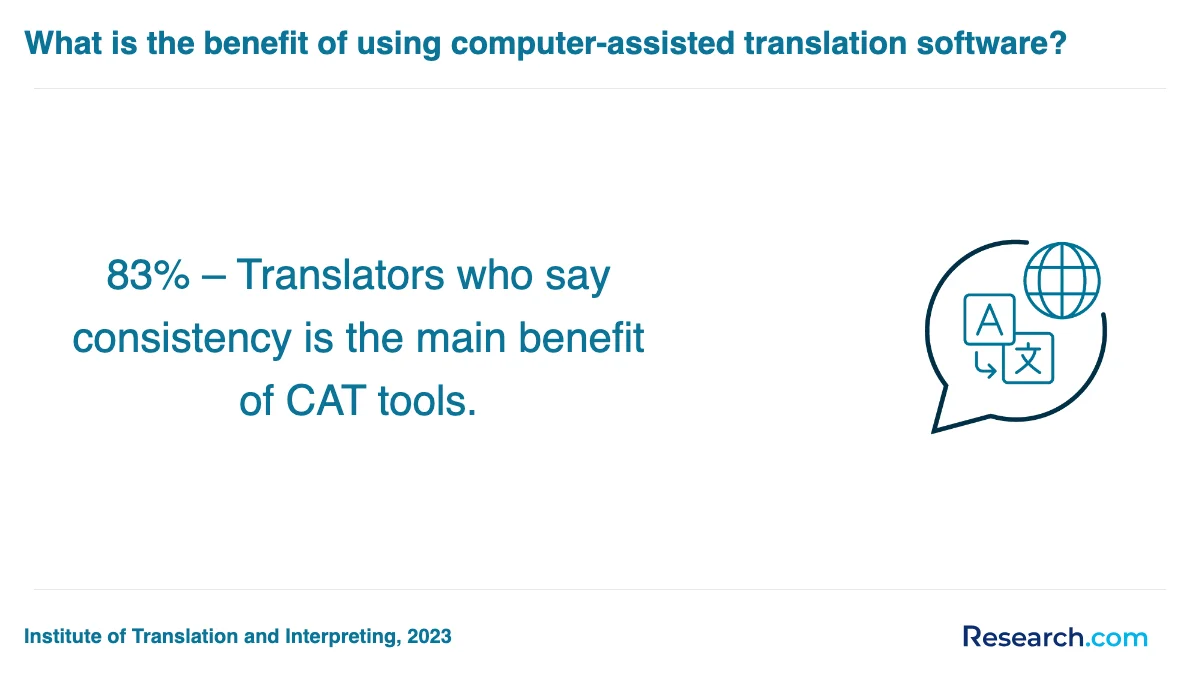
Additionally, employers value cultural competency to understand context and nuance, which improves translation quality. Technical skills, including familiarity with computer-assisted translation (CAT) tools, are increasingly important. The New Jersey Department of Labor highlights that attention to detail and the ability to meet deadlines are crucial in this fast-paced industry.
Finally, professional ethics and confidentiality are often emphasized due to sensitive content handled by translators in legal or medical settings.
Finding internships relevant to professional translator trade school programs in New Jersey involves several practical steps. Start by contacting your trade school's career services office, as many maintain partnerships with local companies and agencies seeking translation interns. According to the New Jersey Department of Labor, government offices and healthcare providers often offer internships due to the state's diverse population.
Additionally, explore internships through professional organizations such as the American Translators Association, which lists regional opportunities. Online job boards like Indeed and Glassdoor can filter internships by location and field. Networking events and language industry conferences in New Jersey also provide valuable connections to potential employers.
Obtaining a professional translator trade school diploma in New Jersey can significantly enhance career mobility and advancement. The state's diverse population and strong business ties with global markets create steady demand for skilled translators. According to the U.S. Bureau of Labor Statistics, employment for translators and interpreters in New Jersey is projected to grow by 20% from 2022 to 2032, faster than the average for all occupations.
Trade school diplomas provide practical skills and certifications that employers value, often leading to higher starting salaries and quicker promotions than those without formal training. Additionally, graduates gain access to professional networks and job placement services, which are crucial in New Jersey's competitive job market.
Many employers in New Jersey require or prefer candidates with accredited trade school diplomas, as these programs focus on industry standards and real-world applications. This credential also opens doors to specialized roles in legal, medical, and technical translation fields, which offer greater advancement opportunities and higher pay.
Students enrolled in professional translator trade schools in New Jersey can benefit from various part-time job opportunities that enhance their language skills and industry experience. Community centers and local libraries often seek bilingual assistants to support translation and interpretation services. These roles provide practical exposure to diverse dialects and cultural contexts, which is crucial for professional development.
Additionally, freelance translation jobs are widely available through online platforms and local businesses. According to the U.S. Bureau of Labor Statistics, New Jersey's demand for translators and interpreters is expected to grow by 20% from 2021 to 2031, reflecting expanding opportunities in healthcare, legal, and governmental sectors.
Working part-time as a language tutor or assisting in immigrant support organizations also complements formal education by improving communication skills and cultural competence, both essential for career success in translation.
Yes, there are professional translator degree programs both "near me" and "near New Jersey" that cater to developing skills in translation and interpretation. Many universities and colleges offer undergraduate and graduate programs focused on language studies and translation, with Research.com suggesting various programs that may align with academic and professional needs. Interested individuals should research nearby universities and language institutes, as they often provide specialized courses and certifications in translating and interpreting, allowing students to hone their skills in real-world contexts.
Related Professional Translator Rankings for Nearby States
- Best Translator Training Programs & Trade Schools - Top Translation Schools in Pennsylvania for 2026
- Best Translator Training Programs & Trade Schools - Top Translation Schools in New York for 2026
- Best Translator Training Programs & Trade Schools - Top Translation Schools in Massachusetts for 2026
- Best Translator Training Programs & Trade Schools - Top Translation Schools in Ohio for 2026
- Best Translator Training Programs & Trade Schools - Top Translation Schools in North Carolina for 2026
- Best Translator Training Programs & Trade Schools - Top Translation Schools in Georgia for 2026
- Best Translator Training Programs & Trade Schools - Top Translation Schools in Michigan for 2026
- Best Translator Training Programs & Trade Schools - Top Translation Schools in Missouri for 2026
- Best Translator Training Programs & Trade Schools - Top Translation Schools in Wisconsin for 2026
- Best Translator Training Programs & Trade Schools - Top Translation Schools in Minnesota for 2026
Top Trending Rankings
References
- Online Professional Translator from New Jersey City University https://careertraining.njcu.edu/training-programs/professional-translator/
- Career Paths – Translation And Interpreting - Montclair State University https://www.montclair.edu/translation-and-interpreting/career-paths/
- Online Professional Interpreter from Passaic County Community College https://careertraining.pccc.edu/training-programs/professional-interpreter-course-online/
- Interpreting Spoken Language Degrees – UCNJ https://www.ucc.edu/academics/degrees/interpreting/
- Interpreters and Translators | Occupation | My Career NJ https://mycareer.nj.gov/occupation/27-3091
- Interpreting - Brookdale Community College https://www.brookdalecc.edu/continuinged/careerdevelopment/interpreting/
- Language Services https://www.njcourts.gov/public/lang-services
- Certificate in Translation and Interpreting https://span-port.rutgers.edu/translation-and-interpreting/programs/certificate
- Online Professional Translator from Wake Technical Community College https://onlinecareertraining.waketech.edu/training-programs/professional-translator/
- Online Professional Translator Training - Loyola Marymount University https://academics.lmu.edu/extension/programs/in-demand-industries/professional-translator/


