
Best Translator Training Programs & Trade Schools - Top Translation Schools in West for 2026

Co-Founder and Chief Data Scientist
Choosing the right professional translator trade school in the West can shape your future career in meaningful ways. This article presents a comprehensive ranking of translator trade school programs, created by the Research.com team of data scientists, to help you make an informed decision.
Discover programs that offer valuable diplomas or certifications, opening doors to diverse job opportunities. Whether you’re starting fresh or enhancing your skills, this guide highlights schools worth considering to support your goals and passion for languages.
Embark on a rewarding path with confidence and clarity.
Key benefits of finishing professional translator trade school in West
- Expected salary: Graduates in the West can expect competitive pay, often earning between $60,000 and $80,000 annually, with specialized translators making even more. This strong salary potential reflects the high demand for skilled professionals in major cities like Los Angeles and San Francisco.
- Career paths: A graduate from a popular trade school in the West can work as an in-house translator, freelance specialist, or medical interpreter, enjoying diverse opportunities across industries. This flexibility helps graduates find roles that match their skills and passions.
- Online program benefits: Completing a translator trade school online offers convenience and the ability to balance work or family life, as experienced by many successful online graduates. It also often provides faster completion times compared to traditional degrees, allowing quicker entry into the workforce.
What can I expect from professional translator trade schools in West?
If you're thinking about a professional translator trade school program in the West, expect a hands-on experience that really builds your skills. Graduates often mention how courses cover everything from basic translation and interpreting concepts to advanced techniques, plus how to navigate translation technology. For example, students at popular programs like Utah Valley University dive into real-world classes such as Healthcare Interpreting and Language Services Industry, which makes learning feel relevant and exciting.
Many students appreciate the mix of written translation and spoken interpreting tracks, allowing them to find their strength. You'll work through case studies and interactive exercises that mimic actual professional scenarios-imagine interpreting a live medical consultation or translating legal documents, which helps build confidence for certification exams like those from CCHI or NBCMI.
Most programs welcome anyone fluent in English plus another language, offering flexible options like in-person, online, or hybrid classes. Graduates often say this flexibility lets them balance work or family while gaining skills that lead to entry-level jobs paying around $20 per hour. Just keep in mind, job placement isn't guaranteed, so researching your local market is key.
Where can I work after finishing professional translator trade schools in West?
After finishing a professional translator trade school program in the West, many graduates find themselves working in some pretty rewarding places. Hospitals and healthcare centers are common spots, where interpreters help doctors and patients communicate clearly, making sure no details get lost in translation. Imagine being the voice that bridges language gaps during important medical appointments-it's a role that really makes a difference.
Legal settings are another popular path. Graduates often work in courts or law offices, supporting people who need help navigating complex legal conversations. This kind of work can feel empowering, knowing you're helping someone access justice.
Schools and universities also hire translators to assist students and families, especially in diverse communities across the West. Freelancing is a big option too, with language service companies offering flexible gigs that suit those who love variety and control over their schedules. Many graduates from well-known trade schools in the region share how rewarding it is to connect with different industries, from corporate tech firms to government agencies.
How much can I make after finishing professional translator trade schools in West?
After finishing a professional translator trade school program in the West, you can expect to start earning around $44,000 to $57,500 per year, which lines up well with national averages. Many graduates from popular West Coast trade schools share how they felt excited seeing their first paychecks near or just above $18 per hour, especially when starting out. It's encouraging because this starting wage reflects real opportunities right after school.
As you gain experience, your hourly pay can rise to about $23.50 or more, which some graduates notice within just a few years. Those who specialize-say, in medical or legal translation-often see even bigger jumps, sometimes earning $30 to $60 per hour or charging per word. This is common among grads who take extra certification classes offered by their trade schools or local workshops.
Living and working in the West, many translators find the pay fairly consistent across cities, so you won't have to worry too much about big regional pay differences. It's a solid path that rewards steady growth and skill-building.
Best Translator Training Programs & Trade Schools - Top Translation Schools in West for 2026
# 1 position
Santa Ana College - Language Interpretation and Translation.
associateSanta Ana College offers a hybrid Language Interpretation and Translation program preparing students to become professional interpreters and translators. The curriculum includes intensive foreign language instruction and training in various interpretation and translation techniques, including simultaneous and business translation. The program is accredited by the Western Association of Schools and Colleges Accrediting Commission for Community and Junior Colleges. Annual in-state tuition is $1,180.
# 2 position
Moreno Valley College - Language Interpretation and Translation.
associateMoreno Valley College offers a hybrid Language Interpretation and Translation program designed to prepare students for professional roles in interpreting and translating documents and data files between English, Canadian French, and other languages. The curriculum includes intensive foreign language instruction and specialized training in various interpretation and translation methods, such as simultaneous and business translation. The program is accredited by the Western Association of Schools and Colleges Accrediting Commission for Community and Junior Colleges. Annual in-state tuition is $1,420.
# 3 position
Riverside City College - Language Interpretation and Translation.
associateRiverside City College offers a hybrid Language Interpretation and Translation program that trains students to become professional interpreters and translators. The program includes intensive foreign language instruction and covers various interpretation techniques and translation types, including business and technical translation. Tuition for in-state students is $1,420 annually. The program is accredited by the Western Association of Schools and Colleges Accrediting Commission for Community and Junior Colleges.
# 4 position
Santa Rosa Junior College - Language Interpretation and Translation.
associateSanta Rosa Junior College offers a hybrid Language Interpretation and Translation program preparing students to become professional interpreters and translators for documents and data files in English, Canadian French, or other languages. The curriculum includes intensive language instruction and specialized courses in various interpretation and translation methods. The annual in-state tuition is $1,318. The program is accredited by the Western Association of Schools and Colleges Accrediting Commission for Community and Junior Colleges.
# 5 position
Weber State University - Language Interpretation and Translation.
associateWeber State University offers a hybrid Language Interpretation and Translation program designed to prepare students for professional work in interpreting and translating documents and data files between English, Canadian French, and other languages. The curriculum includes intensive foreign language instruction and covers various interpretation and translation techniques, including simultaneous and business translation. The program's annual in-state tuition is $6,391 and is accredited by the Northwest Commission on Colleges and Universities.
# 6 position
Community College of Aurora - Language Interpretation and Translation.
associateThe Language Interpretation and Translation program at Community College of Aurora offers hybrid learning with some distance-education options. It prepares students to become professional interpreters and translators between English, Canadian French, and other languages. The curriculum covers various interpretation types, translation techniques, and specialized applications. Annual in-state tuition is $4,030. The program is accredited by the Higher Learning Commission.
# 7 position
Santa Ana College - Language Interpretation and Translation.
certificate or diplomaSanta Ana College offers a hybrid Language Interpretation and Translation program focused on training professional interpreters and translators. The curriculum includes intensive language instruction and covers various interpretation and translation techniques, including simultaneous and business translation. The program’s annual in-state tuition is $1,180. It is accredited by the Western Association of Schools and Colleges Accrediting Commission for Community and Junior Colleges.
# 8 position
Great Basin College - Language Interpretation and Translation.
certificate or diplomaGreat Basin College offers a hybrid Language Interpretation and Translation program preparing students to become professional interpreters and translators. The curriculum covers intensive foreign language instruction and specialized topics such as simultaneous interpretation, literary and business translation, and technical translation. The program is accredited by the Northwest Commission on Colleges and Universities. Annual in-state tuition is $3,855, providing accessible education with some distance-education options.
# 9 position
Moreno Valley College - Language Interpretation and Translation.
certificate or diplomaMoreno Valley College offers a hybrid Language Interpretation and Translation program preparing students to become professional interpreters and translators. The curriculum includes intensive foreign language instruction and specialized courses in various interpretation and translation techniques, including literary, business, and technical applications. The program is accredited by the Western Association of Schools and Colleges Accrediting Commission for Community and Junior Colleges. Annual in-state tuition is $1,420.
# 10 position
De Anza College - Language Interpretation and Translation.
certificate or diplomaDe Anza College offers a Language Interpretation and Translation program preparing students to become professional interpreters and translators. The curriculum includes intensive training in foreign languages and specialized subjects such as simultaneous and business interpretation, literary and technical translation. The program is accredited by the Western Association of Schools and Colleges Accrediting Commission for Community and Junior Colleges. Annual in-state tuition is $1,562.
Key Findings
- Programs are usually certificates or associate degrees, with options for in-person, hybrid, or fully online study.
- Admissions often require a high school diploma, language proficiency in English and another language, and sometimes a bachelor's degree for advanced certificates.
- Costs range from $1,500 to $3,000 for online certificate programs and $4,000 to $8,000 for associate degrees at community colleges for in-state students.
- Entry-level translators typically earn about $20 per hour, with a median annual salary around $52,100 in the U.S.
- Experienced translators with certifications can earn more, especially in legal, medical, and technical fields.
- Job demand is strong in healthcare, legal, and business sectors, with roles in-house, freelance, or as localization specialists.
How long does it take to complete professional translator trade schools in West?
Completing a professional translator trade school program in the West typically takes about 6 to 12 months, depending on whether you study full-time or part-time. Many graduates from well-known trade schools in the region mention how this timeframe allowed them to balance work, family, or other commitments while gaining hands-on skills.
For example, students often share how intensive courses at popular schools helped them quickly build confidence in real-world translation scenarios, like working with legal or medical documents. The focused, practical training means you don't waste time on unnecessary theory, which keeps motivation high and progress steady.
Also, some trade schools offer accelerated options for those eager to jump into the workforce sooner, finishing in just a few months. This flexibility is a huge plus for busy adults aiming to change careers or enhance their language skills fast.
Overall, the manageable program length combined with practical training makes studying professional translation in Western trade schools a rewarding and realistic goal.
What's the difference between online and on-campus professional translator trade school programs?
Online and on-campus professional translator trade school programs in the West offer quite different experiences. Graduates from online programs often appreciate the flexibility-they can juggle work, family, and studies without the stress of commuting. For instance, those who completed the fully online MA in Interpreting at Western Oregon University enjoyed pacing their learning around busy schedules, which helped them stay motivated and confident.
On the flip side, on-campus programs like Century College's Translation and Interpreting diploma provide hands-on practice that many find invaluable. Graduates often mention how completing 100 hours of in-person practicum boosted their real-world skills and gave them instant feedback from instructors and peers. This face-to-face interaction creates a supportive environment that's hard to replicate online.
Some students choose hybrid models to get the best of both worlds-online flexibility combined with the chance to network and practice in person. This blend often leaves them feeling well-prepared and connected to the translator community in the West.
What is the average cost of professional translator trade schools in West?
The average tuition fees for translator programs in the Western United States generally fall into two categories: non-degree certificates and degree programs. Many students pursuing a professional translator trade school diploma opt for certificate programs, which usually cost between $2,395 and $2,682. Graduates from trade schools like Chesapeake College, which offers an online Professional Translator program for $2,395, often share how the affordable tuition and flexible schedule allowed them to balance work and study effectively. Similarly, programs such as the University of Arizona's Spanish/English Translation Certificate, with total fees around $2,475, provide focused training that graduates find practical and career-ready.
When looking at the broader cost of professional translator trade school diplomas in Western states, degree programs can vary more widely. Undergraduates report average in-state tuition near $10,111, but out-of-state tuition can rise dramatically to about $28,916. Graduate tuition averages $11,010 in-state, with out-of-state climbing to $27,990. These larger investments often come with deeper curriculum and networking opportunities, but many students entering the workforce praise cheaper, certificate-based programs for helping them get started without overwhelming debt.
For those wondering about the path ahead and weighing options, remember that many find success by researching individual programs and exploring financial aid or scholarships. If you're curious about what this career path looks like and interested in what is a trade job, this kind of exploration can clarify your next step and how tuition fits within it.
What financial aid is available for professional translator trade schools in West?
If you're diving into professional translator trade school programs in the West, you'll find plenty of financial aid options to ease the cost. Many graduates recall how federal grants like the Pell Grant made a huge difference-these don't need to be paid back, which is a relief when focusing on studies. Schools such as Century College, popular among West Coast students, participate in these federal aid programs, so it's definitely worth filling out the FAFSA early.
State funding also plays a big role, especially at public schools. Graduates often talk about how community colleges in the West keep tuition affordable thanks to this support, letting them focus more on mastering translation skills rather than stressing over bills.
Private scholarships add another helpful layer. For example, the American Foundation for Translation and Interpretation offers a $2,500 scholarship for those into scientific translation, and the Academy of Interpretation's Voices of Tomorrow Scholarship gives $500 to aspiring translators. Many students combine these aids, along with work-study jobs, to create a manageable financial plan that keeps their goals on track.
What are the prerequisites for enrolling in professional translator trade schools in West?
Getting into a professional translator trade school in the West usually means meeting some straightforward prerequisites that set you up for success. Most schools want to see a solid high school diploma or GED-basically, your foundation. Beyond that, a lot of programs appreciate seeing proof of proficiency in at least two languages, which makes sense since you're diving deep into translation work.
Graduates from popular trade schools in the West often share how helpful it was to have some prior language experience, whether through high school classes, travel, or even casual conversation. Some programs might ask for a language proficiency test or a brief writing sample to make sure you're ready to hit the ground running.
Here are some typical prerequisites you can expect:
- High school diploma or GED
- Basic proficiency in two or more languages
- Language proficiency tests or writing samples (depending on the school)
- Sometimes an interview or personal statement explaining your passion for translation
Many students find that these requirements are encouraging rather than intimidating-it's all about showing your commitment. For example, graduates from trade schools in California often mention that their early language skills gave them a confidence boost, making the learning process a lot more enjoyable and engaging.
What are the typical courses in professional translator trade schools in West?
Professional translator trade school programs in the West focus on building solid skills right from the start. Students dive into core courses that teach the art of translating between English and languages like Spanish, tackling real-world challenges like avoiding false cognates or awkward grammar. Graduates from schools like the University of the Pacific often share how these lessons helped them confidently handle documents that need both accuracy and cultural sensitivity.
Many programs also sharpen advanced skills such as managing context and expressing tone correctly-something Loyola Marymount University's grads find invaluable when working on literary translations. You'll also explore how culture shapes language, learning to spot gender nuances and regional vocabulary, which makes your translations feel authentic and inclusive.
Hands-on experience with translation software is a big plus. Students practice combining machine tools with human judgment, preparing them for today's tech-driven work environment. Plus, courses on career building and certification prep help you confidently step into the professional world, whether freelancing or joining agencies.
What are the available specializations in professional translator trade schools in West?
In professional translator trade school programs in the Western United States, students often dive into specializations that prepare them for real-world challenges. Some graduates recall how medical translation programs in Western US gave them the confidence to handle complex healthcare documents, transforming patient records into clear, accurate translations. Others found legal translation programs in Western US invaluable because they trained them to navigate intricate legal language and contracts, making their work both precise and culturally sensitive.
The specializations are nicely tailored to different interests and career paths, including:
- Medical translation for navigating healthcare and pharmaceutical texts
- Legal translation focused on contracts and court documents
- Business translation covering marketing materials and financial reports
- Technical translation dealing with engineering and scientific documents
- Educational translation to help make academic materials accessible
- Literary translation for those passionate about novels and poetry
- Conference interpretation for live event translation
- Localization and transcreation to adapt content culturally
Trade schools like the University of Arizona and the Monterey Institute of International Studies are favorites among students. Their courses often include guided practice that mirrors actual translation projects, helping students feel ready and excited for their future roles. For anyone exploring what are some good trade jobs, these translator programs offer a rewarding path filled with diverse opportunities.
How do you choose the best professional translator trade school program in West?
When choosing the best translator trade schools in Western US, start by checking if the program prepares you for the ATA certification exam-graduates often say this credential gave them a real edge landing jobs. Many schools focus on popular language pairs like English-Spanish, which reflects the regional demand, but if you're interested in less common languages like Russian or Chinese, look for programs that match your goals. One graduate shared how flexible online classes let them balance work and study, a big plus for busy adults in the West.
Choosing a professional translator program in Western states also means looking at practical training-schools that offer hands-on practice with real texts and CAT tools really helped students feel confident stepping into the industry. Don't forget to consider programs connected to groups like NOTIS; networking made a noticeable difference for many grads finding jobs.
For a clearer view on whether a trade school better than college fits your needs, check out trade school better than college.
What career paths are available for professional translator trade school graduates in West?
Graduates from popular trade schools in the West find a surprisingly wide range of translator career opportunities in California and Washington. Many step into traditional roles like working with legal firms to translate contracts or helping hospitals communicate with diverse patients as medical interpreters. These real-world settings offer graduates a satisfying way to put their language skills to work, often in dynamic, fast-paced environments that keep the job exciting.
Others move into growing fields beyond typical translation jobs. For example, localization specialists adapt software or marketing materials for specific cultural markets, which is huge in tech hubs around Seattle and Silicon Valley. Project management for translation services is another path, where graduates lead teams ensuring projects meet tight deadlines without sacrificing quality. Some even become terminologists, working behind the scenes to standardize industry-specific language.
Freelancing is also a popular choice among those who've trained in the West, offering flexibility and diversity. This is a perfect fit for many seeking variety in their daily work or supplementing income. Plus, the professional translator job outlook in the western US remains strong, especially for languages like Spanish, Chinese, and Arabic.
Many students exploring these paths consider certification to boost their career prospects, especially in competitive markets. For those looking to get started, checking out a top construction trade school online can offer unexpected insights into training quality and industry connections.
What is the job market for professional translator trade school graduates in West?
The job market for translator graduates in the West is steady, especially for those coming from well-known trade schools in the region. Many graduates share how they quickly find roles in cities like Los Angeles or San Francisco, where demand for language services in healthcare, education, and legal sectors is strong. Freelancing is also popular, offering flexibility that suits many new translators balancing work and personal growth. The employment outlook in Western states shows a slower growth rate overall, but consistent openings make it exciting for new professionals.
Here's what graduates often experience:
- Access to 300+ translator job listings in California alone, often posted on local job boards and trade school career centers
- Jobs that pay well, with median salaries rising by 5% recently-translators report feeling valued for their skills
- Work-in settings ranging from hospitals to courts, meaning variety and specialization opportunities
Many students attending popular professional translator trade schools in the West highlight how their education prepares them with real-world language skills and niche terminology. Some tell of landing jobs soon after graduation because employers prioritize graduates with formal training and strong language proficiency.
If you're considering this path, checking out best trade school degrees can help you find programs that match your goals and boost your chances in this competitive yet rewarding field.
Frequently Asked Questions about professional translator
After completing a professional translator trade school in West, graduates should focus on building a strong portfolio showcasing their language skills and specialized translation projects. According to the U.S. Bureau of Labor Statistics, demand for translators and interpreters is projected to grow 20% from 2022 to 2032, emphasizing the importance of practical experience.
Networking is crucial; joining organizations like the American Translators Association can provide valuable connections and job listings. Additionally, obtaining certification through the ATA or state-specific credentials can improve employment prospects. Internships or freelance work also help graduates gain relevant experience and establish industry contacts.
Employers in the West seek professional translator trade school graduates with strong language proficiency in both source and target languages. According to the U.S. Bureau of Labor Statistics, accuracy and cultural competence are critical skills, ensuring translations are not only correct but also culturally appropriate.
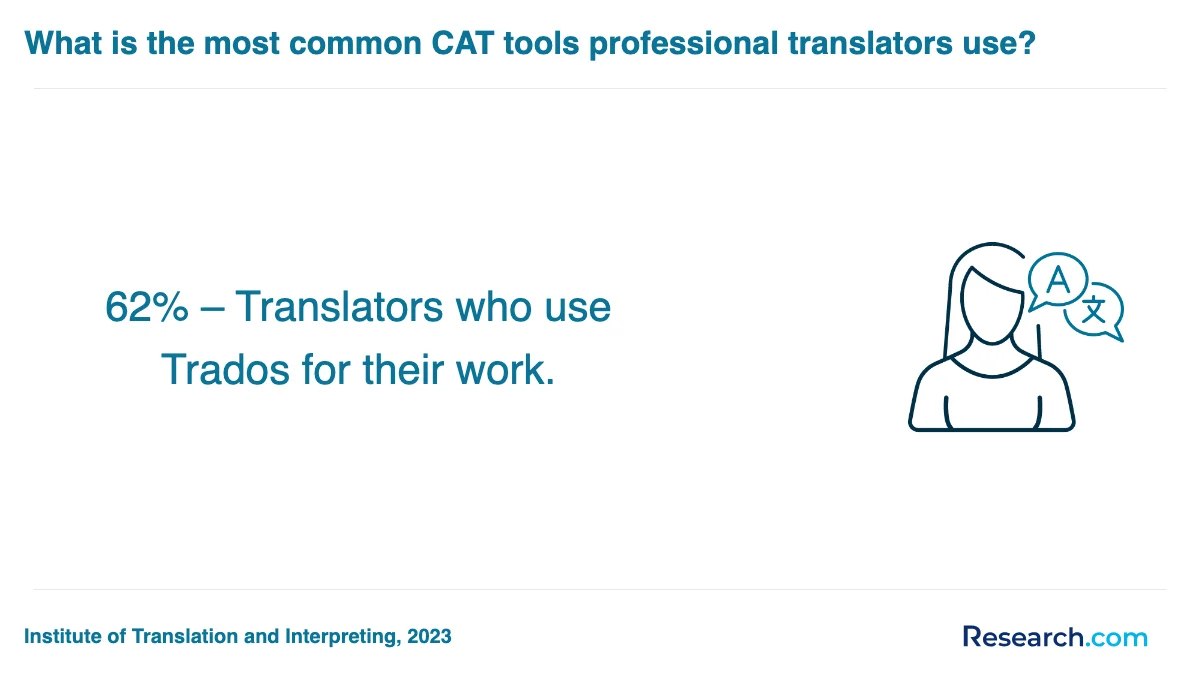
Technical skills such as familiarity with Computer-Assisted Translation (CAT) tools are increasingly important. Many employers expect graduates to efficiently use software like SDL Trados or MemoQ to improve translation consistency and speed.
Additionally, effective communication and research abilities stand out. Translators often need to clarify ambiguous texts and verify terminology, which demands strong analytical skills. Industry reports also emphasize time management and adaptability as key traits for success in the Western translation job market.
Finding internships relevant to a professional translator trade school program in West involves a few strategic steps. Start by contacting your school's career services, as many institutions maintain partnerships with local businesses and organizations seeking translation interns. According to the National Association of Colleges and Employers, nearly 60% of internships in language services in the US are facilitated through educational institutions.
Networking is also crucial; join professional translator associations such as the American Translators Association, which often list internship opportunities on their websites. Additionally, explore local government offices, hospitals, and courts in West that frequently require translation services and may offer internships.
Online job platforms specific to translation, like ProZ.com, also feature internships. Research shows that bilingual internship positions in West have grown about 15% annually, reflecting increasing demand for translation skills in the region.
Obtaining a diploma from a professional translator trade school in West significantly enhances career mobility and advancement opportunities. Accredited programs provide specialized skills in language proficiency, cultural competence, and industry-specific translation tools, which employers highly value. According to the U.S. Bureau of Labor Statistics, employment for translators and interpreters is projected to grow 20% from 2022 to 2032, faster than average, particularly in states like West with diverse populations.
Graduates often find entry into government agencies, healthcare, legal sectors, and private corporations easier due to recognized certification. The diploma also serves as a credential that can lead to higher starting salaries and promotions. Data from the National Association of Judiciary Interpreters and Translators shows certified translators in West earn up to 15% more than non-certified counterparts.
Overall, a professional translator trade school diploma in West acts as a robust foundation for career growth within the competitive translation industry.
Students enrolled in professional translator trade schools in West can find several part-time job opportunities that complement their education. One common option is working as a freelance translator, which allows students to gain practical experience while managing flexible hours. According to the U.S. Bureau of Labor Statistics, freelance translation jobs are growing at a steady pace, particularly in states with diverse populations like California and Washington.
Another option is assisting language service providers with transcription or localization projects. These roles help students develop specialized skills in technical translation and terminology management. Additionally, internships at local government offices or nonprofit organizations often provide valuable exposure to real-world translation tasks.
Yes, there are professional translator degree programs available both near me and near West. Many universities and language institutes offer translation studies that focus on linguistics, cultural proficiency, and advanced translation skills. Research.com can be a helpful resource to find detailed information about specific programs and institutions in these areas.
Top Trending Rankings
References
- Translator | Explore Careers | National Careers Service https://nationalcareers.service.gov.uk/job-profiles/translator
- How Much Money Do Translators Make? A Comprehensive Look at Translator Salaries – Writeliff https://writeliff.com/blog/average-translator-salaries/
- How to become a translator in Poland - Aploq Localization Agency https://aploqtranslations.com/how-to-become-a-translator-in-poland/
- Interpreters and Translators : Occupational Outlook Handbook: : U.S. Bureau of Labor Statistics https://www.bls.gov/ooh/media-and-communication/interpreters-and-translators.htm
- Translator job profile | Prospects.ac.uk https://www.prospects.ac.uk/job-profiles/translator
- How much can I make as a translator? Find out here! https://www.smartcat.com/blog/how-much-can-i-make-as-a-translator/
- Online Professional Translator from Hennepin Technical College https://careertraining.hennepintech.edu/training-programs/professional-translator/
- Online Professional Translator Training - Loyola Marymount University https://academics.lmu.edu/extension/programs/in-demand-industries/professional-translator/
- Professional Translator | University of the Pacific https://www.pacific.edu/education/professional-development/certificate-programs/professional-translator
- Translation | School of Continuing Studies - University of Toronto https://learn.utoronto.ca/translation


