
Most Affordable Translator Schools & Training - Budget-Friendly Translation Trade Programs in South for 2026

Co-Founder and Chief Data Scientist
Choosing the right professional translator trade school can shape your future career in a meaningful way. For students in the South seeking affordable and quality programs, making an informed decision is key.
This article presents a ranking of professional translator trade school programs developed by the Research.com team of data scientists. It’s designed to guide you through the best options available based on thorough data analysis.
By exploring these programs, you’ll discover valuable opportunities to gain skills and certifications that open doors in the translation field. Your path to success starts here.
Key benefits of finishing professional translator trade school in South
- Graduates from professional translator trade schools in South Carolina can expect starting salaries around $40,800 to $53,400 per year, with opportunities to earn up to $66,348 annually as experience grows, offering a rewarding income path.
- Many graduates find diverse career options such as freelance translation, in-house corporate roles, or working with government agencies, reflecting the versatile skills gained from trade programs.
- Completing an online translator trade school allows flexible learning schedules and faster program completion, as shared by alumni who balanced work and study while gaining practical skills without the cost of a traditional degree.
What can I expect from professional translator trade schools in South?
Enrolling in a professional translator trade school program in the South means diving into a focused, skills-based curriculum designed to get you job-ready quickly. Graduates from popular programs in Georgia and Florida often share how they appreciated the mix of courses covering translation methods, terminology, and cultural competence-key to handling real-world assignments in education, healthcare, and business.
Expect to spend less than a year completing certificate programs, sometimes in as little as six months if you choose online options. Course loads typically include comparative stylistics and advanced translation workshops that challenge you to apply your skills actively. Many graduates recall the value of interactive assignments and live discussions led by experienced professionals, which helped them build confidence before entering the workforce.
Technology plays a big role, with training on translation tools and online resources that mirror what you'll use on the job. Passing core courses with at least a 70% grade is usually required to earn your certificate. Fluency in both English and your target language is essential, and some programs ask for two years of formal education in each language.
New translators often find entry-level positions paying around $20 per hour, which recent graduates consider a strong start. While job placement isn't guaranteed, those who actively research local markets feel better prepared to navigate opportunities. Financial aid is rare but worth exploring through state or workforce programs.
Where can I work after finishing professional translator trade schools in South?
Graduates from professional translator trade schools in the South find themselves well-positioned for a variety of career paths. Many start at translation agencies, where they handle diverse projects ranging from legal documents to medical records. For instance, graduates from popular trade schools often share how agencies assign work based on their language pairs and specialties, giving them a clear focus and steady income.
Remote work is another growing option. With over 1,000 remote translator jobs advertised nationwide, Southern graduates appreciate the flexibility to work from home, translating everything from written content to live video calls. Pay rates between $21 and $64 per hour allow them to balance income with lifestyle.
Government roles also attract many, especially in immigration and court services, where precise language skills impact public safety. Healthcare institutions similarly rely on translators to bridge communication gaps between patients and providers, a rewarding environment for those who want meaningful work.
Corporate and educational settings round out the opportunities, offering diverse environments for skill growth and career advancement.
How much can I make after finishing professional translator trade schools in South?
Graduates from professional translator trade school programs in the South typically start with an average annual salary around $57,200, which breaks down to about $27.50 per hour. This aligns closely with national averages, giving you a realistic expectation as you enter the job market. Many graduates from popular South-based schools find themselves earning between $44,000 and $57,500 annually within their first few years.
Real-life experiences from these graduates highlight steady demand in states like Texas, Florida, and Georgia, especially for Spanish and other in-demand languages. Those who pursue certifications, such as from the American Translators Association, often report salary boosts and better job opportunities.
Specializing in medical or legal translation can significantly increase earnings, with some professionals earning $30 to $60 per hour or $0.20 to $0.40 per word. Freelancers from Southern trade schools also enjoy flexible income through per-project payments, often averaging $0.10 to $0.15 per word.
Overall, completing a translator trade school in the South can open doors to a solid, growing career with competitive pay tied closely to your certifications and specialization.
Most Affordable Translator Schools & Training - Budget-Friendly Translation Trade Programs in South for 2026
# 1 position
Durham Technical Community College - Language Interpretation and Translation.
certificate or diplomaDurham Technical Community College offers a hybrid Language Interpretation and Translation program preparing students as professional interpreters and translators. The curriculum includes intensive foreign language instruction and covers interpretation techniques, literary and business translation, and technical translation. Annual in-state tuition is $1,986. Graduates have median earnings of $26,246 one year after completion. The program is accredited by the Southern Association of Colleges and Schools Commission on Colleges.
# 2 position
Pima Community College - Language Interpretation and Translation.
associatePima Community College offers a Language Interpretation and Translation program designed to prepare individuals for professional interpreting and translating of documents and data files between English, Canadian French, and other languages. The curriculum includes intensive foreign language instruction and specialized training in interpretation techniques and various translation applications. The program is accredited by the Higher Learning Commission. Annual in-state tuition is $2,370.
# 3 position
Pima Community College - Language Interpretation and Translation.
certificate or diplomaPima Community College offers a Language Interpretation and Translation program designed to prepare individuals as professional interpreters and translators. The curriculum includes intensive instruction in foreign languages and covers various interpretation techniques and translation types, including business and technical applications. The program’s annual in-state tuition is $2,370. It is accredited by the Higher Learning Commission.
# 4 position
Central New Mexico Community College - Language Interpretation and Translation.
certificate or diplomaCentral New Mexico Community College offers a hybrid Language Interpretation and Translation program designed to prepare students as professional interpreters and translators. The curriculum includes intensive foreign language instruction and specialized training in various interpretation and translation techniques. The program’s annual in-state tuition is $1,934, and it is accredited by the Higher Learning Commission.
# 5 position
Johnston Community College - Language Interpretation and Translation.
associateJohnston Community College offers a hybrid Language Interpretation and Translation program that prepares students to become professional interpreters and translators. The curriculum includes intensive foreign language instruction and covers various interpretation methods, literary and business translation, and technical applications. Annual in-state tuition is $2,657. The program is accredited by the Southern Association of Colleges and Schools Commission on Colleges.
# 6 position
Johnston Community College - Language Interpretation and Translation.
certificate or diplomaJohnston Community College offers a hybrid Language Interpretation and Translation program designed to prepare individuals as professional interpreters and translators of English, Canadian French, and other languages. The curriculum includes intensive foreign language instruction and covers various interpretation and translation techniques such as simultaneous and literary translation, business and technical translation. Annual in-state tuition costs $2,657. The program is accredited by the Southern Association of Colleges and Schools Commission on Colleges.
# 7 position
Central Georgia Technical College - Language Interpretation and Translation.
certificate or diplomaCentral Georgia Technical College offers a hybrid Language Interpretation and Translation program designed to prepare students for professional roles as interpreters and translators of documents and data files between English, Canadian French, and other languages. The curriculum covers multiple interpretation methods and various translation applications, including business and technical fields. Annual in-state tuition is $3,180. The program is accredited by the Southern Association of Colleges and Schools Commission on Colleges.
# 8 position
Cape Fear Community College - Language Interpretation and Translation.
associateCape Fear Community College offers a fully online Language Interpretation and Translation program. It prepares students to work professionally as interpreters and translators, focusing on English, Canadian French, and other languages. The curriculum includes single- and multiple-language interpretation, simultaneous interpretation, and various types of translation such as business, technical, and literary. The program is accredited by the Southern Association of Colleges and Schools Commission on Colleges. Annual in-state tuition is $2,748.
# 9 position
Houston Community College - Language Interpretation and Translation.
associateHouston Community College offers a fully online Language Interpretation and Translation program designed to prepare students as professional interpreters and translators for English, Canadian French, and other languages. The curriculum includes intensive language instruction and covers various interpretation methods and translation applications, including business and technical fields. The program’s annual in-state tuition is $2,040 and it is accredited by the Southern Association of Colleges and Schools Commission on Colleges.
# 10 position
Houston Community College - Language Interpretation and Translation.
certificate or diplomaHouston Community College offers a hybrid Language Interpretation and Translation program preparing students to become professional interpreters and translators. The curriculum includes intensive foreign language instruction and covers multiple interpretation methods, literary and business translation, and technical applications. The annual in-state tuition is $2,040. The program is accredited by the Southern Association of Colleges and Schools Commission on Colleges.
Key Findings
- Most programs require fluency in English and a second language, often Spanish, with proficiency at an Advanced Mid level or higher on the ACTFL OPI.
- Curriculum includes translation methods, industry-specific terminology, cultural competence, and practical training through internships or real-world experience.
- Certificate programs usually require 10 to 15 credit hours and cost between $2,000 and $5,000, with community colleges generally offering lower prices.
- Entry-level translator salaries range from $38,000 to $45,000 per year, increasing to $55,000 or more with experience and certifications like the ATA.
- The job market is especially strong for Spanish-English translators in Southern states such as Georgia, North Carolina, and Florida.
How long does it take to complete professional translator trade schools in South?
Completing a professional translator trade school program in the South typically takes between 12 to 18 months. Graduates from well-known Southern trade schools often share that this timeframe fits well with their busy schedules, allowing them to maintain part-time jobs or family commitments while studying.
One graduate recounted balancing evening classes at a popular Southern trade school with daytime work, appreciating how the program's structure made consistent progress manageable. Another highlighted how the focused curriculum accelerated their entry into the translation field without unnecessary delays.
This 12- to 18-month period usually covers essential language skills, industry-specific terminology, and practical translation exercises. Trade schools in the South emphasize hands-on learning, so students often engage in real-world projects that boost confidence and job readiness.
For those looking to switch careers or gain new skills quickly, this completion time strikes a good balance between depth and efficiency, making professional translator trade programs in the South a pragmatic choice for motivated learners.
What's the difference between online and on-campus professional translator trade school programs?
The key difference between online and on-campus professional translator trade school programs in the South centers on flexibility and learning environment. Online programs, like those at the University of Georgia, allow students to study from anywhere, fitting coursework around busy jobs and family life. Graduates often share how asynchronous video lessons and bi-weekly online meetings helped them stay on track without sacrificing other commitments.
On-campus programs, such as Georgia State University's evening and weekend classes in Atlanta, offer direct interaction with instructors and peers. Many students appreciate this face-to-face setup for immediate feedback and collaborative group work, which strengthens their translation skills in real time.
Access to resources also varies. Online learners rely on digital tools and virtual support, while campus students benefit from libraries and language labs. Both paths have their perks, but your choice depends on whether you value convenience or hands-on engagement more.
What is the average cost of professional translator trade schools in South?
The average cost of professional translator programs in the South varies widely depending on the type of credential and institution. Certificate programs, such as the online Professional Translator courses offered by Chesapeake College and the University of South Alabama, typically range from about $2,395 to $2,682. Graduates from these programs often express satisfaction with the focused curriculum and practical skills gained in roughly 100 hours of study, which makes the investment feel manageable and worthwhile.
More specialized certificates, like the University of Georgia's Professional Translator in Education (Spanish), provide a lower-cost option at $849 for a 30-hour course. This program appeals to those who want to quickly enhance their translation skills for educational settings without a major financial commitment. Such affordability helps students stay motivated and confident about their career prospects.
Degree programs demand a larger financial commitment. For example, the University of Texas Rio Grande Valley charges an average graduate tuition exceeding $15,000 for its Master's in Language Translation. Students pursuing these degrees often value the depth of knowledge and credentials they receive, viewing the higher tuition fees as an investment in long-term career growth in competitive markets.
When considering tuition fees for translator trade schools in Southern states, it's prudent to weigh program length, format, and reputation. Many students find joy in balancing costs with quality outcomes and often explore options such as scholarships and financial aid. For those planning their path, exploring trade school highest paying jobs can also provide crucial insight into the return on investment of various programs.

What financial aid is available for professional translator trade schools in South?
Federal financial aid options for professional translator trade school students in the South are usually limited, since many programs are classified as non-credit or certificate courses and don't qualify for FAFSA or Pell Grants. For example, graduates from popular Southern trade schools often find that traditional federal aid isn't available unless their program is accredited.
Private scholarships are a key source of support. Many students have benefited from awards like the Academy of Interpretation's Voices of Tomorrow Scholarship, which grants $500 annually to those passionate about interpretation and translation. Others pursuing technical or scientific translation studies have found the JTG Scholarship's $2,500 prize invaluable for reducing costs.
Institutional aid from schools such as Southern New Hampshire University can include tuition discounts and grants up to $20,000, though eligibility depends on whether the program is degree-based or certificate-focused. Some Southern states also offer vocational rehabilitation funding, which students have successfully accessed to cover career-driven language programs.
Graduates often share that applying for multiple scholarships and preparing strong applications with recommendation letters and community involvement has boosted their chances of receiving aid, making their educational journey feel more achievable and encouraging.
What are the prerequisites for enrolling in professional translator trade schools in South?
Enrolling in a professional translator trade school program in the South typically requires candidates to meet several straightforward prerequisites that set the stage for success. Most trade schools expect applicants to have a high school diploma or GED, reflecting a basic foundation in communication skills.
Beyond formal education, schools often look for:
- Proficiency in at least two languages, demonstrated through tests or prior study, since translation demands fluency and cultural understanding.
- A genuine passion for languages and communication, which graduates frequently cite as a key motivator sustaining them through intensive coursework.
- Basic computer literacy, as many programs incorporate translation software and digital tools.
For example, graduates from popular Southern trade schools share how meeting these prerequisites allowed them to quickly adapt to the immersive learning environment. One recalls feeling confident entering classes because their language skills were already solid, which made mastering industry-specific terminology much more manageable.
Additionally, some programs recommend or require an entrance interview or writing sample to assess your readiness and commitment. This practical step ensures students are prepared for the program's demands, which many find reassuring rather than intimidating.
Ultimately, meeting these prerequisites in a Southern trade school context means you're well-positioned to build a rewarding career in translation, supported by a community of peers and instructors who understand the unique challenges of the profession.

What are the typical courses in professional translator trade schools in South?
Professional translator trade school programs in the South typically include a range of courses designed to build practical skills and cultural understanding essential for success. Graduates often recall how core classes like introduction to translation theory, translation methods, and advanced translation practice provided a solid foundation for real-world tasks.
Many students appreciate programs, such as the one at the University of Georgia, that dive into educational translation, teaching them to handle terminology and cultural nuances confidently. This hands-on approach helps when translating school documents or communicating across diverse Southern communities.
Key courses often focus on industry-specific translation, covering fields like:
- Legal translation, important for contracts and court documents
- Medical translation, crucial for patient care and records
- Financial translation, needed for banking and business
- Educational translation, supporting schools and universities
Students at Florida International University highlight the value of evening and weekend classes in Translation Studies and Legal Translation, which fit busy schedules while sharpening practical skills.
Programs also emphasize preparing for professional certification exams like the ATA, with rigorous training in both English and the target language to ensure precise, culturally aware translations.
What are the available specializations in professional translator trade schools in South?
Professional translator trade school programs in the South typically offer a variety of specializations that suit both local job markets and diverse communities. Graduates often highlight the value of medical and legal translation programs in the South-fields that require precision and expertise in terminology and cultural nuances.
Common specializations include:
- Legal translation and court interpreting, such as programs at Florida International University and the University of Charleston, which prepare students to work confidently with courtroom procedures and complex legal documents.
- Medical translation and interpreting, which focus on patient confidentiality and healthcare terminology, often embedded within broader translation programs to support Southern states' healthcare needs.
- Educational translation, like the Professional Translator in Education Certificate at the University of Georgia, helping translators address communication challenges in schools serving Spanish-speaking families.
- Language pair specializations-especially English<>Spanish-that allow focused skill development where demand is highest.
- Conference and community interpreting, training students for roles in government and nonprofit sectors.
Many graduates stress how these translator specializations offered by Southern trade schools prepare them for real-world challenges, whether interpreting in court or translating medical records. For those weighing where to study, exploring what's the best community college in the South can reveal opportunities tailored to your goals and region.
How do you choose the best professional translator trade school program in South?
Choosing affordable translator programs in Southern USA means scrutinizing accreditation and curriculum quality. Graduates from the University of South Alabama praised its hands-on approach, which included real-world projects and preparation for the ATA certification exam, helping them feel confident stepping into translation roles. Programs that combine language skills with specialization, such as the University of Georgia's focus on educational translation, provide a clear advantage by tailoring to niche markets.
Top-rated translation schools in Southern United States often balance in-person interaction with flexible delivery modes. Many students value the University of Louisville's hybrid Graduate Certificate in Translation and Interpreting, which offers both comprehensive training and networking opportunities crucial for career advancement.
Financial aid and clear tuition structures matter too; for example, South Alabama's course costs $2,682 but offers payment plans easing financial worry. When comparing options, also explore career support services and alumni networks to help you transition smoothly after graduation. For a full overview of options, you can find detailed info on online trade schools, ensuring your choice fits your lifestyle and ambitions.
What career paths are available for professional translator trade school graduates in South?
Graduates from professional translator trade school programs in South often find diverse career opportunities tailored to their language skills and regional needs. Many enter roles as medical interpreters in hospitals, where real-life experiences show how precise communication improves patient outcomes. Others choose court interpreting, ensuring fairness in legal settings for non-English speakers. Popular trade schools in South prepare students for these in-demand roles by offering practical training aligned with local multicultural communities.
Common career paths include:
- Medical interpreter positions in busy clinics and hospitals
- Courtroom interpreter roles supporting legal fairness
- Educational interpreter jobs helping non-English speaking students
- Corporate translation work for multinational companies
- Localization specialist roles adapting products for cultural relevance
Experience from graduates highlights flexible work formats, including freelance and remote roles, which enhance lifestyle choices. The growing demand for professional translator jobs in South Africa reflects the region's multicultural environment, especially for languages like Spanish and Vietnamese. For those seeking insight into trade school jobs that pay well, translator roles offer rewarding and practical career opportunities. Educational paths also extend into teaching and curriculum development, supporting future language professionals in southern Africa.
What is the job market for professional translator trade school graduates in South?
Graduates from professional translator trade schools in the South find that the job market, while competitive, remains steady due to ongoing replacement needs and regional growth. Those completing popular programs in urban centers benefit from a wider variety of opportunities in sectors like healthcare, education, legal, and government. A typical graduate has shared how leveraging certifications opened doors to specialized legal translation roles, which offer higher pay and consistent contracts.
Key points reflecting translator job growth in Southern states include:
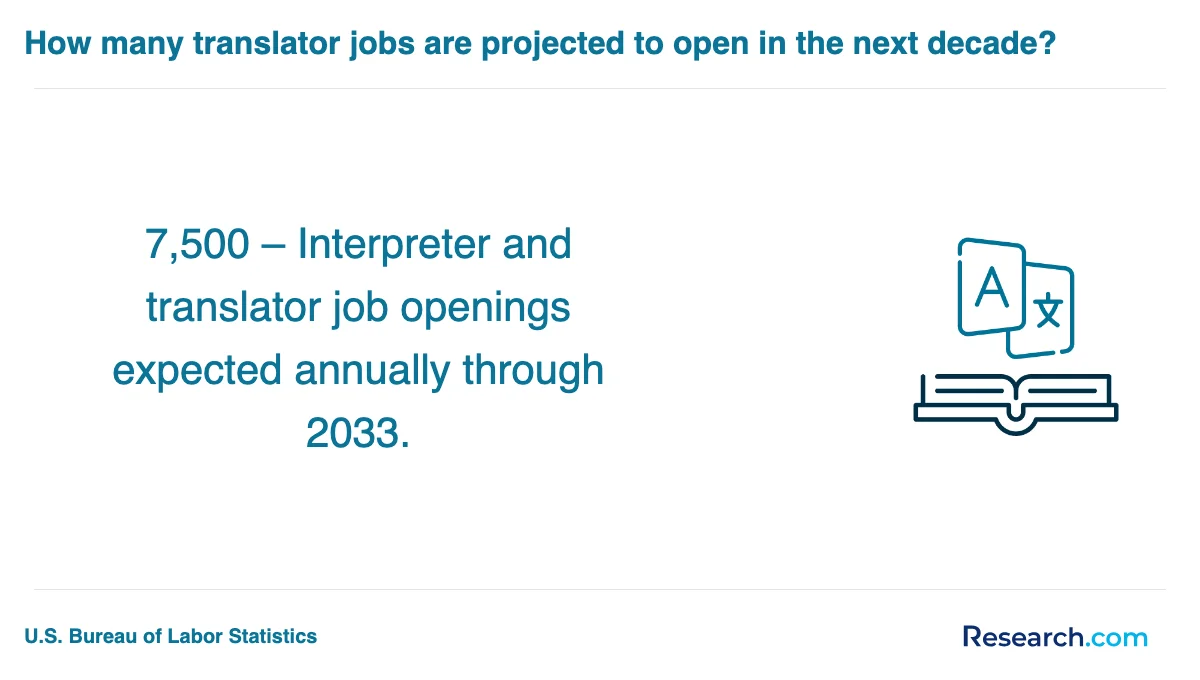
- Approximately 7,500 yearly openings nationwide sustain the field, many available in Southern metros.
- Salary trends show urban translators earning $50,000 to $80,000, with rural areas closer to $35,000 annually.
- Freelance opportunities provide flexibility, allowing graduates to build diverse client bases across industries.
Trade school graduates who invest in certification and specialization often enjoy a broader range of job options and better pay. For those balancing study with work, exploring the highest paying trade jobs within translation can be a smart strategy aligned with demand and salary expectations in the region.
The translator salary trends in the South reflect both the challenges and promising pathways available, making informed planning essential for successful entry into this career.
Frequently Asked Questions about professional translator
After completing a professional translator trade school in South, preparing for the job market involves several key steps. First, graduates should build a strong portfolio showcasing their translation work, which is crucial for demonstrating skills to potential employers. Networking is equally important; joining organizations like the American Translators Association can provide access to job listings and professional development.
Additionally, many employers in the South value certification, such as the ATA Certified Translator credential, which can enhance credibility. Internships or freelance projects offer practical experience and local industry connections. According to the U.S. Bureau of Labor Statistics, employment for interpreters and translators is projected to grow 20% from 2022 to 2032, reflecting increasing demand in diverse sectors.
Employers in the South seeking graduates from professional translator trade schools prioritize strong language proficiency and cultural competence. According to the U.S. Bureau of Labor Statistics, translators must be fluent in at least two languages and understand regional dialects to ensure accuracy. Additionally, technical skills such as familiarity with translation software and tools are highly valued, as 70% of translation jobs now require digital literacy.
Attention to detail and excellent writing skills are critical, enabling translators to convey meaning precisely. Communication and time management abilities also rank highly, reflecting the fast-paced nature of translation projects in industries like healthcare and legal services prevalent in Southern states.
Finding internships relevant to professional translator trade school programs in the South involves several strategic steps. Many trade schools maintain partnerships with local businesses, government agencies, and nonprofit organizations that require translation services. Students should consult their school's career services office early to access these connections.
Online job platforms such as Handshake and Indeed often list internships specifically for translation and interpretation roles. Additionally, professional associations like the American Translators Association (ATA) provide regional internship listings and networking opportunities.
According to the U.S. Bureau of Labor Statistics, the demand for translators is growing by about 20% nationally, including in southern states, increasing internship availability.
Networking through community events and language departments at nearby universities can also uncover hidden internship opportunities.
In South, earning a professional translator trade school diploma can significantly enhance career mobility and advancement. Trade schools focus on practical skills, allowing graduates to meet industry demands quickly. According to the U.S. Bureau of Labor Statistics, employment for interpreters and translators is projected to grow 20% from 2022 to 2032, faster than average. This growth is particularly strong in Southern states with diverse populations and expanding businesses. A diploma from a local trade school can open doors to entry-level positions and promote faster advancement due to specialized training recognized by regional employers. Additionally, diploma holders may qualify for certification exams improving job prospects.
Students enrolled in professional translator trade schools in South often seek part-time jobs that enhance their language skills and industry knowledge. Common opportunities include freelance translation, where students can work remotely on documents and subtitles. This role builds practical experience and can pay between $15 and $30 per hour, according to the U.S. Bureau of Labor Statistics (BLS) data for language services.
Other options include bilingual customer support positions, especially in healthcare and legal firms, which are prominent sectors in South. These jobs help students apply language skills in real-time communication settings.
Additionally, internships with local translation agencies or nonprofits provide exposure to diverse projects and networking opportunities.
Finding an affordable Professional Translator degree program near you can vary depending on your location, but many universities offer competitive pricing on such programs. If you're specifically looking near South, several institutions provide flexible options, including online platforms and regional campuses, to cater to local and remote students alike. Research.com can be a helpful resource to identify suitable programs and universities both near South and near me that align with your educational and budgetary needs.
Top Trending Rankings
References
- Online Professional Translator from Wake Technical Community College https://onlinecareertraining.waketech.edu/training-programs/professional-translator/
- Online Professional Translator Training - Loyola Marymount University https://academics.lmu.edu/extension/programs/in-demand-industries/professional-translator/
- Professional Translator | University of the Pacific https://www.pacific.edu/education/professional-development/certificate-programs/professional-translator
- Online Professional Translator from City College of New York https://careertraining.ccny.cuny.edu/training-programs/professional-translator/
- Translation | Continuing and Professional Education https://ce.arizona.edu/translation
- Translation | School of Continuing Studies - University of Toronto https://learn.utoronto.ca/translation
- Translation and Interpreting Courses - American Translators Association (ATA) https://www.atanet.org/career-education/student-resources/translation-interpreting-courses/
- Online Certificate in Professional Translation & Interpreting : Languages, Literatures, and Cultures : UMass Amherst https://www.umass.edu/languages-literatures-cultures/academics/online-certificate-professional-translation-interpreting
- Professional Translator in Education (Spanish) Certificate at UGA https://www.georgiacenter.uga.edu/professional-programs/professional-translator-in-education/
- Online Professional Translator from University of South Carolina Aiken https://careertraining.usca.edu/training-programs/professional-translator/


