
Most Affordable Translator Schools & Training - Budget-Friendly Translation Trade Programs in Texas for 2026

Co-Founder and Chief Data Scientist
Choosing the right professional translator trade school in Texas can be overwhelming. This article will guide you through the most affordable options for 2026, making your decision easier and more confident.
The ranking featured here was developed by the Research.com team of data scientists to spotlight programs worth considering. It’s designed to help you find quality education without breaking the bank.
Earning a diploma or certification in professional translation opens doors to rewarding career opportunities, and this article highlights the best paths to get there.
Key benefits of finishing professional translator trade school in Texas
- Graduates from professional translator trade schools in Texas can expect an average salary around $53,000 to $61,500 per year, with opportunities to earn more in cities like Dallas where hourly rates reach $33.25.
- A typical graduate from a popular Texas trade school often finds career options in medical, legal, or technical translation, providing diverse and stable job opportunities across different industries.
- Completing a professional translator trade school online offers flexibility and faster completion times, as experienced by many graduates who balance work and study while gaining practical skills without the cost of a traditional degree.
What can I expect from professional translator trade schools in Texas?
Enrolling in a professional translator trade school program in Texas means immersing yourself in a curriculum built around both language skills and cultural understanding. Graduates from popular Texas trade schools often share how they gained hands-on experience translating documents and interpreting in real-world settings like courtrooms or hospitals.
You can expect to develop strong technical proficiency in English and Spanish, the most common language pair, while also exploring localization techniques for audiovisual content. Many students appreciate the flexible learning formats offered-whether fully online, in-person, or hybrid-making it easier to balance studies with work or family.
Programs typically last from a few months for certificates to about two years for associate degrees. Along the way, you'll master industry tools and learn to edit both human- and machine-generated translations, preparing you for diverse roles in healthcare, government, or business.
Graduates often highlight the confidence they build interpreting complex conversations and the pride in contributing to community access through language services.
Where can I work after finishing professional translator trade schools in Texas?
After finishing a professional translator trade school program in Texas, many graduates find rewarding opportunities across diverse fields. For instance, healthcare facilities like Parkland Health often hire medical interpreters to assist patients, especially Spanish speakers, in navigating appointments and treatments. Graduates from popular Texas trade schools share how they quickly landed roles interpreting both in-person and remotely, enjoying flexible schedules that fit their lifestyles.
Legal settings are another common path, where certified translators support court cases and immigration services. Graduates appreciate how their training prepares them for the precise language skills needed in these environments, often working with government agencies or nonprofits. School districts also hire educational interpreters, creating meaningful connections between families and educators.
Many alumni embrace freelance or remote work, thriving with hourly rates that reflect their skills and language expertise. This flexibility allows them to balance personal commitments while building steady income. Texas's growing demand for translation professionals means graduates often feel confident stepping into roles that truly make a difference in their communities.
How much can I make after finishing professional translator trade schools in Texas?
After completing a professional translator trade school program in Texas, many graduates find themselves earning an average salary of around $53,291 annually, or about $25.62 per hour. For example, graduates from popular Texas trade schools often share how landing entry-level roles in legal offices or healthcare settings helped them achieve this starting pay. It's encouraging to know that in metropolitan areas like Dallas, translators can earn even more-up to $33.25 per hour-reflecting the higher demand and competitive salaries in urban centers.
Most translators in Texas earn between $41,000 and $53,600 annually, with the top earners reaching nearly $67,000. Some graduates from well-known programs report salaries closer to $61,000, especially when they bring proficiency in specialized languages or certifications. While the job market is currently somewhat slow, many new translators feel optimistic, leveraging freelance or contract work to build experience and increase their income over time.
Most Affordable Translator Schools & Training - Budget-Friendly Translation Trade Programs in Texas for 2026
# 1 position
Houston Community College - Language Interpretation and Translation.
associateHouston Community College offers a fully online Language Interpretation and Translation program designed to prepare students as professional interpreters and translators for English, Canadian French, and other languages. The curriculum includes intensive language instruction and covers various interpretation methods and translation applications, including business and technical fields. The program’s annual in-state tuition is $2,040 and it is accredited by the Southern Association of Colleges and Schools Commission on Colleges.
# 2 position
Houston Community College - Language Interpretation and Translation.
certificate or diplomaHouston Community College offers a hybrid Language Interpretation and Translation program preparing students to become professional interpreters and translators. The curriculum includes intensive foreign language instruction and covers multiple interpretation methods, literary and business translation, and technical applications. The annual in-state tuition is $2,040. The program is accredited by the Southern Association of Colleges and Schools Commission on Colleges.
# 3 position
The University of Texas at Arlington - Language Interpretation and Translation.
certificate or diplomaThe University of Texas at Arlington offers a hybrid program in Language Interpretation and Translation, preparing students to become professional interpreters and translators between English, Canadian French, and other languages. The curriculum includes intensive language instruction and training in various interpretation and translation methods, including simultaneous and business translation. The annual in-state tuition is $11,728. The program is accredited by the Southern Association of Colleges and Schools Commission on Colleges.
# 4 position
Texas A & M University-Corpus Christi - Language Interpretation and Translation.
certificate or diplomaTexas A & M University-Corpus Christi offers a hybrid program in Language Interpretation and Translation designed to prepare students as professional interpreters and translators between English, Canadian French, and other languages. The curriculum includes intensive foreign language instruction and covers various interpretation and translation methods such as simultaneous interpretation, literary translation, and business and technical translation. The program is accredited by the Southern Association of Colleges and Schools Commission on Colleges. Annual in-state tuition is $9,748.
# 5 position
Texas Tech University - Language Interpretation and Translation.
certificate or diplomaTexas Tech University offers a hybrid Language Interpretation and Translation program designed to prepare students as professional interpreters and translators. The curriculum includes intensive language instruction and specialized training in simultaneous interpretation, literary and business translation, and technical translation. Annual in-state tuition is $11,852. The program is accredited by the Southern Association of Colleges and Schools Commission on Colleges.
Key Findings
- Admission usually requires a high school diploma, but some programs recommend two years of university-level study in both languages for ATA certification preparation.
- Program formats include in-person associate degrees and certificates as well as fully online options from various Texas institutions.
- Tuition for online interpreter programs ranges from $1,000 to $2,500, with financial aid available mainly for credit-bearing programs.
- Starting pay for new interpreters in Texas is about $20 per hour, with median annual wages around $52,330 and experienced professionals earning over $70,000.
- Career options include translator, interpreter, localization specialist, or freelance work, with English-Spanish as the most common language pair.
How long does it take to complete professional translator trade schools in Texas?
The typical completion time for a professional translator trade school program in Texas usually ranges from 12 to 18 months. Many graduates from well-known Texas trade schools have found this timeline to be both manageable and rewarding. For example, students attending schools in Houston or Dallas often balance their studies with part-time work, completing coursework in about a year while gaining hands-on experience.
One graduate shared how the program's structure allowed them to immerse in language skills intensively but without overwhelming their schedule. This pacing helps build confidence steadily, making the learning experience feel achievable and exciting. Another graduate from a San Antonio trade school mentioned feeling motivated by the clear, focused curriculum designed to prepare them quickly for real-world translation jobs.
Studying in Texas also offers access to diverse linguistic communities, which enriches practice opportunities during the program. This practical exposure speeds up mastery and helps students graduate ready to enter the workforce with a strong portfolio.
What's the difference between online and on-campus professional translator trade school programs?
The main difference between online and on-campus professional translator trade school programs in Texas is how you access your classes and interact with instructors. Graduates from online programs, like those at The University of Texas Rio Grande Valley, often share how the 24/7 access to lectures and assignments helped them balance studies with work or family. They appreciated not having to commute and enjoyed interactive tools like discussion boards and virtual feedback, which kept learning engaging and flexible.
On the other hand, students from on-campus programs, such as Houston Community College, highlight the value of face-to-face connections. Being physically present in class allowed them to immediately ask questions, participate in group activities, and use campus resources like language labs and career services. Many found this environment motivating and helpful for networking with peers and instructors.
Both formats cover essential skills like translation techniques and interpreting, so choosing one depends on whether you prefer flexibility or in-person interaction.
What is the average cost of professional translator trade schools in Texas?
When considering the average cost of professional translator programs in Texas, it's helpful to understand the range of tuition fees you might encounter. Many students find that community colleges offer a budget-friendly path, like Austin Community College, where the Translation and Interpreting Program charges around $148 per course. Each course runs for about 10 weeks, allowing students to manage both time and finances effectively. Graduates from these programs often appreciate the practical skills gained without a heavy financial burden.
For those who prefer flexibility, online programs can be an affordable option as well. Dallas College, for example, provides an online Professional Translator course priced at $2,682, a cost that many students find reasonable compared to traditional routes. These programs attract students who are balancing work or family commitments and appreciate the ability to learn at their own pace.
On the other hand, traditional bachelor's degree programs like the one at the University of Texas Rio Grande Valley may have higher tuition fees, averaging approximately $3,473 for families earning between $30,000 and $48,000 annually. While those programs are more comprehensive, some recent graduates value their trade school education for getting into the workforce quickly with less debt.
Understanding the tuition fees for translator trade schools in Texas helps you weigh your options. It's wise to look closely at cost alongside program quality and personal circumstances. If you're exploring whether a trade school or vocational program fits your goals best, learning more about trade school vs vocational school can offer valuable insights.
What financial aid is available for professional translator trade schools in Texas?
Financial aid for professional translator trade school students in Texas often looks different from what you might expect with traditional colleges. Many popular trade schools, like those in Houston or Dallas, offer non-credit courses, which means federal aid such as FAFSA or Pell Grants usually isn't available. Graduates often share how this was a surprise at first, but they discovered other helpful options.
For example, some students have successfully used vocational rehabilitation programs or workforce development boards to cover their tuition, especially if they had a disability or were part of a state job readiness program. These opportunities vary by county, so visiting your local Texas Workforce Solutions office is a great first step.
Trade schools frequently provide internal payment plans or private financing, allowing students to manage tuition costs over several months. Some even offer small scholarships or discounts based on merit or financial need, which many graduates found encouraging during their studies.
Additionally, scholarships like the Voices of Tomorrow award offer $500 to translation students committed to community service. This kind of targeted support, though modest, helped graduates ease expenses like books and fees, making their education feel more attainable.
What are the prerequisites for enrolling in professional translator trade schools in Texas?
When preparing to enroll in a professional translator trade school program in Texas, you'll find that most schools have clear prerequisites designed to set you up for success. Typically, you need a high school diploma or GED, which ensures you have the fundamental skills to tackle language studies effectively.
Many graduates from popular Texas trade schools mention how their strong reading and writing skills, developed in high school, gave them confidence as they started courses. Some schools also recommend or require basic proficiency in at least one foreign language before enrollment, which makes sense since translation work demands a solid foundation.
- Proof of English proficiency, especially for non-native speakers, is often required through tests or prior coursework
- Basic computer skills are helpful since translation programs use software tools and digital resources
- Some schools may ask for a brief personal statement or interview to assess your passion and commitment
Imagine a graduate from a well-known Texas trade school who came in with enthusiasm but no formal language training-after meeting these prerequisites, they quickly adapted and thrived. These requirements aren't just hurdles; they're stepping stones ensuring you start strong and stay motivated throughout your translator training journey.

What are the typical courses in professional translator trade schools in Texas?
In Texas, professional translator trade school programs focus on practical skills that prepare you to excel in real-world settings. Graduates from Houston Community College and Texas State University often highlight how core courses build a strong foundation in translation and interpretation techniques, especially between English and Spanish, which is in high demand locally.
Typical courses include:
- Translation and interpretation fundamentals, emphasizing both written and oral communication
- Editing and revising texts, including working with human and machine-generated translations
- Cross-cultural communication and localization, crucial for adapting content to different audiences
- Specialized interpreting courses like consecutive and simultaneous interpretation for legal and medical fields
- Preparation for professional certification exams such as the ATA, requiring demonstrated fluency and at least two years of formal study
Many students describe how these courses bring language to life by simulating real client scenarios-like interpreting a medical consultation or subtitling a documentary-making the learning experience both challenging and rewarding.
What are the available specializations in professional translator trade schools in Texas?
Professional translator specializations in Texas cover diverse fields to prepare you for real-world demands. Graduates from Austin Community College often share enthusiasm about the Community and Medical Interpreting track, which equips them to accurately bridge language gaps in healthcare and community services. Courses like "Medical Interpreting Skills" empower students to confidently assist patients and providers in stressful, fast-paced environments.
Texas translator training programs frequently include Legal Interpreting, where students practice interpreting in courtrooms and legal offices. Graduates praise the focused curriculum at Austin Community College, including "Court Interpreting Part 1 and 2," helping them handle complex legal language with precision.
Other graduates highlight specializations in Literary Translation and Localization offered at the University of Texas at Dallas and University of Texas at Austin. These programs foster skills in translating novels, poetry, and multimedia content, sharpening cultural nuance and technical adaptability.
Sign Language Interpreting is also a valued path, with programs at the University of Houston training interpreters to work confidently with Deaf and Hard of Hearing communities.
Exploring popular professional translator training programs in Texas through best online vocational trade schools can help you identify the specialization that fits your passion and career goals.
How do you choose the best professional translator trade school program in Texas?
When choosing the best translator trade schools in Texas, focus first on accreditation and how well the program prepares you for professional certification, like the ATA exam. Graduates from well-known Texas colleges often share how accreditation boosted their confidence and job prospects. Look for programs offering a balanced curriculum that includes translation theory, practical exercises, and technology training-skills that are essential in real-world settings such as legal or healthcare translation.
Consider the Texas translator program costs and reviews from past students to understand value and outcomes. Many students appreciate flexible formats, including online classes that fit busy schedules, allowing them to work while studying. Programs that provide internship opportunities or strong industry connections help you build a portfolio and network, which is invaluable when starting your career.
Assess your readiness by checking admission requirements-some schools require bilingual fluency or prior university study. For more insight into trade careers, visit trade careers.
What career paths are available for professional translator trade school graduates in Texas?
Graduates of professional translator trade school programs in Texas discover a wide range of meaningful career opportunities for translators in Texas that match their passion and skills. Many find rewarding roles as medical translators or court interpreters, where certified expertise is highly valued. Others thrive as legal translators or localization specialists working with companies or government agencies, adapting content to cultural nuances. Experience from popular Texas trade schools shows graduates often move into freelance work, enjoying the freedom to set their schedules and work remotely-fitting perfectly with family life or other commitments.
Interpreter and translator jobs in Texas frequently include positions such as:
- Spanish or sign language interpreter for healthcare providers
- Freelance bilingual specialist in education or business
- In-house language expert for tech firms or government units
- Localization expert tailoring products for Latin American markets
Students from established programs reflect on their confidence gained through hands-on training, preparing them for the dynamic language service needs statewide. If you're interested in developing these in-demand skills, consider exploring the best construction trade programs-they offer similar practical, career-focused planning that can inspire your path in translation fields.
What is the job market for professional translator trade school graduates in Texas?
The translator job market in Texas offers promising opportunities for graduates of professional translator trade school programs, especially in cities like Dallas, Houston, and Austin. Graduates from popular Texas trade schools often find roles in healthcare, legal services, education, and customer support, with many employers valuing bilingual Spanish-English skills. While entry-level positions usually require a bachelor's degree, trade school graduates frequently supplement their training with certifications or real-world experience to stand out.
Many graduates share success stories of landing flexible roles such as remote Spanish analytical linguists or curriculum and translation reviewers, which help build experience while balancing other life commitments. The employment outlook remains positive due to ongoing demand fueled by Texas's diverse population and thriving business sectors.
Key points for aspiring translators include:
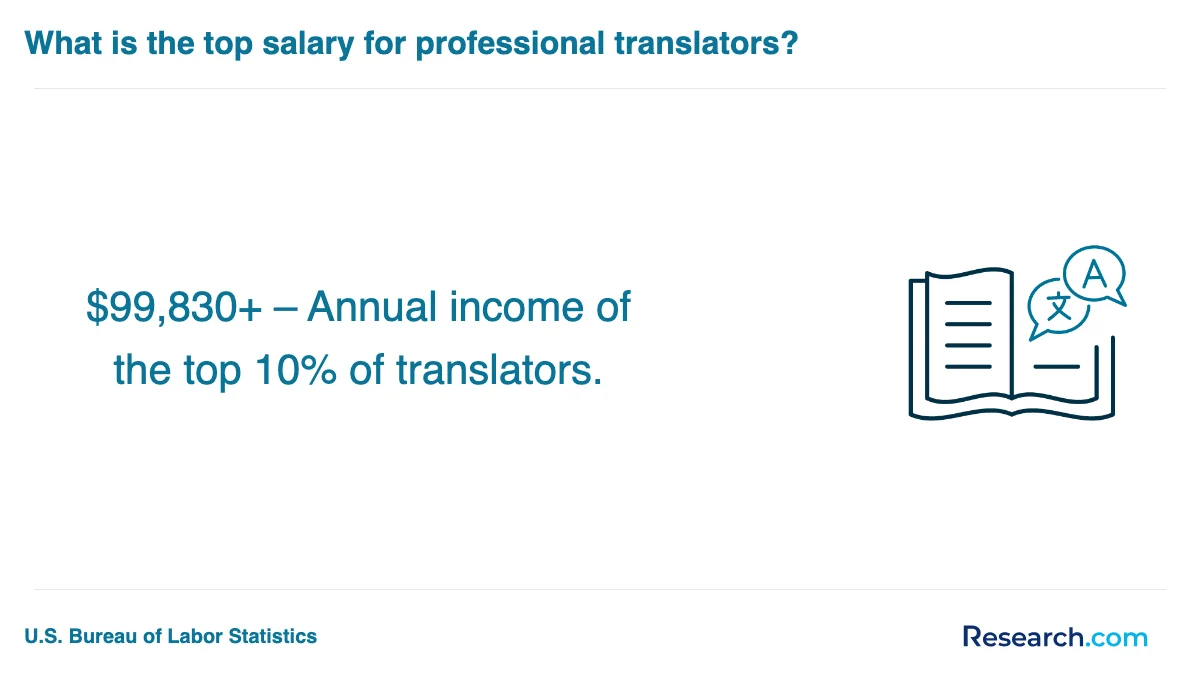
- Competitive salaries above the national average, with the median at $59,440 in 2024
- Job growth projected at 2% between 2023 and 2033
- High demand for bilingual professionals, especially in specialized fields
For more insight on career decisions, check out why is college better than trade school and how that impacts your translator career path.
Overall, the interpreter and translator employment outlook Texas remains steady, thanks to retirements and turnover creating openings for motivated graduates ready to make an impact.
Frequently Asked Questions about professional translator
After completing a professional translator trade school in Texas, preparing for the job market involves several key steps. First, graduates should obtain certification from recognized bodies such as the American Translators Association (ATA), which enhances credibility and employability. According to the U.S. Bureau of Labor Statistics, Texas is among the top states with growing demand for translators and interpreters, projected to grow 20% by 2032.
Building a professional portfolio showcasing translation samples is essential. Networking through local language and translation associations in Texas can open job opportunities. Additionally, internships or freelance projects help gain practical experience and client references. Understanding industry-specific terminology, such as legal or medical translation, can also increase job prospects in specialized markets.
Employers in Texas seek professional translator trade school graduates with strong language proficiency in at least two languages, including English and a foreign language commonly used in the region, such as Spanish or Vietnamese. According to the U.S. Bureau of Labor Statistics, effective communication skills and cultural competence are critical for accurate translation and interpretation.
Technical skills, including familiarity with translation software and terminology management tools, are increasingly important. The Texas Workforce Commission highlights that adaptability and attention to detail significantly improve job prospects in legal, medical, and business translation sectors.
Graduates demonstrating ethical standards and confidentiality awareness are highly valued, especially for sensitive documents. These combined skills prepare translators to meet diverse employer needs across Texas's growing multilingual markets.
Finding internships in Texas relevant to professional translator trade school programs involves several strategic steps. Start by consulting your trade school's career services office, as many maintain partnerships with local businesses and government agencies seeking translation interns. The Texas Workforce Commission reports steady growth in language services jobs, reflecting increased demand for translators.
Additionally, explore internships offered by state agencies such as the Texas Health and Human Services or the Texas Department of Transportation, which often require multilingual communication support. Networking through professional organizations like the American Translators Association's Texas chapter can also uncover hidden opportunities.
Online platforms targeting internships in Texas, including Handshake and Indeed, allow filtering by translation-related roles. Researching non-profits and multinational companies based in Texas is another effective approach, as they frequently seek translation interns to support diverse communities.
In Texas, earning a professional translator trade school diploma can significantly enhance career mobility and advancement opportunities. The Texas Workforce Commission reports that certified translators and interpreters in the state experience faster job placement rates compared to non-certified individuals. This diploma provides specialized skills that meet employer demands in sectors such as healthcare, legal services, and government agencies.
Holding a diploma from an accredited trade school often leads to higher starting salaries. According to the U.S. Bureau of Labor Statistics, translators with formal credentials earn approximately 15% more than those without certification. Additionally, many employers prioritize candidates with recognized diplomas when considering promotions and advanced roles.
Trade school programs also offer practical experience, which strengthens resumes and professional networks. Graduates typically find increased access to freelance opportunities and contract work, contributing to greater income stability and career growth within Texas's diverse economy.
Students enrolled in professional translator trade schools in Texas often seek part-time jobs that enhance their language skills and industry knowledge. Common opportunities include freelance translation projects, which allow students to build portfolios while earning income. Websites like ProZ and TranslatorsCafe often list such gigs accessible to Texans.
Additionally, part-time roles as bilingual customer service representatives or medical interpreters in hospitals provide practical experience. According to the U.S. Bureau of Labor Statistics, Texas has a growing demand for interpreters and translators, with an expected 21% growth rate from 2022 to 2032. This demand creates diverse part-time work options aligned with trade school learning.
Working in community centers or local government agencies as language assistants also helps students apply their skills in real-world settings, improving both fluency and cultural competence essential for professional translators.
To find the most affordable Professional Translator degree program "near me," consider researching programs available at local colleges and universities using search terms such as "Professional Translator program near me" or "affordable translator degree near Texas." Many educational institutions offer such programs, and you can gather information on tuition costs and program specifics directly from these universities. Additionally, Research.com can be a helpful resource for identifying reputable programs and understanding the various options that might fit your budgetary and educational needs.
Related Professional Translator Rankings for Nearby States
- Most Affordable Translator Schools & Training - Budget-Friendly Translation Trade Programs in Oklahoma for 2026
- Most Affordable Translator Schools & Training - Budget-Friendly Translation Trade Programs in Missouri for 2026
- Most Affordable Translator Schools & Training - Budget-Friendly Translation Trade Programs in Colorado for 2026
- Most Affordable Translator Schools & Training - Budget-Friendly Translation Trade Programs in Arizona for 2026
- Most Affordable Translator Schools & Training - Budget-Friendly Translation Trade Programs in Nebraska for 2026
- Most Affordable Translator Schools & Training - Budget-Friendly Translation Trade Programs in Georgia for 2026
- Most Affordable Translator Schools & Training - Budget-Friendly Translation Trade Programs in North Carolina for 2026
- Most Affordable Translator Schools & Training - Budget-Friendly Translation Trade Programs in Minnesota for 2026
- Most Affordable Translator Schools & Training - Budget-Friendly Translation Trade Programs in Ohio for 2026
- Most Affordable Translator Schools & Training - Budget-Friendly Translation Trade Programs in Michigan for 2026
Top Trending Rankings
References
- Online Professional Translator from University of Texas at Arlington https://eeccareertraining.uta.edu/training-programs/professional-translator/
- Online Professional Interpreter from Texas State University https://ce.careertraining.txst.edu/training-programs/professional-interpreter-course-online/
- Translation & Interpreting | ACC Continuing Education https://continue.austincc.edu/translation
- CERTIFICATE PROGRAM IN TRANSLATION AND INTERPRETING (CPTI) – UNO Professional, Adult, and Continuing Education https://pace.uno.edu/certificate-program-in-translation-and-interpreting/
- Translation & Interpretation | Houston Community College (HCC) | We are Houston's Community College http://www.hccs.edu/programs/areas-of-study/business/translation--interpretation/
- Interpreter Training https://www.uhd.edu/academics/humanities/undergraduate-programs/spanish/translation/interpreter-in-training.aspx
- A Quick Guide to Translator and Interpreter Education - AATIA https://aatia.org/a-quick-guide-on-translator-and-interpreter-education/
- Top 10 U.S. Translation Schools | ALTA Language Services https://altalang.com/beyond-words/top-10-us-translation-schools/
- Professional Translator Training Online https://www.best-trade-schools.net/programs/professional-translator/
- Online Court Interpreter (Spanish/English) from The University of Texas at El Paso https://careertraining.utep.edu/training-programs/court-interpreter/


