
Best Translator Training Programs & Trade Schools - Top Translation Schools in Northeast for 2026

Co-Founder and Chief Data Scientist
Choosing the right professional translator trade school in the Northeast can shape your future career. This article introduces a detailed ranking of translator trade school programs, thoughtfully created by the Research.com team of data scientists to guide you in making an informed decision.
Discover programs that match your goals and offer valuable certification or diplomas. Earning a credential in professional translation opens doors to exciting opportunities and personal growth.
Whether you’re just starting or seeking to advance, this guide will help you confidently find the best path forward.
Key benefits of finishing professional translator trade school in Northeast
- Graduates in the Northeast can expect competitive salaries, with cities like New York offering hourly wages up to $38.14, well above the national average.
- Career paths include working as professional translators or interpreters in diverse fields such as legal, medical, and business sectors, providing exciting opportunities for growth.
- Completing a professional translator trade school online offers flexibility and practical skills, allowing graduates to balance work and study while gaining real-world experience faster than traditional degrees.
What can I expect from professional translator trade schools in Northeast?
Enrolling in a professional translator trade school program in the Northeast means diving into an exciting mix of language mastery and real-world skills. Graduates from programs like those at Bunker Hill Community College describe intense yet rewarding journeys, balancing theory with hands-on practice. Imagine evenings spent honing your skills with fellow students, using cutting-edge Computer Aided Translation tools, or role-playing medical interpreting scenarios designed to boost your confidence in high-pressure settings.
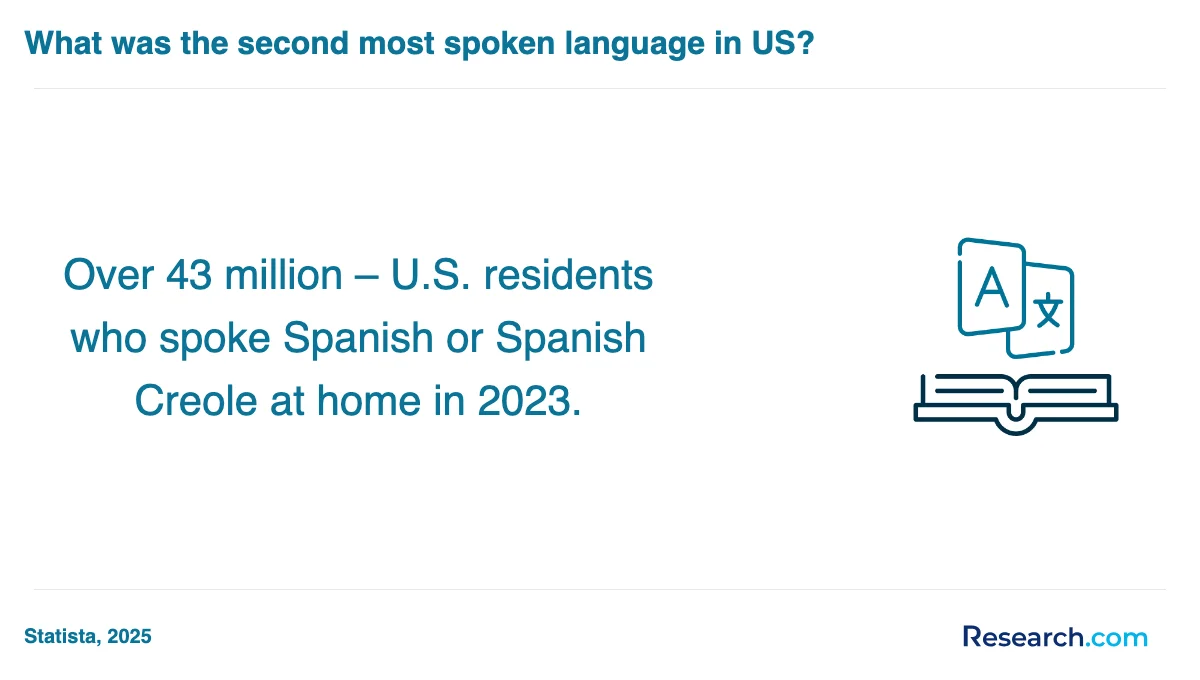
These programs often fit around busy lives, offering weekend or evening classes that graduates appreciate for their flexibility. You can expect courses in popular languages like Spanish, Mandarin, or Arabic, tailored to meet local demand. Many students find the mix of translation technology training and business advice-like freelance contract negotiation-especially empowering for launching their careers.
Some programs even prepare you for coveted certifications such as the American Translators Association exam, while providing resume workshops and networking chances that open doors to the Northeast's translation job market. Students often share a sense of accomplishment as they land their first professional roles, energized by the practical, career-ready focus of their education.
Where can I work after finishing professional translator trade schools in Northeast?
Graduates from professional translator trade schools in the Northeast find themselves stepping into vibrant careers across healthcare, legal, education, business, and government sectors. Imagine working in a bustling Boston hospital, helping patients overcome language barriers with medical staff, or interpreting vital courtroom testimonies in New York City's legal hubs. These real-world scenarios come alive for students trained at well-known Northeast trade schools, where practical skills meet local industry demands.
Many graduates share excitement about joining schools and universities, where they support families navigating language challenges, or dive into global business environments translating contracts and marketing materials for technology or biotech firms thriving in the region. Others thrive in non-profits or government agencies, assisting immigrant communities through outreach and documentation.
Flexible work arrangements, from remote freelance gigs to steady full-time roles with benefits, add to the appeal. The Northeast's diverse population and steady demand create a playground for translators eager to grow their expertise and enjoy rewarding careers close to home.
How much can I make after finishing professional translator trade schools in Northeast?
After finishing a professional translator trade school program in the Northeast, graduates often find themselves pleasantly surprised by the earning potential waiting just around the corner. Imagine landing your first job in bustling New York City, where translators pull in around $38.14 per hour-a rewarding jump above the national average. Many graduates from well-known Northeast trade schools share stories of starting salaries near $54,000 and quickly moving up to over $63,000 annually, especially in states like Massachusetts where the average hits $63,040.
Picture translating for a fast-paced firm in Boston or interpreting in Brooklyn's vibrant neighborhoods, earning rates that range from $30.31 to $31.51 per hour. These figures reflect the real-world hustle and skill graduates bring from their hands-on training. Whether freelancing or joining a company, Northeast-trained translators enjoy salaries between $44,000 and $71,500, making the investment in a trade school not just an education, but a path to financial confidence.
Best Translator Training Programs & Trade Schools - Top Translation Schools in Northeast for 2026
# 1 position
UCNJ Union College of Union County, NJ - Language Interpretation and Translation.
certificate or diplomaThe Language Interpretation and Translation program at UCNJ Union College of Union County, NJ, offers a hybrid format with some distance education options. The program prepares students to become professional interpreters and translators for English, Canadian French, and other languages. It includes intensive language instruction and covers various interpretation and translation techniques. The annual in-state tuition is $5,280. The program is accredited by the Middle States Commission on Higher Education.
# 2 position
American University - Language Interpretation and Translation.
certificate or diplomaThe Language Interpretation and Translation program at American University offers a hybrid format with some distance education options. It prepares students for careers as professional interpreters and translators, covering multiple languages and specialized topics like simultaneous interpretation and business translation. The annual in-state tuition is $56,543. Graduates earn a median salary of $52,493 one year after completion. The program is accredited by the Middle States Commission on Higher Education.
# 3 position
Bristol Community College - Language Interpretation and Translation.
certificate or diplomaBristol Community College offers a hybrid Language Interpretation and Translation program designed to prepare students for professional roles in interpreting and translating documents and data files between English, Canadian French, and other languages. The curriculum includes intensive foreign language instruction and covers various interpretation techniques, literary and business translation, and technical applications. The program is accredited by the New England Commission on Higher Education. Annual in-state tuition is $5,412.
# 4 position
CUNY Borough of Manhattan Community College - Language Interpretation and Translation.
certificate or diplomaThe Language Interpretation and Translation program at CUNY Borough of Manhattan Community College offers a hybrid format with some distance-education options. It prepares students to become professional interpreters and translators, focusing on English and Canadian French. The curriculum includes instruction in single- and multiple-language interpretation, simultaneous interpretation, and various types of translation such as business and technical. Annual in-state tuition is $5,170. The program is accredited by the Middle States Commission on Higher Education.
# 5 position
CUNY John Jay College of Criminal Justice - Language Interpretation and Translation.
certificate or diplomaThe Language Interpretation and Translation program at CUNY John Jay College of Criminal Justice offers a hybrid format with some distance-education options. It prepares students for professional roles as interpreters or translators between English, Canadian French, and other languages. The curriculum includes foreign language instruction and specialized topics such as simultaneous interpretation, literary and business translation, and technical translation. Annual in-state tuition is $7,470. The program is accredited by the Middle States Commission on Higher Education.
# 6 position
Cape Cod Community College - Language Interpretation and Translation.
certificate or diplomaCape Cod Community College offers a hybrid program in Language Interpretation and Translation, preparing students to become professional interpreters and translators. The curriculum covers intensive foreign language instruction and specialized topics like simultaneous interpretation, literary and technical translation, and business applications. The annual in-state tuition is $5,712. The program is accredited by the New England Commission on Higher Education.
# 7 position
Central Connecticut State University - Language Interpretation and Translation.
certificate or diplomaCentral Connecticut State University offers a Language Interpretation and Translation program that trains students to become professional interpreters and translators for English, Canadian French, and other languages. The curriculum includes intensive foreign language instruction and specialized courses in various interpretation and translation techniques, such as simultaneous interpretation and business translation. The program’s annual in-state tuition is $12,460, and it is accredited by the New England Commission on Higher Education.
# 8 position
Lackawanna College - Language Interpretation and Translation.
certificate or diplomaLackawanna College offers a hybrid Language Interpretation and Translation program designed to prepare students for professional roles in interpreting and translating documents and data files between English, Canadian French, and other languages. The curriculum includes intensive foreign language instruction and specialized training in various interpretation and translation techniques. Annual in-state tuition is $17,950. The program is accredited by the Middle States Commission on Higher Education.
# 9 position
Shippensburg University of Pennsylvania - Language Interpretation and Translation.
certificate or diplomaThe Language Interpretation and Translation program at Shippensburg University of Pennsylvania offers a hybrid format with some distance-education options. Annual in-state tuition is $13,544. The program prepares students for professional roles as interpreters and translators of documents and data files between English, Canadian French, and other languages. Coursework includes various interpretation methods, literary and technical translation, and business applications. The program is accredited by the Middle States Commission on Higher Education.
# 10 position
University of Massachusetts-Amherst - Language Interpretation and Translation.
certificate or diplomaThe University of Massachusetts-Amherst offers a hybrid program in Language Interpretation and Translation designed to train professional interpreters and translators. The curriculum includes intensive foreign language instruction and covers various interpretation methods and translation applications, such as literary, business, and technical translation. Annual in-state tuition is $17,357. The program is accredited by the New England Commission on Higher Education.
Key Findings
- Programs typically take one to two years and offer evening and weekend classes for working adults.
- Applicants need advanced fluency in English and at least one other language, often proven by a fluency test.
- Curriculum includes translation theory, practical language training, CAT software, business practices, and professional ethics.
- Costs range from $2,000 to $7,000 depending on the program type and location, with some financial aid options available.
- Starting salaries average $40,000 to $50,000 per year, with experienced translators earning $60,000 to $90,000 or more.
How long does it take to complete professional translator trade schools in Northeast?
Completing a professional translator trade school program in the Northeast typically takes anywhere from six months to one year, depending on the intensity and format of the course. Many students find the accelerated paths thrilling, as they dive deep into language skills and cultural nuances without long delays. Graduates from popular Northeast trade schools often share how the compact schedules pushed them to stay focused and motivated, turning their passion for languages into a tangible career in no time.
Imagine attending a bustling trade school in Boston or New York, where every class feels like a step closer to fluency and certification. The fast-paced environment means you're not just learning theory-you're practicing real-world translation scenarios that prepare you for the job market quickly.
Many graduates express excitement about balancing coursework with part-time jobs or family life, thanks to flexible scheduling options offered by these programs. This adaptability turns the challenge of completing the program into an empowering journey rather than a burden.
What's the difference between online and on-campus professional translator trade school programs?
Choosing between online and on-campus professional translator trade school programs in the Northeast is like deciding whether to explore a bustling city or a cozy home library. Online students at places like the University of New Hampshire enjoy the freedom to study at their own pace, often juggling work or family life effortlessly. One graduate shared how finishing a self-paced course within nine months gave them the confidence to pass the American Translators Association exam without sacrificing their daily routine.
Meanwhile, on-campus programs in Boston offer an energetic atmosphere where students dive into live role-play exercises and face-to-face coaching. Imagine practicing interpreting in a classroom buzzing with real-time feedback and instant camaraderie-graduates recall this hands-on experience as invaluable for building quick decision-making skills and professional connections.
Online learners often cherish flexibility and quiet focus, while on-campus attendees thrive on dynamic interaction and networking. Both paths uniquely prepare aspiring translators in the Northeast, catering to different lifestyles and learning vibes.
What is the average cost of professional translator trade schools in Northeast?
The average cost of professional translator programs in Northeast can be surprisingly accessible for those ready to dive into this vibrant field. Graduates from Chesapeake College's online Professional Translator program share how their $2,395 tuition felt like an investment in a skill set that opened doors to translating English and Spanish texts with confidence. This program, lasting about nine months and spread over 100 self-paced hours, offers flexibility that fits busy lifestyles perfectly. Meanwhile, students enrolled at Northern Essex Community College often highlight their $2,682 tuition as a worthwhile gateway to preparing for the ATA certification exam, a critical credential in the translation world.
When weighing tuition fees for translator trade schools in Northeast more broadly, it's eye-opening to see how public two-year colleges average around $7,812 for in-state students. This figure, while higher than some specialized programs, reflects the comprehensive services and on-campus resources students can tap into, often enriching their overall learning experience.
Many find these programs to be thrilling opportunities, shaping careers through engaging coursework and clear outcomes. Prospective translators eager to explore options among the top trade schools in the us can feel empowered knowing there are affordable pathways to mastering their craft without breaking the bank.
What financial aid is available for professional translator trade schools in Northeast?
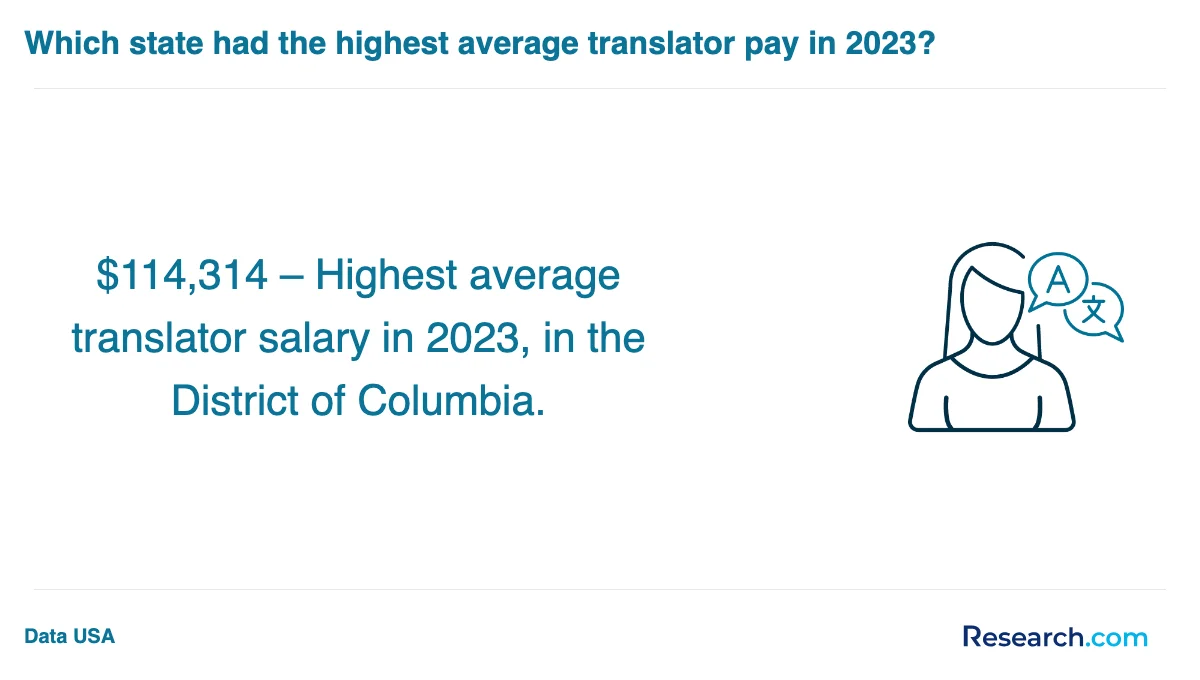
Imagine starting your translator training at a bustling community college in the Northeast and discovering a treasure trove of financial aid options just waiting for you. Many professional translator trade schools here participate in federal aid programs like the Pell Grant, which can offer up to $7,395 for students who demonstrate financial need. Graduates often recall how filling out the FAFSA unlocked these essential funds, making their education feel achievable rather than daunting.
State grants, such as New York's Tuition Assistance Program (TAP), create additional pathways to reduce costs for residents attending local schools. Institutional scholarships from popular Northeast colleges can feel like personalized rewards-whether merit-based or need-based-helping students cover tuition and fees while they dive into language mastery.
Specialized grants add excitement to the mix: one graduate vividly remembers receiving the $2,500 JTG Scholarship for scientific translation, which made a real difference. Others have been thrilled by opportunities like the Boren Fellowship, offering up to $30,000 for language studies linked to national security. These diverse financial aids turn the dream of becoming a professional translator in the Northeast into a tangible, exciting journey.
What are the prerequisites for enrolling in professional translator trade schools in Northeast?
Ready to dive into a professional translator trade school program in the Northeast? Many graduates recall the excitement when they first discovered the prerequisites, a gateway that sharpened their focus and fueled their ambition. Trade schools popular in this region typically expect applicants to meet a few essential criteria before starting their journey.
Most programs require:
- A high school diploma or GED, proving your foundational skills.
- Proficiency in at least two languages, often demonstrated through standardized tests or interviews.
- Basic computer literacy, as translation today often involves specialized software.
- Sometimes, a personal statement or essay explaining your passion for languages and translation.
For instance, graduates from well-known Northeast trade schools often share how their language skills were tested but also how their enthusiasm and real-world experiences, like volunteering as interpreters or traveling, gave them an edge. Imagine walking into your first class knowing you've already impressed the admissions team with your dedication-this blend of preparedness and excitement is a common thread among successful students.
These prerequisites aren't hurdles but stepping stones, designed to set you up for a rewarding and adventurous career in translation, right in the heart of the Northeast's vibrant language communities.
What are the typical courses in professional translator trade schools in Northeast?
Step into a translator trade school in the Northeast, and you'll quickly discover a dynamic mix of courses designed to sharpen your skills and ignite your passion. Graduates often recall diving right into core coursework that explores the fascinating theory of translation-grappling with linguistic puzzles like equivalence and cultural nuances that make every phrase unique.
Here's what you typically encounter:
- An introduction to translation and interpreting fundamentals, setting the stage for everything ahead
- Hands-on practice with translation techniques to capture tone, style, and intent across languages
- Rigorous language proficiency assessments, ensuring you master your native and second language fluency at an intermediate-advanced level
- Training in cutting-edge technology, like CAT tools and localization software, to prepare you for modern translation workflows
- Specialized tracks in medical, legal, and business translation, with immersive role-plays coached by language experts
- Essential business practices courses covering client negotiation and freelance setup, empowering you beyond language skills
One graduate fondly remembers late-night classes juggling real-world translation projects, while another highlights the thrill of mastering medical interpreting in Spanish-skills that opened doors to rewarding careers. These programs not only build your linguistic mastery but also equip you with the savvy to thrive as a professional translator in the vibrant Northeast job market.
What are the available specializations in professional translator trade schools in Northeast?
Specializations in professional translator trade school programs in the Northeast are as diverse as the languages themselves. Graduates often share how immersive Spanish-English translation courses in Northeast, like those at Northern Essex Community College, prepared them to confidently tackle real-life translation challenges and ace the ATA certification exam. For adventurers drawn to broader roles, the Middlebury Institute's Translation and Localization Management programs in Northeast offer an exciting blend of language, culture, business, and technology-perfect for those eager to manage global projects.
Others find themselves captivated by the academic rigor of Translation Studies at the University of Massachusetts Amherst, where deep literary and cultural analysis sharpens translation skills. Meanwhile, Hunter College graduates rave about their hands-on training in Translation and Interpreting, gaining practical skills in languages like Chinese, Russian, and Spanish-ideal for rapidly changing work environments.
Many aspiring translators appreciate Rutgers University's Certificate in Interpreting Spoken Language for its focused approach on real-time interpretation. With these specialized paths, Northeast students step confidently into some of the most exciting trade jobs that pay well in the language field.
How do you choose the best professional translator trade school program in Northeast?
Choosing the best professional translator trade schools in Northeast means diving into programs that not only teach theory but immerse you in real-world practice, just like many graduates from well-known colleges in Boston or New York recall. Look for institutions where faculty are seasoned translators, offering insider tips and mentorship that make lessons come alive. Programs with flexible formats, whether online or on-campus, match different lifestyles-some graduates cherish the vibrant campus energy that fuels their motivation, while others thrive juggling work and study remotely.
Don't overlook internship chances that plug you directly into local translation agencies bustling in cities like Philadelphia or Hartford, turning classroom skills into compelling resumes. Budget-savvy students weigh the average cost of professional translator diploma in Northeast carefully, seeking schools with transparent tuition and scholarships. Understanding the trade certificate program vs vocational program can widen your options and clarify pathways. Choose a program that feels like a community, ready to launch your translation career with confidence and passion.
What career paths are available for professional translator trade school graduates in Northeast?
Graduates from professional translator trade schools in Northeast quickly discover a vibrant array of career paths that fuel their passion for language and culture. Many find themselves thriving in dynamic roles such as medical interpreters in bustling city hospitals, court interpreters navigating complex legal proceedings, or corporate translators supporting global trade ventures. These opportunities reflect the strong demand for professional translator jobs in Northeast, where diverse communities create an exciting linguistic landscape.
Alumni often share stories of hands-on experiences in schools, government agencies, or healthcare settings, where their skills directly impact people's lives. Some settle into freelance careers, valuing the flexibility and control over their schedules that self-employment offers, a path embraced by nearly 17% of translators nationally.
Specialized knowledge gained in these trade schools opens doors to advanced positions in fields like law, finance, and life sciences. Here's a glimpse of typical roles available:
- Medical and court interpreters working with diverse populations
- Educational interpreters assisting students and parents
- Corporate translators facilitating international business
- Freelance professionals selecting their projects
Many Northeast trade school graduates highlight how learning industry-specific software and terminology helped them stand out in job markets. For students seeking more options, exploring jobs in the trades is an inspiring next step on their career adventure.
These interpreter career opportunities Northeast offer not only rewarding work but also meaningful connections across cultures, making every day feel like a new journey.
What is the job market for professional translator trade school graduates in Northeast?
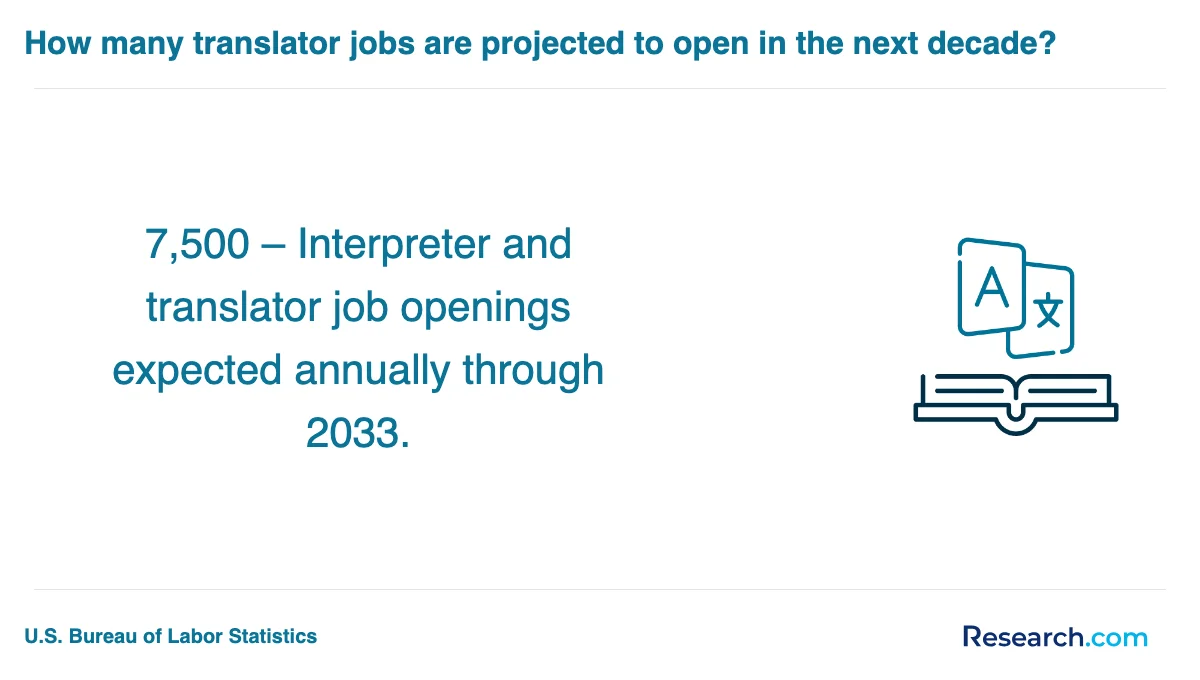
The job market for professional translator trade school graduates in Northeast is vibrant and full of potential, especially in bustling urban centers like Boston and New York. Graduates report stepping confidently into roles across hospitals, school districts, courtrooms, and corporations, where their skills are highly valued. The median annual salary for interpreters and translators reached an exciting $59,440 in May 2024, reflecting a 5% increase that adds to the allure of this career. Despite a modest overall 2% employment growth projected from 2023 to 2033, the demand remains strong due to the region's multicultural population and booming international business.
Trade school grads appreciate the flexibility of part-time and freelance gigs, which let them balance life while gaining experience. Many highlight how specialized knowledge in medical or legal terminology gives them a competitive edge, opening doors in niche sectors.
- Freelance platforms offer steady streams of work daily.
- Jobs frequently available in educational institutions and language service firms.
- Proficiency in translation software boosts employability.
Those exploring professional translator programs in Northeast often consider popular trade schools, where hands-on training and connections unlock real career pathways. For adventurous learners, exploring online construction trade programs has also inspired a curiosity in vocational training trends that overlap industries, broadening perspectives beyond translation.
Frequently Asked Questions about professional translator
After completing a professional translator trade school in the Northeast, preparing for the job market involves several strategic steps. First, graduates should obtain industry-recognized certifications such as the American Translators Association (ATA) certification, which is highly valued by employers nationwide.
Building a strong portfolio showcasing diverse translation projects is essential. Networking through local translator associations or events in the Northeast can open doors to freelance or full-time opportunities. According to the U.S. Bureau of Labor Statistics, employment for interpreters and translators is projected to grow 20% from 2022 to 2032, signaling strong demand.
Internships and practical experience gained during training also improve job prospects. Familiarity with translation technology tools is increasingly important, so graduates should continue developing these skills to remain competitive.
Employers in the Northeast highly value professional translator trade school graduates who demonstrate strong linguistic proficiency in both the source and target languages. According to the U.S. Bureau of Labor Statistics, accuracy and cultural competency are critical, as translators must convey not just words but also context and nuance.
Technical skills are increasingly important, with many employers expecting familiarity with Computer-Assisted Translation (CAT) tools and terminology management software. The American Translators Association highlights that over 70% of translation jobs now require digital literacy.
Additionally, strong research skills and subject-matter expertise in fields like legal, medical, or technical translation are frequently requested. Effective communication and time management abilities also rank high, ensuring projects meet tight deadlines without sacrificing quality.
Finding internships relevant to professional translator trade school programs in the Northeast involves a strategic approach. Many trade schools have partnerships with local businesses, government agencies, and nonprofit organizations that offer translation internships. According to the American Translators Association, the Northeast has a strong demand for bilingual professionals, especially in cities like New York and Boston.
Students should utilize their school's career services to access internship listings and attend industry networking events. Websites such as Indeed and Glassdoor also list internships specifically for translators. Additionally, reaching out directly to translation agencies in the region can uncover hidden opportunities.
Internships typically range from unpaid positions to stipends of around $1,000 per month, depending on the employer and location, providing valuable hands-on experience alongside academic training.
Obtaining a professional translator trade school diploma in the Northeast significantly enhances career mobility and advancement opportunities. According to the U.S. Bureau of Labor Statistics, the demand for translators and interpreters in this region is projected to grow by 20% from 2022 to 2032, faster than the average for all occupations. Trade school diplomas provide specialized skills that employers in industries like legal, medical, and business translation highly value.
Graduates often find entry into mid-level positions more accessible, with many moving into higher roles within five years. Additionally, certification eligibility, such as through the American Translators Association, is often contingent on formal training, further boosting career prospects.
Regional employers report that candidates with trade diplomas demonstrate better technical proficiency and cultural competence, key factors in job promotion. This practical education translates into upward social mobility, especially in diverse metropolitan areas like New York City and Boston, where multilingual communication is critical.
Students enrolled in professional translator trade schools in the Northeast can benefit from various part-time job opportunities that enhance their skills and employability. Common roles include freelance translation, interpretation services, and transcription work, often available through local agencies or online platforms. According to the U.S. Bureau of Labor Statistics, the demand for translators and interpreters in the Northeast is projected to grow by 20% from 2022 to 2032, faster than the national average.
Working part-time in healthcare facilities, courts, or educational institutions offers practical experience with specialized terminology. Additionally, internships with publishing houses or international businesses can provide valuable exposure to real-world translation projects. These jobs allow students to apply classroom knowledge while building professional networks in the region.
To find the best Professional Translator degree program near me in the Northeast, you can start by exploring local universities and colleges known for strong language and translation studies. Programs often provide comprehensive coursework in linguistics, cultural studies, and translation techniques, and are available at various academic institutions. Consider using educational resources like Research.com to identify and compare programs near Northeast, ensuring they meet your specific educational and career goals.
Top Trending Rankings
References
- About Translation Internships | Institute of Translation and Interpreting https://www.iti.org.uk/starting-out/internships.html
- Remote translation internships | The Intern Group https://theinterngroup.com/featured-roles/remote-language-and-translation-internships/
- Languages and Translation Internships Abroad or Remote – Career Resource Center | Clovis Community College https://career.cloviscollege.edu/jobs/the-intern-group-languages-and-translation-internships-abroad-or-remote/
- Internship - Professional Translator https://comunicatranslations.com/translators-internship-professional-translator/
- Careers in Translation and Interpretation | Middlebury Institute of International Studies at Monterey https://www.middlebury.edu/institute/advancing-your-career/careers/translation-interpretation
- Tips for Jump-Starting Your Translation Career - Cartier et Lelarge https://cartieretlelarge.ca/blogue/tips-for-jump-starting-your-translation-career/
- Internship Program https://www.wipo.int/en/web/working-at-wipo/internship-program
- Translation Studies Internship Program | California State University Long Beach https://www.csulb.edu/clorinda-donato-center/article/translation-studies-internship-program
- Online Professional Interpreter from Northeast State Community College https://careertraining.northeaststate.edu/training-programs/professional-interpreter-course-online/
- NETA - New England Translators Association - T & I Classes https://nneta.wildapricot.org/T-&-I-Classes


