
Best Translator Training Programs & Trade Schools - Top Translation Schools in New York for 2026

Co-Founder and Chief Data Scientist
Choosing the right professional translator trade school in New York can shape your future career. This article introduces you to the best programs for 2026, carefully ranked by the Research.com team of data scientists. Their analysis helps you understand which schools offer quality education worth your investment.
By exploring these top programs, you’ll discover pathways to gain valuable skills and certifications. Whether starting fresh or advancing your career, this guide supports your journey toward becoming a confident, skilled translator in a growing field.
Key benefits of finishing professional translator trade school in New York
- Graduates from professional translator trade schools in New York can expect an average starting salary between $30,000 and $49,000, with experienced translators earning up to $87,000 to $89,000 annually, offering strong financial motivation.
- A graduate from a well-known New York trade school often finds career opportunities in diverse fields like business, healthcare, legal, and government sectors, showcasing a broad and rewarding career path.
- Completing a professional translator trade school online provides flexibility and accessibility, allowing students to balance work and study effectively, as experienced by many successful online graduates from popular New York programs.
What can I expect from professional translator trade schools in New York?
If you're diving into a professional translator trade school program in New York, expect a mix of hands-on learning and real-world practice. Many students at popular schools like NYU find themselves juggling both written translation and oral interpreting tasks, often switching between languages like English and Spanish or Mandarin during classes. You'll work on projects that mirror actual industry demands-think legal documents one day and medical transcripts the next.
Fluency in at least two languages is a must, and some programs even test your speaking skills to make sure you're ready for the challenges ahead. Graduates often share how these assessments pushed them to sharpen their communication, boosting confidence when facing clients or certification exams.
Flexibility is a big plus, with options for online or in-person classes to fit busy schedules. Plus, many programs offer mentorship opportunities that make networking feel natural, helping students connect with seasoned translators who've been in their shoes.
Students appreciate how the curriculum prepares them for the American Translators Association exam, giving them a clear goal to work towards. Overall, it's a rewarding experience that combines skill-building with career-ready support, setting you up for a thriving future in translation.
Where can I work after finishing professional translator trade schools in New York?
After finishing a professional translator trade school program in New York, you'll find yourself with plenty of exciting job options. Many graduates jump right into roles at translation agencies, working on projects for businesses, hospitals, or schools. Imagine translating important medical documents at NYU Langone Health or helping a local school district communicate with families who speak different languages-these are real opportunities you can expect.
Some grads love the flexibility of freelancing, picking projects that fit their schedules and specialties. Others land steady gigs with city agencies or nonprofits, translating legal documents or community outreach materials. Graduates from popular New York trade schools often mention how rewarding it feels to support diverse communities by breaking down language barriers.
Whether you want a full-time job or freelance work, the demand for skilled translators in New York's bustling, multilingual environment means you're likely to find a role that fits your passion and skills.
How much can I make after finishing professional translator trade schools in New York?
After finishing a professional translator trade school program in New York, many graduates find themselves earning around $62,500 a year on average. Some start closer to $48,000, while others quickly move up to $78,000 depending on their language skills and job setting. For example, graduates who specialized in Mandarin or Arabic often see higher pay because those languages are in demand.
Many students from well-known New York trade schools share how they landed roles in government agencies or law firms, which tend to pay more than freelance gigs. One common experience is starting at about $30 per hour and, with a couple of years of experience, moving up to $38 or even more.
New York City translators might initially earn a bit less, around $57,000, but the city's fast pace and variety of jobs mean quick opportunities to boost income. Graduates often feel excited seeing their skills translate into real earnings and career growth.
Experience and picking up technical or legal translation skills make a big difference. So, while trade school lays the foundation, ongoing learning really helps increase your paycheck.
Best Translator Training Programs & Trade Schools - Top Translation Schools in New York for 2026
# 1 position
CUNY Borough of Manhattan Community College - Language Interpretation and Translation.
certificate or diplomaThe Language Interpretation and Translation program at CUNY Borough of Manhattan Community College offers a hybrid format with some distance-education options. It prepares students to become professional interpreters and translators, focusing on English and Canadian French. The curriculum includes instruction in single- and multiple-language interpretation, simultaneous interpretation, and various types of translation such as business and technical. Annual in-state tuition is $5,170. The program is accredited by the Middle States Commission on Higher Education.
# 2 position
CUNY John Jay College of Criminal Justice - Language Interpretation and Translation.
certificate or diplomaThe Language Interpretation and Translation program at CUNY John Jay College of Criminal Justice offers a hybrid format with some distance-education options. It prepares students for professional roles as interpreters or translators between English, Canadian French, and other languages. The curriculum includes foreign language instruction and specialized topics such as simultaneous interpretation, literary and business translation, and technical translation. Annual in-state tuition is $7,470. The program is accredited by the Middle States Commission on Higher Education.
# 3 position
The College of Saint Rose - Language Interpretation and Translation.
certificate or diplomaThe College of Saint Rose offers a hybrid Language Interpretation and Translation program that prepares students to become professional interpreters and translators. The curriculum includes intensive foreign language instruction and covers various interpretation methods, literary and business translation, and technical translation. The annual in-state tuition is $37,452. The program focuses on practical linguistic skills for translating documents and data files between English, Canadian French, and other languages.
# 4 position
Adelphi University - Language Interpretation and Translation.
certificate or diplomaAdelphi University offers an on-campus Language Interpretation and Translation program designed to train professional interpreters and translators. The curriculum covers instruction in multiple languages and specialized areas such as simultaneous interpretation, literary and business translation, and technical translation. The program includes intensive foreign language study and is accredited by the Middle States Commission on Higher Education. Annual in-state tuition is $47,290.
Key Findings
- Programs usually require advanced proficiency in at least two languages, often including English and another major language.
- Certificate and diploma programs often require passing a spoken or written fluency test before or during the course.
- Tuition varies widely, with master's degrees costing over $100,000 and certificate courses ranging from a few hundred to a few thousand dollars.
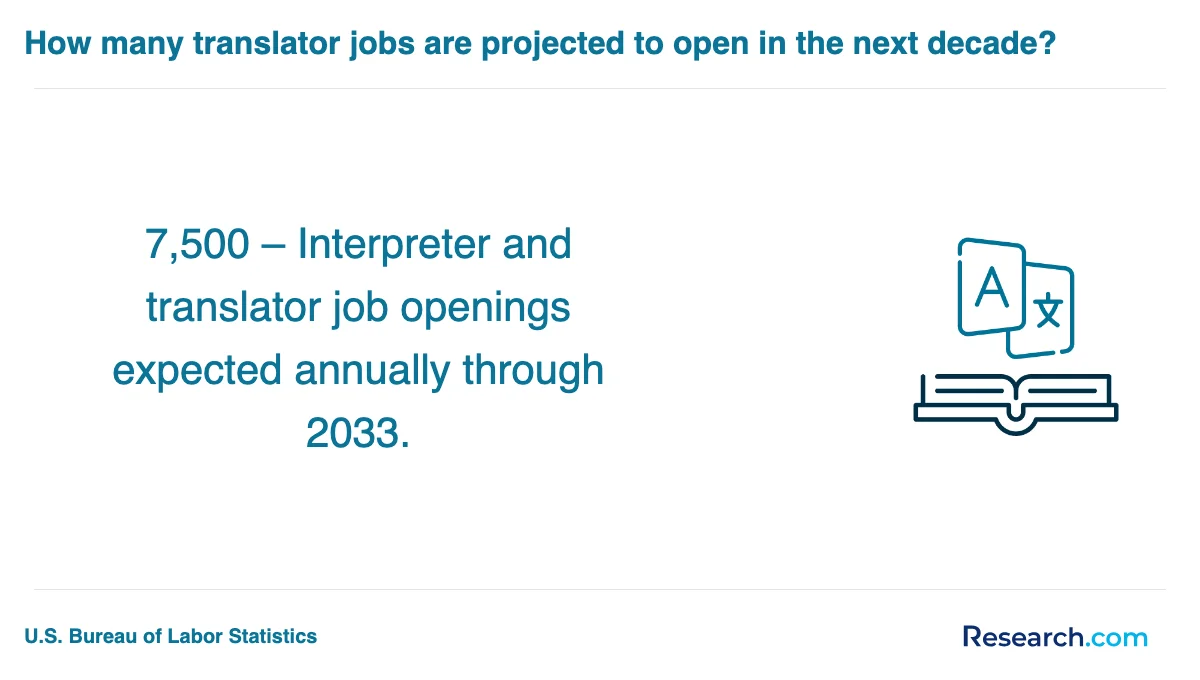
- Job growth for translators and interpreters is projected at 9% between 2024 and 2034, with New York median salaries around $76,200 annually.
- Many programs prepare students for the American Translators Association (ATA) Certification Exam to improve job prospects.
How long does it take to complete professional translator trade schools in New York?
Completing a professional translator trade school program in New York usually takes about six months to a year, depending on whether you study full-time or part-time. Many students appreciate the flexibility that local trade schools offer, allowing them to balance work or family commitments while progressing at their own pace. For instance, graduates from popular New York trade schools often mention how the hands-on classes and immersive language practice helped them stay motivated through an intensive but manageable schedule.
One graduate shared that attending evening classes made it possible to keep a day job, which eased financial stress and boosted confidence. Another found that the structured curriculum, packed into just a few months, made the learning feel focused and efficient-perfect for anyone eager to jump into the translation field quickly. Overall, these programs are designed to get you career-ready without dragging out your studies, which many busy New Yorkers find really encouraging.
What's the difference between online and on-campus professional translator trade school programs?
The key difference between online and on-campus professional translator trade school programs in New York comes down to how you experience learning. Online programs, like the MS in Translation and Interpreting at NYU, offer amazing flexibility. Graduates often say they loved being able to study whenever and wherever they wanted, fitting classes around busy work schedules or family life. The self-paced setup at City College of New York's online program lets students take their time-up to nine months-to dive deep without feeling rushed.
On the flip side, on-campus programs like Hunter College's Certificate in Translation and Interpretation Studies provide that hands-on vibe. Students get face-to-face time with instructors, which many find energizing and helpful for quick feedback. Being in a classroom with peers creates a sense of community, with lively discussions and group projects that make learning feel more social and interactive.
Both routes offer solid support, but online learners rely on digital advising and email, while on-campus students enjoy in-person help and campus resources. It really depends on whether you want the freedom of remote study or the buzz of a traditional classroom.
What is the average cost of professional translator trade schools in New York?
The average tuition fees for translator programs in New York can vary quite a bit depending on where you choose to study. For example, graduates from Binghamton University, a popular choice for language translation, often mention that the cost for their undergraduate program was around $20,703 for in-state students. This feels pretty reasonable compared to other options, especially when you consider the quality of education and practical skills gained.
On the other hand, if you're looking into graduate studies, the cost will be higher. NYU's Master of Science in Translation and Interpreting has an average tuition of about $36,892. Graduates often talk about budgeting for extra expenses like books and living costs, which can add up, but they also highlight the strong financial aid resources available, including scholarships and payment plans that help make the investment feel more manageable.
When deciding on the cost of professional translator diploma in New York, it helps to think about the real-world benefits too. Many former students have shared how their programs opened doors to promising careers and exciting opportunities in the translation field. If you're curious about which programs align best with your goals, it's useful to explore the best trade jobs to see where a professional translator diploma can take you in New York's job market. Check out best trade jobs for more insights.
What financial aid is available for professional translator trade schools in New York?
If you're diving into professional translator programs in New York, there's good news about financial aid. Many students at places like NYU's School of Professional Studies tap into federal student aid by filling out the FAFSA, which can unlock federal loans, Pell Grants, and work-study gigs. Graduates often share how these options made managing tuition way less stressful, especially since NYU also offers payment plans and accepts veterans' benefits.
For students in non-credit or certificate programs at community colleges like Westchester or City College of New York, federal aid is usually limited. But don't worry-some turn to workforce development boards or vocational rehab programs that help cover costs if you're retraining or picking up new skills after a job change. Plus, a few schools offer their own payment plans, which really lightened the load for many recent grads.
A cool bonus is the Charles M. Stern Autonomous Grant from the New York Circle of Translators. It's perfect for new translators who are members and helps with training and certifications. Many grads say this grant was a game-changer in funding their professional growth.
So, whether it's federal aid, school payment plans, or special grants, New York's translator students find plenty of ways to make their education doable and rewarding.
What are the prerequisites for enrolling in professional translator trade schools in New York?
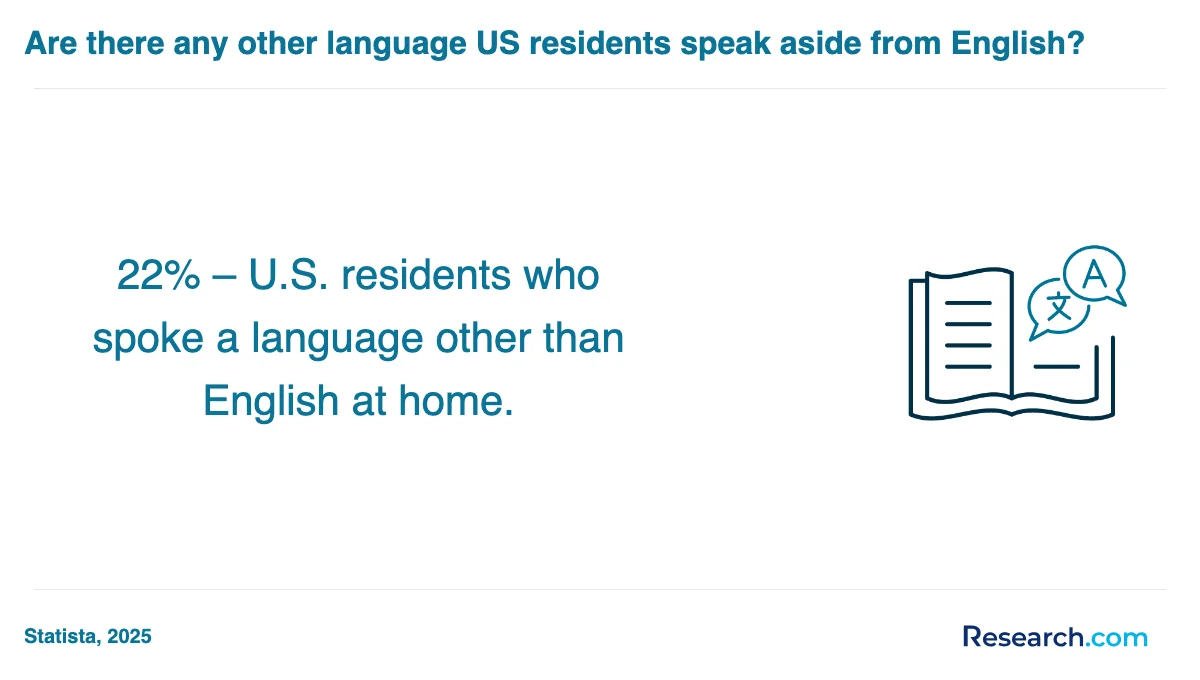
Getting into a professional translator trade school in New York usually means meeting a few straightforward prerequisites, making the process pretty approachable. Most schools want to see that you have a solid foundation in both English and at least one other language. For example, graduates often share how their fluency in Spanish, Mandarin, or French was key to acceptance at popular New York trade schools.
Here's what you can generally expect:
- A high school diploma or equivalent is typically required.
- Proof of language proficiency, sometimes through tests or prior coursework.
- A basic understanding of grammar and writing skills in both your source and target languages.
- Some programs might ask for letters of recommendation or a short essay explaining your passion for translation.
One graduate from a well-known New York trade school recalled how their personal love for languages and clear communication skills helped them breeze through the application process. They emphasized how the schools appreciate genuine enthusiasm and a willingness to learn, not just perfect credentials.
So if you're excited about languages and ready to dive into the world of translation, meeting these prerequisites is definitely manageable, especially in a city like New York that offers so many support resources for language learners.
What are the typical courses in professional translator trade schools in New York?
If you're diving into professional translator trade school programs in New York, expect a mix of core and elective courses designed to build strong skills from day one. Graduates often share how the introductory classes-like translation theory and practice, editing and revision, and interpreting principles-gave them a solid grasp on not just language, but culture and context, which really boosts confidence when tackling real projects.
As you move forward, you'll find specialized electives that match current market demands. Students love choosing from options like:
- Legal translation
- Medical translation
- Business translation
- Conference interpreting
In schools like those popular in New York, some grads mention how electives like literary translation or website localization helped them carve out unique career paths. Others got excited about tech-focused courses on computer-aided translation (CAT) tools and AI-powered translation software-skills that really make you stand out.
Hands-on projects are a highlight, too. Many programs require a capstone or thesis, where you team up with an adviser to work on a real translation or localization task, which feels like a real-world test run. It's a great way to build a portfolio and leave school feeling ready to jump into the translation industry.
What are the available specializations in professional translator trade schools in New York?
If you're diving into professional translation specializations in New York trade schools, you'll find a rich mix of options tailored to different career paths. Graduates often mention how programs like the Master of Science in Translation and Interpreting at NYU help them navigate the distinct worlds of translation (written texts) and interpreting (spoken language), which is key in a vibrant city like New York.
Many students focus on industry-specific tracks designed for fields like healthcare and legal services. For instance, LaGuardia Community College's Spanish-English Translation major is popular for those aiming to work in legal or medical translator programs in New York, sharpening skills in courtroom interpreting or medical document translation.
Language-specific tracks are also big. Hunter College, for example, offers specializations in languages crucial to New York's communities, such as Chinese, Russian, and Spanish. This helps graduates connect with immigrant populations and global businesses easily.
Some enjoy quick certificate programs at places like Adelphi University, which concentrate on Spanish, French, or Italian, combining translation techniques with cultural insights. Plus, electives in localization and technology-assisted translation keep students ready for the evolving job market.
It's a flexible journey, and many grads highlight how this diverse training prepares them to thrive. To see why these trades are rising, check out this list of trades in demand.
How do you choose the best professional translator trade school program in New York?
When choosing from the best translator programs in New York, focus on accreditation and hands-on experience. Many graduates from well-known New York colleges highlight how programs offering real-world translation projects made a huge difference in building their confidence. Look for schools with flexible schedules, especially if you're balancing work or family, since some of the top translation schools in New York provide evening or weekend classes. Location matters too-schools near major business hubs often offer strong networking and internship opportunities, which helped former students land jobs faster.
It also pays to check the curriculum to confirm it covers specialized areas like legal or medical translation if that's your interest. Some alumni mention how an online format helped them manage studies along with busy lives, so don't overlook hybrid or online options. For comparable programs, you might want to explore the top online construction trade programs as a point of reference for quality and flexibility.

What career paths are available for professional translator trade school graduates in New York?
Graduates of professional translator trade school programs in New York find themselves in a vibrant job market with plenty of exciting options. Many step into professional translator jobs in New York that involve legal translation, working with courts or law firms to handle important documents and ensure justice is accessible to everyone. Others find rewarding interpreter career opportunities New York hospitals and clinics, translating between doctors and patients who speak languages like Spanish and Mandarin, making a real impact on lives every day.
Graduate translators often take on roles in schools, helping families and students who are English language learners by providing both written translations and live interpreting. Freelance and remote work options have also expanded, with many enjoying the flexibility to work from anywhere while handling assignments for agencies or clients on a per-project basis.
Students from popular trade schools in the city share how gaining hands-on experience and strong networking connections helped them land jobs in specialties like healthcare and law, where certification and language skills truly set them apart. If you're curious about what these career paths look like in real life, check out what are the best trade schools to find the perfect program for you.
What is the job market for professional translator trade school graduates in New York?
The job market for professional translator trade school graduates in New York is lively yet competitive. Graduates from well-known trade schools often find opportunities in diverse sectors like healthcare, legal services, and education. Many grads share that landing their first gigs feels rewarding, especially when working with big institutions or local community groups.
What makes New York unique is the high demand for specific languages such as Spanish, Bengali, and Punjabi, which opens doors for translators fluent in these tongues. Freelance work is common and flexible, though some national language service providers don't hire New York-based interpreters for remote roles, meaning in-person and local jobs can be key.
Here's what graduates typically experience:
- Hourly rates ranging from $23 to $30.50 in areas like Queens, sometimes more for specialists
- Job listings posted regularly on major employment sites
- A variety of positions from full-time to part-time and freelance
Those who combine certifications and practical experience in settings like hospitals or courts often see better job prospects. If you're wondering why graduates often choose trade schools over longer paths, check out why is college better than trade school for insights into choosing the right education for your goals.
Overall, the translator job market in New York can be rewarding for those armed with the right skills and local credentials.
Frequently Asked Questions about professional translator
After completing a professional translator trade school in New York, preparing for the job market involves several strategic steps. Graduates should focus on building a strong portfolio showcasing a variety of translation projects, as employers often seek proven experience. Networking is crucial; joining organizations like the American Translators Association (ATA) can provide valuable industry connections and job leads.
Gaining certification is another important step. New York translators benefit from obtaining credentials such as the ATA certification, which can increase employability and salary potential. According to the U.S. Bureau of Labor Statistics, certified translators in metropolitan areas like New York earn a median annual wage above the national average.
Additionally, proficiency in industry-specific terminology-such as legal, medical, or technical language-can set candidates apart. Internships and freelance work also offer practical experience and client exposure, helping graduates transition smoothly into the workforce.
Employers in New York seeking professional translator trade school graduates prioritize strong bilingual proficiency, especially in languages commonly used in the region such as Spanish, Chinese, and Russian. According to the U.S. Bureau of Labor Statistics, clear and accurate communication skills are essential for success in translation roles.
Technical knowledge of translation software and tools also ranks highly, reflecting the growing demand for digital fluency in the industry. Cultural competence is another key skill, enabling translators to convey meaning beyond words, which employers often emphasize in job listings on platforms like the New York State Department of Labor.
Attention to detail and the ability to meet tight deadlines are critical, as translation work frequently supports legal, medical, and business sectors in New York City and beyond.
Finding internships in New York relevant to professional translator trade school programs requires a strategic approach. Start by contacting your school's career services, as many trade schools maintain relationships with local translation agencies and nonprofit organizations offering internships. According to the American Translators Association, New York hosts over 200 translation companies, increasing opportunities for practical experience.
Additionally, explore online job portals like Indeed and LinkedIn, filtering for internships in translation, localization, or interpretation within New York. Networking events hosted by professional bodies such as the New York Circle of Translators can also connect students with employers. Early applications and tailored resumes improve chances of securing positions in this competitive field.
Obtaining a professional translator trade school diploma in New York can significantly enhance career mobility and advancement opportunities. According to the U.S. Bureau of Labor Statistics, employment of translators and interpreters is projected to grow 20% from 2022 to 2032, much faster than average. A diploma from a recognized trade school provides practical skills and certifications that employers in New York's diverse linguistic market highly value.
Graduates often find improved access to roles in legal, medical, and business translation, sectors that demand certified expertise. Additionally, a diploma may increase earning potential, with median wages around $52,000 annually in New York City as per recent data from the New York State Department of Labor.
Furthermore, trade school programs often offer networking opportunities and internships, which are crucial for career advancement within New York's competitive language services industry.
Part-time job opportunities in New York that complement professional translator trade school education often include freelance translation, interpretation services, and transcription work. The city's diverse population and numerous international businesses create demand for translators fluent in languages such as Spanish, Chinese, and Russian. According to the U.S. Bureau of Labor Statistics, New York employs the highest number of translators and interpreters in the nation, with many working part-time or freelance.
Students can also find roles as language tutors or assistants in community centers, helping to improve language skills while gaining practical experience. Additionally, administrative positions in multilingual customer service departments offer relevant exposure to terminology and communication skills.
Yes, there are several reputable professional translator degree programs near New York offered by local universities and institutions. These programs often focus on linguistics, translation studies, or specific languages, and can be found by searching for educational offerings at both undergraduate and graduate levels near me. Utilizing resources like Research.com can help identify top-ranked programs and universities that provide these degrees near New York.
Related Professional Translator Rankings for Nearby States
- Best Translator Training Programs & Trade Schools - Top Translation Schools in New Jersey for 2026
- Best Translator Training Programs & Trade Schools - Top Translation Schools in Pennsylvania for 2026
- Best Translator Training Programs & Trade Schools - Top Translation Schools in Massachusetts for 2026
- Best Translator Training Programs & Trade Schools - Top Translation Schools in Ohio for 2026
- Best Translator Training Programs & Trade Schools - Top Translation Schools in North Carolina for 2026
- Best Translator Training Programs & Trade Schools - Top Translation Schools in Michigan for 2026
- Best Translator Training Programs & Trade Schools - Top Translation Schools in Georgia for 2026
- Best Translator Training Programs & Trade Schools - Top Translation Schools in Missouri for 2026
- Best Translator Training Programs & Trade Schools - Top Translation Schools in Wisconsin for 2026
- Best Translator Training Programs & Trade Schools - Top Translation Schools in Minnesota for 2026
Top Trending Rankings
References
- Top 10 U.S. Translation Schools | ALTA Language Services https://altalang.com/beyond-words/top-10-us-translation-schools/
- Program Details: Translation and Interpretation | Middlebury Institute of International Studies at Monterey https://www.middlebury.edu/institute/academics/degree-programs/translation-interpretation/program-details
- Translation Studies Certificate | Become an Interpretor https://www.adelphi.edu/program/undergraduate/translation-studies/
- MATI Courses | Hunter College https://hunter.cuny.edu/master-of-arts-program-in-translation-and-interpreting/courses/
- Learn A Trade - SUNY https://www.suny.edu/trades/
- Certificate in Translation and Interpreting https://span-port.rutgers.edu/translation-and-interpreting/programs/certificate
- Professional Interpreter - Department for Lifelong Learning https://wagner.edu/lifelong-learning/professional-interpreter/
- About Translation Internships | Institute of Translation and Interpreting https://www.iti.org.uk/starting-out/internships.html
- Remote translation internships | The Intern Group https://theinterngroup.com/featured-roles/remote-language-and-translation-internships/
- Languages and Translation Internships Abroad or Remote – Career Resource Center | Clovis Community College https://career.cloviscollege.edu/jobs/the-intern-group-languages-and-translation-internships-abroad-or-remote/


