
Most Affordable Translator Schools & Training - Budget-Friendly Translation Trade Programs in West for 2026

Co-Founder and Chief Data Scientist
Choosing the right professional translator trade school in the West can shape your future career and open doors to exciting opportunities. This article presents a ranking of top translator trade school programs, developed by the Research.com team of data scientists to support you in making a well-informed decision.
By exploring these programs, you’ll discover affordable options that provide valuable skills and certifications. Earning a diploma can boost your confidence and help you stand out in the competitive job market. Let this guide inspire you on your path to success.
Key benefits of finishing professional translator trade school in West
- Graduates from professional translator trade schools in the West can expect starting salaries around $50,000 to $70,000 annually, with opportunities to earn more through specialization and certifications.
- Career paths include hospital translation, legal and medical specialties, and freelance work, as shown by successful alumni from well-known Western trade schools who thrive in diverse, rewarding roles.
- Completing a trade school program online offers flexibility and faster entry into the workforce, helping graduates balance learning with life, as experienced by many online students at popular Western translator schools.
What can I expect from professional translator trade schools in West?
Students in professional translator trade school programs in the West can expect hands-on training that blends both written and spoken language skills. Graduates often recall practicing real-world tasks like translating medical documents or interpreting legal consultations, which builds confidence before entering the workforce. Many programs offer flexible, online, and self-paced options, making it easier for working adults to balance study with other commitments.
Expect to learn how to avoid common pitfalls such as false cognates and awkward phrasing, especially when working between English and Spanish. Specialization tracks-like business or legal translation-are common in well-known West Coast trade schools, helping students target specific career paths. Practical exercises, including mock interpreting sessions and cultural localization projects, prepare students for real job environments.
Certification preparation is a key feature, with many graduates successfully passing exams like the American Translators Association (ATA) test. Internships and industry connections provided by these programs often lead to valuable job opportunities, making the learning experience both practical and motivating for future translators in the West.
Where can I work after finishing professional translator trade schools in West?
Graduates from professional translator trade schools in the West often find diverse job opportunities that match their skills and interests. Many work as freelance translators or interpreters, enjoying the flexibility to choose projects like medical document translation or live interpretation at conferences. For example, graduates from well-known West Coast trade schools share how freelancing lets them balance family life while earning competitive pay.
Healthcare facilities and court systems in the region frequently hire medical and court-certified interpreters to bridge language gaps during appointments and trials. Graduates often describe the rewarding experience of helping patients or defendants communicate clearly and confidently in critical moments.
Remote work is another growing path, where translators handle audio or video interpretation for legal and business clients from home. Many graduates appreciate this option for its convenience and steady income, with pay rates ranging from $21 to $64 hourly based on expertise.
Government agencies and large organizations also recruit skilled translators for specialized roles, offering stability and career growth. Overall, trade school graduates in the West enter a vibrant job market with multiple pathways to build meaningful, well-paid careers.
How much can I make after finishing professional translator trade schools in West?
After finishing a professional translator trade school program in the West, graduates typically earn salaries near the national average for interpreters and translators. Many find themselves earning around $59,440 annually, which breaks down to about $28.58 per hour, according to recent U.S. labor statistics. This aligns well with the experiences of graduates from well-known trade schools in the region, who often start their careers earning between $44,000 and $57,500 per year.
For example, graduates working in medical or legal translation fields report feeling confident about their value, often commanding higher rates of $30 to $60 per hour or $0.20 to $0.40 per word. This boost usually comes after earning additional certifications or gaining experience. Entry-level translators who studied at popular West Coast trade schools appreciate the practical skills that help them secure competitive positions quickly.
Geographic location in the West generally won't limit your earning potential, as demand for language services remains strong. Graduates consistently share positive feedback about their rewarding career paths and steady income growth after completing these practical trade programs.
Most Affordable Translator Schools & Training - Budget-Friendly Translation Trade Programs in West for 2026
# 1 position
Santa Ana College - Language Interpretation and Translation.
associateSanta Ana College offers a hybrid Language Interpretation and Translation program preparing students to become professional interpreters and translators. The curriculum includes intensive foreign language instruction and training in various interpretation and translation techniques, including simultaneous and business translation. The program is accredited by the Western Association of Schools and Colleges Accrediting Commission for Community and Junior Colleges. Annual in-state tuition is $1,180.
# 2 position
Santa Ana College - Language Interpretation and Translation.
certificate or diplomaSanta Ana College offers a hybrid Language Interpretation and Translation program focused on training professional interpreters and translators. The curriculum includes intensive language instruction and covers various interpretation and translation techniques, including simultaneous and business translation. The program’s annual in-state tuition is $1,180. It is accredited by the Western Association of Schools and Colleges Accrediting Commission for Community and Junior Colleges.
# 3 position
Southwestern College - Language Interpretation and Translation.
certificate or diplomaSouthwestern College offers a hybrid Language Interpretation and Translation program designed to train professional interpreters and translators for multiple languages, including English and Canadian French. The curriculum covers diverse interpretation methods and translation types, such as simultaneous, business, and literary translation. The program is accredited by the Western Association of Schools and Colleges Accrediting Commission for Community and Junior Colleges. Annual in-state tuition is $1,344.
# 4 position
Riverside City College - Language Interpretation and Translation.
associateRiverside City College offers a hybrid Language Interpretation and Translation program that trains students to become professional interpreters and translators. The program includes intensive foreign language instruction and covers various interpretation techniques and translation types, including business and technical translation. Tuition for in-state students is $1,420 annually. The program is accredited by the Western Association of Schools and Colleges Accrediting Commission for Community and Junior Colleges.
# 5 position
Moreno Valley College - Language Interpretation and Translation.
associateMoreno Valley College offers a hybrid Language Interpretation and Translation program designed to prepare students for professional roles in interpreting and translating documents and data files between English, Canadian French, and other languages. The curriculum includes intensive foreign language instruction and specialized training in various interpretation and translation methods, such as simultaneous and business translation. The program is accredited by the Western Association of Schools and Colleges Accrediting Commission for Community and Junior Colleges. Annual in-state tuition is $1,420.
# 6 position
Moreno Valley College - Language Interpretation and Translation.
certificate or diplomaMoreno Valley College offers a hybrid Language Interpretation and Translation program preparing students to become professional interpreters and translators. The curriculum includes intensive foreign language instruction and specialized courses in various interpretation and translation techniques, including literary, business, and technical applications. The program is accredited by the Western Association of Schools and Colleges Accrediting Commission for Community and Junior Colleges. Annual in-state tuition is $1,420.
# 7 position
Santa Rosa Junior College - Language Interpretation and Translation.
associateSanta Rosa Junior College offers a hybrid Language Interpretation and Translation program preparing students to become professional interpreters and translators for documents and data files in English, Canadian French, or other languages. The curriculum includes intensive language instruction and specialized courses in various interpretation and translation methods. The annual in-state tuition is $1,318. The program is accredited by the Western Association of Schools and Colleges Accrediting Commission for Community and Junior Colleges.
# 8 position
Santa Rosa Junior College - Language Interpretation and Translation.
certificate or diplomaSanta Rosa Junior College offers a hybrid Language Interpretation and Translation program preparing students to become professional interpreters and translators. The curriculum includes intensive foreign language instruction and courses in various interpretation techniques, literary and business translation, and technical translation. The program's annual in-state tuition is $1,318. It is accredited by the Western Association of Schools and Colleges Accrediting Commission for Community and Junior Colleges.
# 9 position
De Anza College - Language Interpretation and Translation.
certificate or diplomaDe Anza College offers a Language Interpretation and Translation program preparing students to become professional interpreters and translators. The curriculum includes intensive training in foreign languages and specialized subjects such as simultaneous and business interpretation, literary and technical translation. The program is accredited by the Western Association of Schools and Colleges Accrediting Commission for Community and Junior Colleges. Annual in-state tuition is $1,562.
# 10 position
Great Basin College - Language Interpretation and Translation.
certificate or diplomaGreat Basin College offers a hybrid Language Interpretation and Translation program preparing students to become professional interpreters and translators. The curriculum covers intensive foreign language instruction and specialized topics such as simultaneous interpretation, literary and business translation, and technical translation. The program is accredited by the Northwest Commission on Colleges and Universities. Annual in-state tuition is $3,855, providing accessible education with some distance-education options.
Key Findings
- Professional translator trade school programs in the Western US focus on practical skills for translating and interpreting, mainly between English and Spanish.
- Most programs can be completed in under a year, with some like the University of the Pacific offering fully online, nine-month courses.
- Tuition for online non-credit certificate programs typically ranges from $1,000 to $2,500, but many do not qualify for federal financial aid.
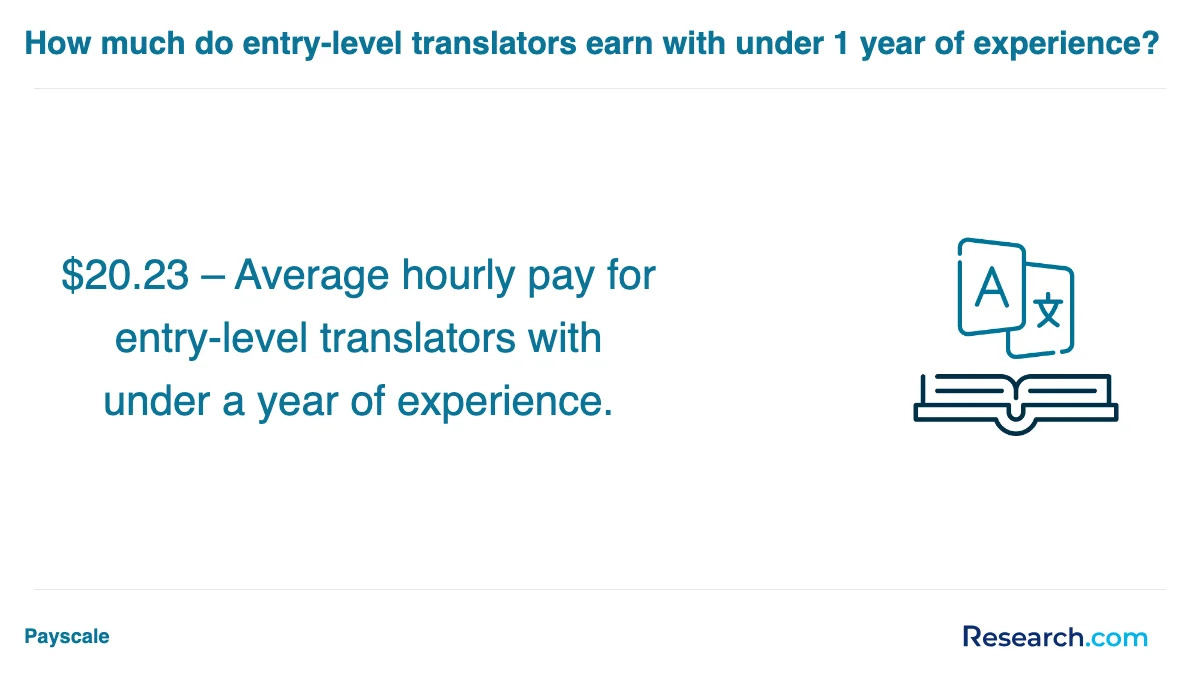
- Entry-level translator jobs in the region start at about $20 per hour, with higher pay possible through experience and certification.
- Career growth often requires ongoing training and professional certification, such as the American Translators Association credential.
How long does it take to complete professional translator trade schools in West?
Completing a professional translator trade school program in the West typically takes between 9 months to 1 year, depending on whether you attend full-time or part-time. Many graduates from popular trade schools find that an intensive full-time schedule helps them quickly acquire essential skills, allowing them to enter the workforce sooner with confidence.
For instance, students often share how immersive classroom experiences paired with real-world translation projects create a practical learning environment that keeps motivation high. Trade schools in the West commonly offer evening or weekend classes, catering to those balancing work or family, extending completion times but providing flexibility.
Graduates frequently mention the satisfaction of seeing their language proficiency improve dramatically within months, empowering them to take on freelance jobs or internships shortly after finishing the program. This hands-on approach makes the timeline feel manageable and rewarding, especially for those eager to start a career in translation without years of delay.
What's the difference between online and on-campus professional translator trade school programs?
Online professional translator trade school programs in the Western US offer unmatched flexibility, letting students study anytime from anywhere. Graduates often appreciate how programs like the University of Arizona's Spanish/English Translation Certificate fit smoothly into busy lives, especially for those balancing work or family. The self-paced approach allows learners to progress comfortably without strict deadlines, supported by email and forum interactions, though real-time engagement is limited.
In contrast, on-campus programs such as Houston Community College's Translation & Interpretation course provide immersive, hands-on experiences. Students benefit from direct interaction with instructors and peers, gaining practical skills through live interpreting practice and access to campus resources like language labs and career services. Graduates frequently highlight the energized classroom atmosphere that builds confidence and networking opportunities.
Both paths lead to recognized credentials, so choosing depends on your schedule, learning style, and how you prefer to connect with instructors and classmates during your translator training.
What is the average cost of professional translator trade schools in West?
The average cost professional translator trade school program West varies significantly depending on the type of institution and residency status. Graduate students at well-known programs like the Middlebury Institute of International Studies at Monterey in California often face tuition fees around $47,026, reflecting a substantial investment but one that many graduates describe as empowering them with valuable skills and connections. On the other hand, undergraduate programs provide more accessible options. For example, community colleges such as Pima Community College in Arizona offer much lower tuition fees, approximately $7,686 for out-of-state students, creating an affordable starting point for aspiring translators in the Western United States.
Graduates frequently share how these programs balance cost with quality education, especially noting that tuition fees professional translator programs Western United States also come with additional expenses. Books and supplies average $2,255, and living costs for off-campus students can reach $21,831, factors students consider when budgeting for their education. Many find that researching trade schools in their state to maximize in-state residency benefits provides significant savings and aligns well with their financial realities.
Students who have successfully navigated these financial considerations often recommend exploring federal aid, scholarships, and part-time work opportunities. Additionally, those interested in easy trades to learn that pay well may find translation programs to be a rewarding path, providing both professional growth and financial viability in the West.
What financial aid is available for professional translator trade schools in West?
Students pursuing professional translator trade school programs in the West often rely on federal student aid as their primary financial resource. For example, graduates from Century College's translation program share how submitting the FAFSA each year unlocked access to grants, loans, and work-study opportunities that made their education affordable. This federal aid is widely available at accredited community and technical colleges throughout the region, helping students manage tuition costs without overwhelming debt.
Beyond federal aid, many students tap into scholarships tailored specifically for language and translation fields. Scholarships like the $2,500 JTG Scholarship in Scientific and Technical Translation or the $500 Voices of Tomorrow Scholarship have empowered learners to focus more on their studies and less on financial worries. Graduates often highlight how these targeted awards boosted their confidence and motivation during tough semesters.
For those enrolled in certificate or non-credit programs that don't qualify for federal aid, institutional financing and partnerships with state workforce boards offer vital alternatives. Checking with each trade school's financial aid office ensures students can explore all available options and start their careers equipped and supported.
What are the prerequisites for enrolling in professional translator trade schools in West?
To enroll in a professional translator trade school program in the West, most schools require applicants to meet a few key prerequisites that ensure readiness and success. Graduates often recall how meeting these requirements helped them feel confident and prepared from day one.
Typical prerequisites include:
- A high school diploma or GED, which establishes a basic educational foundation.
- Proficiency in at least two languages, demonstrated through language tests or prior coursework.
- Strong communication skills, both written and verbal, often assessed via an entrance interview or writing sample.
- Basic computer literacy, as many programs use translation software and online resources.
For example, students attending well-known trade schools in the West have shared how passing a language proficiency exam before starting helped them gauge their current skill level and focus on areas needing improvement. This practical approach makes the learning journey smoother and more rewarding.
Many also mention the value of showing genuine passion in their application process, which these schools appreciate as it reflects commitment to the demanding yet fulfilling career of professional translation.
What are the typical courses in professional translator trade schools in West?
Professional translator trade school programs in the Western US focus on practical courses that build strong language and translation skills. Graduates often highlight core classes in principles of translation, where they master grammar nuances and avoid common errors like false cognates. This foundation helps students confidently handle real-world translation tasks.
Many programs offer advanced modules that dive into complex challenges such as:
- Lexical equivalence and context analysis
- Expressive and attitudinal meaning
- Translating literary style and educational terminology
Students appreciate courses on cross-cultural differences, which prepare them to navigate regional dialects and cultural nuances-essential when working with diverse communities in the West.
Hands-on training with translation technology-including machine-assisted tools-is common, helping students balance speed with accuracy. Interactive exercises simulate real translation projects, allowing learners to gain confidence before entering the workforce.
Graduates from popular Western trade schools often praise flexible, self-paced online options, typically lasting around nine months, fitting busy schedules while delivering career-ready skills.
What are the available specializations in professional translator trade schools in West?
Professional translator trade school programs in the Western US commonly offer specializations tailored to meet the region's expanding multicultural landscape and industry demands. Many graduates find success by focusing on medical and legal translation courses West, equipping them with essential skills to handle patient records, court documents, and official contracts. For instance, programs at institutions like the University of Arizona provide targeted training that helps students confidently work in healthcare and legal environments.
Other popular translator specialization programs in Western US include:
- Business and technical translation, which prepares students to manage corporate communications and detailed technical manuals.
- Literary translation, ideal for those passionate about novels and poetry, nurturing creative language skills.
- Localization and audiovisual translation, offering practical experience in subtitling and website localization for the booming multimedia industry.
- Signed language interpreting, expanding opportunities beyond spoken languages in programs such as Western Oregon University's.
Graduates often share that hands-on courses and industry-focused training make it easier to transition into rewarding careers. Exploring what trades are in high demand can also provide insight into why investing in these specializations is a smart career move across the West.
How do you choose the best professional translator trade school program in West?
When selecting one of the best professional translator programs in Western United States, accreditation and faculty expertise are vital. Graduates from well-known colleges in the West often share how experienced instructors with real-world translation backgrounds helped them gain confidence and practical skills necessary for success. It's important to review the curriculum carefully, ensuring it includes specializations like medical or legal translation if those fields interest you. Many students appreciate programs that offer flexibility with part-time or online options to balance studies with personal commitments.
Affordability also plays a key role in choosing affordable translator trade schools in Western US. Financial aid options, scholarships, and flexible payment plans can ease the burden, as several graduates have highlighted their value in making quality education accessible. Location matters too-proximity to translation agencies encourages internships, and access to modern language labs enhances learning. Exploring reviews and experiences from alumni can provide a relatable perspective on everyday student life. For more insights on what programs to consider, visit what are the best trade school programs.

What career paths are available for professional translator trade school graduates in West?
Graduates of professional translator trade school programs in Western states find diverse translator career opportunities in Western states across multiple industries. Many step into roles as technical translators, working with specialized documents in engineering or science, while others pursue literary translation, enriching creative texts with new cultural perspectives. Some graduates from well-known West Coast trade schools share how they thrive as medical translators, helping patients navigate healthcare systems by accurately interpreting complex medical terms and consent forms.
Interpreter jobs for trade school graduates in the West also include court interpreting and positions within government agencies, where certification often boosts credibility and employability. Localization specialists in thriving cities like San Francisco adapt digital content to fit cultural nuances, creating exciting, dynamic careers. Experienced graduates highlight opportunities as project managers or terminologists, roles that demand precision and leadership.
Common career paths include:
- Technical and literary translation
- Medical and healthcare interpretation
- Legal and government translation
- Localization and digital content adaptation
- Project management and terminology control
Whether freelancing or joining in-house teams, graduates appreciate the vibrant job market's variety and growth. For current students exploring options, examining careers in trade school reveals inspiring success stories and practical pathways to fulfilling employment.
What is the job market for professional translator trade school graduates in West?
The professional translator job outlook in Western states is steady, with graduates from local trade schools finding meaningful opportunities across diverse sectors. States like California, Washington, and Colorado lead with the highest demand due to vibrant multicultural communities and extensive international business ties. Graduates often share their positive experiences about job flexibility, such as combining part-time or freelance work in schools, hospitals, or government agencies.
Translator employment opportunities in the West typically arise from ongoing turnover rather than explosive growth, meaning consistent openings for those fluent in high-demand languages like Spanish or Chinese. Practical training from trade schools popular in the region equips students with skills in specialized areas - legal, medical, or technical translation - which employers highly value. Graduates have reported entering the workforce faster thanks to hands-on programs and industry connections.
Many students benefit from exploring which community college is the best for their goals, ensuring they select programs that emphasize real-world experience and language fluency, key for standing out in this competitive yet rewarding field.
Frequently Asked Questions about professional translator
After completing a professional translator trade school in the West, graduates should focus on building practical experience and expanding their professional network. Internships and volunteer translation projects can provide valuable real-world practice, which employers highly value. According to the U.S. Bureau of Labor Statistics, the demand for translators in the western states is expected to grow by 20% through 2030, highlighting strong job prospects.
Certification is another important step; obtaining credentials like the American Translators Association (ATA) certification can increase credibility and job opportunities. Additionally, creating a professional portfolio showcasing diverse translation work helps demonstrate skills to potential employers. Networking through local language and translation associations in the West can open doors to freelance and full-time positions.
Employers in the West highly value professional translator trade school graduates who demonstrate strong linguistic proficiency in both source and target languages. Mastery of grammar, vocabulary, and cultural nuances is essential for accurate translations. According to the American Translators Association, attention to detail and excellent research skills are also critical, as translators must verify specialized terminology.
Technical aptitude with translation software, such as CAT tools, is increasingly sought after, reflecting industry trends highlighted by the U.S. Bureau of Labor Statistics. Additionally, effective communication and time management skills enhance a graduate's ability to meet client deadlines consistently.
Understanding regional dialects and legal or medical terminology specific to the West can further improve employability in this competitive field.
Finding internships relevant to professional translator trade school programs in the West involves proactive research and networking. Many schools have partnerships with local businesses, government agencies, and nonprofit organizations that need translation services, offering valuable hands-on experience. According to the U.S. Bureau of Labor Statistics, internships improve job prospects by 15% for language professionals.
Students should consult their school's career services and attend job fairs focused on language and translation fields. Online platforms like the American Translators Association's job board also list internship opportunities specifically in Western states.
Additionally, building connections through local chapters of professional translator associations can open doors to internships and mentorships.
In West, earning a diploma from a professional translator trade school significantly enhances career mobility and advancement opportunities. According to the U.S. Bureau of Labor Statistics, employment of interpreters and translators is projected to grow 24% from 2022 to 2032, much faster than the average for all occupations. A diploma demonstrates specialized skills, improving job prospects in sectors like healthcare, legal, and government services.
Trade school programs focus on practical language proficiency and certification preparation, which employers highly value. Graduates often qualify for higher starting salaries, with median wages around $52,000 annually in California, a key state in West.
Furthermore, diploma holders can access networking resources and internships that facilitate entry into competitive roles, supporting upward social and economic mobility.
Students enrolled in professional translator trade schools in West can benefit from various part-time job opportunities that complement their education. Common roles include freelance translation, where students work on documents or audio files in languages they are studying. This helps build practical skills and a professional portfolio.
Internships with local government agencies, courts, or hospitals often offer part-time positions focused on interpretation and translation services. According to the U.S. Bureau of Labor Statistics, the demand for interpreters and translators in the Western states is expected to grow by 24% through 2031, making such roles valuable for real-world experience.
Additionally, tutoring language learners or assisting in bilingual customer service roles can reinforce language proficiency while earning income. These experiences provide critical exposure to varied dialects and cultural contexts relevant to professional translators.
Yes, there are affordable Professional Translator degree programs available both near you and near West locations. These programs are hosted by various universities and institutions, offering a range of courses designed to prepare students for careers in translation across different languages. For more detailed information on specific programs and institutions, Research.com can be a valuable resource to explore options based on your location preferences.
Top Trending Rankings
References
- Online Professional Translator from Wake Technical Community College https://onlinecareertraining.waketech.edu/training-programs/professional-translator/
- Online Professional Translator Training - Loyola Marymount University https://academics.lmu.edu/extension/programs/in-demand-industries/professional-translator/
- Professional Translator | University of the Pacific https://www.pacific.edu/education/professional-development/certificate-programs/professional-translator
- Online Professional Translator from City College of New York https://careertraining.ccny.cuny.edu/training-programs/professional-translator/
- Translation | Continuing and Professional Education https://ce.arizona.edu/translation
- Translation | School of Continuing Studies - University of Toronto https://learn.utoronto.ca/translation
- Translation and Interpreting Courses - American Translators Association (ATA) https://www.atanet.org/career-education/student-resources/translation-interpreting-courses/
- Online Certificate in Professional Translation & Interpreting : Languages, Literatures, and Cultures : UMass Amherst https://www.umass.edu/languages-literatures-cultures/academics/online-certificate-professional-translation-interpreting
- Professional Translator in Education (Spanish) Certificate at UGA https://www.georgiacenter.uga.edu/professional-programs/professional-translator-in-education/
- How to become a translator in Poland - Aploq Localization Agency https://aploqtranslations.com/how-to-become-a-translator-in-poland/


