
Best Translator Training Programs & Trade Schools - Top Translation Schools in Midwest for 2026

Co-Founder and Chief Data Scientist
Choosing the right professional translator trade school in the Midwest can shape your future career and open doors to exciting opportunities. This article introduces a carefully crafted ranking of translator trade school programs developed by the Research.com team of data scientists. It aims to guide you in making an informed decision based on reliable data and expert analysis.
Whether you seek a diploma or certification, investing in your translation skills can lead to rewarding work and personal growth. Discover which programs stand out and find the perfect fit for your goals.
Key benefits of finishing professional translator trade school in Midwest
- Graduates from professional translator trade schools in the Midwest can expect starting salaries around $18 to $27 per hour, with experienced translators earning up to $60 per hour in specialized fields.
- Career paths include working in hospitals, courts, schools, or as freelancers, offering graduates a variety of rewarding opportunities to use their skills in real-world settings.
- Completing an online translator trade school offers flexibility and faster completion times, allowing students to balance work and study while gaining practical skills that employers value.
What can I expect from professional translator trade schools in Midwest?
Enrolling in a professional translator trade school program in the Midwest means preparing for a dynamic blend of in-person, hybrid, and online learning formats tailored to fit diverse schedules. Graduates often reflect on the balance between intensive coursework and practical experiences, such as completing 50 to 100 hours of supervised practicum, which solidifies real-world skills.
Students can expect to develop expertise in consecutive and simultaneous interpreting, translation techniques, and ethical standards, all essential for success in settings like hospitals and courts. For example, a graduate from a well-known Midwest trade school shared how focused training in legal interpreting transformed their confidence during courtroom assignments.
Language fluency assessments are a staple, ensuring readiness for professional demands, and many programs guide students toward national certification exams like those from the American Translators Association. This rigorous preparation boosts employability and earning potential, with starting wages around $20 per hour.
Overall, the experience is both challenging and rewarding, offering bilingual students a clear pathway to meaningful careers in translation and interpreting across the Midwest.
Where can I work after finishing professional translator trade schools in Midwest?
Graduates from professional translator trade schools in the Midwest find a variety of rewarding career paths across multiple sectors. Many secure positions with language service companies, hospitals, schools, courts, and government agencies, reflecting the region's diverse linguistic needs. For instance, graduates often share how working in medical settings-such as hospitals in Illinois or Indiana-allows them to apply specialized training like the Bridging the Gap interpreter program, helping patients navigate complex healthcare environments with confidence and empathy.
Others describe fulfilling roles in public schools and districts in states like Minnesota, where they support students with limited English or those who are deaf, often translating languages like Somali or providing American Sign Language interpretation. Freelance work also appeals to many graduates, offering the flexibility to handle legal, technical, or community projects remotely or on-site through agencies like those in Michigan.
These real-world experiences highlight how Midwest trade school graduates enjoy meaningful work that not only leverages their skills but also enriches the communities they serve.
How much can I make after finishing professional translator trade schools in Midwest?
Graduates of professional translator trade school programs in the Midwest often find themselves starting with salaries between $40,000 and $55,000 annually. For example, a recent graduate from a well-known trade school in Illinois shared that their first job offer was around $42,000, which felt encouraging given the competitive job market. Another graduate from a Michigan-based program reported earning closer to $50,000 in Ann Arbor, reflecting the higher pay range typical in that area.
These numbers align with regional data showing the average translator salary in Illinois is about $55,429 per year, or roughly $26.65 per hour. Entry-level translators who recently finished trade school usually fall on the lower end of this scale, but those with strong language skills and internship experience tend to secure jobs at the mid to upper range.
While the pay might seem modest initially, many graduates feel motivated by the clear potential for growth, especially if they pursue specialization or certification. The hands-on training from Midwest trade schools equips them to confidently enter the workforce and build their careers step by step.
Best Translator Training Programs & Trade Schools - Top Translation Schools in Midwest for 2026
# 1 position
Century College - Language Interpretation and Translation.
associateCentury College offers a Language Interpretation and Translation program with a hybrid format, including some distance-education options. The curriculum provides intensive training in multiple languages, interpretation techniques, and various translation methods for business, technical, and literary purposes. Annual in-state tuition is $6,182. The program is accredited by the Higher Learning Commission and prepares students for professional roles in interpreting and translating documents and data files between English, Canadian French, and other languages.
# 2 position
Metropolitan Community College Area - Language Interpretation and Translation.
certificate or diplomaThe Language Interpretation and Translation program at Metropolitan Community College Area offers a hybrid learning format with some distance-education options. The program prepares students to become professional interpreters and translators, focusing on English and Canadian French language skills. It includes intensive language instruction and covers various interpretation and translation techniques for business, technical, and literary contexts. Annual in-state tuition is $3,285. The program is accredited by the Higher Learning Commission.
# 3 position
Metropolitan Community College-Kansas City - Language Interpretation and Translation.
certificate or diplomaThe Language Interpretation and Translation program at Metropolitan Community College-Kansas City offers hybrid learning options. It prepares students to become professional interpreters and translators of documents and data files between English, Canadian French, and other languages. The curriculum includes intensive foreign language instruction and specialized courses such as simultaneous interpretation, literary and business translation, and technical translation. The program is accredited by the Higher Learning Commission, with an annual in-state tuition of $3,630.
# 4 position
Waukesha County Technical College - Language Interpretation and Translation.
certificate or diplomaWaukesha County Technical College offers a hybrid Language Interpretation and Translation program that trains students to become professional interpreters and translators. The curriculum includes intensive foreign language instruction and covers various interpretation methods and translation types, including business and technical translation. The program’s annual in-state tuition is $4,720. It is accredited by the Higher Learning Commission.
# 5 position
Waubonsee Community College - Language Interpretation and Translation.
certificate or diplomaWaubonsee Community College offers a hybrid Language Interpretation and Translation program designed to prepare students as professional interpreters and translators. The curriculum includes intensive foreign language instruction and covers various interpretation and translation techniques, including simultaneous and business translation. The program’s annual in-state tuition is $3,432. It is accredited by the Higher Learning Commission, ensuring a recognized standard of quality education.
# 6 position
Century College - Language Interpretation and Translation.
certificate or diplomaCentury College offers a Language Interpretation and Translation program with a hybrid format that includes some distance education options. The program prepares students to become professional interpreters and translators, covering foreign languages, simultaneous interpretation, and various translation types, including business and technical. Annual in-state tuition is $6,182. The program is accredited by the Higher Learning Commission.
# 7 position
Lake Region State College - Language Interpretation and Translation.
certificate or diplomaLake Region State College offers a hybrid Language Interpretation and Translation program preparing students to become professional interpreters and translators. The curriculum includes intensive foreign language instruction and courses in various interpretation and translation techniques, including business and technical applications. The program’s annual in-state tuition is $5,478. It is accredited by the Higher Learning Commission and provides some distance-education options for flexibility.
# 8 position
Milwaukee Area Technical College - Language Interpretation and Translation.
certificate or diplomaMilwaukee Area Technical College offers a hybrid Language Interpretation and Translation program designed to prepare students as professional interpreters and translators. The curriculum covers intensive foreign language instruction and various interpretation and translation techniques, including simultaneous, business, and technical translation. The program’s annual in-state tuition is $5,017. It is accredited by the Higher Learning Commission and includes training in both English and Canadian French language applications.
# 9 position
Johnson County Community College - Language Interpretation and Translation.
certificate or diplomaJohnson County Community College offers a hybrid Language Interpretation and Translation program designed to prepare students as professional interpreters and translators between English, Canadian French, and other languages. The curriculum covers various interpretation methods and types of translation, including business and technical applications. Annual in-state tuition is $2,328. The program is accredited by the Higher Learning Commission and includes intensive language instruction alongside specialized translation skills.
# 10 position
Missouri Southern State University - Language Interpretation and Translation.
certificate or diplomaMissouri Southern State University offers a hybrid program in Language Interpretation and Translation that prepares students to become professional interpreters and translators. The curriculum includes intensive language instruction and training in various interpretation and translation techniques, covering business, technical, and literary fields. The program is accredited by the Higher Learning Commission. Annual in-state tuition is $8,400, providing a flexible option with some distance education available.
Key Findings
- Professional translator programs in the Midwest are offered as certificates, diplomas, or associate degrees, with associate degrees typically taking about 24 months to complete.
- The cost of a two-year associate degree program is around $10,240 plus additional fees, while shorter certificate programs usually cost less.
- Applicants must demonstrate proficiency in English and another language, often requiring at least two years of university-level study in each language.
- Graduates can expect entry-level pay of about $20 per hour, with higher salaries available for specialized fields like legal or medical interpreting.
- Most programs include 50 to 100 hours of internships or practicums to provide real-world experience and prepare students for certification exams.
How long does it take to complete professional translator trade schools in Midwest?
Completing a professional translator trade school program in the Midwest typically takes about 12 to 18 months, depending on the intensity and structure of the course. Many students from well-known Midwest trade schools share that the accelerated nature of these programs allows them to quickly gain practical skills without sacrificing depth of learning. For example, graduates often describe a schedule filled with immersive language labs and real-world translation projects that keep motivation high and progress steady.
Unlike traditional four-year degrees, these trade programs focus on hands-on training, which means students spend less time in theoretical classes and more time practicing translation in scenarios like business meetings or legal document reviews. This approach helps students feel confident and ready to enter the workforce sooner.
One graduate from a popular Midwest trade school mentioned how completing the program in just over a year enabled a swift career change, sparking enthusiasm and a sense of accomplishment. The manageable timeline fits well with the busy lifestyles of many Midwest learners balancing work and family.
What's the difference between online and on-campus professional translator trade school programs?
The primary difference between online and on-campus professional translator trade school programs in the Midwest lies in how students engage with their coursework and practical training. Graduates of online programs, like those offered by Indiana Tech, often appreciate the flexibility to study at their own pace from anywhere, balancing work or family with learning. This asynchronous format suits those needing control over their schedules but may leave them craving more direct, hands-on practice.
On-campus students at schools such as Illinois Central College and Century College experience a more immersive environment through face-to-face classes and mandatory practicums. These in-person settings foster immediate feedback and collaboration, which many graduates find invaluable for mastering interpreting skills, especially in American Sign Language and Deaf culture.
In real-life terms, an on-campus student might spend afternoons in a supervised internship, gaining confidence through real-time interaction, while an online student might juggle lessons between shifts but miss out on spontaneous peer discussions. Hybrid programs attempt to blend these approaches, offering some flexibility without sacrificing essential field experience.
What is the average cost of professional translator trade schools in Midwest?
The average cost of translator programs in the Midwest varies widely depending on the institution and program length, typically ranging from short courses lasting a few months to two-year trade school diplomas. Most trade schools in this region have tuition fees around $15,070 annually, but this figure doesn't capture the full spectrum. For example, graduates from Bellus Academy in Manhattan, Kansas, have reported tuition of approximately $20,064, reflecting a higher-end investment in their professional translation training.
Conversely, some students pursuing translation trade school programs in the Midwest find more affordable options, such as Coffeyville Community College's technical campus, where tuition can be as low as $4,680. This range highlights the importance of researching tuition fees for translation trade schools in Midwest thoroughly, as the choice of school significantly affects the financial commitment.
Graduates often remark on the need to consider additional expenses beyond tuition, such as books, supplies, and living costs. In Kansas, for example, book and supply costs average $4,868, while living expenses can reach around $22,392 annually, contributing to the overall price tag of translation trade education. Many students feel these costs are manageable when financial aid or scholarships are accessible, supporting their path toward becoming professional translators.
Some students supplement their trade school experience by exploring graduate programs nearby, such as the University of Iowa's master's degrees, where tuition exceeds $27,000, reflecting a more advanced investment but with potentially greater career benefits.
Those seeking flexibility and potentially lower costs might consider online options, which have grown in quality and variety; notable online trade schools often offer translator programs tailored to busy or remote students.
What financial aid is available for professional translator trade schools in Midwest?
Professional translator trade school students in the Midwest often find financial aid essential to manage tuition and other expenses. Graduates from well-known programs like Century College recall how completing the FAFSA unlocked access to federal grants and subsidized loans, making their education affordable. Work-study programs also gave them a chance to gain experience while easing financial stress.
Institutional scholarships at these colleges add another layer of support. For example, Century College's Foundation awards substantial scholarships annually, which many translation students have relied on to reduce their costs significantly. The application process is straightforward and open to all enrolled students, which helps maintain accessibility.
Beyond school-based aid, regional scholarships such as the Academy of Interpretation's "Voices of Tomorrow" provide targeted funding, rewarding students' dedication to the field. Vocational rehabilitation and local workforce programs in some states offer tuition coverage for eligible students, an option that proved crucial for several graduates facing economic challenges.
While some certificate programs may not qualify for federal aid, flexible payment plans and partnerships with nonprofits offer alternative routes to support, making training in medical interpreting more attainable.
What are the prerequisites for enrolling in professional translator trade schools in Midwest?
Enrolling in a professional translator trade school program in the Midwest typically requires a few key prerequisites, designed to ensure students are well-prepared for the rigorous language and cultural studies ahead. Most trade schools expect applicants to have a high school diploma or equivalent, signaling a foundational level of education.
Beyond formal education, schools often look for demonstrated language proficiency, either through standardized tests or previous coursework. Graduates from popular Midwest trade schools share that showcasing bilingual skills, especially in widely spoken languages like Spanish or Mandarin, significantly boosts acceptance chances.
Applicants may also need to provide:
- Proof of basic computer literacy, as translation programs incorporate digital tools.
- Letters of recommendation or a personal statement explaining their passion for languages and cultures.
- Sometimes, completion of an entrance exam or language assessment to accurately place students at the right skill level.
One graduate described how meeting these prerequisites made them feel confident and ready, easing their transition into immersive language training. For many, these requirements ensure a supportive environment where motivated learners thrive, reflecting the practical, career-focused approach Midwest trade schools are known for.
What are the typical courses in professional translator trade schools in Midwest?
Professional translator trade school programs in the Midwest focus on courses that develop both linguistic precision and practical application. Graduates from schools like Dominican University and Century College often highlight how core courses in translation techniques exposed them to diverse document types-literary works, legal contracts, and medical texts-teaching them to preserve original context and style.
Interpreting courses are equally vital, covering consecutive and simultaneous interpreting. Students describe real-time interpreting exercises that simulate healthcare or courtroom scenarios, sharpening their ability to convey both verbal and nonverbal messages accurately.
Ethics training is another essential component, emphasizing confidentiality and impartiality, which students find empowering when preparing for sensitive assignments in legal or medical settings.
- Practicum or field experience, usually 50-100 hours, offers hands-on work in hospitals or courts, helping students build confidence and professional networks.
- Hybrid course formats cater to working adults, allowing flexibility without compromising rigor.
What are the available specializations in professional translator trade schools in Midwest?
Professional translator specializations in Midwest trade schools are thoughtfully designed to meet diverse career goals and regional demands. Graduates from programs like the University of Illinois appreciate being able to tailor their studies toward areas such as translation for professions, literary translation, or conference and community interpreting. This flexibility allows them to confidently handle scenarios ranging from translating intricate business contracts to facilitating multilingual conferences.
Similarly, students from Dominican University find value in specializing in practical fields like legal, medical, business, or scientific translation, where ethical and confidentiality training equips them for sensitive environments such as healthcare settings. Popular Midwest translation and interpreting program options also include simultaneous interpreting and technical translation, offered by institutions like Kent State University and the University of Wisconsin-Milwaukee, ideal for those seeking high-demand roles.
Graduates often highlight the advantage of combining translation with another language to broaden their employability. With the urgent demand in sectors like medical and legal translation, some complete intensive courses rapidly. For insight into career prospects, students explore highest paid trade school jobs to plan their futures.
How do you choose the best professional translator trade school program in Midwest?
Choosing from the best translator trade schools in Midwest requires a focus on accreditation and faculty expertise. Graduates from notable Midwestern colleges often emphasize how accredited programs with experienced instructors prepared them effectively for real-world challenges. For instance, those who attended schools offering specialized courses in legal or technical translation found themselves better equipped for niche careers.
Beyond reputation, practical experience opportunities shape a graduate's confidence and skills. Internships or project-based learning at popular institutions in the region create vivid learning moments that build portfolios and foster connections. Many graduates recall how such hands-on experiences made their job searches feel promising rather than daunting.
Location and flexibility matter too. Students balancing life in the Midwest appreciate programs that offer hybrid or online options without sacrificing quality. Financial considerations, including scholarships or payment plans, also factor heavily, as many students weigh tuition costs against future earning potential in what are increasingly recognized as high demand trades. Choosing top professional translator programs Midwest means evaluating these facets carefully to ensure a rewarding and practical education path.

What career paths are available for professional translator trade school graduates in Midwest?
Graduates of professional translator trade school programs in the Midwest find diverse career opportunities for translators in Midwest that extend beyond traditional translating roles. Many become in-person interpreters specializing in medical or legal settings, where fluency in languages like Spanish, French, or American Sign Language is highly valued. Midwest trade schools often require practicums or internships that place students in real-world environments such as hospitals, courts, or community centers, providing firsthand experience that encourages confidence and skill refinement.
Others pursue translator and interpreter jobs in Midwest across sectors including education, government, manufacturing, and business. Freelance work or contract positions with language service agencies are also common, allowing graduates to tailor their workload and specialize technically or literarily. Popular programs emphasize community engagement, with graduates sharing positive experiences adapting to diverse cultural contexts and rising demand locally.
Typical career paths include:
- Certified medical interpreters completing regionally recognized training like "Bridging the Gap"
- Legal interpreters serving courts in Indiana, Illinois, and Ohio
- Freelancers managing diverse client projects with flexible schedules
- Technical and business translation specialists collaborating remotely
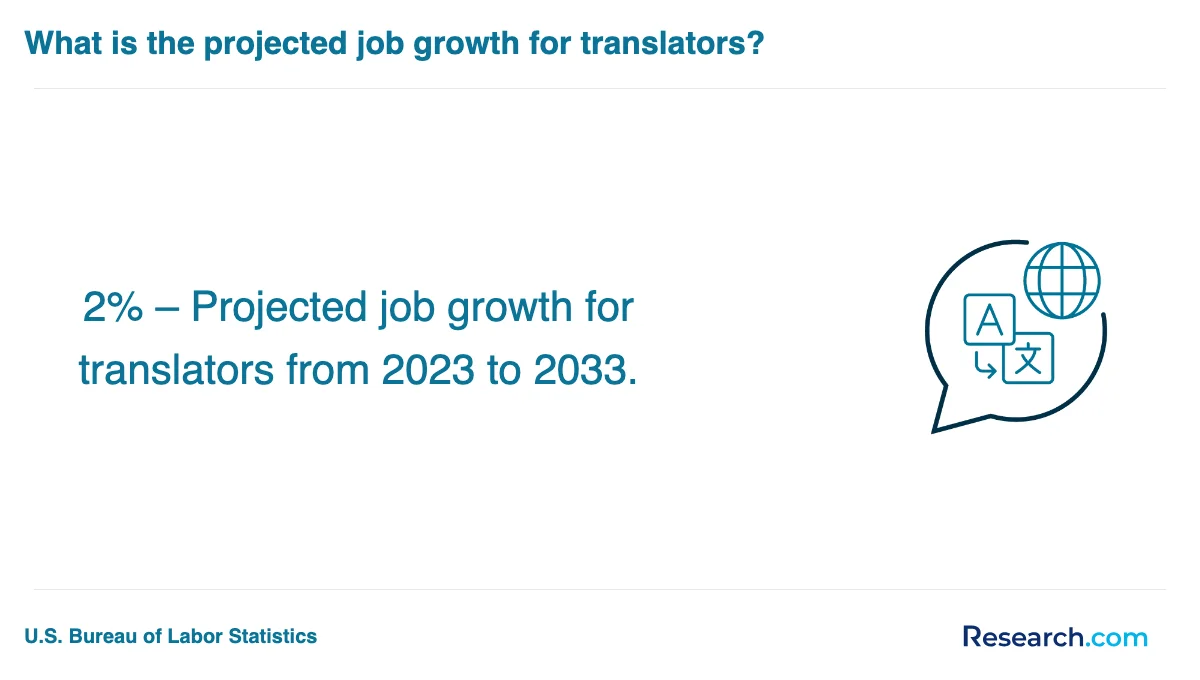
According to national data, interpreters and translators earn a median wage of $59,440, reflecting steady demand despite moderate industry growth. More information on how this compares to the average salary for trade school graduates can guide students making educational choices based on practical outcomes and career aspirations.
What is the job market for professional translator trade school graduates in Midwest?
The professional translator job opportunities in Midwest offer a steady outlook for graduates of trade school programs, though growth is modest compared to other fields. Midwest urban hubs like Chicago and Detroit consistently list translation jobs in medical, legal, and corporate sectors. Graduates from well-regarded trade schools in the region often share positive experiences securing roles that leverage their specialized training, particularly in demanding areas like healthcare and law.
Salary and employment trends Midwest show an average salary around $50,000 annually in states like Minnesota, with hourly wages varying between $17 and $30 in cities such as Chicago. This range reflects differing levels of expertise and certifications, and many graduates find freelance and part-time roles that offer desirable flexibility.
Key factors making these opportunities accessible include:
- Strong demand in hospitals, courts, and schools
- Preference for candidates with formal translator or interpreter training
- Steady openings due to workforce turnover
For students exploring options, considering what schools have the best trade programs helps align career goals with regional market needs and salary expectations.
Frequently Asked Questions about professional translator
After completing a professional translator trade school in the Midwest, preparing for the job market involves several important steps. Graduates should focus on building a strong portfolio showcasing their translation skills across different languages and industries. According to the U.S. Bureau of Labor Statistics, demand for translators in the Midwest is expected to grow by 20% from 2022 to 2032, making specialization a valuable asset.
Networking with local language service providers and joining professional organizations like the American Translators Association can open doors to job opportunities. Additionally, pursuing certification, such as the ATA certification, enhances credibility and employability. Internships or freelance projects also provide practical experience that employers value.
Employers in the Midwest seek professional translator trade school graduates who possess strong linguistic abilities in both source and target languages. Accuracy and cultural competency are vital, as these skills ensure translations are contextually appropriate for diverse regional audiences. According to the U.S. Bureau of Labor Statistics, attention to detail and excellent communication skills rank among the top attributes for translators nationwide, including the Midwest.
Technical proficiency with translation software and CAT tools is also essential, reflecting industry trends toward digital workflows. Moreover, problem-solving skills help translators manage ambiguous texts or client-specific terminology.
Interpersonal skills are important for collaborating with clients and other language professionals, enhancing overall project quality.
Finding internships relevant to professional translator trade school programs in the Midwest involves a strategic approach. Start by contacting your trade school's career services office, which often has partnerships with local agencies and businesses seeking translation interns. The Midwest Translation Association reports that nearly 40% of translation internships in states like Illinois, Ohio, and Michigan are offered through educational institutions.
Additionally, explore local government offices, hospitals, and legal firms, as these sectors frequently require translation services. Websites like Internships.com and Handshake allow filtering specifically for Midwest translator internships.
Networking through professional groups such as the American Translators Association's Midwest chapters can also uncover unpaid and paid internship opportunities.
A professional translator trade school diploma in the Midwest can significantly enhance career mobility and advancement opportunities. According to the U.S. Bureau of Labor Statistics, employment for interpreters and translators is projected to grow 22% from 2020 to 2030, much faster than average. This growth is driven by increasing globalization and demand for multilingual communication in business and healthcare.
Completing a diploma program provides practical skills and certifications that are recognized by employers across the region. Trade schools often emphasize hands-on experience with translation software and industry standards, making graduates more competitive.
Midwest employers tend to prefer candidates with formal credentials, which can lead to higher starting salaries and quicker promotions compared to those without specialized training. Data from the National Association of Judiciary Interpreters and Translators shows that certified translators in the Midwest can earn 15-25% more annually than uncertified peers.
Additionally, a diploma can open doors to professional networks and continuing education, further supporting upward mobility in the translating field.
Students enrolled in professional translator trade schools in the Midwest can enhance their education by pursuing part-time roles such as freelance translation, transcription, or bilingual customer service. These jobs offer practical experience in language application and cultural nuance, essential for professional growth.
According to the U.S. Bureau of Labor Statistics, the demand for interpreters and translators in the Midwest is expected to grow by 24% from 2022 to 2032, faster than the average for all occupations. This growth opens numerous opportunities for part-time work alongside schooling.
Local government offices, healthcare providers, and educational institutions often seek part-time bilingual assistants, providing students with relevant experience in real-world settings.
To find the best Professional Translator degree program near you in the Midwest, consider researching programs offered by universities and colleges near your location. Research.com can be a helpful resource for identifying reputable programs by providing rankings and insights into the available options near Midwest. Additionally, visiting local universities' language and translation departments can offer more personalized information about the curriculum and faculty expertise.
Top Trending Rankings
References
- Online Professional Translator from Mid-State Technical College https://careertraining.mstc.edu/training-programs/professional-translator/
- Foreign Language Interpreter Certification Program https://www.courts.michigan.gov/administration/court-programs/foreign-language-interpreter-certification-program/
- Online Professional Interpreter from Chicago State University https://careertraining.csu.edu/training-programs/professional-interpreter-course-online/
- Top U.S. Translation Schools: Certificate Programs https://altalang.com/beyond-words/top-us-translation-schools-certificate-programs/
- Translation + Interpretation | Northwestern College in Iowa https://nwciowa.edu/translation-interpretation
- Translation and Interpreting - Century College https://www.century.edu/programs/translation-and-interpreting/
- Interpreter Training Programs | Office of the Illinois Courts https://www.illinoiscourts.gov/public/find-a-language-interpreter/interpreter-local-and-online-training-programs/
- Certification | American Translators Association (ATA) https://www.atanet.org/certification/
- Translating and Interpreting Resources | M Global https://mglobal.umn.edu/translating-and-interpreting-resources
- TI | University of Illinois | Online Degree https://online.illinois.edu/translation-interpreting


