
Best Translator Training Programs & Trade Schools - Top Translation Schools in Ohio for 2026

Co-Founder and Chief Data Scientist
Choosing the right professional translator trade school in Ohio can shape your future career and open doors to exciting opportunities. This article presents a detailed ranking of translator trade school programs, thoughtfully created by the Research.com team of data scientists to guide you in making an informed decision.
Whether you seek a diploma or certification, pursuing this path can enhance your skills, boost your confidence, and increase your job prospects. Explore the top programs and find the one that fits your goals and passion for languages.
Key benefits of finishing professional translator trade school in Ohio
- Graduates from professional translator trade schools in Ohio can expect an average annual salary around $54,380, with opportunities to earn higher in cities like Toledo and Columbus, making it a rewarding career choice.
- Career paths include roles such as online translators, technical legal translators, and field representatives, offering diverse opportunities for growth and specialization after completing a trade school program.
- Completing a professional translator trade school online provides flexibility and convenience, allowing students to balance learning with other commitments while gaining skills that employers in Ohio highly value.
What can I expect from professional translator trade schools in Ohio?
If you're thinking about a professional translator trade school program in Ohio, expect a hands-on experience that balances theory and real-world practice. Graduates often share how the mix of classroom learning and practicum assignments-like working with local courts or community groups-helped them build confidence and a solid portfolio. You'll dive into grammar, terminology management, and cultural nuances, which really bring language skills to life.
Many Ohio programs also test your fluency in both languages before you start, making sure you're ready to tackle professional challenges. For example, some students recall taking a spoken fluency test to prove their skills, which can feel nerve-wracking but rewarding once passed.
Technology plays a big role too. You'll get comfortable with computer-assisted translation tools, just like recent grads did, preparing them for today's fast-paced translation jobs. Whether you choose a fully online, hybrid, or campus-based setup, expect at least two years of focused study. Most students appreciate how these programs offer flexible paths without overwhelming schedules.
By the end, you'll earn a certificate that shows you're ready to work as a translator, though some grads mention pursuing additional certification for career growth. Overall, the experience is practical, engaging, and tailored to Ohio's diverse language needs.
Where can I work after finishing professional translator trade schools in Ohio?
After finishing a professional translator trade school program in Ohio, you'll find a surprisingly wide range of job opportunities waiting for you. Many graduates from popular schools in Columbus and Cleveland share stories about landing roles in healthcare settings, like helping patients communicate clearly at hospitals or clinics. It's rewarding work that makes a real difference in people's lives every day.
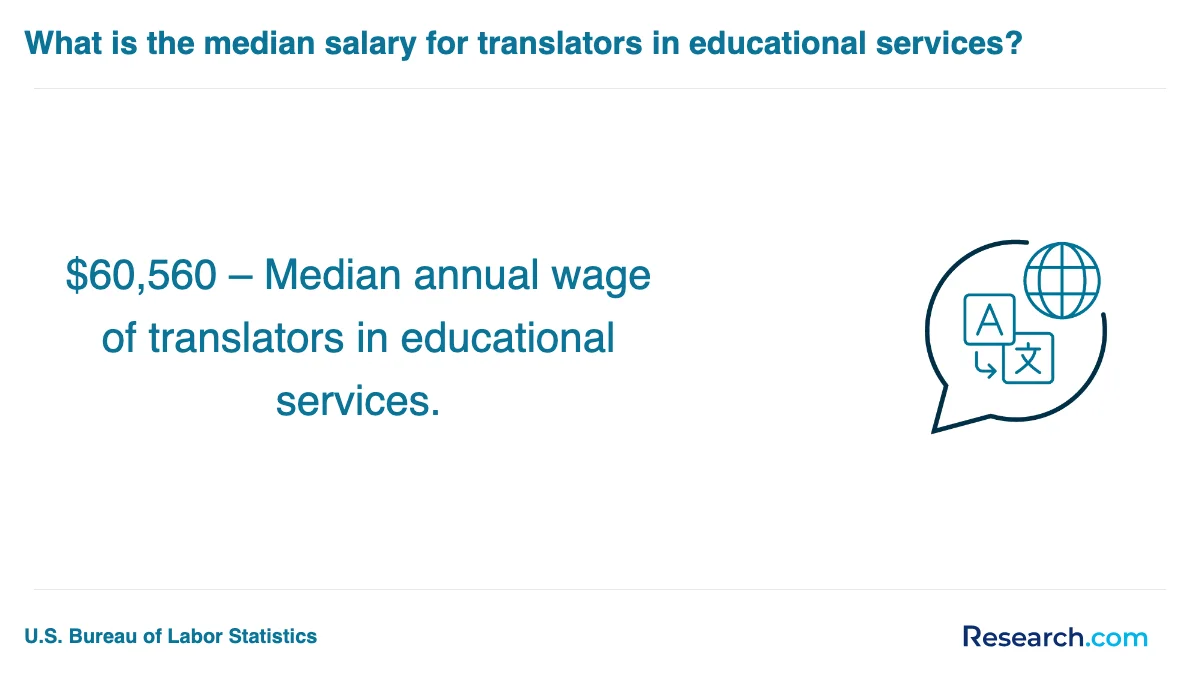
Others have found great fits in local schools or educational service centers, assisting students and families who speak languages like Spanish or American Sign Language. Imagine being the go-to person who bridges language gaps in classrooms-that's a career path many Ohio trade school grads enjoy.
Legal offices also offer flexible part-time or freelance gigs, perfect for those who want variety or remote work. Plus, media outlets and even sports teams in Ohio sometimes need translators for press and outreach, especially if you know languages like Japanese or Arabic. The skills you gain at an Ohio trade school open doors to jobs that are both meaningful and adaptable to your lifestyle.
How much can I make after finishing professional translator trade schools in Ohio?
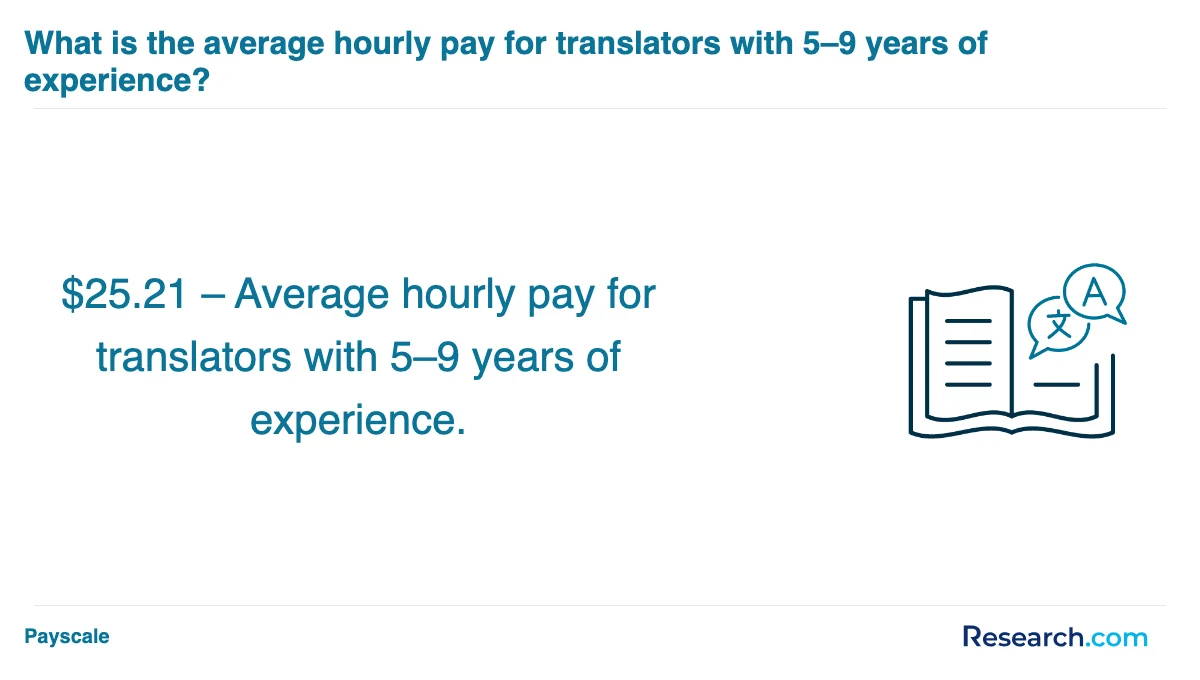
After finishing a professional translator trade school program in Ohio, many graduates find themselves stepping into a job market with clear earning potential. On average, translators in Ohio earn about $54,380 a year, which breaks down to roughly $26 an hour. Some graduates from popular trade schools in Cleveland or Cincinnati have shared how they started with salaries close to $42,000 and quickly moved up as they gained experience and specialized in in-demand languages.
For those who also work as interpreters, the pay is even better. The average salary for combined interpreter-translator roles is around $60,864 annually, or about $29 per hour. Graduates who landed jobs in Columbus often report starting near $55,000 a year and appreciate the steady growth and flexibility that comes with these roles.
Many graduates express excitement about the variety of opportunities-whether freelancing or joining companies-knowing their skills can command wages anywhere from $35,000 up to over $75,000, especially if they master niche language pairs or remote work.
Best Translator Training Programs & Trade Schools - Top Translation Schools in Ohio for 2026
# 1 position
University of Cincinnati-Main Campus - Language Interpretation and Translation.
certificate or diplomaThe Language Interpretation and Translation program at University of Cincinnati-Main Campus offers a hybrid format with some distance education options. It prepares students to become professional interpreters and translators, covering skills such as simultaneous interpretation and various types of translation. The program includes intensive foreign language instruction and specialized training in business, technical, and literary translation. Annual in-state tuition is $13,570. It is accredited by the Higher Learning Commission.
# 2 position
Ohio State University-Main Campus - Language Interpretation and Translation.
certificate or diplomaOhio State University-Main Campus offers a Language Interpretation and Translation program with a hybrid format, including some distance education options. The program trains students to become professional interpreters and translators for English, Canadian French, and other languages. It features intensive language instruction and covers various interpretation and translation techniques, including business and technical translation. The annual in-state tuition is $12,859. The program is accredited by the Higher Learning Commission.
Key Findings
- Most programs require fluency in English and at least one other language, with some needing two years of university-level study or language fluency assessments.
- Training includes classroom instruction and practical experience in translation techniques, ethics, and cultural localization, with options for specialized fields like medical and legal translation.
- Graduates receive a certificate of completion but must pass national exams like the ATA to become certified translators.
- Tuition for online courses typically ranges from $1,000 to $2,000, while in-person program costs vary based on duration and facilities.
- Entry-level salaries for translators in Ohio average between $35,000 and $45,000, with experienced specialists earning $60,000 or more annually.
How long does it take to complete professional translator trade schools in Ohio?
Completing a professional translator trade school program in Ohio typically takes about six months to a year. Many students from popular Ohio trade schools share how this timeline fits perfectly with their busy lives, allowing them to switch careers or boost their skills without a multi-year commitment.
For instance, graduates often talk about balancing classes with part-time jobs or family responsibilities, finding the program's pace manageable and motivating. The hands-on approach at these schools means you're not just sitting through lectures-you're practicing real translation tasks early on, which keeps things engaging and builds confidence quickly.
One graduate mentioned how finishing the program in under a year felt like a fast track to starting freelance work and landing their first translation gigs. This kind of practical, focused training is exactly why so many Ohio residents choose trade schools for their translator education.
So, if you're thinking about becoming a professional translator in Ohio, expect a compact, intense, and rewarding journey that many find both doable and exciting.
What's the difference between online and on-campus professional translator trade school programs?
Online and on-campus professional translator trade school programs in Ohio mainly differ in how you learn and interact. For example, graduates from Sinclair College and Edison State Community College often share how the online format gave them the freedom to study whenever and wherever it worked best-perfect for balancing jobs or family life. They appreciated being able to complete courses at their own pace, though they missed the face-to-face connection.
On the flip side, graduates from Cincinnati State describe the on-campus experience as more hands-on and social. Being in a classroom allowed them to get instant feedback, join in live group exercises, and dive into internships that sharpened real-world skills. They valued the chance to build relationships with instructors and classmates, which made learning feel more dynamic and supportive.
Both routes require proving strong language skills, but online students often embrace self-driven study, while campus students enjoy more structured guidance and community involvement. It really comes down to whether you thrive with flexibility or in-person connection.
What is the average cost of professional translator trade schools in Ohio?
The average cost of professional translator programs in Ohio can vary quite a bit depending on the school and format. For many students, tuition hovers around $12,884 for the largest vocational programs at public trade schools. Graduates often share that this makes the investment feel manageable, especially since some programs, like the Adult & Community Education course with Columbus City Schools, offer tuition as low as $2,682 for an entirely online Professional Translator program. This affordability combined with flexible learning options allows students to balance their studies with work or family commitments, which is a huge relief.
When thinking about tuition fees for translator trade schools in Ohio, private institutions typically charge more, with average costs reaching about $20,450. Graduates from these schools often mention the additional value they got from smaller class sizes and more personalized support, which made the higher expense worthwhile. It's also important to account for extra costs such as books, supplies, and sometimes commuting or housing if you choose a program requiring in-person attendance.
Many students looking for practical, fast entry into a rewarding career find trade schools appealing, thanks to the blend of hands-on skills and certification prep. If you're curious about top paying trades that are easy to learn, consider translation programs that emphasize real-world skills with certification readiness. Financial aid options are often available, so it pays to contact schools directly to get all the details and find support to make your education more affordable.
What financial aid is available for professional translator trade schools in Ohio?
When you're looking into professional translator programs in Ohio, it helps to know that traditional federal aid like FAFSA or Pell Grants usually won't cover non-credit courses at places like Sinclair College or Edison State Community College. Graduates often mention how this was a surprise at first, but they found other ways to manage costs.
For instance, some students have tapped into state programs or workforce development boards that pay for tuition if you qualify. If you're working with a vocational rehab program or need retraining through a local workforce board, these options can be a real lifesaver. It's worth checking with your school's financial aid office about this.
Ohio community colleges sometimes offer scholarships through the state's Short Term Certificate Scholarship Program. Terra State Community College students have shared stories of receiving up to $2,000 toward communication-related certificates, which might include translator programs depending on the year's eligibility rules.
Plus, some schools offer payment plans or even in-house scholarships to ease the upfront financial hit. Many people find that talking directly with program advisors uncovers these flexible options, making the dream of becoming a professional translator in Ohio much more achievable.
What are the prerequisites for enrolling in professional translator trade schools in Ohio?
When you're thinking about enrolling in a professional translator trade school program in Ohio, it's good to know what the schools typically expect from you before you start. Most popular trade schools in Ohio look for a few key things that help set you up for success right away.
First up, a high school diploma or equivalent is usually a must. Graduates often say this baseline helps everyone start on the same page, making the learning experience smoother. You might also need to demonstrate basic language skills-some schools ask for a placement test or proof of proficiency in the language you want to translate.
Here's what you can typically expect:
- A strong grasp of English and at least one other language
- Basic computer literacy, since translation work often involves software tools
- Sometimes, a brief interview or written essay to show your passion for languages and cultural understanding
One graduate from a well-known Ohio trade school recalled how the interview helped them express their love for languages, which made a great first impression. Another shared how having solid computer skills boosted their confidence during classes. These are small steps, but they build a strong foundation for your translator journey.
What are the typical courses in professional translator trade schools in Ohio?
In Ohio, professional translator trade school programs pack a variety of courses that really prepare you for the real world. Graduates often say the language fluency classes gave them confidence, especially when mastering languages like Spanish, French, or American Sign Language. For example, students at Cincinnati State recall how beginning ASL and fingerspelling classes helped them communicate clearly right from the start.
The core translation courses focus on practical skills, teaching you how to handle tricky grammar and cultural differences. Ohio State's program lets students specialize in areas like literary translation or community interpreting, which graduates found super useful for tailoring their careers.
Hands-on training is a big deal too. Many programs include:
- Legal and medical interpreting practice
- Working with local courts or schools
- Online fluency assessments preparing for certification
Plus, cultural competency and ethics classes are essential. Students often share how internships and community events gave them real-world insight, making them feel ready and excited to work in Ohio's diverse communities.
What are the available specializations in professional translator trade schools in Ohio?
In Ohio, professional translator trade school programs offer a variety of specializations that really help students focus their career paths. Graduates often talk about diving into areas like:
- Professional Translation: This is all about converting written texts accurately, something Kent State students especially appreciate when working with French or German language pairs through their Bachelor of Science in Translation.
- Literary Translation: Ohio State University's certificate program lets students explore translating novels, poetry, and plays. Graduates find it rewarding to balance cultural nuances and poetic style, making literary works accessible across languages.
- Community Interpretation: Real-world practice in schools or hospitals is key here. Ohio State's program includes a practicum that many students say boosts their confidence in sensitive community settings.
Meanwhile, Lorain County Community College offers an excellent option for those wanting hands-on training with English and Spanish, preparing learners for the ATA certification exam. Many students appreciate how these courses sharpen both translation techniques and cross-cultural skills.
If you're wondering whether studying at a professional translator trade school is the right move, check out is trade school better than college for insights tailored to your goals.
How do you choose the best professional translator trade school program in Ohio?
When choosing from the best professional translator programs in Ohio, start by looking at accreditation and curriculum. Graduates from Kent State University often highlight how the Bachelor of Science in Translation helped them build real skills by focusing on different translation fields, making their study feel practical and relevant. If you prefer a flexible schedule, programs like Lorain County Community College's online Professional Translator course are popular with students balancing work and study, plus it prepares you for the ATA certification exam, which many say boosted their confidence entering the field.
Another key factor is how specialized you want your education to be. The top translator training schools in Ohio, such as the University of Akron, offer dual-accredited programs that focus on both translation and interpretation, helping students tailor their path to their interests. Many graduates share that having access to career services and internships gave them a real edge when job hunting. You can explore options and details at best online trade school programs to see what matches your goals.
What career paths are available for professional translator trade school graduates in Ohio?
Graduates from professional translator trade school programs in Ohio find themselves stepping into a variety of exciting career paths. Many dive into professional translator jobs in Ohio, working in hospitals, courts, and schools where their language skills bridge communication gaps every day. For example, trade school graduates often share how rewarding it is to provide medical interpreting services for Spanish or Arabic speakers navigating complex health systems.
Interpreters also explore community-centered roles, helping non-English speakers with social services and legal matters. Ohio's demand for interpreter career opportunities Ohio is growing fast, meaning there's room for freelancers and full-time employees alike. Some graduates even land positions as project coordinators or language access specialists, blending linguistic expertise with administrative skills.
Others pursue specialized areas like technical, literary, or corporate translation, working with manuals, business communications, or creative content. Ohio's well-known trade schools offer hands-on experience that prepares grads for these diverse roles that keep language at the heart of business and daily life.
To get a better idea of what to expect salary-wise and career growth, you might want to check out trade school careers salary.
What is the job market for professional translator trade school graduates in Ohio?
The job outlook for translators in Ohio is pretty encouraging, especially for those coming out of professional translator trade school programs in the state. Graduates often find roles in hospitals, schools, and legal offices, with languages like Spanish, Japanese, and Korean being in high demand. Many recent graduates share how their programs prepared them for real-world work in settings like Cleveland and Cincinnati, helping them secure positions that offer full-time, part-time, or even remote opportunities.
Ohio's diverse communities and growing international businesses mean there are steady interpreter and translator salary Ohio ranges, typically between $20,000 and $59,000 annually depending on experience and location. Many grads highlight the benefit of specializing in healthcare or legal translation since that can really boost job prospects.
Trade school students here often point to the flexibility required in the field and the importance of cultural knowledge to succeed. If you're interested in exploring options, researching the best vocational trade training online schools can also help you find programs that fit your lifestyle and career goals.
Frequently Asked Questions about professional translator
After completing a professional translator trade school in Ohio, preparing for the job market involves several key steps. First, graduates should build a strong portfolio showcasing their translation work, including diverse language pairs and subject areas. Networking is essential; joining professional organizations such as the American Translators Association can connect candidates with employers and freelance opportunities.
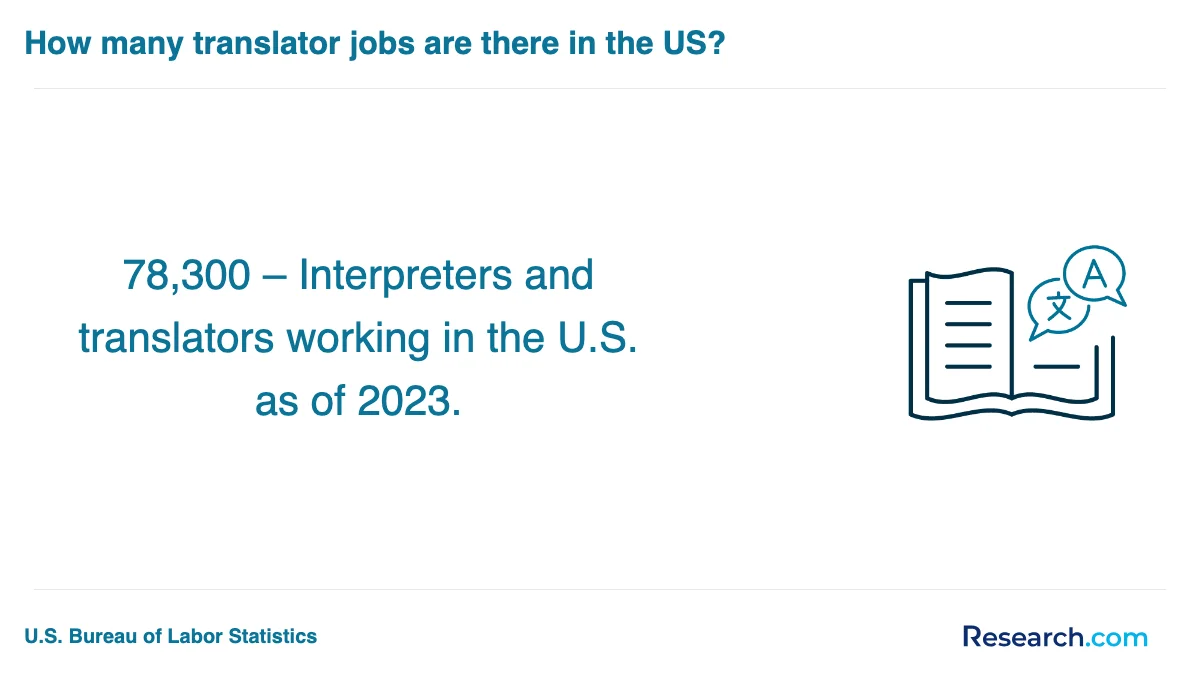
Ohio's growing multicultural population increases demand for translators, especially in healthcare and legal fields. According to the U.S. Bureau of Labor Statistics, Ohio had over 1,200 translator and interpreter jobs in 2022, with a projected growth rate of 20% through 2030.
Obtaining relevant certifications, like the ATA certification, can significantly improve job prospects. Additionally, gaining experience through internships or freelance projects helps build practical skills and industry contacts.
Employers in Ohio seeking graduates from professional translator trade schools prioritize strong language proficiency in both source and target languages. According to the U.S. Bureau of Labor Statistics, attention to detail and cultural competence are essential for accurate and contextually appropriate translations. Additionally, skills in specialized fields like legal, medical, or technical translation increase job prospects.
Communication skills and the ability to use computer-assisted translation (CAT) tools are increasingly valued, reflecting the growing role of technology in the industry. The Ohio Department of Job and Family Services highlights adaptability and confidentiality as key traits for successful translators.
Finding internships in Ohio relevant to professional translator trade school programs involves several strategic steps. Start by consulting your school's career services, as many trade schools partner with local businesses and organizations offering translation internships. Networking is crucial; consider joining professional groups like the American Translators Association, which has Ohio chapters that post internship opportunities.
The Ohio Department of Higher Education also provides resources for internships in language services. Additionally, explore local government agencies, hospitals, and international companies based in Ohio, as they often require translation support. According to the U.S. Bureau of Labor Statistics, Ohio's demand for translators is projected to grow 20% from 2021 to 2031, increasing internship availability.
In Ohio, earning a professional translator trade school diploma can significantly enhance career mobility and advancement. According to the Ohio Department of Higher Education, graduates with specialized diplomas often experience a faster transition into the workforce compared to those without formal credentials. This diploma validates practical skills in language translation and interpretation, which are in demand across healthcare, legal, and business sectors statewide.
Trade school programs typically emphasize hands-on training, improving job readiness. The U.S. Bureau of Labor Statistics reports that Ohio's employment of interpreters and translators is projected to grow 20% from 2022 to 2032, faster than the average for all occupations. Such growth indicates promising opportunities for diploma holders.
Additionally, a diploma from a recognized Ohio trade school can open doors to certification exams, such as those offered by the American Translators Association, further supporting career advancement and higher earning potential.
Students enrolled in professional translator trade schools in Ohio can benefit from several part-time job opportunities that reinforce their language skills and industry knowledge. Common roles include freelance translation, where students work on documents or audio files, often through online platforms. Ohio's diverse population increases demand for interpreters and translators in healthcare, legal, and social services, making part-time work in hospitals or courts valuable for practical experience.
According to the U.S. Bureau of Labor Statistics, Ohio employed over 1,200 interpreters and translators as of 2022, with a projected growth rate of 21% through 2032, indicating expanding job prospects. Internships and assistant positions at local language service providers also provide hands-on learning aligned with academic training.
To find the best Professional Translator degree program near me in Ohio, consider searching for local universities and colleges that offer language-focused degrees or certifications like a Bachelor of Arts in Translation or similar programs. Research.com can be a helpful resource in identifying reputable institutions offering these programs, and visiting nearby campuses may provide additional insights into their specific offerings and reputation. Additionally, consider reaching out to language departments of universities near Ohio for information on their course curriculums, faculty qualifications, and any partnerships with industry bodies that may enhance career opportunities post-graduation.
Related Professional Translator Rankings for Nearby States
- Best Translator Training Programs & Trade Schools - Top Translation Schools in Pennsylvania for 2026
- Best Translator Training Programs & Trade Schools - Top Translation Schools in Michigan for 2026
- Best Translator Training Programs & Trade Schools - Top Translation Schools in North Carolina for 2026
- Best Translator Training Programs & Trade Schools - Top Translation Schools in Missouri for 2026
- Best Translator Training Programs & Trade Schools - Top Translation Schools in Georgia for 2026
- Best Translator Training Programs & Trade Schools - Top Translation Schools in New Jersey for 2026
- Best Translator Training Programs & Trade Schools - Top Translation Schools in New York for 2026
- Best Translator Training Programs & Trade Schools - Top Translation Schools in Wisconsin for 2026
- Best Translator Training Programs & Trade Schools - Top Translation Schools in Massachusetts for 2026
- Best Translator Training Programs & Trade Schools - Top Translation Schools in Minnesota for 2026
Top Trending Rankings
References
- Online Professional Translator from Cincinnati State https://careertraining.cincinnatistate.edu/training-programs/professional-translator/
- Online Professional Interpreter from Sinclair College - Workforce Development https://careertraining.sinclair.edu/training-programs/professional-interpreter-course-online/
- Online Professional Interpreter from Edison State Community College https://careertraining.edisonohio.edu/training-programs/professional-interpreter-course-online/
- How to Become a Certified Translator (ATA) | ET US https://www.espressotranslations.com/how-do-i-certify-myself-as-a-translator/
- About Access 2 Interpreters | Language Experts in Columbus https://www.access2interpreters.com/about-us/
- Top U.S. Translation Schools: Online Programs https://altalang.com/beyond-words/top-us-translation-schools-online-programs/
- How to Earn Your Interpreter Certification https://www.kent.edu/mcls/translation-ma/blog/interpreter-certification
- About Translation Internships | Institute of Translation and Interpreting https://www.iti.org.uk/starting-out/internships.html
- Remote translation internships | The Intern Group https://theinterngroup.com/featured-roles/remote-language-and-translation-internships/
- Languages and Translation Internships Abroad or Remote – Career Resource Center | Clovis Community College https://career.cloviscollege.edu/jobs/the-intern-group-languages-and-translation-internships-abroad-or-remote/


