
Most Affordable Translator Schools & Training - Budget-Friendly Translation Trade Programs in Pennsylvania for 2026

Co-Founder and Chief Data Scientist
Choosing the right professional translator trade school in Pennsylvania can shape your future career. This article introduces a carefully crafted ranking of translator programs developed by the Research.com team of data scientists to help you make an informed decision.
Whether you want a diploma or certification, these programs offer valuable skills for a rewarding profession. Reading this guide will give you confidence and clarity as you explore affordable options tailored to your goals.
Take a step toward a fulfilling career that connects cultures and opens new opportunities.
Key benefits of finishing professional translator trade school in Pennsylvania
- Graduates from professional translator trade schools in Pennsylvania can expect competitive salaries, with average annual earnings around $63,958 and top earners making up to $84,507, offering strong financial motivation.
- Career paths include roles like certified translators, interpreters, and localization specialists, as demonstrated by graduates from well-known Pennsylvania trade schools who find rewarding work in diverse industries.
- Completing a professional translator program online provides flexibility and convenience, allowing students to balance work and study effectively, as experienced by many online trade school graduates in Pennsylvania.
What can I expect from professional translator trade schools in Pennsylvania?
Expect to dive headfirst into practical skills that shape you into a confident translator, ready to tackle documents between English and Spanish with precision. Graduates from popular Pennsylvania trade schools often share how their programs demanded mastering tricky grammar, avoiding language interference, and adapting text for diverse cultural backgrounds-real-world skills, not just theory.
Many students find the online format a game-changer, blending studies seamlessly into busy lives. Imagine logging in after work to access course materials instantly, using cutting-edge translation software that feels like a secret weapon for cracking tough assignments.
While the program awards a certificate of completion-not an official state license-graduates feel empowered to step into freelance gigs or entry-level roles at agencies, hospitals, or schools. One grad recalls their first paid translation project at $20 per hour, a proud milestone fueling their growth.
Be ready to choose your path: written translation or dynamic interpreting. Pennsylvania's schools offer both, so you can align your training with the career vibe that excites you most.
Where can I work after finishing professional translator trade schools in Pennsylvania?
Graduates from Pennsylvania's professional translator trade schools often find themselves stepping into vibrant roles across diverse fields. Imagine working in a bustling hospital in Danville, bridging gaps between Spanish-speaking patients and medical staff, ensuring every word carries care and clarity. Many alumni share how rewarding it feels to play such a vital role in healthcare, where accurate communication can change lives.
Others thrive in school districts, helping young learners and their families navigate classrooms and paperwork in multiple languages. The hands-on training at popular trade schools in Pennsylvania prepares students to confidently support education systems, sparking pride in graduates who see their work directly impact students' success.
Some embrace the legal world, interpreting in courtrooms or for government agencies, where their skills ensure justice is truly accessible. And then there's the thrill of remote work-translators collaborating with multinational companies or freelancing, enjoying flexibility while earning competitive salaries. Pennsylvania's trade programs open doors not just to jobs but to meaningful careers filled with opportunities to connect cultures and communities.
How much can I make after finishing professional translator trade schools in Pennsylvania?
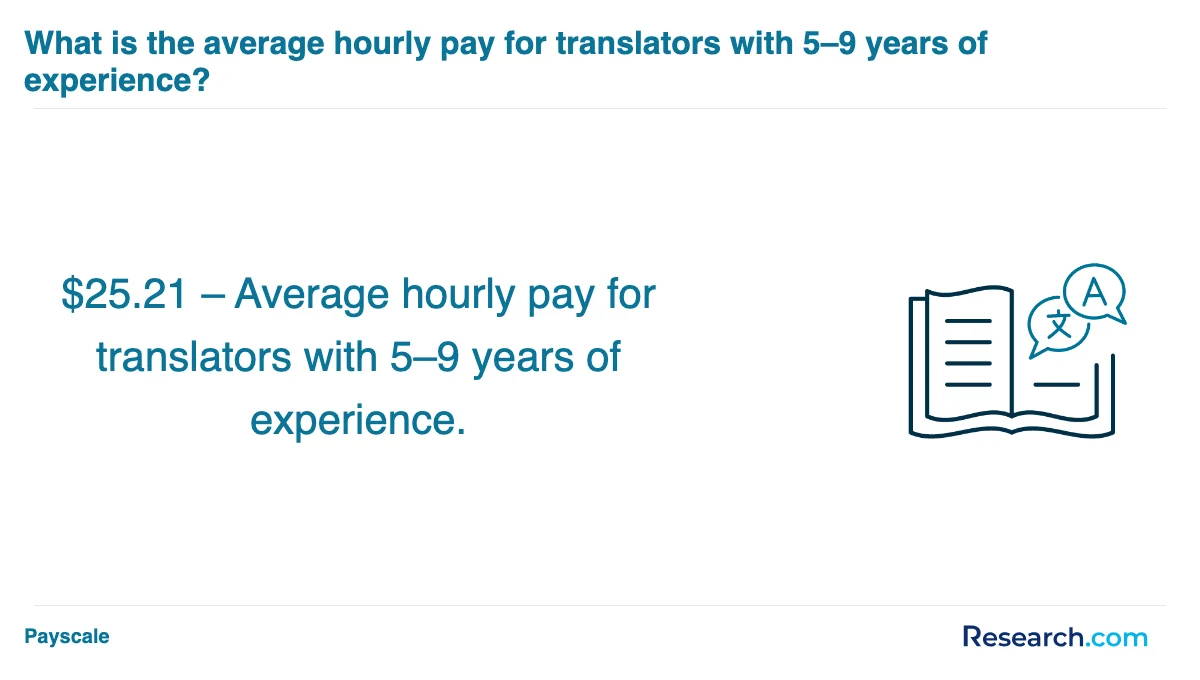
Right after finishing a professional translator trade school program in Pennsylvania, you can expect to see your paycheck reflect the state's translator salary landscape. Graduates from popular trade schools often share stories of starting salaries around $27 to $30 per hour, which means roughly $57,000 to $64,000 annually if full-time. Imagine landing your first gig translating for a hospital in Philadelphia, where seasoned pros sometimes pull in over $90,000-though as a newbie, you're likely starting closer to the $47,000 mark.
One graduate described juggling freelance projects while working for a legal firm, steadily climbing from around $44,000 yearly to a more comfortable $50,000 as confidence and certifications grew. Another recalled how specializing in less common languages boosted their earnings beyond the average, thanks to niche demand in school districts and private agencies across the state.
So, if you're stepping out of a Pennsylvania trade school, expect a promising paycheck that grows with skill and experience-steady, real, and rooted in your unique path.
Most Affordable Translator Schools & Training - Budget-Friendly Translation Trade Programs in Pennsylvania for 2026
# 1 position
Shippensburg University of Pennsylvania - Language Interpretation and Translation.
certificate or diplomaThe Language Interpretation and Translation program at Shippensburg University of Pennsylvania offers a hybrid format with some distance-education options. Annual in-state tuition is $13,544. The program prepares students for professional roles as interpreters and translators of documents and data files between English, Canadian French, and other languages. Coursework includes various interpretation methods, literary and technical translation, and business applications. The program is accredited by the Middle States Commission on Higher Education.
# 2 position
Lackawanna College - Language Interpretation and Translation.
certificate or diplomaLackawanna College offers a hybrid Language Interpretation and Translation program designed to prepare students for professional roles in interpreting and translating documents and data files between English, Canadian French, and other languages. The curriculum includes intensive foreign language instruction and specialized training in various interpretation and translation techniques. Annual in-state tuition is $17,950. The program is accredited by the Middle States Commission on Higher Education.
Key Findings
- Most programs require a high school diploma or equivalent, with some expecting two years of university-level education in both languages.
- Programs are often online and award a certificate of completion, which is different from certification by passing the American Translators Association exam.
- Costs range from $1,000 to $2,500, and these programs do not qualify for federal student aid but may offer state grants or other financial aid.
- Starting wages for translators in Pennsylvania are about $20 per hour, with higher pay possible through certification and experience.
- Demand is strong in education, medical, and legal fields, especially for bilingual candidates fluent in Spanish.
How long does it take to complete professional translator trade schools in Pennsylvania?
Finishing a professional translator trade school program in Pennsylvania usually takes about 12 to 18 months, a sweet spot for those eager to jump into the world of language and culture without years of waiting. Graduates from well-known Pennsylvania trade schools often share how this timeframe felt just right-not rushed, yet intense enough to keep their passion burning.
Imagine diving into immersive classes at a bustling Philadelphia trade school, where mornings are spent mastering grammar nuances and afternoons refining interpreting skills. One graduate recalls balancing work and study, amazed at how the program's compact schedule allowed them to advance quickly while still enjoying life outside the classroom.
In Pittsburgh, another student found the 15-month program perfectly paced, offering hands-on practice with real translation projects that sparked confidence and excitement. The focused timeline helps keep motivation high, creating a sense of accomplishment that resonates deeply once the diploma arrives.
What's the difference between online and on-campus professional translator trade school programs?
Imagine juggling a full-time job while diving into professional translator training - that's the reality for many Pennsylvania students choosing online programs like those at Harrisburg Area Community College or Penn Highlands. These graduates rave about the freedom to log in late at night or during lunch breaks, wrapping up assignments without ever stepping foot on campus. The digital delivery means textbooks and resources arrive electronically, smoothing out the learning curve and fitting neatly around busy lives.
On the flip side, attending Commonwealth University's on-campus ASL/English Interpreting bachelor's program immerses students in a vibrant, hands-on environment. Graduates remember the thrill of real-time feedback in language labs and the camaraderie built during practicum sessions with the Deaf community. The face-to-face connections spark confidence and sharpen cultural skills in ways a screen can't replicate.
Both paths lead to certificates of completion, but online learners enjoy flexibility and immediate post-course earning potential-around $20 per hour-while on-campus students treasure structured schedules and live practice that build lasting networks.
What is the average cost of professional translator trade schools in Pennsylvania?
The average tuition for translator programs in Pennsylvania varies quite a bit depending on where you enroll, but many graduates share a sense of relief when discovering affordable options. For example, Pennsylvania Highlands Community College offers an online professional translator course priced at $2,682.00. This accessibility is a breath of fresh air compared to the steep tuition that some expect from trade schools. On the other hand, Chesapeake College's online program comes in at around $2,395, making the cost of professional translator courses in Pennsylvania surprisingly manageable for those balancing tight budgets.
Imagine a recent graduate who juggled work and study, finding value in an online class that didn't just sharpen their language skills but also saved them thousands in tuition costs. These savings can then be funneled into vital expenses like textbooks and software, which typically add another $500 to $2,000 a year.
Beyond tuition, living expenses can quickly add up. Room and board often stretch between $8,000 and $15,000 annually, while transportation costs may range from $500 to $1,500, depending on your commute and lifestyle. Other smaller expenses like certification exams and personal supplies add another $500 to $1,000 annually, which can be a factor for many students.
Overall, the total cost can range broadly from $14,000 to $40,000 per year for trade schools in Pennsylvania, illustrating just how diverse the affordability landscape is. Curious students might want to explore the top online trade school programs to find the perfect fit that blends quality education with financial feasibility tailored to their goals.

What financial aid is available for professional translator trade schools in Pennsylvania?
Imagine a graduate from Lackawanna College, juggling work and study, who breathes a sigh of relief after securing federal aid through FAFSA-Pell Grants and loans that make the Translation and Interpretation Certificate program doable. Filing by May 1st? That deadline is their golden ticket to maximize state and federal support. Meanwhile, a student at Harrisburg Area Community College finds a different path: no federal aid for their non-credit Professional Interpreter course, but help arrives through vocational rehabilitation or local workforce boards stepping in to cover tuition. Payment plans offered by the school add a comforting layer of flexibility.
Then there's the CLA Translation Institute at Temple University, where grant-funded training, supported by foundations like William Penn, lifts financial weight without traditional scholarships. Graduates recall how no-cost professional development opened doors they hadn't imagined. For those facing barriers beyond tuition, community programs inspired by initiatives like Found in Translation offer free courses plus extra support like childcare-making dreams of becoming a translator feel within reach.
Each student's journey reflects the variety of aid peppered across Pennsylvania's translator trade schools-financial aid isn't one-size-fits-all, but there's almost always a way in.
What are the prerequisites for enrolling in professional translator trade schools in Pennsylvania?
In Pennsylvania, stepping into a professional translator trade school means you'll typically need a solid foundation before you even set foot in the classroom. Most popular trade schools ask for a high school diploma or GED, ensuring you're ready for the intense language immersion ahead. Graduates often recall how this basic credential was their first ticket to a world of nuanced dialects and cultural finesse.
Beyond formal education, schools look for:
- A passion for languages-whether it's Spanish, Mandarin, or Arabic, showing genuine enthusiasm can tip the scales in your favor.
- Basic proficiency in at least one foreign language, often demonstrated through placement tests or previous coursework.
- Strong communication skills, because translating isn't just about words-it's about conveying meaning with clarity and emotion.
One graduate from a well-known Philadelphia trade school shared how their love for storytelling helped them breeze through prerequisites and connect deeply with translation exercises. Another from Pittsburgh emphasized that having even casual experience abroad made the application process feel less daunting and more exciting.
In essence, Pennsylvania's trade schools seek motivated learners ready to dive headfirst into the art of translation with the right academic background and a spark for languages.
What are the typical courses in professional translator trade schools in Pennsylvania?
Courses in professional translator trade schools in Pennsylvania dive straight into the heart of what makes a skilled interpreter or translator truly shine. Graduates often recall starting with rigorous language proficiency assessments, like those at Harrisburg Area Community College or Manor College, where hitting level 3 fluency in both native and second languages feels like unlocking a new world of communication.
Hands-on training is everywhere:
- Mastering translation techniques and interpretation skills, from written translation to the adrenaline of consecutive and simultaneous interpreting.
- Learning to wield tech tools, as seasoned grads from La Salle University highlight the thrill of using computer-assisted translation software and voice-recognition platforms that turn words into instant connections.
- Exploring specialized fields like legal and medical interpreting, often tied to real-world demands-imagine preparing to interpret courtroom exchanges or emergency room consultations with confidence.
- Immersing in ethical responsibilities, where every confidentiality pledge and impartiality standard feels like a personal mission, shaping professional integrity in every assignment.
These courses aren't just lessons-they're the stepping stones to becoming a vital link in Pennsylvania's diverse, multilingual communities.
What are the available specializations in professional translator trade schools in Pennsylvania?
Professional translator specializations in Pennsylvania trade schools spark the kind of excitement graduates remember vividly. Imagine diving into American Sign Language and English interpreting at Commonwealth University, where students master everything from ASL linguistics to real-world community interpreting practicums. Graduates rave about the rush of making connections in Deaf culture and stepping confidently into medical, legal, or educational interpreting roles.
Legal and medical interpreter programs Pennsylvania offers are equally riveting. Take Widener University's Delaware Law School: students emerge ready for state court interpreter certification, armed with sharp legal terms and courtroom savvy. Many find joy in decoding legal jargon by day, then imagining hospital or social service settings through community and medical interpreter courses. Those workshops on ethical nuances and advanced techniques keep careers dynamic and impactful.
The journey is amplified by emerging fields like translation technology, with hands-on practice in CAT tools and localization. For ambitious learners aiming to enter digital media or software, these programs make complex work feel achievable-proof that easiest trades that pay well do exist amidst this vibrant linguistic landscape.
How do you choose the best professional translator trade school program in Pennsylvania?
Choosing the best professional translator trade schools in Pennsylvania means diving into real experiences and practical vibes. Graduates from Pennsylvania Highlands Community College rave about the flexibility of online courses that let them juggle work and study, making translation dreams feel achievable from any corner of the state. Meanwhile, hands-on learners cherish Bucks County Community College for its lively language labs and campus buzz, perfect for those who thrive in community-driven environments.
Cost matters too-affordable translator training programs in Pennsylvania like those at Pennsylvania Highlands combine budget-friendly tuition with financial aid options, relieving the stress of payment plans and opening doors wider. Imagine turning your passion for languages into a career without feeling weighed down by fees.
Lastly, beware of stuffing your schedule with anything. Some graduates wish they'd checked if programs prepare you for industry-recognized certifications, like the ATA exam. Knowing you're getting ready for real-world translation gigs-not just theory-can change everything. For a fresh take on your options, explore the difference between a trade school vs vocational school to find your true fit.
What career paths are available for professional translator trade school graduates in Pennsylvania?
Graduates from professional translator trade school programs in Pennsylvania unlock a vibrant world of career opportunities for translators in Pennsylvania, tailored to their skills and passions. Imagine stepping into a bustling hospital as a skilled medical interpreter, where you facilitate conversations between doctors and patients, breaking language barriers in real time. Others dive into legal interpreting, ensuring fairness in courtrooms throughout the state by bridging communication gaps with precision and cultural sensitivity.
Many graduates find rewarding roles in educational settings, helping school districts connect with non-English-speaking families, ensuring every student's voice is heard. These professional interpreter jobs in Pennsylvania also stretch into government agencies and law enforcement, where language expertise supports critical investigations and community outreach.
Popular Pennsylvania trade schools equip students with flexible options: full-time, part-time, or freelance gigs. Alumni frequently share how their training empowered them to thrive as translators for private companies, media outlets, and publishing houses.
- Healthcare languages specialist
- Court and legal interpreter
- Educational translator and liaison
- Government linguist and analyst
- Freelance translator with a dynamic clientele
Curious about which program fits your ambitions? Check out which community college is the best to start your transformative journey today.
What is the job market for professional translator trade school graduates in Pennsylvania?
Graduates from professional translator trade schools in Pennsylvania jump into a job market buzzing with opportunities across healthcare, education, and legal fields. Picture a recent graduate landing a role at Geisinger Medical Center, bridging communication gaps for Spanish-speaking patients-this is where real-world impact happens. The translator job market in Pennsylvania is fueled by steady demand in cities like Philadelphia and Pittsburgh, but also extends to smaller towns where bilingual skills become essential lifelines in schools and hospitals.
Salary prospects range widely-from entry-level jobs around $39,000 up to $120,000 for specialists fluent in high-need languages like Mandarin or American Sign Language. Graduates appreciate that many roles come with benefits such as health coverage and retirement plans, adding to job appeal.
Hands-on training in specialized interpreting elevates graduates above the competition, as Pennsylvania employers increasingly require credentials from popular trade schools. Here's a glimpse:
- Medical and legal interpreting programs boost employability
- Positions available in diverse settings including courts and private firms
- Consistent openings despite slow national growth, reflecting retirements and shifts
If you're weighing options, reading about whether a trade school better than college suits your goals can clarify the path. The translator salary and employment trends Pennsylvania offers are promising enough to encourage focused, practical training tailored to this vibrant market.
Frequently Asked Questions about professional translator
After completing a professional translator trade school in Pennsylvania, graduates should focus on building a strong portfolio that showcases their language skills and translation accuracy. According to the U.S. Bureau of Labor Statistics, demand for translators is expected to grow 20% from 2021 to 2031, highlighting the importance of practical experience.
Networking is crucial; joining professional organizations like the American Translators Association (ATA) can provide valuable job leads and certification opportunities recognized nationwide. Pennsylvania graduates should also consider obtaining state or national certifications to improve employability.
Internships and freelance projects help develop real-world skills and client contacts, increasing the chances of securing full-time work in diverse industries.
Employers in Pennsylvania value several key skills when hiring graduates from professional translator trade schools. Strong bilingual or multilingual proficiency is essential, as translators must accurately convert written content between languages without losing meaning. Additionally, cultural competence is crucial to ensure translations are contextually appropriate for diverse audiences.
Attention to detail ranks highly, given the need to avoid errors in legal, medical, or technical documents. Familiarity with translation software and technology is increasingly important, reflecting the industry's digital shift. According to the U.S. Bureau of Labor Statistics, translation jobs in Pennsylvania require excellent communication and research skills to maintain accuracy and clarity.
Time management and the ability to work under deadlines are also frequently mentioned by employers in job postings across the state.
Finding internships relevant to professional translator trade school programs in Pennsylvania involves leveraging various local resources. Many schools maintain partnerships with translation agencies, legal firms, and healthcare providers, offering students direct internship opportunities. The Pennsylvania Department of Labor & Industry's career services also list internships in language services, helping students connect with employers.
Students can explore platforms like Handshake or Indeed, filtering for translation internships within Pennsylvania. According to the Bureau of Labor Statistics, the demand for translators is projected to grow 20% from 2022 to 2032, increasing internship availability. Networking through local chapters of the American Translators Association can also provide leads on unpaid and paid internships.
Obtaining a professional translator trade school diploma in Pennsylvania can significantly enhance career mobility and advancement. According to the Pennsylvania Department of Labor & Industry, demand for skilled translators and interpreters is projected to grow by 20% through 2030, faster than average for all occupations. A diploma provides practical language skills and industry-specific knowledge, often required by employers in healthcare, legal, and corporate sectors.
Graduates with formal training typically earn higher salaries and qualify for specialized roles, such as certified medical or legal translators. The diploma also supports eligibility for national certification exams, which can further improve job prospects and upward mobility.
In Pennsylvania, trade schools often have partnerships with local businesses, facilitating internships and job placements that boost professional networks and career advancement opportunities.
Students enrolled in professional translator trade schools in Pennsylvania can benefit from several part-time job opportunities that enhance their skills and experience. One common option is working as a freelance translator, which allows students to apply their language skills to real-world documents while managing their schedules. Websites like ProZ and TranslatorsCafe often list freelance gigs suitable for beginners and advanced learners alike.
Another option is assisting in university language labs or tutoring peers in foreign languages. These roles help sharpen communication skills and deepen language proficiency. According to the U.S. Bureau of Labor Statistics, Pennsylvania's demand for translators and interpreters is expected to grow 20% from 2022 to 2032, reflecting increasing opportunities.
Additionally, part-time positions in local government or healthcare facilities often require bilingual staff for interpretation services, providing valuable practical experience alongside studies.
To find the most affordable Professional Translator degree program near me, I would start by researching local colleges and universities that offer language or translation studies, considering both public and private institutions for their varying tuition rates. For options near Pennsylvania, I could explore degree programs offered by universities within the state or just across its borders, often highlighted by local educational institutions and Research.com for program comparisons. Many programs also offer online or hybrid options that could further broaden my choices while keeping cost and proximity in mind.
Related Professional Translator Rankings for Nearby States
- Most Affordable Translator Schools & Training - Budget-Friendly Translation Trade Programs in New Jersey for 2026
- Most Affordable Translator Schools & Training - Budget-Friendly Translation Trade Programs in New York for 2026
- Most Affordable Translator Schools & Training - Budget-Friendly Translation Trade Programs in Ohio for 2026
- Most Affordable Translator Schools & Training - Budget-Friendly Translation Trade Programs in Massachusetts for 2026
- Most Affordable Translator Schools & Training - Budget-Friendly Translation Trade Programs in North Carolina for 2026
- Most Affordable Translator Schools & Training - Budget-Friendly Translation Trade Programs in Michigan for 2026
- Most Affordable Translator Schools & Training - Budget-Friendly Translation Trade Programs in Georgia for 2026
- Most Affordable Translator Schools & Training - Budget-Friendly Translation Trade Programs in Missouri for 2026
- Most Affordable Translator Schools & Training - Budget-Friendly Translation Trade Programs in Wisconsin for 2026
- Most Affordable Translator Schools & Training - Budget-Friendly Translation Trade Programs in Minnesota for 2026
Top Trending Rankings
References
- Online Professional Translator from Pennsylvania Highlands Community College https://ed2go.pennhighlands.edu/training-programs/professional-translator/
- Online Professional Interpreter from Harrisburg Area Community College https://careertraining.hacc.edu/training-programs/professional-interpreter-course-online/
- Professional Translator Training Online https://www.best-trade-schools.net/programs/professional-translator/
- Online Court Interpreter (Spanish/English) from Pennsylvania College of Technology https://onlinetraining.pct.edu/training-programs/court-interpreter/
- Interpreter Certification | Interpreter Program | Operations | Judicial Administration | Unified Judicial System of Pennsylvania https://www.pacourts.us/page/1411
- Guide to Certification - American Translators Association (ATA) https://www.atanet.org/certification/guide-to-ata-certification/
- Spanish - English Interpretation & Translation Classes - Certificate & Degree http://sac.edu/AcademicProgs/Business/BusinessApplications/Pages/spanish-english-interpretation-translation.aspx
- Career and Technical Certification | Department of Education | Commonwealth of Pennsylvania https://www.pa.gov/agencies/education/programs-and-services/educators/certification/other-areas-of-certification/career-and-technical-certification.html
- How to Become a Professional Translator: Career, Salary & Training https://www.vocationaltraininghq.com/how-to-become/professional-translator/
- Interpreters and Translators https://www.bls.gov/oes/2023/may/oes273091.htm


