
Best Translator Training Programs & Trade Schools - Top Translation Schools in South for 2026

Co-Founder and Chief Data Scientist
Choosing the right trade school for professional translator training can shape your future career in meaningful ways. This article highlights the best professional translator trade schools in the South for 2026, based on a ranking developed by the Research.com team of data scientists.
By exploring this ranking, you’ll gain valuable insights to help you make an informed decision about which programs truly stand out. Earning a diploma or certification in professional translation opens doors to exciting job opportunities and personal growth.
Whether you’re starting fresh or advancing your skills, this guide supports your journey toward success.
Key benefits of finishing professional translator trade school in South
- Graduates from professional translator trade schools in South Carolina can expect starting salaries around $44,300 to $56,960 annually, with experienced translators earning up to $76,800, offering a solid income potential in the region.
- Trade school graduates often find diverse career paths, including working for local businesses, government agencies, or freelance translation, as shown by successful alumni from popular South Carolina programs.
- Completing a professional translator trade school online provides flexibility and faster completion times, allowing graduates to balance work and study effectively, as experienced by many online students from well-known South Carolina schools.
What can I expect from professional translator trade schools in South?
Students enrolling in professional translator trade school programs in the South can expect a balanced mix of language proficiency training and practical translation skills. Graduates from popular institutions like Wake Forest University and Georgia State University often highlight how courses such as Introduction to Translation and Translation Workshop helped them develop strong document translation abilities and cultural sensitivity. These programs emphasize both theory and hands-on experience, including internships that place students in real-world translation environments, boosting confidence and professional networks.
Many students appreciate the focus on high-demand language pairs, especially English/Spanish, and the use of contemporary translation software. The curriculum is designed to prepare students for certifications like the ATA exam, which enhances job prospects. Evening and weekend classes or online options offer flexibility, allowing working professionals to balance education with other commitments. Overall, students can expect a supportive, practical education that equips them with the expertise and credentials to thrive in diverse industries such as healthcare, legal, and education.
Where can I work after finishing professional translator trade schools in South?
After completing a professional translator trade school program in the South, graduates find a wide range of rewarding career opportunities. Many secure roles in healthcare settings such as hospitals and clinics in cities like Columbia, SC, where medical interpreters play a crucial role in patient care by bridging language gaps. Others work in legal environments, supporting law firms and courts by translating documents or providing live interpretation, a path common among graduates from well-known South trade schools.
Education sectors also offer positions, with school districts and universities seeking translators to assist immigrant students and families. Additionally, private companies involved in international trade or tourism in Charleston and Summerville frequently hire in-house translators or contract professionals. Many graduates enjoy the flexibility of remote freelance work through agencies like RushTranslate, allowing them to manage schedules and select projects that match their expertise.
Trade school credentials combined with language proficiency and certifications enhance employability, making these career paths accessible and fulfilling for graduates eager to make an impact across diverse industries.
How much can I make after finishing professional translator trade schools in South?
Graduates of professional translator trade schools in the South typically enter a job market with competitive earnings that align closely with national standards. Many find rewarding roles in healthcare, legal, and business settings, earning a median annual wage of about $59,440 as reported in May 2024. For example, graduates from popular Southern trade schools often share how their starting salaries ranged from $44,000 to $57,500 annually, with some reaching up to $71,500 within a few years.
Several graduates describe the satisfaction of securing freelance contracts that pay around $27.50 per hour or more, equating to roughly $1,100 weekly. Those specializing in medical or legal translation report even higher rates, sometimes earning between $30 and $60 per hour, especially when working with rare language pairs. Many attribute their success to certifications earned during or after their studies, which open doors to higher-paying projects and steady career growth in the Southern job market.
Best Translator Training Programs & Trade Schools - Top Translation Schools in South for 2026
# 1 position
Pima Community College - Language Interpretation and Translation.
associatePima Community College offers a Language Interpretation and Translation program designed to prepare individuals for professional interpreting and translating of documents and data files between English, Canadian French, and other languages. The curriculum includes intensive foreign language instruction and specialized training in interpretation techniques and various translation applications. The program is accredited by the Higher Learning Commission. Annual in-state tuition is $2,370.
# 2 position
Houston Community College - Language Interpretation and Translation.
associateHouston Community College offers a fully online Language Interpretation and Translation program designed to prepare students as professional interpreters and translators for English, Canadian French, and other languages. The curriculum includes intensive language instruction and covers various interpretation methods and translation applications, including business and technical fields. The program’s annual in-state tuition is $2,040 and it is accredited by the Southern Association of Colleges and Schools Commission on Colleges.
# 3 position
Oklahoma State University-Oklahoma City - Language Interpretation and Translation.
associateOklahoma State University-Oklahoma City offers a fully online Language Interpretation and Translation program designed to prepare students as professional interpreters and translators. The curriculum includes intensive language instruction and covers various interpretation types and translation fields, such as business and technical translation. The program is accredited by the Higher Learning Commission. Annual in-state tuition is $3,779, making it accessible for students pursuing this specialized career path.
# 4 position
Johnston Community College - Language Interpretation and Translation.
associateJohnston Community College offers a hybrid Language Interpretation and Translation program that prepares students to become professional interpreters and translators. The curriculum includes intensive foreign language instruction and covers various interpretation methods, literary and business translation, and technical applications. Annual in-state tuition is $2,657. The program is accredited by the Southern Association of Colleges and Schools Commission on Colleges.
# 5 position
Blue Ridge Community College - Language Interpretation and Translation.
associateThe Language Interpretation and Translation program at Blue Ridge Community College offers hybrid learning with some distance-education options. It prepares students to become professional interpreters and translators between English, Canadian French, and other languages. The curriculum includes intensive foreign language instruction and specialized courses in various interpretation and translation methods. The program is accredited by the Southern Association of Colleges and Schools Commission on Colleges. Annual in-state tuition is $2,660.
# 6 position
Wilson Community College - Language Interpretation and Translation.
associateWilson Community College offers a Language Interpretation and Translation program with a hybrid format, including some distance-education options. The program trains students to become professional interpreters and translators, covering multiple languages and various types of interpretation and translation. Annual in-state tuition is $2,572. The curriculum includes intensive foreign language instruction and specialized translation techniques. The program is accredited by the Southern Association of Colleges and Schools Commission on Colleges.
# 7 position
Cape Fear Community College - Language Interpretation and Translation.
associateCape Fear Community College offers a fully online Language Interpretation and Translation program. It prepares students to work professionally as interpreters and translators, focusing on English, Canadian French, and other languages. The curriculum includes single- and multiple-language interpretation, simultaneous interpretation, and various types of translation such as business, technical, and literary. The program is accredited by the Southern Association of Colleges and Schools Commission on Colleges. Annual in-state tuition is $2,748.
# 8 position
Sampson Community College - Language Interpretation and Translation.
associateSampson Community College offers a hybrid Language Interpretation and Translation program that trains individuals to become professional interpreters and translators. The curriculum includes intensive foreign language instruction and covers various interpretation methods and translation types such as literary, business, and technical translation. The program's annual in-state tuition is $2,830. It is accredited by the Southern Association of Colleges and Schools Commission on Colleges.
# 9 position
Durham Technical Community College - Language Interpretation and Translation.
certificate or diplomaDurham Technical Community College offers a hybrid Language Interpretation and Translation program preparing students as professional interpreters and translators. The curriculum includes intensive foreign language instruction and covers interpretation techniques, literary and business translation, and technical translation. Annual in-state tuition is $1,986. Graduates have median earnings of $26,246 one year after completion. The program is accredited by the Southern Association of Colleges and Schools Commission on Colleges.
# 10 position
Pima Community College - Language Interpretation and Translation.
certificate or diplomaPima Community College offers a Language Interpretation and Translation program designed to prepare individuals as professional interpreters and translators. The curriculum includes intensive instruction in foreign languages and covers various interpretation techniques and translation types, including business and technical applications. The program’s annual in-state tuition is $2,370. It is accredited by the Higher Learning Commission.
Key Findings
- Programs in the South offer certificates or associate degrees focusing on translation skills, terminology, cultural competence, and technology use.
- Formats include online and in-person courses, with some universities providing specialized certificates in areas like legal and conference interpreting.
- Admission usually requires fluency in English and another language, often Spanish, with some programs needing entrance tests or prior language study.
- Costs range from $2,000 to $5,000 for certificate programs, with limited financial aid but possible payment plans or workforce development funding.
- Entry-level translators earn about $20 per hour, with median U.S. salaries around $55,000 annually; experienced translators in high-demand fields can earn over $70,000.
- Job demand is growing, especially in healthcare, education, finance, and legal sectors, mainly in metropolitan areas with large bilingual populations.
How long does it take to complete professional translator trade schools in South?
Completing a professional translator trade school program in the South typically takes between 12 to 18 months, depending on the school's curriculum and whether students attend full-time or part-time. Many graduates from popular trade schools in the region express satisfaction with the program length, noting it strikes a balance between comprehensive skill-building and timely entry into the workforce.
For example, graduates often recall how intensive yet manageable the coursework was, allowing them to quickly develop proficiency in translation techniques, cultural nuances, and industry-specific terminology. Attending a well-regarded trade school in the South means students can immerse themselves in practical, hands-on learning experiences that mirror real-world translation projects, making the time investment feel highly rewarding.
Part-time options also provide flexibility for those balancing work or family, extending completion time but maintaining the same quality of education. Students frequently share that finishing within a year to a year and a half gave them confidence to pursue certification and job opportunities without delay.
What's the difference between online and on-campus professional translator trade school programs?
Online professional translator trade school programs in the Southern United States provide unparalleled flexibility, allowing students to balance studies with work or family commitments. Graduates from the University of Georgia's fully online Professional Translator in Education Certificate program often describe the convenience of attending bi-weekly virtual meetings and accessing coursework anytime, from home or on the go. This format suits those who thrive in self-paced, technology-driven environments and appreciate mastering digital translation tools, as seen in programs like Loyola Marymount University's, which prepare students specifically for the American Translators Association exam.
Conversely, on-campus programs at institutions such as Georgia State University and Wake Forest University offer immersive, face-to-face experiences. Graduates value direct interaction with faculty, hands-on workshops, and the chance to form meaningful professional networks. The structured schedule and in-person internships with local agencies help students gain practical insights and immediate feedback, fostering confidence in real-world settings. Many find this approach energizing, especially those who prefer collaborative learning and thrive in dynamic classroom environments.
What is the average cost of professional translator trade schools in South?
The average cost of translator programs in the South varies widely depending on the institution and program type. Certificate programs like the Professional Translator course at Chesapeake College typically cost around $2,395, offering a flexible online format over nine months. Graduates often appreciate the manageable time commitment and affordability, which make this an attractive option for those balancing work or family responsibilities.
Similarly, the University of South Alabama's online Professional Translator course, priced at $2,682, prepares students for the ATA certification exam, a credential highly valued by employers. Students from this program frequently share how the comprehensive curriculum and exam preparation improved their confidence and employability in the translation field.
More affordable programs, such as the University of Georgia's Professional Translator in Education (Spanish) Certificate at $849, suit those looking to specialize in educational translation within a shorter 30-hour course. This wide range in tuition fees highlights the varying tuition fees for translation schools in Southern states and the importance of choosing a program aligned with one's career goals.
For students exploring various trade school career paths, it's vital to factor in not just tuition but also program length, delivery method, and additional fees. Popular schools like Southern Trade School offer tuition between $3,999 and $9,999 with flexible financing options, making translation training accessible to many aspiring professionals in the South.
What financial aid is available for professional translator trade schools in South?
Students pursuing professional translator trade school programs in the South, such as those at Georgia Southern University or the University of South Alabama, often find federal financial aid unavailable because these programs are primarily non-credit. Graduates frequently share how they navigated alternative funding routes to manage tuition costs effectively.
Many have benefited from state vocational rehabilitation or workforce development boards, which cover tuition for qualified individuals aiming to enhance their skills in growing fields like translation. For example, a graduate from a South Carolina program described how workforce assistance enabled them to complete their studies without financial strain.
Several trade schools also offer financing plans, allowing students to pay monthly rather than upfront. This flexible approach has helped numerous learners balance education with personal finances, easing stress and maintaining motivation.
Additionally, scholarships aimed at adult education or bilingual training, available through state programs in Georgia and South Carolina, provide vital support. Military veterans often access GI Bill benefits for approved courses, making education more accessible to those who have served.
What are the prerequisites for enrolling in professional translator trade schools in South?
Enrolling in a professional translator trade school program in the South typically requires a high school diploma or equivalent. Many programs also look for applicants who demonstrate strong language proficiency in at least two languages, often verified through placement tests or prior coursework.
Graduates from popular trade schools in the South often share that having a background in foreign language studies during high school or community college gave them a distinct advantage. Some schools request:
- Proof of bilingual or multilingual ability, such as certificates or language assessments
- Basic computer literacy, since translation often involves software tools
- A clear passion for cross-cultural communication, usually expressed in the personal statement or interview
One graduate recalled feeling excited yet prepared when their prior experience with language clubs and volunteer translation work was recognized by the admission team at a well-known Southern trade school. This validation boosted their confidence and motivation throughout the program. The hands-on nature of these programs in the South means students who bring enthusiasm and relevant experience tend to thrive and feel immediately connected to the learning process.

What are the typical courses in professional translator trade schools in South?
Professional translator trade school programs in the South typically include a well-rounded set of courses designed to build strong translation skills, especially focusing on English-Spanish language pairs. Graduates from schools like Georgia State University and Florida International University often highlight core courses such as:
- Introduction to Translation, teaching fundamental principles and ethics of translation.
- Comparative Stylistics, which helps students understand differences in English and Spanish writing styles to improve accuracy.
- Spanish Phonetics and Reading and Composition, strengthening language proficiency vital for professional translators.
Students also gain hands-on experience with modern tools through translation methods classes and training on translation memory software and localization platforms, reflecting the industry's digital demands. Workshops and internships embedded in the curriculum allow learners to apply skills to real-world projects, such as legal or healthcare documents, fostering confidence and practical expertise.
Specialized courses in cross-cultural competence and localization prepare students to tailor translations for diverse audiences, a skill praised by graduates who have worked on projects for American school systems and healthcare settings.
Advanced students often pursue courses in industry-specific translation, quality assurance, and ATA certification preparation, equipping them to meet professional standards and excel in the competitive US market.
What are the available specializations in professional translator trade schools in South?
Professional translator trade school programs in the Southern United States commonly offer specialized tracks tailored to different industries, enabling graduates to confidently enter diverse markets. Popular translation specialization courses in Southern trade schools include:
- Spanish-English Translation and Interpretation, emphasized at institutions like the University of Central Florida, where students gain hands-on experience in translation and oral interpretation across real-world scenarios;
- Medical Translation and Interpretation, offered at the University of South Florida, focusing on precision with Spanish medical terminology critical for healthcare communication;
- Legal Translation and Interpretation, preparing students for courtroom and legal document challenges with training in Spanish legal language;
- Educational Translation, such as the University of Georgia's certificate program, which highlights cultural competence and educational terminology;
- Technical Translation and Conference Interpretation, available through graduate certificates at the University of North Carolina at Charlotte.
Graduates from these programs share that these specialized courses provide practical skills and confidence, helping them to thrive in competitive translation careers. Prospective students can explore community college online programs to find flexible learning options tailored to their professional goals in translation.
How do you choose the best professional translator trade school program in South?
Choosing the best translator trade schools in the South starts with assessing language offerings and specialization options that align with your career goals. Graduates from Georgia State University and Florida International University often share how their focused training in Spanish or medical interpreting gave them confidence and a competitive edge in the job market. Equally important is evaluating the curriculum's blend of theory and hands-on experience; for example, Wake Forest University requires an internship that immerses students in real translation environments, which many alumni credit for their smooth transition to professional roles.
Flexibility is another crucial factor when comparing programs. Southern states offer diverse options, including online courses at institutions like the University of South Carolina Upstate, which accommodate busy schedules and remote learners. Students frequently emphasize how this adaptability helped them balance work, family, and study commitments. When exploring how to compare translation programs in Southern states, also consider accreditation and certification preparation, as these enhance credibility and employability.
Financial support and job placement services can significantly impact your experience and outcomes. Many programs provide career resources and connections that graduates find invaluable in launching their translation careers. To explore comprehensive options, reviewing the best trade schools in america can help identify programs that meet your needs.
What career paths are available for professional translator trade school graduates in South?
Graduates from professional translator trade school programs in the South access a wide range of professional translator jobs in the South, reflecting the region's linguistic and cultural diversity. Popular career paths include court interpreters who facilitate communication in legal settings, medical interpreters aiding patient-provider interactions in hospitals, and educational interpreters supporting students in classrooms. Many graduates from well-known Southern trade schools highlight the flexibility of freelance translator roles, which allow for remote work and custom schedules.
Career opportunities for translators in Southern trade schools also extend into corporate environments where graduates become localization specialists, adapting business content for diverse markets. Government agencies employ interpreters for diplomatic assignments, while non-profits rely on translators to help immigrant and refugee communities. Technical translation is another promising field for those with specialized language skills familiar from their training.
Many students appreciate how their programs prepare them practically for these roles, contrasting with traditional four-year routes - a benefit explained in detail in the trade school vs traditional college debate.
What is the job market for professional translator trade school graduates in South?
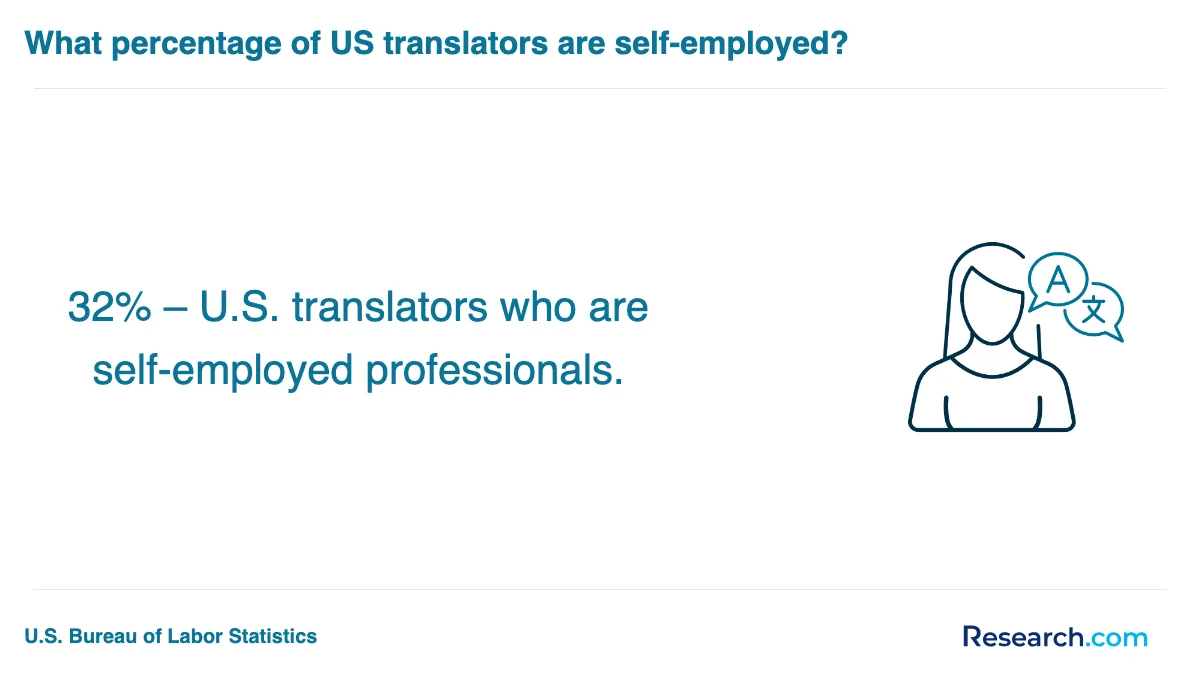
The job market for professional translator trade school graduates in South offers steady opportunities, especially in urban areas where linguistic diversity is growing. Graduates from popular trade schools in the South often secure positions in healthcare, legal services, and education sectors, meeting regional demand for languages like Spanish, Portuguese, and French Creole. Employers value language proficiency that matches the local population, which helps graduates stand out. Real-life experiences shared by recent graduates highlight flexibility through freelance work, as 55% of translators and interpreters operate as independent contractors or within private companies.
Entry-level salaries in South Carolina and surrounding states typically range from $44,000 to $60,000, with higher wages for specialized skills in medical or legal translation. The steady demand provides positive prospects for job seekers despite a modest national growth rate. Graduates appreciate the ability to build diverse client bases while enjoying job flexibility.
Key factors enhancing job opportunities for translators in South Carolina include:
- Growing immigrant populations requiring language services
- Replacement job openings averaging 7,500 annually nationwide
- Proficiency in high-demand languages like Spanish and Haitian Creole
Those exploring career options after trade school will find insights into what are some good trade jobs helpful for making informed decisions about employment in the translation field.
Frequently Asked Questions about professional translator
After completing a professional translator trade school in the South, preparing for the job market involves several strategic steps. Graduates should build a strong portfolio showcasing diverse translation projects, which can help demonstrate their skills to potential employers. Networking is crucial; joining local and national translator associations, such as the American Translators Association, can provide valuable contacts and job leads.
Many employers in the South prefer candidates with certification, so pursuing credentials like the ATA certification can improve job prospects. Additionally, gaining experience through internships or freelance work can increase marketability. According to the U.S. Bureau of Labor Statistics, translation jobs in Southern states are expected to grow by 20% through 2030, highlighting strong demand in the region.
Employers in the South seeking graduates from professional translator trade schools prioritize strong language proficiency in both source and target languages. According to the American Translators Association, accuracy and cultural competence are essential for effective communication in diverse communities.
Additionally, technical skills such as familiarity with translation memory software and CAT tools are increasingly important. The U.S. Bureau of Labor Statistics highlights that translators using technology efficiently have better job prospects.
Critical thinking and research abilities also stand out, enabling translators to verify terminology and context accurately. Strong interpersonal skills matter too, as many translators work with clients and other professionals.
Finding internships relevant to professional translator trade school programs in the South involves a strategic approach. Start by consulting your school's career services, as many institutions maintain partnerships with local businesses and organizations needing translation support. These partnerships often provide exclusive internship opportunities tailored to students.
Additionally, consider exploring internships offered by government agencies, such as local courts or public health departments, which frequently seek translators. According to the U.S. Bureau of Labor Statistics, translation internships in southern states have grown by 8% over the past five years, reflecting increased demand.
Networking is crucial-join professional groups like the American Translators Association's regional chapters to connect with potential employers.
Obtaining a diploma from a professional translator trade school in South can significantly enhance career mobility and advancement. According to the U.S. Bureau of Labor Statistics, employment for translators and interpreters is projected to grow 23% from 2022 to 2032, faster than average. A formal diploma signals specialized skills and commitment, making candidates more competitive in the job market.
In South, trade schools often offer practical training tailored to regional industries such as healthcare, legal services, and government. Graduates typically report easier access to entry-level positions and higher starting salaries compared to self-taught translators, as per the National Center for Education Statistics.
Moreover, many employers prefer certified translators with formal education, which can lead to faster promotions and opportunities for freelance or contract work. Overall, a trade school diploma increases credibility and opens pathways for professional growth.
Students attending professional translator trade schools in South can benefit from several part-time job opportunities that enhance their skills and employability. Common roles include freelance translation, where students work on documents or audio files in various languages. This type of work improves accuracy and speed while building a portfolio.
Other opportunities include interpretation assistant positions in healthcare or legal settings, offering real-world experience with specialized terminology. Additionally, jobs such as language tutoring or transcription help refine listening and communication skills.
According to the U.S. Bureau of Labor Statistics, South's metropolitan areas show steady demand for translation services, making these roles valuable for gaining practical expertise while studying.
When choosing the best professional translator degree program near me and near South, consider factors such as accreditation, curriculum, faculty expertise, and language options that align with your career goals. Many programs and universities offer specialized degrees or certifications in translation studies, which can be found through resources like Research.com. Additionally, attending open days, talking to alumni, and researching job placement rates can help in making an informed decision.
Top Trending Rankings
References
- 7 Steps to Prepare for a Translation Career! https://oryxtranslation.com/7-steps-to-prepare-for-a-translation-career/
- Become a translator in 2024 with these tips https://www.smartcat.com/blog/what-it-takes-to-become-a-translator/
- How To Become A Translator | Institute of Translation and Interpreting https://www.iti.org.uk/starting-out/how-to-become-a-translator.html
- So, You Want To Be A Translator? - American Translators Association (ATA) https://www.atanet.org/starting-your-career/you-want-to-be-translator/
- Embarking on the Journey to Become a Translator - Studying in Switzerland https://studyinginswitzerland.com/how-to-become-a-translator/
- How to Become a Translator: Career Path & Guide | Himalayas https://himalayas.app/career-guides/translator
- Translation For Beginners (2024 Guide) - BLEND https://www.getblend.com/blog/get-started-translator/
- Seven tips for starting a career as a translator - Traductanet https://traductanet.com/latest-news/seven-tips-for-starting-a-career-as-a-translator/
- How To Become A Language Professional | SATI https://translators.org.za/how-to-become-a-language-professional/
- Online Professional Translator from University of South Alabama Center for Continuing Education https://careertraining.southalabama.edu/training-programs/professional-translator/


