
Most Affordable Translator Schools & Training - Budget-Friendly Translation Trade Programs in New Jersey for 2026

Co-Founder and Chief Data Scientist
Choosing the right professional translator trade school in New Jersey can be a big step toward a rewarding career. This article introduces a carefully crafted ranking of translator trade school programs for 2026, developed by the Research.com team of data scientists. It’s designed to help you find programs that truly match your goals and budget.
By exploring these options, you’ll gain valuable insight into schools that offer quality training and certification. Earning a diploma or certificate in translation can open doors to exciting job opportunities and personal growth. Let this guide support you on your educational journey.
Key benefits of finishing professional translator trade school in New Jersey
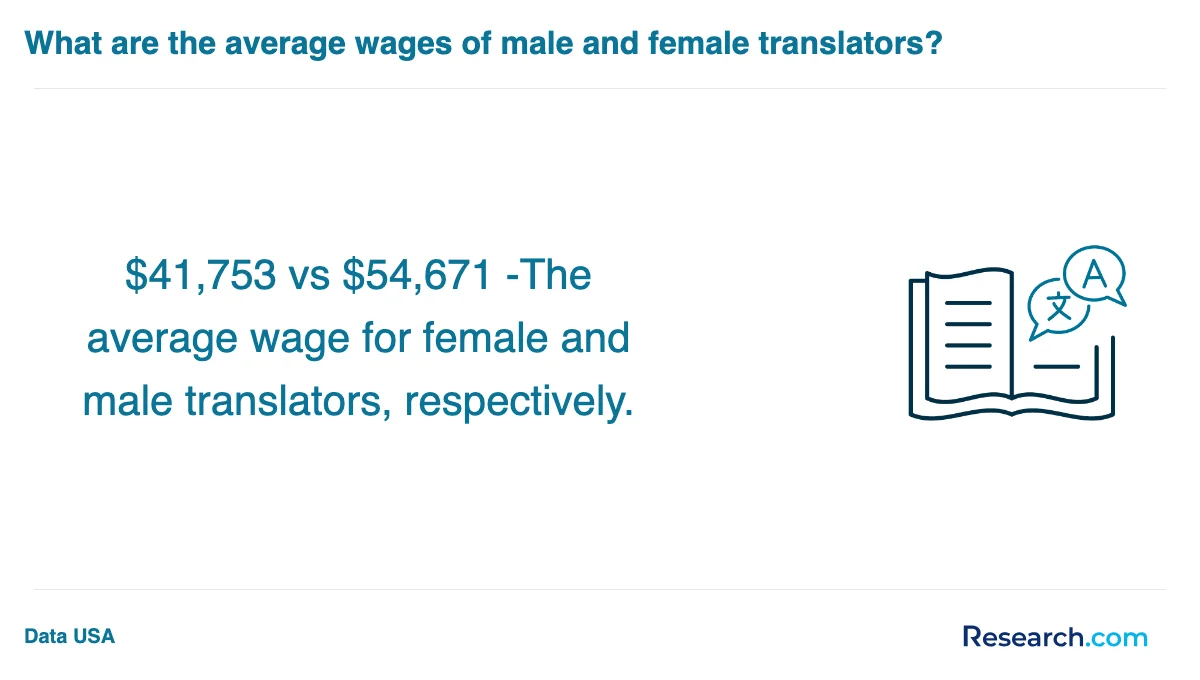
- Graduates from professional translator trade schools in New Jersey can expect competitive salaries, with averages around $58,072 per year and hourly rates near $27.92, offering a solid income early in their careers.
- Career paths include roles as certified translators, interpreters, or language specialists in diverse industries, as demonstrated by successful alumni from popular New Jersey trade schools who quickly enter the job market.
- Completing a professional translator trade school online provides flexibility and convenience, allowing students to balance studies with work, as many online graduates report faster completion times compared to traditional degrees.
What can I expect from professional translator trade schools in New Jersey?
Enrolling in a professional translator trade school program in New Jersey means preparing for a hands-on learning journey. Graduates from Rutgers and Montclair State often share how their coursework blended theory with real-world application, including advanced translation classes and internships that sharpened their skills in Spanish-English translation. Expect to engage in rigorous language proficiency tests, like those at Rowan College at Burlington County, where passing a fluency exam is essential to move forward.
Students also become familiar with industry tools such as Computer Aided Translation (CAT) software and learn crucial business practices like contract negotiation, helping them confidently navigate freelance opportunities. Many appreciate the flexible mix of online and in-person classes, which fits well with busy schedules. While the path is demanding, these programs aim to equip you with the practical skills and certifications needed to compete in the professional world of translation and interpreting in New Jersey.
Where can I work after finishing professional translator trade schools in New Jersey?
Graduates of professional translator trade schools in New Jersey find a wide array of job opportunities across multiple sectors. Many alumni from well-known local trade schools quickly secure roles in hospitals and health systems like Hackensack Meridian Health, where they help patients navigate medical appointments as interpreters or translators. These positions often call for strong bilingual skills and knowledge of medical terminology, making the transition from school to work smoother for those who earned relevant certifications.
Others move into the legal field, working with New Jersey Courts to interpret during hearings and trials. Familiarity with legal language learned during training gives graduates confidence in these high-stakes environments. Private language service agencies also employ many trade school grads, offering flexible work translating documents or interpreting for businesses and community events.
Federal agencies, including the FBI, sometimes hire translators with specialized skills, although these roles may require U.S. citizenship and security clearance. Overall, New Jersey's steady demand for bilingual professionals means graduates often feel optimistic and prepared stepping into roles that match their language skills and training.
How much can I make after finishing professional translator trade schools in New Jersey?
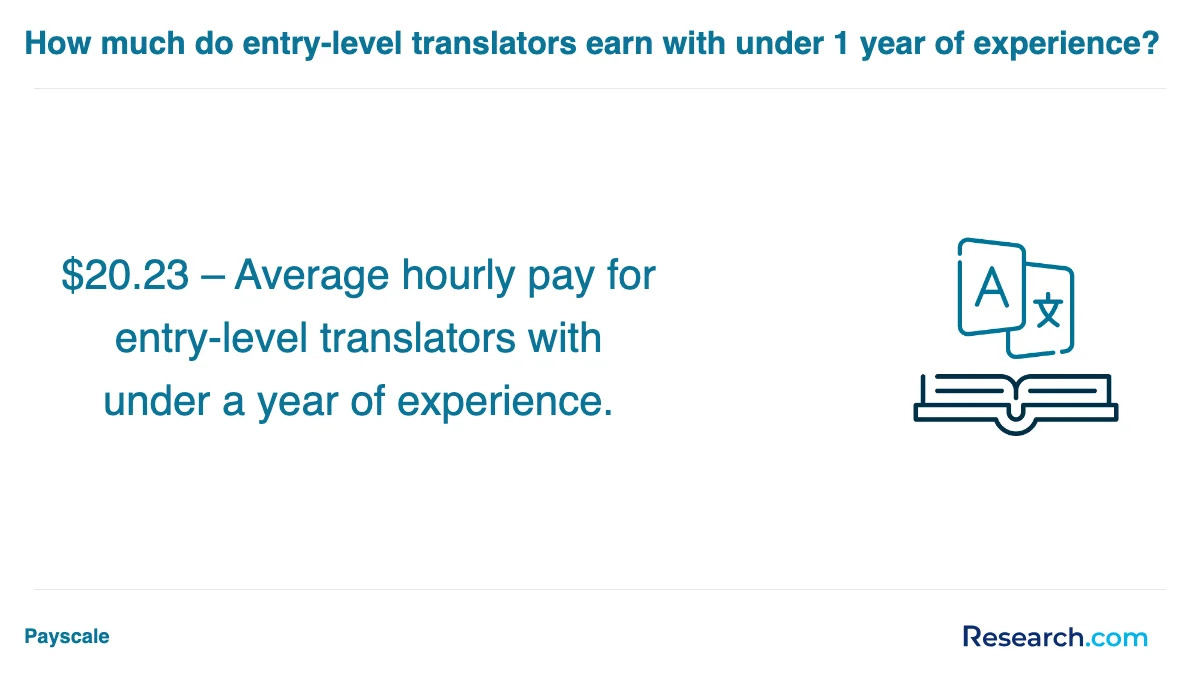
Graduates from professional translator trade school programs in New Jersey typically start with salaries ranging from about $45,000 to $60,000 annually. For example, many students from well-known New Jersey trade schools find their first jobs paying near the $50,000 mark, which matches reports from sources like ZipRecruiter. This range reflects entry-level positions where practical skills and certifications begin to turn into real income.
With experience and specialization, such as mastering high-demand languages, salaries can increase significantly. Some graduates have shared stories of quickly moving up to around $68,000 a year, aligning with Salary.com's average for the state. One graduate working in Frenchtown noted earning close to $93,000 due to local demand and niche language expertise, showing how location and skills impact earnings.
Hourly pay is also encouraging, with rates averaging about $25 to $28 per hour according to Indeed and other job boards, which adds flexibility for freelance or part-time translators starting out. This makes the investment in a New Jersey trade school practical for those ready to enter the translation field with a realistic expectation of steady growth.
Most Affordable Translator Schools & Training - Budget-Friendly Translation Trade Programs in New Jersey for 2026
# 1 position
UCNJ Union College of Union County, NJ - Language Interpretation and Translation.
certificate or diplomaThe Language Interpretation and Translation program at UCNJ Union College of Union County, NJ, offers a hybrid format with some distance education options. The program prepares students to become professional interpreters and translators for English, Canadian French, and other languages. It includes intensive language instruction and covers various interpretation and translation techniques. The annual in-state tuition is $5,280. The program is accredited by the Middle States Commission on Higher Education.
# 2 position
Rowan University - Language Interpretation and Translation.
certificate or diplomaRowan University offers a hybrid Language Interpretation and Translation program that trains students to become professional interpreters and translators. The curriculum includes intensive foreign language instruction and covers various interpretation types, literary and technical translation, and business applications. The program is accredited by the Middle States Commission on Higher Education. Annual in-state tuition is $15,700, and some distance-education options are available for flexible learning.
Key Findings
- Admission requires proficiency in English and at least one other language, with many programs requiring a high school diploma or equivalent.
- Certificate programs typically involve 16-18 credits including courses in translation, interpretation, and sometimes internships or independent study.
- Tuition at community colleges can range from around $49 per course to $1,000-$3,000 for full certificate programs, with Rutgers University programs generally costing more.
- Entry-level translators in New Jersey earn between $45,000 and $60,000 annually, with higher pay for legal or medical specializations.
- Certification exams have low pass rates of 5-10%, so programs focus on professional preparation to improve success chances.
How long does it take to complete professional translator trade schools in New Jersey?
Completing a professional translator trade school program in New Jersey typically takes between six months and one year, depending on whether you enroll full-time or part-time. Many graduates from well-known trade schools in the state share how the condensed curriculum allowed them to quickly gain practical skills without unnecessary delays.
For example, a full-time student at a popular New Jersey trade school found the immersive schedule intense but rewarding, finishing in about eight months. This fast-paced approach enabled them to start freelancing sooner and build confidence through real-world translation projects assigned during the program.
Part-time options extend the timeline to around a year but offer flexibility for those balancing work or family. Graduates often mention feeling motivated by this balance, as it prevented burnout and let them absorb material at a steady pace.
In both cases, the programs emphasize hands-on experience with industry-standard translation tools, so students finish ready to handle client demands efficiently. Knowing this timeline helps you plan your transition into a translation career realistically.
What's the difference between online and on-campus professional translator trade school programs?
Online professional translator programs in New Jersey stand out for their flexibility, allowing students to balance studies with work or family life. Graduates from Mercer County Technical Schools often highlight the convenience of accessing lectures and assignments anytime, which helped them manage busy schedules without missing key learning moments. Digital tools like interactive modules and virtual internships, such as those offered through Rutgers University, ensure practical experience even without physical attendance.
On the other hand, on-campus programs at institutions like Montclair State University provide a more immersive experience. Students value face-to-face interaction with instructors and peers, which fosters immediate feedback and lively practice sessions. The access to language labs and university libraries adds tangible benefits that many find motivating and essential for building discipline.
Some students appreciate hybrid programs at Rutgers University that blend online and in-person formats, giving them the best of both worlds. This approach suits those who want structured learning but also need some flexibility.
What is the average cost of professional translator trade schools in New Jersey?
The average tuition fees for translator programs in New Jersey vary significantly depending on the type of institution and delivery method chosen. For example, graduates of online programs like the Professional Translator course at New Jersey City University share how the $2,682 tuition allowed them to balance studies with full-time work, making certification more accessible and affordable. This cost-effective option highlights how flexible online formats can ease the financial burden without sacrificing quality education.
In contrast, those attending traditional in-person programs at public institutions such as Union County College often encounter tuition fees that depend on residency status and specific course choices. These students report the advantage of direct interaction with instructors and peers, which enhances their practical skills, though costs can be higher than online programs.
Private trade schools in New Jersey typically charge more, with an average tuition of $18,857. While this higher cost might feel intimidating at first, graduates emphasize the value of specialized training and smaller class sizes, which can accelerate their readiness for professional translator careers.
To truly understand the cost of professional translator certification courses in New Jersey, it helps to explore a range of options and factor in available financial aid. Many prospective students discover through research on best online trade school programs that scholarships and grants can substantially reduce net expenses.

What financial aid is available for professional translator trade schools in New Jersey?
Students enrolled in professional translator trade school programs in New Jersey often find federal and state financial aid available if their program is credit-bearing and offered through an accredited institution. Graduates from popular trade schools recall applying for the Federal Pell Grant and New Jersey's Tuition Aid Grant (TAG), which helped cover a significant portion of their tuition. These need-based grants require completing the FAFSA or the New Jersey Alternative Financial Aid Application before deadlines, making timely submission essential.
For those attending vocational or non-credit translator training programs, federal aid like Pell Grants usually isn't an option. However, some graduates have successfully accessed alternative funding through vocational rehabilitation services or workforce development boards, which can fully or partially cover course costs. Select trade schools also provide payment plans and limited scholarships, easing financial stress during training.
Programs such as the New Jersey Foster Care Scholars Program offer comprehensive support to eligible students, including tuition and book stipends, making a real difference for those with foster care backgrounds pursuing translator training. Many students emphasize the value of using each school's net cost calculator to realistically plan their expenses and explore school-specific scholarships for skilled trades.
What are the prerequisites for enrolling in professional translator trade schools in New Jersey?
Enrolling in a professional translator trade school program in New Jersey typically requires a few straightforward prerequisites that focus on ensuring you're prepared for the intensive language work ahead. Most schools expect candidates to have at least a high school diploma or GED. This basic educational foundation is essential because translation programs demand strong reading, writing, and comprehension skills.
Graduates from popular New Jersey trade schools often share that having a background in one or more foreign languages, even at a conversational level, greatly boosts confidence and success in the program. For instance, students who have taken language classes in high school or engaged in community language groups find the transition smoother.
Common prerequisites include:
- Proof of high school completion or equivalent
- Basic proficiency in English and at least one foreign language
- Sometimes a placement test to assess language skills
- Clear communication skills, demonstrated through an interview or written assessment
These requirements are designed to help you hit the ground running, making the challenging coursework manageable and the learning experience rewarding. Many students recall feeling excited and motivated, knowing these prerequisites prepared them well for real-world translation tasks after graduation.
What are the typical courses in professional translator trade schools in New Jersey?
Professional translator trade school programs in New Jersey typically include a range of courses designed to build both foundational knowledge and practical skills. Graduates from Rutgers University often recall starting with an Introduction to Translation Studies, where they learned about translation history, ethics, and theory-essential groundwork for anyone serious about the profession.
Students then progress to advanced translation courses, such as Rutgers' "Advanced Translation I," which challenges them with complex texts and hones their ability to navigate nuances between English and languages like Spanish or French. These courses emphasize accuracy and contextual understanding, skills that graduates find invaluable in real-world projects.
Specialized courses are a highlight at places like Montclair State, where students dive into sectors like legal, medical, and technical translation. This specialization helps students confidently tackle industry-specific vocabulary and formats, preparing them for diverse job opportunities.
Interpreting courses are also common, focusing on real-time communication skills used in courts and hospitals. Many students appreciate hands-on practice with consecutive and simultaneous interpreting techniques, which build quick thinking and cultural sensitivity.
Practical internships provide crucial supervised experience, often arranged through external placements, helping students transition smoothly into professional roles.
Finally, exposure to translation technology tools like CAT software equips students with modern workplace competencies, making them competitive candidates in New Jersey's language services market.
What are the available specializations in professional translator trade schools in New Jersey?
Professional translator specializations in New Jersey trade schools typically focus on both translation (written) and interpreting (spoken), with practical training designed to prepare graduates for immediate career demands. For instance, medical and legal interpreting programs New Jersey students attend often include rigorous fluency assessments and hands-on terminology practice to qualify for certification exams.
Popular programs include:
- Medical interpreting, where graduates learn clinical language and healthcare system protocols, such as those taught in New Jersey City University's Advanced Medical Interpreter course.
- Legal or court interpreting, with courses at Rutgers University that ready students for state and federal court certification exams.
- Community interpreting, focusing on social service and educational settings common in New Jersey's diverse urban population.
- Technical, audiovisual, literary, and project management translations, blending traditional skills with modern CAT tool training, primarily offered at Rutgers.
Many graduates share that their real-world readiness and confidence to meet employer expectations in New Jersey's dynamic market come directly from the hands-on, specialized curriculum. Those curious about advancing in language careers should explore trade school professions that align with their goals.
How do you choose the best professional translator trade school program in New Jersey?
When choosing the best professional translator trade school program in New Jersey, focus on accredited schools that offer specialized courses in legal, medical, and technical translation. Graduates from Rutgers University often highlight the real value of its hands-on internship opportunities, which help develop practical skills and build local professional networks. Flexibility in course delivery is another crucial factor; many working students appreciate New Jersey City University's online Professional Translator course, which includes preparation for the ATA certification exam.
Cost is a major consideration, especially if you want affordable professional translator programs in New Jersey. The value of a $2,682 tuition at NJCU combined with career support services can greatly influence your return on investment. Location matters too: selecting a top-rated translator trade school in New Jersey near your home makes attending evening classes and local internships more manageable.
Balancing affordability, accreditation, real-world experience, and support can shape your path. For comparison insights on education paths, consider exploring the college versus trade school debate to understand your best fit.
What career paths are available for professional translator trade school graduates in New Jersey?
Graduates of professional translator trade school programs in New Jersey find diverse career opportunities for translators in New Jersey, spanning healthcare, legal, and freelance sectors. Many enter medical interpreting roles at hospitals like RWJBarnabas Health, where fluency and knowledge of medical terminology lead to well-paid positions, often starting at $30 per hour. Others pursue interpreter jobs for trade school graduates in New Jersey in the legal system, joining the New Jersey Courts as court interpreters for languages such as Spanish and Haitian-Creole. These roles require state orientation and registration but offer steady demand.
Freelancing is a common path, with graduates establishing agencies or contracting remotely. Popular trade schools in New Jersey often highlight alumni success stories working flexibly with courts or healthcare providers. Specialized government roles, even with agencies like the FBI, also appeal to those with advanced skills. For those weighing options, the list of skilled trades in-demand helps clarify these vibrant career outcomes.
What is the job market for professional translator trade school graduates in New Jersey?
The job market for translators in New Jersey is currently described as not very active, which is an important consideration for professional translator trade school graduates in the state. While the average annual salary for interpreters and translators is a promising $64,996, graduates often find fewer openings compared to other states. Some graduates from popular trade schools in New Jersey share experiences of waiting several months after graduation to secure stable employment.
However, positive opportunities remain in niche fields and industries, especially in healthcare, education, and legal sectors, where bilingual communication is vital. Graduates report that developing specialized language skills related to these industries improves their chances of finding work.
- Average salaries range from $50,800 to $70,100 annually, with top earners making over $81,200.
- More than 200 translation-related jobs are listed on sites like Indeed.com, predominantly in specialized fields.
Trade schools offering professional translator programs in New Jersey often encourage students to supplement local training with online classes trade schools to broaden language expertise and employment prospects.
Graduates preparing with this dual approach experience greater confidence navigating the challenging interpreter and translator employment outlook New Jersey currently presents.
Frequently Asked Questions about professional translator
After completing a professional translator trade school in New Jersey, preparing for the job market involves several key steps. Graduates should build a strong portfolio showcasing diverse translation samples, which can demonstrate practical skills to potential employers. Networking is crucial; joining organizations like the American Translators Association (ATA) or local language groups can open doors to job opportunities. According to the U.S. Bureau of Labor Statistics, employment for interpreters and translators is expected to grow 20% from 2022 to 2032, reflecting increasing demand nationwide, including New Jersey. Additionally, obtaining certification such as the ATA credential can significantly boost a candidate's marketability.
Internships or freelance projects offer valuable real-world experience and help develop professional contacts. It's also important to stay updated on industry-specific software tools, such as SDL Trados or MemoQ, which many employers require. Finally, graduates should tailor their resumes and cover letters to highlight their trade school training and language proficiency, focusing on the needs of New Jersey's diverse industries, including healthcare, legal, and business sectors.
Employers hiring professional translator trade school graduates in New Jersey prioritize strong language proficiency in both the source and target languages. According to the U.S. Bureau of Labor Statistics, precise and culturally accurate translation skills are essential to meet diverse client needs in the state's multilingual environment. Additionally, familiarity with translation software and technology, such as Computer-Assisted Translation (CAT) tools, is increasingly valued.
Strong research abilities help translators handle specialized terminology, especially in legal, medical, and technical fields common in New Jersey's job market. Communication skills and ethical understanding are also critical, ensuring confidentiality and accuracy in sensitive translations. Overall, graduates who combine linguistic expertise with technical competence stand out to employers in New Jersey.
Finding internships relevant to professional translator trade school programs in New Jersey involves a strategic approach combining research, networking, and institutional resources. Start by consulting your trade school's career services, as many maintain partnerships with local businesses, government agencies, and nonprofit organizations seeking translation interns.
Additionally, explore opportunities through New Jersey's workforce development offices, which often list internships in language services. According to the New Jersey Department of Labor, the demand for language professionals in legal, medical, and technical fields has grown by 8% over recent years, increasing internship availability.
Networking through professional organizations like the American Translators Association's New Jersey chapter can also connect you to internships. Lastly, check online platforms focused on internships in New Jersey, filtering for translation roles to find openings suited to your trade school training.
Obtaining a professional translator trade school diploma in New Jersey can significantly impact career mobility and advancement. According to the New Jersey Department of Labor, the demand for skilled translators is projected to grow by 19% through 2032, faster than the average for all occupations. A diploma from an accredited trade school provides practical skills and certification that employers value, often leading to higher starting salaries and better job stability.
Graduates gain access to diverse sectors such as healthcare, legal, and government services, where bilingual communication is essential. This formal credential can also enhance eligibility for freelance and remote translation projects, widening career opportunities.
Moreover, New Jersey's diverse population creates a strong local need for certified translators, increasing job prospects within the state. Data from the American Translators Association shows that certified translators earn 15-20% more on average than non-certified peers, highlighting the diploma's role in professional advancement.
Students enrolled in professional translator trade schools in New Jersey can benefit from several part-time job opportunities that enhance their education and practical skills. Working as a freelance translator or interpreter is a common option, allowing students to apply language skills in real-world settings while earning income. According to the U.S. Bureau of Labor Statistics, New Jersey's demand for translators and interpreters is projected to grow by 20% from 2022 to 2032, higher than the national average.
Other roles include transcription services, language tutoring, and assisting at local courts or healthcare facilities, where bilingual communication is essential. These jobs help students build a professional network and gain valuable experience relevant to their future careers.
To find the most affordable professional translator degree program near me in New Jersey, you can begin by researching local colleges and universities that offer translation programs and compare their tuition rates. Many institutions provide detailed information on their websites about program costs and financial aid opportunities, which can help you identify more affordable options. Additionally, consulting resources like Research.com may help you explore accredited programs near New Jersey, ensuring you gain a high-quality and cost-effective education in translation.
Related Professional Translator Rankings for Nearby States
- Most Affordable Translator Schools & Training - Budget-Friendly Translation Trade Programs in Pennsylvania for 2026
- Most Affordable Translator Schools & Training - Budget-Friendly Translation Trade Programs in New York for 2026
- Most Affordable Translator Schools & Training - Budget-Friendly Translation Trade Programs in Massachusetts for 2026
- Most Affordable Translator Schools & Training - Budget-Friendly Translation Trade Programs in Ohio for 2026
- Most Affordable Translator Schools & Training - Budget-Friendly Translation Trade Programs in North Carolina for 2026
- Most Affordable Translator Schools & Training - Budget-Friendly Translation Trade Programs in Georgia for 2026
- Most Affordable Translator Schools & Training - Budget-Friendly Translation Trade Programs in Michigan for 2026
- Most Affordable Translator Schools & Training - Budget-Friendly Translation Trade Programs in Missouri for 2026
- Most Affordable Translator Schools & Training - Budget-Friendly Translation Trade Programs in Wisconsin for 2026
- Most Affordable Translator Schools & Training - Budget-Friendly Translation Trade Programs in Minnesota for 2026
Top Trending Rankings
References
- Certificate in Translation and Interpreting https://span-port.rutgers.edu/translation-and-interpreting/programs/certificate
- Online Professional Translator from New Jersey City University https://careertraining.njcu.edu/training-programs/professional-translator/
- Career Paths – Translation And Interpreting - Montclair State University https://www.montclair.edu/translation-and-interpreting/career-paths/
- Top U.S. Translation Schools: Master’s and PhD Programs https://altalang.com/beyond-words/top-us-translation-schools-masters-phd-programs/
- Interpreting Spoken Language Degrees – UCNJ https://www.ucc.edu/academics/degrees/interpreting/
- Approved Certificate of Eligibility (CE) Program Providers https://www.nj.gov/education/certification/CEprogramproviders.shtml
- Union County College in Elizabeth, New Jersey - The Translation Company https://thetranslationcompany.com/translation-directory/translation-schools/union-county-college-in-elizabeth-new-jersey/
- American Sign Language/English Interpreting | Community College of Philadelphia https://www.ccp.edu/degree-programs/american-sign-languageenglish-interpreting
- Online Professional Interpreter from Passaic County Community College https://careertraining.pccc.edu/training-programs/professional-interpreter-course-online/
- Interpreters and Translators | Occupation | My Career NJ https://mycareer.nj.gov/occupation/27-3091


