
Best Translator Training Programs & Trade Schools - Top Translation Schools in Colorado for 2026

Co-Founder and Chief Data Scientist
Choosing the right professional translator trade school in Colorado can shape your future career in exciting ways. This article introduces a carefully crafted ranking of translator trade school programs, developed by the Research.com team of data scientists. It’s designed to help you make an informed decision based on reliable data.
Whether you want a diploma or certification, pursuing this path opens doors to rewarding opportunities. Reading on will guide you toward programs that truly support your goals and growth in the field of professional translation.
Key benefits of finishing professional translator trade school in Colorado
- Graduates from professional translator trade schools in Colorado can expect competitive salaries, with averages around $51,230 annually and higher earnings in cities like Denver, where some translators make up to $72,558 per year.
- Career paths for graduates often include roles as interpreters, freelance translators, or specialized language experts, similar to alumni from popular Colorado trade schools who find rewarding opportunities in diverse industries.
- Completing a professional translator trade school online offers flexibility and practical skills, as shown by online graduates who enjoy balancing work and study while entering a growing remote translation market.
What can I expect from professional translator trade schools in Colorado?
When you enroll in a professional translator trade school program in Colorado, expect a blend of hands-on training and solid theory tailored to today's language service demands. Graduates from schools like MSU Denver and Colorado State University often share how courses sharpened their skills in both written and spoken translation, preparing them to handle real client scenarios with confidence.
You'll dive into core techniques such as linguistic accuracy and cultural competency, essential for navigating diverse communication needs. Many students find value in specialized tracks too-like medical or legal interpreting-with programs such as the "Bridging the Gap" Medical Interpreter Training in Aurora providing targeted expertise that's immediately applicable in healthcare settings.
Instruction varies from fully online to hybrid formats, often including interactive web chats where you get personalized feedback from instructors. This approach helped previous students build fluency and professionalism, boosting their readiness for entry-level roles paying around $20 per hour in Colorado.
Most programs award certificates or digital badges upon completion, which alumni proudly add to their professional profiles. Tuition costs typically range from $450 to $950 for certificate courses, reflecting a worthwhile investment in your career path in Colorado's growing translation industry.
Where can I work after finishing professional translator trade schools in Colorado?
After finishing a professional translator trade school program in Colorado, you'll find a wide range of employment opportunities waiting for you. Many graduates quickly secure positions in local schools and school districts, working as in-house interpreters or part of translator pools. Imagine helping parents and teachers communicate seamlessly in multilingual classrooms - a rewarding role that offers flexible, often part-time schedules.
Healthcare settings like hospitals and clinics also frequently hire translators to assist during patient appointments, whether in person or remotely. Graduates often share how fulfilling it feels to bridge communication gaps in sensitive medical situations, improving patient care.
The legal field is another strong career path. Graduates often land roles in courtrooms or government offices, especially in Spanish language services. Certification from your Colorado trade school can make you a preferred candidate here, where you might assist attorneys or judges in real-time.
Freelance work is plentiful, with agencies and nonprofits constantly seeking skilled translators for community outreach or business projects. Many graduates enjoy the independence and variety this path offers, balancing diverse assignments across Colorado.
How much can I make after finishing professional translator trade schools in Colorado?
After finishing a professional translator trade school program in Colorado, graduates can expect to earn between $24.63 and $32 per hour, which translates to about $50,395 to $76,341 annually. Many students from well-known Colorado trade schools share stories of landing jobs in Denver or Littleton, where hourly wages often reach $28 to $30. One graduate described feeling excited when their starting pay hit nearly $29 per hour, a strong boost compared to other entry-level roles.
In Colorado Springs, salaries might be slightly lower-around $27 per hour-but still offer a solid middle-income lifestyle. Entry-level roles generally start around $20.25 per hour, so even fresh graduates quickly feel the satisfaction of earning a decent wage right out of school.
With experience or specialization in high-demand languages, translators can grow their income significantly, sometimes surpassing $119,000 annually. Many graduates find this career path rewarding, both financially and personally, as the demand for skilled translators continues to rise in Colorado's diverse communities.
Best Translator Training Programs & Trade Schools - Top Translation Schools in Colorado for 2026
# 1 position
Community College of Aurora - Language Interpretation and Translation.
associateThe Language Interpretation and Translation program at Community College of Aurora offers hybrid learning with some distance-education options. It prepares students to become professional interpreters and translators between English, Canadian French, and other languages. The curriculum covers various interpretation types, translation techniques, and specialized applications. Annual in-state tuition is $4,030. The program is accredited by the Higher Learning Commission.
# 2 position
Community College of Aurora - Language Interpretation and Translation.
certificate or diplomaThe Community College of Aurora offers a hybrid Language Interpretation and Translation program that prepares students to become professional interpreters and translators. The curriculum includes intensive foreign language instruction and specialized courses in various interpretation and translation methods. The annual in-state tuition is $4,030. This program is accredited by the Higher Learning Commission and provides training for interpreting and translating between English, Canadian French, and other languages.
Key Findings
- Most translator programs in Colorado require full verbal fluency in at least two languages, with candidates needing a minimum score of 3 on a 1-5 spoken fluency scale for each language.
- Entry-level interpreter courses cost around $450 plus a $35 fee, while specialized courses like medical interpreter training can range from $675 to $950, with extra fees for language assessments or online formats.
- Programs offer flexible schedules including online, in-person, and hybrid classes, lasting from a few weeks up to a month, with options for weekdays or weekends.
- Graduates receive certificates or digital badges to add to resumes and professional profiles.
- Entry-level interpreters in Colorado typically earn about $20 per hour, with higher wages possible for medical and legal interpreters.
How long does it take to complete professional translator trade schools in Colorado?
Completing a professional translator trade school program in Colorado typically takes between six months to one year. Many students at well-known trade schools in Denver and Colorado Springs find this timeframe perfect for balancing their personal lives while gaining the specialized skills needed for the translation industry.
Graduates often share how immersive and focused their programs were, allowing them to quickly build confidence in language proficiency and technical translation tools. One common experience is that the hands-on practice with real-world documents makes the learning process feel both exciting and rewarding.
For example, a graduate from a popular Colorado trade school mentioned how the intensive schedule helped them transition swiftly into freelance projects soon after finishing. This quick completion time means you can start earning and building your career without years of delay, which is especially encouraging for those eager to enter the workforce.
Choosing a program in Colorado means access to a supportive community and resources tailored to local and global translation demands, making the journey feel both manageable and motivating.
What's the difference between online and on-campus professional translator trade school programs?
The key difference between online and on-campus professional translator trade school programs in Colorado is how you experience learning and interact with others. Online programs, like the "Foundations of Translation and Interpreting" at Metropolitan State University of Denver, give you the freedom to study from anywhere in the state. Graduates often share how this flexibility lets them balance work, family, and school without stress. You can participate in live video sessions or complete assignments on your own schedule, which feels empowering if you're juggling multiple responsibilities.
On the other hand, on-campus programs such as Bridging the Gap Medical Interpreter Training in Aurora immerse you in a structured environment. Graduates appreciate the face-to-face interactions and immediate feedback from instructors, which build confidence in real-time interpreting skills. Being physically present also fosters a supportive community, making it easier to network and stay motivated.
Some students choose hybrid options, blending the best of both worlds to develop practical skills while keeping flexibility. Choosing the right format depends on your learning style and daily commitments.
What is the average cost of professional translator trade schools in Colorado?
When considering the average tuition fees for translator programs in Colorado, students often encounter a range that depends largely on the type of institution and course delivery method. For example, graduates from Colorado State University's online Professional Translator course report paying around $2,874, which offers flexibility and affordability for those balancing work and study. On the other hand, many trade schools in Colorado charge an average tuition of approximately $15,276. These schools provide hands-on training and in-person experiences that many students find invaluable for mastering translation skills in real-world environments.
Many graduates recall feeling empowered by the personalized support at these trade schools, where instructors often bring professional translation experience into the classroom. This practical approach helps students gain confidence before entering the job market. It's important to understand that the cost of professional translation courses in Colorado directly reflects the program's scope and resources, so prospective students should carefully evaluate what each school offers.
When budgeting, keep in mind that while tuition can vary, investing in a reputable program can open doors to lucrative career paths. In fact, those who complete these programs often advance into some of the highest paying trades available. By researching specific programs, you'll be better equipped to find one that matches both your educational goals and financial situation.

What financial aid is available for professional translator trade schools in Colorado?
Financial aid for professional translator trade school students in Colorado can be a bit tricky, but there are options if you know where to look. Most of these programs, especially the non-credit certificates, don't qualify for federal aid like FAFSA or Pell Grants. Graduates often share how this initially felt discouraging, but they found hope through institutional aid. For example, at Metropolitan State University of Denver (MSU Denver), students who qualify can receive full tuition waivers for their Professional Interpreter in Community Settings course, making the $595 tuition plus fees completely manageable.
Others pursuing certificates through places like Colorado State University have had to cover costs upfront, yet many report feeling empowered after exploring employer tuition reimbursement or vocational rehabilitation funding. It's common for students to check with their workplaces about professional development funds, which helped several graduates reduce out-of-pocket expenses. Knowing these possibilities can turn financial stress into motivation as you build your career in translation.
What are the prerequisites for enrolling in professional translator trade schools in Colorado?
To enroll in a professional translator trade school program in Colorado, you typically need a high school diploma or GED as your basic educational foundation. Many graduates recall how having strong language skills, especially in English and their target language, made their application stand out. Schools like those in Denver often recommend applicants have prior exposure to the language they wish to translate, whether through formal classes or immersive experiences.
Besides formal education, trade schools usually expect:
- Proficiency proof via language tests or placement exams
- A genuine passion for cross-cultural communication
- Basic computer literacy to handle translation software
Graduates often share that showing enthusiasm during interviews or through personal statements helped highlight their commitment. For example, a student who spent a summer volunteering in bilingual community programs found this experience gave real-world context to their studies and made the prerequisites feel achievable and motivating rather than intimidating.
Ultimately, Colorado trade schools focus on readiness to engage deeply with language nuances and cultural subtleties, so demonstrating these interests upfront can open doors quickly.
What are the typical courses in professional translator trade schools in Colorado?
Professional translator trade school programs in Colorado typically include a mix of practical and specialized courses designed to prepare you for real-world challenges. Graduates often share how core classes in translation theory and practice sharpen their skills in conveying meaning accurately while respecting cultural nuances-essential when working between English and Spanish, for example, as emphasized in Colorado State University's online course.
Interpreting courses are also common. These teach oral translation skills crucial in fast-paced settings like hospitals or courts. At Metropolitan State University of Denver, students learn client management, cultural mediation, and even how to use AI tools, which many graduates find exciting and directly applicable to today's job market.
Specialized courses frequently focus on sectors such as medical and mental health interpreting. Programs like Bridging the Gap offer focused training that builds confidence in handling sensitive terminology and ethical situations, which past students say felt empowering when entering healthcare environments.
Typical course highlights include:
- Translation theory and practice emphasizing linguistic precision and cultural localization
- Interpreting techniques, client interaction, and cultural mediation
- Sector-specific training in medical and mental health interpreting
- Language proficiency assessments to ensure readiness for professional roles
- Ethics, cultural competency, and professional standards
What are the available specializations in professional translator trade schools in Colorado?
When exploring professional translator programs in Colorado, you'll find several rewarding specializations that prepare you for real-world challenges. Graduates from these programs often share how focusing on areas like Medical Translation enables them to confidently interpret in fast-paced healthcare environments-skills they honed through courses like the online Medical Interpreter (Spanish/English) program at Colorado State University.
Many students appreciate Colorado translator training specializations that include Community Interpreting, offered at Metropolitan State University of Denver, where they practice interpreting for diverse settings such as schools and social services. Others find their passion in Translation Studies, gaining expertise in literary or legal translation through MSU Denver's certificate program.
Sign Language Interpretation is another vibrant field, with the University of Northern Colorado's online ASL-English program helping graduates become vital communicators for the Deaf community.
Students often recommend researching the best programs tailored to your goals. For a comprehensive overview of top choices, consider exploring best online community college programs that can complement your career path in translation.
How do you choose the best professional translator trade school program in Colorado?
When choosing the best translator programs in Colorado, focus on accreditation and curriculum first. Graduates from programs like Colorado State University often praise the comprehensive training in translation theories combined with practical skills in English and Spanish, which directly prepared them for professional certification. It's important to find a program recognized by bodies such as the American Translators Association to ensure your education holds industry value.
Flexibility is crucial for busy learners. Many top translation schools in Colorado, such as MSU Denver, offer online courses that allow students to complete certifications within weeks at their own pace. Graduates find this format particularly empowering as it fits around work and family commitments, boosting motivation and success.
Also, consider the faculty expertise. Alumni often highlight instructors with decades of real-world experience, who make complex concepts accessible and inspire confidence. Additionally, explore tuition costs and financial aid options to find programs that provide scholarships or waivers, easing your financial burden.
To explore further and compare programs effectively, check out vocational trade schools for additional guidance.
What career paths are available for professional translator trade school graduates in Colorado?
Graduates from professional translator trade schools in Colorado find diverse career opportunities for translators in Colorado that fit a range of interests and lifestyles. Many secure positions as freelance or staff translators and interpreters, working on assignments from Spanish and Vietnamese interpretation to sign language services in healthcare, education, and government. These roles often come with benefits like health insurance and flexible schedules, making them a popular choice.
Others pursue specialized paths such as court translator jobs, where certification and knowledge of legal vocabulary are essential. Working with the Colorado Judicial Department provides a rewarding chance to support fair communication in legal settings.
Healthcare settings also offer promising interpreter jobs in Colorado after trade school, particularly as medical interpreters helping patients and providers overcome language barriers.
Freelance and remote work options are growing too, allowing graduates to balance workloads and work statewide or beyond. Those studying through a trade school or vocational program in Colorado often speak about the excitement of using their skills in real-world contexts from business conferences to cultural mediation.
What is the job market for professional translator trade school graduates in Colorado?
The job market for professional translator trade school graduates in Colorado is robust and diverse, offering many opportunities across various sectors. Graduates from popular Colorado trade schools often find roles in healthcare systems, courts, schools, and private companies, which actively seek multilingual professionals.
Many graduates share how their skills, honed through hands-on training, prepare them for real-world demands. For example, those fluent in Spanish, Vietnamese, or American Sign Language report strong interest from employers statewide. Typical roles include sign language interpreter tutors, entry-level Spanish interpreters, and specialized positions like Translation and Interpretation Services Coordinator.
Understanding translator salary and employment trends Denver Colorado reveals hourly wages can start around $27.81, with advanced roles paying significantly more. Freelance work is also common, allowing graduates to build varied portfolios and control their schedules. This flexibility, combined with steady demand, makes trade school training a smart choice.
Here's what recent graduates emphasize:
- Local school districts, government agencies, and healthcare providers constantly need skilled translators.
- Job listings frequently highlight bilingual fluency and cultural competency as key requirements.
- Networking and direct applications are often the best ways to secure positions.
For those wondering about the path forward, trade schools in Colorado offer a focused environment to develop essential skills quickly-ideal for those interested in easiest trades that lead to high paying jobs. The combination of practical experience and targeted language training ensures graduates are well-equipped to thrive in this growing market.
Frequently Asked Questions about professional translator
After completing a professional translator trade school in Colorado, preparing for the job market involves building both practical skills and professional connections. Graduates should consider obtaining certification through organizations like the American Translators Association, as certified translators tend to earn higher wages. According to the U.S. Bureau of Labor Statistics, Colorado's metropolitan areas such as Denver and Boulder offer growing opportunities in translation, especially in legal, medical, and technical fields.
Networking is crucial; joining local translator associations and attending industry events can open doors to freelance and full-time positions. Additionally, developing a strong portfolio showcasing diverse language skills and subject matter expertise enhances employability in this competitive field.
Employers in Colorado seek professional translator trade school graduates who demonstrate strong language proficiency and cultural competence. Mastery of at least two languages, including English, is essential for effective communication across diverse communities.
Attention to detail is critical, as translation work often requires precise interpretation of legal, medical, or technical documents. According to the U.S. Bureau of Labor Statistics, accuracy in language services directly impacts job performance and client satisfaction.
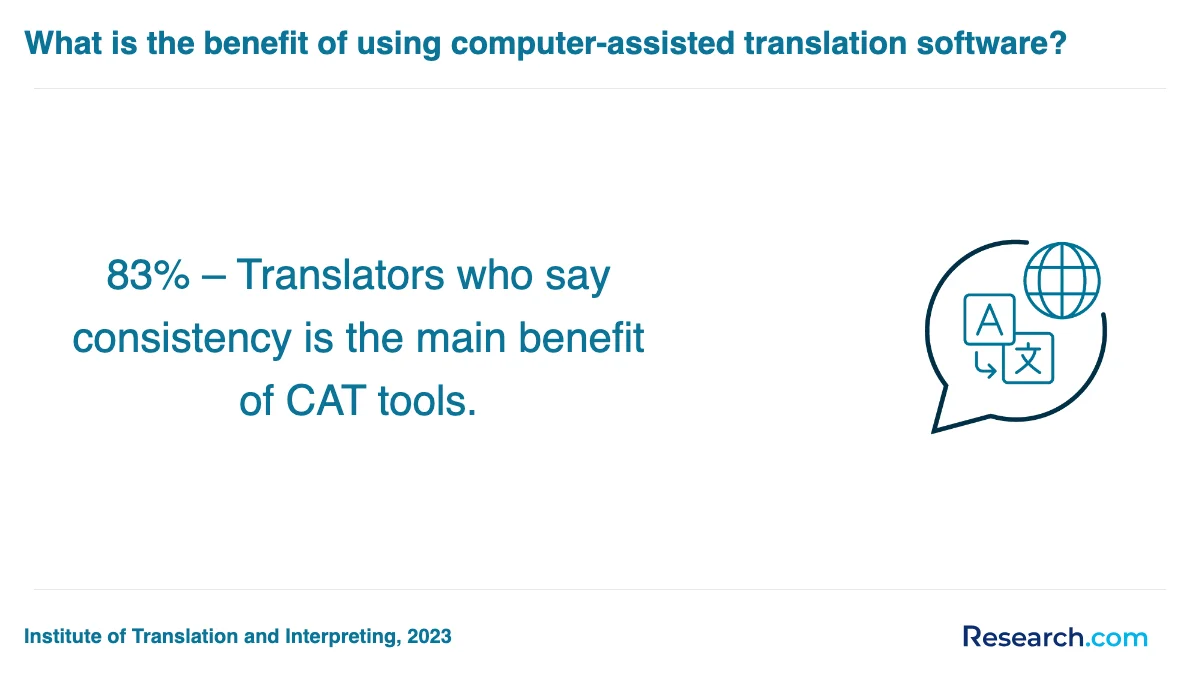
Additionally, familiarity with translation technology, such as computer-assisted translation (CAT) tools, is increasingly valued. Employers also prioritize graduates who show strong research skills, enabling them to understand and convey specialized terminology correctly.
Interpersonal skills and professionalism matter as translators often work closely with clients, requiring clear communication and ethical responsibility.
Finding internships relevant to professional translator trade school programs in Colorado involves targeted research and networking. Many schools collaborate with local businesses, government agencies, and nonprofit organizations to offer internships that provide practical experience in translation and interpretation. According to the Colorado Department of Higher Education, partnerships between educational institutions and employers have grown by 12% since 2021, increasing internship opportunities for language students.
Students should explore resources like the Colorado Translators Association and university career centers, which often list internships specific to language services. Additionally, checking job boards such as Handshake or internships.com tailored to Colorado can help identify openings relevant to translation.
Direct outreach to local law firms, hospitals, and multinational companies in Denver and Boulder is also effective, as these organizations frequently need translators for legal, medical, and technical fields. Early application and maintaining a professional portfolio enhance chances of securing suitable internships.
Obtaining a professional translator trade school diploma in Colorado can significantly enhance career mobility and advancement opportunities. According to the U.S. Bureau of Labor Statistics, employment for interpreters and translators is projected to grow 20% nationally from 2022 to 2032, much faster than average. In Colorado, this demand is driven by the state's diverse population and expanding international business sectors.
A diploma from a recognized trade school provides practical skills and certification that employers value, increasing a graduate's competitiveness. Many translation roles require proficiency in specific languages combined with cultural knowledge, which trade schools emphasize through focused curricula.
Furthermore, local industry reports from the Colorado Department of Labor & Employment highlight that certified translators with formal training earn median wages approximately 15% higher than those without credentials. This credential can open doors to advanced roles such as project management or specialized translation services, supporting upward career mobility within the state's workforce.
Students enrolled in professional translator trade schools in Colorado can benefit from several part-time job opportunities that complement their education. Common roles include freelance translation and interpretation services, which allow students to apply language skills in real-world settings. According to the U.S. Bureau of Labor Statistics, Colorado's demand for interpreters and translators is growing faster than the national average, reflecting opportunities in healthcare, legal, and business sectors.
Internships with local government agencies or nonprofit organizations also provide practical experience, often flexible enough to accommodate study schedules. Additionally, tutoring bilingual students or assisting in language labs at educational institutions can enhance both language proficiency and communication skills.
To choose the best Professional Translator degree program near me in Colorado, first consider factors like program accreditation, curriculum focus, and faculty expertise. Research.com can be a helpful resource to explore the qualifications and career outcomes of various programs. Additionally, it is valuable to visit universities near Colorado to assess campus resources, networking opportunities, and student support services firsthand.
Related Professional Translator Rankings for Nearby States
- Best Translator Training Programs & Trade Schools - Top Translation Schools in Nebraska for 2026
- Best Translator Training Programs & Trade Schools - Top Translation Schools in Oklahoma for 2026
- Best Translator Training Programs & Trade Schools - Top Translation Schools in Arizona for 2026
- Best Translator Training Programs & Trade Schools - Top Translation Schools in Texas for 2026
- Best Translator Training Programs & Trade Schools - Top Translation Schools in Missouri for 2026
- Best Translator Training Programs & Trade Schools - Top Translation Schools in California for 2026
- Best Translator Training Programs & Trade Schools - Top Translation Schools in Minnesota for 2026
- Best Translator Training Programs & Trade Schools - Top Translation Schools in Wisconsin for 2026
- Best Translator Training Programs & Trade Schools - Top Translation Schools in Michigan for 2026
- Best Translator Training Programs & Trade Schools - Top Translation Schools in Georgia for 2026
Top Trending Rankings
References
- Online Professional Translator from Hennepin Technical College https://careertraining.hennepintech.edu/training-programs/professional-translator/
- Online Professional Translator Training - Loyola Marymount University https://academics.lmu.edu/extension/programs/in-demand-industries/professional-translator/
- Professional Translator | University of the Pacific https://www.pacific.edu/education/professional-development/certificate-programs/professional-translator
- Translation | School of Continuing Studies - University of Toronto https://learn.utoronto.ca/translation
- Translation | Continuing and Professional Education https://ce.arizona.edu/translation
- Online Professional Translator from City College of New York https://careertraining.ccny.cuny.edu/training-programs/professional-translator/
- Professional Translator in Education (Spanish) Certificate at UGA https://www.georgiacenter.uga.edu/professional-programs/professional-translator-in-education/
- Translation and Interpreting Courses - American Translators Association (ATA) https://www.atanet.org/career-education/student-resources/translation-interpreting-courses/
- Institute of Translation and Interpreting (ITI) https://www.iti.org.uk/
- Remote translation internships | The Intern Group https://theinterngroup.com/featured-roles/remote-language-and-translation-internships/


