
Most Affordable Translator Schools & Training - Budget-Friendly Translation Trade Programs in Houston for 2026

Co-Founder and Chief Data Scientist
Choosing the right professional translator trade school in Houston can feel overwhelming. This article is designed to make that decision easier by presenting a ranking of translator trade school programs created by the Research.com team of data scientists.
By exploring these top programs, you’ll discover options that fit your goals and budget. Earning a diploma or certification in professional translation opens doors to rewarding career opportunities and personal growth.
Take this step confidently—your future as a skilled translator starts here.
Key benefits of finishing professional translator trade school in Houston
- Graduates from professional translator trade schools in Houston can expect competitive salaries, with average annual earnings ranging from about $54,599 to $67,454, reflecting strong local demand and rewarding pay.
- Career paths include in-house translator roles, freelance interpreting, and specialized language services, as shown by successful graduates from popular Houston trade schools who find diverse opportunities across industries.
- Completing a translator trade school online offers flexibility and convenience, allowing students to balance work and study while gaining practical skills, as experienced by online graduates who quickly enter the workforce with confidence.
What can I expect from professional translator trade schools in Houston?
Enrolling in a professional translator trade school program in Houston means you'll engage in hands-on training that covers both written and oral translation, primarily between English and Spanish. Graduates often recall practicing real-world scenarios like interpreting for medical appointments or legal consultations, which build confidence and practical skills. Expect to learn various interpretation modes such as consecutive and simultaneous, essential for fast-paced, multilingual environments.
Houston's programs emphasize marketable skills, teaching you to evaluate and synthesize information accurately while respecting cultural nuances. Many graduates describe their experience working with cutting-edge translation technology and refining machine-translated texts, preparing them for roles in business, healthcare, and community settings.
Before starting degree-level courses, you'll likely complete the Texas Success Initiative test, ensuring readiness for the curriculum. Networking events hosted by local trade schools connect students with Houston's translation professionals, opening doors to job opportunities and freelance careers. Graduates appreciate this supportive environment as they begin earning around $20 per hour in the region.
Where can I work after finishing professional translator trade schools in Houston?
Graduates from professional translator trade school programs in Houston find opportunities across diverse sectors tailored to the city's unique linguistic needs. Many enter healthcare settings like hospitals and clinics, where they help bridge communication gaps with Spanish or Vietnamese-speaking patients, often working part-time or freelance to fit their schedules. Others secure roles in legal and government offices, such as Harris County, where translating official documents or assisting in ballot proofing provides steady, meaningful work.
Education is another common path. Graduates often interpret at school meetings or parent-teacher conferences, directly impacting families by making communication accessible. Corporate jobs with energy firms or insurance companies also attract translators, offering roles from project coordination to in-house translation, supporting Houston's international business environment.
Popular Houston trade schools prepare students for this flexibility, and many graduates appreciate the ability to choose between remote, on-site, or freelance work. This adaptability helps them build rewarding careers while balancing personal priorities in a city known for its cultural diversity and economic opportunity.
How much can I make after finishing professional translator trade schools in Houston?
Graduates from professional translator trade schools in Houston typically see starting salaries around $52,500 to $63,000 annually, depending on their language pair and specialization. Many newcomers with less than a year of experience report earning about $60,800, which matches the real-world experiences shared by recent graduates from popular Houston programs. This range feels encouraging when you consider living costs in Houston, especially as you build your client base or land steady roles.
As you gain experience, your salary can rise to between $54,700 and $72,700, with some skilled translators making up to $81,600 a year. Graduates who focused on legal or medical translation often find higher-paying opportunities, reflecting what their peers have encountered in job placements.
Hourly wages for translator interpreters generally start around $14.50 and can go up to $22.70, with some gigs even paying $60 per hour for rare languages or specialized fields. This flexibility allows many graduates the chance to shape their incomes while pursuing meaningful work in Houston's diverse market.
Most Affordable Translator Schools & Training - Budget-Friendly Translation Trade Programs in Houston for 2026
# 1 position
Houston Community College - Language Interpretation and Translation.
associateHouston Community College offers a fully online Language Interpretation and Translation program designed to prepare students as professional interpreters and translators for English, Canadian French, and other languages. The curriculum includes intensive language instruction and covers various interpretation methods and translation applications, including business and technical fields. The program’s annual in-state tuition is $2,040 and it is accredited by the Southern Association of Colleges and Schools Commission on Colleges.
# 2 position
Houston Community College - Language Interpretation and Translation.
certificate or diplomaHouston Community College offers a hybrid Language Interpretation and Translation program preparing students to become professional interpreters and translators. The curriculum includes intensive foreign language instruction and covers multiple interpretation methods, literary and business translation, and technical applications. The annual in-state tuition is $2,040. The program is accredited by the Southern Association of Colleges and Schools Commission on Colleges.
Key Findings
- Applicants need strong skills in English and another language, usually with two years of university-level study and possibly language fluency tests.
- Some programs require passing the Texas Success Initiative (TSI) test, especially for Associate of Applied Science or Level II Certificate tracks.
- Tuition for online translator certificate programs in Houston typically ranges from $1,000 to $2,500.
- Financial aid may not be available for all certificates, but some local workforce and vocational programs offer assistance for qualified students.
- Starting salaries for translators and interpreters in Houston range from $35,000 to $45,000 annually, with experienced professionals earning $55,000 or more.
How long does it take to complete professional translator trade schools in Houston?
Completing a professional translator trade school program in Houston typically takes about 12 to 18 months, depending on whether you attend full-time or part-time. Many students find that enrolling full-time at popular Houston trade schools allows them to finish faster, often within a year. Graduates often share how this focused timeframe helped them quickly transition into the workforce, avoiding the long wait associated with traditional degrees.
For example, students at well-known Houston trade schools balance intensive coursework with practical translation labs, which accelerates skill development. Part-time students, often juggling jobs or family, appreciate the flexibility, though their program extends closer to 18 months. This pacing keeps motivation high without overwhelming schedules.
Graduates frequently describe the experience as empowering-knowing they can enter the translation field in under two years makes the commitment feel manageable and rewarding. Houston's trade schools emphasize real-world practice, so the time invested feels directly connected to career readiness, a key factor in the positive feedback from students.
What's the difference between online and on-campus professional translator trade school programs?
Online and on-campus professional translator trade school programs in Houston mainly differ in how you experience learning and manage your schedule. Graduates from the University of Houston-Clear Lake's online program often share how the flexibility helped them balance work and family while still advancing their skills. They accessed video lectures and interactive modules from home, which was perfect for those with unpredictable hours or long commutes.
On the other hand, students at Houston Community College appreciate the hands-on environment, where face-to-face classes allow immediate feedback and real-time practice in interpreting skills. The in-person setting also offers access to language labs and networking events, which many find motivating and valuable for professional growth.
Financial aid eligibility can also differ. On-campus programs often qualify for federal aid, easing the cost burden, while some online options might not. Both formats cover core translation techniques and exam prep, but choosing depends on your lifestyle and learning preferences.
What is the average cost of professional translator trade schools in Houston?
The average tuition fees for translator programs in Houston vary depending on the type of institution and program structure. For example, graduates from the University of Houston's online Professional Translator course pay approximately $2,682.00, a price point praised by many for balancing affordability with comprehensive training in English and Spanish translation skills. This program prepares students effectively for the American Translators Association (ATA) certification exam, giving them confidence as they enter the workforce.
Looking at broader options, those enrolled in the University of Houston-Downtown's Bachelor of Arts in Translation face a more substantial financial commitment. Although specific tuition rates for this 120-credit-hour degree are not explicitly stated, undergraduate tuition costs in Houston typically range from $25,603 to $30,119 annually. Graduates often reflect on the rigor and depth of this program, valuing the long-term professional opportunities it opens.
Trade school students studying professional translator programs at Houston Community College benefit from costs typical of Texas public trade schools, usually between $4,000 and $12,000. While exact tuition figures for HCC's Associate of Applied Science and Level II Certificate in Translation and Interpretation aren't available, graduates report the programs as accessible pathways that quickly build job-ready skills.
Those budgeting for translator training in Houston should consider that these average tuition fees do not generally include additional expenses such as textbooks or materials. Real-life decisions often hinge on understanding the total cost of ownership, especially for those balancing work and study.
For prospective students focused on practical outcomes, researching what skilled trades are in demand can provide valuable insight into the career benefits of investing in professional translator training in Houston.

What financial aid is available for professional translator trade schools in Houston?
Students enrolled in professional translator programs at Houston Community College (HCC) often qualify for federal financial aid like FAFSA, Pell Grants, and federal student loans. Graduates recall how applying for FAFSA, with guidance from HCC's financial aid office, eased the stress of tuition payments and made the Associate of Applied Science degree affordable. This type of aid is generally available for credit-bearing programs that meet federal and state requirements.
For those attending non-credit courses, such as the University of Houston's Professional Translator certificate, federal aid isn't an option. However, many find relief through workforce development boards or vocational rehabilitation programs, which sometimes cover expenses for qualifying students. Some schools also offer flexible payment plans, which graduates appreciate for managing costs month-to-month without overwhelming debt.
Scholarships specifically for translation students at the trade school level are limited, but local organizations occasionally provide small awards. Many students recommend checking with school counselors early to explore all possible funding avenues before classes begin.
What are the prerequisites for enrolling in professional translator trade schools in Houston?
To enroll in a professional translator trade school program in Houston, you typically need a high school diploma or its equivalent. Most trade schools expect you to have a solid foundation in English and at least one foreign language, often demonstrated through prior coursework or proficiency tests.
Graduates from Houston's popular trade schools share that having basic computer literacy is also important since translation programs frequently use specialized software for practice and assignments.
Some prerequisites you might encounter include:
- Proof of language proficiency in both English and the target language, sometimes through standardized tests or interviews
- Completion of placement tests to assess your reading and writing skills
- A personal statement or brief essay explaining your interest in translation
- Recommendation letters, especially if you're applying to more competitive programs
One graduate recalled how meeting these requirements felt achievable and motivating, making the path to becoming a translator clear and manageable. Trade schools in Houston often provide preparatory resources, such as language workshops, to help prospective students meet these prerequisites confidently.
What are the typical courses in professional translator trade schools in Houston?
Professional translator trade school programs in Houston typically include foundational courses that build strong language skills and translation theory. Graduates often recall how classes at Houston Community College (HCC) focused on accurately converting texts while preserving meaning and tone, a skill vital when working on legal documents or marketing materials.
Students gain hands-on experience with translation technology and practice editing both human and machine translations. Specialized courses cover areas like:
- Legal translation and interpreting, including consecutive and simultaneous techniques
- Medical translation and interpretation, essential for hospital or clinic settings
- Business translation, preparing students for diverse corporate environments
Graduates from the University of Houston-Downtown highlight how audiovisual translation courses taught them subtitling and dubbing, skills that opened doors to media localization jobs. Cultural competence classes help students navigate subtle language nuances, crucial for effective communication in Houston's diverse communities.
Practical internships and real-world assessments ensure students can confidently apply their skills beyond the classroom, making the curriculum both comprehensive and career-ready.
What are the available specializations in professional translator trade schools in Houston?
Professional translator trade school programs in Houston offer targeted specialization options that prepare students for real-world careers. Graduates often highlight their training in medical and legal translation training Houston as key to landing roles in hospitals, law firms, and government agencies. For instance, the University of Houston-Downtown's Bachelor of Arts in Translation focuses on medical terminology and healthcare culture, which helps students confidently translate critical documents or interpret in clinical settings.
Popular Houston trade schools, such as Houston Community College, emphasize practical skills in:
- Legal translation and court interpreting, including simultaneous and consecutive interpretation
- Localization and audiovisual translation, covering subtitling and dubbing for diverse media
- General translation and interpretation, providing foundational language expertise across industries
Graduates appreciate how these translator specialization programs in Houston offer flexibility, allowing elective courses tailored to specific career goals. Some even combine technical communication minors to expand their opportunities.
If you're weighing your options, also explore related fields through online construction trade programs, which share practical planning strategies useful for your career path.
How do you choose the best professional translator trade school program in Houston?
Choosing the best professional translator trade school program in Houston means focusing on accreditation, curriculum, and real-world experience. Graduates from Houston Community College appreciate the accredited Translation & Interpretation program because it's recognized by key educational boards, boosting job credibility after graduating. Hands-on internships offered there connect students directly with top Houston translation companies, a critical advantage for building confidence and practical skills early on. For many, selecting affordable translator programs in Houston means balancing tuition costs with quality, like the University of Houston's Professional Translator course, which offers flexible online options and a price point of $2,682, making it accessible without sacrificing training quality.
Students choosing the best translation schools in Houston often highlight the value of specialized tracks at the University of Houston-Downtown, where medical and legal translation receive focused attention. Faculty expertise matters too; highly experienced instructors bring mentorship that graduates find both motivating and invaluable. Before enrolling, consider how career services and job placement support, such as those provided through local associations, can elevate your translation career.
For those still weighing trade school vs college options, this trade school vs college perspective offers insights to navigate your decision effectively.
What career paths are available for professional translator trade school graduates in Houston?
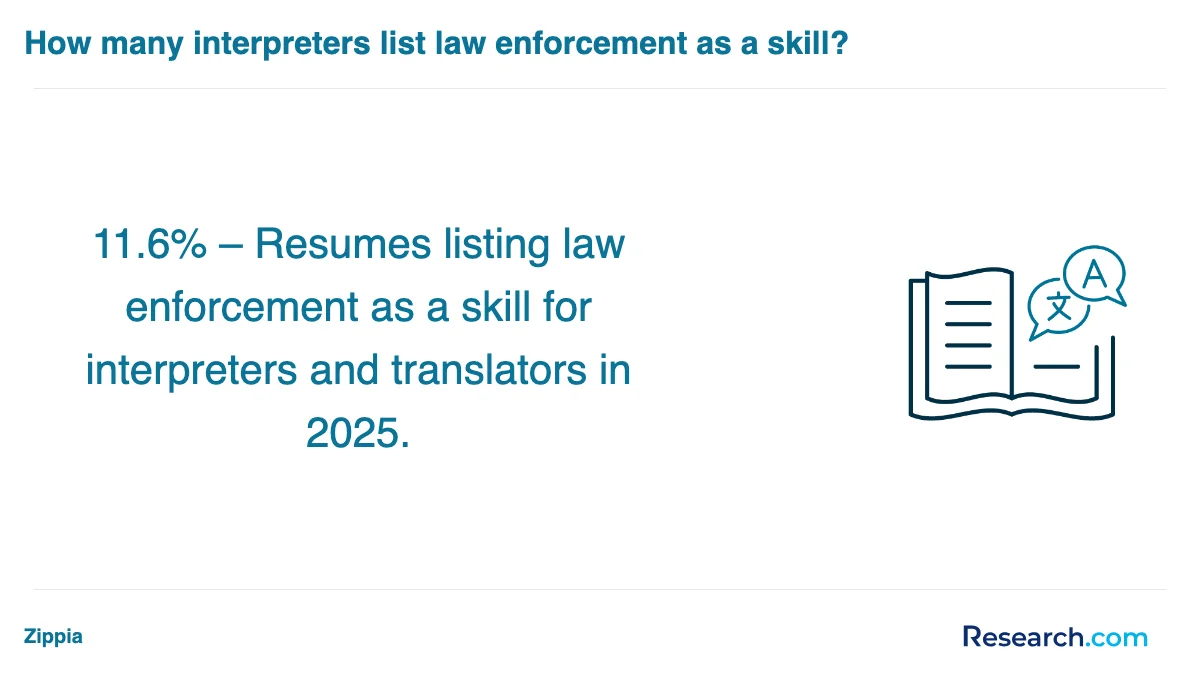
Graduates of professional translator trade school programs in Houston quickly find diverse career paths reflecting the city's bustling industries. Many enter professional translator jobs in Houston TX by starting as medical or legal interpreters, especially within healthcare centers like UTHealth Houston, where clear communication is vital. These roles often require translating patient materials or interpreting appointments, providing rewarding, real-world impact. Government and law enforcement agencies also hire interpreters for courts and police departments, ensuring language access in crucial public services.
Others step into roles as localization specialists adapting websites and marketing content for Houston's international businesses, including energy firms and multinationals. Freelance translators appreciate the flexibility to serve sectors ranging from healthcare to legal services, benefiting from varied assignments.
Popular trade schools in Houston prepare students for these opportunities by offering practical skills and connections. Graduates often share how hands-on training led them to thrive in interpreter career opportunities Houston. For those comparing pathways, understanding the benefits of a trade program vs vocational program can clarify next steps.
What is the job market for professional translator trade school graduates in Houston?
The translator job opportunities in Houston are strong and growing, especially for graduates of local professional translator trade school programs. Popular trade schools in Houston equip students with practical skills and certifications that match employer needs in legal, medical, and educational sectors. Many graduates share positive experiences about quickly finding roles thanks to hands-on training in interpreting for courts, hospitals, and schools.
For example, graduates fluent in Spanish, Mandarin, or Vietnamese often secure positions as medical interpreters or legal translators in busy Houston environments. These roles typically demand specialized knowledge of terminology and cultural nuances, which trade schools emphasize through focused curricula. Most employers prefer candidates with at least basic certification, boosting translator salary in Houston Texas compared to entry-level hires without formal training.
Key advantages of studying at a Houston trade school include:
- Access to a network of local employers in government and healthcare sectors
- Real-world practice opportunities through internships coordinated by the trade programs
- Preparation for recognized certifications that significantly enhance job prospects
- Exposure to the diverse Houston community, helping graduates master regional language demands
Those interested can explore vocational trade programs that fit their schedules and career goals, offering flexible paths into this rewarding field. Graduates consistently report satisfaction with their ability to step directly into stable jobs that value their bilingual and interpreting skills.
Frequently Asked Questions about professional translator
After completing a professional translator trade school in Houston, preparing for the job market involves several key steps. First, graduates should focus on building a strong portfolio that showcases their translation skills across different subjects and languages. This is essential, as employers often require evidence of practical experience.
Networking within Houston's diverse business community can open opportunities, especially since the city hosts many international companies and legal firms needing translation services. Joining professional organizations like the American Translators Association (ATA) can also enhance credibility.
Additionally, obtaining certification such as the ATA credential can significantly improve job prospects. According to the U.S. Bureau of Labor Statistics, certified translators earn higher average wages. Finally, staying updated with industry-specific software tools is important to meet employer expectations.
Employers in Houston seeking graduates from professional translator trade schools prioritize several key skills. Strong bilingual or multilingual proficiency is essential, with emphasis on accuracy and cultural nuance. According to the U.S. Bureau of Labor Statistics, translation jobs require excellent reading comprehension and writing skills in both source and target languages.
Additionally, familiarity with industry-specific terminology-such as legal, medical, or technical vocabulary-is highly valued. Houston's diverse economy increases demand for translators who can adapt to various professional fields.
Technical skills, including the use of computer-assisted translation (CAT) tools, are increasingly important. The American Translators Association highlights that proficiency in these tools enhances productivity and quality.
Finally, strong ethical standards and confidentiality awareness are critical due to the sensitive nature of many translation projects in Houston's business and healthcare sectors.
Finding internships relevant to professional translator trade schools in Houston involves several strategic steps. Start by consulting your school's career services, as many trade programs have established partnerships with local businesses and organizations seeking translation interns. Houston's diverse population and booming international business sectors create strong demand for language professionals.
Additionally, explore opportunities with local institutions such as the Houston Public Library and multicultural community centers, which often require translation support. Websites like Internships.com and the Texas Workforce Commission also list internships specific to language services.
According to the U.S. Bureau of Labor Statistics, translation internships in Texas have grown by 8% over recent years, reflecting increasing market needs.
Obtaining a professional translator trade school diploma in Houston can significantly enhance career mobility and advancement within the local job market. According to the U.S. Bureau of Labor Statistics, employment for translators and interpreters is projected to grow 20% from 2022 to 2032, much faster than the average for all occupations. Houston's diverse population and booming international business sectors increase demand for skilled translators, especially in legal, medical, and technical fields.
Graduates with formal diplomas often have better access to certified positions, which tend to offer higher salaries and more job stability. The Houston Employment Forecast (2023) reports that credentialed translators earn approximately 15-25% more than those without formal training. Additionally, many employers in Houston prefer candidates with accredited trade school diplomas, viewing them as proof of specialized skills and commitment to professionalism.
Trade school programs typically include practical experience and industry-recognized certifications, which help graduates stand out in competitive hiring processes. This combination of education and hands-on training supports smoother career transitions, promotions, and opportunities in freelance or agency work. Overall, a diploma from a professional translator trade school in Houston serves as a valuable credential for advancing one's career and increasing earning potential.
Students enrolled in professional translator trade schools in Houston often seek part-time jobs that enhance their language skills and industry knowledge. Common opportunities include freelance translation, transcription services, and bilingual customer support roles. According to the U.S. Bureau of Labor Statistics, the demand for interpreters and translators in Texas is projected to grow 20% from 2021 to 2031, faster than the average for all occupations.
Local businesses and healthcare providers frequently hire part-time bilingual staff, providing practical experience in real-world communication. Additionally, community centers and non-profits in Houston offer volunteer roles that improve cultural competency and translation practice. These jobs not only build resumes but also deepen understanding of specialized terminology.
To find the most affordable professional translator degree program near me, start by researching the various universities and colleges in your area and utilize resources like Research.com to compare translation and linguistics program costs. In your search, focus on community colleges and state universities near Houston, TX, as they often offer more affordable tuition for in-state residents. Additionally, contacting admissions offices directly can provide specific information on tuition rates, available financial aid, and scholarship opportunities that can further reduce costs.
Related Professional Translator Rankings for Nearby Cities
- Most Affordable Translator Schools & Training - Budget-Friendly Translation Trade Programs in Oklahoma City for 2026
- Most Affordable Translator Schools & Training - Budget-Friendly Translation Trade Programs in Omaha for 2026
- Most Affordable Translator Schools & Training - Budget-Friendly Translation Trade Programs in Aurora for 2026
Top Trending Rankings
References
- Translation & Interpretation | Houston Community College (HCC) | We are Houston's Community College http://www.hccs.edu/programs/areas-of-study/business/translation--interpretation/
- Interpreter Training https://www.uhd.edu/academics/humanities/undergraduate-programs/spanish/translation/interpreter-in-training.aspx
- Online Professional Translator from University of Houston - Clear Lake https://ed2go.uhcl.edu/training-programs/professional-translator/
- CERTIFICATE PROGRAM IN TRANSLATION AND INTERPRETING (CPTI) – UNO Professional, Adult, and Continuing Education https://pace.uno.edu/certificate-program-in-translation-and-interpreting/
- Online Professional Translator from University of Houston https://careertraining.uh.edu/training-programs/professional-translator/
- Award: Localization & Audiovisual Translation-Specialization, C2 - Houston Community College - Modern Campus Catalog™ https://catalog.hccs.edu/preview_program.php
- Professional Translators & Interpreters Conference / Presenters & Sessions https://www.hcde-texas.org/ptic/presenters
- Certificate Program in Translation and Interpreting | The University of New Orleans https://www.uno.edu/academics/colaehd/la/english/translation-interpreting
- 7 Steps to Prepare for a Translation Career! https://oryxtranslation.com/7-steps-to-prepare-for-a-translation-career/
- Become a translator in 2024 with these tips https://www.smartcat.com/blog/what-it-takes-to-become-a-translator/


