
Most Affordable Translator Schools & Training - Budget-Friendly Translation Trade Programs in Northeast for 2026

Co-Founder and Chief Data Scientist
Looking for the most affordable professional translator trade schools in the Northeast for 2026? This article is here to guide you through that journey. The Research.com team of data scientists has created a ranking of professional translator trade school programs to help you make an informed choice.
By exploring this ranking, you’ll discover programs that fit your budget and career goals. Earning a diploma or certification in professional translation can open doors to exciting job opportunities and personal growth.
Take a confident step toward your future by learning more here.
Key benefits of finishing professional translator trade school in Northeast
- Graduates in the Northeast can expect competitive salaries, with average hourly wages around $30.31 in Massachusetts and up to $38.14 in New York City, reflecting strong demand and rewarding pay.
- A graduate from a well-known Northeast trade school often finds diverse career options, including roles in legal, medical, and business translation, offering exciting opportunities to use language skills across industries.
- Completing a professional translator program online provides flexibility and convenience, as shown by successful online graduates who balance studies with work while gaining practical skills faster than traditional degree paths.
What can I expect from professional translator trade schools in Northeast?
Students enrolling in professional translator trade school programs in the Northeast can expect a well-rounded curriculum combining theory, ethics, and hands-on practice. Graduates often share how classes at places like Harrisburg Area Community College helped them build confidence by working on real-world translation projects, including specialized fields such as medical and legal translation.
Flexible scheduling is common, allowing working adults to attend evening or weekend sessions. Many students appreciate this balance, as it lets them maintain jobs while advancing their skills. Programs frequently include training on Computer-Aided Translation (CAT) tools, reflecting industry standards and making graduates job-ready.
Instruction is typically delivered by experienced translators who offer valuable insights beyond textbooks, making lessons practical and engaging. Support services such as advising and peer study groups often enhance the learning experience, helping students stay motivated and connected.
Upon finishing, many graduates feel prepared to pursue ATA certification and enter the workforce with a competitive edge, ready to take on entry-level translation assignments confidently.
Where can I work after finishing professional translator trade schools in Northeast?
Graduates from professional translator trade school programs in the Northeast frequently find rewarding employment in diverse settings. Many secure roles as translators or interpreters in hospitals, clinics, and medical offices, where they help patients and staff communicate effectively. For example, graduates working in Boston and Buffalo enjoy competitive hourly wages between $21.69 and $30, often boosted by certification credentials earned during their training.
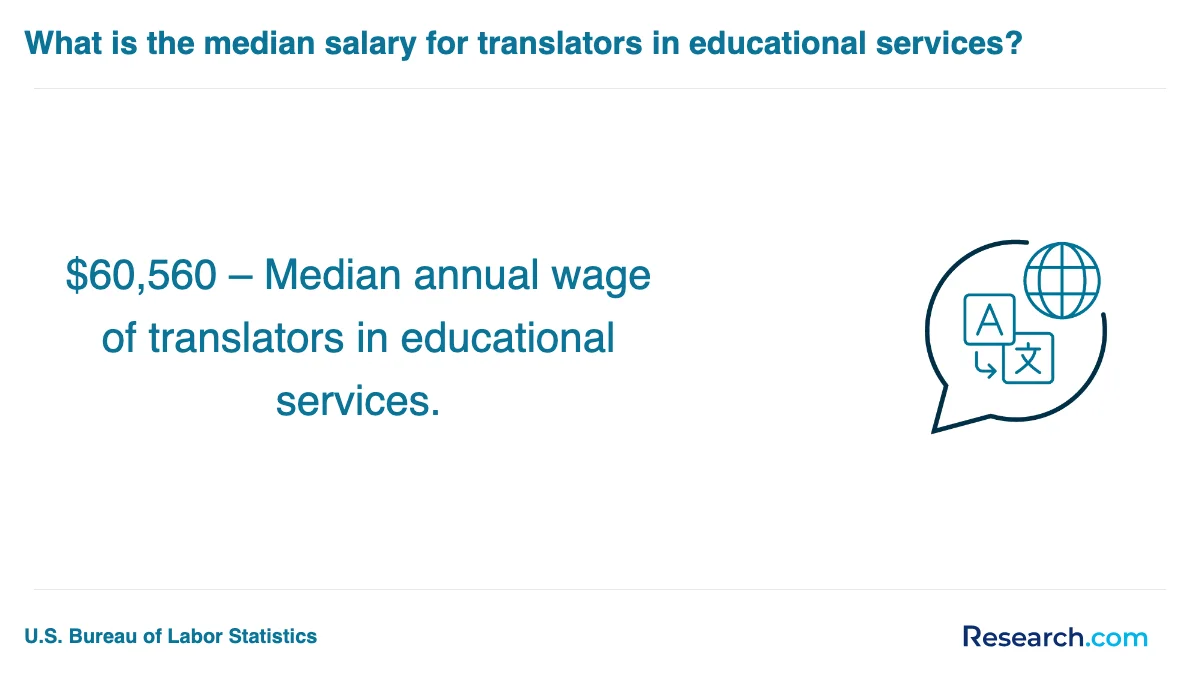
Others pursue careers in educational institutions, interpreting for special education or community outreach programs. Local and federal government agencies also hire skilled translators and interpreters to support legal, immigration, and social services, relying on graduates' accuracy and cultural insight.
Private sector jobs with translation agencies, law firms, and biotech companies are common for those with specialized knowledge gained through trade school courses. Remote freelance roles are increasingly popular, with some graduates in New York earning up to $64 per hour, leveraging flexible schedules and specialized language skills.
How much can I make after finishing professional translator trade schools in Northeast?
Graduates of professional translator trade school programs in the Northeast often find their earnings align well with national averages. Many report starting salaries between $46,800 and $54,400, which reflects entry-level wages for translators in this region. For example, graduates from well-known Northeast trade schools share that their first jobs typically pay around $60,000 annually when factoring in local demand and specialized skills.
In metropolitan hubs like New York City, pay rates can be even more encouraging. Experienced translators in the Northeast sometimes earn up to $71,500 yearly, with hourly rates near $38. This is a direct result of the area's strong need for multilingual services in sectors such as legal or medical translation.
Many recent graduates feel motivated by the opportunity to grow their careers steadily, noting that even with limited prior experience, the skills gained at trade schools make landing a solid-paying position achievable. Specialized certifications and language expertise further boost earning potential in this competitive market.
Most Affordable Translator Schools & Training - Budget-Friendly Translation Trade Programs in Northeast for 2026
# 1 position
Cape Cod Community College - Language Interpretation and Translation.
certificate or diplomaCape Cod Community College offers a hybrid program in Language Interpretation and Translation, preparing students to become professional interpreters and translators. The curriculum covers intensive foreign language instruction and specialized topics like simultaneous interpretation, literary and technical translation, and business applications. The annual in-state tuition is $5,712. The program is accredited by the New England Commission on Higher Education.
# 2 position
Bristol Community College - Language Interpretation and Translation.
certificate or diplomaBristol Community College offers a hybrid Language Interpretation and Translation program designed to prepare students for professional roles in interpreting and translating documents and data files between English, Canadian French, and other languages. The curriculum includes intensive foreign language instruction and covers various interpretation techniques, literary and business translation, and technical applications. The program is accredited by the New England Commission on Higher Education. Annual in-state tuition is $5,412.
# 3 position
CUNY Borough of Manhattan Community College - Language Interpretation and Translation.
certificate or diplomaThe Language Interpretation and Translation program at CUNY Borough of Manhattan Community College offers a hybrid format with some distance-education options. It prepares students to become professional interpreters and translators, focusing on English and Canadian French. The curriculum includes instruction in single- and multiple-language interpretation, simultaneous interpretation, and various types of translation such as business and technical. Annual in-state tuition is $5,170. The program is accredited by the Middle States Commission on Higher Education.
# 4 position
UCNJ Union College of Union County, NJ - Language Interpretation and Translation.
certificate or diplomaThe Language Interpretation and Translation program at UCNJ Union College of Union County, NJ, offers a hybrid format with some distance education options. The program prepares students to become professional interpreters and translators for English, Canadian French, and other languages. It includes intensive language instruction and covers various interpretation and translation techniques. The annual in-state tuition is $5,280. The program is accredited by the Middle States Commission on Higher Education.
# 5 position
CUNY John Jay College of Criminal Justice - Language Interpretation and Translation.
certificate or diplomaThe Language Interpretation and Translation program at CUNY John Jay College of Criminal Justice offers a hybrid format with some distance-education options. It prepares students for professional roles as interpreters or translators between English, Canadian French, and other languages. The curriculum includes foreign language instruction and specialized topics such as simultaneous interpretation, literary and business translation, and technical translation. Annual in-state tuition is $7,470. The program is accredited by the Middle States Commission on Higher Education.
# 6 position
Shippensburg University of Pennsylvania - Language Interpretation and Translation.
certificate or diplomaThe Language Interpretation and Translation program at Shippensburg University of Pennsylvania offers a hybrid format with some distance-education options. Annual in-state tuition is $13,544. The program prepares students for professional roles as interpreters and translators of documents and data files between English, Canadian French, and other languages. Coursework includes various interpretation methods, literary and technical translation, and business applications. The program is accredited by the Middle States Commission on Higher Education.
# 7 position
Lackawanna College - Language Interpretation and Translation.
certificate or diplomaLackawanna College offers a hybrid Language Interpretation and Translation program designed to prepare students for professional roles in interpreting and translating documents and data files between English, Canadian French, and other languages. The curriculum includes intensive foreign language instruction and specialized training in various interpretation and translation techniques. Annual in-state tuition is $17,950. The program is accredited by the Middle States Commission on Higher Education.
# 8 position
Central Connecticut State University - Language Interpretation and Translation.
certificate or diplomaCentral Connecticut State University offers a Language Interpretation and Translation program that trains students to become professional interpreters and translators for English, Canadian French, and other languages. The curriculum includes intensive foreign language instruction and specialized courses in various interpretation and translation techniques, such as simultaneous interpretation and business translation. The program’s annual in-state tuition is $12,460, and it is accredited by the New England Commission on Higher Education.
# 9 position
Rowan University - Language Interpretation and Translation.
certificate or diplomaRowan University offers a hybrid Language Interpretation and Translation program that trains students to become professional interpreters and translators. The curriculum includes intensive foreign language instruction and covers various interpretation types, literary and technical translation, and business applications. The program is accredited by the Middle States Commission on Higher Education. Annual in-state tuition is $15,700, and some distance-education options are available for flexible learning.
# 10 position
University of Massachusetts-Amherst - Language Interpretation and Translation.
certificate or diplomaThe University of Massachusetts-Amherst offers a hybrid program in Language Interpretation and Translation designed to train professional interpreters and translators. The curriculum includes intensive foreign language instruction and covers various interpretation methods and translation applications, such as literary, business, and technical translation. Annual in-state tuition is $17,357. The program is accredited by the New England Commission on Higher Education.
Key Findings
- Most translator trade school programs in the Northeast are certificate or non-credit courses, typically requiring a high school diploma and proven language proficiency.
- Program lengths range from six weeks to one year, with options like a six-month self-paced interpreter program or intensive 60-hour courses.
- Tuition varies from $500 to $2,500, with some programs offering reduced or free tuition for certain language pairs such as Spanish or Mandarin Chinese.
- Financial aid is limited because most programs are non-credit, though some workforce development boards or vocational rehab programs may provide support.
- Starting hourly wages for new interpreters average around $20, with median translator salaries nationwide near $52,100 annually.
- Experienced translators with certifications can earn higher salaries and have access to broader job markets, especially in medical, legal, and educational fields.
How long does it take to complete professional translator trade schools in Northeast?
Completing a professional translator trade school program in the Northeast typically takes between 9 to 18 months, depending on whether you attend full-time or part-time. Many students find that a year-long program strikes the perfect balance, allowing them to develop strong language skills and practical translation techniques without a lengthy time commitment.
Graduates from well-known Northeast trade schools often share how this timeframe helped them quickly transition into translation careers. For instance, attending an intensive 12-month course enabled some to start freelance work while still studying, which boosted their confidence and financial independence.
Popular trade schools in the region offer flexible schedules, accommodating working adults who want to upskill without quitting their jobs. This flexibility makes it easier to manage life's demands while gaining valuable, career-ready skills in professional translation.
Choosing a program in the Northeast means you're often surrounded by peers and instructors who understand the local market, enhancing your learning experience and providing relevant networking opportunities.
What's the difference between online and on-campus professional translator trade school programs?
Online professional translator programs in the Northeast, like the six-month self-paced interpreter course at North Shore Community College, offer unmatched flexibility. Graduates often share how they balanced busy schedules-managing work and family-while progressing through the coursework at their own pace. These programs rely on digital platforms for assignments and communication, making it possible to study anytime, anywhere without commuting stress.
On the other hand, on-campus programs such as those at Bunker Hill Community College or Language Bank provide a hands-on learning environment. Students frequently describe the value of live role-playing sessions and small group exercises that sharpen real-time interpreting skills. Evening or weekend classes accommodate working professionals, allowing direct interaction with experienced instructors and peers, which builds confidence and professional connections.
Cost-wise, online options tend to be more affordable due to no commuting or housing expenses, while on-campus courses offer unique resources like immediate feedback and mentorship. Choosing between these formats depends on whether you prioritize flexibility or immersive, interactive learning experiences.
What is the average cost of professional translator trade schools in Northeast?
Graduates from professional translator trade schools in the Northeast often find tuition to be manageable and well-aligned with their career goals. The average tuition fees for translator programs in the Northeast typically range from around $2,395 for online certificate programs to higher costs at more comprehensive institutions. For example, Chesapeake College offers an online professional translator program focusing on English and Spanish for approximately $2,395, allowing students the flexibility to complete the 100-hour course at their own pace while preparing for the American Translators Association (ATA) certification exam. Similarly, Northern Essex Community College charges about $2,682 for a similar program, emphasizing practical translation skills aimed at certification readiness.
Some students opt for extended paths, like pursuing advanced degrees, where costs can rise significantly; Binghamton University's Doctorate in Language Translation averages $25,290 in tuition. These figures highlight the broad spectrum of educational investments in the region. Understanding the cost of professional translator certification in New England requires considering more than tuition: textbooks, materials, and fees can add to overall expenses. Many graduates recommend exploring financial aid and scholarships that may be available through each institution to ease this burden.
To decide on the right path, it's useful to compare different program types and institutions and consider factors beyond tuition alone. For those weighing options, insights from vocational school vs trade certificate program can be invaluable for identifying a fit that balances cost, time, and outcomes. This practical approach helps aspiring translators make informed decisions about investing in their education while pursuing their passion.
What financial aid is available for professional translator trade schools in Northeast?
Students pursuing professional translator trade school programs in the Northeast often find federal financial aid unavailable because many programs are classified as non-credit or continuing education. However, graduates from popular schools like New York University and Boston University share how institutional scholarships made a real difference. These awards, sometimes based on merit or commitment to underserved language communities, can significantly reduce tuition costs.
National scholarships such as the American Foundation for Translation and Interpretation's JTG Scholarship offer $2,500 to motivated language students, providing vital support. Another unique example is a $500 scholarship from the Klingon Language Institute, which encourages creative approaches to language study. Graduates often mention how applying for these lesser-known scholarships gave them a financial boost that felt rewarding and motivating.
State-level workforce development grants and vocational rehabilitation funding can also be valuable, especially when linked to employment goals. Several students have successfully accessed these funds to cover parts of their training, making their education more affordable and attainable.
What are the prerequisites for enrolling in professional translator trade schools in Northeast?
To enroll in a professional translator trade school program in the Northeast, applicants typically need a high school diploma or GED. Many trade schools also require proof of proficiency in at least two languages, often demonstrated through standardized tests or prior coursework. For example, graduates from popular Northeast trade schools share how their bilingual backgrounds or immersive language experiences helped them meet this key prerequisite easily.
Other common requirements include:
- Basic computer skills, as modern translation relies heavily on software tools
- Clear communication abilities, often assessed via interviews or writing samples
- Sometimes, a placement test to evaluate language competence and ensure readiness for specialized coursework
Trade schools in the Northeast often offer preparatory workshops or language refresher courses for students who feel anxious about meeting these standards. Many students find this support reassuring and feel confident entering the program knowing they have a solid foundation. This practical, hands-on approach helps students transition smoothly into professional translator training.
What are the typical courses in professional translator trade schools in Northeast?
Professional translator trade school programs in the Northeast combine practical training with essential theory, preparing students for real-world translation roles. Graduates from schools like Bunker Hill Community College and Language Connections in Boston often highlight how core courses build strong language skills while teaching accurate, culturally sensitive translation techniques.
Typical courses include:
- Translation theory and fundamentals, where students learn to navigate complex linguistic structures and avoid language interference.
- Sector-specific interpreting, such as medical, legal, and community contexts, ensuring familiarity with specialized terminology.
- Training in Computer-Aided Translation (CAT) tools and digital content management, reflecting modern workplace demands.
- Business skills like contract negotiation and licensing, which empower freelancers and entrepreneurs.
- Language proficiency assessments with spoken and written tests to prepare for certifications like the ATA exam.
Graduates often describe their hands-on workshops and electives in high-demand languages-such as Spanish and Mandarin-as invaluable. These courses turn classroom knowledge into confident real-world practice, making the learning process engaging and directly applicable to future careers.
What are the available specializations in professional translator trade schools in Northeast?
Professional translator trade school programs in Northeast frequently offer specializations that directly align with high-demand fields, ensuring graduates feel confident stepping into their careers. Common tracks include medical and legal translation training Northeast, with programs featuring accredited medical interpreter courses, such as 60-hour English-Spanish training tailored to healthcare. Legal interpreting modules prepare students for courtroom and law enforcement settings by simulating bail arguments and police report translations, which graduates find invaluable when entering judicial environments.
Other popular specializations focus on community interpreting, covering public services like education and social work, which resonate with students aiming to support diverse regional populations. Language-specific tracks often include Spanish-English, Portuguese-English, Haitian Creole-English, Vietnamese-English, and ASL interpretation, celebrated for preparing translators for real-world challenges.
Students at well-regarded Northeast trade schools also mention their appreciation for courses in conference and simultaneous interpreting, where immersive practice with academic and business scenarios builds advanced skills. Industry-focused translation electives in technical, business, and scientific fields further boost employability.
For those exploring career paths within translator program specializations in Northeast, researching opportunities through resources such as trade school construction may reveal suitable programs combining practical skill-building with in-demand language expertise.
How do you choose the best professional translator trade school program in Northeast?
Choosing the best professional translator trade school program in Northeast starts with verifying the program's accreditation to ensure your certificate holds value in the job market. Graduates from popular institutions in the region often highlight how specialized courses in legal or medical translation gave them confidence to excel in niche fields. Many sought out affordable translator programs in Northeast that balanced cost with comprehensive curriculum and hands-on training, including internships that made transitioning to professional work smoother.
Faculty expertise plays a crucial role; students from top translator trade schools in Northeast praise instructors who bring real-world experience into the classroom, offering mentorship and networking opportunities. Flexibility is also essential for busy individuals, so options like evening classes or online modules are frequently appreciated. When evaluating programs, consider financial aid availability alongside tuition, as this helps manage expenses while investing in your career. For those debating educational paths, understanding the difference between a trade school and a college through resources like trade vs college can clarify your decision.
What career paths are available for professional translator trade school graduates in Northeast?
Professional translator trade school graduates in the Northeast discover diverse translator job opportunities in Northeast urban centers like Boston, New York, and Philadelphia. Many graduates quickly secure roles as medical, legal, and community interpreters, thriving in dynamic settings such as hospitals and courtrooms. Their skills bridge language gaps for Spanish, Chinese, Arabic, and other communities, creating meaningful impact daily.
Corporate and specialized industry roles also attract graduates, with sectors like biotechnology, finance, and software requiring language experts who grasp technical terminologies. Graduates from popular Northeast trade schools report working for multinational firms or translation agencies, translating contracts and manuals that power business communication.
Freelancing is another practical path, offering flexibility to graduates who enjoy varied projects and independent schedules. Numerous companies in the region seek freelance translators for both short- and long-term assignments, providing rewarding interpreter career paths in Northeast US.
Government and nonprofit sectors present opportunities in social services and refugee assistance, responding to growing demand for language access. Many graduates find rewarding careers here, combining purpose with steady work.
For students exploring options, easy online trade programs that leads to high paying jobs can complement training at established Northeast trade schools, expanding career flexibility.
What is the job market for professional translator trade school graduates in Northeast?
The translator job outlook in Northeast reflects a competitive yet promising environment for graduates of professional translator trade school programs. In metropolitan areas like Boston and New York, graduates find consistent demand, particularly in sectors such as healthcare, legal, and education. Many graduates share how trade schools equipped them with valuable certifications and practical skills, positioning them to meet employers' rigorous standards.
Hourly pay ranges from $21.69 to $28.12 in cities like Boston, while states such as New York and New Jersey report annual average salaries above $57,000, offering financial motivation alongside professional growth. Key languages in demand include Spanish, Portuguese, Chinese, Arabic, and Haitian Creole, reflecting the local demographic diversity.
Graduates often cite benefits such as health insurance and flexible schedules, enhancing career satisfaction. Part-time and freelance possibilities, available through platforms like Stepes, further increase earning potential and work-life balance.
For those weighing educational options, exploring the top online trade school programs can offer accessible pathways to certification and employment.
Interpreter and translator salary Northeast data suggests that specialization in medical, legal, or technical fields notably improves job prospects and income, encouraging graduates to focus their skills accordingly.
Frequently Asked Questions about professional translator
After completing a professional translator trade school in the Northeast, graduates should focus on building a strong portfolio showcasing diverse language pairs and specialized fields. According to the U.S. Bureau of Labor Statistics, demand for translators in this region is expected to grow by 20% through 2031, emphasizing the importance of practical experience. Networking with local language service providers and joining professional organizations such as the American Translators Association can increase job opportunities. Additionally, obtaining certification, like the ATA credential, can significantly improve employability. Internships and freelance projects also provide valuable real-world experience, which employers in the Northeast highly value.
Employers in the Northeast region prioritize strong language proficiency in both the source and target languages for graduates of professional translator trade schools. According to the U.S. Bureau of Labor Statistics, accuracy and cultural competence are critical, especially in medical and legal translation fields prevalent in this area.
Technical skills, including familiarity with computer-assisted translation (CAT) tools, are increasingly demanded. The American Translators Association highlights that over 70% of translation jobs require proficiency in software such as SDL Trados or MemoQ.
Additionally, employers value effective communication skills and the ability to meet tight deadlines, reflecting the fast-paced nature of translation services in Northeast metropolitan markets like New York and Boston.
Finding internships relevant to professional translator trade school programs in the Northeast involves targeted research and networking. Many trade schools maintain partnerships with local businesses, government agencies, and nonprofit organizations that need translation services. Students should consult their school's career services office, which often lists internship opportunities tailored to language and translation fields.
Additionally, platforms like Handshake and Indeed frequently post internships in cities such as New York, Boston, and Philadelphia, where demand for translators is higher due to diverse populations.
According to the U.S. Bureau of Labor Statistics, internships improve job prospects for translators, and about 15% of translation jobs in the Northeast region involve internships or entry-level positions.
A diploma from a professional translator trade school in the Northeast can significantly enhance career mobility and advancement opportunities. According to the U.S. Bureau of Labor Statistics, employment for interpreters and translators is projected to grow 22% from 2020 to 2030, much faster than average, especially in urban centers like New York and Boston. This growth creates demand for certified professionals with specialized training, which these trade schools provide.
Graduates often gain practical skills and industry-recognized credentials that employers seek, improving chances for higher-paying roles and promotions. Additionally, many schools offer networking events and job placement assistance, which can open doors in government agencies, legal firms, and healthcare organizations common in the Northeast. Data from the National Association of Judiciary Interpreters and Translators shows that certified translators earn approximately 15-20% more than uncertified peers, demonstrating the diploma's value in social and professional mobility.
Part-time job opportunities in the Northeast that complement professional translator trade school education often include freelance translation, interpretation, and transcription roles. Many students find work with local government agencies, hospitals, or legal firms requiring language services. According to the U.S. Bureau of Labor Statistics, the demand for translators and interpreters in the Northeast is projected to grow 20% from 2022 to 2032, faster than the average for all occupations.
Freelancing platforms also offer flexible opportunities to build experience. Additionally, internships with multicultural organizations or community centers can enhance practical skills while studying. These roles provide valuable exposure to specialized terminology and real-world language use.
To find the most affordable Professional Translator degree program near me in Northeast, you can start by researching local universities and community colleges in your vicinity and examining their tuition fees, financial aid options, and language program offerings. It's also a good idea to compare institutions near Northeast and explore any online programs they might offer, as these can often be more affordable and flexible. Research.com can be a useful resource for a detailed comparison of the universities and programs available in this field, helping you to evaluate the costs and benefits effectively.
Top Trending Rankings
References
- Online Professional Translator from Wake Technical Community College https://onlinecareertraining.waketech.edu/training-programs/professional-translator/
- Online Professional Translator Training - Loyola Marymount University https://academics.lmu.edu/extension/programs/in-demand-industries/professional-translator/
- Professional Translator | University of the Pacific https://www.pacific.edu/education/professional-development/certificate-programs/professional-translator
- Online Professional Translator from City College of New York https://careertraining.ccny.cuny.edu/training-programs/professional-translator/
- Translation | Continuing and Professional Education https://ce.arizona.edu/translation
- Translation | School of Continuing Studies - University of Toronto https://learn.utoronto.ca/translation
- Translation and Interpreting Courses - American Translators Association (ATA) https://www.atanet.org/career-education/student-resources/translation-interpreting-courses/
- Online Certificate in Professional Translation & Interpreting : Languages, Literatures, and Cultures : UMass Amherst https://www.umass.edu/languages-literatures-cultures/academics/online-certificate-professional-translation-interpreting
- Professional Translator in Education (Spanish) Certificate at UGA https://www.georgiacenter.uga.edu/professional-programs/professional-translator-in-education/
- Translator | Explore Careers | National Careers Service https://nationalcareers.service.gov.uk/job-profiles/translator


