
Most Affordable Personal Trainer Schools & Training - Budget-Friendly Personal Trainer Trade Programs in Northeast for 2026

Co-Founder and Chief Data Scientist
Choosing the right physical fitness technician trade school in the Northeast can shape your future career and open doors to exciting opportunities. This article features a carefully crafted ranking of physical fitness technician trade school programs created by the Research.com team of data scientists.
By exploring this ranking, you’ll discover affordable programs that match your goals and budget. Earning a diploma or certification in this field can boost your confidence and help you make a real impact on people’s health and well-being.
Take a step closer to a rewarding career by learning which schools are worth considering for 2026.
Key benefits of finishing physical fitness technician trade school in Northeast
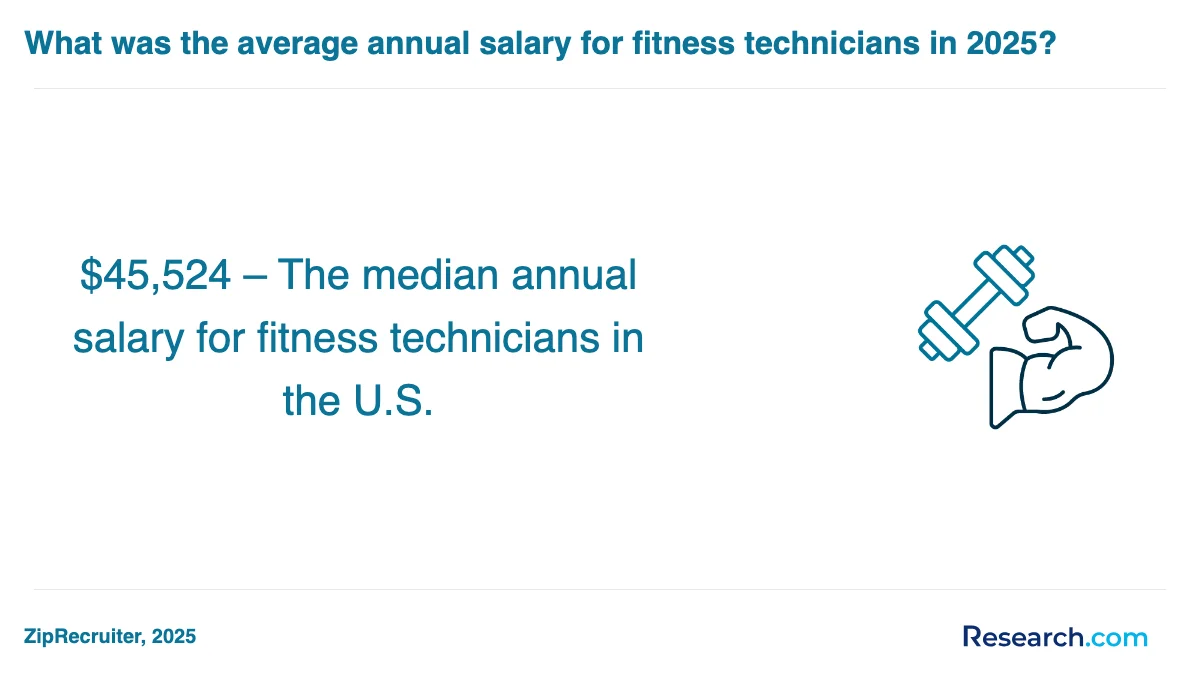
- Graduates in the Northeast can expect an average hourly wage around $21.35, with experienced technicians in cities like Boston earning up to $59,899 annually, highlighting strong salary potential.
- Career paths often include roles at large fitness centers, hospitals, or sports training facilities, where graduates can grow into personal training or fitness management positions.
- Completing a physical fitness technician program online offers flexibility and convenience, allowing students to balance work and study while gaining practical skills valued by Northeast employers.
What can I expect from physical fitness technician trade schools in Northeast?
When you jump into a physical fitness technician trade school program in the Northeast, expect a hands-on experience that feels like stepping right into a real gym environment. Graduates often share how they got to work with cool gear like Bod Pods for body composition checks and Monark cycle ergometers to test cardiovascular fitness-tools you'd use daily as a pro.
Classes mix science with practice, covering everything from anatomy and nutrition to injury prevention and exercise programming. Many students find themselves leading group workouts or crafting personalized wellness plans before they even graduate, which builds confidence fast.
Programs here usually last about a year for certificates or two for associate degrees, with some offering online options but requiring in-person sessions for those vital hands-on skills. And the best part? Most schools gear you up for nationally recognized certifications like NCSF or ISSA, plus CPR training, so you're ready to hit the job market strong.
Many grads mention how career counseling helped them map out next steps, whether jumping into personal training or transferring credits toward a bachelor's. It's a practical, exciting pathway that feels like you're already part of the fitness world while you learn.
Where can I work after finishing physical fitness technician trade schools in Northeast?
After finishing a physical fitness technician trade school program in the Northeast, graduates find themselves stepping into a variety of exciting career paths. Many quickly land jobs as personal trainers or fitness instructors at popular spots like health clubs, yoga studios, and recreation centers. Picture yourself working in vibrant cities like New York or Cleveland, where the demand is strong and employers value the hands-on skills you gained at your trade school.
Some graduates enjoy roles as fitness equipment technicians, fixing and maintaining gym machines in commercial gyms or even private homes. This technical side of the industry offers a steady, rewarding career with plenty of room to grow.
Others find themselves working in university recreation centers or boutique fitness studios, often juggling flexible hours while building strong client relationships. Many grads appreciate how trade schools in the Northeast prepare them for real-world challenges, making the job search feel less daunting and more like a natural next step.
How much can I make after finishing physical fitness technician trade schools in Northeast?
After finishing a physical fitness technician trade school program in the Northeast, you can expect to earn around $20 to $25 per hour starting out. Many graduates from popular trade schools in the area find themselves making wages that match or even beat the national average, thanks to the region's strong demand for fitness pros and higher living costs.
For example, some grads working at local gyms or sports training centers report hourly pay near $21 to $22, which feels rewarding when you're just starting out. Others, especially those who land roles as fitness equipment service technicians in places like New York, can see rates as high as $24 or more per hour.
It's common to hear from recent graduates about how their hourly pay climbs steadily once they gain experience or snag extra certifications. Imagine moving from an entry-level position at a neighborhood gym to a trusted trainer role with a solid paycheck in just a year or two-many who've studied at well-known Northeast trade schools have shared this kind of success story.
Most Affordable Personal Trainer Schools & Training - Budget-Friendly Personal Trainer Trade Programs in Northeast for 2026
# 1 position
Frederick Community College - Physical Fitness Technician.
certificate or diplomaFrederick Community College offers a Physical Fitness Technician program with a hybrid format, including some distance-education options. The program prepares students for roles in health and fitness clubs, wellness centers, and corporate fitness programs through instruction in anatomy, exercise science, personal training, nutrition, and customer service. The annual in-state tuition is $3,772. The program is accredited by the Middle States Commission on Higher Education.
# 2 position
Central Maine Community College - Physical Fitness Technician.
associateCentral Maine Community College offers a Physical Fitness Technician program with a hybrid format that includes some distance education. The program prepares students for roles in health and fitness clubs, wellness centers, and other facilities, covering human anatomy, exercise science, nutrition, personal training, and customer service. Annual in-state tuition is $3,864. The program is accredited by the New England Commission on Higher Education.
# 3 position
Butler County Community College - Physical Fitness Technician.
associateButler County Community College offers a Physical Fitness Technician program with a hybrid format that includes some distance-education options. The program prepares students for roles in health and fitness clubs, wellness centers, and corporate fitness programs, covering human anatomy, exercise science, nutrition, and customer service. Annual in-state tuition is $5,610. The program is accredited by the Middle States Commission on Higher Education.
# 4 position
Ocean County Vocational-Technical School - Physical Fitness Technician.
certificate or diplomaThe Physical Fitness Technician program at Ocean County Vocational-Technical School is a hybrid course preparing students for careers in health and fitness clubs, wellness centers, and related facilities. The curriculum covers human anatomy, exercise science, personal training, nutrition, and customer service. Graduates perform instructional and administrative duties in various settings. The program is accredited by the Middle States Commission on Secondary Education.
# 5 position
Suffolk County Community College - Physical Fitness Technician.
certificate or diplomaThe Physical Fitness Technician program at Suffolk County Community College prepares students for careers in health and fitness clubs, wellness centers, recreation facilities, hospitals, and corporate fitness programs. The curriculum includes human anatomy and physiology, fitness techniques, exercise science, personal training, nutrition, and customer service. Annual in-state tuition is $6,440. The program is accredited by the Middle States Commission on Higher Education.
# 6 position
Northern Essex Community College - Physical Fitness Technician.
associateNorthern Essex Community College offers a Physical Fitness Technician program with a hybrid format that includes some distance-education options. The program prepares students for roles in health and fitness clubs, wellness centers, hospitals, and corporate fitness programs. Coursework covers anatomy, physiology, exercise science, personal training, nutrition, and customer service. Annual in-state tuition is $5,688. The program is accredited by the New England Commission on Higher Education.
# 7 position
Mount Wachusett Community College - Physical Fitness Technician.
certificate or diplomaThe Physical Fitness Technician program at Mount Wachusett Community College is a hybrid option that prepares students for roles in health clubs, wellness centers, recreation facilities, hospitals, and corporate fitness programs. It includes instruction in anatomy, physiology, exercise science, personal training, nutrition, and customer service. The program is accredited by the New England Commission on Higher Education. Annual in-state tuition is $6,000.
# 8 position
Community College of Rhode Island - Physical Fitness Technician.
certificate or diplomaThe Physical Fitness Technician program at Community College of Rhode Island prepares students for roles in health and fitness clubs, wellness centers, and corporate fitness programs. The curriculum includes human anatomy, physiology, fitness techniques, exercise science, personal training, nutrition, and customer service. Annual in-state tuition is $5,326. The program is accredited by the New England Commission on Higher Education.
# 9 position
Hudson Valley Community College - Physical Fitness Technician.
certificate or diplomaHudson Valley Community College offers a fully online Physical Fitness Technician program designed to prepare students for roles in health clubs, wellness centers, recreation facilities, hospitals, and corporate fitness programs. The curriculum covers human anatomy, physiology, exercise science, personal training, nutrition, and customer service. The program is accredited by the Middle States Commission on Higher Education. Annual in-state tuition is $6,694.
# 10 position
Focus Personal Training Institute - Physical Fitness Technician.
certificate or diplomaThe Physical Fitness Technician program at Focus Personal Training Institute prepares students for careers in health and fitness clubs, wellness centers, and corporate fitness programs. The hybrid program includes instruction in anatomy, physiology, exercise science, personal training, nutrition, and customer service. Graduates earn a median income of $17,562 one year after completion. The program is accredited by the Council on Occupational Education.
Key Findings
- Programs typically last one to two years, requiring 31-67 credits to complete depending on the level of study.
- Tuition ranges from about $1,999 for shorter certification courses to $4,000-$7,000 for a two-year associate degree, excluding books and fees.
- Students gain hands-on experience with advanced equipment like the Bod Pod and learn skills in exercise instruction, client assessment, and wellness planning.
- Most programs prepare students for national certification exams from NCSF, ACE, or ISSA, which are essential for employment.
- Starting salaries for certified fitness technicians in the Northeast range from $32,000 to $45,000 annually, with experienced professionals earning over $60,000.
How long does it take to complete physical fitness technician trade schools in Northeast?
Physical fitness technician trade school programs in the Northeast typically take about six months to a year to complete, depending on whether you attend full-time or part-time. Many graduates from popular trade schools in cities like Boston or Philadelphia share how this timeline felt just right-they were able to jump into hands-on training quickly without feeling overwhelmed.
One graduate mentioned how the compact schedule allowed them to balance work and study, making the journey feel manageable and motivating. Imagine starting your mornings learning about exercise science and afternoons practicing client assessments in a real gym environment. This blend of classroom and practical experience helps keep the learning engaging and relevant.
Since these programs focus on preparing you for immediate entry into the fitness field, the quicker completion time means you can start your career sooner. Whether you're aiming for a job at a local fitness center or looking to freelance, the Northeast's trade schools make it doable without dragging out the process.
What's the difference between online and on-campus physical fitness technician trade school programs?
The biggest difference between online and on-campus physical fitness technician trade school programs in the Northeast comes down to how you learn and get hands-on experience. On-campus programs, like the Personal Training courses at Northeast Community College, let you dive right into using high-tech gear such as the Bod Pod for body composition analysis. Graduates often talk about how valuable it was to practice with real clients and get immediate feedback from instructors in a gym setting that feels just like the real world. It's a great way to build confidence while surrounded by fellow students and campus resources.
Online programs, like the Exercise Science track also offered at Northeast Community College, give you the freedom to study from anywhere. Students juggling work or family love this flexibility. While you'll still do interactive projects and virtual simulations, the hands-on part is usually something you arrange on your own, maybe at a local gym or through internships. This setup works well if you need to fit school into a busy life but still want a solid foundation for certification exams.
What is the average cost of physical fitness technician trade schools in Northeast?
If you're looking into the average tuition for physical fitness technician programs in the Northeast, you'll find that costs typically range between $18,500 and $27,000 depending on the school and program length. Graduates from popular trade schools in Massachusetts often mention feeling confident that their investment prepared them well for fitness careers without overwhelming debt. These costs reflect not just tuition but also the quality of hands-on training and certification preparation that many students find invaluable.
Those weighing the cost of physical fitness technician trade schools in the Northeast also need to consider additional expenses like books, supplies, and living costs, which can add up quickly. For example, students at well-known Northeast trade schools share that budgeting for books and living expenses is important to avoid surprises. Many find that financial aid options help ease this burden, allowing them to focus on their studies and practical experience without constant stress.
For students exploring affordable alternatives, checking out a low cost online exercise science bachelor's degree can be an attractive option that balances quality education with accessibility. This flexibility has helped many Northeastern students continue their education while managing work and family commitments, enhancing their confidence and career prospects.
What financial aid is available for physical fitness technician trade schools in Northeast?
If you're diving into a physical fitness technician program in the Northeast, financial aid options can make a big difference. Most students start with federal aid by filling out the FAFSA, which opens doors to grants and loans designed to keep costs manageable. For example, many grads from Northeast Tech have benefited from Federal Pell Grants, which don't require repayment and can cover thousands of dollars based on need-up to about $7,395 for 2025-2026.
Beyond federal help, some states in the Northeast, like Maine, offer their own grant programs to give students extra support. Plus, schools like Northeast Tech often have scholarships such as the 13th Year Scholarship, which has helped recent high school grads cover tuition for over 1,000 hours of training. That kind of relief really takes the pressure off, letting students focus on their studies and training.
Loans are also available, like Direct Subsidized and Unsubsidized Loans, which many students use responsibly to cover additional costs. Veterans and active military members can tap into GI Bill® benefits too, which has been a game-changer for many pursuing fitness technician careers in the region.
What are the prerequisites for enrolling in physical fitness technician trade schools in Northeast?
To enroll in a physical fitness technician trade school program in the Northeast, most schools expect a few straightforward prerequisites that help ensure you're ready to jump into the hands-on training. Graduates often share that having a high school diploma or GED is the basic starting point-this keeps the door open for many eager learners.
Besides that, some programs like those in popular Northeast trade schools might ask for:
- A genuine passion for fitness and helping others, which really shines during interviews or application essays.
- Basic CPR and first aid certification, or the willingness to obtain it early on-this is super common and practical, especially when you're working closely with clients.
- Occasionally, a background check if the program involves internships in gyms or health facilities.
One graduate described feeling excited yet nervous before starting, but having these clear prerequisites made the process smooth and motivating. They also mentioned that life experience related to sports or fitness helped them connect more deeply with their training and classmates. So if you've been active in sports or volunteered in community fitness events, definitely highlight that-it can make your application stand out.
What are the typical courses in physical fitness technician trade schools in Northeast?
If you're diving into physical fitness technician programs in the Northeast, expect a hands-on mix of courses that really prepare you for the gym floor. Graduates often talk about how learning exercise science gave them a solid grasp of muscle anatomy and how the body moves-imagine confidently explaining to a client why proper form matters during a workout.
Here's what you'll typically study:
- Exercise science with practical labs to apply what you learn about muscle groups and movement.
- Personal training techniques, including spotting and modifying exercises safely, often practiced on real equipment like the Bod Pod at Northeast Community College.
- Nutrition and weight management basics to help clients with healthy eating and fitness goals.
- Kinesiology and injury prevention to keep workouts safe and effective.
- CPR and first aid certification, which is a game-changer in emergency readiness.
- Customer service and gym operations, so you're ready to handle member needs and daily tasks.
Graduates often mention how this blend made them feel ready from day one, whether they're assisting personal trainers or managing equipment. The in-person setup in these programs means you're not just learning theory-you're practicing skills that help you connect with clients and thrive in busy fitness centers across the Northeast.
What are the available specializations in physical fitness technician trade schools in Northeast?
Physical fitness technician programs in the Northeast are packed with specializations that really get you ready for a rewarding career. Graduates often highlight how hands-on training at popular trade schools in New York and Pennsylvania helped them master roles in personal training, where you focus on crafting personalized workout plans and motivating clients. Many students appreciate strengths like preparing for national certifications, a big plus for anyone wanting to succeed locally. Another favorite track is strength and conditioning, perfect for those pumped about boosting athletic performance and injury prevention.
Here are some key specializations you'll find:
- Personal training with client assessment and safety protocols
- Strength and conditioning following NSCA standards
- Exercise physiology focusing on anatomy and biomechanics
- Cardiac and pulmonary rehab for clinical fitness plans
- Wellness program management and nutrition coaching
Students often share stories of how these Northeast trade school fitness certification options helped them achieve real confidence in both theory and practical skills. Plus, if you're curious about easiest bachelor's degree in kinesiology programs nearby, many of these schools offer pathways that smoothly transition into further study or certification.
How do you choose the best physical fitness technician trade school program in Northeast?
When choosing from the best physical fitness technician trade schools in Northeast, focus on programs that combine solid hands-on training with a curriculum tailored to real-world fitness challenges. Graduates from popular colleges in the region often mention how learning directly on modern equipment helped them feel ready and confident on day one. Opt for schools that keep class sizes small, so instructors can give you personalized guidance - this makes a huge difference especially when mastering client assessment and exercise science.
Look into affordable physical fitness technician programs in Northeast that still offer quality education and job placement assistance. Many grads recall how career services connected them with local gyms and wellness centers, smoothing the path to their first jobs. Also, consider schools offering flexible schedules if you're balancing work or family life.
For those interested in exploring teaching professional fitness, some even choose to become a pe teacher online after completing their training. This can be a natural next step, blending fitness expertise with educational roles.
What career paths are available for physical fitness technician trade school graduates in Northeast?
Graduates of physical fitness technician trade school programs in Northeast enjoy a variety of rewarding career paths. Many find themselves working as fitness equipment technicians, maintaining and repairing gym machines-a role that brings real satisfaction knowing you help keep others safe and active. In places like New York City, where physical fitness technician jobs in Northeast are abundant, these positions offer steady work with plenty of room to grow.
Others dive into personal training career opportunities Northeast, becoming fitness instructors or personal trainers. They love designing workout plans and leading group classes, often at renowned centers tied to major healthcare systems. Working closely with clients provides a fulfilling way to witness real improvement and wellness in their communities.
Some graduates take on roles as physical therapy technicians or specialize in preventive maintenance of fitness technology, combining healthcare insight with hands-on tech skills. For those exploring further growth, programs like an affordable online bachelor's in sports management offer excellent advancement avenues. Northeast trade schools produce pros ready to thrive across diverse fitness and healthcare settings.
What is the job market for physical fitness technician trade school graduates in Northeast?
The physical fitness technician job outlook Northeast is very promising, with plenty of opportunities for trade school graduates. Many find that local gyms, community centers, and health clubs are actively hiring, especially in states like New York and New Jersey. Graduates from popular trade schools in the region share that getting certified through recognized programs like NASM and ACE has really opened doors. One graduate landed a part-time role at the YMCA of Greater New York earning about $17 per hour, which also allowed flexible scheduling.
What makes this field exciting is the demand driven by growing health awareness and corporate wellness programs. Employers often look for skills beyond fitness training, such as communication and program development, making the learning experience at trade schools in Northeast even more valuable.
Here's what graduates commonly point out about fitness technician employment trends in Northeast:
- Over 270 active job postings in New Jersey alone, including roles as personal trainers and exercise specialists
- Strong preference for candidates with trade school certifications or relevant associate degrees
- Mentorship programs and career growth, especially in places like Prescription Fitness in Northeast Ohio
For those wondering what a career path might look like after completing their program, understanding what is kinesiology adds useful context to the kinds of knowledge and roles available beyond entry-level fitness technician jobs.
Frequently Asked Questions about physical fitness technician
After completing a physical fitness technician trade school in the Northeast, it is crucial to build a strong professional network. Joining local fitness associations and attending industry events can increase job opportunities. Many employers in this region prefer candidates with certifications such as CPR and First Aid, which complement trade school training.
Internships or apprenticeships often serve as valuable stepping stones into the workforce. According to the Bureau of Labor Statistics, the Northeast has a growing demand for fitness technicians, with projected job growth of 10% from 2022 to 2032.
Additionally, preparing a clear resume highlighting hands-on skills and completed certifications helps candidates stand out. Utilizing career services offered by trade schools can improve job placement success.
Employers in the Northeast highly value physical fitness technician graduates who demonstrate strong applied knowledge in exercise science and client assessment. According to the U.S. Bureau of Labor Statistics, skills in designing personalized fitness programs and proficiency with fitness technology are essential for success in this field.
Communication skills rank prominently, as technicians must effectively motivate and instruct diverse client populations. Additionally, employers seek candidates familiar with safety protocols and emergency response, reflecting the physically demanding nature of the job.
Data from the National Strength and Conditioning Association highlights that teamwork and adaptability are also critical, given the collaborative environments in many fitness facilities.
Finding internships in the Northeast relevant to physical fitness technician trade school programs involves targeted research and networking. Start by consulting your trade school's career services, as many schools partner with local gyms, wellness centers, and rehabilitation clinics to offer internship placements. According to the U.S. Bureau of Labor Statistics, the demand for fitness trainers and technicians in the Northeast is growing by 9% annually, which increases internship availability.
Additionally, explore reputable job boards like the National Strength and Conditioning Association's website and local fitness organizations' listings. Contacting nearby hospitals and sports facilities directly can also uncover opportunities often not advertised.
Finally, joining professional groups such as the American Council on Exercise (ACE) can connect you with mentors and internship leads specific to your region. These steps are essential for gaining hands-on experience required for certification and employment in physical fitness fields.
Obtaining a physical fitness technician trade school diploma in the Northeast significantly enhances career mobility and advancement opportunities. Graduates gain practical skills aligned with regional industry demands, increasing their employability in gyms, rehabilitation centers, and wellness programs. According to the U.S. Bureau of Labor Statistics, fitness-related jobs in the Northeast are projected to grow by 15% over the next decade, faster than the national average.
Trade school diplomas often serve as a gateway to certifications recognized by employers, which can lead to higher wages and supervisory roles. Local employers value hands-on training and certifications more than a general degree, making diplomas from accredited Northeast institutions particularly valuable.
Additionally, many programs incorporate internships or partnerships with fitness organizations, offering real-world experience that boosts networking and job placement rates. This combination of practical education and regional industry connections supports upward mobility in the competitive fitness sector of the Northeast.
Part-time job opportunities in the Northeast that complement physical fitness technician trade school education often include roles such as gym assistants, fitness aides, and wellness coaches. These positions provide hands-on experience with client interaction and basic fitness assessments, aligning well with trade school curricula. According to the U.S. Bureau of Labor Statistics, fitness trainers and instructors in the Northeast earn a median hourly wage of about $20, making part-time roles financially viable for students.
Working at community recreation centers or local gyms enables students to apply theoretical knowledge practically while building professional networks. Additionally, some healthcare facilities hire fitness technicians part-time to assist with rehabilitation programs, offering valuable exposure to clinical environments. These opportunities support skill development and enhance employability upon graduation.
There are numerous affordable Physical Fitness Technician degree programs offered by universities and community colleges that might be found near Northeast regions. To find a program near me, consider exploring options at local institutions which often provide lower tuition rates and financial aid opportunities. Research.com can be a helpful resource for identifying such programs and their affordability in the Northeast and surrounding areas.
Top Trending Rankings
References
- How to Become a Personal Trainer: 9 Steps to a Fitness Career https://www.trade-schools.net/articles/become-a-personal-trainer
- Trade School Requirements: How to Get Into Trade School | UTI https://www.uti.edu/blog/education/trade-school-requirements
- Fitness Trainers and Instructors : Occupational Outlook Handbook: : U.S. Bureau of Labor Statistics https://www.bls.gov/ooh/personal-care-and-service/fitness-trainers-and-instructors.htm
- 2023 Physical Fitness Technician Degree Guide https://www.collegefactual.com/majors/parks-recreation-fitness/health-and-physical-education/physical-fitness-technician/
- Training & Credentials Required for Fitness Professions | Study.com https://study.com/academy/lesson/training-credentials-required-for-fitness-professions.html
- How Can I Become a Fitness Technician? https://learn.org/articles/How_Can_I_Become_a_Fitness_Technician.html
- Trade School 101: A Complete Guide to Fast-Track Careers https://www.genesiscareer.edu/trade-school-101-guide-2/
- How To Get a Personal Trainer Internship in 2025 https://fitnessmentors.com/personal-trainer-internship/
- How to Get a Personal Trainer Internship | OriGym https://www.origym.co.uk/blog/personal-trainer-internship/
- How to get a personal training internship at a gym (2025) https://www.ptpioneer.com/personal-training/personal-training-internships/


