
Best Phlebotomy Technician Training Programs & Trade Schools - Top Phlebotomy Tech Schools in Tucson for 2026

Co-Founder and Chief Data Scientist
Looking to start a rewarding career as a phlebotomy technician in Tucson? This article guides you through the best trade schools available in 2026, making your decision easier and more confident.
The ranking of phlebotomy technician trade school programs was created by the Research.com team of data scientists to help you find quality programs worth considering.
Whether you want a diploma or certification, gaining these skills opens doors to stable job opportunities and personal growth. Read on to discover programs that fit your goals and get inspired to take the next step.
Key benefits of finishing phlebotomy technician trade school in Tucson
- Graduates of phlebotomy technician trade schools in Tucson can expect starting salaries around $31,000 to $34,000 annually, with potential to earn up to $46,000 or more as they gain experience.
- Many graduates find rewarding career paths in hospitals, clinics, and labs, often advancing to roles like certified medical assistant/phlebotomist, which offer higher pay and job stability.
- Completing a phlebotomy technician program online offers flexible scheduling and faster completion times, making it easier for busy students to start their careers quickly without sacrificing quality education.
What can I expect from phlebotomy technician trade schools in Tucson?
Enrolling in a phlebotomy technician trade school program in Tucson means immersing yourself in a blend of hands-on training and classroom learning designed to build real-world skills quickly. Graduates from programs like those at Pima Medical Institute often recall the balance between mastering venipuncture techniques and gaining confidence in patient communication-skills essential to making patients feel calm and cared for during blood draws. Many find the pace manageable yet intense, especially in accelerated formats that can be completed in just a few days, offering a swift path to certification.
Students also learn to handle specimens properly and maintain equipment, preparing them for the detailed responsibilities encountered daily in clinical settings. For example, graduates appreciate how the program's focus on accurate specimen labeling and identity verification translates directly to safer patient care. Tucson programs typically prepare you for national certification exams, which opens doors to employment in hospitals and labs.
While tuition varies-some programs cost around $1,529.50 for comprehensive courses, others offer shorter workshops near $675-graduates often highlight the value of training that leads to immediate job readiness in the healthcare field.
Where can I work after finishing phlebotomy technician trade schools in Tucson?
After finishing a phlebotomy technician trade school program in Tucson, many graduates find rewarding opportunities across a variety of healthcare settings. Common employers include hospitals like Tucson Medical Center, where new technicians quickly adapt to drawing blood, labeling specimens, and supporting patients-roles that often come with full-time hours and valuable benefits. Graduates frequently share how working in such environments builds their confidence and deepens their connection to patient care.
Others take positions in clinical laboratories, whether in centralized facilities or as mobile phlebotomists visiting nursing homes and patient residences. These roles demand strong communication and independence, qualities many Tucson-trained phlebotomists develop through hands-on training at local trade schools.
Blood donation centers also offer fulfilling work, allowing technicians to contribute directly to community health by safely collecting donor blood. Some graduates enjoy the blend of clinical and administrative duties found in outpatient clinics and physician's offices, where they support routine health screenings and patient records management.
With Tucson's active job market, new phlebotomists often feel optimistic and valued as they begin their careers in environments that match their skills and aspirations.
How much can I make after finishing phlebotomy technician trade schools in Tucson?
After completing a phlebotomy technician trade school program in Tucson, many graduates find themselves pleasantly surprised by the earning potential awaiting them. Typically, new technicians start with an annual salary around $31,000, but many quickly move into the $34,000 to $42,000 range as they gain experience. One graduate from a well-known Tucson trade school shared how landing a job at a local hospital raised their hourly wage to about $21.56, well above the starting pay.
Hourly rates in Tucson usually fall between $16.39 and $21.56, with some skilled technicians earning up to $23.77. For those who studied at popular phlebotomy programs in the area, this means entering a stable job market where pay steadily improves with certifications and hands-on experience. Graduates often describe feeling motivated by the balance of meaningful work and a dependable paycheck, especially knowing their skills are in demand across clinics, labs, and hospitals in the region.
Best Phlebotomy Technician Training Programs & Trade Schools - Top Phlebotomy Tech Schools in Tucson for 2026
# 1 position
Pima Medical Institute-Tucson - Phlebotomy Technician/Phlebotomist.
certificate or diplomaThe Phlebotomy Technician/Phlebotomist program at Pima Medical Institute-Tucson offers hybrid learning options. It trains students to draw blood samples using various techniques under healthcare supervision. The curriculum covers vascular anatomy, blood physiology, skin puncture, venipuncture, specimen handling, safety, and regulatory standards. Graduates earn a median salary of $31,071 one year after completion. The program is accredited by the Accrediting Bureau of Health Education Schools.
# 2 position
Brookline College-Tucson - Phlebotomy Technician/Phlebotomist.
certificate or diplomaBrookline College-Tucson offers a hybrid Phlebotomy Technician/Phlebotomist program that trains individuals to draw blood samples under medical supervision. The curriculum covers vascular anatomy, blood physiology, venipuncture, skin puncture techniques, specimen handling, safety, and regulatory standards. Graduates have median earnings of $25,699 one year after completion. The program is accredited by the Accrediting Bureau of Health Education Schools.
# 3 position
Pima Community College - Phlebotomy Technician/Phlebotomist.
certificate or diplomaPima Community College offers a Phlebotomy Technician/Phlebotomist program with a hybrid format, including some distance-education options. The program trains students to collect blood samples using various techniques under medical supervision. Coursework covers vascular anatomy, physiology, venipuncture, specimen handling, safety, and regulatory standards. Annual in-state tuition is $2,370. The program is accredited by the Higher Learning Commission.
Key Findings
- Most phlebotomy technician programs in Tucson require a high school diploma or GED and may include reading level or TABE score requirements.
- Program lengths vary from intensive two-week courses to diploma programs lasting up to 34 weeks, with many certificate programs around 3 months.
- Tuition costs range widely, from about $1,529.50 at community colleges to over $15,000 at private vocational schools.
- National certification, such as the NPCE, is often required by employers and can improve job opportunities.
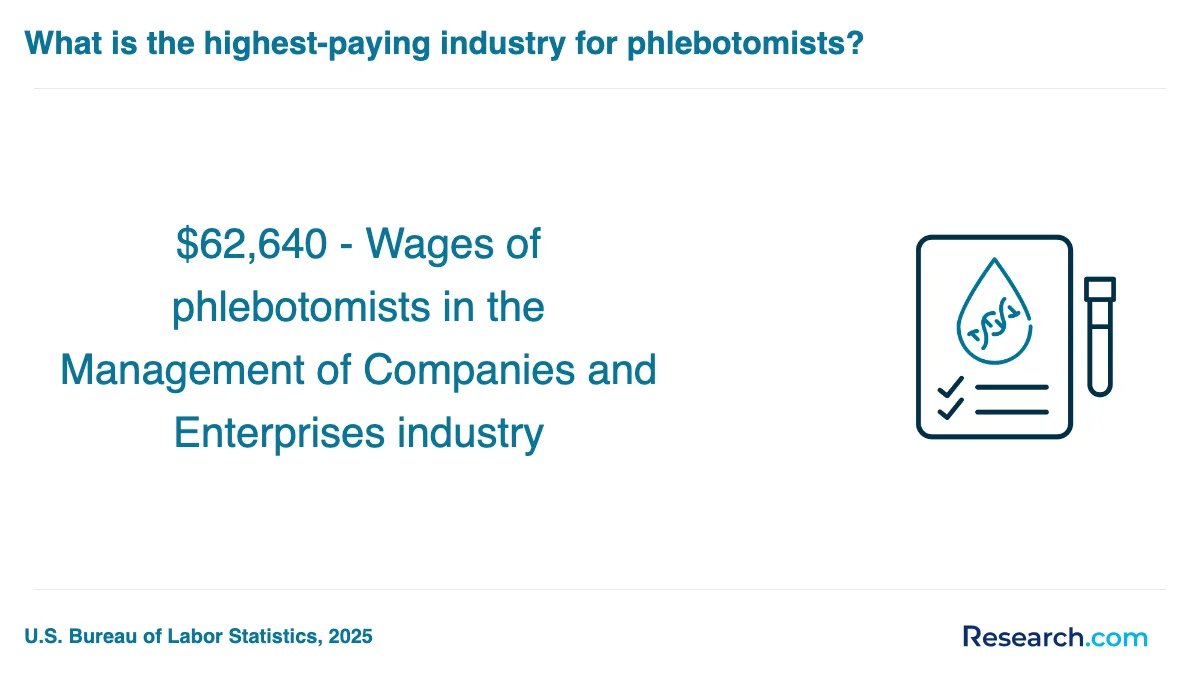
- Entry-level salaries for phlebotomy technicians in Tucson typically range from $32,000 to $38,000 annually, with higher pay possible in hospital settings.
How long does it take to complete phlebotomy technician trade schools in Tucson?
Completing a phlebotomy technician trade school program in Tucson typically takes between four to twelve weeks, depending on the intensity and structure of the course. Many graduates from well-known Tucson trade schools recall how the condensed schedules allowed them to quickly gain hands-on experience while balancing other responsibilities. One shared how the immersive learning environment accelerated their confidence, making the seemingly short timeframe feel both manageable and rewarding.
Students often describe their time in these programs as a focused journey, where classroom lessons seamlessly blend with practical training. This blend is especially prominent in Tucson's popular trade schools, where instructors emphasize real-world scenarios - like drawing blood in fast-paced clinical settings - helping students feel prepared for their future roles.
For those eager to start working soon, the relatively brief completion period offers a hopeful pathway, turning ambition into tangible skills without a long wait. This swift progression keeps motivation high and makes the commitment feel deeply worthwhile.
What's the difference between online and on-campus phlebotomy technician trade school programs?
The core difference between online and on-campus phlebotomy technician programs in Tucson centers on how hands-on skills are developed. Graduates from on-campus programs at well-known trade schools in Tucson often share how invaluable it was to practice venipuncture under direct supervision, using real equipment and receiving immediate guidance. For example, students at Pima Medical Institute experience live demonstrations and work with mannequins before advancing to patient practice, which builds confidence and technical precision.
By contrast, those enrolled in online programs appreciate the flexibility to study theory-like anatomy and safety protocols-at their own pace. However, they must still secure local clinical placements to complete essential hands-on training. Many graduates recount arranging these practicum hours as a critical step to meet certification requirements and feel fully prepared for real-world challenges.
Ultimately, Tucson students pursuing phlebotomy must embrace the reality that supervised, in-person practice is indispensable for mastering the craft and qualifying for employment in the field.
What is the average cost of phlebotomy technician trade schools in Tucson?
The average cost of a phlebotomy technician trade school program in Tucson typically ranges from around $675 to $1,529, though it varies depending on the program's length and included services. For example, many graduates recount their experience at Pima Community College, where the total estimated cost for in-state students is about $1,529.50. This covers tuition, fees, and essentials like drug screening and background checks, though additional expenses for books and supplies can vary individually. Students often appreciate the transparent breakdown that helps them budget realistically during enrollment.
Others who chose the Northwest Phlebotomy School found its three-day certification course appealing due to its concise structure and $675 fee, easing the financial and time commitment. Graduates often reflect positively on the balance between affordable pricing and effective skill-building, especially for those eager to enter the field quickly.
Meanwhile, Phlebotomy Training Specialists, with a $995 program including exam and certification fees, offers comprehensive instruction that many Tucson learners find valuable for passing national certification. Similarly, CALRegional's accelerated program at $1,495 provides an intensive curriculum that appeals to those wanting swift entry into phlebotomy careers.
Considering the range in program costs from various popular trade schools in Tucson highlights the importance of assessing what fits personal needs and budgets. Many students also explore options to offset expenses through financial aid or scholarships, making entry more manageable. To find tailored options, prospective students can explore lists of the best medical assistant trade school programs for guidance.
What financial aid is available for phlebotomy technician trade schools in Tucson?
Many students pursuing phlebotomy technician training in Tucson find financial aid crucial in making their education affordable. Graduates from programs like Pima Community College often recall applying for federal aid through FAFSA, securing Pell Grants and subsidized loans that eased their financial burden. These supports helped them focus on learning rather than worrying about tuition bills.
Trade schools such as Brookline College also offer access to Title IV federal aid, providing a similar range of grants and loans. Some students, especially those facing unemployment or career shifts, have benefited from Workforce Innovation and Opportunity Act (WIOA) funding, which covers tuition and support services. This assistance makes pursuing healthcare training feel achievable and empowering for many in Tucson's community.
On the other hand, graduates from private schools like Phlebotomy Training Specialists have shared how private loans, payment plans, or employer tuition reimbursement vouchers made their training possible when federal aid wasn't available. These flexible options reflect the diverse paths Tucson students take to become skilled phlebotomy technicians.
Checking with each school's financial aid office early on proved essential for these students, as funds are limited and awarded quickly, turning financial aid into a gateway for their career success.
What are the prerequisites for enrolling in phlebotomy technician trade schools in Tucson?
Enrolling in a phlebotomy technician trade school program in Tucson often requires meeting a few straightforward prerequisites, designed to ensure students are prepared and confident stepping into this vital healthcare role. Many graduates recall how having a high school diploma or GED was the first essential step, a common expectation across popular Tucson trade schools.
Beyond educational background, schools typically ask for:
- A minimum age of 18 years, ensuring maturity for patient interaction
- Proof of immunizations, reflecting the healthcare environment's safety standards
- A background check, which helps maintain trust and professionalism
- Basic English proficiency, critical for understanding instructions and communicating effectively
Graduates often reflect on how these prerequisites, while seemingly simple, helped build a foundation of responsibility and readiness. For example, students from well-known Tucson trade schools describe how meeting immunization requirements gave them a sense of belonging in a community dedicated to health and safety. These practical steps serve as gentle gatekeepers, guiding hopefuls toward a rewarding career in phlebotomy with confidence and pride.
What are the typical courses in phlebotomy technician trade schools in Tucson?
Phlebotomy technician programs in Tucson trade schools like Berry Best Phlebotomy Training and Pima Medical Institute offer courses that blend hands-on practice with essential theoretical knowledge, ensuring students feel confident and prepared. Graduates often reflect on how the focused curriculum helped them quickly grasp critical skills.
Core courses typically include:
- Phlebotomy principles: Understanding blood composition, safety protocols, and legal-ethical standards in specimen collection.
- Venipuncture technique training: Practicing blood draw methods using syringes and vacutainers on simulation arms and real patients under expert supervision.
- Specimen handling and processing: Learning proper labeling, storage, and transportation to maintain sample integrity.
- Patient communication skills: Training to explain procedures clearly and provide comfort during blood draws, which many graduates find crucial in real clinical settings.
- Medical equipment maintenance: Instruction on caring for needles, centrifuges, and other lab tools, sometimes including IV training for advanced roles.
Students appreciate how these courses mirror real workplace challenges, helping them transition smoothly into professional environments across Tucson's healthcare facilities.
What are the available specializations in phlebotomy technician trade schools in Tucson?
Phlebotomy technician specializations in Tucson often extend beyond basic blood collection to include advanced skills that prepare students for diverse healthcare roles. Graduates from popular Tucson trade schools describe their experience gaining hands-on training in areas such as specimen processing, patient communication, and clinical externships, which build confidence in real-world settings. For example, some programs offer intensive workshops like IV catheter placement, teaching students how to administer intravenous medications safely-an invaluable advantage for those seeking to expand their career opportunities.
These advanced phlebotomy training programs Tucson also emphasize practical application through streamlined curriculums that fit tight schedules without sacrificing depth of knowledge. Students appreciate how learning anatomy, physiology, and medical terminology complements their phlebotomy skills, fostering a well-rounded understanding of patient care dynamics.
Common specializations often include:
- IV training for catheter placement and drug administration
- Clinical externships for hands-on healthcare exposure
- Specimen processing and laboratory communication
Such comprehensive training allows students to stand out as competent phlebotomists eager to contribute wherever needed. Those considering options may also explore the cheapest phlebotomy technician online certification to complement their Tucson education with flexible online credentials.
How do you choose the best phlebotomy technician trade school program in Tucson?
Choosing the best phlebotomy technician programs in Tucson means focusing first on accreditation and hands-on training. Graduates from well-known schools like Brookline College often recall how their ABHES-accredited program boosted their confidence, especially through real clinical practice that made patient interaction feel natural. This practical experience is invaluable when stepping into a professional role.
Many students weigh phlebotomy trade school cost comparison Tucson carefully, as tuition varies widely. For example, some find Pima Community College's affordable $1,529.50 certificate program appealing, balancing cost with quality education. Financial aid options can ease this burden and make pursuing certification more accessible.
Program length and scheduling are crucial too. Some graduates appreciated accelerated programs that fit around work and family, while others preferred a paced approach. Those wanting flexibility might explore an accelerated online phlebotomy technician certification program to jumpstart their career quickly.
What career paths are available for phlebotomy technician trade school graduates in Tucson?
Graduates of phlebotomy technician trade school programs in Tucson often embark on diverse and rewarding career paths. Many find fulfilling roles as phlebotomists in hospitals, clinics, and blood donation centers across the city. Some enjoy the flexibility of mobile phlebotomy positions, traveling to patients' homes or local clinics, which adds variety and autonomy to their workdays. Those who trained at popular Tucson trade schools frequently share how hands-on clinical experiences prepared them well for these real-world settings.
Beyond direct specimen collection, advanced healthcare jobs for Tucson phlebotomy graduates include becoming instructors who teach new students, or advancing to medical assistant roles that blend clinical duties with administrative tasks. This pathway is enhanced by gaining certifications that boost confidence and job prospects. Graduates often appreciate how this creates opportunities for career growth tailored to their interests and strengths.
Additional options include working in plasma centers, where technicians manage blood quality and enjoy structured career advancement. For those aiming higher, continuing education in healthcare administration opens doors to supervisory roles. Many find Tucson's network of trade schools and healthcare providers supports this upward mobility well.
Exploring the medical assisting vs phlebotomy career debate also helps graduates understand which route aligns best with their passions and skills, making the journey from school to a meaningful, stable job more insightful and motivating.
What is the job market for phlebotomy technician trade school graduates in Tucson?
The phlebotomy technician job outlook Tucson remains strong, especially for graduates from well-regarded trade schools in the area. Many students who complete their training at these institutions find themselves quickly employed in various healthcare environments, including hospitals, outpatient labs, and mobile blood collection services. Graduates often share that their hands-on training helped them gain confidence in real-world settings, making interviews and on-the-job performance feel more manageable.
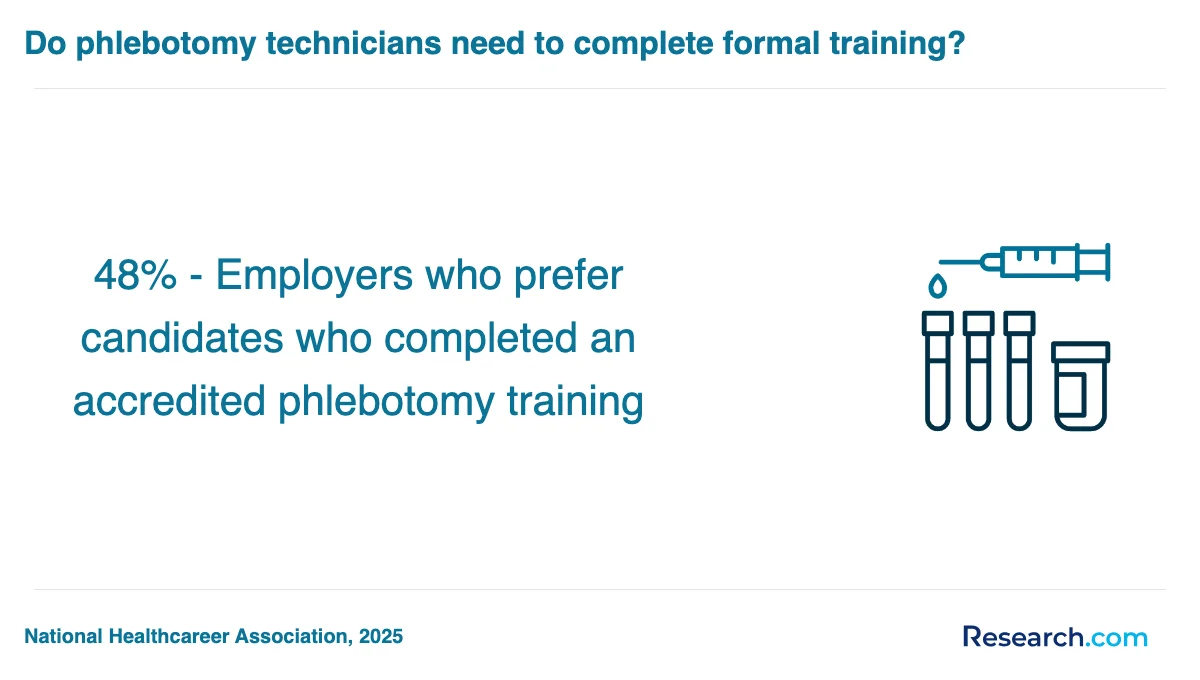
Phlebotomist employment opportunities in Tucson frequently spotlight roles for entry-level technicians, with employers valuing completion of accredited programs. Some graduates have noted that their certification from respected organizations, combined with clinical experience from trade schools, sets them apart. The job market also offers flexibility, with positions available in plasma centers and research labs paying competitive wages.
Many Tucson students explore options to enhance their careers by considering quick highest paid medical certificate programs, understanding that expanding certifications can open more doors. Overall, Tucson's steady healthcare growth promises a positive future for phlebotomy technician graduates.
Frequently Asked Questions about phlebotomy technician
After completing a phlebotomy technician trade school in Tucson, preparing for the job market involves several key steps. First, obtaining certification from a recognized organization such as the National Phlebotomy Association or the American Society for Clinical Pathology can significantly improve employment prospects. In Arizona, certification is often preferred by employers and sometimes required.
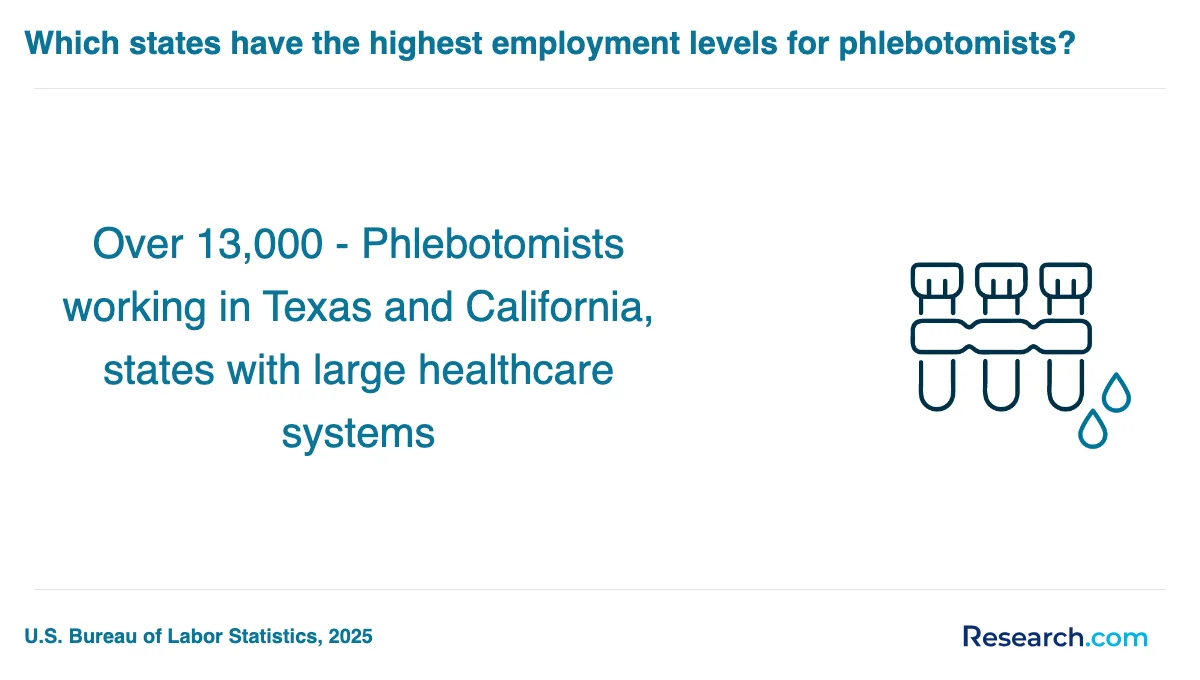
Networking with local healthcare facilities and attending job fairs can help graduates connect with potential employers. Tucson's healthcare industry is growing, with hospitals and clinics frequently seeking skilled phlebotomists. According to the U.S. Bureau of Labor Statistics, phlebotomy jobs in Arizona are projected to grow by 10% through 2030.
Developing a professional resume highlighting clinical experience and certifications is essential. Additionally, continuing education and staying updated on best practices will enhance job security and career advancement opportunities.
Employers in Tucson seek phlebotomy technician graduates who demonstrate strong technical skills, including accurate blood collection and knowledge of safety protocols. According to the Arizona Department of Health Services, proficiency in venipuncture and capillary puncture techniques is essential for entry-level positions.
Beyond technical ability, communication skills are highly valued. Technicians must explain procedures clearly and provide comfort to patients, which improves the overall healthcare experience.
Attention to detail is another critical skill, as errors in labeling or handling samples can impact diagnoses. Employers also prefer candidates familiar with electronic health record systems, reflecting the growing use of digital tools in Tucson's medical facilities.
Finding internships in Tucson relevant to phlebotomy technician trade school programs involves several strategic steps. First, students should contact their school's career services office, as many local trade schools partner with healthcare facilities to provide internship placements. Tucson has numerous hospitals and clinics, such as Banner - University Medical Center and Tucson Medical Center, which often offer internship opportunities for phlebotomy students.
Additionally, students can reach out directly to local laboratories, blood donation centers, and outpatient clinics. According to the Arizona Department of Health Services, healthcare employers in Tucson frequently seek interns to support their growing demand for phlebotomy technicians. Networking through professional organizations like the American Society for Clinical Pathology (ASCP) can also help locate internships.
Many internships in Tucson combine hands-on training with classroom instruction, meeting national certification requirements. The Bureau of Labor Statistics notes that internships increase job placement rates for phlebotomy graduates by providing essential practical experience.
Obtaining a phlebotomy technician trade school diploma in Tucson significantly enhances career mobility within the local healthcare sector. According to the Arizona Department of Labor, certified phlebotomists in Tucson experience faster job placement rates compared to non-certified individuals. This credential often serves as a minimum requirement for entry-level positions in hospitals, clinics, and laboratories, opening doors to various roles.
Moreover, the diploma can lead to increased earning potential. The U.S. Bureau of Labor Statistics reports that phlebotomy technicians with formal training earn approximately 15% more on average than those without certification. In Tucson's competitive job market, this advantage supports professional advancement opportunities.
Additionally, many trade schools in Tucson offer hands-on clinical experience, which employers highly value. This practical training fosters skill development and strengthens resumes, contributing to long-term career growth.
Students enrolled in phlebotomy technician trade schools in Tucson can benefit from several part-time job opportunities that complement their training. Positions such as medical assistant, patient transporter, or laboratory aide provide practical experience and exposure to clinical environments. According to the U.S. Bureau of Labor Statistics, Tucson's healthcare sector is growing steadily, with phlebotomy-related jobs expected to increase by 12% through 2030. Working in local hospitals or outpatient clinics allows students to develop essential skills like patient interaction and specimen handling. These roles also help build professional networks, which can be valuable for future employment after graduation.
To choose the best Phlebotomy Technician degree program near me in Tucson, AZ, consider factors such as accreditation, curriculum comprehensiveness, faculty expertise, and clinical training opportunities. Research.com can be a helpful resource for finding detailed information about programs and universities near Tucson, AZ. Additionally, visit campuses to get insights into the facilities and speak with advisors and current students to assess the learning environment and support services offered.
Related Phlebotomy Technician Rankings for Nearby Cities
- Best Phlebotomy Technician Training Programs & Trade Schools - Top Phlebotomy Tech Schools in Phoenix for 2026
- Best Phlebotomy Technician Training Programs & Trade Schools - Top Phlebotomy Tech Schools in Las Vegas for 2026
- Best Phlebotomy Technician Training Programs & Trade Schools - Top Phlebotomy Tech Schools in Seattle for 2026
Top Trending Rankings
References
- Phlebotomy Certification Tucson Arizona — NPS https://npscerts.com/phlebotomy-certification-tucson-arizona/
- Phlebotomy | Pima Community College, Tucson, Arizona https://www.pima.edu/academics-programs/degrees-certificates/health-sciences/phlebotomy/phlebotomy-cert/index.html
- Phlebotomy Technician Certificate Program https://pmi.edu/on-campus-programs/certificate/phlebotomy-technician/
- Phlebotomy Technician Certification in Tucson Arizona — NPCE https://www.npce.org/phlebotomy-technician-certification-tucson-arizona
- Tucson Phlebotomy Training | Phlebotomist School Near Me - Northwest Phlebotomy School https://www.nwphlebotomyschool.com/location/tucson/
- Fast Track Lab Tech/ Phlebotomy Training Program Training Program - AZ Job Connection https://www.azjobconnection.gov/etp/public/institution_programs/23431
- Best Phlebotomy Schools Tucson | Berry Best Phlebotomy Training, LLC https://www.berrybestlabtechtraining.com/
- What To Look For In a Phlebotomy Training Program - PhlebotomyU https://phlebotomyu.com/what-to-look-for-in-a-phlebotomy-training-program/
- Students & early career | Quest Diagnostics https://careers.questdiagnostics.com/students-and-early-career
- Phlebotomy Experience: Tips to Boost Your Career https://www.fhcaorlando.com/blog/how-to-get-phlebotomy-experience


