Best Pharmacy Technician Training Programs & Trade Schools - Top Pharmacy Tech Schools in Massachusetts for 2026

Co-Founder and Chief Data Scientist
Choosing the right pharmacy technician trade school in Massachusetts can feel overwhelming. This article is here to help you navigate that decision with confidence.
The Research.com team of data scientists has created a comprehensive ranking of pharmacy technician trade school programs to guide you toward the best options available.
By exploring this ranking, you’ll discover programs that offer valuable skills and certifications, opening doors to rewarding career opportunities.
Investing in your education as a pharmacy technician can bring both personal satisfaction and professional growth.
Key benefits of finishing pharmacy technician trade school in Massachusetts
- Graduates of pharmacy technician trade schools in Massachusetts can expect competitive salaries, with average annual earnings around $45,220 and top earners making up to $64,210, offering strong financial motivation.
- A graduate from a popular Massachusetts trade school can pursue various career paths, including retail, hospital, or specialized pharmacy roles, providing exciting opportunities for growth and skill development.
- Completing a pharmacy technician program online offers flexibility and convenience, allowing students to balance work and study effectively, as many online graduates from leading trade schools report faster completion and job readiness.
- Best Pharmacy Technician Training Programs & Trade Schools - Top Pharmacy Tech Schools in Massachusetts for 2026
- What can I expect from pharmacy technician trade schools in Massachusetts?
- Where can I work after finishing pharmacy technician trade schools in Massachusetts?
What can I expect from pharmacy technician trade schools in Massachusetts?
Expect an intensive, hands-on experience that blends classroom learning with real-world pharmacy practice. Graduates from popular Massachusetts trade schools often recall the balance of studying pharmacology, federal and state pharmacy laws, and medication safety, alongside mastering prescription processing and quality assurance. These programs, usually lasting 10 to 12 weeks, offer both in-person and hybrid formats, providing flexibility without sacrificing the depth of training.
Many students describe the interactive sessions and asynchronous assignments as challenging yet rewarding, helping them build confidence in handling medication dispensing and safety protocols. For example, a graduate from a Boston-based program shared how the practical labs made abstract concepts tangible, preparing them for immediate workforce entry.
Students also appreciate the support with licensing and certification exams, like the Pharmacy Technician Certification Board (PTCB) test, and some programs even offer stipends, easing financial stress. This comprehensive approach ensures graduates feel ready, not just academically, but emotionally, to start their pharmacy technician careers in Massachusetts.
Where can I work after finishing pharmacy technician trade schools in Massachusetts?
After finishing a pharmacy technician trade school program in Massachusetts, graduates find a wide range of rewarding job opportunities across the state. Many begin their careers in bustling retail pharmacies like CVS or Walgreens, where they quickly gain hands-on experience preparing medications and assisting customers-skills that bring a real sense of accomplishment and daily connection with the community.
Others step into hospital pharmacies within major healthcare networks such as Massachusetts General Brigham, engaging in more complex medication preparation and supporting inpatient care. Graduates often share how this environment sharpens their expertise and opens doors to specialized roles.
Trade schools in Massachusetts also prepare students for emerging fields like specialty pharmacies and remote telepharmacy jobs, which offer flexible schedules and competitive pay. Many graduates appreciate the ability to balance work and life while contributing to patient care in innovative ways.
Advancement is tangible, with opportunities to become supervisors or trainers, roles that former students describe as empowering and motivating as they lead teams and shape future technicians.
Licensure and certification completed through these programs ensure graduates are ready to meet employer expectations and thrive in diverse pharmacy settings statewide.
After finishing a pharmacy technician trade school program in Massachusetts, many graduates find themselves stepping into jobs that pay around $21.74 per hour, or roughly $45,220 annually for full-time work. For instance, graduates from well-known trade schools in Boston or Worcester often share how this starting wage made managing rent and daily expenses feel achievable right out of school.
Entry-level technicians typically earn about $17.44 per hour, but those who pursue certification through the Pharmacy Technician Certification Board often see their pay jump to between $22.01 and $24.53 per hour. One graduate described the boost in confidence-and paycheck-that came with certification, enabling them to afford further training or pay off student loans faster.
Top earners, especially those with experience or specialized skills, can make up to $30.87 per hour. In busy retail pharmacies across Massachusetts, certified technicians sometimes earn as much as $27.50 per hour, turning their education into a rewarding career. These figures highlight how investing in a trade school and certification can open doors to stable and growing income in the local job market.
- Applicants must be at least 18 years old and have a high school diploma or GED; some programs allow enrollment while still in high school but require completion before graduation or licensure.
- Background checks, drug screenings, and full COVID-19 vaccination are typically required for admission, along with basic math and reading assessments.
- Programs usually last 10 to 15 weeks and may include an externship; a 12-week program can cost around $2,800, with possible free tuition for eligible public assistance recipients.
- Graduates of Board-approved programs can take the Pharmacy Technician Certification Board (PTCB) exam to become licensed and access better job opportunities.
- The average starting salary for pharmacy technicians in Massachusetts is $40,000-$45,000 per year, with experienced technicians earning up to $55,000 annually.
Completing a pharmacy technician trade school program in Massachusetts typically takes between 6 to 12 months, depending on the school and whether you study full-time or part-time. Many graduates from well-known trade schools in the state describe the experience as both intense and rewarding, emphasizing how the condensed timeline allowed them to quickly enter the workforce.
Imagine balancing your daily routine with hands-on pharmacy lab sessions and coursework designed to prepare you for certification exams within a year. This fast-paced learning approach is common in Massachusetts trade schools, where practical skills are prioritized alongside classroom instruction.
Graduates often recall the excitement of finishing their program and immediately stepping into roles at community pharmacies or hospitals. This efficiency is a major draw for students eager to start a career without prolonged delays, making the trade school path an attractive option for those seeking a swift yet thorough education in pharmacy technology.
The key difference between online and on-campus pharmacy technician programs in Massachusetts lies in how you experience learning and hands-on practice. Graduates from Mount Wachusett Community College often praise the online format for its flexibility-balancing coursework around work or family life without the stress of fixed class times. Imagine logging in late at night to complete pharmacology lessons or pharmacy law modules at your own pace, a game-changer for busy adults.
On the other hand, those who attend Holyoke Community College or Quinsigamond Community College value the energy of in-person classes. Being physically present means immediate feedback from instructors and engaging directly in labs, which many find boosts confidence and practical skills. Picture working side-by-side with peers in a pharmacy lab, asking questions in real time, and feeling the immediacy of hands-on learning.
Both paths in Massachusetts require externships-such as the 150-hour placement at a Boston pharmacy through Bunker Hill Community College-ensuring real-world experience. Choosing between online or campus often comes down to how you learn best: self-driven flexibility or structured, interactive environments.
The average tuition fees for pharmacy technician programs in Massachusetts represent a meaningful investment in a career with growing demand. Graduates from popular trade schools such as the Pathway Vocational Institute of Health report paying around $2,500 in tuition, plus additional fees for essentials like testing, books, uniforms, and optional certifications. This brings the total cost closer to $3,000 or more, a figure many find rewarding given the comprehensive training and flexible payment options available, ranging from payment plans to scholarships.
Community colleges in Massachusetts offer alternative paths, often with more variable pricing. Students describe community college programs as more affordable yet competitive in quality, with costs sometimes ranging widely from $700 up to over $10,000 depending on credits and associated fees. Such variation reflects a broader spectrum in the cost of pharmacy technician certification in Massachusetts, making it vital for prospective students to align their budget with program depth and institution reputation.
Online programs offer another flexible and often more budget-friendly choice, with costs typically between $500 and $2,000. Many find this option appealing for balancing work and school commitments while advancing their qualifications. For those wondering what what does an online pharmacist do, the shift toward remote learning and certification reflects evolving industry trends that open doors without geographic limitations.
Ultimately, the financial commitment required can feel daunting but is feasible with proper planning and research, especially when weighing the value of becoming a certified pharmacy technician in Massachusetts' competitive job market.
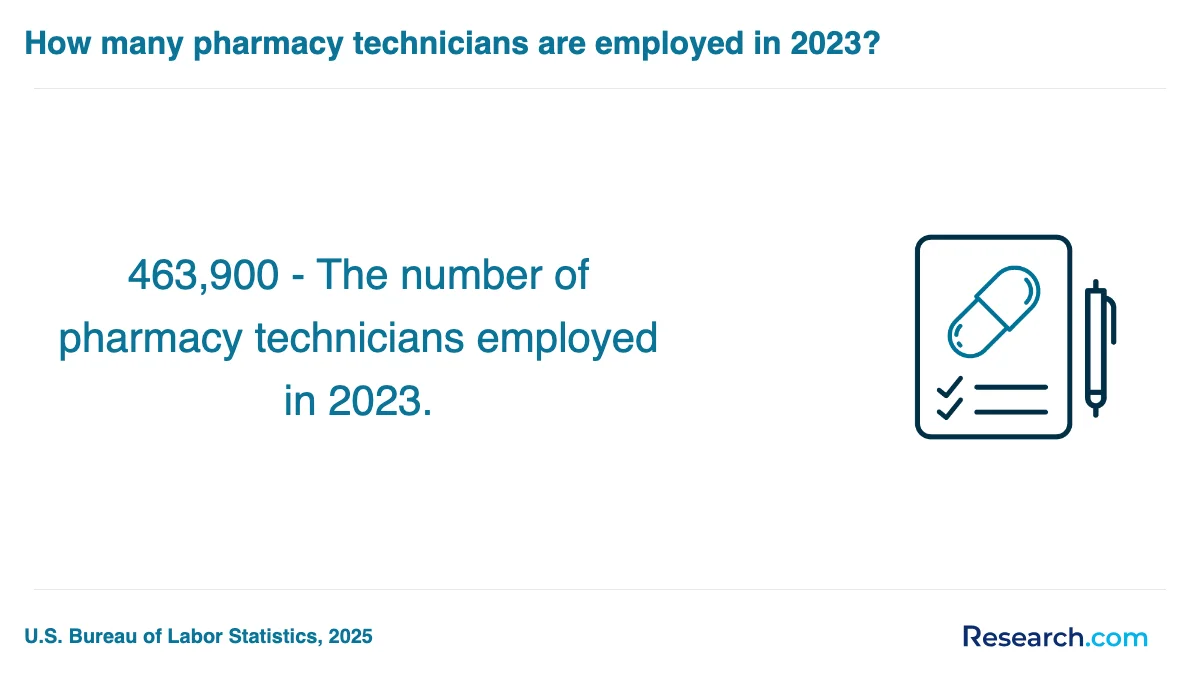
Pharmacy technician students in Massachusetts often find unexpected relief through federal student aid, which many graduates credit as a game-changer. By completing the FAFSA, students unlock access to grants, loans, and work-study programs that make accredited programs much more affordable. For instance, graduates from Holyoke Community College recall how federal aid covered significant portions of their tuition, easing financial stress.
State and local assistance also plays a vital role. Programs like the Workforce Investment Act provide funding tailored for high-demand careers, including pharmacy technicians. Some students at community colleges have shared how qualifying for SNAP or TAFDC benefits enabled them to attend the 12-week program at Holyoke Community College free of charge, turning what seemed like an unreachable goal into reality.
Scholarships are another beacon of hope, with many students applying to multiple sources to reduce costs. Online programs often offer scholarships up to $2,500, which graduates describe as a welcome boost. Additionally, institutional aid and flexible payment plans at popular Massachusetts trade schools help students manage tuition without overwhelming debt.
Military families and veterans frequently benefit from tuition reimbursement and GI Bill programs, allowing them to pursue pharmacy technician training with added financial security. Many graduates emphasize how combining these options transformed their educational journey into an achievable and rewarding experience.
Enrolling in a pharmacy technician trade school program in Massachusetts typically requires meeting certain prerequisites that ensure students are ready for the demands of this healthcare role. Most programs expect applicants to have a high school diploma or equivalent, which serves as a foundational step. Graduates from popular Massachusetts trade schools often recall how this basic credential gave them the confidence to tackle more advanced coursework.
Beyond educational background, schools frequently ask for proof of age (usually 18 or older) and a clean criminal record, reflecting the trustworthiness needed in a pharmacy setting. Some programs also require students to pass a basic math and reading comprehension test, which might feel challenging at first but quickly becomes manageable with practice.
Common prerequisites include:
- High school diploma or GED
- Minimum age of 18 years
- Passing a background check
- Basic skills assessment in math and reading
Graduates often share how these requirements prepared them not just academically, but also mentally, fostering a sense of achievement and readiness. For example, students at well-known Massachusetts trade schools describe feeling reassured that they entered the program fully equipped to succeed, turning initial anxieties into excitement about their future careers.
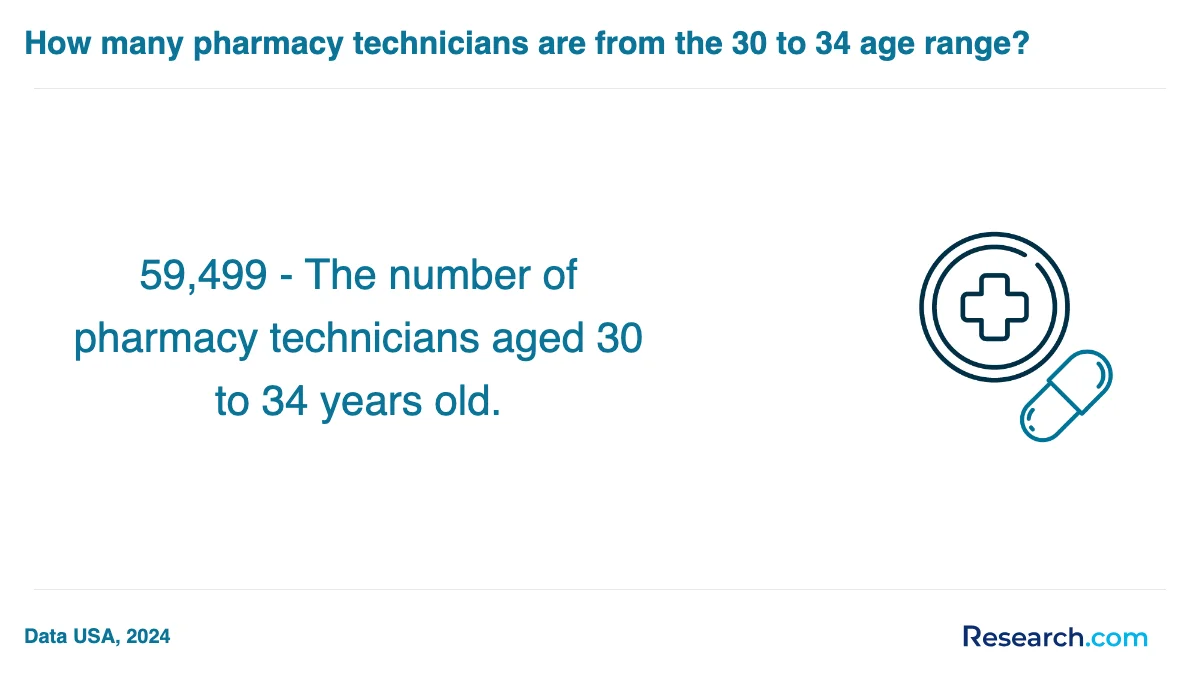
Pharmacy technician trade school programs in Massachusetts cover a dynamic range of courses designed to prepare students for real-world pharmacy roles. Graduates from schools like Bunker Hill Community College often share how foundational classes in pharmacy calculations and medical terminology gave them confidence to handle prescriptions accurately and communicate seamlessly with pharmacists.
Key technical skills are honed through courses such as:
- Dosage calculations and conversions, critical for ensuring patient safety by preventing medication errors
- I.V. flow rates and aseptic techniques, essential for sterile compounding and handling sensitive medications
- Total Parenteral Nutrition (TPN), teaching preparation of specialized intravenous solutions common in hospital settings
Students at Massasoit Community College highlight how hands-on training in drug compounding and dispensing prescriptions made the learning process engaging and directly applicable to pharmacy environments.
Beyond clinical skills, courses also include operational topics like inventory control, billing and reimbursement, and quality assurance and safety, providing a comprehensive understanding of pharmacy workflow.
Finally, thorough instruction in federal and state pharmacy laws ensures students are well-prepared to meet Massachusetts' regulatory standards, making the transition from the classroom to the pharmacy floor both smooth and empowering.
Pharmacy technician specializations Massachusetts programs focus on core areas that reflect the realities of working in pharmacies across the state. Graduates from popular trade schools like Bunker Hill Community College and Quinsigamond Community College often share how their hands-on experience with pharmacy calculations, drug identification, and prescription processing prepared them for fast-paced retail or hospital environments. Typical specializations include:
- Pharmacy calculations to ensure accuracy in dispensing
- Medical terminology tailored to pharmacy settings
- Drug classification and compounding techniques
- Pharmacy law and ethical considerations
- Patient communication and education to build trust
- Aseptic and sterile product handling
These subjects build practical skills that students feel confident applying during externships or their first roles, making Massachusetts pharmacy technician training programs truly impactful. Many graduates point out the value of externships at local pharmacies, which bring classroom lessons to life. For those curious about the qualifications of a pharmacist, this training also offers insightful foundational knowledge helpful in collaborative healthcare roles.
Choosing from the best pharmacy technician programs in Massachusetts means looking beyond just the curriculum. Graduates often highlight how accredited programs, like those at Bunker Hill Community College, provide a confidence boost by ensuring the training meets industry standards. Imagine stepping into a busy Boston-area pharmacy after completing a 150-hour externship like the one offered by Holyoke Community College-those real-world hours build the hands-on skills you need and make the transition to work much smoother.
Another key point is certification prep; many top-rated pharmacy technician schools in Massachusetts, such as North Shore Community College, tailor coursework to help students pass the PTCB exam. Graduates appreciate how this focus opens doors, even when state certification isn't mandatory. Also, affordability and program length matter-some find the 10-week, $1,299 program at North Shore a perfect balance between speed and thoroughness.
Strong connections to local pharmacies can make all the difference in landing a job after class. Programs like Metrowest Healthcare Academy, with their 130-hour externship, exemplify this link between education and employment. Considering these factors will help you find a program that fits both your career goals and lifestyle.
Many students also wonder about the differences in career outcomes, so checking insights like the pharmacy technician salary vs medical assistant salary can provide valuable perspective.
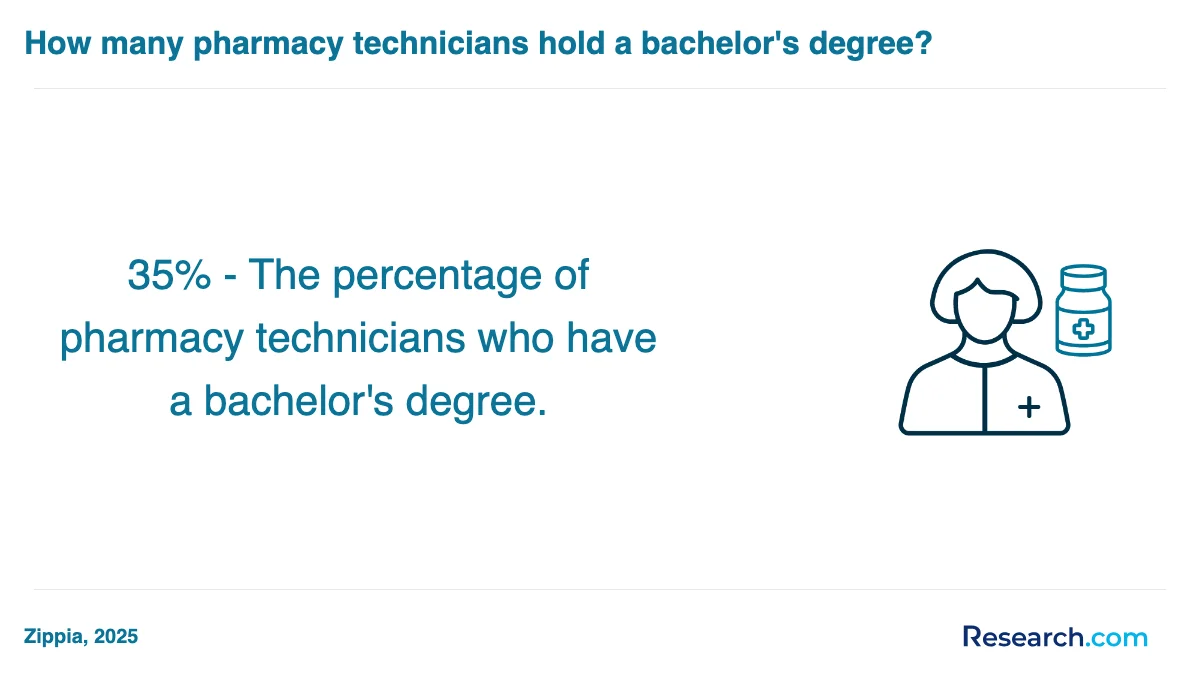
Graduates of pharmacy technician trade school programs in Massachusetts find a range of vibrant career paths across the state's healthcare landscape. Popular programs at Bunker Hill Community College and JVS Boston prepare students to confidently step into pharmacy technician jobs in Massachusetts, where opportunities span retail pharmacies, hospital settings, community health centers, and long-term care facilities. Graduates often share how working in well-known retail chains sharpens their customer service skills, while hospital roles demand precise medication preparation and teamwork within cutting-edge medical environments.
Career advancement for Massachusetts pharmacy technician graduates frequently includes pursuing specialized certifications or supervisory roles. Many have leveraged their initial positions to become lead technicians or pharmacy managers, fueled by the robust job market. Some even build on their experience and ask themselves what degree do you need to be pharmacist, aiming to further their credentials and move into pharmacy school.
Typical work settings include:
- Retail pharmacies, where managing prescriptions and insurance claims is routine
- Hospital pharmacies, contributing to critical patient care with medication compounding
- Community health centers and long-term care facilities, focusing on specialized medication distribution
This variety keeps the profession exciting and rewarding, with hourly wages reflecting the growing demand: $18 to $22 for retail roles and $21 to $24 in hospital pharmacies, motivating many graduates to pursue this dynamic healthcare career.
The pharmacy technician job outlook in Massachusetts is notably positive, reflecting a growing demand fueled by expanding healthcare needs. Graduates from well-known trade schools in Massachusetts often share how their hands-on training and state registration prep helped them secure roles quickly, sometimes even before completing their programs. Large health systems, such as Beth Israel Lahey Health, actively recruit these graduates and even offer paid training, creating a smooth transition from classroom to career.
Many graduates describe their job search as energized by:
- Competitive starting wages averaging $21.74 per hour, with experienced certified techs reaching over $30 hourly.
- Flexible scheduling options ranging from part-time to full-time shifts that fit diverse lifestyles.
- Strong employer preferences for formal education paired with certification, highlighting the importance of trade school graduation.
The pharmacy technician demand in Massachusetts remains high, with over 287 job openings reported recently, spanning community pharmacies, hospitals, and specialty centers. Graduates frequently emphasize how completing a trade program increased their confidence and employability. For those considering further credentials or an associate's degree in pharmacy technician, career growth prospects are even brighter.
Best Pharmacy Technician Training Programs & Trade Schools - Top Pharmacy Tech Schools in Massachusetts for 2026
# 1 position
Mount Wachusett Community College - Physical Therapy Assistant.
associateThe Physical Therapy Assistant program at Mount Wachusett Community College offers a hybrid format with some distance education options. It prepares students to implement treatment plans, conduct interventions, and monitor patient progress under a physical therapist's supervision. Coursework includes anatomy, physiology, biomechanics, neuroscience, and professional ethics. The program is accredited by the New England Commission on Higher Education. Annual in-state tuition is $6,000, and median earnings one year after completion are $44,710.
# 2 position
North Shore Community College - Physical Therapy Assistant.
associateThe Physical Therapy Assistant program at North Shore Community College offers a hybrid format with some distance-education options. It prepares students to assist physical therapists by implementing treatment plans, training patients, and documenting progress. The curriculum covers applied anatomy, physiology, biomechanics, neuroscience, and professional ethics. Annual in-state tuition is $5,352. Graduates earn a median of $44,926 one year after completion. The program is accredited by the New England Commission on Higher Education.
# 3 position
Quincy College - Physical Therapy Assistant.
associateQuincy College offers a Physical Therapy Assistant program with a hybrid format, combining in-person and distance learning. The program prepares students to assist physical therapists by implementing treatment plans, training patients, and documenting progress. Instruction covers anatomy, physiology, behavioral sciences, biomechanics, kinesiology, neuroscience, and professional ethics. Annual in-state tuition is $7,536. The program is accredited by the New England Commission on Higher Education.
# 4 position
Springfield Technical Community College - Physical Therapy Assistant.
associateSpringfield Technical Community College offers a Physical Therapy Assistant program with a hybrid format, combining in-person and distance education. The program prepares students to assist physical therapists in treatment plans, patient training, and progress documentation. Coursework includes anatomy, physiology, biomechanics, neuroscience, and professional ethics. Annual in-state tuition is $5,520. Graduates have a median earning of $38,844 one year after completion. The program is accredited by the New England Commission on Higher Education.
# 5 position
Berkshire Community College - Physical Therapy Assistant.
associateBerkshire Community College offers a Physical Therapy Assistant program delivered in a hybrid format, combining in-person and distance education. The program trains students to assist physical therapists by implementing treatment plans, conducting interventions, and monitoring patient progress. Coursework covers anatomy, physiology, biomechanics, clinical documentation, and professional ethics. The annual in-state tuition is $5,612. The program is accredited by the New England Commission on Higher Education.
Frequently Asked Questions about pharmacy technician
After completing a pharmacy technician trade school in Massachusetts, preparing for the job market involves several key steps. First, obtaining certification is crucial; the Pharmacy Technician Certification Board (PTCB) exam is widely recognized and can improve employment prospects. According to the Massachusetts Workforce Board, certified technicians typically earn higher wages and have better job security.
Next, gaining practical experience through internships or externships offered by many trade schools enhances skills and resumes. Networking with local pharmacies and healthcare providers in Massachusetts can also open job opportunities.
Finally, keeping up with state regulations and continuing education ensures compliance and career growth in this evolving field.
Employers in Massachusetts prioritize several key skills when hiring pharmacy technician trade school graduates. Accuracy in medication dispensing is critical, as errors can have serious health consequences. Strong knowledge of pharmacy law and regulations specific to Massachusetts is also essential to ensure compliance and patient safety. Communication skills are highly valued, enabling technicians to interact effectively with pharmacists, patients, and healthcare providers.
Technical proficiency with pharmacy software and medication inventory management systems is increasingly important due to the growing use of technology in pharmacies. According to the Massachusetts Department of Labor, employers often seek candidates who demonstrate reliability and attention to detail, which correlate with higher job performance and patient trust.
Finding internships relevant to pharmacy technician trade school programs in Massachusetts involves several practical steps. Start by consulting your school's career services office, as many programs maintain partnerships with local pharmacies and healthcare facilities. These partnerships often provide exclusive internship opportunities tailored to pharmacy technician students.
Additionally, check with Massachusetts healthcare networks such as Partners HealthCare and community pharmacy chains like CVS and Walgreens, which frequently offer internship positions. According to the Massachusetts Department of Higher Education, internship placements in healthcare fields have increased by 15% over the past five years, reflecting growing demand for practical experience.
Professional organizations like the Massachusetts Pharmacists Association can also be valuable resources, offering networking events and internship listings. Lastly, online job boards focused on healthcare internships, such as those maintained by the U.S. Bureau of Labor Statistics, provide updated openings specifically for pharmacy technician roles.
Obtaining a pharmacy technician trade school diploma in Massachusetts significantly enhances career mobility and advancement opportunities. The state requires pharmacy technicians to complete a board-approved training program or obtain certification, making a diploma a critical step toward eligibility. According to the Massachusetts Board of Registration in Pharmacy, certified technicians often access higher-paying roles and more specialized positions within retail and hospital settings.
Graduates with diplomas are more competitive in the job market, as employers prefer candidates with formal education and practical training. Data from the U.S. Bureau of Labor Statistics (2023) shows Massachusetts pharmacy technicians earn an average annual wage above the national median, reflecting the value of accredited training.
Additionally, a diploma can be the foundation for further certification, such as the PTCB exam, which improves prospects for promotions and supervisory roles. This formal education also supports career shifts within healthcare, offering broader long-term advancement.
Students enrolled in pharmacy technician trade schools in Massachusetts can benefit from part-time jobs that provide practical experience and complement their studies. Common opportunities include working as pharmacy aides or clerks in retail pharmacies, hospitals, or long-term care facilities. These roles help students familiarize themselves with medication handling, pharmacy software, and customer service skills.
According to the U.S. Bureau of Labor Statistics, Massachusetts employs over 6,000 pharmacy technicians, with growth projected at 5% through 2031, indicating steady demand for entry-level positions. Internships or externships offered by some trade schools also allow students to gain supervised hands-on training, which enhances employability after graduation.
Additionally, some students find part-time work in medical offices or insurance companies, where familiarity with pharmaceutical terminology and billing processes is valuable. These roles support coursework and build a professional network within the healthcare industry.
To choose the best Pharmacy Technician degree program near you in Massachusetts, consider factors such as program accreditation, curriculum comprehensiveness, and job placement rates. Research.com is a helpful resource for finding programs and universities near Massachusetts that offer robust training and opportunities in this field. Additionally, inquire about hands-on experiences or partnerships with local healthcare facilities to enhance practical skills and employment prospects near me.
- Best Pharmacy Technician Training Programs & Trade Schools - Top Pharmacy Tech Schools in Rhode Island for 2026
- Best Pharmacy Technician Training Programs & Trade Schools - Top Pharmacy Tech Schools in New York for 2026
- Best Pharmacy Technician Training Programs & Trade Schools - Top Pharmacy Tech Schools in New Jersey for 2026
- Best Pharmacy Technician Training Programs & Trade Schools - Top Pharmacy Tech Schools in Pennsylvania for 2026
- Best Pharmacy Technician Training Programs & Trade Schools - Top Pharmacy Tech Schools in Maryland for 2026
- Best Pharmacy Technician Training Programs & Trade Schools - Top Pharmacy Tech Schools in Virginia for 2026
- Best Pharmacy Technician Training Programs & Trade Schools - Top Pharmacy Tech Schools in Ohio for 2026
- Best Pharmacy Technician Training Programs & Trade Schools - Top Pharmacy Tech Schools in Kentucky for 2026
- Best Pharmacy Technician Training Programs & Trade Schools - Top Pharmacy Tech Schools in North Carolina for 2026
- Best Pharmacy Technician Training Programs & Trade Schools - Top Pharmacy Tech Schools in South Carolina for 2026
- Pharmacy Technician Schools in Massachusetts (MA) https://www.pharmacytechnicianguide.com/Schools/Massachusetts/
- Pharmacy Technician Licensing | Mass.gov https://www.mass.gov/pharmacy-technician-licensing
- Pharmacy Technician Certificate | Quincy College https://quincycollege.edu/program/pharmatech/
- Pharmacy Technician | Holyoke Community College https://www.hcc.edu/courses-and-programs/workforce-development/free-job-training-programs/jump-start/pharmacy-technician
- Massachusetts Online Pharmacy Technician Certificate Program | Self-Paced Course https://www.uscareerinstitute.edu/online-pharmacy-technician-school/massachusetts
- Pharmacy Technology - Bunker Hill Community College https://www.bhcc.edu/pharmtech/
- Undergraduate Graphic Design Major - Elms College https://www.elms.edu/online-pharmacy-tech/
- Pharmacy Technician Certificate | Northern Essex Community College https://ccce.necc.mass.edu/public/category/programStream.do
- Pharmacy Technician Training Program (hybrid program) – SNAP Path to Work https://snappathtowork.org/listing/pharmacy-technician-training-program/
- Pharmacy Technician | Molloy University https://www.molloy.edu/academics/additional-programs/continuing-education/certificate-programs/pharmacy-technician/