
Best Pharmacy Technician Training Programs & Trade Schools - Top Pharmacy Tech Schools in New York for 2026

Co-Founder and Chief Data Scientist
Choosing the right pharmacy technician trade school in New York can feel overwhelming. This article is here to help you navigate that decision with confidence and clarity.
Our pharmacy technician trade school programs ranking, developed by the Research.com team of data scientists, offers an insightful guide based on data and real outcomes. It highlights the best programs worth considering for 2026.
Whether you’re starting a new career or seeking certification, earning a diploma can open doors to rewarding opportunities in healthcare. Reading this article will empower you to take the next step toward a fulfilling profession.
Key benefits of finishing pharmacy technician trade school in New York
- Graduates of pharmacy technician trade schools in New York can expect salaries starting around $29,130 per year, with experienced technicians earning up to $39,970 annually, offering a promising financial future.
- A graduate from a popular New York trade school often finds job opportunities in retail pharmacies, hospitals, or specialized healthcare settings, allowing for diverse and rewarding career paths.
- Completing a pharmacy technician program online offers flexibility and convenience, as experienced by many online graduates, making it easier to balance studies with work or family commitments.
- Best Pharmacy Technician Training Programs & Trade Schools - Top Pharmacy Tech Schools in New York for 2026
- What can I expect from pharmacy technician trade schools in New York?
- Where can I work after finishing pharmacy technician trade schools in New York?
What can I expect from pharmacy technician trade schools in New York?
When you enroll in a pharmacy technician trade school program in New York, expect a blend of classroom learning and hands-on experience designed to prepare you for real-world pharmacy environments. Graduates from well-regarded New York trade schools often highlight how quickly they developed practical skills like measuring and labeling medications during clinical rotations at local pharmacies or hospitals.
Programs typically last six months to a year for certificates, with some offering two-year associate degrees. Students balance coursework covering pharmacology, pharmacy law, and inventory management with clinical practice, which builds confidence by applying knowledge under pharmacist supervision. Flexible schedules-combining online and in-person classes-help many working adults manage studies alongside jobs or family.
Graduates frequently mention the value of exam prep included in their tuition, easing the path to national certification exams required for New York registration. Scholarships and funding options also make these programs accessible, allowing students to focus on learning and career growth without overwhelming financial stress.
Where can I work after finishing pharmacy technician trade schools in New York?
After finishing a pharmacy technician trade school program in New York, graduates find themselves well-positioned for a variety of job opportunities. Many quickly secure roles in hospitals like NYU Langone Health or Mount Sinai, where shifts can vary and certification from the Pharmacy Technician Certification Board (PTCB) is often required. Graduates share how rewarding it feels to contribute directly to patient care in these fast-paced environments.
Others prefer retail pharmacy jobs, working with national chains or local pharmacies such as Alto Pharmacy. Here, technicians manage prescriptions and inventory, gaining hands-on experience that builds confidence and practical skills. Graduates often mention the satisfaction of helping customers daily while earning competitive wages ranging from $18 to $36 per hour.
Public health agencies, including the NYC Department of Health, also employ certified technicians to support community clinics and health initiatives. Graduates appreciate the meaningful impact they make by improving access to medications in underserved neighborhoods.
Trade schools in New York emphasize real-world training, so graduates feel ready to step into roles across hospitals, retail settings, and public health, knowing their education aligns closely with employer expectations.
After finishing a pharmacy technician trade school program in New York, you can expect entry-level salaries starting around $29,130 per year. Graduates from popular trade schools in the state often share how this starting pay helps them cover living expenses while gaining real-world experience. Within a few years, many see their salaries rise to about $29,680, which feels rewarding as they build confidence on the job.
With five to nine years of experience, wages typically increase to nearly $36,790 annually. Those who continue advancing or obtain certification report even higher earnings, with some reaching an average yearly salary close to $38,920 in New York. In New York City, hourly wages often start around $21.08, with certified technicians earning between $22.31 and $26.86 per hour, especially at large employers like CVS Health or Walgreens.
Graduates often describe the satisfaction of securing jobs that pay well above the state average, reflecting their dedication and the value of their trade school training in a competitive job market.
- Applicants must be at least 18 years old and have a high school diploma or GED, with some schools requiring health forms and proof of vaccinations.
- Certificate programs usually take 6 to 12 months to complete, with part-time options available up to one year.
- National certification from the PTCB or NHA is required, along with registration with the New York State Board of Pharmacy, which charges a $175 application fee as of 2025.
- Tuition costs around $1,800 and often include textbooks and certification exam fees; financial aid may be available.
- Starting salaries range from $36,000 to $42,000 annually, with experienced technicians earning over $50,000, especially in hospitals or specialty pharmacies.
Completing a pharmacy technician trade school program in New York typically takes between 6 to 12 months, depending on the school and whether you attend full-time or part-time. Many graduates from well-known New York trade schools report that an intensive 6-month course allowed them to quickly gain the skills and certification needed to enter the workforce. This shorter timeline is ideal for those eager to start earning and advancing without a long delay.
Others who balance work or family commitments often choose part-time options, which extend the program closer to a year but provide necessary flexibility. Graduates frequently mention that the hands-on training and real-world simulations offered by these programs made the learning experience engaging and directly applicable to their new roles. For example, students at popular New York schools appreciate how the curriculum mirrors the day-to-day tasks they encounter, making the transition to a pharmacy setting smoother and less stressful.
In essence, the program length is manageable and designed to fit various lifestyles, helping many students feel confident and prepared within a year or less.
Online and on-campus pharmacy technician programs in New York differ mainly in how you engage with coursework and hands-on training. For example, graduates from City College of New York appreciate the flexibility of the fully online 75-hour certification program, which lets them study pharmacy law and medication dosing from home while balancing jobs or family. However, they often mention needing strong self-discipline to keep up with assignments without in-person reminders.
On the other hand, those who attend on-campus programs, like at Trocaire College in Buffalo, benefit from twice-weekly in-person classes combined with supervised clinical experiences at local hospitals. This face-to-face interaction offers immediate feedback and practical skills through labs and externships, which many find boosts their confidence in real-world pharmacy settings.
Cost is another factor: online tuition can be around $800, while on-campus programs often run between $1,800 and $4,000 but include extra support like exam fees and work readiness training. The choice depends on how much flexibility you need and whether you value hands-on practice integrated into your studies.
The average tuition for pharmacy technician programs in New York varies considerably depending on the school, program length, and included materials. Most students find that the cost generally ranges from around $1,000 to nearly $5,000. For instance, graduates from Binghamton University's program reported paying approximately $4,667, which covered tuition plus all necessary materials such as uniforms, background checks, and exam vouchers. This comprehensive package helped ease the stress of additional unforeseen expenses, allowing students to focus fully on their training.
On the more affordable side, programs like Jefferson Community College's 50-hour course come in at about $999, including textbooks. Graduates often describe the shorter program as intense but manageable, making it ideal for those eager to enter the workforce quickly without a heavy financial burden. Others attended New York Institute of Career Development's online course, benefiting from flexible payment plans ranging from $1,099 upfront to $1,379 monthly, balancing cost with scheduling needs.
Many students also consider the cost of pharmacy technician certification courses in New York when choosing a program. For example, the Medical Training Institute of New York charges $2,100 for a 400-hour curriculum that combines classroom and practical experience, preparing participants well for both national certification and state licensure.
For those who prefer self-paced learning, US Career Institute offers a $69 monthly online program, providing a budget-friendly alternative with a money-back guarantee. Meanwhile, the City University of New York's Bronx Community College tuition ranges from $4,800 in-state to $7,680 out-of-state, offering an associate degree for those seeking a more in-depth qualification.
It's worth noting how graduates often express relief at having transparent pricing up front, as knowing the average tuition for pharmacy technician programs in New York helps them plan their finances confidently. Prospective students might also explore various programs to find one matching their budget and goals, especially by researching best accelerated pharmd online programs for further career advancement options after completing their technician training.
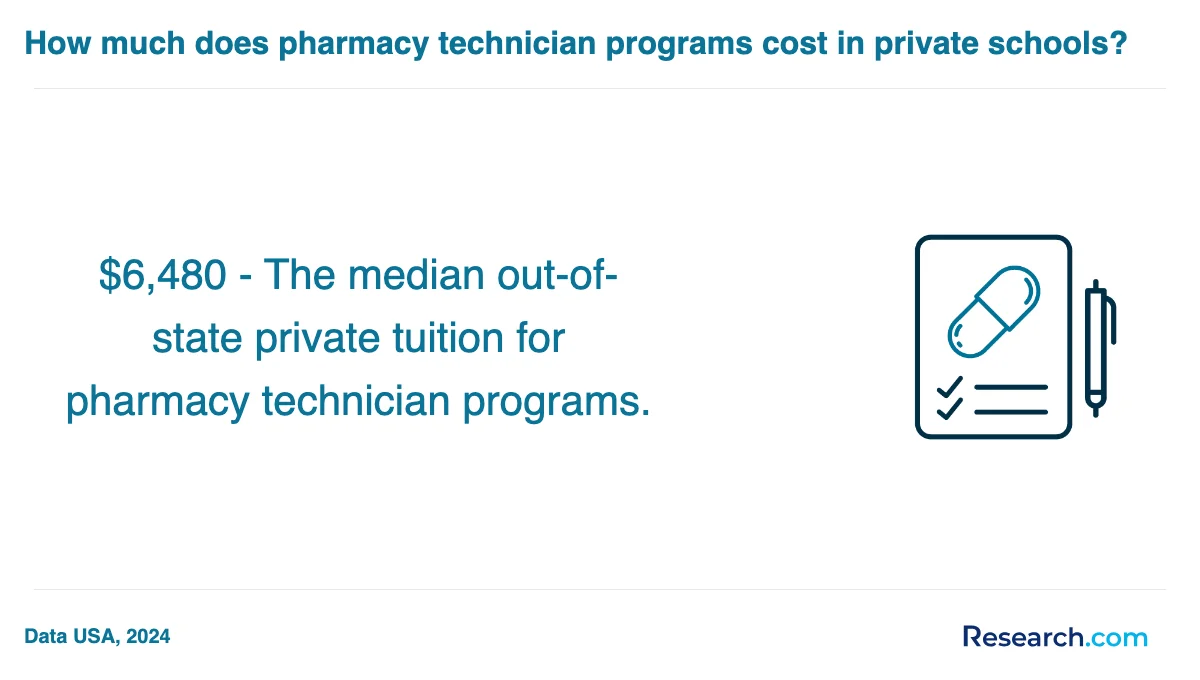
Pharmacy technician students in New York can access several financial aid options that make tuition more manageable. Most rely on federal student aid, which includes grants, loans, and work-study opportunities. Completing the FAFSA is essential to tap into these resources. Graduates from accredited programs like those at Trocaire College have shared how the Pell Grant, which can award up to $7,395 based on financial need, significantly eased their financial burden.
Beyond federal aid, many schools offer institutional scholarships and payment plans. For instance, Trocaire's program provides full funding for qualified students, covering its $1,800 tuition. Students often recount feeling relieved when their school's financial aid office helped them navigate these options.
Private scholarships also support pharmacy technician students. Programs like the Stepful scholarship offer up to $550, while Walgreens provides multiple $250 scholarships annually. These funds can cover tuition or certification costs, making a real difference for students balancing work and study.
Some programs, including New York University's Pharmacy Technician Training, may be offered at no cost through automatic scholarships, a welcome surprise for many students striving to advance their careers affordably.
To enroll in a pharmacy technician trade school program in New York, you'll need to meet a few straightforward prerequisites that set the foundation for success. Most schools require applicants to have a high school diploma or GED, ensuring you have the basic academic skills necessary for the coursework.
Additionally, schools often look for:
- Proof of legal residency or citizenship, since many programs are state-regulated.
- Basic proficiency in math and reading, which are crucial for accurately handling prescriptions and medical terminology.
- A minimum age requirement, usually 18 years old, to qualify for clinical externships.
Graduates from well-known New York trade schools frequently mention how these prerequisites helped them feel prepared before starting hands-on training. One recalls that having a clear understanding of medical vocabulary ahead of time, encouraged by the school, made clinical rotations less intimidating.
In some cases, schools also recommend or require a background check and immunization records to ensure safety during pharmacy placements. These steps can feel cumbersome but are standard for your protection and smooth integration into healthcare environments.
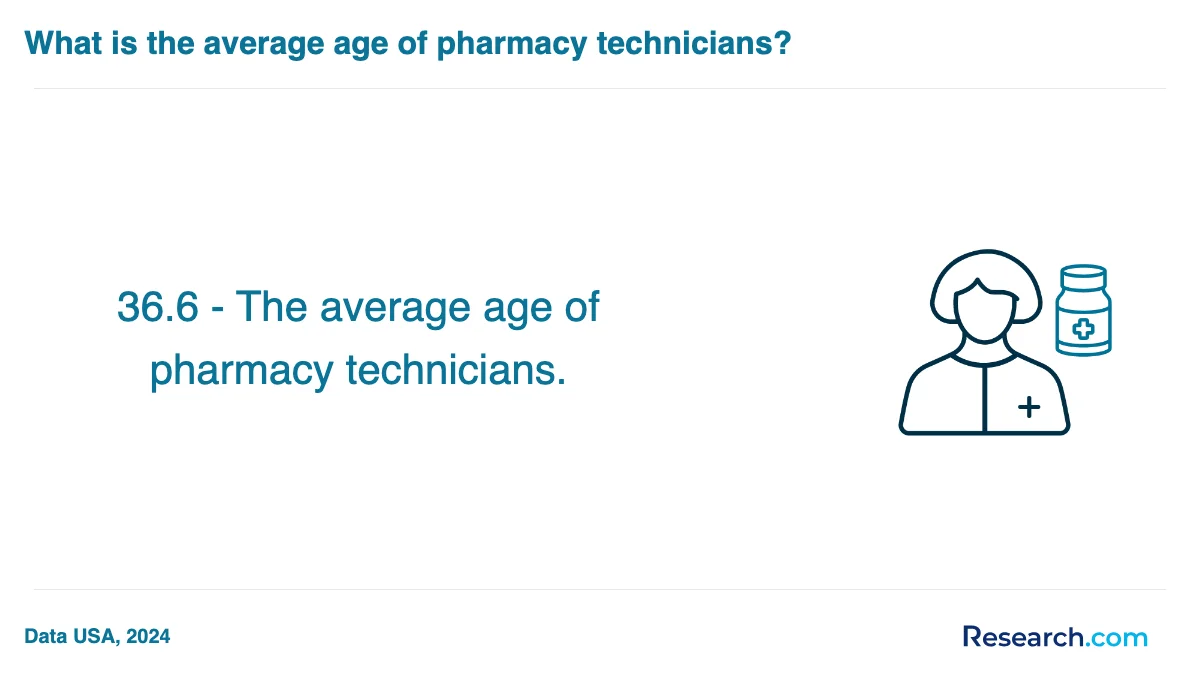
Pharmacy technician trade school programs in New York typically include courses designed to build practical skills and knowledge essential for working in retail or hospital pharmacies. Graduates often mention how starting with introductory courses like medical terminology and human anatomy helped them quickly grasp the pharmacy environment.
Core coursework usually covers:
- Pharmacy law and ethics, focusing on New York State regulations and patient privacy, which graduates find crucial for real-world compliance.
- Pharmaceutical calculations using metric and apothecary systems, a skill that many say boosted their confidence when handling prescriptions.
- Pharmacology, including drug classifications and mechanisms, which prepares students for understanding medication effects.
- Hands-on laboratory work and externships, totaling 70-250 hours, where students practice sterile compounding and inventory management in real pharmacy settings.
Students from popular New York trade schools often highlight additional training in customer service, insurance billing, and pharmacy tech systems like Pyxis, which makes day-to-day tasks smoother. These programs also emphasize communication and computer skills, helping graduates feel ready to enter busy pharmacy environments with confidence.
Pharmacy technician trade school programs in New York commonly offer specializations that align with specific career paths within the pharmaceutical field. Graduates often highlight training in Sterile and Non-Sterile Compounding, which teaches precise formulation skills and adherence to USP 797 standards. For example, students at the Medical Training Institute of New York gain hands-on experience preparing sterile medications, a skill valuable in hospital and IV settings.
Another practical specialization is focused on Community Practice Settings: Retail Store, where students learn to handle prescription interpretation, inventory control, and non-sterile compounding. Graduates from these retail-focused courses appreciate how prepared they feel to work in stores like CVS or Walgreens, managing day-to-day pharmacy demands confidently.
Many students choose programs at institutions such as NYU Langone Health or Lehman College that balance classroom and experiential learning to get ready for certification exams. This approach ensures graduates are not only knowledgeable but ready to take on real-world roles. For those wondering why should you study pharmacy in such detail, it's clear these targeted specializations open doors to diverse job opportunities and career growth.
Choosing the best pharmacy technician programs in New York means starting with certification requirements. Graduates from well-known trade schools often highlight how programs aligned with the Pharmacy Technician Certification Board (PTCB) or National Healthcareer Association (NHA) exams gave them confidence to pass quickly. In New York, this is non-negotiable for employment, so ensure the curriculum prepares you specifically for the Pharmacy Technician Certification Exam (PTCE) or the Exam for the Certification of Pharmacy Technicians (ExCPT).
Another key factor is program flexibility and duration. Many students juggling work or family responsibilities appreciate schools offering part-time or online options, sometimes completing certificates in six months to a year. Checking the New York pharmacy technician school cost comparison can help you balance affordability without sacrificing quality. Some graduates from local colleges found that combining classroom learning with hands-on externships helped them gain real-world skills essential for job readiness.
Finally, look for programs with strong support services like career counseling and high certification pass rates. For those needing flexibility, consider a pharmacy tech certification online program that still meets New York's standards, ensuring a smooth path from study to employment.
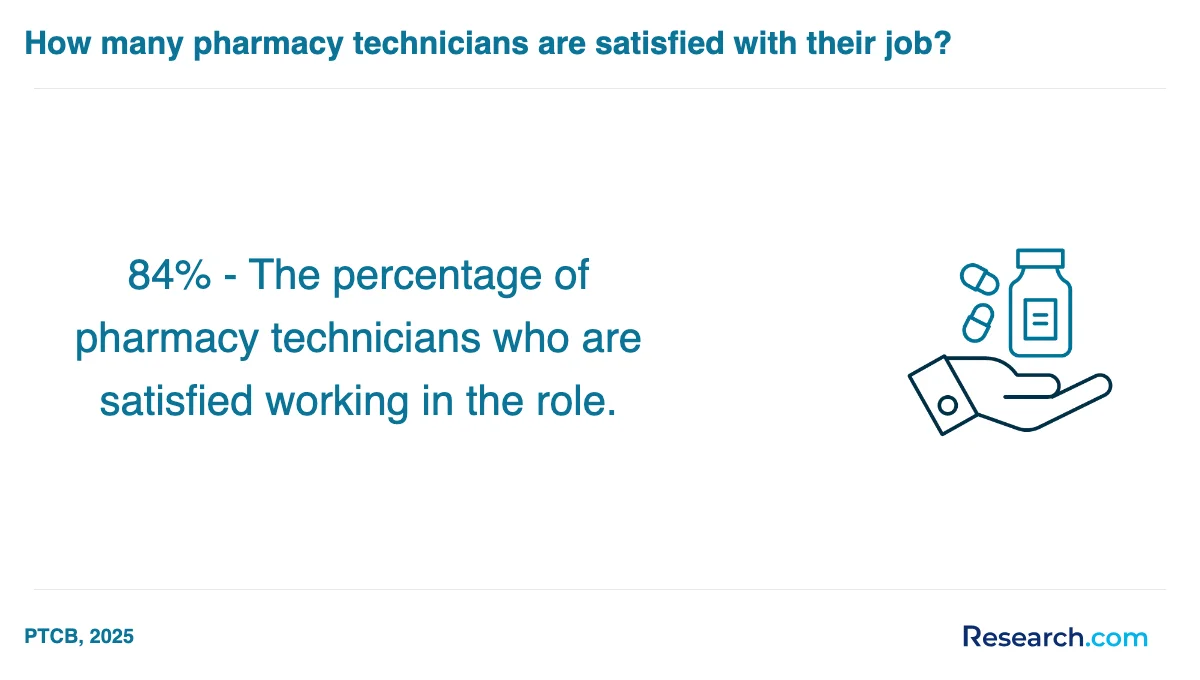
Graduates from pharmacy technician trade school programs in New York often enter the workforce quickly, starting with pharmacy technician jobs in New York such as Pharmacy Technician I. These roles usually require just a high school diploma or GED plus on-the-job training, placing graduates in retail pharmacies or hospital settings where they gain practical experience dispensing medications and supporting pharmacists. Many graduates from popular New York trade schools report feeling confident stepping into these entry-level positions thanks to strong internship connections and hands-on training.
With experience and certification, such as passing the Pharmacy Technician Certification Exam (PTCE), career opportunities for pharmacy technician graduates in New York expand significantly. Positions like Pharmacy Technician II demand more specialized skills, including compounding medications or managing pharmacy inventory. Graduates often move into:
- Compounding Pharmacy Technician roles preparing custom medications
- Pharmacy Support Analyst positions handling logistics and operations
These roles typically come with greater responsibility and better pay, especially within large healthcare systems. For those aiming higher, some graduates leverage their experience to pursue further education toward becoming licensed pharmacists.
For students researching program options, consider exploring easy pharmacy schools in New York that emphasize practical experience, accelerating the transition from study to steady employment in this growing field.
The pharmacy technician job outlook in New York is very promising for trade school graduates. Many find jobs quickly due to strong demand for pharmacy technicians in New York throughout both urban centers and suburban areas. Graduates from popular trade schools report securing positions in retail pharmacies, hospitals, and specialty compounding pharmacies, reflecting the state's diverse healthcare infrastructure.
Here's what recent graduates highlight about the job market:
- Competitive starting salaries around $29,130 with increases as experience grows.
- Flexible work schedules including full-time and part-time options.
- Opportunities for advancement with additional certifications or skills.
- Positions available in well-known chain drugstores and hospital pharmacies.
Because New York's healthcare sector remains large and expanding, the demand for pharmacy technicians in New York continues to rise, projected to increase by over 27% through 2030. For someone deciding between roles, understanding the difference between a medical assistant and a pharmacy technician can clarify the benefits of specializing as a pharmacy technician.
Best Pharmacy Technician Training Programs & Trade Schools - Top Pharmacy Tech Schools in New York for 2026
# 1 position
Genesee Community College - Physical Therapy Assistant.
associateThe Physical Therapy Assistant program at Genesee Community College offers a hybrid format with some distance education options. It prepares students to support physical therapists by implementing treatment plans, training patients, and monitoring progress. The curriculum includes anatomy, physiology, biomechanics, neuroscience, and professional ethics. The program is accredited by the Middle States Commission on Higher Education. Annual in-state tuition is $5,800, and median earnings one year after completion are $44,442.
# 2 position
Niagara County Community College - Physical Therapy Assistant.
associateNiagara County Community College offers a Physical Therapy Assistant program with a hybrid format, allowing some distance education. The program prepares students to assist physical therapists by implementing treatment plans, training patients, and documenting progress. Coursework includes anatomy, physiology, biomechanics, neuroscience, and professional ethics. Annual in-state tuition is $6,726. Graduates have median earnings of $36,053 one year after completion. The program is accredited by the Middle States Commission on Higher Education.
# 3 position
CUNY Kingsborough Community College - Physical Therapy Assistant.
associateThe Physical Therapy Assistant program at CUNY Kingsborough Community College is a hybrid program designed to prepare students to assist physical therapists in implementing treatment care plans and training patients. The curriculum covers applied anatomy, physiology, biomechanics, clinical documentation, and professional ethics. Annual in-state tuition is $5,252. Graduates have median earnings of $45,361 one year after completing the program. The program is accredited by the Middle States Commission on Higher Education.
# 4 position
Orange County Community College - Physical Therapy Assistant.
associateOrange County Community College offers a Physical Therapy Assistant program designed to prepare students to implement treatment plans, train patients, and conduct interventions under a physical therapist’s supervision. The hybrid program includes instruction in anatomy, physiology, biomechanics, communication, and professional ethics. Annual in-state tuition is $6,382. Graduates earn a median salary of $51,727 one year after completion. The program is accredited by the Middle States Commission on Higher Education.
# 5 position
Suffolk County Community College - Physical Therapy Assistant.
associateThe Physical Therapy Assistant program at Suffolk County Community College offers a hybrid format with some distance education options. It prepares students to assist physical therapists in treatment care plans, patient training, and clinical documentation. The curriculum covers anatomy, physiology, biomechanics, neuroscience, and professional ethics. Annual in-state tuition is $6,440. The program is accredited by the Middle States Commission on Higher Education. Median earnings one year after completion are $41,823.
# 6 position
CUNY LaGuardia Community College - Physical Therapy Assistant.
associateThe Physical Therapy Assistant program at CUNY LaGuardia Community College is offered in a hybrid format, combining on-campus and distance education. It prepares students to assist physical therapists by implementing treatment plans, training patients, and conducting interventions. Coursework covers anatomy, physiology, biomechanics, neuroscience, and professional ethics. The program is accredited by the Middle States Commission on Higher Education. Annual in-state tuition is $5,218, and median earnings one year after completion are $40,463.
# 7 position
Herkimer County Community College - Physical Therapy Assistant.
associateHerkimer County Community College offers a Physical Therapy Assistant program with a hybrid format that includes some distance education. The program prepares students to assist physical therapists in treatment care plans, patient training, and clinical documentation. Tuition for in-state students is $5,776 annually. Graduates earn a median salary of $42,322 one year after completion. The program is accredited by the Middle States Commission on Higher Education.
# 8 position
Nassau Community College - Physical Therapy Assistant.
associateNassau Community College offers a Physical Therapy Assistant program with a hybrid format that includes some distance education. The program prepares students to assist physical therapists by implementing treatment plans, training patients, and conducting interventions. Instruction covers anatomy, physiology, biomechanics, neuroscience, and professional ethics. Annual in-state tuition is $6,330. Graduates earn a median salary of $40,754 one year after completion. The program is accredited by the Middle States Commission on Higher Education.
# 9 position
SUNY Broome Community College - Physical Therapy Assistant.
associateThe Physical Therapy Assistant program at SUNY Broome Community College is a hybrid program that prepares students to assist physical therapists in implementing treatment plans, training patients, and conducting interventions. The curriculum covers applied anatomy, physiology, biomechanics, neuroscience, and professional ethics. The annual in-state tuition is $7,470. Graduates earn a median salary of $36,125 one year after completion. The program is accredited by the Middle States Commission on Higher Education.
# 10 position
Onondaga Community College - Physical Therapy Assistant.
associateOnondaga Community College offers a Hybrid Physical Therapy Assistant program that trains individuals to implement treatment care plans and conduct patient interventions under physical therapist supervision. The curriculum covers applied anatomy, physiology, biomechanics, neuroscience, and professional ethics. The program’s annual in-state tuition is $6,042, and graduates earn a median of $32,433 one year after completion. It is accredited by the Middle States Commission on Higher Education.
Frequently Asked Questions about pharmacy technician
After completing a pharmacy technician trade school in New York, preparing for the job market involves several key steps. First, obtaining certification is crucial. The New York State Education Department requires pharmacy technicians to be registered, and many employers prefer candidates certified by the Pharmacy Technician Certification Board (PTCB).
Networking plays a vital role; attending local healthcare job fairs and joining professional organizations like the New York State Council of Health-system Pharmacists can open doors. Additionally, gaining practical experience through internships or externships during training increases employability.
Understanding the regional job market is important. According to the U.S. Bureau of Labor Statistics, New York offers over 20,000 pharmacy technician jobs with a median annual wage of approximately $36,000. Staying updated on state regulations and continuing education helps maintain competitiveness in this growing field.
Employers in New York prioritize several key skills when hiring pharmacy technician trade school graduates. Accuracy and attention to detail are essential, as technicians must correctly fill prescriptions and manage patient information to ensure safety. Strong communication skills are also critical, enabling clear interaction with pharmacists, healthcare providers, and patients.
Knowledge of pharmacy law and medication management is important due to strict state regulations. Additionally, proficiency with pharmacy software and technology is increasingly valued, reflecting industry trends toward digital record-keeping. According to the New York State Department of Labor, candidates demonstrating these competencies have higher employment success in the growing pharmacy technician sector.
Finding internships relevant to pharmacy technician trade school programs in New York involves several key steps. First, students should consult their school's career services office, which often maintains partnerships with local pharmacies and healthcare facilities. According to the New York State Education Department, many trade schools collaborate with retail chains and hospital pharmacies to provide hands-on training opportunities.
Networking is also crucial. Joining professional organizations like the New York State Pharmacists Association can help students connect with potential internship providers. Additionally, websites like the U.S. Bureau of Labor Statistics highlight that internships increase employability by up to 20% for pharmacy technicians.
Finally, applying early and preparing a resume tailored to pharmacy work will improve chances of securing a position in competitive New York markets.
A pharmacy technician trade school diploma in New York significantly enhances career mobility and advancement opportunities. Graduates gain essential skills and knowledge that meet state certification requirements, including the Pharmacy Technician Certification Board (PTCB) exam eligibility. According to the New York State Department of Labor, certified pharmacy technicians earn a median wage of approximately $38,000 annually, with prospects for growth as experience and credentials accumulate.
Employers in hospitals, retail pharmacies, and long-term care facilities often prefer candidates with formal diplomas, which can lead to higher starting salaries and quicker promotions. Data from the Bureau of Labor Statistics shows a projected 5% job growth for pharmacy technicians in New York through 2031, underscoring the value of formal education in this field.
Students enrolled in pharmacy technician trade schools in New York can benefit from part-time jobs that provide relevant experience. Common opportunities include working as pharmacy aides or clerks in retail pharmacies, hospitals, and long-term care facilities. These roles help students develop customer service skills and gain familiarity with medication dispensing processes.
The New York State Department of Labor reports that pharmacy technician positions in the state are projected to grow by 10% from 2022 to 2032, indicating increasing demand for trained professionals. Part-time roles also often offer flexible hours suited to student schedules.
Internships or externships arranged through trade schools can further complement classroom learning by providing real-world exposure under supervision.
To find the best Pharmacy Technician degree program near me, consider researching options at community colleges or technical schools that often offer programs. Programs near New York include both in-person and online options, with many universities providing accredited courses. For a comprehensive comparison and ranking of programs, Research.com can be a useful resource to explore qualifications, costs, and career outcomes.
- Best Pharmacy Technician Training Programs & Trade Schools - Top Pharmacy Tech Schools in New Jersey for 2026
- Best Pharmacy Technician Training Programs & Trade Schools - Top Pharmacy Tech Schools in Pennsylvania for 2026
- Best Pharmacy Technician Training Programs & Trade Schools - Top Pharmacy Tech Schools in Rhode Island for 2026
- Best Pharmacy Technician Training Programs & Trade Schools - Top Pharmacy Tech Schools in Maryland for 2026
- Best Pharmacy Technician Training Programs & Trade Schools - Top Pharmacy Tech Schools in Ohio for 2026
- Best Pharmacy Technician Training Programs & Trade Schools - Top Pharmacy Tech Schools in Virginia for 2026
- Best Pharmacy Technician Training Programs & Trade Schools - Top Pharmacy Tech Schools in Kentucky for 2026
- Best Pharmacy Technician Training Programs & Trade Schools - Top Pharmacy Tech Schools in North Carolina for 2026
- Best Pharmacy Technician Training Programs & Trade Schools - Top Pharmacy Tech Schools in South Carolina for 2026
- Best Pharmacy Technician Training Programs & Trade Schools - Top Pharmacy Tech Schools in Tennessee for 2026
- Pharmacy Technician Training Program - For Professionals | NewYork-Presbyterian https://www.nyp.org/professionals/pharmacy/pharmacy-technician-training-program
- Pharmacy Technician Training & Courses in Manhattan, Queens, Bronx https://www.nymedtraining.com/training-options/pharmacy-technician/
- Online Pharmacy Technician Certification | The City College of New York https://www.ccny.cuny.edu/cps/pharmacy-technician
- Pharmacy Technician Program Microcredential | Binghamton University https://www.binghamton.edu/pharmacy-and-pharmaceutical-sciences/admissions/pharmacy-technician/index.html
- Pharmacy Technician – York County Community College https://www.yccc.edu/degree/pharmacy_technician/
- New York Online Pharmacy Technician Certificate Program | Self-Paced Course https://www.uscareerinstitute.edu/online-pharmacy-technician-school/new-york
- Pharmacy Technician I (Entry Level) – Hybrid - Medical Training Institute of New York - College of Healthcare Professionals - NY https://www.mtiofnewyork.com/medical-training-institute-pharmacy-technician-i-entry-level-hybrid/
- Pharmacy Technician https://sunyjefferson.edu/academics/programs/pharmacy-technician.php
- Pharmacy Technician | ABC Training Center https://abctrainingcenter.com/pharmacy-technician/
- Pharmacy Technician Externship: What They Are & How to Find https://www.stepful.com/post/pharmacy-technician-externship


