Best Interior Design Training Programs & Schools - Top Interior Design Schools in Dearborn for 2026

Co-Founder and Chief Data Scientist
Choosing the right interior design trade school in Dearborn can shape your future career and open doors to creative opportunities. This article introduces a carefully crafted interior designer trade school programs ranking developed by the Research.com team of data scientists to guide you in making an informed decision.
Exploring these top programs will help you find the best fit for your goals, whether you seek a diploma or certification. Gaining this education offers valuable skills, confidence, and a strong foundation for success in the design industry.
Start your journey toward a rewarding career with clarity and excitement.
Key benefits of finishing interior designer trade school in Dearborn
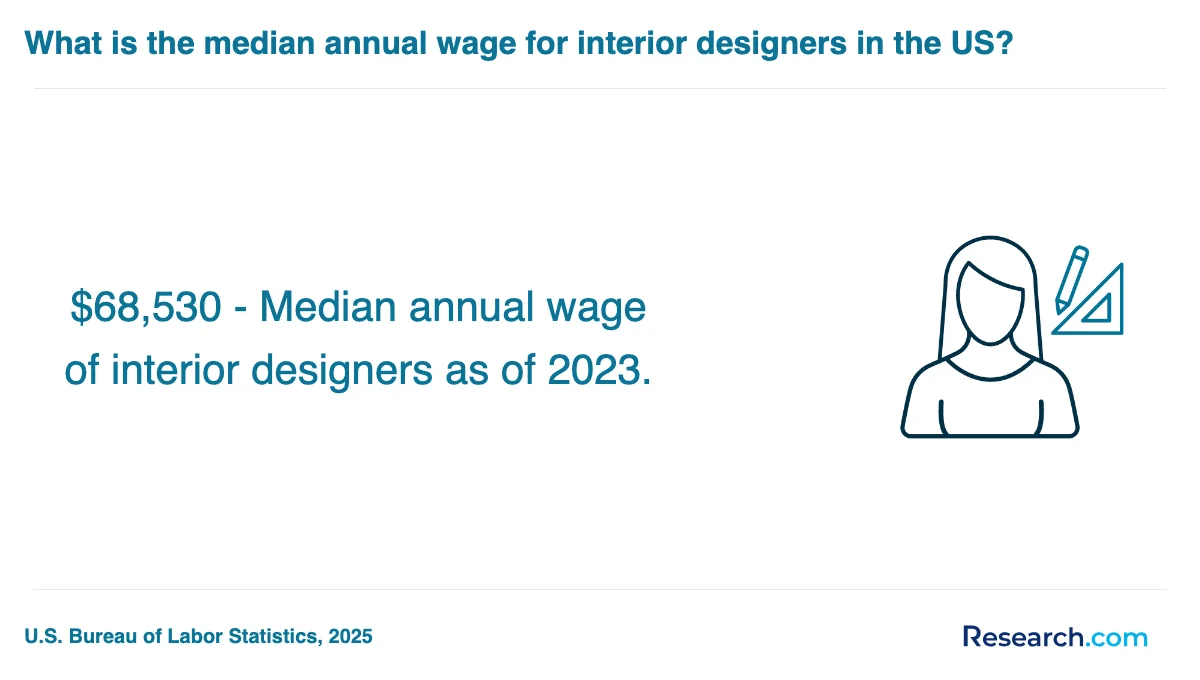
- Graduates of interior designer trade schools in Dearborn can expect an average starting salary of about $67,353 per year, which is higher than many state and national averages, making it a rewarding investment.
- Career paths after graduation include roles in design firms, architecture companies, or independent consulting, offering diverse opportunities to apply creative skills and grow professionally.
- Completing an interior designer trade school online provides flexibility and accessibility, allowing graduates to balance learning with other commitments while still gaining valuable industry knowledge and credentials.
- Best Interior Design Training Programs & Schools - Top Interior Design Schools in Dearborn for 2026
- What can I expect from interior designer trade schools in Dearborn?
- Where can I work after finishing interior designer trade schools in Dearborn?
What can I expect from interior designer trade schools in Dearborn?
Enrolling in an interior designer trade school program in Dearborn means immersing yourself in a blend of creative exploration and practical skill-building. Graduates often describe their time at Henry Ford College as eye-opening, where they quickly gained hands-on experience with tools like AutoCAD and 3D modeling software. Expect to spend your days moving from sketching initial concepts to developing detailed presentations that could impress real clients.
Students frequently highlight the balance between individual creativity and teamwork, sharing stories of collaborating on community projects that bring designs to life beyond the classroom. The curriculum is designed to build confidence in both design and communication, preparing you for entry-level roles or further study. Many appreciate the accessibility of these programs-no portfolio is required to start, making it easier to take that first step toward a design career.
Specialized certificates, such as the Kitchen and Bath option, offer a focused path for those passionate about niche areas. Graduates often recall the satisfaction of completing capstone projects that mirror professional challenges, fostering a real sense of readiness for the industry.
Where can I work after finishing interior designer trade schools in Dearborn?
Graduates of interior designer trade schools in Dearborn often find themselves stepping directly into dynamic roles that blend creativity with practical skills. Many start as interior designers working on residential or commercial projects, collaborating with local design firms or construction companies. These positions allow them to influence the look and feel of homes, offices, and retail spaces, turning client visions into reality.
Others take on roles like Retail Interior Designer or Interior Design Assistant, where they gain hands-on experience advising customers on materials such as tile and wood, coordinating with vendors, and helping develop project estimates. This real-world practice, common among graduates from popular trade schools in Dearborn, builds confidence and professional connections.
Some alumni move into project coordination or client services roles, emphasizing communication and organization. With experience, graduates may qualify for senior interior designer jobs in nearby Dearborn Heights, where salaries reflect their expertise. A few even pursue teaching opportunities at local colleges, sharing their knowledge with the next generation. The local job market is welcoming and varied, fueling both excitement and ambition for new graduates.
After finishing an interior designer trade school program in Dearborn, many graduates find themselves pleasantly surprised by their starting salaries. Entry-level positions typically offer around $67,353 annually, or about $32.38 per hour, according to recent data. For a new graduate stepping into their first role, this can mean covering living expenses comfortably while gaining valuable experience.
Some graduates from well-known Dearborn trade schools share how they quickly adjusted to these salaries, appreciating the balance between creative work and steady income. While Indeed reports slightly lower averages closer to $47,218, this often reflects a mix of roles and experience levels. Graduates learn that early earnings can vary but often improve rapidly with dedication and skill growth.
Freelancers among these alumni sometimes earn up to $43.83 per hour, enjoying flexible schedules but also facing income unpredictability. Those who stay on a traditional path can expect salaries to rise to about $61,200 annually within a few years, reflecting growing confidence and expertise in the field.
- Henry Ford College in Dearborn offers certificate and design courses focused on technical and creative skills for interior design.
- The program teaches practical skills like drawing, CAD, 3D modeling, and project management.
- Tuition costs for 2024-2025 range from $3,000 to $4,000 per year for in-district students, with total costs up to $8,000 including fees and materials.
- Entry-level interior designers in Dearborn earn between $35,000 and $45,000 annually, with experienced professionals making $60,000 to $70,000 or more.
- The program includes real-world experience through partnerships with local architecture groups and offers transfer options to four-year schools.
Completing an interior designer trade school program in Dearborn typically takes about one to two years, depending on the intensity and structure of the course. Graduates often reflect on how these programs skillfully balance hands-on learning with essential design theory, making the time feel both productive and deeply engaging.
Many students from popular Dearborn trade schools describe their journey as transformative, noting that the relatively short duration allowed them to quickly start building portfolios and gaining real-world experience. Imagine dedicating a year or so to mastering color theory, space planning, and client communication, then immediately applying those skills in internships or entry-level jobs within the local design community.
This focused timeframe is ideal for those eager to jumpstart their careers without sacrificing quality education. The programs' design around practical skills and industry connections helps students feel confident and ready as they transition from classroom projects to actual interior design challenges.
The primary difference between online and on-campus interior designer trade school programs in Dearborn lies in how students experience their education. Graduates from the University of Michigan-Dearborn's online master's degree often describe the freedom to study anytime and anywhere as invaluable, especially when balancing work or family. They appreciate the ability to access video lectures and participate in discussions at their own pace, which fosters a sense of independence and self-discipline.
On the other hand, students at Henry Ford College cherish the hands-on environment. They recall the energy of working side-by-side with peers in labs, using industry-standard software like AutoCAD, and collaborating on real local design projects. The immediate feedback from instructors during live critiques and group sessions creates a dynamic learning atmosphere that many find motivating and inspiring.
Both paths build strong skills, but the choice often reflects personal needs-whether flexibility or in-person connection-shaping how future designers thrive in Dearborn's vibrant community.
The average cost interior design trade school program Dearborn Michigan can vary significantly depending on the institution and residency status. For instance, graduates from Henry Ford College, a local favorite, reflect positively on the comprehensive support they received despite tuition fees around $16,240 for Michigan residents. Non-residents, however, often face higher tuition fees close to $34,162, representing a significant financial commitment but one many find worthwhile for the hands-on experience offered.
Many students studying interior design diploma Dearborn MI programs appreciate the balance that community colleges provide. Oakland Community College, for example, offers programs with much lower average net prices for those receiving financial aid-about $2,825 yearly-making it an attractive option for those mindful of budget yet eager to gain practical skills.
It's common for students to encounter additional costs beyond tuition, such as materials and supplies, which reflects real-life interior design projects involving physical models and fabric samples. A graduate from Southeastern Michigan University's one-year self-paced program, costing roughly $21,120, recalls how the flexible pace allowed careful management of expenses and time, enhancing both learning and life balance.
With a passion for interior design, many have found exploring financial aid crucial, combining scholarships and loans to offset tuition fees interior design diploma Dearborn MI. For those considering diverse educational paths, researching accredited opportunities such as a accredited online architecture degree offers alternative avenues that align with career goals and finances.
Students pursuing interior designer trade school programs in Dearborn often find financial aid vital to managing expenses. Many start with the Free Application for Federal Student Aid (FAFSA), which unlocks access to federal Pell Grants-grants that never require repayment. Graduates recall how these grants eased their tuition burden, letting them focus on creative projects rather than finances.
Federal Work-Study is another common option, offering part-time jobs that fit around class schedules. Trade school attendees at UM-Dearborn share how working on campus not only helped pay bills but also connected them with faculty and peers, enriching their educational journey.
UM-Dearborn's own grants support high-need students, automatically considered when FAFSA is submitted early. Many graduates reflect on how these institutional grants made attending a top local trade school feasible without overwhelming debt.
Scholarships from organizations like the American Society of Interior Designers provide competitive, meaningful awards. Recipients describe the pride and motivation gained from scholarships such as the ASID Foundation Legacy Scholarship, inspiring deeper commitment to interior design.
Lastly, on-campus jobs not reliant on federal aid offer additional income, helping students balance studies and living costs. Students often express gratitude for this flexible support, which allows them to thrive in their chosen Dearborn programs.
Enrolling in an interior designer trade school program in Dearborn typically requires a blend of academic readiness and a genuine passion for creative design. Most programs ask for a high school diploma or GED as a baseline, ensuring students have foundational skills in reading, writing, and basic math. Graduates often recall how this requirement felt like a natural step rather than a barrier, especially when eager to start hands-on design work quickly.
Applicants might also need to demonstrate certain soft skills, which are crucial in the collaborative environment of Dearborn's trade schools. These include:
- A keen eye for detail and color coordination
- Strong communication skills to articulate design ideas
- Basic computer proficiency, often in design software
Many students share that preparing a simple portfolio or completing a creative assignment during the application process helped them express their enthusiasm and potential, making the experience rewarding and encouraging. This approach reflects the practical, hands-on focus of Dearborn's trade schools, where learning is deeply rooted in real-life design challenges.

Interior designer trade school programs in Dearborn offer a rich mix of creative and technical courses that truly prepare students for the dynamic world of design. Graduates often recall how hands-on classes in drawing, model-making, and 3D modeling helped them bring their ideas to life, moving beyond sketches to tangible concepts. At well-known institutions like Henry Ford College, students master computer-aided design (CAD) and industry-standard tools such as AutoCAD, SketchUp, and Adobe Creative Cloud, essential for producing detailed floor plans and professional presentations.
Core courses typically include:
- Space planning - learning to optimize interiors for function and flow
- Color theory - selecting palettes that evoke emotion and harmony
- Materials and textiles - choosing finishes that balance aesthetics and practicality
- Lighting design - crafting atmospheres through illumination
- Project management and communication - skills that help coordinate with clients and contractors
Students often describe capstone projects as transformative, applying classroom knowledge to real client scenarios that build confidence and portfolios. Specialized tracks, like kitchen and bath design, offer opportunities for certification and competition, adding a competitive edge to their careers. This blend of creativity, technology, and practical experience makes Dearborn's trade schools a vibrant launchpad for aspiring interior designers.
Students exploring interior design specializations in Dearborn trade schools often find themselves drawn to practical and industry-respected programs, such as the kitchen and bath design programs Dearborn students frequently choose at Henry Ford College. Graduates from this program highlight how it prepares them to excel in a growing niche within interior design, with hands-on opportunities to engage in NKBA certification preparation and national design competitions.
Other popular specializations available build essential skills in areas like interior architecture and furniture design. These paths focus on blending creativity with functionality, where students develop techniques in drawing, 3D modeling, and computer-aided design (CAD). Many graduates recall using industry software like AutoCAD and 2020 Design, which helped them confidently tackle real-world design projects and collaborative community efforts.
Practicing with real client projects cultivates a rewarding sense of accomplishment and readiness for diverse career options, whether in architectural firms or private studios. Some students also explore broader perspectives through programs emphasizing human-centered design, which complements interior design with interdisciplinary approaches. For those curious about career prospects beyond traditional interiors, resources like the video game designer career outlook offer inspiring insights into related creative fields.
When selecting the ideal interior design program in Dearborn, it's essential to consider factors such as accreditation, curriculum comprehensiveness, faculty expertise, facilities, and internship opportunities. Graduates from well-regarded local colleges often reflect on how accreditation by bodies like the Council for Interior Design Accreditation (CIDA) gave them confidence that their education met industry standards and prepared them well for licensure and employment. The curriculum should offer a balance of foundational knowledge and specialization options, touching on design theory, color theory, space planning, and critical software skills.
Many Dearborn students appreciate programs that offer hands-on experiences through modern design studios and connections to local employers and internships. Being close to the industry hub allows for valuable networking and practical learning, which students frequently cite as key to their career readiness. For those exploring flexible learning, looking into interior design colleges online can also broaden opportunities without sacrificing quality.
Choosing the best interior design trade school in Dearborn involves assessing program accreditation, curriculum quality, faculty qualifications, available facilities, and practical experience opportunities. Thorough evaluation of these elements will guide you toward a program that best fits your professional aspirations.
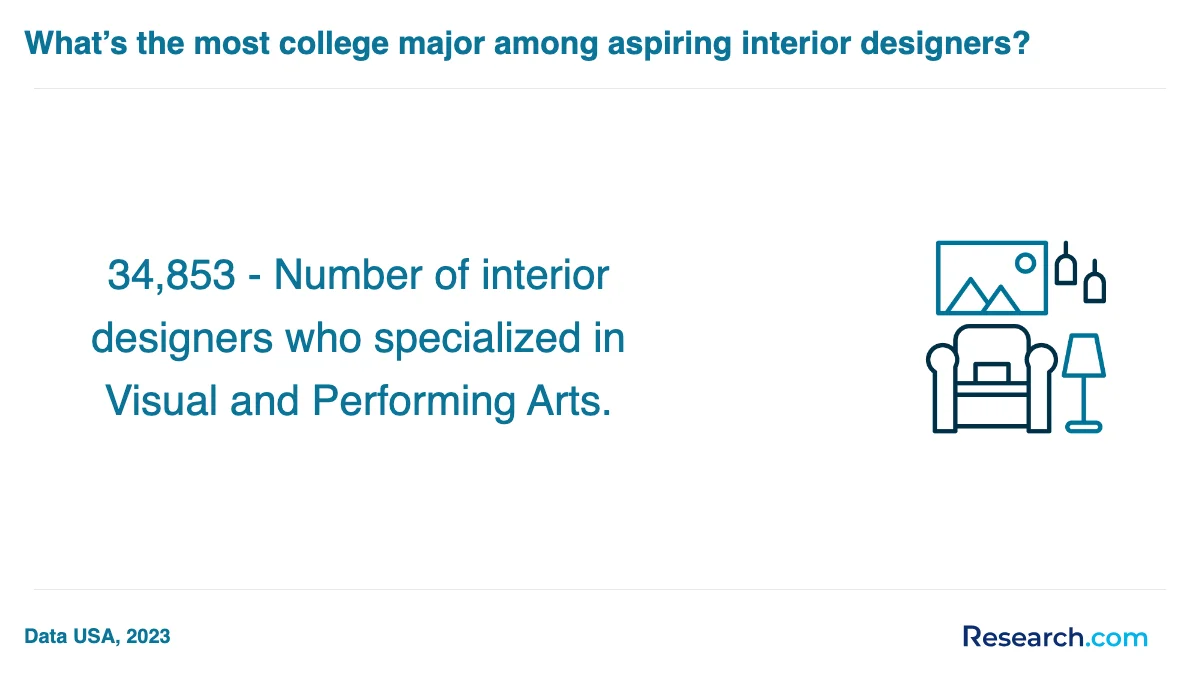
Interior designer trade school graduates in Dearborn find a variety of fulfilling career opportunities thanks to the strong demand for skilled professionals locally. Many graduates eagerly step into roles as interior designers, working closely with clients to create inspiring residential and commercial environments. These opportunities arise across architectural firms, engineering companies, and private practices where graduates apply their creative skills and technical training from popular Dearborn trade schools.
Career opportunities for Dearborn interior design graduates extend beyond traditional design roles. Graduates often become architectural draftspersons, facility managers, or color consultants, leveraging expertise in CAD and 3D modeling acquired during their studies. Others thrive as sales representatives in furniture showrooms or manufacturers' representatives, positions that use their product knowledge and polished presentation skills.
Specializations such as kitchen and bath design are also common, particularly for those pursuing certificate programs aligned with industry groups like the NKBA. Hands-on projects and community collaborations offered by trade schools prepare students to confidently enter these fields, which are among the active interior design jobs in Dearborn MI.
Some graduates pursue educating others by becoming adjunct faculty at local colleges, enriching the next generation with both academic and practical insights. For those considering further academic credentials, options like an accelerated architecture degree online provide a seamless pathway to broaden their expertise.
The interior designer job market in Dearborn offers encouraging prospects for graduates of local trade schools, where practical skills and hands-on experience are emphasized. Many graduates reflect on how their training in familiarizing themselves with building codes, client communication, and design software prepared them to step confidently into roles across residential, commercial, and institutional settings. Popular Dearborn trade schools provide internship opportunities that help build strong portfolios, which are frequently mentioned as essential by employers.
Employment opportunities are diverse and accessible, with notable positions available at companies like Ford Motor Company and local design firms. Here are some highlights graduates often share about entering the field in Dearborn:
- Entry-level roles with minimal prior experience, reflecting over 500 no-experience listings early in 2025
- Competitive salaries ranging roughly from $53,000 to $105,000 in nearby areas, rewarding specialization and proven skills
- Engagement with both small-scale residential clients and large commercial projects, enhancing career growth
Many aspiring designers tap into interior design career opportunities Dearborn MI offers by staying connected with local trade programs. For further insight into various career paths, exploring an interior design careers list can be invaluable, providing clarity on where a trade school education can truly lead.
Best Interior Design Training Programs & Schools - Top Interior Design Schools in Dearborn for 2026
# 1 position
Henry Ford College - Interior Design.
associateHenry Ford College offers a hybrid Interior Design program that prepares students to plan, design, and furnish residential and commercial spaces using artistic principles and technical skills. The curriculum includes computer applications, drafting, lighting, acoustics, color coordination, and building codes. Annual in-state tuition is $3,460. Graduates have median earnings of $19,911 one year after completion. The program is accredited by the Higher Learning Commission.
# 2 position
Henry Ford College - Interior Design.
certificate or diplomaHenry Ford College offers a hybrid Interior Design program that prepares students to professionally plan, design, and furnish residential and commercial spaces. The curriculum covers computer applications, drafting, lighting, acoustics, furniture, textiles, and building codes. Annual in-state tuition is $3,460. Graduates earn a median salary of $19,911 one year after completion. The program is accredited by the Higher Learning Commission.
Frequently Asked Questions about interior designer
After completing an interior designer trade school in Dearborn, effective job market preparation is essential for success. Graduates should build a strong portfolio showcasing their best work, as employers prioritize practical skills and creativity. Networking within local design communities and attending industry events in the Detroit metropolitan area can open doors to job opportunities.
Gaining internship experience or entry-level positions helps develop real-world skills and professional connections. According to the U.S. Bureau of Labor Statistics, interior design employment in Michigan is projected to grow by 5% through 2031, indicating steady demand. Additionally, certification from the National Council for Interior Design Qualification (NCIDQ) can enhance credibility and job prospects.
Employers hiring interior designer trade school graduates in Dearborn prioritize a mix of technical and interpersonal skills. Proficiency in computer-aided design (CAD) software, such as AutoCAD and SketchUp, is essential, as these tools are widely used for creating detailed plans and presentations. According to the U.S. Bureau of Labor Statistics and local job postings, strong knowledge of space planning and materials selection also ranks highly. Additionally, graduates must demonstrate effective communication skills to collaborate with clients, contractors, and suppliers. Problem-solving abilities and creativity are crucial for adapting designs to meet client needs and budget constraints in the competitive Dearborn market.
Finding internships in Dearborn related to interior designer trade school programs requires targeted research and networking. Start by contacting local interior design firms and home decor businesses, as many offer internships to students seeking practical experience. The Michigan Department of Labor and Economic Opportunity provides resources and listings that can help locate relevant opportunities in the region.
Trade schools often have partnerships with nearby companies; inquire with your school's career services for exclusive internship openings. Additionally, platforms such as Handshake and LinkedIn frequently list internships in Dearborn's design sector, allowing direct applications.
According to the U.S. Bureau of Labor Statistics, internships significantly improve job prospects in interior design fields, making early experience vital. Networking events hosted by the American Society of Interior Designers (ASID) Michigan chapter can also connect students to professionals offering internships locally.
Obtaining a diploma from an interior designer trade school in Dearborn can significantly impact career mobility and advancement. Such diplomas provide practical skills and industry-relevant knowledge that employers in the local market value highly. According to data from the U.S. Bureau of Labor Statistics, interior design jobs in Michigan are expected to grow by 4% from 2022 to 2032, indicating steady opportunities.
Trade school programs often include portfolio development and internships, which enhance employability in Dearborn's competitive design sector. Graduates typically gain access to entry-level positions, with potential to advance into project management or specialized design roles over time. Furthermore, a diploma can serve as a stepping stone toward certification by the National Council for Interior Design Qualification, boosting professional credibility.
Local employers in Dearborn prioritize candidates with hands-on training, making trade school diplomas a practical choice for those seeking upward mobility in interior design careers.
Students enrolled in interior designer trade schools in Dearborn can benefit from part-time jobs that align with their studies. Positions such as retail sales associates at home décor stores or furniture outlets provide hands-on experience with design trends and client preferences. Additionally, opportunities as drafting assistants or junior designers in local architectural firms help develop technical skills.
According to the U.S. Bureau of Labor Statistics, the Detroit metropolitan area, which includes Dearborn, expects a 4% growth in interior design jobs through 2030. This growth supports part-time roles in design studios and renovation companies. Such roles offer practical knowledge while building a professional network.
To choose the best Interior Designer degree program near me, one should consider the curriculum, faculty expertise, and facilities offered by universities or colleges in the vicinity. Near Dearborn, MI, several educational institutions provide these programs, and it's beneficial to explore their specific offerings and any specializations they may provide. Additionally, seeking feedback from current students or alumni and consulting resources like Research.com can further assist in making an informed choice.
- Interior Design | Henry Ford College https://www.hfcc.edu/programs/interior-design
- Interior Design - Associate in Applied Science | HFC Catalog https://catalog.hfcc.edu/programs/interior-design-aas
- High School Options – Dearborn Public Schools https://dearbornschools.org/academic-programs/high-school-options/
- Find Your Program | University of Michigan-Dearborn https://umdearborn.edu/academics/program
- Interior Design School Requirements & How Long Does It Take https://planner5d.com/blog/design-school-requirements/
- How to Become an Interior Designer in 2023 - Yorkville https://www.yorkvilleu.ca/blog/how-to-become-an-interior-designer/
- Interior Design Trade Schools & Training Programs https://www.best-trade-schools.net/programs/arts-design/interior-design/
- 6 Types of Interior Design Jobs to Consider - Villa Maria College https://www.villa.edu/comparing-career-paths-in-interior-design/
- Interior designer | Explore Careers | National Careers Service https://nationalcareers.service.gov.uk/job-profiles/interior-designer
- Can I study to become an Interior designer while working full time? - HomeByMe https://home.by.me/en/decor-magazine/professionals/becoming-pro/become-interior-designer-working-full-time/