
Best Information Technology Associate Degree Programs & Schools - Top IT Schools in New Hampshire for 2026

Co-Founder and Chief Data Scientist
Choosing the right information technology associate degree program in New Hampshire can shape your future career path. This article presents a detailed ranking of the best programs, compiled by the Research.com team of data scientists, to help you make an informed decision.
With growing demand in the IT field, obtaining an associate degree offers valuable skills and job opportunities. Exploring these programs can guide you toward a rewarding and stable career.
Whether you're starting fresh or looking to advance, this guide is designed to support your educational journey with trusted insights.
Key benefits of information technology associate degrees in New Hampshire
- Graduates with an information technology associate degree in New Hampshire can expect starting salaries around $32,000 to $50,000, with experienced professionals earning up to $77,000, offering a solid financial foundation.
- Career paths include roles like IT support specialist, with opportunities to grow into positions such as IT manager or systems analyst, especially from schools like New Hampshire Technical Institute.
- Online associate degree programs, like those from Granite State College, provide flexible learning schedules and allow students to balance work and study, making education more accessible and convenient.
- Best Information Technology Associate Degree Programs & Schools - Top IT Schools in New Hampshire for 2026
- What can I expect from information technology associate degrees in New Hampshire?
- Where can I work after finishing information technology associate degree in New Hampshire?
What can I expect from information technology associate degrees in New Hampshire?
Enrolling in an information technology associate degree program in New Hampshire means engaging with a well-rounded curriculum that balances technical expertise and professional skills. Graduates from programs like Southern New Hampshire University's Associate of Science in Information Technologies report developing strong foundations in core IT areas such as programming languages like Python, networking, cybersecurity, and cloud computing. These programs offer hands-on learning through simulation labs and real-world IT tools, creating experiences that build confidence and practical skills.
Students can expect to enhance their communication and teamwork abilities, preparing them to collaborate effectively with diverse teams within organizations. Many find the flexible learning formats-whether in-person, online, or hybrid-accommodate working adults and busy schedules, making the journey manageable and rewarding.
Transferability is another key feature, as all 60 credits from SNHU's associate degree are designed to seamlessly transition into bachelor's programs, supporting ongoing educational advancement. Graduates often feel encouraged by the strong employment outlook in roles like computer support specialists, knowing their skills meet rising industry demands.
Where can I work after finishing information technology associate degree in New Hampshire?
Graduates of information technology associate degree programs in New Hampshire often find themselves stepping directly into roles such as computer support specialist, network support specialist, or computer user support specialist. Many students from well-regarded schools in New Hampshire share how they quickly adapted to hands-on roles providing technical support in local firms or schools, feeling confident as they troubleshoot real-world hardware and software issues daily.
Positions like desktop support technician, help desk technician, and IT support specialist are common in hospitals, government agencies, and tech companies across New Hampshire, including in cities like Manchester. Graduates describe the rewarding experience of helping end-users solve problems and keeping essential systems running smoothly, which boosts their professional satisfaction and growth.
Some graduates also transition into web development or quality assurance testing, especially after gaining foundational experience. Their day-to-day work might involve designing websites or testing software products for local educational or software publishing companies, where creativity and technical skills merge.
Additionally, several New Hampshire employers hire associate degree holders as network and systems administrators, particularly when combined with certifications like CompTIA. This path offers graduates a chance to deepen expertise and advance their careers within the region's diverse IT landscape.
Graduates from information technology associate degree programs in New Hampshire, such as those offered at Manchester Community College or Great Bay Community College, can typically expect starting salaries around $35,972 per year. This figure reflects entry-level roles like help desk technician or network support specialist, where many graduates begin their careers.
Many alumni share positive experiences about quickly advancing beyond these starting salaries by gaining hands-on experience and industry certifications. For example, a graduate working as a network support specialist in New Hampshire reported earning close to $73,340 annually, aligning with national median salaries for that role.
Hourly wages for IT associate degree holders often range between $20 and $35, with an average near $29.50 per hour. This allows graduates to see tangible growth as they develop skills in local businesses or tech support roles across the state.
Choosing a program in New Hampshire offers the benefit of a regional job market where experienced graduates find rewarding positions that match both their skills and lifestyle aspirations.
- Emma: Earning my IT associate degree at Nashua Community College was a game-changer. The hands-on labs and supportive instructors made complex concepts easy to grasp. I gained real-world skills that boosted my confidence and opened doors to local tech jobs. The community here truly invests in your success.
- Liam: At White Mountains Community College, the small class sizes and personalized attention helped me thrive in my IT studies. The blend of theory and practice prepared me well for the job market. I felt motivated every day, knowing I was building a solid foundation for my future tech career.
- Sophia: Studying Information Technology at River Valley Community College was an inspiring experience. The program's focus on cybersecurity and networking challenged me intellectually and fueled my passion. Plus, the friendly campus atmosphere made learning enjoyable and supported my personal growth throughout the associate degree journey.
- Admission requires a high school diploma or GED and completion of an application, with no prior IT experience needed.
- Programs typically last two years full-time and include about 60 credits that can transfer to a bachelor's degree.
- In-state tuition and fees for public colleges range from $12,000 to $18,000 total.
- Starting salaries for graduates range between $40,000 and $55,000 per year.
- Experienced IT professionals can earn between $65,000 and $80,000 or more annually.
- The local job market supports multiple industries including tech, healthcare, finance, and government.
An information technology associate degree program in New Hampshire typically takes two years of full-time study to complete, requiring around 60 college credits. Graduates from local community colleges and online programs often share how this manageable timeframe helped them quickly enter the workforce or continue their education.
Many students appreciate the flexibility offered by schools like Southern New Hampshire University, where accelerated 8-week terms and multiple start dates allow motivated learners to progress faster than in traditional semester systems. For example, some graduates were able to finish in less than two years by transferring prior credits or balancing work and study effectively through part-time enrollment.
Choosing a program in New Hampshire means benefit from a curriculum that blends technical IT skills with general education, ensuring graduates feel confident and well-prepared. Community college students often highlight how completing their degree within this standard timeframe has been both achievable and rewarding, making it an excellent option for those eager to advance their careers in technology.
The primary difference between online and on-campus information technology associate degree programs in New Hampshire is how students engage with their coursework and campus community. Online programs, like the one offered by Southern New Hampshire University, provide flexible scheduling and remote access to lectures, assignments, and virtual labs. Graduates often describe the convenience of balancing education with work or family commitments while gaining hands-on experience with tools like Python scripting and cloud platforms from home.
On the other hand, on-campus programs at schools such as Nashua Community College or Manchester Community College require students to attend scheduled classes in person. This environment offers immediate interaction with instructors and peers, creating a collaborative atmosphere that many students find motivating. Access to physical labs and campus resources enhances practical learning and networking opportunities, fostering a sense of community that graduates value deeply.
Both formats cover essential IT skills, but the choice depends on whether a student prefers the structure and social engagement of campus life or the autonomy and convenience of online learning.
The average cost of information technology associate degree in New Hampshire is largely influenced by the choice between public community colleges and private or online institutions. In-state students attending community colleges such as NHTI-Concord's Community College, Great Bay Community College, or Nashua Community College typically pay around $230 per credit, leading to a total tuition of about $13,800 for the 60-credit program. Graduates from these schools often emphasize the affordability and supportive learning environment that made pursuing their IT degrees manageable alongside work and family commitments.
For those considering online options, Southern New Hampshire University (SNHU) charges approximately $342 per credit, resulting in a total tuition of $20,520 for the full associate degree. While this figure is higher than public college costs, many students appreciate the flexibility of SNHU's programs, which accommodate working adults and provide access to resources that align with evolving IT industry demands. This flexibility, however, comes with additional fees and estimated living expenses, bringing the total cost for students from typical income brackets closer to $36,500.
When budgeting for a New Hampshire IT associate degree tuition and fees, it's helpful to consider the full cost of attendance: community colleges generally offer the lowest tuition rates, while private and online schools include more comprehensive expenses. Prospective students benefit from exploring financial aid and credit transfer opportunities to ease their financial burden. To explore options further, consult the list of the best online technology management degree programs.

Students pursuing an information technology associate degree in New Hampshire benefit from multiple financial aid opportunities designed to ease the burden of college costs. Federal grants like the Pell Grant, which can provide up to $7,395 annually, are a critical resource that many students from schools such as NHTI rely on to cover tuition without repayment worries. Work-study programs also play a crucial role, allowing students with financial need to earn income through on-campus jobs, sometimes at $14 per hour, making day-to-day expenses more manageable.
The New Hampshire Community College System's Promise Program is a standout state-based option that fills the gap between grants and tuition costs for eligible in-state students. Many graduates from NHTI share how this support boosted their confidence by making education more affordable. Institutional scholarships, accessed via streamlined applications like AwardSpring, offer additional relief-many scholarships remain unclaimed simply because students don't apply, so proactive IT students often gain a financial edge.
Federal Direct Stafford Loans and Parent PLUS Loans provide flexible borrowing options with repayment delayed until after schooling, and some employers offer tuition assistance, making it practical to balance work and study goals. IT students feel empowered knowing these layered supports make their academic ambitions achievable.
Enrolling in an information technology associate degree program in New Hampshire is designed to be straightforward and accessible. Most programs at popular institutions like Southern New Hampshire University require only a high school diploma or GED certificate, making it easy for recent graduates and career changers alike to start their IT education.
Applicants typically complete a simple online application and may pay a modest fee. No prior IT experience or specific coursework is strictly required, though some graduates recall how taking an introductory computer class beforehand helped them feel confident when facing their first programming assignments.
Key prerequisites include:
- High school diploma or GED certificate
- Online application submission with possible fee
- Optional-but recommended-introductory IT or computer class
- Possible placement tests in English or math, depending on the school
Graduates from New Hampshire community colleges emphasize that this welcoming approach removes barriers and fosters motivation. They appreciated starting with foundational courses that build essential skills in a supportive environment, helping them transition smoothly into the rapidly evolving IT workforce.

Information technology associate degree programs in New Hampshire, such as those offered by Southern New Hampshire University and NHTI - Concord's Community College, include a mix of technical and general education courses designed to build practical skills. Graduates often recall gaining confidence through hands-on classes that cover core subjects like:
- Computer programming, where students write Python scripts and develop basic software projects.
- Operating systems training, focusing on managing both Windows and Linux environments.
- Networking fundamentals, allowing students to set up and troubleshoot real computer networks in labs.
- Cybersecurity principles, emphasizing risk management and network protection techniques.
- Database management, involving SQL and organizing data for real-world applications.
Beyond these, students frequently explore system analysis for designing effective solutions and gain exposure to cloud computing and virtualization platforms used in modern businesses. Web development basics also prepare many for entry-level tech support or design roles. Practical internships, particularly at colleges like NHTI, offer invaluable real-world experience, reinforcing skills and boosting job readiness in New Hampshire's growing tech economy.
Information technology associate degree specializations in New Hampshire offer diverse pathways tailored to students' career ambitions and local industry needs. Graduates from popular institutions like NHTI and Southern New Hampshire University often highlight how choosing a concentration shaped their practical skills and job readiness in real-world settings.
- Software Development: Focuses on programming languages and building applications, ideal for those who enjoy creating digital solutions. Graduates pursue roles as junior developers, armed with certifications like CompTIA A+.
- Network Administration: Emphasizes managing and securing networks, preparing students to maintain vital organizational infrastructure.
- Cybersecurity: A rapidly growing field in New Hampshire, where courses teach risk management and digital asset protection, making graduates highly sought after.
- Data Analytics: Teaches handling data sets and analytics tools for data-driven decision-making, a skill increasingly valued in business environments.
Many students leverage New Hampshire IT associate degree concentrations to transfer credits toward bachelor's degrees in business or project management, enhancing career flexibility. These programs frequently integrate industry certification preparation and internships, providing valuable hands-on experience. Exploring a technology degree in New Hampshire connects students with these focused pathways and prepares them for impactful roles in the evolving IT field.
To choose the best IT associate degree programs in New Hampshire, start by verifying the program's accreditation status to ensure academic quality and credit transferability. Graduates from schools like Manchester Community College often praise their comprehensive curricula that balance hardware, networking, and cybersecurity courses, matching their career goals effectively. Understanding how to compare information technology degree costs New Hampshire-wide is crucial; tuition can vary significantly, so reviewing net price ranges and available financial aid options can alleviate financial stress. Many appreciate the personalized attention at institutions such as NHTI - Concord's Community College, where smaller class sizes foster stronger student-faculty connections and better academic support. Flexible learning formats also weigh heavily-working professionals often choose online or hybrid pathways offered by several colleges, making it easier to balance study and life. For up-to-date program options, explore resources like the best online information technology associate program listings to find flexible, reputable choices backed by strong local employer ties.
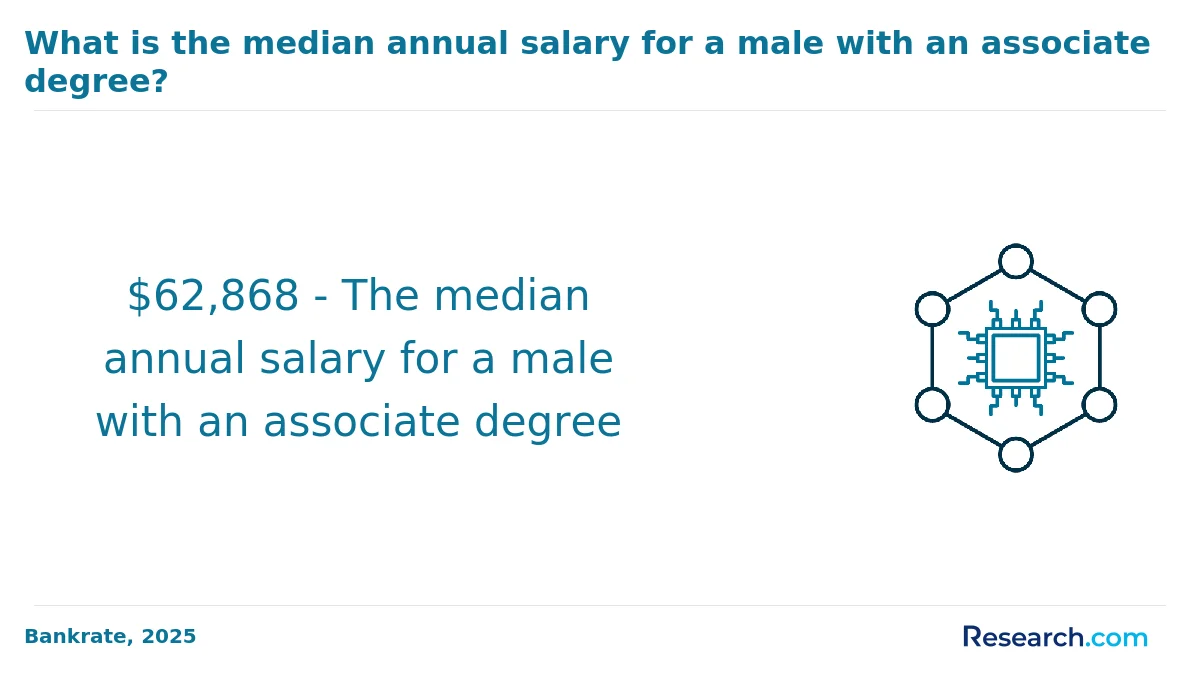
Graduates with an information technology associate degree in New Hampshire find robust IT associate degree career opportunities New Hampshire offers across several key roles. Popular career paths include computer support specialists, who diagnose and resolve hardware and software issues in local businesses and educational institutions. Network support specialists play a vital role ensuring network stability, while help desk technicians provide essential first-level technical assistance that keeps organizations running smoothly. Web developers are also in demand, with graduates from New Hampshire's technology programs often securing entry-level roles creating and maintaining websites for a range of clients.
Many graduates from institutions like Granite State College and Nashua Community College experience positive career outcomes by building skills in:
- IT support and troubleshooting
- Network administration
- Web development fundamentals
- Information security basics
For students exploring their options, leveraging certifications such as CompTIA greatly enhances employability. Those looking for a detailed ranking of the most popular online information technology courses can find flexible pathways to supplement their associate degree. Overall, information technology associate degree jobs in New Hampshire deliver strong entry points into a thriving tech industry fueled by healthcare, education, and business growth, making it a smart investment for career-focused students.
The job market for information technology associate degree graduates in New Hampshire is notably strong, offering numerous opportunities across various cities such as Merrimack, Nashua, Exeter, and Amherst. Graduates from popular institutions in the state often find roles like IT support specialist, desktop support technician, and helpdesk technician, which align well with the practical skills gained during their studies. These positions emphasize hands-on problem solving, technical support, and system maintenance-tasks that graduates describe as both rewarding and a critical stepping-stone to higher IT roles.
Employers in New Hampshire actively seek associates who can:
- Install and maintain hardware and software
- Troubleshoot network and system issues
- Provide effective user support
Data on New Hampshire IT job growth and salary shows that these roles offer competitive compensation, with median salaries around $60,000 to $73,000 annually for roles achievable with an associate degree. This growth is encouraging for graduates eager to enter a thriving field.
Students considering further advancement often explore options such as what is the most affordable online mba in information technology degree program to build on their associate credentials and expand career prospects.
At Research.com, we understand that investing in one's education is a significant decision that impacts future career and personal growth. That is why our team has dedicated extensive effort to ensure the quality, credibility, and accuracy of this ranking of the Best Information Technology Associate Degree Programs in New Hampshire for 2026. We have systematically analyzed data from multiple trusted sources to provide you with reliable insights that simplify your decision-making process. Our ranking was created using the following data sources: IPEDS database, Peterson's database, College Scorecard database, and the National Center for Education Statistics. By consulting this ranking, readers will gain a clear and trustworthy guide to selecting the best program suited to their needs. For more details about how this ranking was developed, please visit our methodology page.
Best Information Technology Associate Degree Programs & Schools - Top IT Schools in New Hampshire for 2026
# 1 position
White Mountains Community College - Information Technology.
associateWhite Mountains Community College offers an on-campus Information Technology program that covers the design of technological information systems. The curriculum includes computer hardware and software principles, algorithms, databases, telecommunications, user tactics, application testing, and human interface design. The annual in-state tuition is $7,050. This program is accredited by the New England Commission on Higher Education.
# 2 position
Lakes Region Community College - Computer and Information Sciences, General.
associateLakes Region Community College offers a hybrid program in Computer and Information Sciences, General, focusing on computing, computer science, and information systems. The program features some distance-education options, allowing flexible learning. Annual in-state tuition is $6,720. This program is accredited by the New England Commission on Higher Education, ensuring recognized academic standards and quality education in the field.
# 3 position
NHTI-Concord's Community College - Computer and Information Sciences, General.
associateNHTI-Concord's Community College offers a hybrid Computer and Information Sciences, General program focused on computing, computer science, and information systems. The program is accredited by the New England Commission on Higher Education. Annual in-state tuition is $7,200. Graduates have median earnings of $36,190 one year after completion. The curriculum is undifferentiated by specific titles or content, providing a broad foundation in related fields.
# 4 position
NHTI-Concord's Community College - Information Technology.
associateThe Information Technology program at NHTI-Concord's Community College offers a hybrid learning format with some distance education options. The program covers design and development of technological information systems, focusing on computer hardware, software, algorithms, databases, telecommunications, application testing, and human interface design. Annual in-state tuition is $7,200. Graduates earn a median salary of $36,190 one year after completion. The program is accredited by the New England Commission on Higher Education.
# 5 position
Nashua Community College - Computer Systems Networking and Telecommunications.
associateNashua Community College offers a fully online program in Computer Systems Networking and Telecommunications. The curriculum covers the design, implementation, and management of computer systems and networks, including operating systems, networking theory, security, and troubleshooting. The program prepares students for roles as network specialists and managers. Annual in-state tuition is $7,140. The program is accredited by the New England Commission on Higher Education.
# 6 position
Great Bay Community College - Computer and Information Sciences, General.
associateGreat Bay Community College offers a hybrid program in Computer and Information Sciences, General, focusing on computing, computer science, and information science systems. The program provides some distance-education options, making it flexible for students. Annual in-state tuition is $7,200. The program is accredited by the New England Commission on Higher Education, ensuring recognized academic standards and quality education.
# 7 position
Great Bay Community College - Computer Systems Networking and Telecommunications.
associateGreat Bay Community College offers a hybrid Computer Systems Networking and Telecommunications program that prepares students for roles as network specialists and managers. The curriculum covers operating systems, network design, management, security, and troubleshooting. The program focuses on maximizing efficiency through linked computer systems and software. Annual in-state tuition is $7,200. The program is accredited by the New England Commission on Higher Education.
# 8 position
Southern New Hampshire University - Computer and Information Sciences, General.
associateSouthern New Hampshire University offers a Computer and Information Sciences, General program with an annual in-state tuition of $16,450. Graduates earn a median salary of $50,111 one year after completing the program. This general course covers computing, computer science, and information science and systems without focusing on specific titles or content areas. The program is accredited by the New England Commission on Higher Education.
# 9 position
River Valley Community College - Computer and Information Sciences, General.
associateRiver Valley Community College offers a hybrid Computer and Information Sciences, General program, combining computing, computer science, and information science systems. The program has an annual in-state tuition of $6,940 and is accredited by the New England Commission on Higher Education. It provides some distance-education options to support flexible learning for students pursuing this general computing curriculum.
# 10 position
River Valley Community College - Computer Systems Networking and Telecommunications.
associateRiver Valley Community College offers a hybrid program in Computer Systems Networking and Telecommunications that prepares students to become network specialists and managers. The curriculum covers operating systems, systems design, networking theory, network management, security, and troubleshooting. The program focuses on designing and managing linked computer systems to enhance efficiency. Annual in-state tuition is $6,940. The program is accredited by the New England Commission on Higher Education.
Frequently Asked Questions about information technology associate degree programs
After earning an information technology associate degree in New Hampshire, preparing for the job market involves several strategic steps. First, gaining practical experience through internships or cooperative education programs during your studies can significantly improve employability. Many community colleges in New Hampshire partner with local tech companies to offer such opportunities.
Networking is also crucial. Joining professional organizations like the New England Technology Council or attending regional IT job fairs can help build valuable contacts. According to the U.S. Bureau of Labor Statistics, IT employment in New Hampshire is projected to grow by 8% through 2031, indicating steady demand.
Finally, pursuing industry certifications, such as CompTIA A+ or Cisco Certified Technician, can enhance your resume by validating technical skills employers seek.
Employers in New Hampshire's information technology sector prioritize several key skills in associate degree graduates. Technical proficiency in areas such as networking, cybersecurity, and database management is essential, reflecting national trends reported by the U.S. Bureau of Labor Statistics. Additionally, practical experience with operating systems like Windows and Linux is highly valued. According to the New Hampshire Department of Labor, skills in cloud computing and scripting languages like Python increasingly enhance job prospects.
Soft skills, including problem-solving, communication, and teamwork, remain crucial for successful IT roles. Employers also favor graduates who demonstrate adaptability in fast-evolving technologies relevant to industries in New Hampshire, such as healthcare IT and manufacturing support.
Finding internships in New Hampshire relevant to an information technology associate degree involves several strategic steps. Start by exploring job boards specific to the state, such as NH Employment Security or regional sections on platforms like Handshake, which many community colleges use for student placements.
Networking is key. Students should connect with local IT companies in cities like Manchester and Nashua, where tech sectors are growing. Attending career fairs hosted by community colleges and technical schools can also help secure internships.
According to recent New Hampshire Department of Labor data, IT-related internships increased by 12% from 2022 to 2023, reflecting expanding opportunities.
Community colleges often partner with businesses, giving students access to exclusive internships aligned with their associate degree curriculum.
An information technology associate degree in New Hampshire can significantly enhance career mobility and advancement opportunities. According to the New Hampshire Department of Education, many IT employers in the state recognize associate degrees as valuable credentials for entry-level technical positions. Graduates gain foundational skills in networking, cybersecurity, and programming, which are in high demand within local industries.
Data from the U.S. Bureau of Labor Statistics shows that IT jobs in New Hampshire are projected to grow faster than average through 2028, increasing employment prospects for degree holders. Additionally, earning an associate degree often leads to higher earning potential compared to candidates with only a high school diploma.
Moreover, community colleges in New Hampshire frequently have transfer agreements with four-year institutions, allowing students to pursue bachelor's degrees and further advance their careers.
Part-time job opportunities in New Hampshire that complement information technology associate degree education include roles such as help desk technician, IT support specialist, and network technician. These entry-level positions provide practical experience with troubleshooting, user support, and network management, which align well with academic studies. According to New Hampshire Employment Security, the IT sector in the state is expected to grow by 10% through 2032, signaling increasing demand for such roles.
Additionally, some students find part-time internships or co-op positions with local technology firms or public institutions, enhancing both skills and professional networks. These roles often offer exposure to cybersecurity, software installation, and system maintenance. Engaging in such jobs while studying helps develop real-world competencies critical for future full-time IT careers.
To choose the best Information Technology degree program near you, begin by considering local universities and colleges that offer programs aligned with your career goals and interests, taking into account aspects like curriculum, faculty, and practical training opportunities. Specifically, near New Hampshire, you can explore various institutions that provide comprehensive IT programs with strong industry connections and internship placements. Research.com can be a valuable resource to compare and contrast these programs based on factors such as rankings and student feedback, ensuring you make an informed decision tailored to your needs.
- Best Information Technology Associate Degree Programs & Schools - Top IT Schools in Massachusetts for 2026
- Best Information Technology Associate Degree Programs & Schools - Top IT Schools in Rhode Island for 2026
- Best Information Technology Associate Degree Programs & Schools - Top IT Schools in Delaware for 2026
- Best Information Technology Associate Degree Programs & Schools - Top IT Schools in Maryland for 2026
- Best Information Technology Associate Degree Programs & Schools - Top IT Schools in Virginia for 2026
- Best Information Technology Associate Degree Programs & Schools - Top IT Schools in Ohio for 2026
- Best Information Technology Associate Degree Programs & Schools - Top IT Schools in West Virginia for 2026
- Best Information Technology Associate Degree Programs & Schools - Top IT Schools in Kentucky for 2026
- Best Information Technology Associate Degree Programs & Schools - Top IT Schools in North Carolina for 2026
- Best Information Technology Associate Degree Programs & Schools - Top IT Schools in Tennessee for 2026
- Academic Programs – NHTI https://www.nhti.edu/academics/academic-programs/
- 2024 Employment Trends in New Hampshire | Techneeds https://www.techneeds.com/2024/08/01/employment-trends-in-new-hampshire-a-deep-dive-into-the-2024-job-market/
- Information Technology Associate Degree | Academics | Monroe Community College https://www.monroecc.edu/academics/majors-programs/stem/information-technology-associate-degree/
- Cost of Online College vs. Traditional | Champlain College Online https://online.champlain.edu/blog/cost-of-online-education-vs-traditional-education
- Nces https://nces.ed.gov/
- Exploring Information Technology: IT Careers, Trends & Education https://www.monash.edu.my/news-and-events/trending/exploring-information-technology-it-careers-trends-education
- Traditional vs Online Education - Which One Is Right For You? | Penn Foster https://www.pennfoster.edu/blog/traditional-vs-online-education
- What Can You Do With an Associate’s Degree in IT? https://icohs.edu/what-can-you-do-with-associates-degree-information-technology/
- How Challenging is an Information Technology Degree? | CBT Technology Institute https://www.cbt.edu/blog/how-challenging-is-an-information-technology-degree/
- Online Learning vs Traditional Learning - University of the Potomac https://potomac.edu/learning/online-learning-vs-traditional-learning/







