Best HVAC Technician Training Programs & Trade Schools - Top HVAC Tech Schools in Summit for 2026

Co-Founder and Chief Data Scientist
Choosing the right HVAC technician trade school in Summit can shape your future career. This article introduces a carefully crafted HVAC technician trade school programs ranking developed by the Research.com team of data scientists to guide you in making an informed decision.
Reading this guide will help you discover programs that offer valuable training and certifications, setting you up for success in a growing industry. Whether you’re starting fresh or advancing your skills, earning a diploma or certification can open doors to rewarding opportunities.
Explore your options with confidence and take the next step toward a fulfilling career.
Key benefits of finishing HVAC technician trade school in Summit
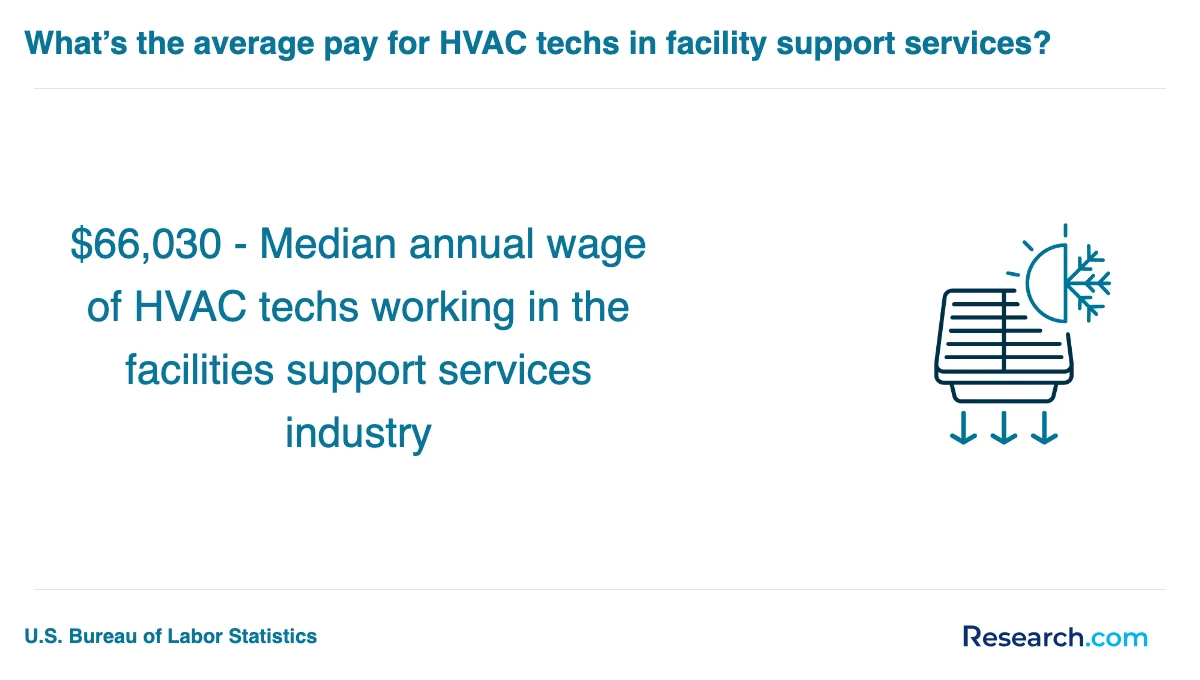
- Graduates from HVAC technician trade schools in Summit can expect starting salaries around $62,390 annually, with opportunities to earn up to $77,685 or more as experience and skills grow.
- Career paths include roles like residential service technician, commercial HVAC specialist, or maintenance mechanic, offering diverse opportunities to find a rewarding and stable job.
- Completing an HVAC program online offers flexibility and convenience, allowing students to balance work and studies while still gaining the skills needed to succeed in Summit's job market.
- Best HVAC Technician Training Programs & Trade Schools - Top HVAC Tech Schools in Summit for 2026
- What can I expect from HVAC technician trade schools in Summit?
- Where can I work after finishing HVAC technician trade schools in Summit?
What can I expect from HVAC technician trade schools in Summit?
Enrolling in an HVAC technician trade school program in Summit means diving into a fast-paced, hands-on adventure that graduates rave about. Imagine stepping into a lab filled with modern HVAC units, tools clutched in hand, guided by instructors who know the industry inside and out. Many graduates recall how, within just 9 months, they moved from classroom theory-like understanding refrigerant cycles and electrical wiring-to confidently troubleshooting real systems during lab sessions.
Small class sizes, sometimes as cozy as 7 students per instructor, create a vibe where questions fly freely and mentorship feels personal. One graduate shared how this close-knit setting made it easier to absorb complex skills and build professional confidence. Plus, programs here align with big-name certifications like the EPA 608 Universal Certification and NATE, so you're not just learning-you're gearing up to prove your expertise.
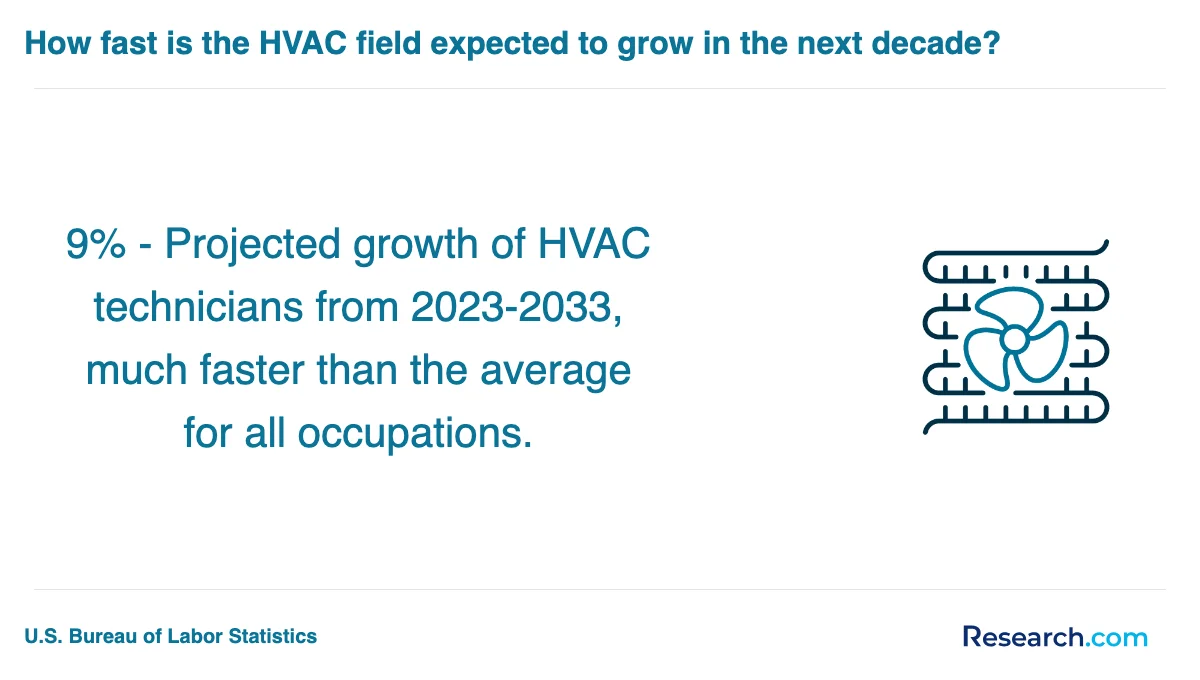
Beyond technical chops, expect customer service training designed to help you connect with clients, a skill graduates say made them stand out on job sites. Summit trade schools also offer career placement support, turning classroom wins into real-world jobs amid a local market growing by 9% annually. It's a fast-track to a rewarding HVAC career, packed with practical training and community connection.
Where can I work after finishing HVAC technician trade schools in Summit?
Finish your HVAC technician trade school program in Summit, and you're stepping into a job market buzzing with opportunity. Imagine waking up to a list of 473 local openings-roles like HVAC Technician, Installer, or Mechanic just waiting for skilled hands. Graduates from popular Summit trade schools often share stories of landing entry-level jobs within weeks, installing air conditioning units in schools or troubleshooting hospital heating systems.
Thousands of entry-level positions open the door wide for new technicians ready to dive into hands-on work. Picture your first day, clocking in at a property management company or a specialized HVAC service business, mastering repairs and maintenance while earning between $24 and $35 an hour. Some grads talk about choosing day or night shifts, thanks to employers like Jones Lang LaSalle offering flexible schedules.
Others find themselves carving out niches-maybe as Refrigeration Technicians or HVAC Installers-within Summit's 1,800-plus HVAC services jobs. Licensing and technical training from Summit's trade schools give you that edge, turning classroom skills into real-world success stories right in your backyard.
Finish your HVAC technician trade school program in Summit, and you're stepping into a world where the paycheck reflects your skills-fast. Graduates from popular local trade schools often share stories of landing jobs that pay around $77,685 annually, or roughly $37 per hour. Imagine clocking in, fixing a complex air conditioning system on a hot summer day, and knowing you're earning well above the average entry-level worker in other trades.
Early on, you might start closer to $56,654 per year, which still beats many first jobs elsewhere. But as you build experience, certifications, and reputation, your rates can climb to $40 an hour or more. One graduate recounted how, after a year, they secured overtime gigs that pushed their paycheck even higher, proving the Summit HVAC market rewards hustle and skill.
Summit's proximity to major metros means steady demand and opportunities to grow your income. Whether you're repairing residential units or tackling commercial systems, your earning potential is as cool as the air you'll help create.
- HVAC technician programs in Summit can be completed in 9 to 11 months, offering a fast track to entering the workforce.
- Tuition typically costs around $10,000 and often includes materials, tools, and access to learning platforms.
- Students are usually prepared for the EPA 608 Universal Certification and sometimes the NATE certification before graduation.
- The job market in New Jersey is growing by 9% from 2020 to 2030, with the NJ-NY-PA metro area having the highest employment of HVAC technicians in the country.
- Average starting salaries for graduates range from $45,000 to $55,000 per year, with higher earnings as technicians gain experience.
In Summit, diving into an HVAC technician trade school program typically takes about 6 to 12 months, depending on whether you choose full-time or part-time study. Graduates from well-known trade schools here often recall how the intensive hands-on labs and real-world simulations made the months fly by. Imagine clocking in daily at a bustling workshop where you're not just reading manuals but actually diagnosing and fixing heating and cooling units under expert guidance.
One graduate describes the experience as a whirlwind of learning that felt like building your own toolkit of skills every week. The compact timeframe means you're not stuck in school forever; you're actively preparing for a career and starting to earn sooner rather than later. Summit's trade schools are known for balancing classroom theory with practical training, so you walk out confident, ready to tackle anything from residential repairs to commercial HVAC systems.
For those juggling work or family, part-time options stretch the program closer to a year, but still keep momentum strong with evening and weekend classes. This flexibility lets students in Summit fit their education around life's demands without losing the excitement of rapid skill-building.
Imagine stepping into a buzzing lab at Summit College, tools in hand, surrounded by humming HVAC units and instructors ready to guide you through every twist and turn of a real system. That's the on-campus experience-immersed, hands-on, and buzzing with energy. Graduates rave about the intense, practical sessions where they actually dismantle and fix equipment, gaining confidence that no video can quite replicate. In just nine months, they're not only learning theory but also earning certifications like EPA 608 and NATE Core, feeling fully equipped for the job market.
Now picture logging in from your couch, navigating sleek online modules filled with animations and interactive simulations. That's the online route, favored by those juggling work or family. Lincoln Tech's hybrid model blends this flexibility with some in-person labs, helping students bridge the gap between theory and real-world skills. While it lacks the constant tactile experience of on-campus labs, the online path still builds a solid foundation, especially if you're motivated to seek hands-on practice outside the screen.
Enrolling in an HVAC technician trade school in Summit means budgeting between $1,200 and $15,000 for certificate programs, the most popular entry route. Graduates often recall juggling monthly payments-like those at the Training Center in Wrightstown, where a $2,500 deposit sets the stage, followed by ten monthly installments of $750. This trade school's $10,000 fee covers everything from professional tool sets to EPA certifications and hands-on HVAC lab hours, making the investment tangible and rewarding. This is a vivid example of HVAC technician program tuition fees Summit County Ohio, where costs vary but the value of comprehensive training shines through.
For those diving deeper, associate degree programs stretch the timeline to two years with tuition ranging from $15,000 to $35,000. Students at local community colleges experience a balanced cost-benefit scenario, paying about $4,868 yearly in-state tuition. Hands-on labs, critical certifications, and real-world problem solving make the expense feel like gear upgrades on the road to mastery rather than mere price tags.
Meanwhile, apprenticeship programs offer a blend of study and paid on-the-job experience with costs kept low, generally between $500 and $2,000. Many apprentices appreciate this route's accessibility, sometimes sponsored by unions or companies. Navigating these options wisely is part of learning how to become an hvac technician while managing the average cost HVAC technician trade school Summit County Ohio demands.
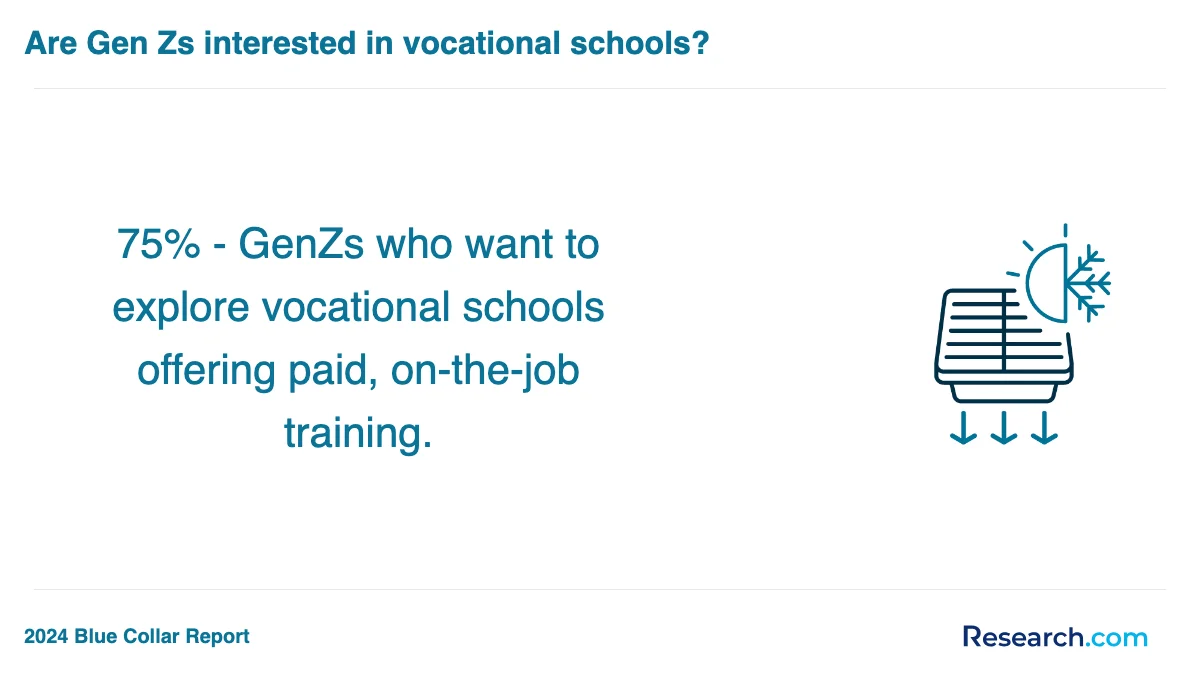
Imagine stepping into a Summit HVAC trade school with worries about tuition melting away. Many graduates recall filling out the FAFSA form to unlock federal Pell Grants-free money that can top $7,000 yearly-making those early months of study feel less like a financial burden and more like an exciting climb toward mastery. A popular local school's financial aid counselor once helped a student navigate this maze, pairing federal aid with low-interest loans designed to ease repayment stress after graduation.
State grants like New Jersey's Tuition Aid Grant (TAG) often boost that support, especially for full-time HVAC learners, turning dreams into doable realities. Some trade schools add their own scholarships, rewarding merit or veteran status, which past students have gratefully tapped into to cover tools and textbooks.
Workforce development programs sometimes offer paid internships or tuition reimbursements, making hands-on experience and income a perfect combo. Veterans, too, celebrate using GI Bill® benefits to get skilled without the debt hangover. These options transform the Summit HVAC path from daunting to downright achievable.
Enrolling in an HVAC technician trade school in Summit usually means you're ready to jump into hands-on learning, but first, there are some practical prerequisites to clear. Most popular schools in Summit expect you to have a high school diploma or GED-this is your ticket to start mastering the art of heating, ventilation, and air conditioning systems.
Graduates often share how having a solid foundation in basic math and physics made tackling electrical components and system diagnostics more intuitive. Imagine walking into a Summit trade school classroom where you're already comfortable calculating load capacities and air flow-confidence instantly boosts your excitement.
Besides academic readiness, schools look for these:
- Proof of residency or citizenship, since many programs serve local Summit communities.
- A minimum age requirement, usually 18, ensuring maturity for safety and responsibility.
- Sometimes a background check or physical exam, because HVAC work can be physically demanding and safety-sensitive.
One graduate recalls that meeting these prerequisites felt like clearing the first rung on a ladder-each step making the dream of becoming a skilled Summit HVAC pro feel more real and achievable.
Graduates from Summit's HVAC technician trade schools often rave about the hands-on courses that bring theory to life. Imagine diving into the mysteries of thermodynamics while actually feeling the chill of refrigeration cycles or the warmth from heating systems in a busy workshop. Programs here don't just teach you facts-they let you experience the heartbeat of HVAC.
Typical courses include:
- Basic Electricity: From wiring circuits to mastering safety, students learn to troubleshoot real HVAC electrical components confidently.
- Mechanical Principles: Explore motors, compressors, and fans by working directly with equipment found in homes and businesses across Summit.
- Refrigeration and Air Conditioning: Understand vaporization and condensation by servicing actual residential and commercial units.
- Heating Systems: Get hands-on repairing gas, oil, and electric heat sources, a skill essential during Summit's chilly winters.
- System Installation and Service: Practice installing ductwork and controls, preparing you for the field from day one.
- Safety and OSHA Regulations: Learn workplace safety that protects you and your future clients.
- EPA 608 Certification Preparation: Train to legally handle refrigerants, a must-have credential in the US.
Many grads recall how customer service modules polished their communication skills, making them ready not just as technicians but as trusted professionals in Summit's HVAC scene.
Summit HVAC trade school program options offer an impressive palette of specialized skills that graduates rave about for their direct impact on local job prospects. Many students quickly discover that mastering residential and commercial heating and air conditioning systems-common in every Summit home and business-is just the start. In practical labs at popular trade schools, hands-on lessons turn theory into confidence with real equipment, making learners feel ready to tackle any breakdown on day one.
Graduates often point to these specializations as game changers:
- Commercial refrigeration, perfect for those wanting to work in bustling supermarkets or restaurants around Summit.
- Solar panel systems, increasingly vital with the area's push towards green energy solutions.
- Radiant heating systems, which add cozy warmth traced through floors and walls, a favorite for cold winter mornings.
- Water conditioning systems, crucial for maintaining healthy, efficient HVAC setups in larger buildings.
These Summit HVAC technician specializations in Summit NJ prepare students for coveted credentials like EPA 608 and NATE certifications, essential in this competitive market. For curious minds exploring training routes, consider checking out vocational trade online schools that complement local options with flexible learning tailored to real industry demands.
Choosing from the best HVAC technician trade schools in Summit County means looking beyond flashy brochures. Graduates from popular local colleges often recall how accreditation gave their resumes a real edge with employers, especially when combined with hands-on training that simulated real-world HVAC troubleshooting. Imagine stepping into a Summit-based job armed with skills polished through flexible schedules tailored to working students. The top-rated HVAC programs in Summit County don't just teach theory-they bring instructors with industry experience who share career-saving tips and foster connections with local HVAC companies that led many grads into internships right after class.
Cost matters too, but savvy students know to hunt for financial aid and scholarships that make education manageable. Those who balanced job placement assistance with comprehensive curriculum felt confident launching careers locally without detours. For insights from a broader range of trade schools, explore the best online trade school programs to compare options that fit your lifestyle and goals.
Graduates from HVAC technician trade schools in Summit often step directly into vibrant HVAC technician jobs in Summit NJ, where hands-on roles like HVAC service technician, installer, and maintenance technician open immediate career doors. Imagine working inside local schools or busy commercial buildings, using skills perfected during those intense training days at popular Summit trade schools. Many grads recount the satisfaction of troubleshooting real-world systems, feeling the glow of warm air on a chilly winter morning or cooling down a sweltering office by afternoon.
With time and experience, career horizons brighten. Here are some thrilling paths former students in Summit explore:
- Becoming a refrigeration systems mechanic fixing complex cooling units in hospitals
- Advancing as a senior HVAC technician leading teams on multi-million-dollar installations
- Specializing as a controls technician managing advanced building automation systems
- Stepping into project supervisor roles, juggling budgets and ensuring everything meets code
Something uniquely exciting about HVAC career opportunities in Summit is how grads grow into leadership or design roles, such as controls system engineer or even director of services, blending technical savvy with management. For those weighing their options, exploring cheap online hvac certification programs has proven a smart way to boost credentials and earnings, sometimes nearing $100,000 per year. This layered career journey makes HVAC a thrilling choice for anyone ready to dive in.
Summit's HVAC technician job outlook in Summit NJ sparkles with opportunity-graduates from local trade schools often step right into well-paying, stable roles. Imagine finishing a hands-on program and seeing over 470 job openings just waiting for your skillset across commercial buildings, schools, and even specialized industries like biopharmaceuticals.
Graduates share stories of landing roles with employers like JLL, where salaries range from $75,000 to $83,200 annually. They thrive in environments demanding both technical mastery and crystal-clear communication among teams managing climate-critical facilities.
Here's why this market shines for new HVAC techs in Summit:
- Strong demand from diverse sectors: residential, educational, and research facilities
- Entry-level wages boosted by New Jersey's cost of living and unions
- Senior HVAC roles paying $38 to $44 per hour
- Long-term job stability with constant equipment maintenance and upgrades
For students seeking low cost online maintenance technician trade programs tailored to Summit's market, these figures paint a clear picture: the HVAC technician salary trends Summit NJ display a promising career path fueled by real-world skills and trusted local connections.
Best HVAC Technician Training Programs & Trade Schools - Top HVAC Tech Schools in Summit for 2026
# 1 position
Southwest Mississippi Community College - Heating, Air Conditioning, Ventilation and Refrigeration Maintenance Technology/Technician.
associateSouthwest Mississippi Community College offers a Hybrid Heating, Air Conditioning, Ventilation and Refrigeration Maintenance Technology/Technician program. This program prepares students to repair, install, service, and maintain heating, air conditioning, and refrigeration systems. Instruction covers diagnostic techniques, testing equipment, and principles of mechanics, electricity, and electronics related to system repair. The annual in-state tuition is $3,960. The program is accredited by the Southern Association of Colleges and Schools Commission on Colleges.
# 2 position
Southwest Mississippi Community College - Heating, Air Conditioning, Ventilation and Refrigeration Maintenance Technology/Technician.
certificate or diplomaSouthwest Mississippi Community College offers a hybrid program in Heating, Air Conditioning, Ventilation and Refrigeration Maintenance Technology/Technician. The curriculum prepares students to repair, install, service, and maintain HVAC and refrigeration systems, emphasizing diagnostic techniques, testing equipment, and principles of mechanics, electricity, and electronics. The program’s annual in-state tuition is $3,960. It is accredited by the Southern Association of Colleges and Schools Commission on Colleges.
Frequently Asked Questions about HVAC technician
After completing an HVAC technician trade school in Summit, preparing for the job market involves several strategic steps. Graduates should focus on obtaining relevant certifications such as the EPA Section 608, which is federally required for handling refrigerants. According to the U.S. Bureau of Labor Statistics, HVAC jobs in the Summit area are expected to grow by 8% through 2030, signaling a healthy demand.
Building a strong resume that highlights hands-on training and any internships completed during schooling is essential. Networking with local contractors and joining trade associations like the Refrigeration Service Engineers Society (RSES) can improve job prospects. Additionally, continuing education and staying updated on new HVAC technologies will enhance employability in this evolving field.
Employers in Summit seeking HVAC technician trade school graduates prioritize a combination of technical and soft skills. According to the U.S. Bureau of Labor Statistics, proficiency in installing, maintaining, and repairing heating, ventilation, and air conditioning systems is essential. Graduates must also understand electrical systems and refrigeration principles, critical for troubleshooting complex equipment.
Strong problem-solving abilities and attention to detail are highly valued, helping technicians diagnose issues efficiently. Communication skills matter as well, since HVAC technicians often explain repairs to clients and collaborate with team members. Summit employers also favor candidates with knowledge of local building codes and energy efficiency standards, reflecting regional regulatory requirements.
Hands-on experience gained through internships or apprenticeships is another key factor, as it enhances practical readiness for the workforce.
Finding internships in Summit relevant to HVAC technician trade school programs involves several practical steps. First, students should connect with their school's career services, which often maintain relationships with local HVAC companies offering internships. According to the U.S. Bureau of Labor Statistics, hands-on experience is crucial for HVAC careers, making internships valuable for skill development.
Local trade unions and industry associations in Summit also provide internship listings and apprenticeship opportunities. Websites like Apprenticeship.gov list openings specifically for HVAC roles in the region. Networking at local job fairs or industry events can further enhance chances of securing an internship.
Additionally, contacting Summit's community colleges or technical schools directly may yield leads on internships tailored for HVAC students. Many employers in Summit prefer candidates with formal training complemented by real-world experience, so early outreach is recommended.
Obtaining a HVAC technician trade school diploma in Summit significantly enhances career mobility and advancement opportunities. According to the U.S. Bureau of Labor Statistics, HVAC technicians with formal training and certification earn approximately 15% more than those without. In Summit, demand for skilled HVAC professionals is growing due to increased construction and renovation projects, offering graduates a competitive advantage.
Trade school diplomas provide specialized skills in installation, maintenance, and repair, which local employers highly value. This formal education often leads to faster promotions and eligibility for supervisory roles.
Furthermore, many Summit employers prefer candidates with accredited diplomas, facilitating entry into union jobs or government positions, which often offer higher wages and benefits.
Students enrolled in HVAC technician trade schools in Summit can benefit from several part-time job opportunities that complement their education. Positions such as HVAC assistant or helper allow students to gain practical experience by supporting licensed technicians on residential and commercial jobs. This hands-on work reinforces classroom learning and improves technical skills.
Retail roles at home improvement stores, like appliance or HVAC equipment sales, also provide valuable industry knowledge and customer service experience. According to the U.S. Bureau of Labor Statistics, Summit's HVAC-related job market has grown steadily, with a 5% increase in employment from 2020 to 2023, indicating a demand for trained workers.
Internships or apprenticeships through local HVAC companies offer structured training aligned with school curricula, making them ideal part-time jobs for students.
Yes, there are HVAC Technician degree programs available near Summit, MS. These programs can typically be found at community colleges or technical schools, which offer both certificate and associate degree options. To find a program near me, you might consider reaching out to local educational institutions or exploring resources like Research.com for further guidance.
- HVAC Technician Salary Summit, New Jersey https://hvactechnician.careers/hvac-technician-salary/new-jersey/summit/
- Commercial HVAC Technician Salary in Summit, NY (August 01, 2025) | Salary.com https://www.salary.com/research/salary/listing/commercial-hvac-technician-salary/summit-ny
- HVAC Career Map https://hvaccareermap.org/
- Check Out These Nine Types of HVAC Jobs | HVAC Career Services https://eticampus.edu/career-services/not-sure-where-an-hvac-certificate-can-take-you-check-out-these-nine-types-of-hvac-jobs/
- Looking for a Great Job with Only Some College Required? Become an HVAC Technician. https://intellitec.edu/looking-for-a-great-job-with-only-some-college-required-become-an-hvac-technician/
- HVAC Trade Schools: HVAC Training Programs | Fortis https://www.fortis.edu/programs/skilled-trades/heating--ventilation--air-conditioning-and-refrigeration-trades.html
- Find HVAC Trade Schools - Diploma & Associate Degree Programs https://www.trade-schools.net/trades/hvac
- Ventilation Trade School | Chicago, IL | HVAC Tech https://www.hvac-tech.com/
- The Top HVAC Trade Schools in The Country: 9 Expert Programs - Podium https://www.podium.com/article/best-hvac-trade-school
- HVACR Technician Training - Gwinnett Technical College https://gwinnetttech.edu/online-continuing-education/hvacr-technician-training/