
Best Home Health Aide Training Programs & Trade Schools - Top Home Health Aide Schools in West for 2026

Co-Founder and Chief Data Scientist
Choosing the right home health aide trade school can shape your future career and open doors to rewarding opportunities. This article introduces the best home health aide trade school programs in the West for 2026, featuring a ranking created by the Research.com team of data scientists.
Designed to help you make an informed decision, the ranking highlights programs that offer quality education and practical skills. Earning a diploma or certification in this field can boost your confidence and set you on a path to meaningful work supporting others.
Explore your options and take the first step toward a fulfilling career today.
Key benefits of finishing home health aide trade school in West
- Graduates in the West can expect competitive salaries, typically earning between $16 and $18 per hour, with experienced aides making up to $19.54 per hour, offering a strong return on investment for completing trade school.
- Career paths include working in private homes, assisted living facilities, or healthcare agencies, as shown by graduates from popular Western trade schools who find rewarding jobs supporting diverse patient needs.
- Completing an online home health aide program provides flexible scheduling and faster completion times, allowing graduates to start working sooner while balancing personal commitments, as experienced by many online trade school students in the West.
What can I expect from home health aide trade schools in West?
Enrolling in a home health aide trade school program in West means immersing yourself in a curriculum designed for practical, hands-on learning. Graduates often recall the mix of classroom instruction and clinical practice-typically around 100 hours of theory paired with 24 hours in real healthcare settings-giving them the confidence to assist clients with daily activities like bathing, dressing, and meal preparation. Many students appreciate how schools here balance essential medical knowledge, such as vital sign monitoring and safety protocols, with everyday tasks that make a real difference in clients' lives.
Programs can last from a few weeks to several months, with flexible part-time or online options that fit busy lives. Graduates frequently mention the rewarding challenge of meeting admission requirements like background checks and health screenings, which prepare them for professional responsibility.
Popular trade schools in West create supportive environments where students feel encouraged as they master skills that lead to meaningful employment in homes, nursing facilities, or hospitals. The sense of accomplishment shared by alumni often stems from knowing their work directly improves people's well-being every day.
Where can I work after finishing home health aide trade schools in West?
After completing a home health aide trade school program in West, graduates often find rewarding employment in diverse settings that truly make a difference in people's lives. Many begin their careers as home health aides or caregivers, working directly in clients' private homes where they assist with daily tasks like bathing, dressing, and meal preparation. This hands-on experience fosters strong personal connections and a profound sense of fulfillment.
Popular trade schools in West prepare students well for roles not only in private homes but also in assisted living facilities, senior communities, and private duty nursing agencies. Graduates often share how rewarding it feels to support patients with specialized needs, such as those with Alzheimer's or dementia, or younger clients requiring pediatric care.
Local agencies in areas like West Palm Beach and Tampa actively recruit new graduates, offering flexible schedules and incentives that help ease the transition into the workforce. Many find joy in the steady demand for home health aides, with numerous job openings providing a clear path to a stable and meaningful career.
How much can I make after finishing home health aide trade schools in West?
Graduates from home health aide trade schools in the West often find themselves stepping into a career with an average starting wage between $16 and $19 per hour. This range reflects the diversity of opportunities across the region's bustling cities and quieter towns. For example, many graduates from well-known trade schools in Washington state share how earning about $17.15 per hour helped them quickly gain financial independence while doing meaningful work.
In Nevada, especially around Las Vegas, it's common for recent graduates to see starting wages closer to $19 to $20 per hour. Some have even found roles paying up to $25 to $35 per hour when they specialize or gain experience, turning their trade school investment into a promising financial future.
One graduate recalled feeling proud when their first paycheck reflected the region's higher cost of living adjustments, making the trade school effort feel truly worthwhile. The ability to earn overtime-adding roughly $4,000 annually-also means many find themselves comfortably supporting their families soon after certification.
Best Home Health Aide Training Programs & Trade Schools - Top Home Health Aide Schools in West for 2026
# 1 position
Highline College - Home Health Aide/Home Attendant.
associateHighline College offers a Home Health Aide/Home Attendant program designed to prepare individuals to provide routine care and support for homebound disabled, recovering, or elderly people. The hybrid program includes instruction in nutrition, home sanitation, infection control, first aid, vital signs, personal hygiene, communication skills, home management, emergency recognition, geriatric care, and legal and ethical responsibilities. Annual in-state tuition is $4,623. The program is accredited by the Northwest Commission on Colleges and Universities.
# 2 position
Santa Rosa Junior College - Home Health Aide/Home Attendant.
certificate or diplomaSanta Rosa Junior College offers a Home Health Aide/Home Attendant program that prepares students to provide routine care and support for homebound disabled, recovering, or elderly individuals. The curriculum covers basic nutrition, home sanitation, infection control, first aid, vital signs monitoring, personal hygiene, communication skills, home management, emergency recognition, geriatric care, and legal and ethical responsibilities. The program’s annual in-state tuition is $1,318 and is accredited by the Western Association of Schools and Colleges Accrediting Commission for Community and Junior Colleges.
# 3 position
City College of San Francisco - Home Health Aide/Home Attendant.
certificate or diplomaThe Home Health Aide/Home Attendant program at City College of San Francisco offers a hybrid format with some distance-education options. It prepares students to provide care and support for homebound disabled, recovering, or elderly individuals. The curriculum covers nutrition, sanitation, infection control, first aid, vital signs, personal hygiene, communication, home management, emergency response, geriatric care, and legal responsibilities. Annual in-state tuition is $1,696. The program is accredited by the Western Association of Schools and Colleges Accrediting Commission for Community and Junior Colleges.
# 4 position
Los Angeles Harbor College - Home Health Aide/Home Attendant.
certificate or diplomaLos Angeles Harbor College offers a Home Health Aide/Home Attendant program designed to prepare students to provide care and support for homebound disabled, recovering, or elderly individuals. The hybrid program includes training in nutrition, sanitation, infection control, first aid, vital signs, personal hygiene, and communication skills. It also covers geriatric care, emergency recognition, and legal responsibilities. Annual in-state tuition is $1,238. The program is accredited by the Western Association of Schools and Colleges Accrediting Commission for Community and Junior Colleges.
# 5 position
Highline College - Home Health Aide/Home Attendant.
certificate or diplomaThe Home Health Aide/Home Attendant program at Highline College offers a hybrid format with some distance-education options. It prepares students to provide routine care and support for homebound disabled, recovering, or elderly individuals. Instruction covers nutrition, home sanitation, infection control, first aid, vital signs, personal hygiene, communication skills, home management, emergency recognition, geriatric care, and legal and ethical responsibilities. The annual in-state tuition is $4,623. The program is accredited by the Northwest Commission on Colleges and Universities.
# 6 position
Edmonds College - Home Health Aide/Home Attendant.
certificate or diplomaEdmonds College offers a Hybrid Home Health Aide/Home Attendant program designed to prepare students to provide routine care and support for homebound disabled, recovering, or elderly individuals. The curriculum covers basic nutrition, home sanitation, infection control, first aid, vital signs, personal hygiene, communication skills, supervised home management, emergency response, geriatric care, and legal and ethical responsibilities. The program's annual in-state tuition is $4,669 and it is accredited by the Northwest Commission on Colleges and Universities.
# 7 position
Davis Technical College - Home Health Aide/Home Attendant.
certificate or diplomaThe Home Health Aide/Home Attendant program at Davis Technical College offers a hybrid format with some distance-education options. It prepares students to provide care and support for homebound disabled, recovering, or elderly individuals. Instruction covers nutrition, sanitation, infection control, first aid, vital signs, personal hygiene, communication skills, home management, emergency recognition, geriatric care, and legal responsibilities. The program is accredited by the Council on Occupational Education.
Key Findings
- Applicants must be at least 18 years old and have a high school diploma or equivalent; some programs require active CNA certification.
- Program lengths vary from 4 weeks to courses with 40-75 hours of instruction, including at least 16 hours of clinical experience.
- Admission often requires a criminal background check, drug screening, and may include a valid driver's license and immunization records.
- Tuition ranges from several hundred to a few thousand dollars, sometimes covering textbooks and certification fees; financial aid may be available.
- The average starting salary in the West is $30,000 to $36,000 annually, with experienced aides earning $40,000 or more.
How long does it take to complete home health aide trade schools in West?
Completing a home health aide trade school program in West typically takes between four to twelve weeks, depending on the school's schedule and course intensity. Graduates often share how this timeframe feels both manageable and rewarding, especially when balancing other life commitments. For instance, many find the accelerated programs at popular trade schools in the region allow them to quickly gain practical skills while maintaining part-time jobs or family responsibilities.
One graduate described the experience as a "fast but thorough journey," where hands-on training in simulated home care environments helped build confidence early on. Another recalled how the flexible pacing at their West trade school made it easier to absorb vital caregiving techniques without feeling overwhelmed. These programs not only emphasize clinical skills but also nurture the emotional readiness crucial for compassionate care work.
The relatively short duration enables students to enter the workforce swiftly, turning their passion for helping others into a fulfilling career in a matter of weeks. This practical approach is a hallmark of home health aide education in West, supporting students every step of the way.
What's the difference between online and on-campus home health aide trade school programs?
The key difference between online and on-campus home health aide trade school programs in the West is how students engage with their learning environment. Graduates from popular West Coast trade schools often recall the convenience of online programs, where they could study after work or between family duties, accessing lectures and assignments from home. This flexibility helped many balance life's demands without sacrificing progress toward certification.
In contrast, those who chose on-campus programs describe the energizing atmosphere of hands-on labs and face-to-face mentorship. Being physically present at well-known trade schools in the region allowed them to practice skills under direct supervision and build connections with instructors and peers. This immersive experience often boosted their confidence, especially for students new to healthcare.
Both paths align with state certification standards, yet the choice often comes down to personal learning style and lifestyle. For some, the structured environment of a campus is motivating; for others, the freedom of online study creates a sense of empowerment and control over their education journey.
What is the average cost of home health aide trade schools in West?
When evaluating the average cost home health aide trade school program West 2026 offers, students often find tuition fees ranging broadly depending on location and program length. In California, for example, graduates recall paying between $500 and $1,800 for training, such as a five-day class at a local academy, which was both affordable and intensive. This blend of cost and efficient scheduling allowed many to quickly enter the workforce with confidence and pride. Meanwhile, in states like Oregon and Utah, programs tend to fall between $400 and $1,500, with flexible options that accommodate working individuals pursuing their goals.
Many graduates mention that while tuition fees for a home health aide trade school in West 2026 may vary, the investment is balanced by comprehensive hands-on training that builds essential caregiving skills. Popular trade schools provide practical experiences that foster a genuine sense of preparedness and satisfaction among students, transforming their dedication into rewarding careers. Notably, some have also explored online alternatives, with options such as Penn Foster's program starting around $839, offering convenience without sacrificing quality.
These varying home health aide trade school tuition fees West 2026 reflect the careful balance between affordability and quality. Students often highlight the importance of considering additional costs like textbooks and certification exams, ensuring they budget realistically while chasing their career aspirations. For those exploring how to fund their education, researching opportunities such as scholarships or payment plans is advised.
For students seeking flexibility and a broader selection of accredited programs, certified home health aide classes online provide a valuable option that broadens access to quality training beyond traditional trade schools.

What financial aid is available for home health aide trade schools in West?
Students pursuing home health aide training in the West often find relief through a variety of financial aid options tailored to their unique needs. Many graduates recall how federal student aid, especially Pell Grants, made a significant difference-helping cover tuition without the weight of repayment. Attending accredited trade schools in California or Washington, they accessed these funds because their schools met Title IV eligibility, allowing them to focus on learning rather than finances.
Others, particularly those with low income or Medicaid coverage, benefited from Home and Community-Based Services programs. These state initiatives often cover caregiver training costs, turning the dream of formal education into reality. A graduate from a popular Oregon trade school shared how Medicaid's Self-Directed Services empowered her to manage her care budget and invest in her certification.
Veterans and their families also find specialized support through VA programs, which many graduates say eased their path to credentialing. Additionally, state scholarships and hospital charity care programs in the West often provide crucial tuition discounts, sometimes covering up to 100% of costs, fostering hope and confidence among aspiring aides.
What are the prerequisites for enrolling in home health aide trade schools in West?
Enrolling in a home health aide trade school program in the West often begins with a few straightforward prerequisites that open the door to a rewarding career. Many graduates recall how meeting these basic requirements felt like the first positive step toward a meaningful profession.
Typically, trade schools in the West expect applicants to:
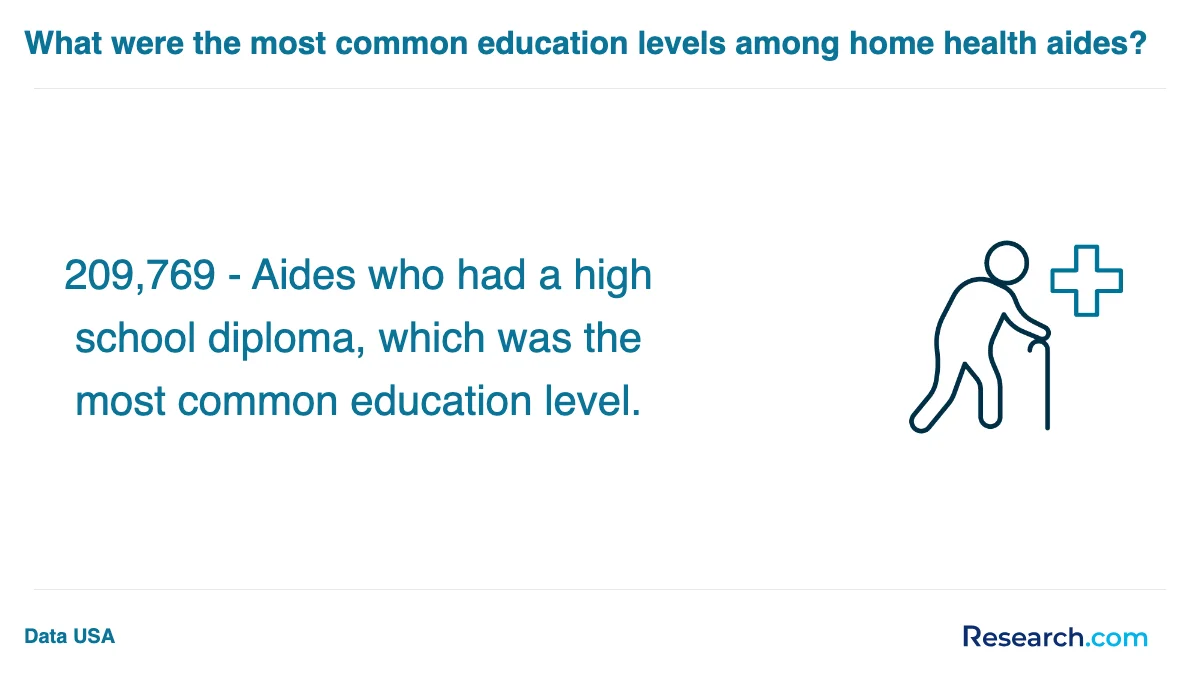
- Have a high school diploma or GED, ensuring foundational skills necessary for patient care.
- Pass a background check, reflecting the trustworthiness essential in home health environments.
- Provide proof of immunizations, safeguarding both students and the vulnerable populations they will serve.
Some schools also encourage or require a brief health screening or basic CPR certification before starting classes. Graduates often share how these prerequisites, while simple, set a tone of responsibility and readiness.
Imagine walking through a campus in California or Oregon, surrounded by peers equally eager to make a difference. This shared commitment creates an encouraging atmosphere, proving that these initial steps are not just hurdles but gateways to personal growth and community impact.
What are the typical courses in home health aide trade schools in West?
Home health aide trade school programs in the West typically immerse students in a well-rounded curriculum designed to build both confidence and competence. Graduates often reflect on how courses like Program Orientation helped them set clear expectations, easing first-day nerves. Understanding Human Growth and Development gave them empathy for clients at different life stages, while The Older Adult in Society highlighted the distinct challenges faced by seniors.
Hands-on skills are central to these programs. Students frequently praise training in personal care skills such as hygiene, grooming, and mobility assistance, which prepared them for real situations-like helping a client safely transfer from bed to wheelchair. Nutrition lessons on meal planning and special diets empower aides to support client health daily.
- Communication with clients and healthcare teams
- Recognition of abuse and special problems
- Home safety and infection control
- Bloodborne diseases precautions
- Basic anatomy and vital signs monitoring
- Rehabilitation and hospice care
Popular trade schools in the West also emphasize medical terminology and professional teamwork, which many students felt boosted their readiness for certification exams and the rewarding responsibility of home care employment.
What are the available specializations in home health aide trade schools in West?
Home health aide trade school programs in the Western United States often include valuable specializations that prepare students for diverse caregiving roles. Graduates from Washington's High School Home Care Aide Training Program appreciate the hands-on experience gained through this 90-hour course, which covers essential health science skills aligned with state requirements. Many find this foundation vital in launching their healthcare careers.
Programs in Oregon's community colleges typically offer specializations such as dementia care and palliative care, which graduates recall as deeply rewarding experiences. These specializations equip caregivers with advanced skills in managing complex patient needs and enhancing quality of life through compassionate communication and tailored support.
In Washington, the Advanced Home Care Aide Specialist Training enhances resumes by teaching advanced techniques like medication management and motivational interviewing. Graduates describe these skills as empowering, enabling them to increase hourly pay while providing high-quality, person-centered care.
Students eager to continue growing often explore most affordable cna to rn bridge programs online, which build on their home health aide expertise.
How do you choose the best home health aide trade school program in West?
Choosing the best home health aide training programs in the West means focusing first on state-approved or accredited schools that meet rigorous standards. Graduates from well-known colleges in California and Washington often speak highly of programs that include at least 75 hours of combined classroom and supervised clinical practice, preparing them confidently for certification exams and real-world care. Imagine completing your training in a place where instructors emphasize not just technical skills but also communication and patient dignity, making every lesson feel relevant and empowering.
When comparing programs, consider how flexible schedules and hybrid formats can fit your lifestyle, especially if you balance work or family. This practical approach is a common thread among successful students in western states who found programs tailored to their needs. Tuition costs vary, so weigh the total investment, including fees for materials and background checks, to avoid surprises.
For those wondering about career paths, look for schools offering strong job placement support. Many graduates recall how helpful career counseling and employer connections were in landing their first roles. If you're curious about related healthcare roles, understanding what is the difference between a cna and a cma can also guide your decision.
Knowing how to compare home health aide schools in Western states means evaluating admission criteria carefully. Most require a high school diploma, minimum age, and clean background check, but some may ask for immunizations or drug testing. Reflecting on these details helps you choose a program that fits your goals and sets you up for success.
What career paths are available for home health aide trade school graduates in West?
Graduates of home health aide trade school programs in West often find a variety of fulfilling career opportunities for home health aides in West. Many start by providing compassionate care in private homes or assisted living facilities, gaining valuable hands-on experience. Some choose to specialize in areas like geriatric care or palliative support, where their skills deeply impact patients facing challenging health conditions. Popular trade schools in West report that these specializations often bring a meaningful sense of purpose and higher pay.
Advancement is also within reach; graduates frequently take on supervisory roles, guiding new aides and coordinating care plans. Those eager for growth pursue additional certifications to become Certified Nursing Assistants (CNAs), Licensed Practical Nurses (LPNs), or Registered Nurses (RNs), opening doors to broader healthcare environments. Students juggling work and study appreciate how becoming an HHA allows flexible progress toward these goals.
Many graduates share how they use their initial experience as a foundation to transition into healthcare management or case management, demonstrating the diverse home health aide advancement paths in West. For those considering this route, understanding home health aide requirements is an essential first step.
What is the job market for home health aide trade school graduates in West?
The home health aide job outlook in Western states is exceptionally promising, driven by a surge in demand and attractive wages. Graduates from popular trade schools often share stories of quickly securing rewarding roles where they provide essential support to seniors and those with disabilities. In states like Washington and Oregon, the demand for home health aides in the West is notably high, fostering a competitive yet encouraging job market.
Key factors contributing to this landscape include:
- Median annual wages exceeding $46,000 in cities such as Seattle and Longview, offering financial stability.
- A growing aging population increasing the need for compassionate in-home care.
- A shortage of skilled caregivers, creating abundant opportunities in home health agencies, public health settings, and group homes.
Graduates often appreciate the mix of meaningful work and job security, reflecting the real-life impact of their skills. For those exploring qualification for nursing assistant pathways in the West, the robust growth in this field signals a career with both heart and opportunity.
Frequently Asked Questions about home health aide
After completing a home health aide trade school program in West, preparing for the job market involves several key steps. First, it is essential to obtain certification as required by West state regulations, which often includes passing a competency exam. According to the West Department of Labor, certified home health aides have a 12% higher employment rate compared to non-certified aides.
Networking with local healthcare providers and attending job fairs can increase job opportunities. Many agencies prefer candidates with hands-on clinical experience, so completing internships or externships during training is beneficial. Additionally, updating a professional resume and practicing interview skills tailored to healthcare roles can improve hiring chances.
Staying informed about the growing demand for home health aides in West, projected to increase by 15% through 2030 per the U.S. Bureau of Labor Statistics, can help graduates target employers effectively.
Employers in West highly value home health aide graduates who demonstrate strong communication skills, as clear interaction with patients and families is essential. According to the U.S. Bureau of Labor Statistics, interpersonal skills are among the top attributes sought in caregiving roles nationwide, including West. Practical skills like patient care, including assistance with daily living activities, are critical and typically taught in accredited trade schools. Additionally, reliability and time management are important, given the often unpredictable nature of home health work. Knowledge of basic medical procedures and safety protocols also ranks highly, ensuring aides can respond effectively in emergencies.
Empathy and patience are frequently emphasized in employer surveys across West's healthcare sector. Graduates who show cultural competence and adaptability are preferred, reflecting the diverse populations served. The West regional healthcare workforce reports that aides with certification and hands-on training from trade schools are more competitive in the job market. Overall, employers seek well-rounded graduates who combine technical skills with strong personal qualities.
Finding internships in West relevant to a home health aide trade school program requires proactive research and networking. Start by contacting local healthcare facilities such as nursing homes, assisted living centers, and home care agencies, as many offer internship opportunities for students. According to the Bureau of Labor Statistics, internships help 70% of health aide students gain practical experience and improve job placement.
Community colleges and trade schools in West often have partnerships with local providers. Ask your school's career services about available internships or externships. Additionally, state resources like the West Department of Health may list registered training sites.
Online job boards and local workforce centers can also provide leads on internships specifically for home health aide students. Applying early and maintaining good communication with potential hosts increases your chances of securing a placement.
Obtaining a home health aide trade school diploma in West significantly improves career mobility by providing essential skills and certification recognized across healthcare settings. According to the West Department of Labor, diploma holders have a 15% higher employment rate within six months post-graduation compared to non-certified aides. This credential often qualifies graduates for entry-level roles in hospitals, nursing homes, and private care, creating a foundation for career growth.
Moreover, the diploma can lead to wage increases; the West Healthcare Workforce Report (2023) shows certified aides earn on average 12% more than uncertified peers. It also opens pathways to advanced certifications, such as Certified Nursing Assistant (CNA), which further enhance job prospects and salary potential.
Employers in West increasingly prefer candidates with formal training due to state healthcare regulations and quality standards, enhancing career stability. Overall, the diploma acts as a stepping stone for upward mobility within the local healthcare industry by improving employability and access to specialized roles.
Students enrolled in home health aide trade schools in West can benefit from several part-time job opportunities that complement their education. Positions such as caregiver assistants or personal care aides in local nursing homes and assisted living facilities allow hands-on experience with patient care.
According to the U.S. Bureau of Labor Statistics, West has seen a 12% increase in home health aide employment over the past five years, reflecting growing demand in this sector. Working part-time in home care agencies also offers practical exposure to daily routines and communication skills essential for the profession.
Additionally, some students find part-time roles as medical receptionists or pharmacy aides, which can enhance their understanding of healthcare environments and administrative tasks.
Yes, there are Home Health Aide programs and certifications available at various community colleges and technical schools across different regions, and you might find one near you by searching specifically for programs near West. Such programs typically offer practical training and coursework to prepare students for careers in home health services. To find detailed information on the best programs, you can refer to resources like Research.com for comprehensive rankings and insights.
Top Trending Rankings
References
- Home Health Aide, Certified – Center for Workforce Development https://www.missouriwestern.edu/workforce/certified-home-health-aide/
- Home Health Aide: Supplemental https://www.wvoc.net/apps/pages/NursingHHA
- Program - Home Health Aide - AdventHealth University https://workforce.ahu.edu/program-home-health-aide/
- How Do I Become a Home Health Aide? | Penn Foster https://www.pennfoster.edu/blog/how-to-become-a-home-health-aide
- Career Programs / Home Health Aide (hide program per T Randolph 062922) https://www.collierschools.com/Page/15590
- Online Home Health Aide from West Georgia Technical College https://careertraining.westgatech.edu/training-programs/home-health-aide/
- Online Home Health Aide (HHA) Training Program - CareAcademy https://careacademy.com/training/hha-training/
- How to Become a Home Health Aide in West Virginia (2024) | Dreambound https://dreambound.com/blog/how-to-become-a-home-health-aide-in-west-virginia
- Advanced Home Health Aides | Office of the Professions https://www.op.nysed.gov/professions/clinical-nurse-specialists/advanced-home-health-aides
- 5 Steps to Becoming a Home Health Aide | Salary & Requirements https://nurse.org/healthcare/home-health-aide/


