
Best Home Health Aide Training Programs & Trade Schools - Top Home Health Aide Schools in South for 2026

Co-Founder and Chief Data Scientist
Choosing the right home health aide trade school in the South can shape your future career and open doors to meaningful work. This article presents a carefully researched ranking of home health aide trade school programs, developed by the Research.com team of data scientists. It’s designed to help you make an informed decision about which programs truly stand out.
Getting a diploma or certification in this field offers rewarding opportunities and valuable skills. Read on to discover programs that fit your goals and set you up for success.
Key benefits of finishing home health aide trade school in South
- Graduates can expect an average salary between $27,000 and $37,000 per year in South Carolina, with many earning around $18 per hour, offering a rewarding start in a growing field.
- Career paths after graduation include working as home health aides in various settings like private homes, assisted living facilities, or healthcare agencies, providing diverse opportunities for growth and specialization.
- Completing a home health aide trade school online offers flexibility and convenience, allowing students to balance learning with life commitments, as experienced by many successful online program graduates in South Carolina.
What can I expect from home health aide trade schools in South?
In a home health aide trade school program in the South, you can expect a dynamic blend of classroom learning and hands-on training that truly prepares you for meaningful work in healthcare. Graduates from Southern Technical Institute, for example, often share how the flexible options-ranging from a quick 40-hour certificate to a detailed 165-hour diploma-fit perfectly with their busy lives and career goals. You'll dive into essential topics like medical terminology, anatomy, and emergency procedures, gaining practical skills like monitoring vital signs and assisting with mobility that you'll use every day with patients.
Many students find the clinical experience especially rewarding, as programs typically offer at least 16 hours of supervised, real-world practice. The University of South Carolina Beaufort's supportive clinical placement process helps students build confidence and compassion, making the transition from classroom to patient home seamless. Along the way, you'll develop strong communication skills and an empathetic mindset, empowering you to make a positive impact on the lives of those who need it most.
Where can I work after finishing home health aide trade schools in South?
Graduates of home health aide trade schools in the South step into a world full of meaningful opportunities. Many find themselves working in home health agencies, providing compassionate care right in patients' own homes-helping seniors with daily tasks or offering comfort to those managing chronic illnesses. For example, graduates from well-known Southern trade schools often share how rewarding it feels to support families during challenging times, whether through personal care or simply being a trusted companion.
Others pursue careers in hospice organizations, where their skills bring peace and dignity to patients facing end-of-life journeys. Assisted living and long-term care facilities also eagerly hire these aides, trusting them to assist residents with mobility and health monitoring. Some graduates find joy working in rehabilitation centers or adult day care programs, helping clients regain independence after surgery or manage ongoing conditions.
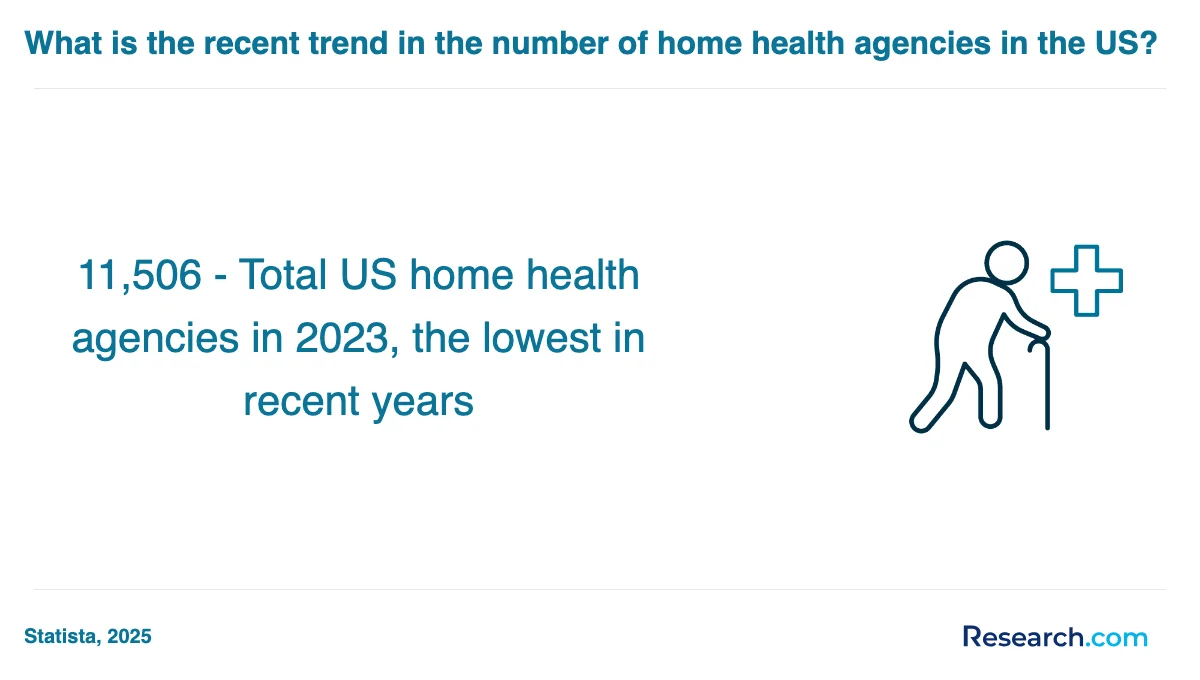
With job listings booming across the South-from bustling cities to rural communities-home health aides enjoy steady demand and the chance to grow professionally within non-profits, private duty agencies, and hospital-based home care programs. This career path offers not only a paycheck but a profound sense of purpose every day.
How much can I make after finishing home health aide trade schools in South?
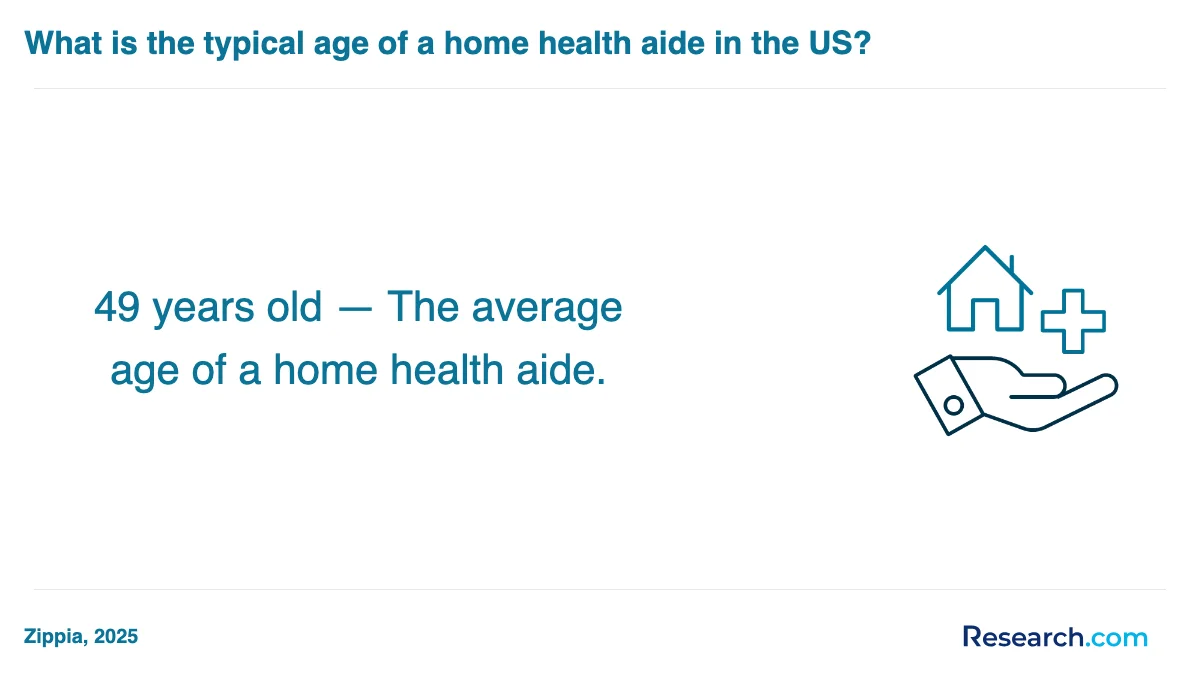
Graduates from home health aide trade schools in the South often step into a rewarding career with an average annual salary around $30,866, or about $15 per hour. Many find this to be a meaningful first step, earning enough to support themselves while gaining valuable experience. For instance, those who trained at popular Southern trade schools share stories of starting near this pay range and quickly growing their income through overtime and mileage reimbursements offered by employers.
In vibrant communities like Homestead, Florida, aides earn slightly more-around $15.53 per hour-turning their compassion and skills into steady paychecks. Entry-level graduates often feel proud knowing their work makes a real difference, and with experience, many move toward higher salaries closer to the national average of $34,990. This progress brings confidence and a clear path forward.
Completing a trade school program in the South opens doors not just to jobs, but to a supportive career with room for growth, making the investment in education a truly uplifting choice.
Best Home Health Aide Training Programs & Trade Schools - Top Home Health Aide Schools in South for 2026
# 1 position
Eastern New Mexico University-Roswell Campus - Home Health Aide/Home Attendant.
certificate or diplomaEastern New Mexico University-Roswell Campus offers a fully online Home Health Aide/Home Attendant program designed to prepare students to provide routine care for homebound disabled, recovering, or elderly individuals. The curriculum covers basic nutrition, home sanitation, infection control, first aid, vital signs, personal hygiene, communication, home management, emergency recognition, geriatric care, and legal responsibilities. The program’s annual in-state tuition is $2,256 and is accredited by the Higher Learning Commission.
# 2 position
Southern Crescent Technical College - Home Health Aide/Home Attendant.
certificate or diplomaSouthern Crescent Technical College offers a Home Health Aide/Home Attendant program with a hybrid format, including some distance-education options. The program prepares students to provide routine care and support for homebound disabled, recovering, or elderly individuals. Instruction covers basic nutrition, home sanitation, infection control, first aid, vital signs, personal hygiene, communication skills, home management, emergency recognition, geriatric care, and legal and ethical responsibilities. Annual in-state tuition is $3,126. The program is accredited by the Southern Association of Colleges and Schools Commission on Colleges.
# 3 position
University of New Mexico-Valencia County Campus - Home Health Aide/Home Attendant.
certificate or diplomaThe Home Health Aide/Home Attendant program at University of New Mexico-Valencia County Campus offers hybrid learning with some distance education. It prepares students to provide care and support for homebound disabled, recovering, or elderly individuals. Instruction covers nutrition, sanitation, infection control, first aid, vital signs, personal hygiene, communication, home management, emergency recognition, geriatric care, and legal responsibilities. Annual in-state tuition is $1,878. The program is accredited by the Higher Learning Commission.
# 4 position
University of New Mexico-Los Alamos Campus - Home Health Aide/Home Attendant.
certificate or diplomaThe Home Health Aide/Home Attendant program at University of New Mexico-Los Alamos Campus offers a hybrid learning format with some distance-education options. It prepares students to provide care and support for homebound disabled, recovering, or elderly individuals. The curriculum covers nutrition, sanitation, infection control, first aid, vital signs, hygiene, communication, home management, emergency recognition, geriatric care, and legal responsibilities. Annual in-state tuition is $2,214. The program is accredited by the Higher Learning Commission.
# 5 position
Tri-County Technical College - Home Health Aide/Home Attendant.
certificate or diplomaTri-County Technical College offers a Home Health Aide/Home Attendant program with a hybrid format, combining in-person and distance education. The program prepares students to provide routine care and support for homebound disabled, recovering, or elderly individuals. Instruction covers nutrition, home sanitation, infection control, first aid, vital signs, personal hygiene, communication, home management, emergency recognition, geriatric care, and legal responsibilities. Annual in-state tuition is $4,448. The program is accredited by the Southern Association of Colleges and Schools Commission on Colleges.
# 6 position
Piedmont Technical College - Home Health Aide/Home Attendant.
certificate or diplomaPiedmont Technical College offers a Home Health Aide/Home Attendant program designed to prepare individuals to provide routine care and support for homebound disabled, recovering, or elderly people. The hybrid program includes training in nutrition, home sanitation, infection control, first aid, vital signs, personal hygiene, communication, home management, emergency referral, geriatric care, and legal responsibilities. Annual in-state tuition is $4,775, and the program is accredited by the Southern Association of Colleges and Schools Commission on Colleges.
# 7 position
Western Technology Center - Home Health Aide/Home Attendant.
certificate or diplomaThe Home Health Aide/Home Attendant program at Western Technology Center offers hybrid instruction with some distance-education options. It prepares students to provide care and support for homebound disabled, recovering, or elderly individuals. Coursework includes nutrition, home sanitation, infection control, first aid, vital signs, hygiene, communication, home management, emergency recognition, geriatric care, and legal and ethical responsibilities. The program is accredited by the Oklahoma State Board of Career and Technology Education.
# 8 position
Mid-America Technology Center - Home Health Aide/Home Attendant.
certificate or diplomaThe Home Health Aide/Home Attendant program at Mid-America Technology Center offers a hybrid format with some distance-education options. It prepares students to provide routine care and support for homebound disabled, recovering, or elderly individuals. Instruction covers nutrition, sanitation, infection control, first aid, vital signs, hygiene, communication, home management, emergency recognition, geriatric care, and legal responsibilities. The program is accredited by the Oklahoma State Board of Career and Technology Education.
Key Findings
- Most home health aide programs in the South require a high school diploma or equivalent and passing a criminal background check and drug screening.
- Training includes at least 75 hours, with 16 hours of supervised practical experience, covering healthcare skills, hygiene, and infection control.
- Program costs typically range from $400 to $1,500, excluding textbooks, uniforms, and certification fees.
- Jobs for home health aides are expected to grow by 33% nationwide from 2020 to 2030, with high demand in the South.
- Starting wages in the South range from $12 to $15 per hour, with median annual pay around $27,000 and potential to earn $35,000 or more with experience or certifications.
How long does it take to complete home health aide trade schools in South?
Completing a home health aide trade school program in the South typically takes about 4 to 12 weeks, depending on the school and whether you choose full-time or part-time study. Many students find this timeline empowering because it allows them to quickly transition into meaningful healthcare roles that make a real difference in people's lives.
Graduates from well-known Southern trade schools often share how their focused, hands-on training helped them build confidence rapidly. For example, students at popular programs in states like Georgia or Texas describe balancing classroom learning with practical experience, which prepares them to support seniors and individuals with disabilities effectively.
Imagine finishing your training just weeks after enrollment and starting a rewarding career where you bring comfort and independence to families in your community. This swift completion time is perfect for those eager to begin helping others without long delays, making the journey both inspiring and achievable.
What's the difference between online and on-campus home health aide trade school programs?
Choosing between online and on-campus home health aide programs in the South means deciding how you want to learn and grow. Graduates from Southern Technical Institute often share how the online program gave them the freedom to study around work and family, completing courses at their own pace. This flexibility allowed them to balance life's demands while gaining essential knowledge from anywhere with internet access.
On the other hand, those who thrive in in-person settings find on-campus programs deeply rewarding. Being physically present in a classroom offers real-time guidance and hands-on practice-like mastering patient mobility or vital sign monitoring-skills that build confidence through direct experience. These face-to-face moments become unforgettable milestones, creating a supportive community of peers and instructors.
Both paths honor federal requirements, including the vital clinical hours, whether through local placements arranged online or integrated on-campus schedules. This ensures that every graduate is prepared and empowered to make a meaningful difference in healthcare, no matter which route they choose.
What is the average cost of home health aide trade schools in South?
In the Southern US, the average cost home health aide programs South typically range from $900 to $1,200, making them an accessible path toward a rewarding career. Graduates from popular trade schools in cities like Charlotte and Atlanta often share how affordable tuition fees home health aide schools Southern US allowed them to launch their career without overwhelming debt. For example, an HHA class in Charlotte costs about $1,100 and lasts close to five weeks, giving students a fast and practical way to gain essential skills.
Similarly, programs in Atlanta cost roughly $1,000 while lasting around four weeks. These well-structured courses combine hands-on training and classroom learning, enabling students to confidently step into healthcare roles. Many find joy and fulfillment in helping others, feeling proud that their investment in education pays off both personally and professionally.
Beyond tuition, students should expect additional costs including background checks, drug screenings, and supplies, which can add several hundred dollars but are worthwhile investments in their new career. Graduates often reflect on the transformative experience of training close to home, describing it as both inspiring and empowering.
This journey opens doors, especially if you want to explore how to get my cna license after completing your home health aide education. It's a practical stepping stone, grounded in real-life success stories from the South, reminding aspiring aides that with dedication and quality training, a fulfilling healthcare career is within reach.
What financial aid is available for home health aide trade schools in South?
Students pursuing home health aide programs in the South often find hope through a variety of financial aid options that make their dreams achievable. Many graduates from popular trade schools in Texas and Florida share how Pell Grants, which can provide up to $7,395 annually, lifted the burden of tuition, allowing them to focus fully on their caring careers without the stress of debt.
Federal student loans also offer crucial support, especially subsidized loans that pause interest while students are in school. One recent graduate recalls how this helped manage expenses while balancing family life and studies.
State-specific grants in Southern states further brighten the path. For example, workforce development funds in Florida helped another student cover not just tuition but also books and uniforms, turning financial challenges into manageable steps.
Scholarships from organizations supporting healthcare diversity often provide $1,000 to $5,000 awards, giving students from underrepresented backgrounds a meaningful boost. Some schools and local healthcare employers even offer tuition reimbursement programs, rewarding commitment to local care with both education funding and a job.
What are the prerequisites for enrolling in home health aide trade schools in South?
Enrolling in a home health aide trade school program in the South is an exciting step toward a rewarding career, and most schools have welcoming prerequisites designed to set you up for success. Typically, you'll need to meet a few straightforward requirements that ensure you're ready to thrive in both the classroom and real-world care settings.
Graduates from popular trade schools in the South often share how these prerequisites helped them feel confident and prepared. Common requirements include:
- Being at least 18 years old, reflecting the maturity needed for compassionate patient care
- Possessing a high school diploma or GED, which lays the foundation for learning essential healthcare skills
- Passing a background check, ensuring a safe environment for vulnerable patients
- Completing a health screening or tuberculosis test, confirming readiness for clinical experiences
Many students find that meeting these prerequisites is a motivating milestone-like receiving a green light to pursue their passion for helping others. Imagine stepping into a classroom in a Southern trade school, surrounded by peers who all share your dedication, ready to learn hands-on skills that will change lives. This clear path empowers you to focus fully on your dream of becoming a trusted home health aide.
What are the typical courses in home health aide trade schools in South?
Home health aide trade school programs in the South offer a rich blend of courses designed to empower students with the skills needed to make a real difference in people's lives. Graduates often recall how learning the roles and responsibilities of a home health aide helped them confidently navigate the delicate balance of care and professionalism in clients' homes. These courses emphasize ethical guidelines and clear boundaries, ensuring students are prepared to provide compassionate support.
In popular Southern trade schools, students dive into medical terminology and basic anatomy, gaining familiarity with body systems like cardiovascular and respiratory, which makes understanding clients' conditions less intimidating. Many find this knowledge transforms their approach to care, helping them anticipate needs and communicate effectively with healthcare teams.
Hands-on training is a highlight. Students master personal care skills such as bathing, dressing, and safe mobility assistance-skills that bring smiles and independence to those they serve. Nutrition, meal prep, and housekeeping courses round out the curriculum, teaching students how to create comfortable, nurturing environments.
Additional important courses include:
- Recognizing abuse and neglect
- Handling emergency situations
- Infection control
Many graduates cherish the supervised practice opportunities, often guided by experienced nurses, which build confidence and readiness for real-world challenges. Trade schools like Southern Technical Institute in Florida meet rigorous AHCA standards, ensuring students receive a respected certification that opens doors across the South.
What are the available specializations in home health aide trade schools in South?
Home health aide training specializations in Southern states shine with practical, hands-on skills that graduates carry with pride. Popular programs at trade schools like Southern Technical Institute offer focused training in geriatric care, equipping students to confidently support elderly clients with chronic condition management and daily living activities. Many graduates reflect on how this specialization transformed their approach to providing compassionate care.
Specialized home health aide programs in the Southern United States also include dementia care, which teaches aides to skillfully handle memory loss challenges and behavioral issues, making a meaningful difference for families coping with cognitive decline. The rising demand for dementia-trained aides inspires students to embrace these skills fully.
- Palliative care training helps students develop empathy and techniques to comfort clients facing serious illnesses, an area especially valued in Southern communities.
- Rehabilitation support prepares aides to assist clients through recovery by teaching mobility and adaptive strategies.
Graduates often share how these specializations brought deep fulfillment, empowering them to meet diverse client needs. If you wonder do you need a certification to be a nursing assistant, exploring these specialized home health aide training paths can be your first inspiring step.
How do you choose the best home health aide trade school program in South?
Choosing the best home health aide programs in the South means focusing on accredited schools that meet state requirements, such as those in Mississippi and Tennessee. Graduates from these programs often share how the combination of classroom learning and hands-on clinical hours, like the 75 classroom and 16 clinical hours required in Mississippi, truly prepared them for real-world care. Schools like Southeast Technical College and Tennessee technical colleges offer a balanced curriculum that builds confidence and competence for personal and basic nursing services in home settings.
Understanding how to compare home health aide schools in Southern states involves looking at flexibility and support. Many students appreciate part-time or hybrid schedules that allow them to work or care for family while studying. Institutions such as Pima Medical Institute stand out for offering multiple formats and strong career guidance, helping graduates transition smoothly into rewarding roles. For those exploring fast highest paid healthcare certifications, this approach can be life-changing.
What career paths are available for home health aide trade school graduates in South?
Graduates of home health aide trade school programs in South are stepping into a world of meaningful healthcare job opportunities after home health aide certification South. Many find immediate roles assisting patients in home settings, assisted living facilities, or hospice organizations throughout states like South Carolina and South Dakota. These positions often involve compassionate daily care, medication reminders, and health monitoring, creating deeply rewarding experiences for caregivers.
For those eager to grow, career advancement for home health aides in the South opens exciting pathways such as:
- Specializing in care for patients with complex medical needs or disabilities
- Transitioning into medication aide or patient care technician positions in hospitals and clinics
- Pursuing nursing careers by advancing to licensed practical nurses (LPNs) or registered nurses (RNs) through further education
Popular trade schools in South provide not only hands-on training but also support networks that empower graduates to confidently advance their careers. Many former students have leveraged these opportunities to build fulfilling healthcare careers that make a real difference daily.
For example, graduates often explore most affordable cna to rn bridge programs online to smoothly transition into nursing roles, combining flexibility with career growth. This pathway illustrates how investing in home health aide training in the South can unlock a vibrant future full of promise and service.
What is the job market for home health aide trade school graduates in South?
The home health aide job outlook in the South is exceptionally promising for trade school graduates. Many who have completed their programs at popular trade schools in Texas, Georgia, and Florida have found fulfilling roles almost immediately after graduation. These graduates often share stories of stepping into vibrant careers where they provide essential care to elderly clients right in their own homes, creating meaningful connections that enrich both lives.
Demand for home health aides in Southern states remains strong, driven by an aging population and a preference for in-home care over institutional settings. Graduates experience a variety of opportunities, from working with seniors to assisting people with disabilities. Key factors fueling this job growth include:
- The rapidly growing elderly population in Southern metropolitan areas such as Houston and Dallas
- Seniors' preference to remain at home, boosting demand for personalized care
- Health care shifts toward affordable, quality home-based services
Many graduates appreciate the reliable employment outlook and competitive wages in these cities, often between $24,000 and $25,000 annually, with pathways to grow within the healthcare field. For those wondering what is needed to become a hha, South-based trade schools provide hands-on training that fuels confidence and job readiness in this booming sector.
Frequently Asked Questions about home health aide
After completing a home health aide trade school in South, preparing for the job market involves several key steps. First, obtaining certification through the state's approved testing program is essential, as South typically requires aides to be certified to work legally. According to the South Department of Health, certified home health aides earn a median wage of about $14 per hour, reflecting steady demand in the region.
Networking with local healthcare providers and agencies can increase job opportunities. Many graduates benefit from attending job fairs and connecting with employers through their trade school's career services. Additionally, gaining experience through internships or volunteer work strengthens resumes.
Keeping skills current by pursuing continuing education and staying informed about healthcare regulations also improves employability in South's competitive market.
Employers in the South region highly value home health aide graduates who demonstrate strong interpersonal skills. Effective communication and empathy are essential for building trust with patients and their families, according to the U.S. Bureau of Labor Statistics. Technical competence in basic patient care, such as administering medication and monitoring vital signs, is also critical. Additionally, reliability and time management stand out as important traits, with many employers seeking aides who can manage multiple tasks efficiently. South Carolina's Department of Health highlights that knowledge of state-specific regulations and safety protocols further enhances a candidate's employability in this growing healthcare sector.
Finding internships relevant to home health aide trade school programs in South involves several practical steps. Start by contacting your trade school's career services, as many maintain partnerships with local healthcare facilities. According to the South Department of Health, nearly 65% of home health aide students secure internships through school referrals.
Another effective method is reaching out directly to nursing homes, hospice care centers, and home health agencies in your area. These organizations often seek interns to support patient care under supervision. Additionally, check state job boards and healthcare networks for internship postings specific to home health aides.
Networking through local health fairs and professional associations can also open internship opportunities. The South Healthcare Association reports that internships increase job placement rates by up to 40% for home health aide graduates in the region.
Obtaining a diploma from a home health aide trade school in South significantly enhances career mobility and advancement opportunities. According to the U.S. Bureau of Labor Statistics, the demand for home health aides in Southern states is projected to grow by nearly 30% over the next decade, creating ample job openings for certified professionals.
A diploma certifies practical skills and knowledge, which employers in South increasingly require. It often leads to higher starting wages and eligibility for specialized roles, such as patient care coordinator or supervisory positions. The South Carolina Department of Labor reports that certified aides earn on average 15% more than uncertified workers.
Moreover, a diploma can serve as a stepping stone toward further healthcare certifications, supporting long-term career growth within the region's expanding healthcare sector.
Part-time job opportunities in South that complement home health aide trade school education include working as a personal care assistant or a caregiver aide. These roles provide practical experience in assisting elderly or disabled clients with daily activities, which aligns well with classroom learning. According to the U.S. Bureau of Labor Statistics, South has a growing demand for home health aides, with many agencies offering flexible, part-time schedules.
Other options include positions in nursing homes or outpatient clinics, where students can observe medical professionals and build patient communication skills. These jobs often pay between $10 and $14 per hour, supporting students financially while enhancing their resumes.
When choosing the best Home Health Aide degree program near me, consider factors such as accreditation, curriculum, hands-on training opportunities, and faculty expertise. There are various colleges and institutions offering such programs near South regions, which can provide a comprehensive education in home health aide services. Resources like Research.com can help compare programs based on rankings, tuition costs, and graduate outcomes to make an informed decision.
Top Trending Rankings
References
- 5 Steps to Becoming a Home Health Aide | Salary & Requirements https://nurse.org/healthcare/home-health-aide/
- Home Health Aide Salary: Figures & Salaries by State | IntelyCare https://www.intelycare.com/career-advice/home-health-aide-salary-facts-figures-and-salaries-by-state/
- Home Health and Personal Care Aides : Occupational Outlook Handbook: : U.S. Bureau of Labor Statistics https://www.bls.gov/ooh/healthcare/home-health-aides-and-personal-care-aides.htm
- How to Become a Home Health Aide | Requirements & Salaries https://www.eaglegatecollege.edu/blog/how-to-become-a-home-health-aide/
- How much in salary and earnings do home health aides get paid? - Care Bridge Academy https://www.carebridgeacademy.com/how-much-in-salary-and-earnings-do-home-health-aides-get-paid/
- Home Health Aide Vs. Caregiver: Which One Is Right For You? https://www.fhcaorlando.com/blog/home-health-aide-vs-caregiver
- Home Health Aide Program | southerntechnicalinstitute.com https://southerntechnicalinstitute.com/home-health-aide-program/
- Online Home Health Aide from University of South Alabama Center for Continuing Education https://careertraining.southalabama.edu/training-programs/home-health-aide/
- Home Health Aide https://www.cdph.ca.gov/Programs/CHCQ/LCP/Pages/hha.aspx
- Online Home Health Aide from University of South Carolina - Sumter https://careertrainingsumter.sc.edu/training-programs/home-health-aide/


